
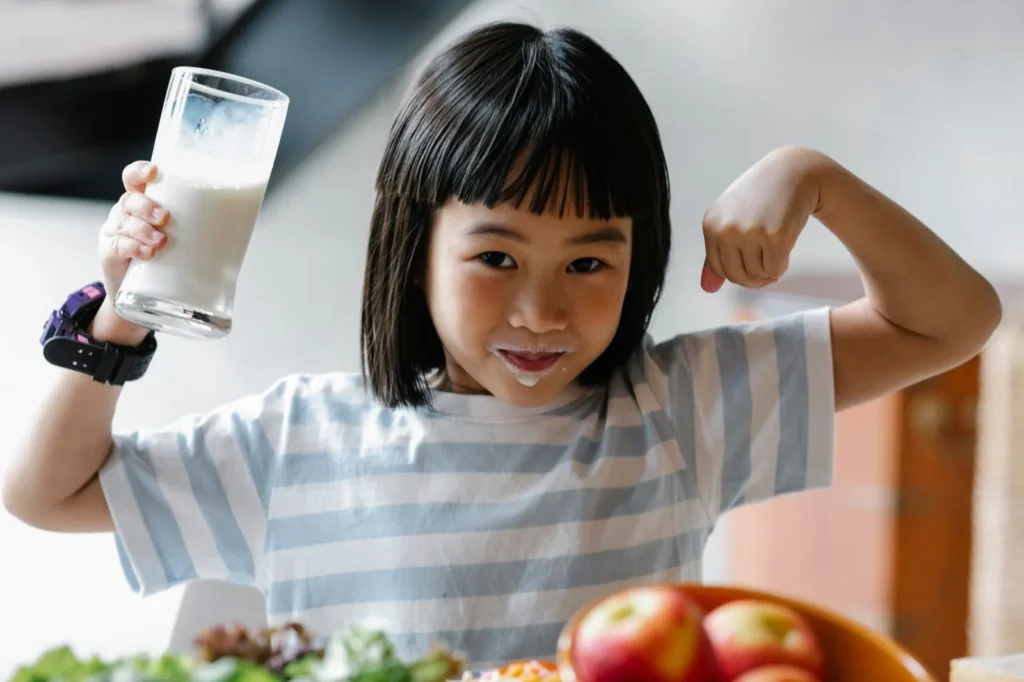
The nutritional requirements for children shift faster than most parents expect. A 2-year-old needs about 1,000 kcal and about 13 g of protein a day, while a 12-year-old needs roughly double the calories and nearly three times the protein. This guide gives you approximate daily figures by age band, the everyday Indian foods that cover each nutrient, a sample day, fixes for picky eating, and a clear list of signs that mean it is time to see a paediatrician.
Every number here is a rounded reference value for healthy children, not a prescription. For the broader feeding picture beyond numbers, read our wider feeding guide, and for under-ones, see infant nutritional requirements.
What are the nutritional requirements for children at each age?
Children aged 1 to 3 need about 1,000-1,400 kcal, 13 g protein, 700 mg calcium and 7 mg iron a day. At 4 to 8, that rises to about 1,200-1,800 kcal, 19 g protein, 1,000 mg calcium and 10 mg iron. At 9 to 13, it reaches about 1,400-2,200 kcal, 34 g protein and 1,300 mg calcium.
| Nutrient (about, per day) | 1-3 years | 4-8 years | 9-13 years |
|---|---|---|---|
| Energy | 1,000-1,400 kcal | 1,200-1,800 kcal | 1,400-2,200 kcal |
| Protein | 13 g | 19 g | 34 g |
| Fat (share of calories) | 30-40% | 25-35% | 25-35% |
| Calcium | 700 mg | 1,000 mg | 1,300 mg |
| Iron | 7 mg | 10 mg | 8 mg |
| Vitamin D | 600 IU (15 mcg) | 600 IU (15 mcg) | 600 IU (15 mcg) |
Three patterns matter. Protein and calcium climb with body size and bone growth. Iron peaks in the 4-8 band on this table, then rises again for girls once periods begin. Vitamin D stays flat because its job is helping the body absorb calcium, not building tissue.
Indian reference tables set calcium lower (about 500-850 mg across these ages) and iron higher than the figures above, so the version your paediatrician uses may differ a little. The direction of change is the same. Calorie ranges are wide because sex, activity and growth pace all move them, so do not count a child’s calories day to day.
Myth check: four beliefs that make parents over-feed or under-feed
“My child must finish the plate.” Healthy children adjust how much they eat from one meal to the next. Pressure to clear the plate teaches them to ignore fullness. Judge intake across a week, not one dinner.
“Health drinks are needed for growth.” A child eating milk or curd, dal, roti, vegetables and fruit usually does not need a powder on top. Fortified drinks are an add-on, not a requirement. Our guide to kids’ nutrition drinks shows what to check on a label.
“Low-fat is always healthier.” Toddlers need fat for brain development and energy, and their stomachs are small. Fat should not be restricted under age 2 unless a doctor advises it, so whole milk and ghee in dal are sensible choices.
“More protein means a taller child.” Height depends on genes, total energy intake, sleep and overall diet quality. Protein beyond the requirement does not add inches; it can crowd out foods that supply calcium, iron and fibre. Our explainer on protein and nutrition covers where it fits.
Which everyday Indian foods cover protein, calcium and iron?
One glass of milk (240 ml) gives about 8 g protein and 280 mg calcium. One egg gives about 6 g protein and 1 mg iron. A katori of cooked dal gives about 7 g protein and 2 mg iron. About 30 g of ragi flour adds roughly 100 mg calcium and 1 mg iron.
| Food | Serving | Protein (about) | Calcium (about) | Iron (about) |
|---|---|---|---|---|
| Milk | 1 glass, 240 ml | 8 g | 280 mg | trace |
| Curd | 1 katori, 100 g | 3-4 g | 120 mg | trace |
| Paneer | 50 g | 9 g | 100 mg | trace |
| Egg, boiled | 1 whole | 6 g | 25 mg | 1 mg |
| Dal, cooked | 1 katori, 150 g | 7 g | 30 mg | 2 mg |
| Chana or rajma, cooked | 1/2 katori, 75 g | 6 g | 50 mg | 2 mg |
| Ragi flour | 30 g | 2 g | 100 mg | 1 mg |
| Wheat roti | 1 medium | 3 g | 10 mg | 1 mg |
| Sesame (til) seeds | 1 tablespoon, 10 g | 2 g | 100 mg | 1 mg |
| Roasted peanuts, crushed | 25 g | 6 g | 15 mg | 0.5 mg |
Values vary with the recipe and cooking, so treat them as estimates. Two safety notes: whole nuts are a choking risk for children under about 5, so use powder or paste, and check for nut and sesame allergy before introducing them.
Plant iron absorbs less well than iron from meat, fish and egg. Pair dal, rajma, chana, ragi or palak with a vitamin C food in the same meal, such as a squeeze of lemon, a few amla pieces, guava, orange or tomato. Keep chai and coffee away from children; tea with meals reduces iron absorption. For more on bone-building foods beyond dairy, see our guide to calcium nutrition.
A sample day for a 4 to 8 year old, meal by meal
Here is one realistic vegetarian-plus-egg day with kid-sized portions, using the table above.
| Time | Meal | Protein (about) | Calcium (about) | Iron (about) |
|---|---|---|---|---|
| 7:30 am | 1 glass milk, 1 moong dal chilla with mint chutney | 12 g | 295 mg | 1 mg |
| 10:30 am (tiffin) | 1 fruit, small handful of roasted chana | 3 g | 20 mg | 1 mg |
| 1:00 pm | 1 roti, 1/2 katori dal, 1/2 katori palak sabzi, 1 katori curd, lemon | 12 g | 200 mg | 3 mg |
| 4:30 pm | 1 ragi dosa with chutney | 3 g | 100 mg | 1 mg |
| 7:30 pm | 1 roti, 40 g paneer bhurji or 1 egg bhurji, 1 katori sabzi | 12 g | 120 mg | 1.5 mg |
| 8:45 pm | 1/2 glass warm milk | 4 g | 140 mg | trace |
| Day total | about 46 g | about 875 mg | about 7.5 mg |
Protein clears the 19 g floor easily once dal, dairy and egg or paneer all appear. Calcium is the harder target: this day lands a little under the 1,000 mg international figure, though above many Indian reference values. Iron sits close to its target. If your child skips dairy, bring in ragi, til and a fortified alternative, and ask a dietitian to check the gap. Our nutrition for kids guide has weekly menus and tiffin ideas built on the same pattern.
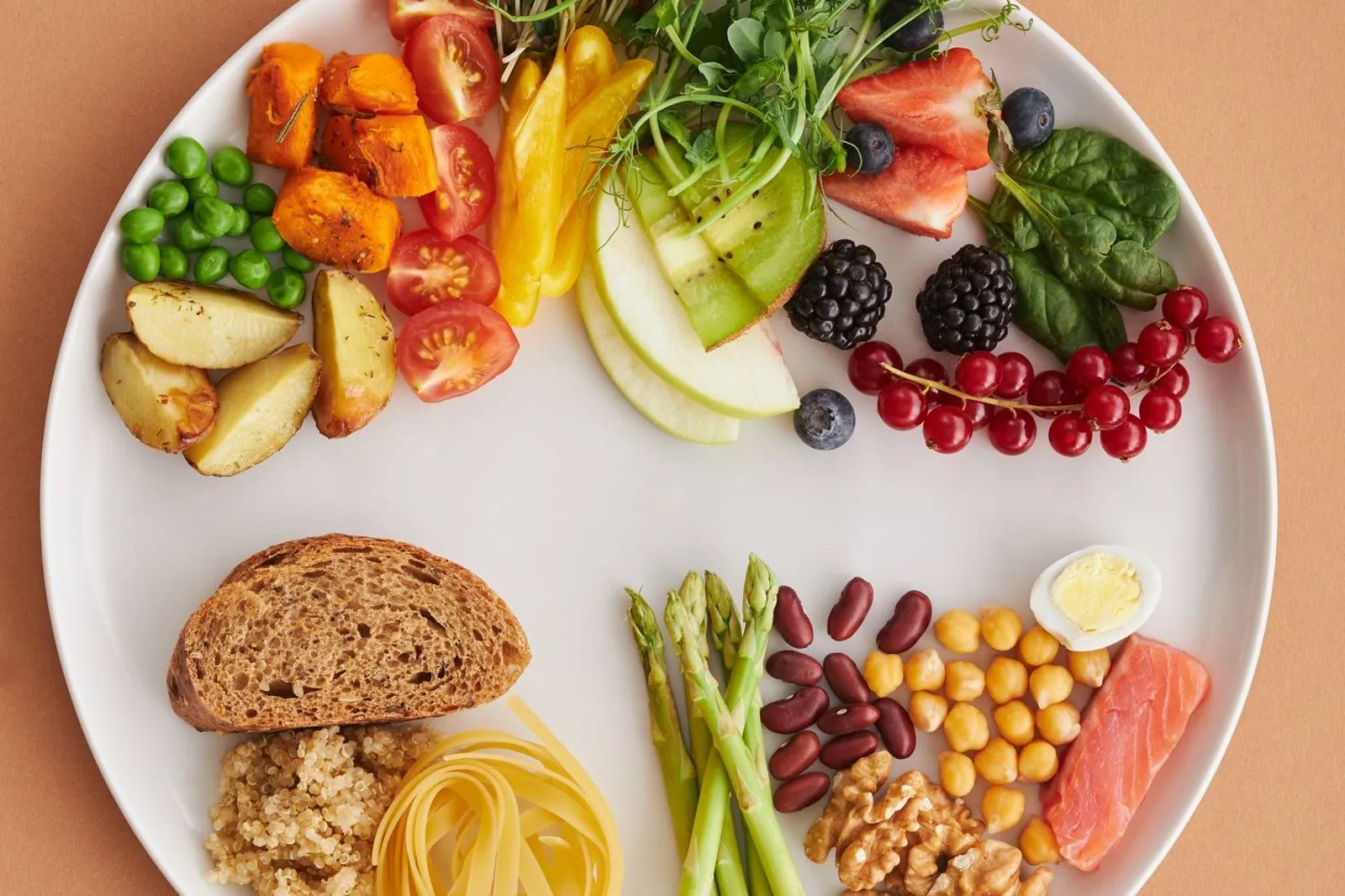
Where do children most often fall short, and how do you fix it?
The gaps most often raised with Indian paediatricians are iron, vitamin D, calcium and, in vegetarian families, vitamin B12. Fix food first: add a vitamin C source to iron-rich meals, include dairy or ragi daily, and get regular outdoor play. Do not start supplements without medical advice, because iron and vitamin D can both harm in excess.
- Iron: Tiredness, pale skin or poor appetite can point to low iron, but have other causes too. Offer dal, chana, rajma, ragi, palak, egg or meat with lemon or fruit. A blood test, not guesswork, confirms it.
- Vitamin D: Food contains little of it, and sun exposure is hard to judge for children who spend daylight hours indoors. Ask your paediatrician whether a supplement is needed.
- Calcium: The usual cause is skipped dairy. Aim for about 2-3 servings of milk, curd or paneer a day, adding ragi and til if dairy is refused.
- Vitamin B12: It comes almost only from animal foods such as milk, curd, paneer and egg. A child on a vegan or very limited diet needs a plan from a doctor or dietitian.
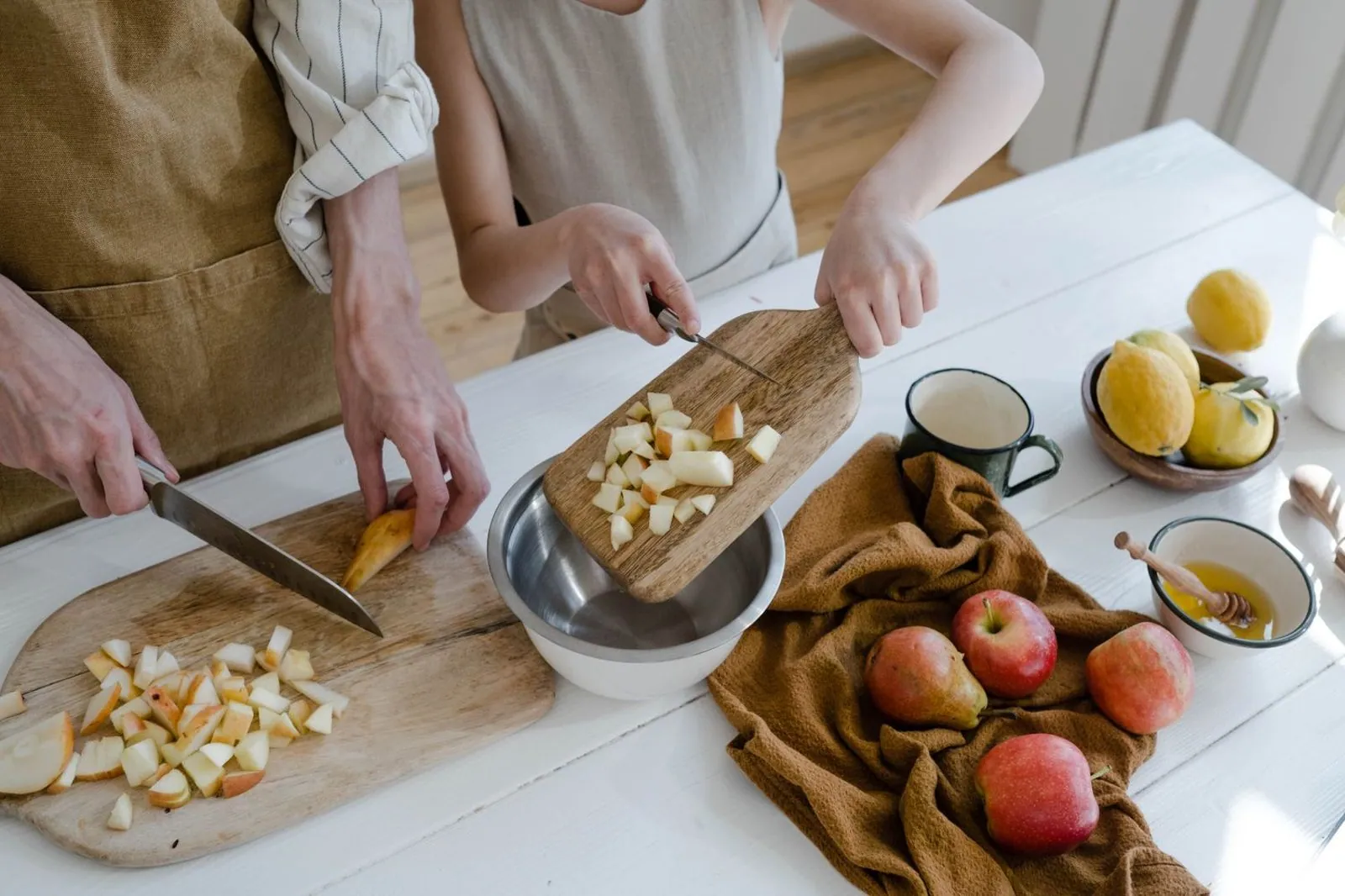
Picky eater? A step-by-step fix that works at an Indian dining table
- Fix the rhythm. Offer three meals and two snacks at roughly the same times. Give water between meals and keep biscuits, packaged snacks and juice away from the hour before a meal.
- Split the jobs. You choose what is served, when and where. Your child chooses whether to eat it and how much. No bribes, no sweets as a reward, and no screens at the table.
- Repeat, do not force. A new food often needs 10 or more tries before a child accepts it. Put a small piece on the plate with no comment, and let your child see you eating it.
- Build nutrition into favourites. Stuff paratha with paneer or dal, mix ragi into dosa batter, add moong dal to chilla, or roll til into a laddoo. Also serve the plain food openly so the child still learns what it looks like.
- Watch the milk. Toddlers drinking much more than about 500 ml a day often eat too little iron-rich food. Cap milk, then offer it after a meal.
- Track a week. One bad day means nothing.
If pickiness limits a whole food group or comes with weight loss or slow growth, stop troubleshooting at home and ask your paediatrician.
How do needs differ for toddlers, school-age children and pre-teens?
Toddlers need small, frequent, fat-containing meals; school-age children need steady, tiffin-friendly meals with dairy and iron sources; pre-teens need extra calcium and protein for the growth spurt, and girls need more iron once periods begin. The right answer for each child still depends on growth and health, not age alone.
Toddlers (1-3): Cut food into soft, small pieces, avoid whole nuts, and use whole milk and ghee unless advised otherwise. For your child’s first year, our infant nutritional requirements guide comes first.
School-age (4-8): Tiffin is where most gaps open up. Pack a protein and a fruit, and plan dairy for breakfast and bedtime. Our post on yoga for children shows gentle movement that suits this age.
Pre-teens (9-13): Bone mass is being built quickly, so dairy, ragi and til matter. Girls approaching periods should have iron foods paired with vitamin C. Avoid dieting talk and calorie-cutting; a child worried about weight needs a doctor’s assessment, not a restrictive plan. For a plain-language overview of children’s dietary needs, see our companion guide.
Vegetarian, vegan or lactose-intolerant families: A well-planned vegetarian diet with milk, curd and paneer can meet needs. Vegan or dairy-free diets need a registered dietitian and paediatrician to plan calcium, vitamin D, iron and vitamin B12 for a growing child.
When should you see a paediatrician or registered dietitian?
These figures are general reference values for healthy children. Book a visit if you notice any of the following:
- Weight or height falling away from your child’s growth curve, or sudden weight loss or very rapid gain
- Persistent tiredness, pale skin, frequent infections, or bone or muscle pain
- A diet limited to a handful of foods, or refusal of whole groups such as dairy, protein or all vegetables
- Vomiting, diarrhoea, bloating or rashes after certain foods, which may mean an allergy or intolerance
- A diagnosed condition such as diabetes, coeliac disease, thyroid or kidney disease, or a child who takes regular medication
Never change a child’s medication, begin iron or vitamin D, or start a weight-loss diet on your own. Both iron and vitamin D can cause harm in excess, and calorie restriction can stunt growth.
Frequently asked questions
How much protein does a child need per day?
About 13 g for ages 1-3, 19 g for ages 4-8 and 34 g for ages 9-13, which works out to roughly 1 g per kg of body weight. A glass of milk, an egg and a katori of dal together give about 21 g, so most children eating mixed meals reach the target.
How much milk does a child need a day?
Roughly 2 cups (about 500 ml) for ages 1-3, 2.5 cups for ages 4-8 and 3 cups for ages 9-13, counting curd and paneer as part of the dairy total. Children who refuse dairy can use ragi, til and fortified alternatives, with a dietitian checking the gap.
Do children need multivitamins or health-drink powders?
Most children eating a varied Indian diet do not. A supplement helps in specific cases, such as a diagnosed deficiency, a very limited diet or a vegan household, and the dose should come from your paediatrician. Never give extra iron or vitamin D just in case.
Can a vegetarian child meet all nutrient requirements?
A vegetarian child who has milk, curd or paneer, dal, legumes, whole grains, vegetables and fruit can meet most needs. Watch iron, vitamin B12 and vitamin D, and discuss them with your paediatrician. Vegan diets need professional planning.
How do I know my child is eating enough?
Growth is the best sign. A child who gains height and weight along a steady curve on the paediatrician’s chart, has good energy and eats a varied diet over a week is usually eating enough. Daily calorie counts are not a reliable guide.
These numbers are a starting point, and every child grows differently. If you would like a meal plan built around your child’s age, food preferences and any allergies, book an online nutritionist consultation with Fitstrot and bring your child’s latest growth chart to the first session.


