
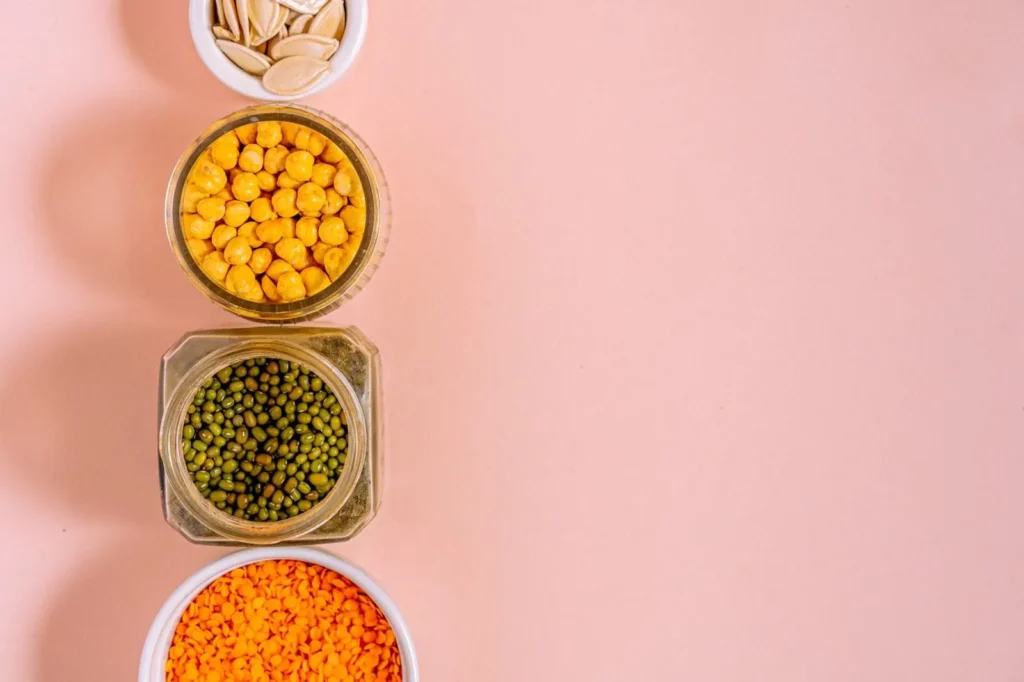
Protein and nutrition are usually discussed as if protein were a separate project, something you fix with a shake or a bigger portion of paneer. In practice, protein is one part of a plate that also has to supply energy, fibre, vitamins and minerals. A healthy adult needs about 0.8 g of protein per kg of body weight a day, and more if training hard. This guide shows how to hit that number with an Indian thali and keep the rest of the plate in balance.
How much protein do you need each day?
A sedentary healthy adult needs about 0.8 g of protein per kg of body weight a day, so roughly 48 g for a 60 kg person. Regular exercisers do better at about 1.0 to 1.2 g per kg, and people lifting weights or building muscle often aim for 1.2 to 1.6 g per kg.
Use your current body weight, not your goal weight. The table below turns those multipliers into grams. These are planning ranges, not prescriptions, and your own number shifts with age, appetite, health and how much of your protein comes from cereals instead of dals, dairy or eggs.
| Body weight | Mostly sedentary (about 0.8 g/kg) | Regularly active (about 1.0-1.2 g/kg) | Strength training (about 1.2-1.6 g/kg) |
|---|---|---|---|
| 50 kg | About 40 g | About 50-60 g | About 60-80 g |
| 60 kg | About 48 g | About 60-72 g | About 72-96 g |
| 70 kg | About 56 g | About 70-84 g | About 84-112 g |
| 80 kg | About 64 g | About 80-96 g | About 96-128 g |
If most of your daily protein comes from rice, roti and other cereals, lean toward the higher end of your row, because cereal protein is less complete than protein from dairy, eggs or soy. If your goal is muscle gain, our guide to a nutrition diet plan for muscle building shows how to spread those grams across the day.
What does protein actually do in your body?
Protein supplies amino acids, the building blocks your body uses to repair muscle, make enzymes and hormones, build skin, hair and nails, and support immune cells. It also keeps you full longer than carbohydrates or fat do, which helps with appetite control between meals.
Your body breaks down and rebuilds protein constantly, and it cannot store a spare supply the way it stores fat. That is why a steady daily protein intake matters more than one very large dinner. Of the 20 amino acids your body uses, nine are called essential because you must get them from food. You can read more in our explainer on nutritionally essential amino acids, and in the breakdown of how protein is classified.
Myth check: do you need to combine proteins at every meal?
No. You do not need a perfect amino acid match at each sitting. If your day includes a mix of cereals, dals, dairy, eggs, soy, nuts or meat, your body pools amino acids and fills the gaps. Dal with rice or roti is a classic pairing, but it is not a rule you must hit every meal.
Complete protein simply means a food has all nine essential amino acids in useful amounts. Eggs, milk, curd, paneer, fish, chicken and soy fall in that group. Most dals, grains and nuts are lower in one or two amino acids, which is why variety across the day works so well. Rice is lower in lysine, dals are lower in methionine, and together they cover each other.
Two other myths are worth clearing up. First, more is not always better: protein above what your body can use is burned for energy or stored as fat, not turned into extra muscle. Second, protein powder is not mandatory. It is convenient, but a planned Indian diet can usually reach your target without it.
Which foods give the most protein for everyday Indian meals?
Soya chunks, paneer, eggs, chicken, fish, dals, curd and milk are the most practical protein foods in an Indian kitchen. A katori of cooked dal gives about 8-10 g, two eggs about 12 g, and 100 g of paneer about 18 g. Pairing two or three of these across the day covers most needs.
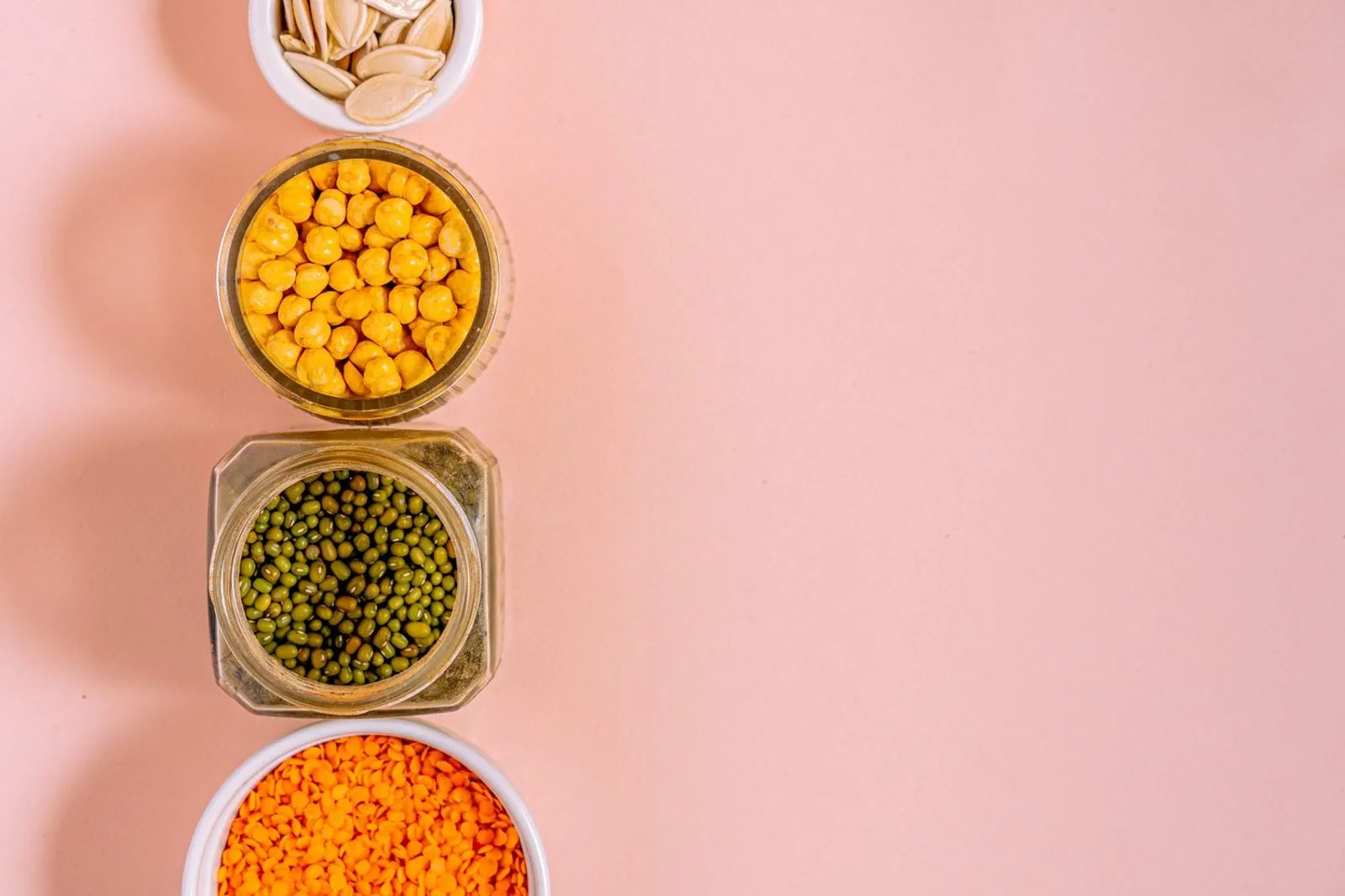
The figures below are approximate. Brands, recipes and cooking methods change them, so treat them as a guide for planning rather than a lab report. Note that dry and cooked weights differ a lot, because dals and soya chunks soak up water.
| Food | Typical portion | Protein (about) | Good to know |
|---|---|---|---|
| Soya chunks (dry) | 30 g, before soaking | 15 g | One of the densest plant sources |
| Paneer | 100 g | 18 g | Also carries fat, so watch the portion |
| Eggs | 2 whole eggs | 12 g | Complete protein, easy breakfast |
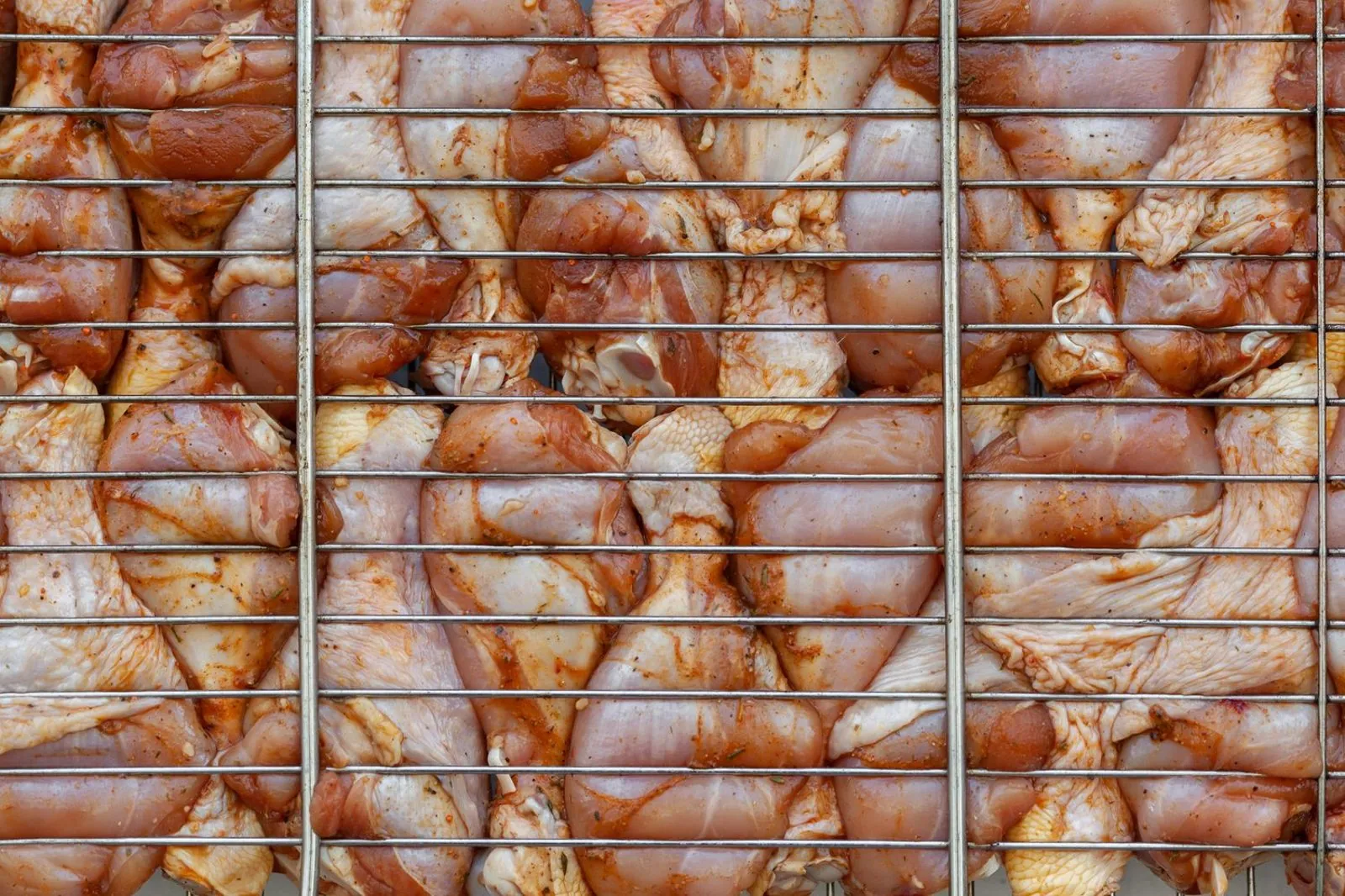
| Chicken, cooked | 100 g | 25-30 g | Skinless and grilled or curried with little oil |
| Fish, cooked | 100 g | 20-25 g | Rohu, surmai and similar |
| Dal, cooked | 1 katori (about 150 g) | 8-10 g | Thicker dal gives more per katori |
| Rajma or chole, cooked | 1 katori (about 150 g) | 10-12 g | Good with roti or rice |
| Curd | 1 katori (about 150 g) | 5 g | Hung curd is higher |
| Milk | 1 glass (250 ml) | 8 g | Easy add-on at breakfast or bedtime |
| Roasted chana | 30 g | 6 g | Portable snack |
| Roti | 1 medium | 3 g | Small amounts add up across a day |
Our full breakdown of the nutritional value of protein goes deeper on how these grams add up when meals are built around them.
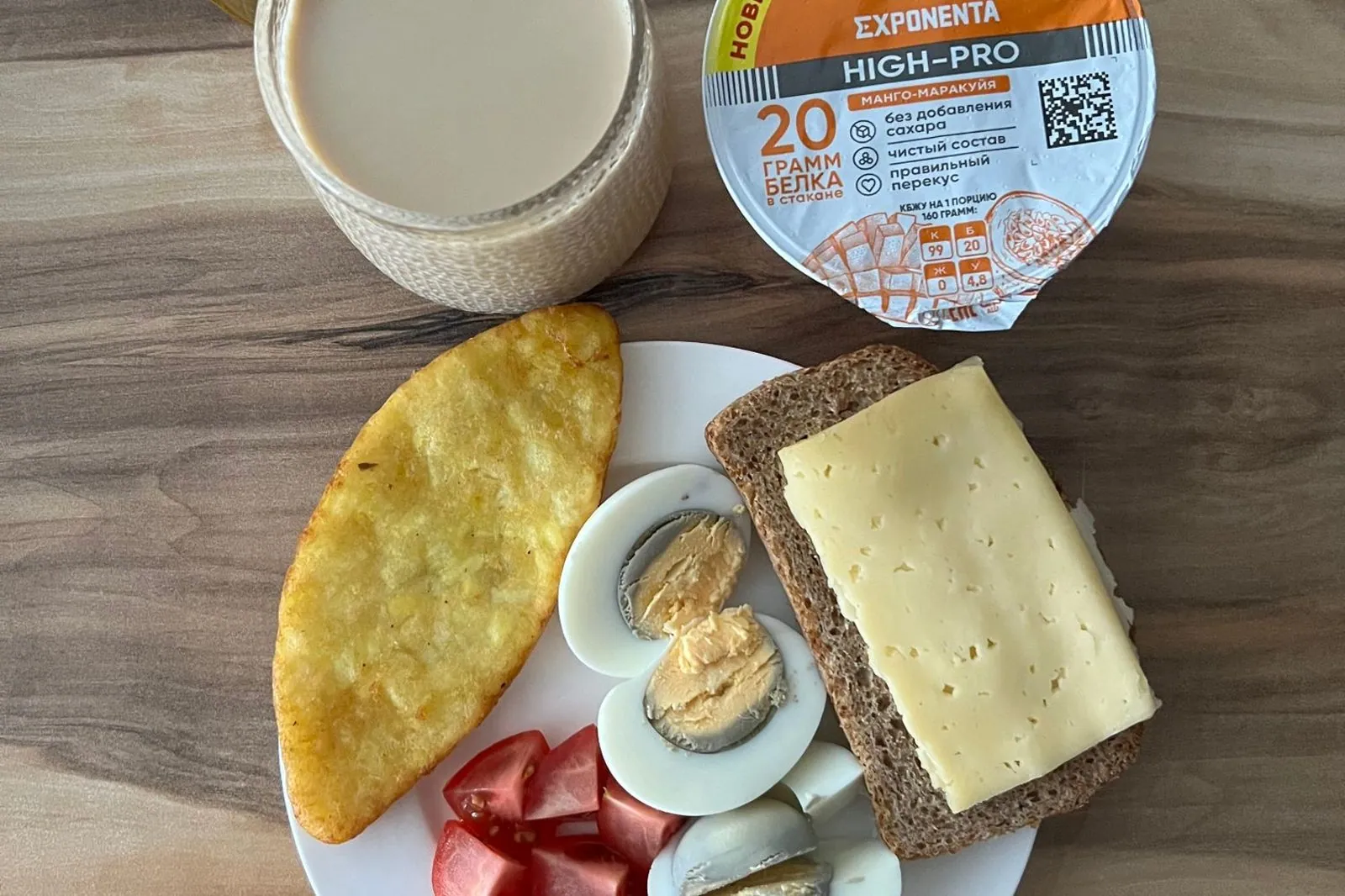
Walkthrough: building a protein-smart Indian day
Start with the target, then fill each meal. For a 70 kg regularly active adult, a goal of about 75 g splits neatly across four eating occasions. The plan below uses ordinary home food, with no powders, and keeps carbohydrates and vegetables on the plate.
| Meal | What to eat | Protein (about) |
|---|---|---|
| Breakfast | 2 moong dal chillas, 1 katori curd, a fruit | 15-18 g |
| Mid-morning | 1 glass milk or 2 boiled eggs | 8-12 g |
| Lunch | 2 rotis, 1 katori dal, 1 katori curd, sabzi, salad | about 20 g |
| Evening snack | 30 g roasted chana, tea | about 6 g |
| Dinner | 100 g paneer bhurji or 1 katori rajma, 2 rotis, sabzi | 20-24 g |
| Day total | About 70-80 g |
Three steps make this easier to follow. First, put a protein food on every plate before you add extras. Second, aim for roughly 15 to 25 g at each main meal so you are not scrambling at night. Third, if you eat meat or fish, swap the paneer or rajma for 100 g of chicken or fish on some days. Non-vegetarian options like these are efficient, as the next image shows.
If you train for performance, see our pages on sports nutrition and bodybuilding nutrition for how timing and extra calories fit around this base. A coach on a 1-on-1 personal training plan can also pair your protein target with a lifting programme.
How does protein fit with carbohydrates, fats and micronutrients?
Protein works best alongside enough calories, carbohydrates, fat, fibre and micronutrients. If you eat too few calories, your body burns protein for energy instead of repairing muscle, so a high-protein plate can still fail you. A balanced thali covers carbs from roti or rice, protein from dal or dairy, and vitamins and fibre from vegetables.
Think of the plate in layers. Carbohydrates give you energy for the day and training. Fats help absorb vitamins A, D, E and K and support hormones. Fibre from vegetables, whole grains and legumes slows digestion and keeps your gut working well, as covered in our piece on fibre and nutrition.
Micronutrients decide how well the whole system runs. Iron, B12, calcium, zinc and vitamin D are common gaps for many Indians, especially vegetarians, and protein-rich foods like dairy, eggs and legumes help with several of them. See vitamin nutrition for a plain-language guide, and nutrition calories for how energy intake shapes what protein can do. For the wider picture, our overview of diet and nutrition ties these pieces together.
Troubleshooting: your protein looks fine on paper but you still feel flat
Hitting the gram target does not guarantee results. If you feel tired, recover slowly or see no change in strength, check these common causes before adding more protein. Each is quick to test over a week or two.
- Total calories are too low. Eating very little, especially while dieting hard, can leave you tired and weak even with decent protein.
- Protein is bunched at one meal. A tiny breakfast and a huge dinner leaves you short for most of the day. Spread it out.
- Numbers are guesswork. Many people overestimate dal and curd. Log your meals for three days and compare against your row in the first table.
- Not enough iron, B12 or vitamin D. Fatigue can come from these gaps, not from protein. A blood test is the only way to know.
- Sleep and training are off. Muscle is built during recovery, so protein cannot make up for five hours of sleep or no progressive training.
- Portions are smaller than you think. A katori of dal that looks full may be mostly water.
Common warning signs of a long-term shortfall include persistent tiredness, slow recovery, thinning hair, brittle nails and frequent minor illness. None of these proves a protein deficiency, because they overlap with many other causes. That is exactly why a check-up beats guessing.
Protein and nutrition for different people
Vegetarians and vegans. Plan protein deliberately, because it will not happen by accident on a roti-sabzi diet. Anchor each meal with dal, curd, paneer, soy or sprouts. Vegans can lean on soy, dals, chana, nuts and seeds, and should discuss B12 with a professional.
Gym-goers. Aim for the upper rows in the first table, eat protein within a few hours of training, and do not skip carbohydrates. They fuel the session.
Women. Protein needs rise during pregnancy and breastfeeding, and iron and calcium deserve equal attention. A dietitian can tailor the numbers to your stage.
Older adults. Muscle loss becomes a bigger risk with age, so many older adults do better with the higher end of the range, spread across meals, plus some resistance exercise.
People with kidney, liver or other medical conditions. Do not raise protein on your own. See your doctor or a registered dietitian first, because the right amount may be lower or tightly managed. The same applies if you take regular medication, are pregnant, or have a history of eating disorders.
Also be honest about supplements. Protein powders are food products, not shortcuts, and no powder can make up for poor sleep, low calories or a missing training plan. If you do use one, treat it as a convenient top-up to meals.
Frequently asked questions
How much protein does a sedentary adult need per day?
About 0.8 g per kg of body weight. A 60 kg person needs roughly 48 g a day, and a 70 kg person about 56 g. Active people and those lifting weights usually need more, often 1.0 to 1.6 g per kg.
Can vegetarians get enough protein without supplements?
Yes. Dals, rajma, chole, paneer, curd, milk, soya chunks, sprouts and nuts can add up to 60-80 g a day when each meal has a protein anchor. Supplements are optional, not required.
Is rice and dal really a complete protein?
Together they give a fuller amino acid mix than either alone. Rice is lower in lysine and dal is lower in methionine, so they complement each other. You do not need to combine them in the same meal, as long as variety shows up across the day.
How much protein is too much?
Most healthy adults do fine up to about 2 g per kg a day, but more does not build extra muscle. People with kidney problems, or anyone unsure, should speak to a doctor or registered dietitian before raising their intake.
What are signs I am not eating enough protein?
Persistent tiredness, slow recovery, muscle loss, thinning hair and brittle nails can all be signs, though they have many other causes. Log your meals for three days against your target, and see a doctor if symptoms continue.
Want a protein target worked out for your weight, food habits and goal? Book an online nutritionist consultation with Fitstrot and leave with a simple one-week Indian meal plan.


