

Good sports nutrition is simpler than the supplement aisle makes it look. It means matching what you eat and drink to what your training demands: enough carbohydrate to fuel the session, enough protein to repair muscle, and enough fluid and salt to replace what you sweat out. Get those three right using ordinary Indian food such as dal, roti, rice, curd, eggs and paneer, and you will train harder and recover faster. This guide gives you round numbers, a sample training day, and an honest list of what matters less than people claim.
What is sports nutrition, and who actually needs it?
Sports nutrition is the practice of sizing and timing your food and fluids around training so you perform and recover better. It matters most if you train hard four or more hours a week, but even a regular gym-goer benefits from about 1.2 to 2 grams of protein per kg and carbohydrate that matches the workload.
The difference from general healthy eating is specificity. It rests on four pillars: total energy, the split of carbohydrate, protein and fat, the timing of meals around training, and hydration.
If your exercise is a 30-minute walk and a weekend yoga class, a balanced plate is enough. The numbers below are for people who lift, run, cycle, play a sport, or take hard classes several times a week.
How much protein do athletes need each day?
Most people who train regularly do well on about 1.2 to 2.0 grams of protein per kilogram of body weight daily, compared with about 0.8 for sedentary adults. A 70 kg strength trainee should aim for roughly 110 to 140 grams, split across three or four meals of about 20 to 40 grams each.
Here is what that looks like across common body weights. All figures are rounded and approximate.
| Training type | Protein per kg per day (about) | 60 kg | 70 kg | 80 kg |
|---|---|---|---|---|
| Light fitness, 2-3 sessions a week | 1.0-1.4 g | 60-85 g | 70-100 g | 80-110 g |
| Endurance (running, cycling, swimming) | 1.2-1.6 g | 70-95 g | 85-110 g | 95-130 g |
| Strength and muscle gain | 1.6-2.0 g | 95-120 g | 110-140 g | 130-160 g |
| Fat loss while still training hard | 1.8-2.2 g | 110-130 g | 125-155 g | 145-175 g |
Protein is easier to hit on an Indian plate than most people think. Roughly: an egg gives about 6 g, 100 g of paneer about 18 g, 100 g of cooked chicken breast about 25-30 g, a cup of cooked dal or rajma about 9-14 g, 100 g of curd about 3-4 g, and 100 g of dry soya chunks about 50 g. A glass of milk adds about 8 g.
Spread it out. Three to four protein-rich meals beat one giant dinner. For a full-day layout aimed at building muscle, see our guide to a nutrition and diet plan for muscle building. To understand why protein quality matters, read about the essential amino acids, and for whole-food sources, protein and nutrition covers the basics.
Carbohydrates: the fuel most gym-goers cut too early
Carbohydrate is stored in muscle and liver as glycogen, and it is the main fuel for anything hard or long. Needs scale with how much you train, not with how much you want to weigh. Use this table as a starting range and adjust by how your sessions feel.
| Training load | Carbs per kg per day (about) | 60 kg | 70 kg | Typical week |
|---|---|---|---|---|
| Light | 3-5 g | 180-300 g | 210-350 g | Easy sessions, under an hour |
| Moderate | 5-7 g | 300-420 g | 350-490 g | About an hour most days |
| High | 6-10 g | 360-600 g | 420-700 g | 1-3 hours of hard training daily |
| Very high | 8-12 g | 480-720 g | 560-840 g | Ultra-endurance or double sessions |
For scale: one roti has about 15-18 g of carbohydrate, a cup of cooked rice about 40 g, a banana about 25 g, a medium potato about 30 g, and a cup of cooked oats about 25-30 g. A 65 kg person training an hour a day lands near 325 to 455 g, which is a lot more rice and roti than most expect.
Cutting carbohydrate hard while training hard shows up as flat, heavy sessions first, then stalled strength. Energy shortfalls are a close cousin of this mistake; our piece on nutrition and calories explains how to set a sensible daily energy target.
What should you eat before and after a workout?
Eat a meal of carbohydrate plus some protein about 2 to 3 hours before training, or a small carb-led snack 30 to 60 minutes before. Afterwards, have 20 to 40 g of protein with carbohydrate within roughly 1 to 2 hours. Total daily intake still matters more than the exact minute.
Before training. The aim is to top up glycogen without sitting heavy in the stomach. Heavy fat and lots of fibre close to a session slow digestion, so keep them lower in this meal. Workable Indian options:
- 2-3 hours out: poha with peanuts and a glass of milk, or 2 rotis with dal and curd, or oats cooked in milk with a banana.
- 30-60 minutes out: a banana with a few dates, or toast with a thin layer of peanut butter.
After training. Now the job is repair and refilling. Pair protein with carbohydrate: rice with dal and paneer or chicken, a besan chilla with curd, eggs with toast and fruit, or a milk-and-banana shake.
If your goal is muscle size rather than general fitness, bodybuilding nutrition goes deeper into structuring these meals around hypertrophy.
Myth check: the 30-minute window and other shortcuts
Myth: if you miss the 30-minute anabolic window, your workout is wasted. The window is wider than gym folklore suggests. Eating protein within a couple of hours of training is sensible, but a day that falls 40 g short of your protein total will not be rescued by a perfectly timed shake.
Myth: carbohydrates make you fat. A sustained calorie surplus adds body fat, whatever the source. Carbohydrate eaten in line with your training is used for fuel and glycogen.
Myth: you need supplements to make progress. Most recreational athletes get what they need from food; supplements fill gaps, they do not build a base.
How much water and salt do you need when training in Indian heat?
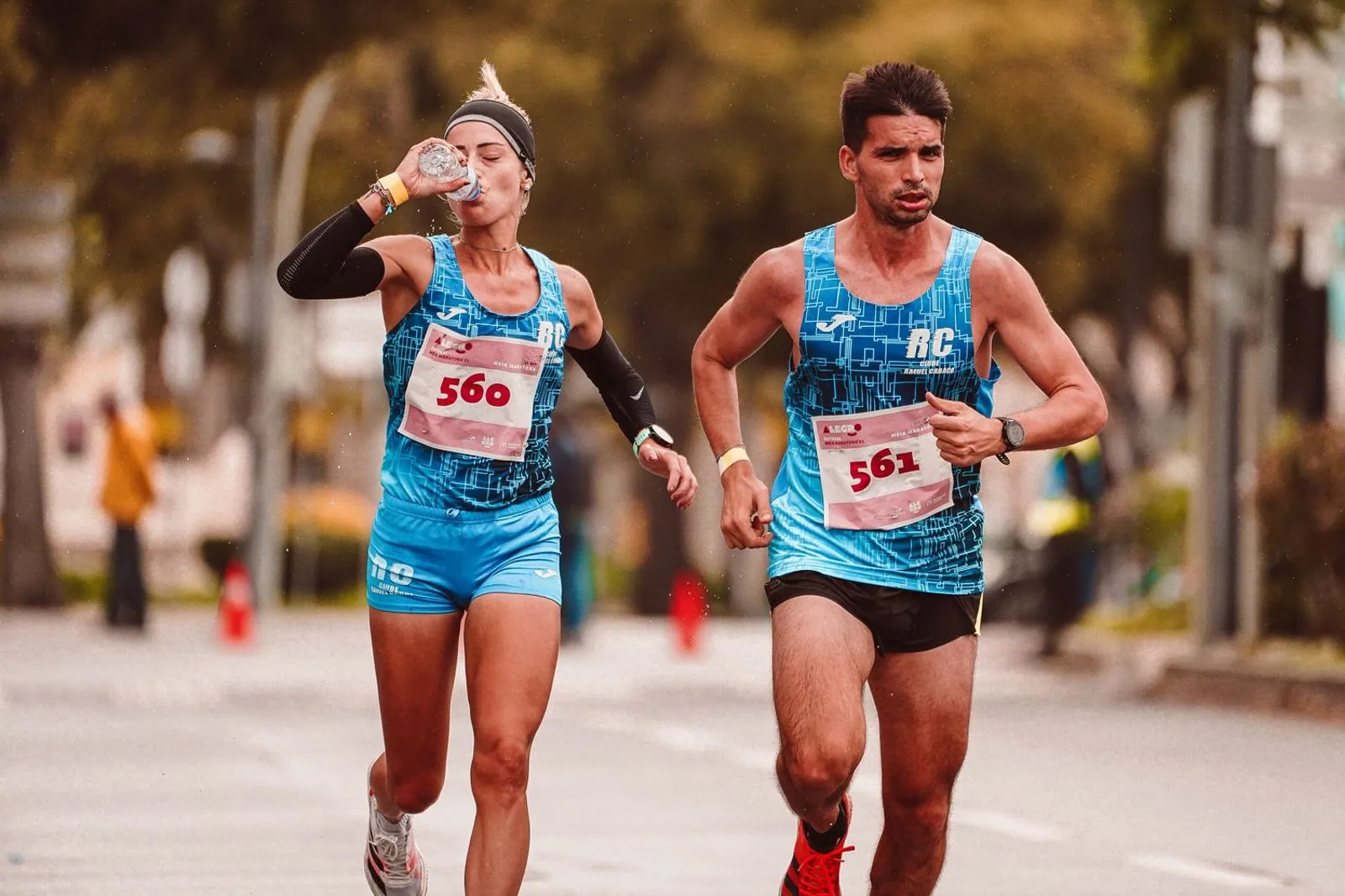
Drink about 400 to 600 ml of fluid in the 2 hours before training, then roughly 150 to 250 ml every 15 to 20 minutes during longer sessions. Afterwards, replace about 1.25 to 1.5 litres for every kg of body weight lost. Water is enough for most sessions under an hour.
Losing about 2% of body weight to sweat noticeably hurts endurance, and thirst lags behind the real deficit, so in an Indian summer do not wait to feel thirsty.
Two self-checks remove the guesswork. Urine colour: pale straw is good, dark yellow means drink more. And weigh yourself before and after a long session: the difference in kg is roughly the litres you lost.
For sessions beyond an hour, or shorter ones in heavy heat and humidity, add sodium and a little carbohydrate. Salted nimbu paani with a spoon of sugar or jaggery, coconut water with a pinch of salt, or an ORS-style drink all do the job without a branded sports drink.
Troubleshooting: flat sessions, cramps and stomach upset
Most training-day problems trace back to a short list of causes. Work down it before you buy anything.
- Heavy legs and weak sessions. Usually too little carbohydrate or too little total food. Add a carbohydrate snack before training and check your daily range against the carb table above.
- Stomach upset or burping mid-session. Often a big, fatty or high-fibre meal too close to training. Move the meal earlier or swap to a lighter snack such as a banana or toast.
- Muscle cramps in hot weather. Frequently linked to heavy sweating with fluid and salt not replaced. Drink earlier and add salt via nimbu paani or ORS-style fluids.
Sports nutrition for vegetarians, women and weight-conscious athletes
Vegetarians. Hitting protein is fully possible, it just needs planning. Combine dal with rice or roti, add paneer, curd, milk, sprouts, soya chunks and eggs if you eat them, and spread them across four meals. Our guide to vegan nutrition covers the extra care needed if you exclude dairy and eggs.
Women. The biggest risk is not eating enough for the training load, which can disturb periods and recovery. Iron intake deserves attention for women who train, which is where pulses, greens and vitamin C-rich fruit help. Read more in women nutrition.
Trying to lose fat while training. Use a modest deficit, keep protein at the upper end of the range, and keep carbohydrate around your sessions. Crash dieting on top of hard training is unsafe, and no plan can promise a fixed loss in a fixed time. If fat loss is the main goal, an online weight loss trainer can pair the diet side with a workout plan that suits it.
Trying to gain weight. Add 300 to 500 kcal a day, mostly from carbohydrate and protein, and watch the trend over several weeks. Our article on nutrition for weight gain shows how to build that surplus without just adding fat.
A walkthrough: one training day on an Indian plate
This sample is for a 65-70 kg person doing a strength session at about 6 pm, aiming for about 95-125 g of protein and 265-345 g of carbohydrate. Portions and totals are estimates; adjust to your own appetite and targets.
| Time | Meal | Protein (about) | Carbs (about) |
|---|---|---|---|
| 8:00 am | Oats cooked in milk with a banana and a handful of nuts | 15-20 g | 60-80 g |
| 1:00 pm | 2 rotis, 1 cup dal, sabzi, a bowl of curd, 100 g paneer or chicken, salad | 30-35 g | 80-100 g |
| 4:30 pm | Banana and toast with thin peanut butter, or a small plate of poha | 8-12 g | 40-50 g |
| 6:00 pm | Training. Sip water; add nimbu paani with salt if it is hot | – | – |
| 7:30 pm | 1.5 cups cooked rice, dal or chicken curry, sabzi, curd | 35-45 g | 70-90 g |
| 10:00 pm | A glass of milk or a bowl of curd with fruit | 8-12 g | 15-25 g |
Nothing here needs powders or special bars. Swap chicken for paneer, soya or extra dal and the structure holds. For the everyday habits behind a plan like this, diet and nutrition is a useful companion.
When to see your doctor or a registered dietitian
Everything above is general guidance for healthy adults, not medical advice. Talk to your doctor or a registered dietitian before changing how you eat if any of these apply:
- You have diabetes, kidney disease, a thyroid condition, heart or liver problems, or high blood pressure. Higher protein, extra salt in drinks, or fewer or more carbohydrates can be wrong for some conditions.
- You are pregnant or breastfeeding, or under 18.
- You take regular medication. Do not change or skip it because of a diet change.
- You are thinking about supplements. Ask first, particularly if you have a health condition or take other medicines.
- You notice fainting, a racing heart, missed periods, repeated injuries, constant fatigue, or an unhealthy preoccupation with food or weight.
A qualified professional can tailor these ranges to your history and goals; the numbers here are averages.
Frequently asked questions
What is sports nutrition in simple terms?
Eating and drinking with training in mind: enough carbohydrate to fuel workouts, enough protein to repair muscle, and enough fluid and salt to replace sweat, matched to how much and how hard you train.
How much protein should an athlete eat per day?
Most do well on about 1.2 to 2.0 grams per kg of body weight daily, endurance athletes toward the lower end and strength athletes toward the upper end, split across three or four meals.
Should I eat carbs before or after a workout?
Both. Carbohydrate with some protein a couple of hours before fuels the session, and the same pairing within an hour or two afterwards refills glycogen and supports repair.
Do I need a sports drink, or is water enough?
Water is enough for most workouts under an hour. For longer sessions or intense heat, a drink with some salt and carbohydrate helps; homemade nimbu paani with salt and sugar works well.
Do I need supplements for sports nutrition?
Not to start. A food-first plan of rice, roti, dal, eggs, paneer, curd, milk and fruit covers most recreational athletes. Speak to a doctor or registered dietitian before taking any supplement.
If you want these numbers turned into a day-by-day plan around your weight, sport and schedule, book an online nutritionist consultation with Fitstrot and bring your last two weeks of meals.


