
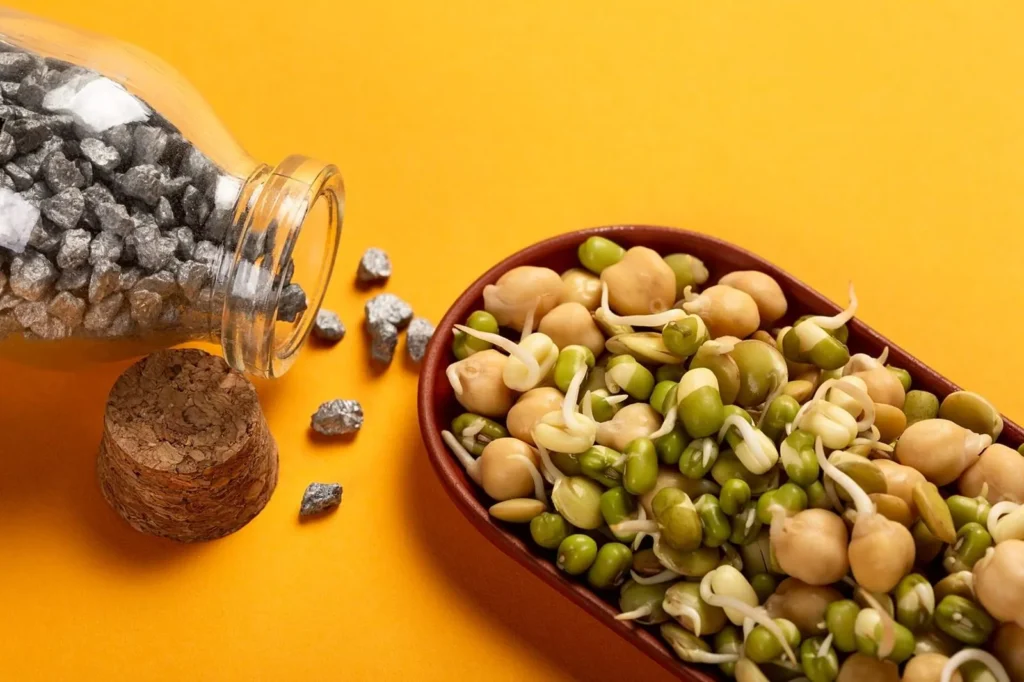
Good women nutrition is not a smaller portion of what men eat. Monthly blood loss, the possibility of pregnancy, and bones that peak early and then thin slowly change what a woman’s plate has to do, mostly around iron, calcium, folate and protein. In India, where many diets are vegetarian and chai arrives with every meal, these gaps are common and easy to miss until tiredness, hair fall or aching bones show up.
This page is the hub that explains the “why” behind female needs, with Indian foods and rounded numbers you can use at home. For the male comparison, see daily nutrition requirement for male. For the pregnancy-specific detail, go to pregnancy nutrition. All figures here are approximate guides, not a prescription.
What does good women nutrition actually cover?
Women nutrition covers five things: enough iron to replace what periods use, about 1,000 mg of calcium a day, folic acid before any pregnancy, protein of roughly 0.8 to 1 g per kg of body weight, and adequate vitamins D and B12. Dal, curd, greens, eggs, millets and nuts can deliver most of this.
Energy matters too. Most adult Indian women land somewhere around 1,600 to 2,200 kcal a day depending on height, work and exercise. Crash diets of 1,000 kcal or less make it close to impossible to meet the iron, calcium and protein targets above, which is why periods stop, hair thins and energy collapses on extreme plans. If fat loss is the goal, an online weight loss trainer can set a deficit that keeps these nutrients intact.
Why do women need more iron than men?
Women lose iron every month through menstrual blood, so the usual guideline for women aged about 19 to 50 is 18 mg a day, against 8 mg for men. Indian guidance sets it higher, roughly 29 mg, because iron in dal, grains and greens absorbs poorly. After menopause the need falls to about 8 mg.
There are two kinds of dietary iron. Heme iron from meat, fish and eggs absorbs well. Non-heme iron from rajma, chana, ragi, spinach and sesame absorbs less, and its uptake swings widely with what you eat alongside it. Three habits help a lot:
- Add vitamin C to the same meal: lemon over dal, amla chutney, tomato in the sabzi, or an orange or guava after lunch.
- Keep tea and coffee at least an hour away from main meals, since the tannins block iron absorption.
- Soak, sprout or ferment grains and pulses (dosa, idli, sprouted moong), which improves how much iron you actually absorb. Cooking in an iron kadhai can add a little more.
Heavy periods, constant fatigue, breathlessness on stairs, dizziness or pale nails deserve a blood test rather than guesswork. Low iron stores and full nutritional anemia are treated differently, and taking iron tablets on your own can push intake past the safe upper limit of about 45 mg a day.
How much calcium do women need, and how do you reach it?
Most adult women need about 1,000 mg of calcium a day, and many guidelines raise this to roughly 1,200 mg after menopause. A glass of milk (240 ml) gives about 300 mg and a katori of curd about 150 to 180 mg, so two dairy servings plus ragi, sesame or greens cover most of the day.
Timing matters as much as the number. Peak bone mass, the most bone you will ever have, is reached in the late twenties to early thirties. After that bone is slowly lost, and the loss speeds up after menopause when estrogen falls. A woman who under-eats calcium at 22 is lowering the ceiling that everything later is subtracted from. Vitamin D controls how much calcium your gut absorbs, so morning sunlight on arms and face for a short while, plus a blood test if you work indoors all day, is worth doing. For a full source list, see calcium nutrition.
Iron and calcium in Indian foods, portion by portion
Use this table to see where your numbers come from. Values are rounded and vary with recipe, brand and cooking method.
| Food | Typical portion | Iron (about) | Calcium (about) |
|---|---|---|---|
| Ragi (finger millet) flour | 50 g, roughly 2 small rotis or 1 dosa | 2 mg | 170 mg |
| Rajma or chole, cooked | 1 katori (150 g) | 3 to 4 mg | 60 to 90 mg |
| Palak, cooked | 1 katori (100 g) | 2 to 3 mg | 100 mg on paper, less absorbed because of oxalates |
| Roasted chana | 30 g, a small handful | 2 mg | 60 mg |
| Sesame (til) seeds | 1 tablespoon (9 g) | 1 mg | 90 mg |
| Curd | 1 katori (150 g) | Under 0.5 mg | 150 to 180 mg |
| Milk | 1 glass (240 ml) | Under 0.5 mg | About 300 mg |
| Egg, whole | 1 egg | 1 mg (well absorbed) | 25 mg |
Notice that dairy is a calcium food, not an iron food, and ragi, til and chana do both jobs at once. A simple pairing such as ragi dosa with curd and a lemon-based chutney covers a lot of ground before lunch.
Five women’s diet myths worth dropping
Myth: skipping dinner is the quickest way to lose weight. It usually backfires. Long gaps push you toward snacking on biscuits and namkeen, and a persistently low intake cuts iron, protein and calcium together. Smaller, balanced dinners work better.
Myth: a glass of milk takes care of your bones. Milk helps, but bones also need vitamin D, enough protein and weight-bearing exercise. Strength sessions twice a week, such as those in workouts for women, load the skeleton in a way milk cannot.
Myth: iron tablets are harmless, so everyone should take them. Extra iron causes constipation and stomach upset, and too much is unsafe. Test ferritin first and let a doctor decide.
Myth: protein is for men who lift. A 55 kg woman needs about 45 to 55 g of protein a day, and many Indian women eat closer to 30 to 40 g. Dal, curd, paneer, eggs, sprouts and soya chunks close the gap.
Myth: fat is the enemy. Hormones and the absorption of vitamins A, D, E and K all need some fat. A few teaspoons of oil or ghee a day, plus nuts and seeds, is healthy for most women.
Folate and the months before pregnancy
The brain and spinal cord form in the first three to four weeks of pregnancy, often before a woman knows she is pregnant. That is why the standard advice is for any woman who could conceive to get about 400 mcg of folic acid daily, ideally starting at least a month before trying and continuing through the first 12 weeks. Your doctor will tell you whether you need more.
Food helps but rarely closes the whole gap. Good sources include dals, rajma, chana, methi, palak and oranges. Folate is easily lost to overcooking, so keep greens lightly cooked. Once pregnancy is confirmed, needs for iron, calcium and folate all rise, and the details are in nutrition for pregnant women.
Nutrient needs from teens to menopause
Women’s needs are not static. This table shows what shifts at each stage and where to focus on your plate.
| Life stage | What changes | Food focus |
|---|---|---|
| Teens (about 12 to 19) | Periods begin, iron need jumps, most bone is being built | Ragi, rajma, eggs, curd, milk, jaggery-and-peanut chikki; avoid skipping meals |
| 20s and 30s | Iron and folic acid both matter, peak bone mass is reached | Dal with lemon, greens, sprouts, two dairy servings, strength training |
| Pregnancy and breastfeeding | Iron, calcium, protein and folate needs all rise, the details are personal | Follow your doctor’s plan and the pregnancy guides above |
| 40s and perimenopause | Cycles turn irregular, bone loss begins to speed up, muscle mass slips | Protein at every meal, calcium and vitamin D, weights, sleep |
| After menopause | Iron need falls to about 8 mg, calcium need rises to about 1,200 mg | Milk, curd, ragi, til, soya, nuts, sunlight, regular walking and strength work |
Iron, calcium and folate get the headlines, but a wider look at vitamin nutrition matters too. Vitamin B12 works with iron and folate to make red blood cells, which is why all three are often tested together when fatigue has no obvious cause.
One day on an Indian plate, step by step
Here is a template for a moderately active woman of around 55 kg, with roughly 1,700 to 1,900 kcal, 55 to 65 g of protein and close to 1,000 mg of calcium. Adjust portions to your size and appetite.
| Meal | Example | What it adds |
|---|---|---|
| Breakfast | 2 ragi or besan chillas, 1 katori curd, a few mint-lemon chutney spoons | Calcium, plant iron, protein, vitamin C |
| Mid-morning | 1 guava or orange, 30 g roasted chana | Vitamin C, iron, fibre |
| Lunch | 2 multigrain rotis, 1 katori dal, 1 katori sabzi, salad with lemon, 1 katori curd | Protein, iron, calcium |
| Evening | Tea or coffee at least an hour after lunch, with sprouts chaat or 1 tablespoon til-peanut mix | Protein, calcium, healthy fat |
| Dinner | 1 to 2 rotis, 1 katori rajma or egg curry, palak or methi sabzi | Iron, folate, protein |
| Bedtime | 1 glass warm milk | About 300 mg calcium |
Notice the structure rather than the exact dishes: protein at every meal, a vitamin C source next to iron foods, and dairy or calcium-rich foods spread across the day, not packed into one cup.
Tired, breathless or losing hair? A quick troubleshooting guide
Nutrition is one possible cause of these symptoms, never the only one, so treat this as a checklist for what to ask your doctor, not a diagnosis.
- Tired all day with heavy periods: ask for a ferritin and hemoglobin test before changing anything.
- Tingling in hands and feet, especially if vegetarian: check vitamin B12, which plant foods barely supply.
- Back or leg aches, little time outdoors: check vitamin D, and review calcium intake.
- Hair fall that persists beyond two to three months: look at iron, protein, zinc (see zinc nutrition) and thyroid status.
- Constipation or nausea after starting iron: speak to your doctor before stopping or switching, rather than guessing a new dose.
See your doctor or a registered dietitian if you have very heavy or very irregular periods, unexplained weight change, fainting, persistent fatigue, or if you are pregnant or planning to be. Do not start high-dose supplements on your own.
Vegetarian, vegan or always short on time: what to adjust
If you are vegetarian, lean on pulses, ragi, til, greens and dairy, and always pair iron foods with vitamin C. Ask about B12 testing every year or so. If you are vegan, calcium, B12 and protein need more planning, and vegan nutrition covers soya, tofu, fortified foods and what to test.
If your days are packed, make three anchors your default: a protein at breakfast (chilla, eggs, curd), two dairy or calcium servings, and a handful of roasted chana or nuts in your bag. Movement completes the picture, and gentle options like yoga for women support bone health, stress and cycle comfort alongside food.
Frequently asked questions
Do women need iron supplements even if they are not anemic?
Not automatically. Supplements without a documented deficiency can push intake past the safe upper limit of about 45 mg a day. If you have heavy periods, fatigue or a low-iron diet, ask for a ferritin test first, because low stores can drain energy before they count as anemia.
Can women get enough calcium without milk?
Yes, but it takes planning. Curd, ragi, sesame, tofu set with calcium, small fish with edible bones and some greens all contribute. Combining two or three sources daily is more realistic than relying on one, and the target for most adults is about 1,000 mg.
Should every woman who could become pregnant take folic acid?
The usual advice is about 400 mcg of folic acid daily for anyone who could conceive, started before pregnancy, because neural tube development begins very early. Check with your doctor, who will confirm whether you need more.
At what age should women start thinking about bone health?
As early as possible. Peak bone mass arrives in the late twenties to early thirties, so calcium, vitamin D, protein and strength training in your teens, twenties and thirties build the reserve you draw on after menopause.
How much protein does a woman need in a day?
Roughly 0.8 to 1 g per kg of body weight for most adults, so about 45 to 55 g for a 55 kg woman. It can be somewhat higher if you train regularly or are older. Spread it across meals rather than eating it all at dinner.
Want numbers built around your own blood report, cycle and food habits? Book an online nutritionist consultation with Fitstrot and get a plan that fits your actual kitchen.


