
Most Indian adults need 1,000 mg of calcium a day, and the fastest way to get there is not a tablet but a short list of calcium rich foods you probably already have in the kitchen: ragi, til, paneer, milk, curd and leafy greens like chaulai and drumstick leaves. The catch is that the numbers vary enormously. One tablespoon of black sesame carries more calcium than a full katori of spinach, and your body absorbs a much smaller share of the calcium in spinach anyway.
Below: the ICMR-NIN 2020 requirement for every age, Indian foods in mg per 100 g and per serving from India’s own lab data, two sample days near 1,100 mg (with and without dairy), and plain guidance on vitamin D, kidney stones and supplements.
If you have osteoporosis, kidney disease, kidney stones, a thyroid or parathyroid condition, or you are pregnant, check with your doctor first. Food changes are low-risk; never start, stop or change supplements or prescribed medicines based on an article.
How much calcium do you need in a day?
Indian adults aged 18 and above need 1,000 mg of calcium a day under the ICMR-NIN 2020 Recommended Dietary Allowances, up from 600 mg in the 2010 guidelines. Teenagers aged 16 to 18 need 1,050 mg, breastfeeding mothers need 1,200 mg, and ICMR sets 1,200 mg for women after menopause. Pregnancy stays at 1,000 mg.
Many older Indian diet charts still quote the 2010 figure. The ICMR-NIN 2020 note on nutrient requirements for Indians lists 1,000 mg as the RDA for both men and women, with an Estimated Average Requirement of 800 mg. Plan your own meals around the RDA, which covers nearly everyone.
| Group | Age / stage | Calcium (mg/day) | What that looks like |
|---|---|---|---|
| Infants | 0–12 months | 300 | Breast milk or formula covers this |
| Children | 1–3 years | 500 | About 2 small cups of milk plus a ragi porridge |
| Children | 4–6 years | 550 | Milk, curd and a til chikki as a snack |
| Children | 7–9 years | 650 | Add paneer or greens to one meal daily |
| Boys and girls | 10–12 years | 850 | Growth spurt years; dairy or ragi at every meal helps |
| Boys and girls | 13–15 years | 1,000 | Same as an adult |
| Boys and girls | 16–18 years | 1,050 | The highest need outside breastfeeding |
| Adult men and women | 18+ years | 1,000 | See the two sample days below |
| Pregnant women | All trimesters | 1,000 | Same as a non-pregnant adult woman |
| Breastfeeding women | 0–12 months after delivery | 1,200 | An extra 200 mg, roughly one glass of milk |
| Post-menopausal women | After menopause | 1,200 | Higher bone loss makes food sources more important |
For comparison, the United States uses the same 1,000 mg figure for most adults and 1,200 mg for women over 50, according to the NIH Office of Dietary Supplements calcium fact sheet. The NIH also sets a Tolerable Upper Intake Level of 2,500 mg a day for adults aged 19 to 50 and 2,000 mg after 50. Very few people exceed that from food. Going over it almost always involves supplements.
About 99% of your calcium sits in bones and teeth; the other 1% runs muscles, nerves, heart rhythm and clotting, as the Harvard T.H. Chan School’s Nutrition Source explains. When intake falls short, your body quietly pulls calcium from bone to keep blood levels steady.
Calcium rich foods in India, measured in mg
The figures below come from the Indian Food Composition Tables 2017 (IFCT) published by ICMR-NIN. They are lab averages for Indian produce. The per-serving column is our arithmetic on realistic portions; tofu comes from NIH data because IFCT does not list it.
| Food (Hindi name) | Calcium per 100 g | Typical serving | Calcium per serving | Dairy-free? |
|---|---|---|---|---|
| Black sesame seeds (kala til) | 1,664 mg | 1 tbsp, about 10 g | ~166 mg | Yes |
| White sesame seeds (safed til) | 1,283 mg | 1 tbsp, about 9 g | ~115 mg | Yes |
| Agathi leaves (hadga) | 901 mg | 50 g, cooked as a sabzi | ~450 mg | Yes |
| Curry leaves (kadi patta) | 659 mg | 10 g, a generous tadka or chutney | ~66 mg | Yes |
| Khoa (mawa) | 602 mg | 30 g | ~181 mg | No |
| Paneer | 476 mg | 50 g, about 6 cubes | ~238 mg | No |
| Ragi (finger millet, nachni) | 364 mg | 50 g flour, 2 rotis or 1 bowl porridge | ~182 mg | Yes |
| Amaranth leaves, green (chaulai) | 330 mg | 100 g raw, 1 katori cooked | ~330 mg | Yes |
| Drumstick leaves (moringa, sahjan) | 314 mg | 50 g | ~157 mg | Yes |
| Fenugreek leaves (methi) | 274 mg | 50 g | ~137 mg | Yes |
| Horse gram (kulthi) | 269 mg | 30 g dry | ~81 mg | Yes |
| Soybean, brown | 239 mg | 30 g dry | ~72 mg | Yes |
| Almonds (badam) | 228 mg | 20 g, about 15 almonds | ~46 mg | Yes |
| Mustard leaves (sarson saag) | 191 mg | 100 g | ~191 mg | Yes |
| Bengal gram, whole (kala chana) | 150 mg | 30 g dry | ~45 mg | Yes |
| Cow’s milk, whole | 118 mg | 200 ml glass | ~236 mg | No |
| Rajma, red | 126 mg | 30 g dry | ~38 mg | Yes |
| Tofu, firm, calcium-set (NIH data) | — | ½ cup | 253 mg | Yes |
| Spinach (palak) | 82 mg | 100 g | ~82 mg, poorly absorbed | Yes |
Seeds and greens beat milk per 100 g, but you eat less of them, so read the serving column. Dairy is convenient, not irreplaceable: 50 g paneer plus a 200 ml glass of milk gives about 474 mg, nearly half your day.
Calcium rich foods veg: the five that do most of the work
If you are vegetarian, five foods cover most of the gap: ragi, til, paneer, milk or curd, and one dark leafy green a day (chaulai, methi, sarson or drumstick leaves). Dals help a little, but 30 g of dry rajma gives only about 38 mg.

A common mix-up: people switch to bajra rotis expecting a calcium boost, but ragi has more than 13 times the calcium of bajra. For calcium, the millet you want is ragi (nachni or mandua).
Calcium rich foods that are not dairy
The strongest non-dairy options per serving are agathi leaves, chaulai, calcium-set tofu, black til, ragi and drumstick leaves. Plant sources are not all absorbed equally, as the myth section below explains.
Calcium rich foods fruits: what the numbers really show
No common fruit comes close to dairy, ragi or sesame for calcium. In IFCT 2017, tamarind pulp leads Indian fruits at 149 mg per 100 g, fresh figs have about 79 mg, and oranges and guavas have under 20 mg. Fruits add small amounts, but you cannot build a 1,000 mg day on fruit.
Many online lists overstate fruit. Here is India’s lab data compared with a glass of milk:
| Fruit | Calcium per 100 g | Realistic serving | Calcium per serving | Servings to equal 1 glass (200 ml) of milk |
|---|---|---|---|---|
| Tamarind pulp (imli) | 149 mg | 20 g in chutney or sambar | ~30 mg | About 8 |
| Fig, fresh (anjeer) | 79 mg | 100 g, 2–3 figs | ~79 mg | About 3 |
| Black raisins (kali kishmish) | 73 mg | 30 g, a small handful | ~22 mg | About 11 |
| Wood apple (kaith) | 56 mg | 100 g pulp | ~56 mg | About 4 |
| Amla (Indian gooseberry) | 20 mg | 50 g, 2 amla | ~10 mg | About 24 |
| Orange (santra) | 20 mg | 150 g, 1 medium | ~29 mg | About 8 |
| Guava, white (amrood) | 19 mg | 150 g, 1 medium | ~28 mg | About 8 |
Eat fruit for vitamin C and fibre, not calcium. Two or three fresh figs cover about 8% of your day: useful, but modest.
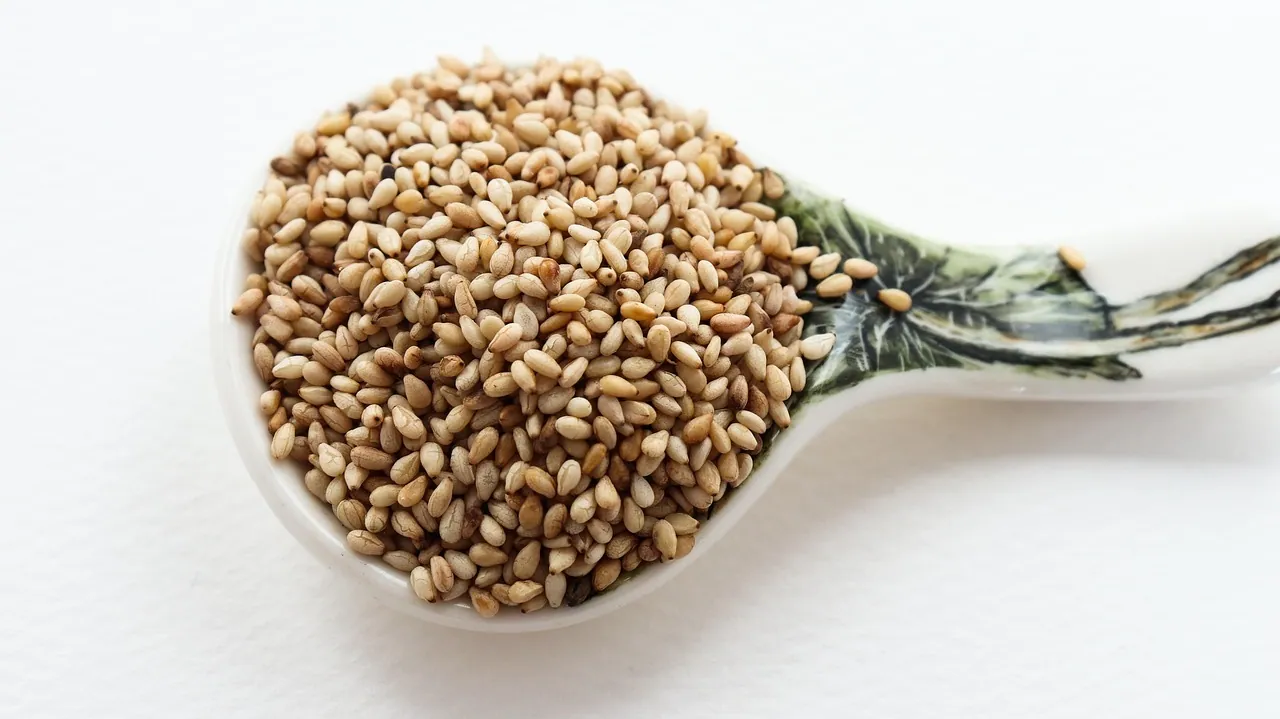
Myth check: “Palak is the best calcium food”
Spinach shows up at the top of many calcium lists, and it should not. Palak has about 82 mg per 100 g in IFCT 2017, far below chaulai (330 mg) or methi (274 mg). It is also rich in oxalic acid, which binds calcium in the gut. The NIH fact sheet notes that people absorb only about 5% of the calcium in spinach, compared with roughly 30% from dairy.
In a 1989 study in the American Journal of Clinical Nutrition, Heaney and Weaver measured calcium absorption in 18 women. Absorption from calcium oxalate averaged 10%, compared with about 36% from milk. The same study found that oxalate did not reduce absorption of the calcium from milk eaten at the same meal. So palak paneer still works: the paneer brings the calcium.
Other myths worth dropping:
- “Low-oxalate greens are as poorly absorbed as spinach.” Not true. The NIH notes that absorption from low-oxalate greens such as kale and broccoli is similar to milk. Sarson (mustard greens) belongs to the same brassica family as kale, and IFCT lists it at 191 mg per 100 g, more than twice palak.
- “More calcium is always better.” Intake above the upper limit, almost always from supplements, carries risks such as constipation and kidney stones.
- “If I drink milk, I don’t need anything else.” Without enough vitamin D, you absorb much less of it. More on that next.
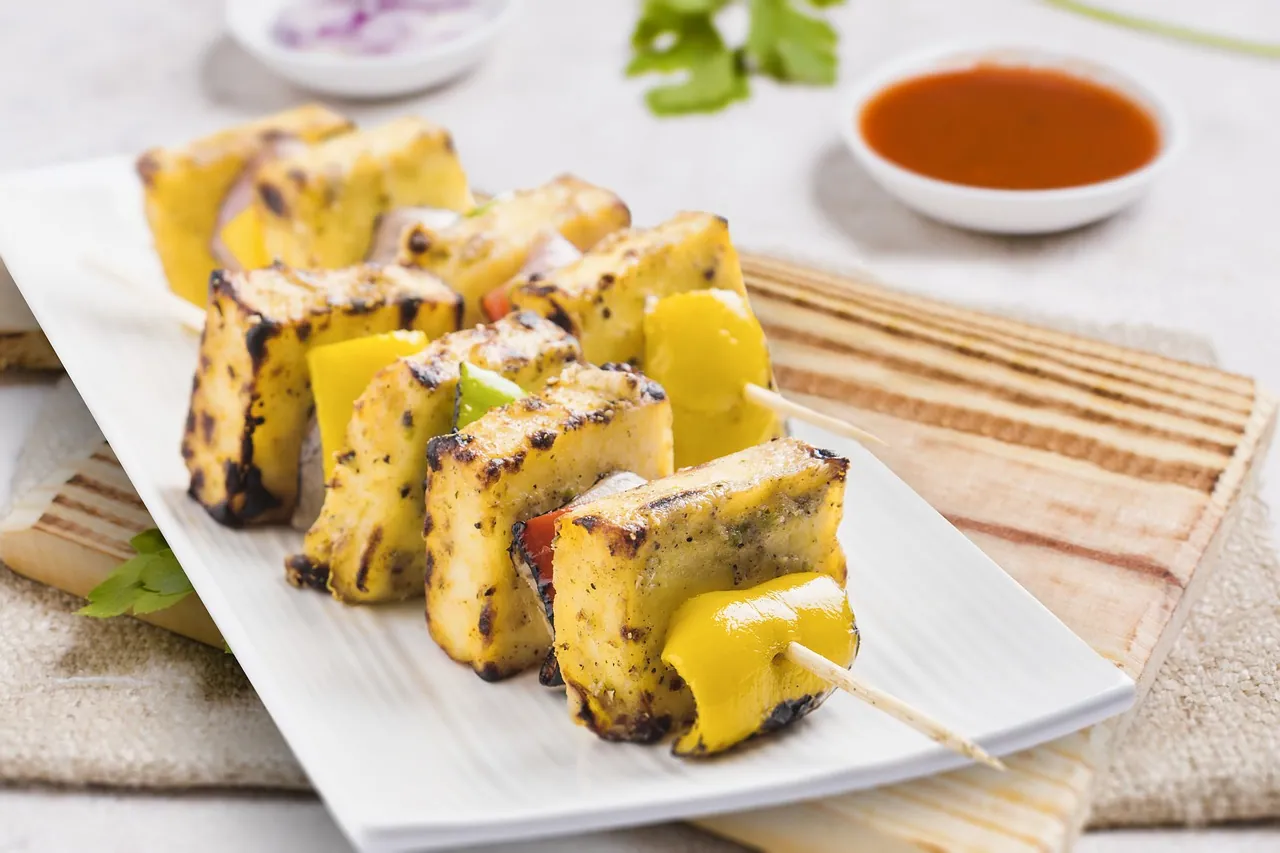
Vitamin D and calcium rich foods: why absorption decides everything
Vitamin D is what lets your gut actively absorb calcium. Without enough of it, a calcium-rich diet delivers far less to your bones. ICMR-NIN 2020 sets the vitamin D RDA at 600 IU a day for adults, and sunlight on the skin is the main natural source for most Indians.
The NIH states it plainly: vitamin D is required for calcium to be absorbed in the gut by active transport. That is why “vitamin D calcium rich foods” belong together on your plan. Few Indian foods supply meaningful vitamin D: mainly egg yolks, oily fish, and fortified milk or oil. Most people rely on sun, which indoor work, pollution and covered clothing all reduce.
Practical steps:
- Get regular sun on arms and face without burning.
- Choose fortified milk or edible oil (look for the “+F” logo).
- With bone pain, frequent cramps or a low-trauma fracture, ask your doctor for a vitamin D (25-OH D) test before self-prescribing high-dose sachets.
- Spread calcium through the day. Harvard’s Nutrition Source advises no more than 500 mg at a time from supplements, because absorption drops as a single dose gets larger.
Magnesium also matters for bone health. See our guide to magnesium nutrition; til, ragi, greens and almonds appear on both lists.

Walkthrough: two Indian days that reach about 1,100 mg
Here is how the table numbers add up across a normal Indian day, with and without dairy. Each lands a little above 1,000 mg, leaving a buffer for absorption losses.
| Meal | Vegetarian (with dairy) | Calcium | Vegan / dairy-free | Calcium |
|---|---|---|---|---|
| Breakfast | Ragi porridge: 40 g ragi flour cooked in 200 ml milk | ~382 mg | 2 ragi dosas or rotis (50 g ragi flour) with curry-leaf chutney (5 g leaves) | ~215 mg |
| Mid-morning | 1 til ladoo (10 g black til) | ~166 mg | Til chikki (15 g black til) | ~250 mg |
| Lunch | 2 wheat rotis, chaulai sabzi (75 g leaves), kulthi dal (30 g dry) | ~329 mg | Rice, drumstick-leaf dal (50 g leaves), kulthi dal (30 g dry) | ~238 mg |
| Evening | 15 almonds (20 g) | ~46 mg | 2–3 fresh figs (100 g) | ~79 mg |
| Dinner | Paneer bhurji (40 g paneer), 2 rotis, salad | ~190 mg | Calcium-set tofu stir-fry (½ cup) with soybean chunks (30 g) | ~325 mg |
| Total | ~1,113 mg | ~1,107 mg |
Calcium rich foods vegan: what to watch
A plant-only day can reach 1,000 mg, but it depends on three things: calcium-set tofu (check that the label lists calcium sulphate or calcium chloride), a daily serving of low-oxalate greens, and til or ragi almost every day. Fortified plant milks vary widely by brand, so read the label.
Pregnancy, menopause, children and teeth
Pregnancy calcium rich foods
ICMR-NIN 2020 keeps the calcium RDA at 1,000 mg during pregnancy, the same as for other adult women, and raises it to 1,200 mg while breastfeeding. For populations with low dietary calcium, the WHO recommends 1.5–2.0 g of elemental calcium a day as a supplement in pregnancy to reduce the risk of pre-eclampsia. Take antenatal calcium exactly as your obstetrician prescribes; food does not replace it, but daily milk, curd, paneer, ragi and til support it. Ask your doctor how to space calcium and iron tablets.
After menopause
Faster bone loss after menopause is why ICMR raises the target to 1,200 mg, about one extra glass of milk or 40 g of paneer. Resistance exercise also helps bones keep calcium; a supervised plan through 1-on-1 personal training is a safe way to start if you have never lifted. See also our guide to the best vitamins and supplements for menopause.
Calcium rich foods for height growth: an honest answer
Calcium does not make children grow taller than their genes allow. It supports normal bone building while they grow. A 2006 BMJ meta-analysis of 19 trials in 2,859 children found that calcium supplements had no effect on bone density at the hip or spine and only a small effect in the arms, which the authors judged unlikely to cut fracture risk meaningfully. What reliably supports growth is enough total food, protein, sleep and active play, plus meeting the age-specific RDA in the first table from ordinary foods. For meal ideas, see our child nutrition guide.
Calcium rich foods for teeth
Teeth form mostly in childhood, so milk, curd, paneer, ragi and til matter most then. In adults, calcium supports the jawbone but does not repair cavities; fluoride toothpaste and fewer sugary snacks do more. Plain curd or paneer beats biscuits between meals.

Troubleshooting: kidney stones, supplements and lactose intolerance
Calcium rich foods for kidney stones: should you cut back?
Usually not. In a 5-year NEJM trial of 120 men with recurrent calcium-oxalate stones, a normal-calcium diet with less salt and animal protein cut the risk of recurrence by about half compared with a low-calcium diet (relative risk 0.49). Dietary calcium binds oxalate in the gut before it reaches the kidneys.
In that 2002 New England Journal of Medicine trial, 12 of 60 men on the normal-calcium diet had another stone, compared with 23 of 60 on the low-calcium diet. Urinary oxalate went up on the low-calcium diet and down on the normal-calcium one. Harvard’s Nutrition Source reaches the same conclusion from large cohort studies. If you have stones, let your urologist guide diet and medicines, because stone type matters.
When does a calcium supplement make sense?
Food comes first. Supplements make sense when a doctor finds your diet cannot reach the target, such as in osteoporosis treatment, pregnancy or malabsorption. A 2010 BMJ meta-analysis found that people given calcium supplements of 500 mg a day or more had about 31% more heart attacks than those given placebo (hazard ratio 1.31). The finding is debated, but it argues against “extra” calcium you do not need. If you are prescribed a supplement:
- Take no more than 500 mg at a time. Split larger doses between morning and night.
- Calcium carbonate absorbs best with food. Calcium citrate can be taken on an empty stomach and suits people on acid-reducing medicines, per the NIH.
- Count food plus supplement and stay under the upper limit.
- Tell your doctor about thyroid medicine, antibiotics or iron tablets, since calcium can affect their absorption.
Lactose intolerant? You still have options
Many people who struggle with milk tolerate curd, chaas and paneer, which contain less lactose. If dairy is fully off the table, the vegan column above still reaches about 1,100 mg.
Frequently asked questions
Which Indian food has the highest calcium?
Per 100 g, black sesame seeds (kala til) lead common Indian foods at 1,664 mg, followed by poppy seeds at 1,372 mg and white til at 1,283 mg (IFCT 2017). Per realistic serving, paneer, milk, agathi leaves, chaulai and ragi contribute the most, because you eat larger portions of them.
How much calcium does an adult need per day in India?
ICMR-NIN 2020 sets the RDA at 1,000 mg a day for adult men and women, 1,000 mg in pregnancy, 1,200 mg while breastfeeding and 1,200 mg after menopause. Teenagers aged 16–18 need 1,050 mg.
Is ragi better than milk for calcium?
Per 100 g, ragi flour (364 mg) has about three times the calcium of cow’s milk (118 mg). Per serving, they are similar: 50 g of ragi gives about 182 mg and a 200 ml glass of milk about 236 mg. Using both, such as ragi porridge cooked in milk, gives about 380 mg in one meal.
Can I get enough calcium without dairy?
Yes. A dairy-free Indian day built on ragi, til, calcium-set tofu, drumstick or chaulai leaves, horse gram and figs can reach about 1,100 mg. Choose low-oxalate greens over spinach, because only about 5% of the calcium in spinach is absorbed.
Do calcium rich foods cause kidney stones?
No. Dietary calcium usually lowers the risk of calcium-oxalate stones, because it binds oxalate in the gut. A 5-year NEJM trial found that a normal-calcium, low-salt diet roughly halved stone recurrence compared with a low-calcium diet. Supplements are different, so discuss them with your doctor.
Which fruits are high in calcium?
Fruits are low in calcium overall. Among Indian fruits in IFCT 2017, tamarind pulp (149 mg per 100 g), fresh figs (79 mg), black raisins (73 mg) and wood apple (56 mg) are the highest. Oranges and guavas have under 20 mg per 100 g.
Should I take vitamin D with calcium?
Your body needs vitamin D to absorb calcium, and ICMR-NIN 2020 sets the adult vitamin D RDA at 600 IU a day. Get tested before taking high-dose vitamin D, and take any combined calcium-vitamin D product only as your doctor advises.
Want to know how close your own meals get to 1,000 mg? Book a session with a Fitstrot dietitian through our online nutritionist consultation. We will go through three days of your real meals and build an Indian plan around the calcium rich foods you already enjoy.


