
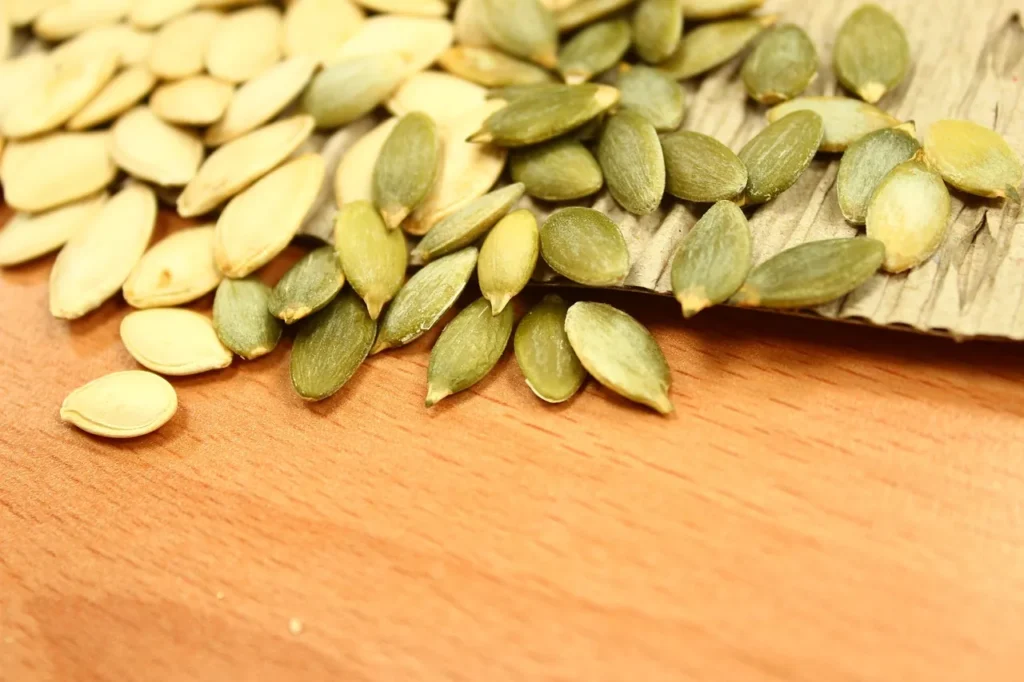
Most Indian adults don’t need to buy a supplement to get enough magnesium. They need to choose more magnesium rich foods, and they need to know which everyday foods actually carry it. A 60 g bajra roti has about 74 mg. A 20 g handful of roasted pumpkin seeds has about 111 mg. A banana, which people often call the “magnesium fruit”, has only about 35 mg. This guide uses Indian food composition data (IFCT 2017) and the ICMR-NIN 2020 targets to show you, in grams and milligrams, how to reach your daily magnesium from the dal, roti, sabzi and snacks you already eat.
If you take regular medicines or have kidney disease, read the safety sections before you change anything.
What does magnesium actually do in your body?
Magnesium is a mineral cofactor for more than 300 enzyme systems. It helps with energy production, protein synthesis, muscle contraction, nerve signalling, blood sugar control and blood pressure regulation. An adult body holds about 25 g of it, and 50–60% sits in bone, according to the NIH Office of Dietary Supplements.
Less than 1% of your body’s magnesium circulates in the blood, so a normal blood test doesn’t always mean your intake is good. The Harvard Nutrition Source describes magnesium as helping over 300 enzymes build protein, strengthen bone and regulate blood sugar, blood pressure, muscles and nerves. In practice, that is why low levels show up as cramps, twitches and fatigue.
How much magnesium do Indians need per day?
The ICMR-NIN 2020 Recommended Dietary Allowance is 440 mg a day for adult Indian men and 370 mg a day for adult Indian women. These targets are higher than the 2010 figures of 340 mg and 310 mg. The US targets are lower: 400–420 mg for men and 310–320 mg for women.
The Indian numbers come from the ICMR-National Institute of Nutrition’s 2020 brief note on nutrient requirements. They are based on reference body weights of 65 kg for men and 55 kg for women. The estimated average requirement (EAR) is 370 mg for men and 310 mg for women. If you are regularly below those numbers, your diet is probably short.
| Group | ICMR-NIN 2020 RDA | ICMR-NIN 2020 EAR | NIH ODS RDA |
|---|---|---|---|
| Adult men | 440 mg | 370 mg | 400 mg (19–30 y), 420 mg (31+ y) |
| Adult women | 370 mg | 310 mg | 310 mg (19–30 y), 320 mg (31+ y) |
| Pregnancy | n/a in brief note | n/a | 350 mg (19–30 y), 360 mg (31–50 y) |
| Breastfeeding | n/a in brief note | n/a | 310 mg (19–30 y), 320 mg (31–50 y) |
| Teens 14–18 | n/a in brief note | n/a | 410 mg (boys), 360 mg (girls) |
| Upper limit from supplements (adults) | 350 mg/day (NIH ODS). This limit does not apply to magnesium from food. | ||
The 350 mg upper limit covers only supplements and medicines such as antacids and laxatives, not food. The NIH ODS says food magnesium doesn’t pose a risk in healthy people because the kidneys excrete the excess.
High magnesium rich foods, ranked by what a real serving gives you
Most online lists rank foods per 100 g. That makes seeds and cocoa powder look amazing and tells you little about a normal plate. The table below uses values from the Indian Food Composition Tables 2017 (ICMR-NIN) for Indian foods. Pumpkin seeds aren’t in IFCT, so that row uses the NIH ODS figure. Serving-size numbers are our arithmetic on the raw-weight values, rounded.

| Food (Hindi / common name) | Mg per 100 g | Typical serving | Mg per serving (approx.) | % of women’s RDA (370 mg) |
|---|---|---|---|---|
| Pumpkin seeds, roasted (kaddu ke beej) | ~550* | 28 g (1 oz) | 156 mg* | 42% |
| Amaranth leaves, green (chaulai saag) | 194 | 100 g raw | 194 mg | 52% |
| Almonds (badam) | 318 | 28 g (~20–22 nuts) | 89 mg | 24% |
| Spinach (palak) | 87 | 100 g raw | 87 mg | 24% |
| Cashew nuts (kaju) | 307 | 28 g | 86 mg | 23% |
| Amaranth seed (rajgira) | 270 | 30 g | 81 mg | 22% |
| Jowar | 133 | 60 g flour (2 rotis) | 80 mg | 22% |
| Green gram, whole (sabut moong) | 198 | 40 g dry | 79 mg | 21% |
| Soybean, brown | 259 | 30 g dry | 78 mg | 21% |
| Wheat atta | 125 | 60 g (2 rotis) | 75 mg | 20% |
| Bajra | 124 | 60 g (2 rotlas) | 74 mg | 20% |
| Ragi | 146 | 50 g | 73 mg | 20% |
| Rajma, red | 173 | 40 g dry | 69 mg | 19% |
| Bengal gram, whole (kala chana) | 160 | 40 g dry | 64 mg | 17% |
| Sunflower seeds | 413 | 15 g (1 tbsp heaped) | 62 mg | 17% |
| Groundnut (moongphali) | 197 | 30 g | 59 mg | 16% |
| Brown rice, raw | 94 | 60 g raw | 56 mg | 15% |
| Walnuts (akhrot) | 180 | 28 g | 50 mg | 14% |
| Drumstick leaves (moringa) | 97 | 50 g | 49 mg | 13% |
| Sesame seeds, white (safed til) | 372 | 10 g (1 tbsp) | 37 mg | 10% |
| Flaxseed (alsi) | 349 | 10 g (1 tbsp) | 35 mg | 9% |
| White rice, raw milled | 19 | 60 g raw | 12 mg | 3% |
*Pumpkin seed value from NIH ODS (156 mg per 1 oz roasted); per-100 g figure derived from it. All other rows are IFCT 2017 mean values for raw food. Cooking and draining water can reduce the amount you finally eat.
This list of magnesium rich foods shows two patterns. Whole grains and millets carry four to six times more magnesium than polished white rice, so swapping one rice meal for bajra, jowar or ragi rotis adds roughly 60 mg. And whole pulses beat split dals: IFCT lists sabut moong at 198 mg per 100 g versus 155 for moong dal, and whole masoor at 101 versus 75 for masoor dal.
Magnesium rich foods vegetables: the leafy-green shortlist
Among Indian vegetables, the leafy greens do most of the work. Chaulai (green amaranth) leads at 194 mg per 100 g. Beet greens have 120 mg, betel leaves 107 mg, drumstick leaves 97 mg, palak 87 mg and methi 64 mg (IFCT 2017). The US NIH data puts ½ cup of boiled spinach at 78 mg. Everyday gourds, tomatoes and onions add small amounts. They’re good for you, but they won’t move your magnesium total much.
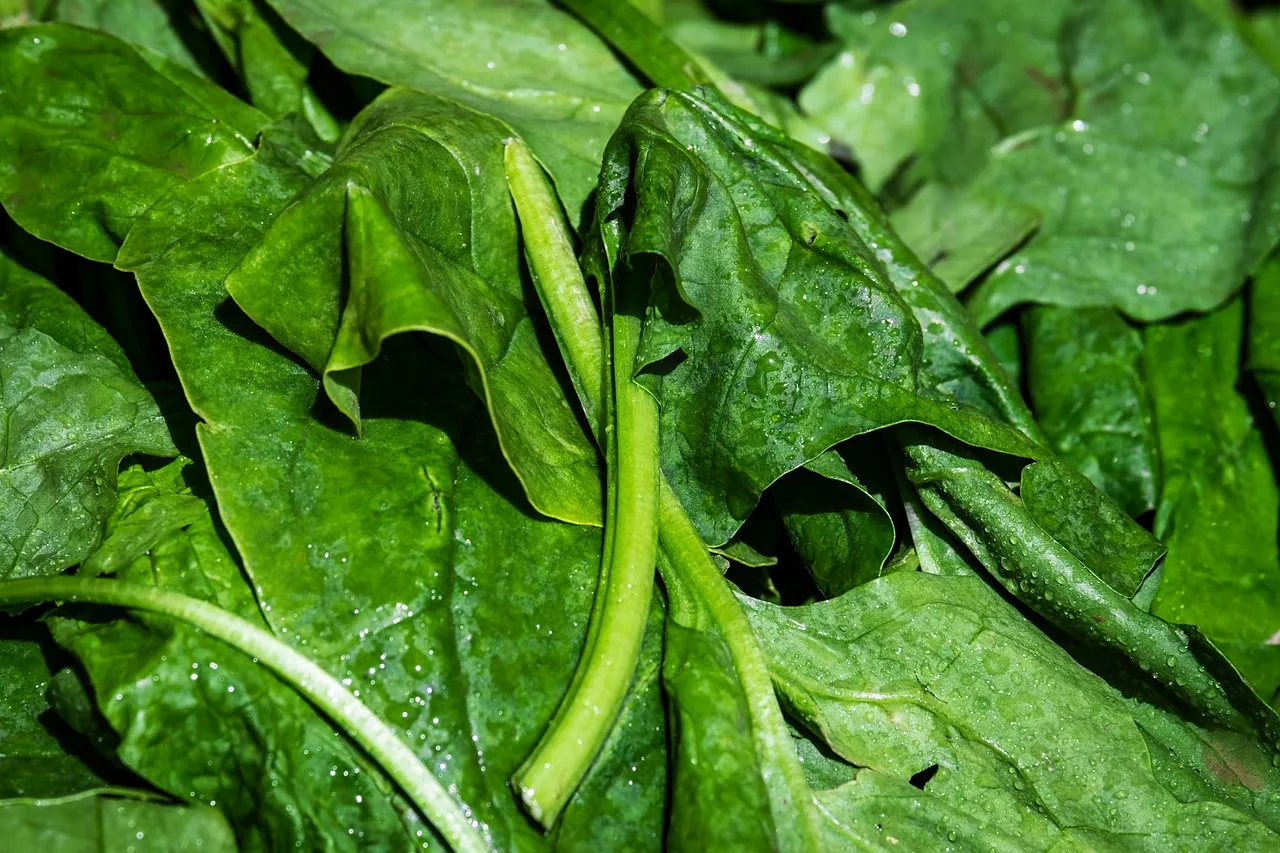
A practical tip: magnesium dissolves in water. When you blanch palak and throw the water away, you lose part of the mineral. Cooking greens straight into dal, sambar or a dry sabzi keeps more of it in your food.
Myth check: chocolate, bananas and “magnesium fruits”
Two foods show up on almost every magnesium list, and both need context.
Myth: “Dark chocolate is one of the best magnesium sources.” Partly true. Harvard’s Nutrition Source lists dark chocolate with 70% or more cocoa as a source, and the magnesium comes from the cocoa solids. But it also brings sugar and plenty of calories, so treat a square or two as a bonus, not a plan. Milk chocolate has far less cocoa.

Magnesium rich foods fruits: what the numbers really say
Myth: “Eat a banana a day for magnesium.” The numbers don’t back it up. IFCT 2017 lists a ripe robusta banana at about 35 mg per 100 g. The NIH puts a medium banana at 32 mg, which is roughly 8–9% of a woman’s daily target. Most fresh fruits are lower still. Guava has about 15 mg per 100 g, apple about 8 mg and grapes 7–11 mg. The fruit exceptions are dried ones. Dry dates have about 74 mg per 100 g, but a normal 2–3 date serving (20 g) gives only about 15 mg.
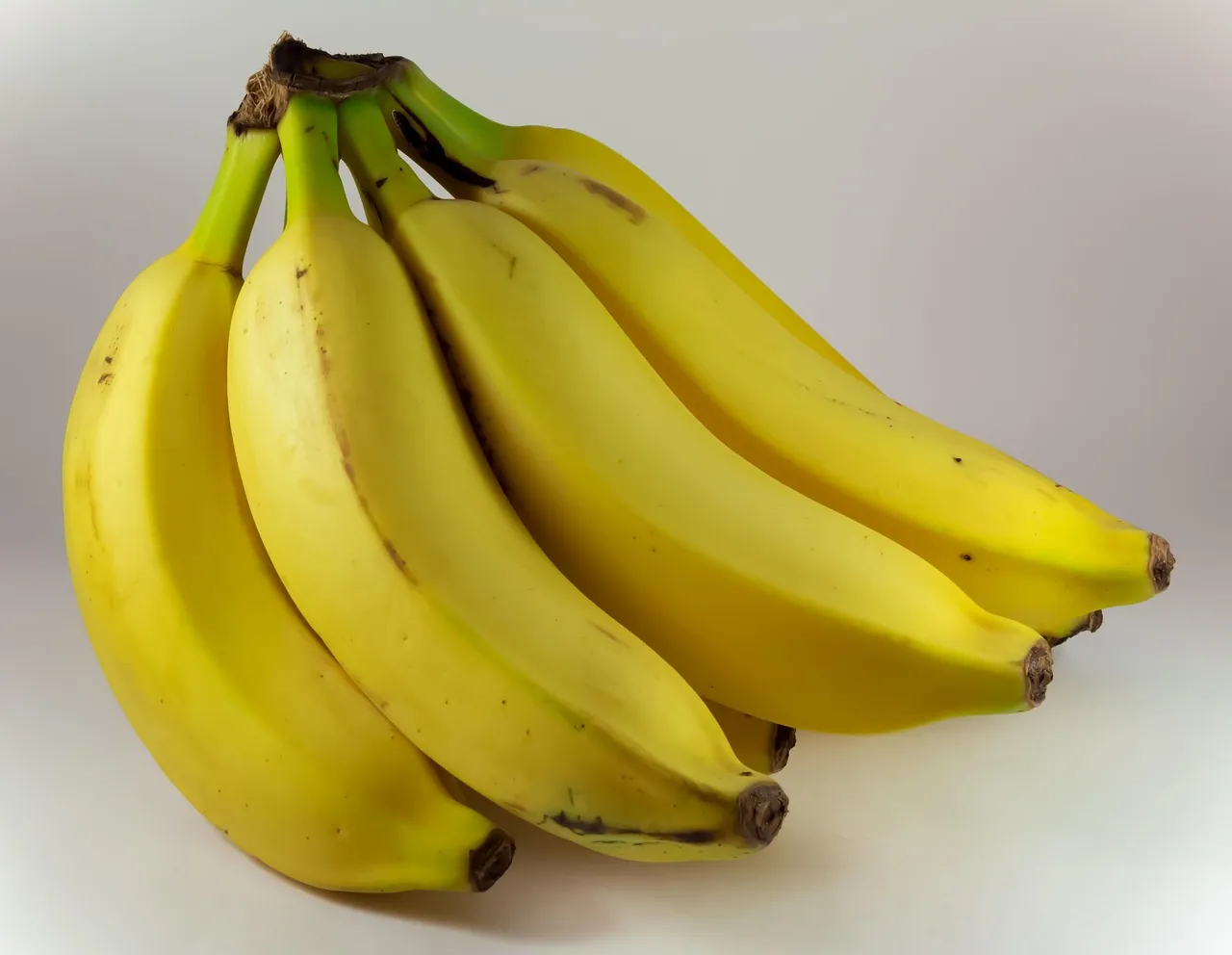
For magnesium, a spoon of seeds or a bowl of whole moong does far more than a fruit bowl.
Magnesium rich foods vegetarian day plan: a walkthrough
Here is one ordinary vegetarian day built only from foods in the table above. It shows you can reach 370–440 mg without supplements. Swap in your regional staples: ragi in Karnataka, jowar in Maharashtra, bajra in Rajasthan and Gujarat.

| Meal | What to eat | Key quantities | Magnesium (approx.) |
|---|---|---|---|
| Breakfast (8 am) | Ragi dosa or ragi porridge with milk | 40 g ragi + 200 ml cow’s milk | 58 + 17 = 75 mg |
| Mid-morning (11 am) | Banana + soaked almonds | 1 banana (~100 g) + 20 g almonds | 35 + 64 = 99 mg |
| Lunch (1:30 pm) | 2 bajra rotlas + palak toor dal + salad | 60 g bajra + 100 g spinach + 30 g toor dal | 74 + 87 + 36 = 197 mg |
| Evening (5 pm) | Roasted pumpkin seeds with chai | 20 g pumpkin seeds | ~111 mg |
| Dinner (8 pm) | Sabut moong curry + steamed white rice | 40 g whole moong + 60 g raw rice | 79 + 12 = 91 mg |
| Day total (before cooking losses) | ~573 mg | ||
Why aim above the RDA on paper? The NIH ODS estimates that only about 30–40% of dietary magnesium is absorbed. Some also leaches into cooking water. The RDA already allows for normal absorption, so a paper total of 450–550 mg is a comfortable buffer, not an overdose.
Non-vegetarian foods are modest sources: NIH lists 3 oz of salmon at 26 mg and chicken breast at 22 mg. For a vegetarian day that also covers protein, see our high-protein vegetarian foods list.
Nutrient pairings people search for
Potassium and magnesium rich foods
Many foods carry both minerals. IFCT 2017 figures per 100 g raw:
- Rajma (red): 173 mg magnesium, 1,324 mg potassium
- Kala chana: 160 mg magnesium, 935 mg potassium
- Dry dates: 74 mg magnesium, 804 mg potassium
- Almonds: 318 mg magnesium, 699 mg potassium
- Palak: 87 mg magnesium, 625 mg potassium
- Chaulai leaves: 194 mg magnesium, 572 mg potassium
- Banana (robusta): 35 mg magnesium, 306 mg potassium
Important: if you have chronic kidney disease, you may have been told to limit potassium, magnesium or both. Follow your nephrologist’s diet over any general list, including this one.
Iron and magnesium rich foods
For vegetarians trying to fix low haemoglobin and low magnesium together, millets and whole pulses cover both. IFCT 2017 lists iron (per 100 g raw) at 8.0 mg in rajgira, 8.3 mg in soybean, 6.8 mg in kala chana, 6.4 mg in bajra, 6.1 mg in red rajma and 4.6 mg in ragi. Each of these is also a strong magnesium source. Add a vitamin C source such as lemon, amla or tomato to the same meal to improve non-haem iron absorption. For more on minerals for bone, see our sibling guide to calcium nutrition.
Do magnesium rich foods for sleep actually work?
The evidence is weaker than social media suggests. A 2021 systematic review of 3 randomised trials in 151 older adults found magnesium supplements shortened the time to fall asleep by about 17 minutes versus placebo. Total sleep time did not improve significantly, and the evidence quality was rated low to very low.
That review, by Mah and Pitre in BMC Complementary Medicine and Therapies (2021), studied supplements, not food. No good trial shows that eating pumpkin seeds at night makes you sleep better. Reaching the RDA through food is sensible anyway, and an evening handful of almonds is harmless. But sleep usually responds better to consistent timing, less late caffeine and a calming routine, such as gentle online yoga classes. Insomnia lasting more than a few weeks needs a medical assessment, not a supplement experiment.
Troubleshooting: signs your magnesium might be low
Clinically low blood magnesium (hypomagnesemia) is uncommon in healthy people who eat enough. Cleveland Clinic estimates it at about 2% of the general US population. The rate rises to 10–20% of hospitalised patients and about 25% of people with poorly managed diabetes. Cleveland Clinic gives a normal blood range of 1.46–2.68 mg/dL.
Early signs (NIH ODS) are vague: loss of appetite, nausea, vomiting, fatigue and weakness. More advanced deficiency can cause numbness, tingling, muscle cramps and spasms, tremors, seizures, personality changes and abnormal heart rhythms. Severe deficiency can also pull down calcium and potassium levels.
Work through these questions before blaming magnesium for a cramp:
- Are you on a long-term acid-reducing medicine (PPI)? The NIH notes that PPIs such as omeprazole or pantoprazole used for more than a year can cause low magnesium. Ask your doctor about a blood test. Don’t stop the medicine on your own.
- Do you take a diuretic (“water pill”)? Loop and thiazide diuretics increase magnesium loss in urine.
- Uncontrolled diabetes, regular alcohol, chronic diarrhoea, coeliac disease or IBD? Cleveland Clinic lists all of these as causes.
- Just dehydrated or under-recovered after exercise? For most gym-goers, that explains cramps better than magnesium does.
See a doctor promptly if you have palpitations or an irregular heartbeat, seizures, severe muscle weakness, or tingling that doesn’t settle. Only a blood test can confirm a deficiency; symptoms alone can’t. Tingling also has other causes. Our guide to foods that help heal nerve damage covers the B12 angle.
Supplement forms compared: glycinate vs citrate vs oxide
Food first is the right default. If a doctor recommends a supplement, the form matters. The NIH ODS notes that forms which dissolve well (citrate, aspartate, lactate, chloride) are absorbed more completely than magnesium oxide and sulfate. In a 60-day randomised trial in 46 adults taking 300 mg of elemental magnesium a day, Walker et al. (Magnesium Research, 2003) found that citrate raised blood levels most. Oxide performed no better than placebo.
| Form | Absorption (relative) | Typically chosen for | Main caution |
|---|---|---|---|
| Magnesium citrate | Good; outperformed oxide in a 2003 RCT | General top-up; mild constipation | Loose stools at higher doses |
| Magnesium glycinate (bisglycinate) | Likely good (amino-acid chelate), but head-to-head human data are limited | People who get diarrhoea with other forms | Check the label for elemental mg; a “1,000 mg” capsule may give far less |
| Magnesium oxide | Low | Cheap tablets; antacid or laxative use | Among the forms most likely to cause diarrhoea (NIH ODS) |
| Magnesium chloride | Good (soluble) | Oral solutions | Gut upset at higher doses |
| Magnesium carbonate / gluconate | Variable | Antacids, combination products | Also listed by NIH among forms likely to cause diarrhoea |
Non-negotiable safety points from the NIH ODS:
- Kidney disease: the risk of magnesium toxicity rises sharply when kidney function is impaired, because the kidneys can’t excrete the excess. Don’t take magnesium supplements, antacids or laxatives without your nephrologist’s approval.
- Upper limit: 350 mg a day from supplements for adults. Toxicity has been reported with laxatives and antacids giving more than 5,000 mg a day.
- Timing with other medicines: magnesium reduces the absorption of oral bisphosphonates (osteoporosis drugs), so keep them at least 2 hours apart. With tetracycline or quinolone antibiotics, take the antibiotic 2 hours before or 4–6 hours after the magnesium. Ask your pharmacist how this applies to your prescriptions.
Who needs to pay closer attention?
Magnesium rich foods pregnancy guidance
The NIH RDA rises to 350–360 mg a day during pregnancy. Food is the safe baseline: whole pulses, millets, leafy greens, nuts and seeds. Don’t add a supplement on your own. Discuss leg cramps and your full supplement list with your obstetrician.
People with type 2 diabetes or high blood pressure
An NIH-cited meta-analysis of seven prospective studies found that every extra 100 mg a day of magnesium was linked to a 15% lower risk of developing type 2 diabetes. This is an association, not proof of cause. For blood pressure, a 2016 meta-analysis of 34 trials with 2,028 adults in Hypertension (Zhang et al.) found that about 368 mg a day of supplemental magnesium for about 3 months lowered systolic pressure by 2.00 mmHg and diastolic by 1.78 mmHg. That effect is real but small. It supports magnesium rich foods as part of a heart-healthy diet. It doesn’t replace BP or diabetes medicines, and you should never adjust those without your doctor.
Athletes and older adults
There is no separate Indian RDA for athletes. Most active people cover extra needs simply by eating more food overall, especially grains and pulses. Older adults are more likely to be on PPIs or diuretics, so a medicine review with the doctor matters more for them than any food list.
Frequently asked questions
Which Indian food is highest in magnesium?
Per 100 g, seeds lead in IFCT 2017: sunflower seeds (413 mg), black sesame (390 mg), flaxseed (349 mg), almonds (318 mg) and garden cress seeds (307 mg). Pumpkin seeds are also high, at 156 mg per 28 g (NIH). Per serving, a 100 g bowl of chaulai saag (194 mg) is one of the biggest single hits.
Can I get enough magnesium without supplements?
Yes, for most healthy people. A day with a millet or whole-wheat roti, one whole-pulse dish, a leafy green and a small handful of nuts or seeds easily reaches 370–440 mg on paper. Supplements are for diagnosed deficiency or specific medical advice.
How much magnesium is in one banana?
About 32 mg in a medium banana (NIH ODS), or about 35 mg per 100 g of ripe robusta banana (IFCT 2017). That’s under 10% of an adult woman’s ICMR-NIN target of 370 mg.
Is it possible to eat too much magnesium from food?
Not if your kidneys are healthy. The NIH ODS says excess magnesium from food is excreted in urine. The 350 mg a day upper limit applies only to supplements and medicines. People with kidney disease are the exception and should follow their doctor’s advice.
Which magnesium supplement form is best absorbed?
Soluble forms such as citrate, chloride, lactate and aspartate are absorbed better than oxide, according to the NIH ODS. A 2003 randomised trial found that citrate raised blood levels more than oxide. Glycinate is popular for gut tolerance, but it has fewer head-to-head studies.
Does magnesium help with sleep?
Possibly a little. A 2021 meta-analysis of 3 small trials in older adults found supplements shortened the time to fall asleep by about 17 minutes. The evidence quality was low. There is no good trial evidence that specific foods improve sleep.
What are the first signs of low magnesium?
Early signs are non-specific: loss of appetite, nausea, fatigue and weakness. Later signs include cramps, tingling, tremors and irregular heartbeat. Only a blood test ordered by a doctor can confirm a deficiency.
Want to know how much magnesium your meals really give you? Send a Fitstrot dietitian three days of what you eat through an online nutritionist consultation. You’ll get a food-first plan built around your region’s staples, your medicines and your training.


