

If your feet tingle at night, your fingers feel numb while typing, or your legs feel weak on the stairs, it is natural to search for the best food for nerve repair. Food genuinely matters here: nerves depend on vitamin B12, thiamine (B1), B6, folate, vitamin E and copper to work and to maintain their protective coating. But food supports nerve health; it does not cure nerve damage. This guide explains which nutrients have real evidence, which Indian foods supply them, where supplements can hurt, and why a doctor’s check-up has to come first.
Important: this article is general information, not a diagnosis. Numbness, burning pain or weakness in the hands or feet always needs a medical evaluation, because the cause decides the treatment. Please do not stop, start or change any medicine based on what you read here.
Can food for nerve repair actually heal damaged nerves?
Food cannot heal nerve damage on its own, but it can remove one common cause and support recovery. If a B12, B1, B6 or vitamin E shortfall is behind it, correcting that with food and doctor-guided treatment can help. The NHS notes some neuropathy improves once the cause is treated, while in other people the damage may be permanent.
That NHS page on peripheral neuropathy is blunt about the range of outcomes: “some cases may improve with time if the underlying cause is treated, whereas in some people the damage may be permanent or may get gradually worse.” So the honest role of diet is threefold:
- Correct a deficiency that is causing or worsening the problem (B12 is the big one in India).
- Control the driver, most often high blood sugar in diabetes, which keeps injuring nerves if it stays uncontrolled.
- Give recovering nerves the raw materials they need: B vitamins, protein, healthy fats and antioxidants.
Food cannot replace prescribed treatment or fix neuropathy with a non-nutritional cause, such as a compressed or injured nerve. Nobody can honestly promise that foods that help heal nerve damage will make symptoms disappear.
See a doctor first: symptoms that should not wait
Mayo Clinic’s advice on peripheral neuropathy is simple: “Seek medical care right away if you notice tingling, weakness or pain in your hands or feet.” Early diagnosis matters because some causes are fully treatable when caught early, and B12-related nerve damage can become irreversible if it is left too long.
Book an appointment with a physician or neurologist promptly if you notice:
- Numbness, pins and needles, or burning in the feet or hands that keeps coming back
- Stabbing or shooting pain, or extreme sensitivity to touch
- Loss of balance, frequent tripping, or weakness while climbing stairs
- A cut, blister or ulcer on the foot that is not healing (the NHS flags this specifically)
- Any of the above if you have diabetes, drink alcohol regularly, have followed a vegetarian or vegan diet for years, or are over 60
Ask your doctor which blood tests make sense for you. For nerve symptoms these commonly include blood sugar (fasting glucose or HbA1c) and vitamin B12, and sometimes folate and other markers. Then use the food guidance below alongside the treatment plan, not instead of it.
Which vitamin for nerves matters most?
Vitamin B12 matters most for most Indian adults, because deficiency is common and it directly damages nerves. Thiamine (B1), B6, folate, vitamin E and copper also support nerve health. ICMR-NIN’s 2020 recommendations set adult B12 at 2.2 µg a day, thiamine at 1.7–1.8 mg and B6 at 1.9–2.4 mg.
Mayo Clinic lists the same group: “B vitamins, including B-1, B-6 and B-12, copper and vitamin E are crucial to nerve health.” The table below brings the daily targets and the Indian foods that supply each one together. Indian adult targets come from the ICMR-NIN 2020 nutrient requirements note (sedentary men and women). Where ICMR does not give a figure, the US National Institutes of Health value is shown.
| Nutrient | What it does for nerves | Adult daily target | Indian food sources | Watch-out |
|---|---|---|---|---|
| Vitamin B12 | Maintains the myelin sheath that insulates nerves | 2.2 µg (ICMR-NIN 2020) | Milk, curd, paneer, eggs, fish, chicken, fortified foods | Natural sources are almost all animal foods |
| Thiamine (B1) | Helps nerves turn glucose into energy | 1.8 mg men / 1.7 mg women (ICMR-NIN) | Whole-wheat atta, dals and beans, seeds, fortified rice | Heavy alcohol use drains thiamine |
| Vitamin B6 | Helps make neurotransmitters | 2.4 mg men / 1.9 mg women (ICMR-NIN) | Chana, fish, chicken, banana, potato | More than 100 mg/day from supplements can itself cause neuropathy |
| Folate | Works with B12 in cell and nerve metabolism | 300 µg DFE men / 220 µg women (ICMR-NIN) | Palak, lobia, rajma, peanuts, broccoli | Folic acid can hide a B12 deficiency |
| Vitamin E | Antioxidant that protects nerve cell membranes | 15 mg (NIH) | Almonds, sunflower seeds, peanuts, vegetable oils | Deficiency is rare except with fat-malabsorption conditions |
| Omega-3 fats | Part of nerve cell membranes; lower inflammation | No ICMR-NIN target in this list | Salmon, sardine (mathi), mackerel (bangda), flaxseed, walnuts | Human evidence for nerve repair is still limited |
Vitamin B12: the one to rule out first
According to the NIH Office of Dietary Supplements B12 fact sheet, B12 deficiency can cause “numbness and tingling in the hands and feet”. Nerve symptoms can appear even without anaemia, which is why early diagnosis is important to “avoid irreversible damage.” Older adults are at higher risk: atrophic gastritis affects 8–9% of people over 65 and reduces how much B12 the stomach can absorb.
Thiamine (B1): the energy vitamin for nerves
Severe thiamine deficiency (dry beriberi) shows up mainly as peripheral neuropathy. The NIH thiamin fact sheet reports that up to 80% of people with chronic alcoholism develop thiamine deficiency. It also reports plasma thiamine levels 50–75% lower in people with type 2 diabetes than in healthy volunteers. Whole-wheat rotis, dals and seeds, rather than refined maida, keep thiamine in the diet.
Vitamin B6: essential, but more is not better
B6 is the clearest example of a nerve nutrient that turns harmful in excess. The NIH vitamin B6 fact sheet sets the adult upper limit at 100 mg a day. It notes that 1–6 g a day for 12–40 months causes severe sensory neuropathy, and that several reports describe neuropathy at doses below 500 mg a day. Food will not get you anywhere near those amounts; a cup of cooked chickpeas has about 1.1 mg. Stacked supplements can, though: a B-complex, a “nerve tonic” and an energy powder taken together. Show every supplement label to your doctor.
Folic acid and vitamin B12 foods: why they belong together
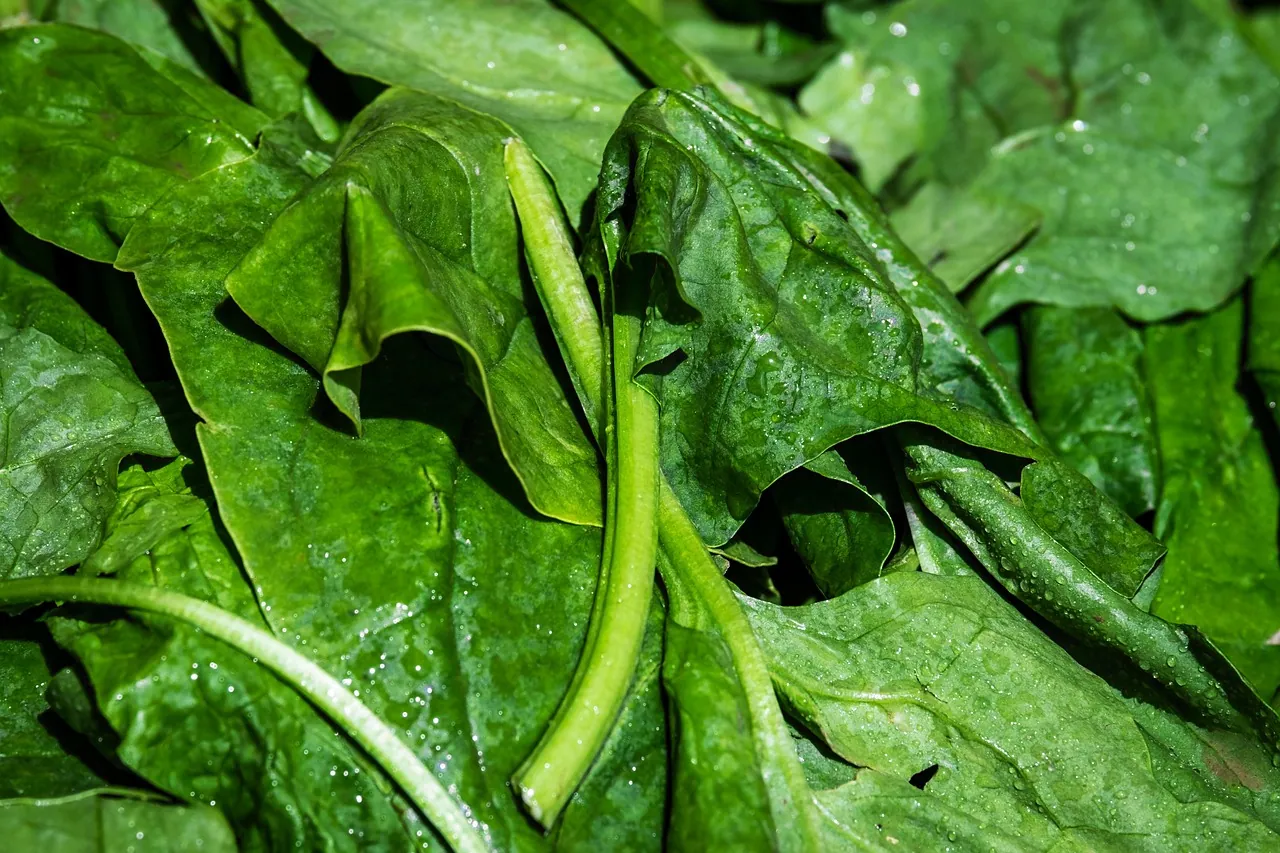
Folate and B12 work as partners, and eating folate-rich foods is healthy. The risk comes from treating tingling with folic acid tablets alone. The NIH folate fact sheet warns that large amounts of folate “can correct the megaloblastic anemia, but not the neurological damage, that can result from vitamin B12 deficiency.” In other words, a blood report can look better while the nerves keep getting worse. Good food sources of folate include boiled spinach (131 µg per half cup), black-eyed peas or lobia (105 µg per half cup) and kidney beans or rajma (46 µg per half cup). Pair them with a B12 source such as curd, milk or eggs.
Vitamin E, copper and alpha-lipoic acid
Vitamin E deficiency can cause peripheral neuropathy and ataxia (poor coordination), but it is rare in healthy people. The NIH vitamin E fact sheet lists 28 g of sunflower seeds at 7.4 mg and 28 g of almonds at 6.8 mg, which is about half the 15 mg daily target in one small handful. Copper comes from nuts, seeds, whole grains and pulses.
Alpha-lipoic acid (ALA) is an antioxidant found in small amounts in spinach, broccoli and organ meats, and the body also makes it. A 2012 meta-analysis of randomised trials found that 600 mg a day given intravenously for 3 weeks gave a clinically relevant drop in diabetic neuropathy pain. The authors said it was unclear whether oral doses above 600 mg a day made a meaningful difference. These are drug-level doses given under medical supervision, far beyond what food provides. Treat ALA as a question for your doctor, not a pantry fix.
Vitamin B12 foods vegetarian Indian homes can rely on
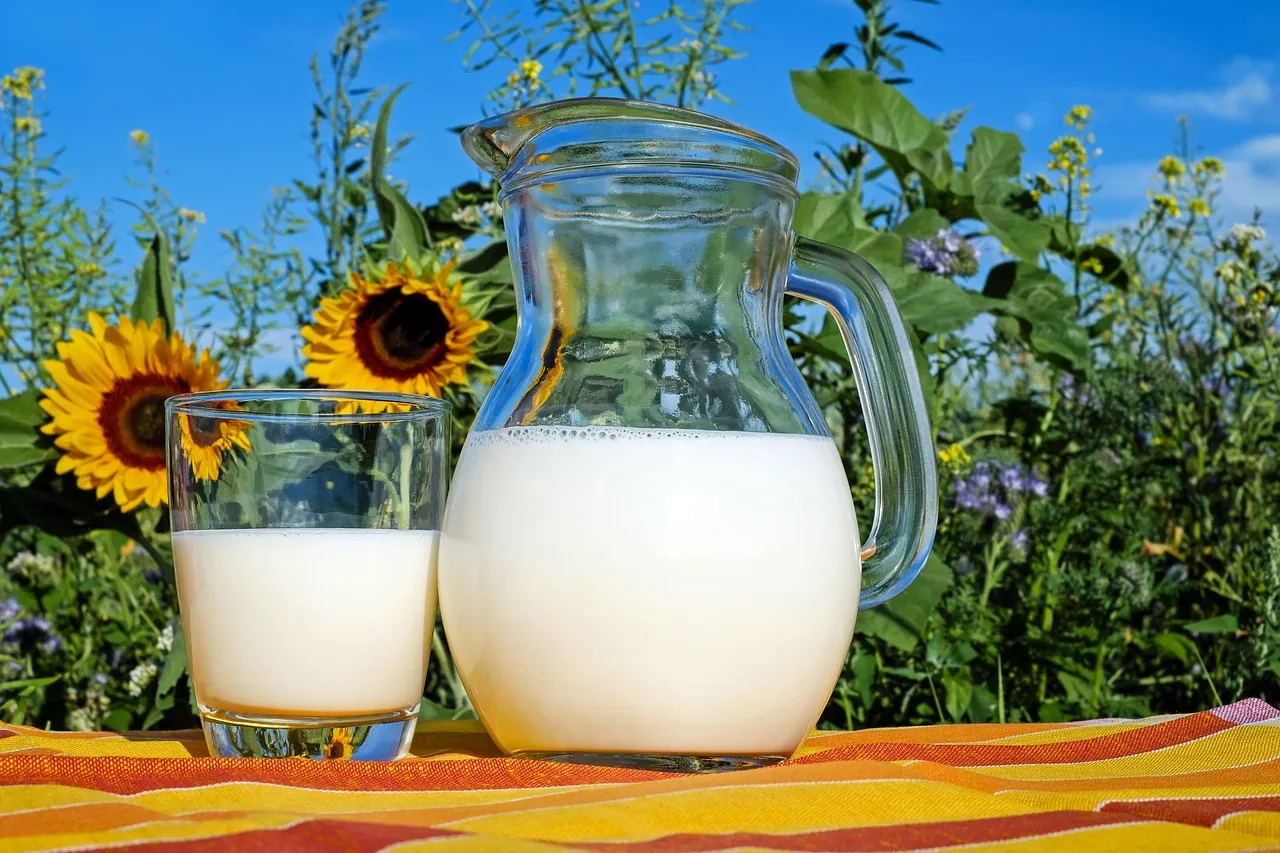
For vegetarians in India, dairy and eggs are the main natural B12 sources. One cup of milk gives about 1.3 µg and a 170 g bowl of curd about 1.0 µg; together that is roughly the ICMR-NIN adult target of 2.2 µg. Plant foods like dal, greens and fruit contain essentially no reliable B12.
This gap is real. A 2020 review in the Journal of Nutritional Science and Vitaminology found up to 78.5% B12 deficiency among healthy Indian adults, with rates varying by study and cut-off, and higher deficiency in vegetarians. Values below are from the NIH ODS B12 table, converted to Indian serving sizes.
| Food | Serving | B12 (µg) | % of 2.2 µg | Suits |
|---|---|---|---|---|
| Salmon, cooked | 85 g | 2.6 | 118% | Non-veg |
| Tuna, canned in water | 85 g | 2.5 | 114% | Non-veg |
| Milk (2% fat) | 1 cup (~240 ml) | 1.3 | 59% | Vegetarian |
| Plain curd / yogurt | 170 g (1 large katori) | 1.0 | 45% | Vegetarian |
| Fortified breakfast cereal | 1 serving | 0.6 | 27% | Vegetarian (check label) |
| Cheese (cheddar) | 42 g | 0.5 | 23% | Vegetarian |
| Egg, whole, cooked | 1 large | 0.5 | 23% | Eggetarian |
| Nutritional yeast, fortified | ~¼ cup | 8.3–24 | 377%+ | Vegan (check label) |
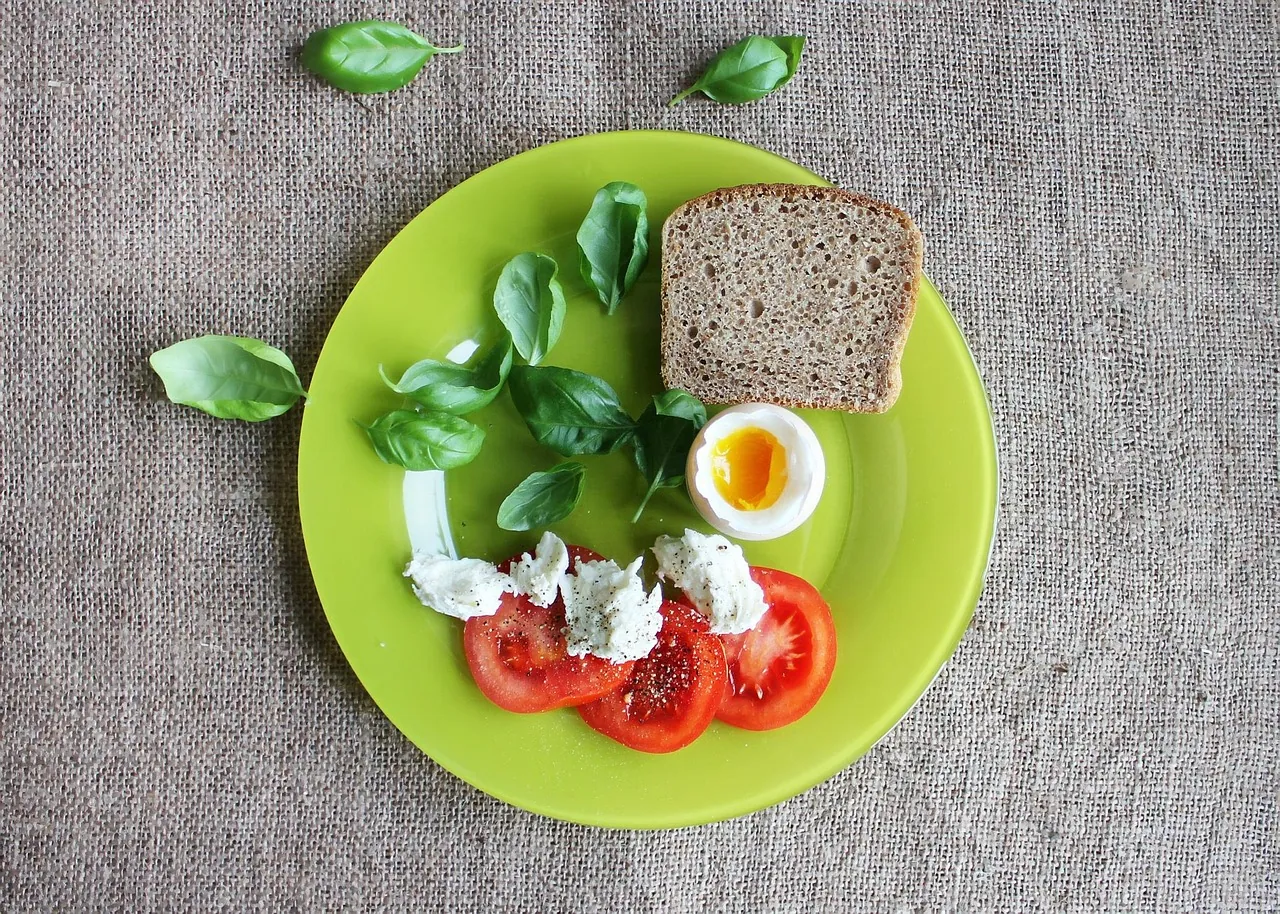
Enough on paper does not guarantee enough in your blood: age, long-term antacids and diabetes medicines can all cut absorption. Vegans need fortified foods or a doctor-advised supplement. A blood test beats guessing.
Myths about foods that help heal nerve damage
Fear of nerve symptoms sells a lot of miracle tonics. Here is what the evidence says.
| Myth | What the evidence says |
|---|---|
| “The right diet reverses any nerve damage.” | The NHS says some cases improve once the cause is treated, while others may be permanent or progressive. |
| “More vitamin B6 means stronger nerves.” | The upper limit is 100 mg a day. High doses cause sensory neuropathy, sometimes below 500 mg a day (NIH ODS). |
| “Folic acid tablets cover my B vitamins.” | Folate can correct anaemia but not the nerve damage caused by B12 deficiency (NIH ODS). |
| “Dal and green vegetables give vegetarians enough B12.” | Natural B12 comes almost only from animal foods. Vegetarians and vegans are at higher risk (NIH ODS). |
| “ALA capsules are a proven cure.” | IV ALA at 600 mg a day reduced diabetic nerve pain in trials. The benefit of oral ALA is less clear, and it treats symptoms rather than curing the disease (2012 meta-analysis). |
| “Tingling is just ageing; wait and see.” | Mayo Clinic advises seeking care right away for tingling, weakness or pain in the hands or feet. |
Food for nerves strength: a one-day Indian plate, meal by meal
This is an example, not a prescription: an ordinary Indian day covering B12, B1, B6, folate, vitamin E and omega-3 without special products. Adjust portions to your needs; if you have diabetes, have a dietitian set the carbohydrates.
| Meal | Vegetarian option | Egg / non-veg option | Nerve nutrients covered |
|---|---|---|---|
| Early morning | 6–8 soaked almonds + 1 tbsp sunflower seeds | Same | Vitamin E, copper |
| Breakfast | Vegetable poha with peanuts + 1 cup milk | 2-egg bhurji + 2 multigrain toasts | B12, folate, vitamin E |
| Mid-morning | 1 banana | 1 banana | B6 |
| Lunch | 2 whole-wheat rotis + palak dal + 1 katori curd + salad | 2 rotis + chicken curry + palak sabzi + curd | B1, B6, B12, folate |
| Evening | Roasted chana (30 g) + buttermilk | Roasted chana + buttermilk | B6, B12, protein |
| Dinner | Lobia or rajma curry + brown rice or millet + sautéed broccoli; 1 tsp ground flaxseed | Fish curry (mathi / bangda / salmon) + rice or millet + broccoli | Folate, B1, omega-3, B12 (fish) |

A few swaps that make a big difference over months:
- Whole grains over maida. Whole-wheat atta, millets like jowar and ragi, and brown or hand-pounded rice keep more thiamine than refined flour and polished rice.
- Protein at every meal. Nerve repair needs amino acids. Dal, curd, paneer, eggs, fish and chicken all count. For easy options between meals, see our high-protein snacks list.
- Limit alcohol. It drains thiamine and is itself a direct cause of neuropathy.
- Cut back on sugary drinks and sweets. This matters most if your blood sugar is high, as the next section explains.
If you have diabetes: protecting nerves starts with blood sugar
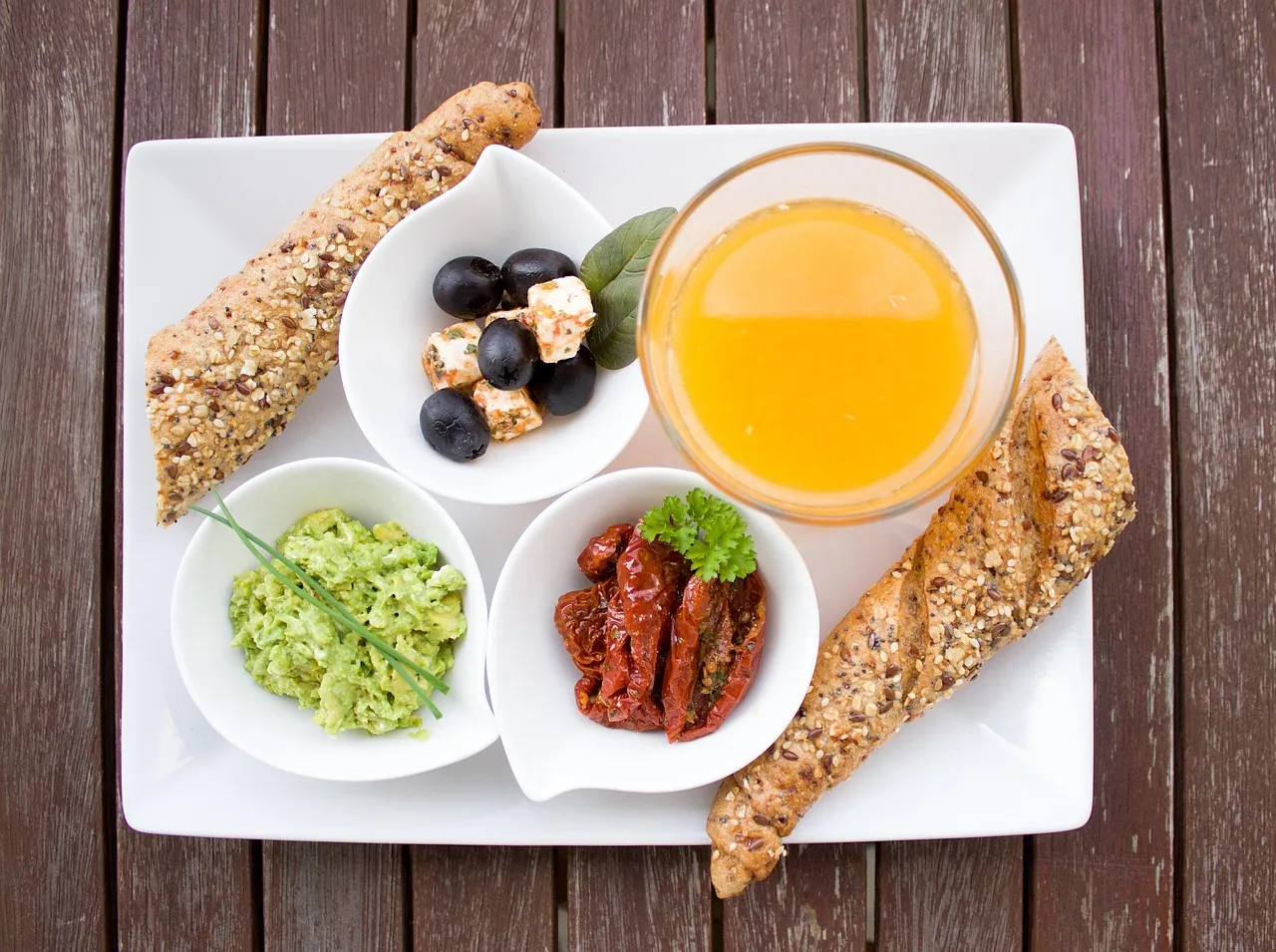
For people with diabetes, the most powerful nerve-protecting diet is the one that keeps blood sugar in the target range your doctor sets. Mayo Clinic notes that more than half of people with diabetes develop some type of neuropathy. No single food outweighs steady glucose control, regular foot checks and taking prescribed medicines as advised.
Diabetes also affects nerve nutrients directly. The NIH ODS reports that metformin, the most common first-line diabetes medicine, may reduce B12 absorption. The NIH thiamin fact sheet notes much lower plasma thiamine in people with diabetes. That does not mean you should stop metformin; it remains an effective and widely used drug. It means asking your doctor whether a B12 test is due, especially if you have tingling or numbness.
Practical plate rules for Indian diabetics with nerve symptoms:
- Fill half the plate with non-starchy sabzi (palak, methi, lauki, broccoli, beans), a quarter with dal, curd, paneer, eggs or fish, and a quarter with whole grains or millets.
- Choose lobia, rajma and chana. They give folate and B6 along with slow-release carbohydrates.
- Keep a daily B12 source (milk, curd, eggs or fish) unless your doctor advises otherwise.
- Check your feet every day. The NHS lists a foot cut or ulcer that is not healing as a reason to see your doctor.
If you are also noticing unexplained weight changes, read our explainer on whether diabetes can cause weight loss, and share those changes with your doctor.
Neuropathy diet and exercise: moving safely when your feet feel numb
Exercise supports nerves by improving blood flow and blood sugar. Mayo Clinic’s prevention advice is to get at least 30 minutes to one hour of exercise at least three times a week. With numb feet the priority is safety: supported balance work, low-impact movement, good footwear and checking your feet after each session.
How to start sensibly:
- Get cleared first if you have diabetes, foot ulcers, poor balance or heart disease.
- Choose low-impact options such as brisk walking on even ground, a stationary cycle, or swimming if you have no foot wounds.
- Train balance with support. Try standing on one leg while holding a chair, walking heel to toe beside a wall, or doing sit-to-stands from a chair.
- Try gentle, supervised yoga. Chair-supported poses and slow breathing are good ways to build steadiness. Our online yoga classes can be adapted for limited balance or sensation.
- Wear cushioned, closed shoes and look at the soles of your feet after every workout.
If you want someone to plan exercises around neuropathy, diabetes and any joint issues, 1-on-1 personal training lets a coach watch your form live and progress it safely.
Troubleshooting: “I eat well, but the tingling has not improved”
If your diet looks good on paper but your symptoms continue, one of these is often the reason. Take this list to your doctor.
- Absorption, not intake. Age-related stomach changes, long-term acid-reducing medicines, and metformin can lower B12 absorption no matter how much dairy you eat.
- Blood sugar is still high. Nerves keep getting injured while glucose stays above target. Diet alone rarely fixes this without the prescribed treatment.
- Too much supplementation. Adding up B6 from several products can push intake past the 100 mg limit and cause the very symptoms you are trying to treat.
- Alcohol. Even moderate daily drinking can keep thiamine low and irritate nerves.
- A non-nutritional cause. The NHS lists nerve injury, infections such as shingles, and medicine side effects among the causes. Food cannot fix these.
- Time. Nerves recover slowly, if at all. Track symptoms over months, not days.
Frequently asked questions
What is the best food for nerve repair?
No single food repairs nerves. The most useful foods correct common shortfalls: dairy, eggs and fish for vitamin B12; whole grains and dals for thiamine; chana and bananas for B6; spinach and lobia for folate; and almonds and sunflower seeds for vitamin E. Always pair diet with a medical diagnosis.
Which vitamin deficiency causes nerve damage most often?
Vitamin B12 deficiency is the most common nutritional cause, and it is widespread in India. A 2020 review found deficiency in up to 78.5% of healthy Indian adults. Thiamine (B1), B6 and vitamin E deficiencies can also cause neuropathy, and so can too much B6 from supplements.
Can vegetarians get enough vitamin B12 from food?
Many can if they eat dairy daily. One cup of milk (1.3 µg) plus a 170 g bowl of curd (1.0 µg) roughly meets the ICMR-NIN target of 2.2 µg. Vegans need fortified foods or a doctor-advised supplement, and everyone at risk should get tested.
Is it safe to take a vitamin B6 supplement for tingling feet?
Only if your doctor advises it. The NIH sets the adult upper limit at 100 mg a day, and high doses taken over months can cause sensory neuropathy. Check every label, because B6 is often hidden in B-complex tablets and energy products.
How long does nerve damage take to improve with diet?
There is no fixed timeline. When a deficiency is corrected, improvement is usually measured in months, and some damage may not reverse. The NHS notes that outcomes range from recovery to permanent or progressive damage, depending on the cause.
Does alpha-lipoic acid help diabetic neuropathy?
A 2012 meta-analysis found that intravenous alpha-lipoic acid at 600 mg a day for 3 weeks meaningfully reduced diabetic nerve pain. The benefit of oral doses was less clear. It is a medical treatment decision, not a food, so discuss it with your doctor.
Which foods should I limit if I have nerve damage?
Limit alcohol, which lowers thiamine and harms nerves directly. If you have diabetes, also limit sugary drinks, sweets and large portions of refined grains, because high blood sugar keeps damaging nerves.
Next step: once your doctor has confirmed the cause, work with a Fitstrot online nutritionist to turn this guide into a meal plan that fits your tests, your medicines and your family’s kitchen.


