
Most Indian snacks are carbohydrate and fat with a little protein mixed in. Think namkeen, biscuits, samosa, and chai with rusk. This guide to high protein snacks ranks 24 everyday options by protein, calories and approximate cost in rupees, so you can pick one that really adds to your day’s protein. Every option comes from an Indian kitchen, a kirana shelf or a quick-commerce app.
The list covers vegetarian, vegan, egg and non-veg picks, and names the snacks that sound protein-rich but aren’t. Values are approximate, based on standard food-composition figures and typical pack labels. Check the label on anything packaged.
How much protein should a snack actually give you?
A useful snack gives you at least 6–8 g of protein, and ideally 10–15 g, for under 200 kcal. ICMR-NIN puts the adult requirement at 0.83 g per kg of body weight a day. That’s about 46 g for a 55 kg woman and 54 g for a 65 kg man. So one good snack can cover 15–30% of the day’s need.
Those figures come from the ICMR-NIN 2020 Nutrient Requirements for Indians. The same document notes that people eating mostly cereal-based diets, where protein quality is lower, need closer to 1 g/kg a day. That describes many Indian households, where roti and rice fill most of the plate, so a planned protein snack helps close the gap.
Protein also helps with appetite. In a 2014 trial in Nutrition Journal, 20 healthy women ate one of three 160 kcal afternoon snacks. The high-protein yogurt snack had 14 g of protein. Compared with chocolate, it delayed the next request for food by about 30 minutes. Compared with crackers, it delayed it by about 20 minutes. After the yogurt, women also ate roughly 100 kcal less at dinner. The calories were the same. Only the protein was different.
There is an upper limit too. Harvard Health suggests most adults stay under 2 g/kg a day. It also notes that adults over 50 may benefit from about 1 g/kg to protect muscle.
The high protein snacks list: 24 options in India, ranked by protein per 100 kcal
The last column matters most. Protein per 100 kcal shows how much protein you get for the calories you eat. At 10 or more, the snack is mostly protein. At 5–10, it is a solid mixed food. Below 4, it is mostly carbohydrate or fat, even if the packet calls it a “protein” snack. Prices are approximate metro retail rates for 2026.
| Snack | Serving | Protein (g) | kcal | Protein per 100 kcal | Approx. ₹ | Type |
|---|---|---|---|---|---|---|
| Egg whites, boiled | 4 whites | 14 | 70 | 20.0 | 28 | Egg |
| Whey protein in water | 1 scoop (30 g) | 24 | 120 | 20.0 | 60–90 | Veg |
| Chicken tikka, grilled breast | 100 g cooked | 30 | 165 | 18.2 | 55 | Non-veg |
| Fish tikka, grilled | 100 g cooked | 20 | 130 | 15.4 | 45 | Non-veg |
| Soya chunk chaat | 25 g dry chunks | 13 | 100 | 13.0 | 6 | Vegan |
| Firm tofu, pan-seared | 100 g | 11 | 110 | 10.0 | 35 | Vegan |
| Plain Greek yogurt | 100 g cup | 8 | 80 | 10.0 | 45 | Veg |
| Edamame, steamed | 100 g shelled | 11 | 120 | 9.2 | 40 | Vegan |
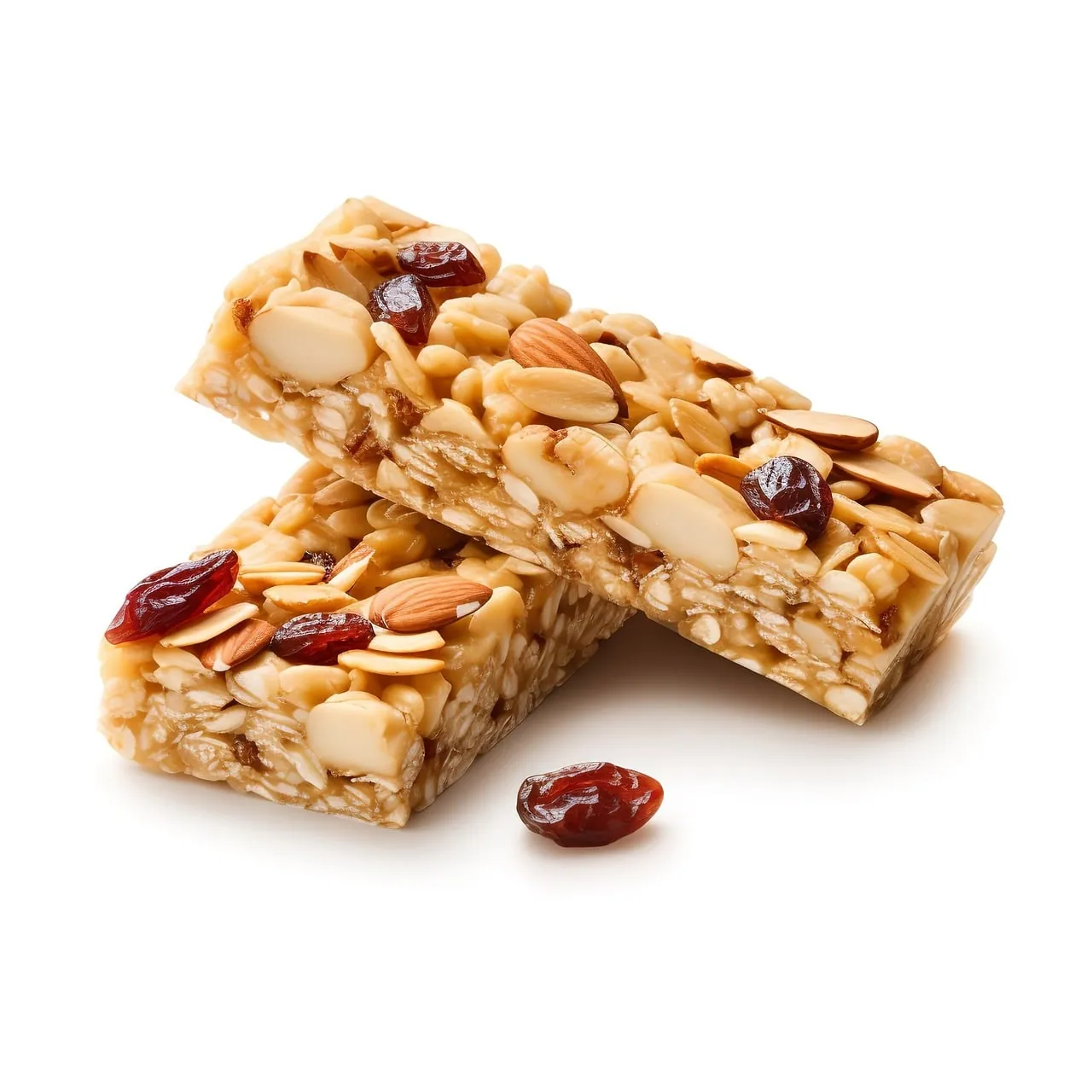
| Protein bar | 1 bar (60 g) | 20 | 230 | 8.7 | 100–150 | Veg (usually) |
| Boiled eggs | 2 large | 12.5 | 150 | 8.3 | 14 | Egg |
| Paneer cubes | 50 g | 9 | 140 | 6.4 | 22 | Veg |
| Egg bhurji | 2 eggs, 1 tsp oil | 12.5 | 195 | 6.4 | 18 | Egg |
| Sprouted moong chaat | from 40 g dry moong | 9 | 140 | 6.4 | 8 | Vegan |
| Hung curd dip | 150 g | 9 | 150 | 6.0 | 20 | Veg |
| Sattu drink | 30 g sattu in water | 6.5 | 115 | 5.7 | 6 | Vegan |
| Moong dal chilla | 50 g dal, 1 tsp oil | 12 | 215 | 5.6 | 10 | Vegan |
| Roasted chana | 30 g | 6 | 110 | 5.5 | 5 | Vegan |
| Toned milk | 250 ml | 8 | 150 | 5.3 | 15 | Veg |
| Pumpkin seeds | 20 g | 6 | 115 | 5.2 | 20 | Vegan |
| Kala chana chaat | from 40 g dry chana | 7.5 | 145 | 5.2 | 6 | Vegan |
| Besan chilla | 40 g besan, 1 tsp oil | 9 | 195 | 4.6 | 6 | Vegan |
| Roasted peanuts | 30 g | 7.5 | 170 | 4.4 | 5 | Vegan |
| Almonds | 20 g (~15 nuts) | 4 | 115 | 3.5 | 25 | Vegan |
| Roasted makhana | 30 g | 3 | 105 | 2.9 | 25 | Vegan |
Soya chunks give the most protein per rupee: 13 g for about ₹6. Roasted chana, sattu and peanuts are cheap and need no fridge. Whey and protein bars are convenient, but cost 10–20 times more per gram of protein than soya or chana.
This list matches official Indian guidance. The ICMR-NIN Dietary Guidelines for Indians (2024) name roasted or boiled beans, lobia, chickpeas and peanuts as healthy snacks. They also suggest fruit or vegetable salads with seeds or nuts, topped with yogurt.
Low calorie high protein snacks that still fill you up
If you are watching calories, sort by the protein-per-100 kcal column instead of the protein column. Four egg whites (70 kcal) give more protein than 30 g of peanuts (170 kcal). A 250 ml glass of toned milk gives about the same protein as a handful of peanuts, with 20 fewer calories and more calcium. Add bulk such as cucumber, onion or tomato so the portion feels like food.
| Snack | Portion | Protein (g) | kcal | Make it more filling |
|---|---|---|---|---|
| Egg whites | 4 whites | 14 | 70 | Chaat masala, chopped onion, coriander |
| Grilled chicken tikka | 60 g | 18 | 100 | Mint chutney, cucumber slices |
| Whey in water or chaas | ½ scoop (15 g) | 12 | 60 | Blend with ice and a pinch of cinnamon |
| Soya chunk chaat | 25 g dry | 13 | ~100 | Tomato, onion, lemon, green chilli |
| Firm tofu | 80 g | 9 | 88 | Sear with pepper, add capsicum |
| Plain Greek yogurt | 100 g | 8 | 80 | Add cucumber for a raita-style bowl |
| Boiled egg | 1 large | 6 | 75 | Pair with a small guava or orange |
| Roasted chana | 25 g | 5 | 92 | Eat slowly with black tea |
Going too low can backfire. A 150–200 kcal snack with 10+ g of protein often works better than a 70 kcal one you end up eating three times.
Vegetarian, vegan or non-veg: picking from your own kitchen
High protein snacks for vegetarian Indian diets
For vegetarians, dairy and pulses do most of the work. Paneer, hung curd, Greek yogurt and milk provide complete protein. Chilla, sprouts and chaat add fibre. Aim for one dairy-based and one pulse-based snack a day. For example, have moong sprout chaat at 11 am and a paneer or hung-curd plate at 5 pm. Those two snacks alone add 18–20 g of protein.
Pairing matters too: ICMR-NIN’s 2024 guidelines favour combining foods for protein quality, so a besan chilla with curd beats either alone.
Vegan high protein snacks
Without dairy, rely on soy and legumes. Soya chunks, tofu and edamame are the strongest options. Roasted chana, sattu, kala chana and sprouted moong are cheap and widely available. Pumpkin seeds and peanuts add protein, but they are calorie-dense, so measure them rather than eating straight from the jar. Plant sources also bring health benefits. The Harvard T.H. Chan School’s Nutrition Source reports that replacing one daily serving of red meat with nuts, legumes or whole grains was linked to a 16–35% lower risk of type 2 diabetes.
Egg and non-veg options
Eggs are the easiest high-protein snack in India: cheap, pre-portioned and available everywhere. Grilled chicken or fish tikka has the most protein per calorie on the list, but it needs refrigeration and reheating. Chicken nuggets and fried fish fingers don’t count: breading and frying can roughly double the calories. The Nutrition Source also links each daily serving of processed red meat to a 32% higher diabetes risk. Keep salami and sausages occasional, not a daily snack.
Myth check: makhana, almonds and “protein” packets
- Myth: makhana is a protein snack. A 30 g bowl of roasted makhana has about 3 g of protein, which is less than one egg white per 100 kcal. It’s a good light snack, but mostly starch. Add a cup of Greek yogurt or a handful of roasted chana if you want protein.
- Myth: almonds are high in protein. Almonds give about 4 g of protein per 20 g, and around 75% of their calories come from fat. They are nutritious, but they count as a fat source, not a protein snack.
- Myth: “protein” namkeen, chips and cookies fix your intake. Many have 5–10 g of protein per 100 g of product, which works out to barely 2–3 g per 100 kcal. The WHO advises keeping salt under 5 g a day. A 100 g pack of namkeen can use up a large share of that.
- Myth: every protein bar is a health food. Some bars carry 10–15 g of sugar. The American Heart Association suggests a daily added-sugar limit of about 25 g (6 teaspoons) for women and about 36 g (9 teaspoons) for men. Pick bars with at least 15 g of protein and no more than 5 g of added sugar, and treat them as a travel backup, not a daily habit.
- Myth: you need protein powder to build muscle. Guideline 8 of the ICMR-NIN 2024 Dietary Guidelines says to get good-quality protein by combining foods, and to avoid protein supplements for building muscle mass. Whey can be convenient, but you don’t need it.
A simple swap usually does more than any special product. Here is how common Indian snacks compare with easy protein-first alternatives:
| Usual snack | Protein / kcal | Protein-first swap | Protein / kcal |
|---|---|---|---|
| 1 samosa | 4 g / 260 | Soya chunk chaat (25 g dry) | 13 g / 100 |
| Aloo bhujia, 30 g | 3 g / 165 | Roasted chana 20 g + peanuts 10 g | 6.5 g / 130 |
| Chai + 4 Marie biscuits | 4 g / 180 | Chai + 2 boiled eggs | 15 g / 220 |
| Plate of onion pakoda (6) | 6 g / 300 | Besan chilla + curd (100 g) | 12 g / 255 |
| Sweet lassi, 300 ml | 8 g / 250 | Sattu drink with lemon and jeera | 6.5 g / 115 |

Office desk, train or 5 pm slump: matching the snack to the situation
The best snack is the one you can actually reach at 4:30 pm with no fridge nearby. Plan by situation:
| Situation | Best picks | Fridge needed? | Prep | Watch out for |
|---|---|---|---|---|
| Office desk drawer | Roasted chana, sattu sachet, peanuts, pumpkin seeds | No | 0 min | Eating straight from the pack; portion into 30 g boxes on Sunday |
| Office pantry with fridge | Greek yogurt, hung curd dip, paneer cubes, boiled eggs | Yes | 5 min at home | Eggs keep about 5 days in the fridge; label the box |
| Train or flight | Roasted chana, protein bar, peanut chikki with roasted chana | No | 0 min | Station namkeen and fried snacks; carry your own |
| Evening, 4–6 pm | Sprout or soya chaat, besan chilla, egg bhurji | Optional | 10–15 min | Chai with biscuits turning into a second meal |
| After a workout | Milk, eggs, paneer, whey if convenient | Optional | 2–5 min | Treating the workout as a licence for sweets |
| Late night | Warm milk, small curd bowl, 1 boiled egg | Yes | 2 min | Heavy or spicy food close to bedtime |
High protein snacks for evening hunger
For many Indian households, the gap between lunch at 1:30 pm and dinner at 9 pm or later is the hardest part of the day. That’s when office canteen samosas win. The 2014 Nutrition Journal trial tested exactly this afternoon slot and found a protein snack pushed back hunger by 20–30 minutes compared with a same-calorie high-fat snack. A plate of sprout or soya chaat at 5 pm is a simple, low-cost way to reach dinner without overeating.
High protein snacks for muscle gain
For muscle gain, use snacks to add 15–25 g of protein between meals, so your total reaches about 1.2–1.6 g/kg a day alongside regular strength training. Good options are milk with a boiled egg, paneer with fruit, soya chaat, or whey after training. Harvard Health advises most adults to stay under 2 g/kg a day.
The 1.2–1.6 g/kg range is a common practical target for people who lift. It’s not an official ICMR figure, so a registered dietitian should adjust it for your body and training. For a 70 kg lifter, 1.4 g/kg works out to about 98 g a day. If your three meals provide around 60 g, two snacks of 15–20 g each close most of the gap. Muscle gain also needs extra calories. For bulking, peanuts, peanut butter on toast and full-fat paneer, which were “watch out” items above, become useful.
Snacks only help if the training is there. For structure, see our bulking workout plan. For a pre-training snack, read our guide to eating eggs before a workout. If your form or programming needs work, a 1-on-1 personal trainer can plan your sessions and meals together.
High protein snacks for weight loss: what the evidence supports
Protein snacks can help weight loss by reducing hunger, and in the 2014 trial by cutting about 100 kcal at the next meal. They don’t burn fat on their own. Weight loss still depends on your total calories over weeks. Adding a 200 kcal protein snack on top of your usual chai and biscuits will add weight, not remove it. For the full eating plan, not just the snacks, see our high-protein diet for weight loss guide.
High protein snacks recipes you can make in 10 minutes
1. Soya chunk chaat (13 g protein, ~100 kcal). Boil 25 g soya chunks for 5 minutes, then squeeze out the water. Toss with chopped onion, tomato, cucumber, green chilli, lemon juice, chaat masala and coriander. Squeezing well removes the “soya smell” most people dislike.
2. Masala sattu drink (6.5 g protein, ~115 kcal). Whisk 30 g (3 tbsp) sattu into 300 ml cold water. Add roasted jeera powder, black salt, lemon and a little mint. It’s a Bihar and Jharkhand staple that works as an office-desk drink.
3. Moong dal chilla (12 g protein, ~215 kcal). Soak 50 g yellow moong dal for 3–4 hours, or overnight. Grind with ginger, green chilli and a little water. Spread thin on a non-stick tawa with 1 tsp oil. For another 9 g of protein, fill it with 50 g of crumbled paneer.
4. Hung curd dip (9 g protein, ~150 kcal). Tie 300 g of dahi in a muslin cloth and hang it in the fridge for 4–6 hours. Mix in garlic, pepper, dill or mint, and a pinch of salt. Serve with carrot and cucumber sticks. It’s a good homemade alternative to store-bought Greek yogurt at about half the price.
Troubleshooting: bloating, budget, cravings and medical caution
- “Chana and sprouts make me bloated.” Increase pulses gradually over 2–3 weeks. Soak and cook them well, add jeera or hing, and drink more water. If bloating continues, switch to paneer, curd, eggs or tofu, which are usually easier to digest.
- “Protein food is expensive.” It depends on the source. Soya chunks, roasted chana, sattu, peanuts and eggs all cost under ₹15 per serving. Protein bars and imported Greek yogurt cost the most per gram of protein. Spend on convenience only where it saves you from a samosa.
- “I still crave something sweet at 4 pm.” Pair the protein with a fruit instead of skipping the sweet taste. Try Greek yogurt with banana, or roasted chana with a few dates. Most cravings fade faster when the snack has both protein and fibre.
- “I have kidney disease, diabetes or I’m pregnant.” Talk to your doctor before raising protein. People with chronic kidney disease are often advised to limit protein, and people on diabetes medication need to plan snack timing with their care team. This article is general information, not medical advice.
If none of these fixes work for you, a dietitian can plan snacks around your working hours, digestion and any medical conditions, instead of relying on a generic list.
Frequently asked questions
What is the highest protein snack in India?
Per 100 kcal, egg whites and whey protein lead at about 20 g, followed by grilled chicken tikka at about 18 g. For vegetarians on a budget, soya chunks are the best option: 25 g dry gives about 13 g of protein for roughly ₹6.
How much protein should a snack have?
Aim for at least 6–8 g of protein, and ideally 10–15 g, per snack at under 200 kcal. With ICMR-NIN’s requirement of 0.83 g/kg a day, one good snack covers about 15–30% of an average Indian adult’s daily need.
Is roasted chana a good high protein snack?
Yes. A 30 g handful gives about 6 g of protein and 110 kcal for around ₹5. It needs no fridge and keeps for weeks. The ICMR-NIN 2024 Dietary Guidelines list roasted chickpeas as a healthy snack.
Is makhana high in protein?
Not really. A 30 g serving of roasted makhana has about 3 g of protein and 105 kcal, so it’s mostly starch. It’s a good light snack, but pair it with yogurt or roasted chana if protein is the goal.
Are protein bars healthy?
Some are, many are not. Look for at least 15 g of protein and no more than 5 g of added sugar per bar. They cost ₹100–150 each, so they work better as a travel backup than a daily snack.
Do I need protein powder to build muscle?
No. The ICMR-NIN 2024 Dietary Guidelines advise getting protein from food combinations and avoiding protein supplements for building muscle mass. Milk, eggs, paneer, soya and pulses can meet most people’s needs.
What are good vegan high protein snacks?
Soya chunk chaat, tofu, edamame, roasted chana, sattu drinks, sprouted moong and kala chana chaat. Peanuts and pumpkin seeds also add protein, but measure them because they are calorie-dense.
What is a good high protein snack for the evening?
Sprout or soya chaat, a besan or moong chilla, egg bhurji, or paneer with fruit. A 2014 Nutrition Journal trial found a high-protein afternoon snack delayed hunger by 20–30 minutes and reduced dinner intake by about 100 kcal.
Pick two snacks from the table and try them for a week. Choose one for your desk and one for 5 pm, then see how your evenings go. For a protein target and snack plan built around your own routine, book a session with a Fitstrot online nutritionist.


