

A high protein diet for weight loss works for one unglamorous reason: it protects the muscle you already own while you eat less. Most Indian plans fail not because they lack a superfood, but because nobody ever put a number on the plate. This guide gives you that number in grams per kilogram of your bodyweight, a protein-per-100 g table for the foods actually sitting in your kitchen, a seven-day structure, and the honest limits — including who should not push protein up at all.
Search interest for this topic climbs sharply in India between February and June every year, right before summer. If you are reading this in that window, you have roughly 12 to 16 weeks to do something real — which is enough time, provided you stop chasing 10 kg in 30 days and start counting grams.
How much protein do you actually need to lose fat?
For fat loss with resistance training, aim for 1.6 g of protein per kg of bodyweight per day. A 2018 meta-regression in the British Journal of Sports Medicine found gains in fat-free mass plateaued at 1.62 g/kg/day (95% CI 1.03–2.20). A 2015 review in the American Journal of Clinical Nutrition put the useful weight-loss band at 1.2–1.6 g/kg/day with roughly 25–30 g per meal.
That is double the baseline requirement. ICMR-NIN set the 2020 RDA for Indian adults at 0.83 g/kg/day, using reference weights of 65 kg for men and 55 kg for women — and noted that people eating cereal-dominant diets with lower-quality protein need closer to 1 g/kg. The Harvard T.H. Chan Nutrition Source similarly lists the RDA at 0.8 g/kg with an acceptable range of 10–35% of daily calories. The RDA is the floor that prevents deficiency in a sedentary person. It is not the number that keeps your arms and glutes intact while you are 500 kcal short every day.
Two caveats before you multiply. First, if your BMI is well above 30, anchoring to current weight produces an absurd target — use your goal weight or a weight about 25% of the way down instead. Second, protein only gets used for muscle if you are actually loading the muscle. ICMR-NIN’s 2024 guidelines are blunt about this: without resistance exercise, “proteins will not be used for muscle building”, and intakes above roughly 1.6 g/kg/day add nothing further to training-induced gains.
| Bodyweight | 1.2 g/kg — light activity, gentle deficit | 1.6 g/kg — training 3–4×/week (recommended) | 2.0 g/kg — aggressive cut, already lean | Per meal at 1.6 g/kg (4 eating occasions) |
|---|---|---|---|---|
| 50 kg | 60 g | 80 g | 100 g | 20 g |
| 55 kg | 66 g | 88 g | 110 g | 22 g |
| 60 kg | 72 g | 96 g | 120 g | 24 g |
| 70 kg | 84 g | 112 g | 140 g | 28 g |
| 80 kg | 96 g | 128 g | 160 g | 32 g |
| 90 kg | 108 g | 144 g | 180 g | 36 g |
| 100 kg+ | Anchor to your goal weight, not current weight. A 100 kg person aiming for 75 kg should target roughly 120 g/day, not 160 g. | |||
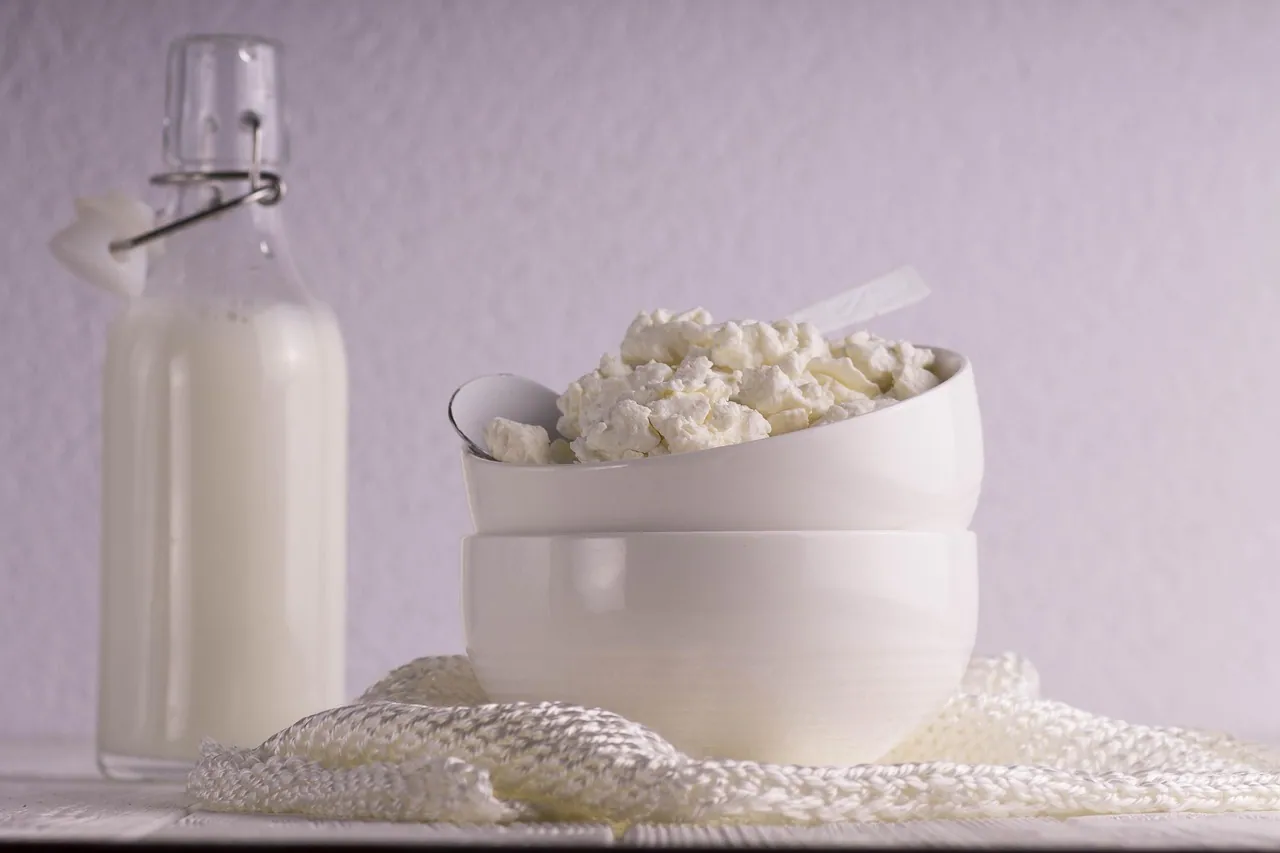
Protein per 100 g: the Indian food table worth screenshotting
Everything below comes from the ICMR-NIN Indian Food Composition Tables 2017, measured on raw or dry weight unless noted. Two entries — soya chunks and curd — are not in IFCT and are marked as label or milk-derived values. The rupee column is an approximate 2026 retail estimate and will shift by city and season; treat it as a ranking tool, not a bill.
| Food (raw / dry unless noted) | Protein per 100 g | Fat per 100 g | Veg / Non-veg | Approx ₹ per 20 g protein |
|---|---|---|---|---|
| Soya chunks, defatted (label value) | ~52 g | ~0.5 g | Veg / vegan | ₹6 |
| Soybean, whole (IFCT) | 35.6 g | 19.8 g | Veg / vegan | ₹9 |
| Lentil dal (masoor) | 24.4 g | 0.8 g | Veg / vegan | ₹13 |
| Moong dal (green gram, split) | 23.9 g | 1.4 g | Veg / vegan | ₹12 |
| Peanuts (groundnut) | 23.7 g | 39.6 g | Veg / vegan | ₹12 |
| Urad dal (black gram, split) | 23.1 g | 1.7 g | Veg / vegan | ₹13 |
| Chicken breast, skinless | 21.8 g | 9.0 g | Non-veg | ₹29 |
| Toor / arhar dal | 21.7 g | 1.6 g | Veg / vegan | ₹15 |
| Chana dal (Bengal gram, split) | 21.6 g | 5.3 g | Veg / vegan | ₹11 |
| Rajma, red | 19.9 g | 1.8 g | Veg / vegan | ₹15 |
| Paneer | 18.9 g | 24.8 g | Veg | ₹42 |
| Kala chana, whole | 18.8 g | 5.1 g | Veg / vegan | ₹11 |
| Egg, whole, boiled | 13.4 g | 10.5 g | Non-veg | ₹22 |
| Hung curd / Greek-style (label value) | 8–10 g | 3–5 g | Veg | ₹35 |
| Curd from toned milk (milk-derived) | 3.2–3.5 g | 3–4 g | Veg | ₹46 |
Three things jump out of that table. Dry dals and soya chunks roughly triple their weight once cooked, so a 30 g dry scoop of toor dal — about one katori of cooked dal — delivers only 6.5 g of protein, not 21.7 g. That single misreading is why most people eating “lots of dal” are still at 45 g a day. Second, soya chunks are the cheapest complete-ish protein in India by a wide margin. Third, paneer and peanuts carry serious fat, so they buy you protein at a real calorie cost — fine in a plan, disastrous when eaten by the handful.
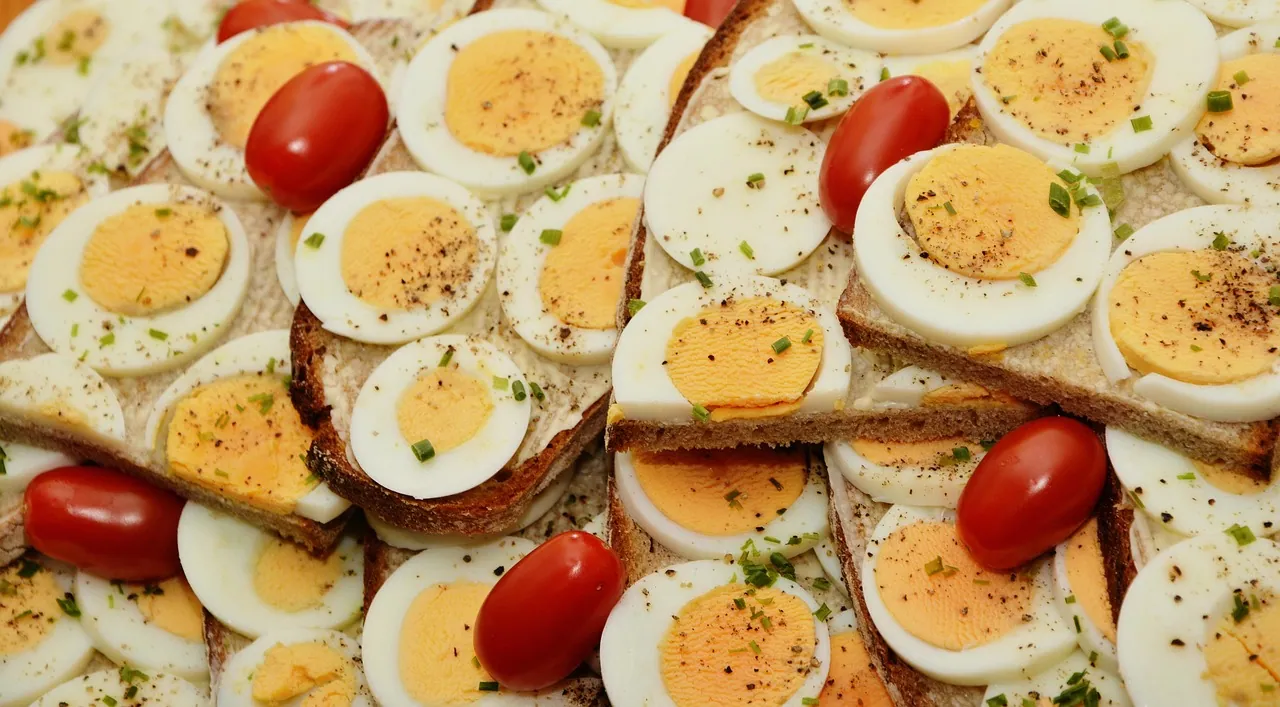
Low carb high protein diet for weight loss: where it helps and where it backfires
A low carb high protein diet for weight loss is not magic — it works when the carb cut creates a calorie deficit and the protein preserves lean mass. Harvard’s Nutrition Source notes short-term benefits but warns that dropping fruits and whole grains means losing “fibre, vitamins, minerals and other phytonutrients”. Cutting carbs is a tool, not a requirement.
Where it genuinely helps Indian eaters: it removes the third and fourth roti, the evening biscuits and the sweetened chai that nobody counts. Where it backfires: roti and rice are not the enemy in a rotating plate — ICMR-NIN’s 2024 guidelines point out that combining cereals with pulses in a 3:1 ratio is precisely what lifts the amino acid quality of a vegetarian meal. Strip the cereal out entirely and you damage the protein quality of the very meal you were trying to fix.
A practical middle path: keep two rotis or one katori of rice at lunch, put the protein first on the plate, and cut carbohydrate mainly at dinner and in snacks. That reliably lands most people between 100–130 g of carbohydrate a day without the misery, the constipation or the bad breath Mayo Clinic associates with the most restrictive versions of high-protein dieting.
Your 7-day high protein diet for weight loss plan
The plan below is built for a 70 kg adult targeting roughly 110 g of protein a day — that is 1.6 g/kg. Scale portions up or down using the first table. Each day mixes vegetarian and non-vegetarian options; pick one per row. Calories land around 1,500–1,700 kcal for most people at these portions, which is a moderate deficit, not a crash.
| Day | Breakfast | Lunch | Evening | Dinner | Protein |
|---|---|---|---|---|---|
| Mon | 3 boiled eggs + 1 multigrain toast or 150 g paneer bhurji | 2 roti + 150 g chicken curry or 1 cup rajma + curd | Roasted chana 40 g | Moong dal chilla ×3 + salad | ~112 g |
| Tue | Besan cheela ×2 + curd 150 g | Rice 1 katori + 60 g dry soya chunk curry | Buttermilk + 20 g peanuts | Grilled fish 150 g or tofu 150 g + sabzi | ~108 g |
| Wed | Oats 40 g + milk 250 ml + 1 scoop curd | 2 roti + chana masala (60 g dry) + salad | 2 boiled eggs or sprouts 80 g | Paneer tikka 120 g + sautéed veg | ~110 g |
| Thu | Egg bhurji ×3 or tofu bhurji 150 g | Rice + toor dal (50 g dry) + curd 200 g | Hung curd 100 g + fruit | Chicken tikka 150 g or soya keema | ~114 g |
| Fri | Moong dal dosa ×2 + sambar | 2 roti + 150 g grilled chicken or 150 g paneer | Roasted peanuts 25 g | Masoor dal 50 g dry + salad + 1 roti | ~106 g |
| Sat | 3 eggs + poha (small) | Rajma 60 g dry + rice 1 katori + curd | Chana chaat 50 g | Fish curry 150 g or soya chunk 50 g curry | ~112 g |
| Sun | Paneer paratha ×1 + curd 200 g | Free meal, protein first — eat the chicken/paneer before the rice | Buttermilk | Mixed dal 50 g dry + veg + 1 roti | ~95 g |
Notice the Sunday dip. A plan that survives contact with a family lunch is worth more than a perfect one you abandon in week two. Weekly average matters; single days do not. If you want this built around your own kitchen, household menu and medical history, that is what an online dietitian consultation is for — a generic table cannot account for your thyroid meds or your mother-in-law’s cooking.
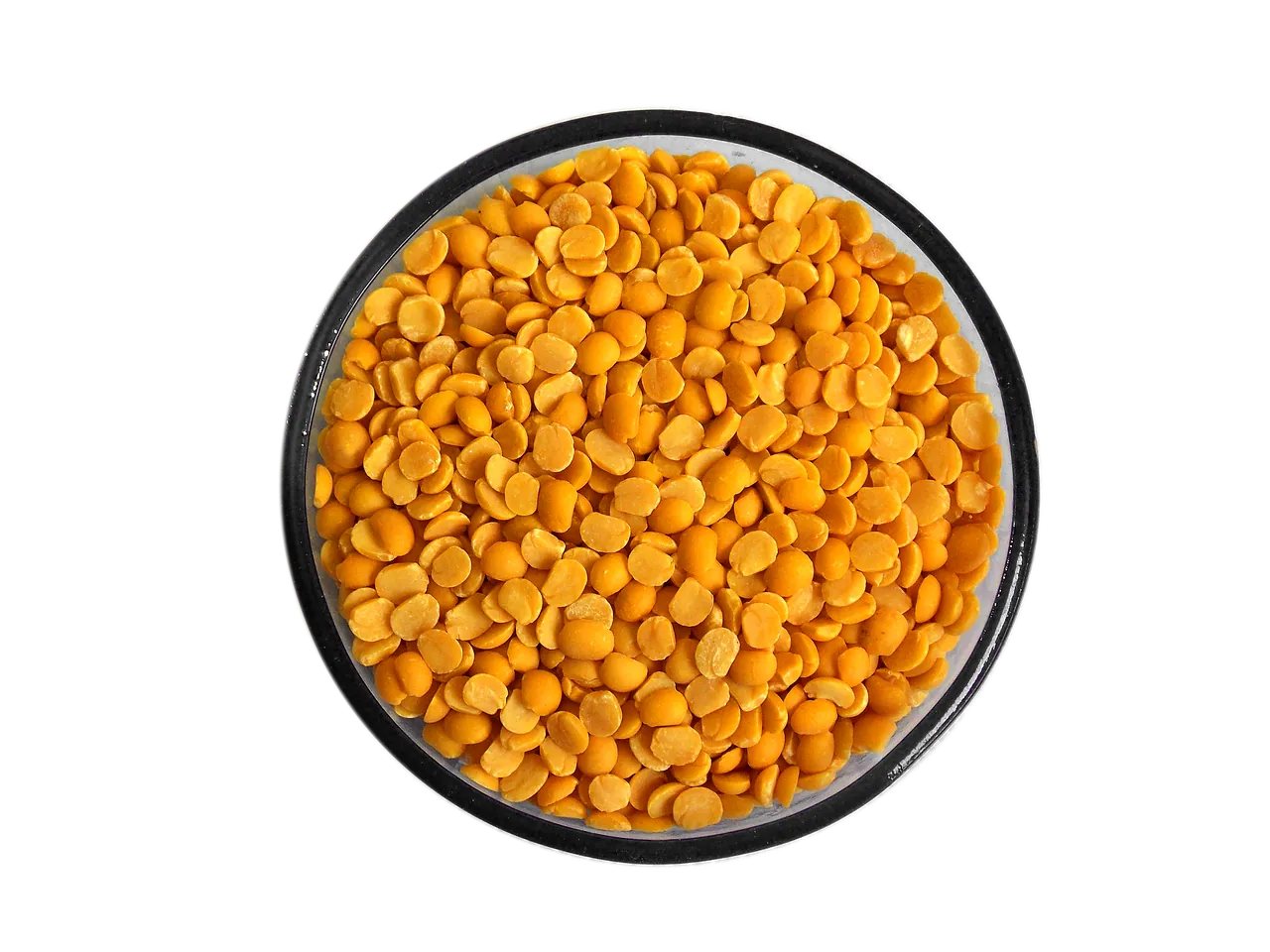
High protein diet for weight loss recipes: five Indian meals under 20 minutes
Recipes fail on effort, not taste. These five were chosen because each delivers 25 g+ of protein and needs no special ingredient.
- Soya chunk keema (32 g protein). Soak 60 g dry chunks in hot water 10 minutes, squeeze dry, crumble, sauté with onion-tomato-ginger-garlic and garam masala. Finish with coriander. Eats exactly like keema.
- Besan-paneer cheela (28 g protein). 50 g besan batter, stuff with 80 g grated paneer, chopped onion and green chilli. One teaspoon oil, non-stick tawa.
- Egg-and-sprout bhurji (26 g protein). Three eggs plus 60 g boiled moong sprouts scrambled together — the sprouts bulk it out and add 7 g protein for almost no calories.
- Dahi chicken (34 g protein). Marinate 150 g chicken in 100 g curd, turmeric, chilli, salt for 15 minutes; pan-sear. Curd tenderises and adds 3 g protein.
- Chana-rajma salad bowl (22 g protein). 60 g dry mixed chana and rajma, pressure-cooked in batch on Sunday, tossed with onion, cucumber, lemon and chaat masala. Keeps four days in the fridge.
Batch-cook the legumes once a week. That one habit does more for adherence than any recipe.
High protein diet for weight loss veg and vegan sources
Vegetarians can absolutely hit 1.6 g/kg in India — it just requires deliberate stacking rather than hoping dal covers it. ICMR-NIN estimates that a balanced vegan diet for a moderately active man supplies over 80 g of crude protein daily, equal to roughly 60 g of quality protein after accounting for plant digestibility of 70–85%. Plan for that gap by eating a little more, not by panicking.
High protein diet for weight loss veg: hitting 100 g without meat
A workable 100 g vegetarian day: 3 eggs or 150 g paneer at breakfast (19–28 g), 60 g dry dal plus 200 g curd at lunch (20 g), 40 g roasted chana in the evening (7.5 g), 60 g dry soya chunks at dinner (31 g), and 250 ml milk (8 g). That totals 85–95 g from ordinary groceries. Add one more curd portion and you are there.
Vegan high protein diet for weight loss
Drop dairy and eggs and the load falls on soya, pulses, nuts and seeds. Soya chunks, tofu, tempeh and peanut butter carry most of the weight; the NHS advises vegetarians and vegans to eat a variety of protein sources to get the right mixture of amino acids. Practically: rotate soya, rajma, chana and lentils across the week rather than eating toor dal seven days running, keep the 3:1 cereal-to-pulse ratio, and get B12 from a supplement or fortified food — that one is non-negotiable on a vegan plan.
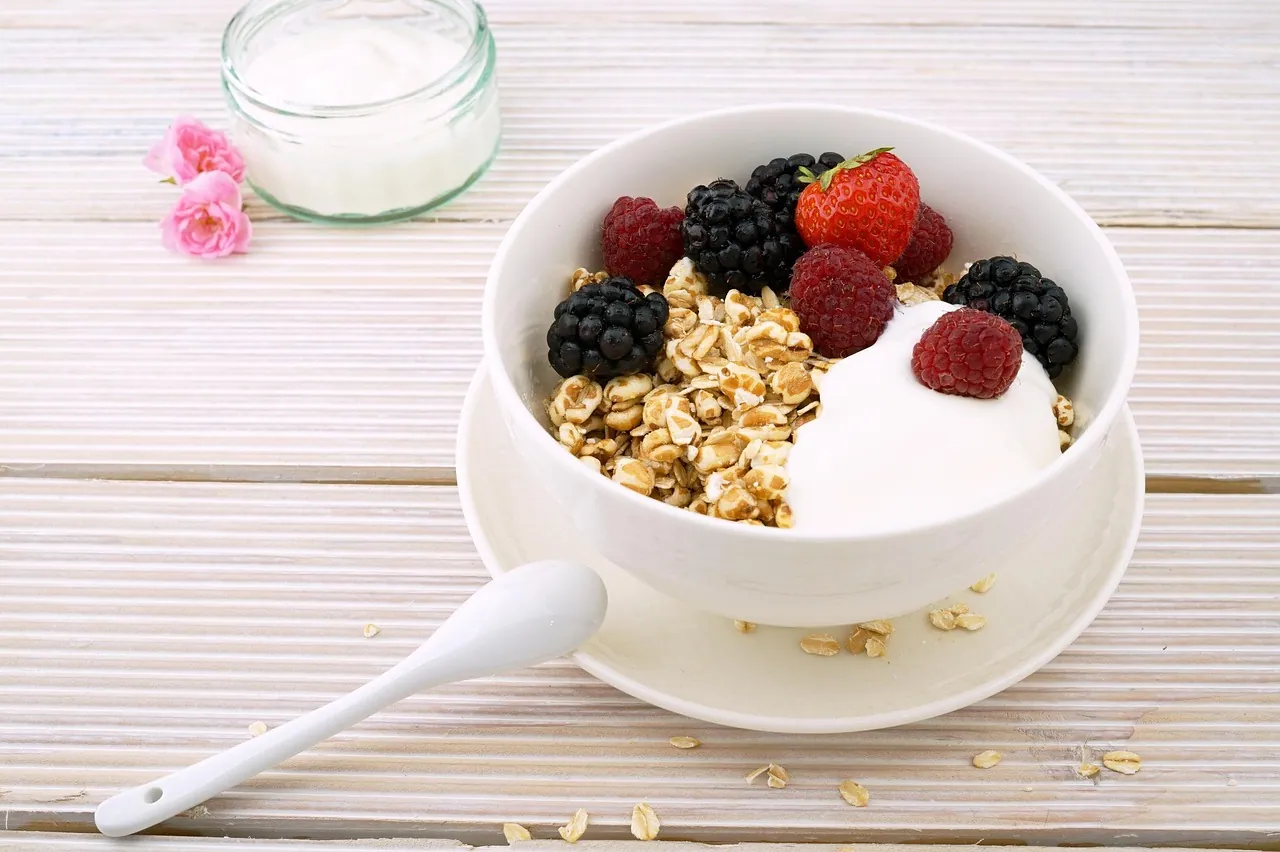
Can you run a high protein diet for weight loss and muscle gain together?
Yes, but only under specific conditions. A high protein diet for weight loss and muscle gain simultaneously works best in untrained beginners, people returning after a layoff, and those with higher body fat. Expect roughly 0.5–1 kg of fat loss per week alongside modest strength gains — not both at maximum speed.
Three requirements, in order of importance. Train against resistance at least three days a week, with progressive overload — the 1.6 g/kg figure from the 2018 BJSM meta-regression above was measured in people who were lifting, and a 2022 meta-analysis in the Journal of Cachexia, Sarcopenia and Muscle reached the same conclusion for adults under 65: the protein only pays off alongside resistance exercise. Keep the deficit moderate, around 400–500 kcal; anything steeper and the body stops building. And spread protein across three or four meals at 25–35 g each rather than one enormous dinner — Cleveland Clinic notes that only about 25–35 g is usable at once.
If you are already lean and well-trained, this stops working well. Pick one goal, run it for 10–12 weeks, then switch. A structured 1-on-1 personal training block is the difference between “eating protein” and “building something with it”. If body composition rather than scale weight is your real target, our guide on how to reduce body fat percentage covers the measurement side.
Women, PCOS and thyroid: the high protein diet for weight loss female readers need
The g/kg maths does not change by sex. A high protein diet for weight loss female readers can follow is the same 1.2–1.6 g/kg — a 58 kg woman needs 70–93 g a day, not the 40 g most Indian women actually eat. What changes is the context around it.
With PCOS, higher protein at breakfast reliably reduces the mid-morning carbohydrate crash and helps with appetite control through the day; pair it with resistance training, which affects insulin sensitivity more than any single food choice. With hypothyroidism, protein targets stay identical, but expect slower scale movement and do not respond by cutting calories further — get thyroid levels checked and treated first. Iron and B12 deserve attention too: vegetarian Indian women are frequently low on both, and fatigue blamed on “low carbs” is often low ferritin.
Also be careful with calorie floors. Dropping below roughly 1,200 kcal makes hitting 90 g of protein nearly impossible without leaving almost no room for vegetables, fat or fibre. If you have been tempted by the 10 kg in one month promises circulating every summer, read that piece for why the arithmetic does not hold.
Not losing weight on high protein? Work through this
Protein is not a licence to ignore total intake. When the scale stalls, the cause is almost always in this table.
| What you are seeing | Most likely cause | What to change | Test for |
|---|---|---|---|
| Eating “high protein”, scale flat for 3+ weeks | Calorie creep — paneer, peanuts, oil, nuts | Weigh paneer and nuts for one week; cap oil at 3 tsp/day | 2 weeks |
| Protein log says 100 g, you feel nowhere near it | Counting dry dal as cooked, or cooked as dry | Log dry weight for dals, cooked weight for meat and paneer | 1 week |
| Weight drops then rebounds 2 kg overnight | Water and glycogen shift after a carb-heavy meal | Nothing. Weigh weekly average, not daily | 3 weeks |
| Constant hunger despite high protein | Protein clustered into one meal; too little fibre | Split into 4 × 25–30 g; add 2 servings of vegetables per meal | 10 days |
| Constipation, bad breath, headaches | Carbs and fibre cut too hard alongside protein | Restore 100–130 g carbs/day from whole grains and pulses; 2.5–3 L water | 1 week |
| Losing weight but looking soft | Deficit without resistance training | Add 3 strength sessions/week before cutting calories further | 6 weeks |
Set expectations against the evidence, not Instagram. The CDC states that people losing weight at a gradual, steady pace of about 1 to 2 pounds (0.45–0.9 kg) a week are more likely to keep it off. Over a 16-week Feb-to-June run, that is 7–14 kg at the outside — real, visible, and achievable. It is not 10 kg in 30 days, and anyone selling you that is selling water weight.

Who should not push protein up
This is the part most articles skip. Mayo Clinic notes that high-protein diets “aren’t known to cause medical problems in healthy people”, but that a high-protein diet “may worsen how well a kidney works in people with kidney disease” — and advises speaking to a clinician before starting a weight-loss diet if you have kidney disease, diabetes or other long-term conditions. ICMR-NIN’s 2024 guidelines echo this and go further on supplements: protein powders are described as unnecessary for normal healthy life, with most athletes able to meet requirements from food alone.
If you have chronic kidney disease, a history of kidney stones, liver disease, gout, or you are pregnant, get individualised advice before changing protein intake. If you have PCOS, diabetes or thyroid disease, a higher-protein plan is usually helpful, but the medication side needs coordinating. Nobody should be guessing here.
Frequently asked questions
How much protein should I eat per day to lose weight in India?
Target 1.2–1.6 g per kg of bodyweight daily — about 66–88 g for a 55 kg woman and 84–112 g for a 70 kg man. That is well above the ICMR-NIN 2020 RDA of 0.83 g/kg, which is a deficiency floor for sedentary adults, not a fat-loss target. Split it across 3–4 meals of 25–30 g each.
Can I lose weight on a high protein vegetarian Indian diet?
Yes. Combining dals, soya chunks, paneer, curd, milk, chana and peanuts comfortably reaches 90–110 g a day. Because plant protein digestibility runs 70–85%, vegetarians should eat slightly more total protein and follow the ICMR-NIN cereal-to-pulse ratio of 3:1 to improve amino acid quality.
Is 100 grams of protein a day too much?
For a healthy adult weighing 60–80 kg, 100 g a day is 1.25–1.67 g/kg — squarely inside the evidence-backed range and within Harvard’s 10–35% of calories. It is not excessive. It is only inappropriate if you have kidney disease or another condition requiring protein restriction.
Does a high protein diet damage your kidneys?
There is no established evidence that high protein harms healthy kidneys. Mayo Clinic states high-protein diets are not known to cause medical problems in healthy people, but warn that high protein intake may worsen kidney function in people who already have kidney disease. Get renal function checked if you are unsure.
Do I need whey protein powder to lose weight?
No. ICMR-NIN’s 2024 Dietary Guidelines state that protein powders are unnecessary for normal healthy life and that most athletes can meet requirements through food alone. Whey is a convenience product for people who cannot hit 25–30 g in a given meal, not a fat-loss agent.
How much weight can I realistically lose in a month?
About 2–4 kg, based on the CDC’s guidance of 0.45–0.9 kg per week being the pace most associated with keeping weight off. Faster initial drops in week one are mostly water and glycogen. Over a 16-week Feb-to-June block, 7–14 kg is a realistic ceiling.
When is the best time to eat protein for fat loss?
Distribution matters more than timing. Aim for 25–30 g at each of 3–4 meals rather than loading dinner, since roughly 25–35 g is usable per sitting. A protein-forward breakfast helps most Indian eaters, because the standard poha-paratha-idli breakfast is where the daily deficit usually starts.
Will I lose muscle if I eat high protein but do not exercise?
You will lose less muscle than on a low-protein diet, but you will still lose some. ICMR-NIN is explicit that without resistance exercise, dietary protein will not be used for muscle building and muscle atrophy sets in with low physical activity. Protein protects; training builds.
Start with one number
Pick your bodyweight from the first table, take the 1.6 g/kg column, and hit that number for 14 days before changing anything else. If you want the plan built around your kitchen, your medical history and your training, book a session with a Fitstrot online weight loss coach and we will set the target with you — and tell you honestly if a lower one fits your life better.


