
Most supplements for menopause sold in India promise to “balance hormones”, but only two nutrients have strong, consistent evidence behind them: calcium and vitamin D, for protecting bone. Everything else, from black cohosh to soy isoflavones to ashwagandha, has weak, mixed or short-term data. This guide ranks eight popular options by evidence strength, gives dose ranges from NIH and ICMR-NIN, and flags the safety issues that labels leave out.
Before anything else: talk to your gynaecologist or physician before starting any supplement, especially if you take thyroid medicine, blood thinners, diabetes medicine, acid-reducers or bone medicines, or have a history of breast cancer, liver disease or kidney stones. Do not stop or change any prescribed medicine because of something you read here. Whether hormone therapy (HRT) suits you is a conversation for your doctor, not a supplement shelf.
What are the best supplements for menopause, according to the evidence?
The best supplements for menopause are the ones that fix a real shortfall. Calcium (ICMR-NIN 2020 sets 1,200 mg/day for postmenopausal women, from food first) and vitamin D (600 IU/day at ages 51–70) have the clearest role in bone health. Vitamin B12 matters if you are vegetarian or on metformin. Herbal products for hot flashes lack consistent proof.
That ranking is not our opinion. In 2023, The Menopause Society (then the North American Menopause Society) reviewed the evidence on non-hormone options for hot flashes and night sweats. Its 2023 nonhormone therapy position statement listed “supplements/herbal remedies” and “soy foods and soy extracts” under not recommended, and concluded that hormone therapy remains the most effective treatment for these symptoms. Where hormones are not suitable, it recommended cognitive-behavioural therapy and certain prescription medicines.
So think of health supplements for menopause in two groups. Calcium, vitamin D, B12 and sometimes magnesium fill nutrient gaps that matter more after your last period. Black cohosh, soy isoflavones, ashwagandha and similar products are sold for symptom relief, and that is where the evidence falls apart.
The evidence table: eight supplements rated
Use this table to start a conversation with your doctor, not as a prescription. Doses are published reference intakes or trial doses; “total” means food plus supplements.
| Supplement | What it is sold for | Evidence strength | Reference dose / range | Safety flags |
|---|---|---|---|---|
| Calcium | Bone density | Strong (for meeting needs) | 1,200 mg/day total (ICMR-NIN 2020, NIH); max 500 mg per supplement dose; upper limit 2,000 mg/day | Gas, bloating, constipation; carbonate form 4 h apart from levothyroxine; kidney-stone history |
| Vitamin D | Calcium absorption, bone | Strong (for correcting deficiency) | 600 IU/day (51–70 yrs), 800 IU (70+); upper limit 4,000 IU/day | Toxicity above the upper limit causes high blood calcium; do not self-prescribe mega-doses |
| Vitamin B12 | Energy, nerves | Strong if deficient | 2.4 mcg/day RDA; no upper limit set | Deficiency risk higher with vegetarian diets, metformin, acid-reducers (PPIs) |
| Magnesium | Sleep, cramps | Weak for menopause symptoms | 320 mg/day RDA total; supplements no more than 350 mg/day | Diarrhoea at high doses; keep 2 h apart from oral bone medicines (bisphosphonates) |
| Omega-3 (fish oil) | Hot flashes, mood, joints | No benefit shown for menopause quality of life | Trial dose ~1.8 g/day for 12 weeks (no effect) | Tell your doctor if on blood thinners |
| Black cohosh | Hot flashes | Insufficient (16 trials, 2,027 women) | No agreed dose | Rare but serious liver injury reported |
| Soy isoflavones | Hot flashes | Not recommended (Menopause Society 2023) | No agreed dose | Discuss first if you have a history of hormone-sensitive cancer |
| Ashwagandha | Stress, sleep, “hormone balance” | Early, small trials only | 225–600 mg/day extract in 6–12 week trials | Liver injury reports; may raise thyroid hormone; avoid in pregnancy |
Every supplement rated “strong” is a nutrient with a recommended daily intake: it helps by fixing a shortfall, not by changing hormones. If hot flashes are disturbing your sleep or work, that is a reason to see a doctor, not to buy a costlier blend.
What are the top 3 vitamins for menopause?
For most Indian women after menopause, the top three are vitamin D, calcium (a mineral, but usually grouped in) and vitamin B12. The NIH sets 600 IU of vitamin D and 2.4 mcg of B12 a day for women aged 51–70, and ICMR-NIN 2020 sets calcium at 1,200 mg a day. Take a supplement only if a test or your diet shows a gap.
Calcium supplements for menopause: how much do you actually need?
Falling oestrogen after menopause means you absorb less calcium and lose more in urine. According to the NIH Office of Dietary Supplements calcium fact sheet, women lose roughly 1% of bone mineral density every year after menopause. The same source sets the RDA for women over 50 at 1,200 mg and the upper limit at 2,000 mg.
In India the number itself is debated. A 2022 expert review in the Journal of Mid-life Health explains that ICMR-NIN raised the RDA for postmenopausal women from 800 mg to 1,200 mg in 2020, while the Indian Menopause Society’s 2020 guidelines kept the 800 mg figure until more Indian data exists. Both agree that most calcium should come from food, with supplements covering only the gap.
If your doctor suggests calcium supplements for menopause, three rules from the NIH fact sheet help you get the most from them:
- Split the dose. Absorption is best at 500 mg or less at a time. About 36% of a 300 mg dose is absorbed, compared with 28% of a 1,000 mg dose.
- Match the form to the meal. Calcium carbonate needs stomach acid, so take it with food. Calcium citrate can be taken on an empty stomach and is often better if you use acid-reducers.
- Count your food first. In the Women’s Health Initiative, 1,000 mg/day of supplemental calcium for 7 years was linked to more kidney stones. Taking more than you need adds risk without adding benefit.
Calcium from Indian food: a sample day
Before buying a tablet, see how close your normal thali gets you. Figures: the 2022 Journal of Mid-life Health review (Indian foods) and the NIH calcium fact sheet (yogurt).
| Meal | Food and portion | Calcium (approx.) | Running total |
|---|---|---|---|
| Early morning | 250 ml milk (tea or haldi doodh) | 300 mg | 300 mg |
| Breakfast | 50 g ragi (as dosa, roti or porridge) | 180 mg | 480 mg |
| Lunch | 250 ml curd or raita with dal–sabzi–roti | 300 mg | 780 mg |
| Evening snack | 15 g (1 tbsp) til chikki or til chutney | 170 mg | 950 mg |
| Dinner | Dal, green leafy sabzi, roti | Varies (greens and pulses add some) | ~1,000 mg+ |
| Swap option | 8 oz (about 227 g) plain low-fat yogurt instead of curd | 415 mg | Adds ~115 mg |
A dairy-eating vegetarian can reach 900–1,000 mg with ordinary meals. That leaves a gap of 200–300 mg, which is often a single small supplement dose, not the 1,000 mg “bone health” tablets many women take by default. If you avoid dairy, the gap is much larger and worth planning with a dietitian. Our guide to calcium nutrition covers more non-dairy sources.
Vitamin D supplements for menopause
Vitamin D helps your gut absorb calcium. The NIH vitamin D fact sheet sets the RDA at 600 IU (15 mcg) for ages 51–70 and 800 IU after 70, with an upper limit of 4,000 IU a day. A blood level of 20 ng/mL (50 nmol/L) or more is generally considered adequate for bone health.
Two facts from the same source keep expectations realistic. Vitamin D3 raises blood levels more, and for longer, than D2. And in the large VITAL trial of 25,871 adults aged 50 and over, vitamin D supplements did not lower total, hip or non-vertebral fractures in the overall group. Vitamin D supplements for menopause make sense when a blood test shows you are low. They are not a fracture shield for people whose levels are already adequate.
Weekly 60,000 IU sachets, popular in India, are a legitimate treatment only when a doctor prescribes them for a set period against a test result. Taken on your own for months, they can cause toxicity: the NIH links very high blood levels to high calcium, nausea, muscle weakness and, in severe cases, kidney damage.
Vitamin B12: the one vegetarians forget
The NIH B12 fact sheet puts the adult RDA at 2.4 mcg a day and notes that atrophic gastritis, which reduces B12 absorption, affects 8–9% of adults over 65. Natural B12 comes almost only from animal foods, and both metformin and proton-pump inhibitors (acid-reducers such as pantoprazole) can lower absorption. For a vegetarian woman in her 50s on diabetes or acid medicine, a B12 test is often more useful than any menopause blend.
Walkthrough: using magnesium and omega-3 sensibly
These are the most common add-ons in menopause blends: harmless at sensible doses, but without good evidence for menopause symptoms.
Magnesium
The NIH magnesium fact sheet sets the RDA for women over 30 at 320 mg a day and caps supplemental magnesium at 350 mg a day, because higher doses often cause diarrhoea, nausea and cramps. Citrate, lactate, aspartate and chloride forms are absorbed better than oxide. If you take an oral bisphosphonate for osteoporosis, keep magnesium at least 2 hours apart from it. Nuts, seeds, whole grains and dals supply a good share of the RDA.
Omega-3 fish oil
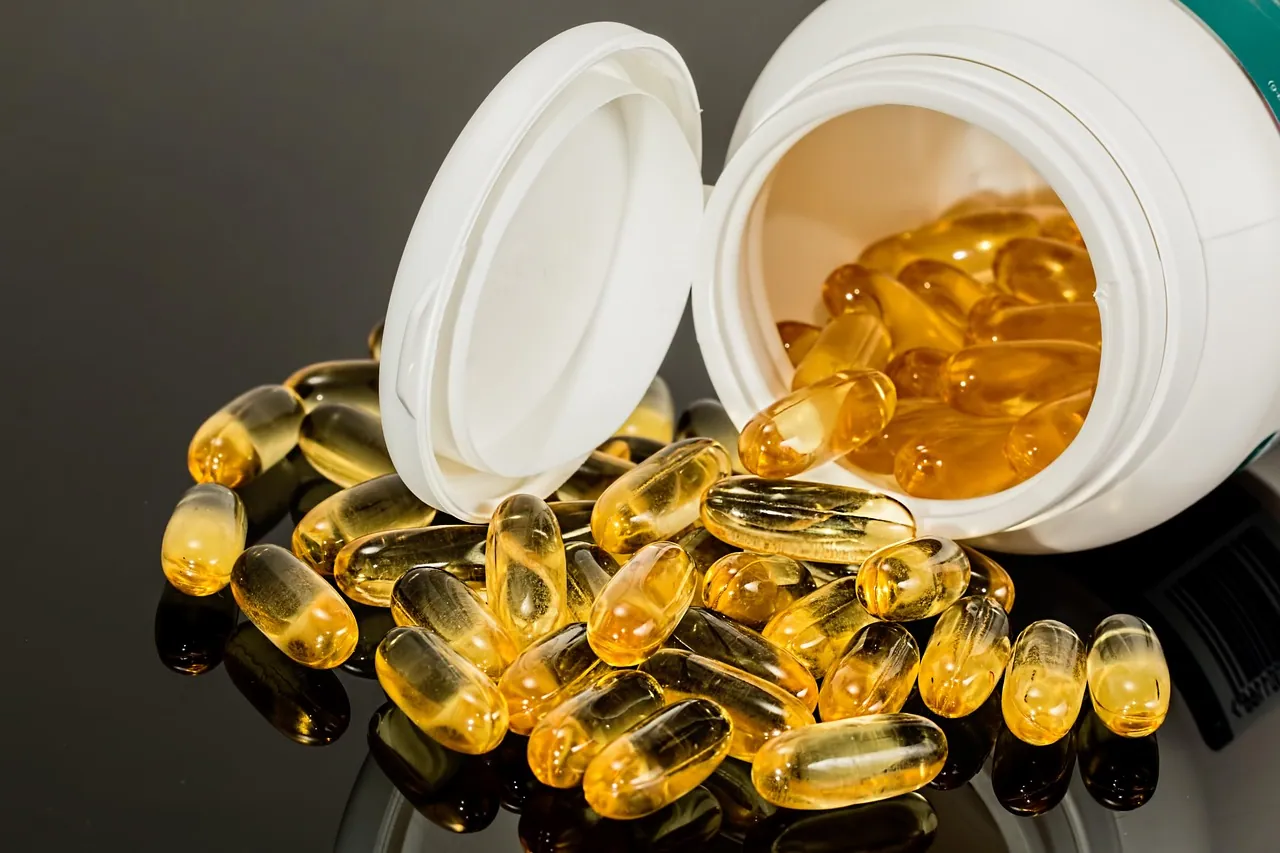
The best test of omega-3 for menopause came from the NIH-funded MsFLASH network. In a 2014 randomised trial published in the American Journal of Obstetrics & Gynecology, 355 women with hot flashes took either omega-3 (0.615 g three times a day) or placebo for 12 weeks. Omega-3 did not improve menopausal quality of life scores compared with placebo. The same trial found that weekly yoga classes produced a small improvement, including in the hot-flash score.
Myth-check: are natural supplements for menopause safer?
“Natural” does not mean tested or safe. Black cohosh failed to beat placebo for hot flashes across 16 trials of 2,027 women, and has been linked to rare, serious liver injury. The Menopause Society’s 2023 statement does not recommend herbal remedies or soy extracts for hot flashes. Plant products can still interact with medicines and harm organs.
Black cohosh
The 2012 Cochrane review of black cohosh pooled 16 randomised trials (2,027 women, average 23 weeks of treatment). It found no significant difference from placebo in hot-flash frequency (a difference of 0.07 flushes per day), and hormone therapy clearly did better. On safety, the US National Center for Complementary and Integrative Health notes that cases of liver damage, some very serious, have been reported in people taking black cohosh products. Stop and see a doctor if you notice dark urine, yellow eyes or unusual tiredness.
Soy isoflavones
Soy extracts are sold as “plant oestrogen”. The Menopause Society’s 2023 review placed soy foods, soy extracts and the soy metabolite equol under “not recommended” for hot flashes (Level II evidence). Soy foods such as tofu or soya chunks are a different matter; our guide to oestrogen-rich foods for menopause covers them. Caution belongs with concentrated pills, especially after breast cancer.
Ayurvedic supplements for menopause: ashwagandha and shatavari
Ashwagandha is the most-researched of the ayurvedic supplements for menopause, and some small Indian trials are encouraging. One 8-week trial of 100 perimenopausal women in 2021 reported lower menopause rating scores with 300 mg of root extract twice a day. But these studies are small and short. The NIH ashwagandha fact sheet notes that most trials lasted 6–12 weeks with 225–600 mg/day of extract, that long-term safety beyond 3 months is unknown, and that liver injury has been reported at 450–1,350 mg/day. It may also raise thyroid hormone (T4) levels. If you take thyroid medicine, ask your doctor first. Shatavari has even less published evidence.

Troubleshooting: matching symptoms to realistic fixes
Most women shop for a symptom, not for “bone density”. Here is what each complaint usually needs, based on the sources above.
| Symptom | Commonly sold | What the evidence says | Better first step |
|---|---|---|---|
| Hot flashes, night sweats | Black cohosh, soy, evening primrose, blends | Not recommended by The Menopause Society (2023) | Doctor visit: HRT or proven non-hormone options; CBT |
| Joint pain, stiffness | Omega-3, collagen, glucosamine | Omega-3 showed no quality-of-life benefit in MsFLASH | Strength training; check vitamin D; rule out arthritis or thyroid issues |
| Bloating, constipation | “Detox” and digestive blends | Calcium carbonate itself can cause gas and bloating | Switch to citrate or split doses; fibre and water |
| Fatigue, low energy | B-complex, iron, multivitamins | Helps only if a deficiency exists | Blood test: B12, vitamin D, haemoglobin, thyroid |
| Poor sleep, low mood | Magnesium, ashwagandha | Small or indirect evidence; ashwagandha affects thyroid and liver | Sleep routine, CBT, yoga; talk to doctor about mood |
| Bone loss | Calcium + D3 | Useful for meeting needs; not a replacement for treatment | Bone density (DEXA) scan if advised; resistance exercise |
Supplements for menopause joint pain
Aching joints are common after menopause, and supplements for menopause joint pain are a big category online. No supplement has shown clear benefit for menopause-related joint pain in quality trials, and the MsFLASH trial found omega-3 did not improve overall menopausal quality of life. What does help is building the muscles around the joint through regular strength work. Our 1-on-1 personal training sessions adapt strength work for sore knees and hips. New joint swelling, redness or morning stiffness lasting more than 30 minutes needs a doctor, because it can signal arthritis.
Supplements for menopause bloating
If bloating started after you began a calcium tablet, the tablet may be the cause. The NIH calcium fact sheet notes that calcium supplements can cause gas, bloating and constipation, and that carbonate causes more of these effects than citrate, especially in older adults. Splitting the dose, taking it with meals or switching to citrate often helps. Persistent bloating with weight loss, bleeding or pain after 50 should always be checked by a doctor, not managed with more supplements for menopause bloating.
Vitamins for menopause fatigue
Vitamins for menopause fatigue only help if you are actually short of something. Low B12, low vitamin D, anaemia and an underactive thyroid can all cause tiredness, and one blood test shows which, if any, to treat. A B-complex taken on guesswork will not fix fatigue caused by poor sleep or hot flashes.
For women on thyroid, diabetes or bone medicines
Supplements can change how medicines are absorbed. The spacing rules below come from the NIH fact sheets linked above; ask your doctor or pharmacist to confirm them for your prescription.
| If you take… | Supplement to watch | What to do |
|---|---|---|
| Levothyroxine (thyroid) | Calcium carbonate | Keep at least 4 hours apart |
| Levothyroxine (thyroid) | Ashwagandha | Ask your doctor first; may raise T4 levels |
| Oral bisphosphonates (osteoporosis) | Magnesium | Keep at least 2 hours apart |
| Metformin (diabetes) | Vitamin B12 | Ask for a periodic B12 test |
| PPIs (pantoprazole, omeprazole) | B12, calcium carbonate | Test B12; citrate form may absorb better |
| Tetracycline or quinolone antibiotics | Magnesium | Take magnesium 2 h before or 4–6 h after |
| Orlistat or statins | Vitamin D | Ask your doctor to check your vitamin D level |
| Blood thinners | Fish oil, herbal blends | Tell your doctor before starting |
If you have had breast cancer or another hormone-sensitive condition, show your oncologist the full label of any product with soy, red clover, black cohosh or “phyto-oestrogen” on it before you take it.

A five-step plan before you spend on supplements
- Get the basic tests. Ask your doctor about vitamin D, B12, haemoglobin, thyroid (TSH) and fasting sugar. A bone density (DEXA) scan may be advised based on your age and risk.
- Audit your plate for three days. Count milk, curd, paneer, ragi, til and greens against the sample-day table above.
- Fix gaps with the smallest effective dose. Single-nutrient products are easier to adjust than 15-ingredient blends.
- Treat symptoms as a medical question. Hot flashes and sleep loss that affect daily life deserve a proper consultation about HRT and non-hormone medicines.
- Add the non-pill basics. Weight-bearing and resistance exercise protect bone, and in the MsFLASH trial yoga gave a small improvement in quality of life. Our online yoga classes are one easy way to begin at home.
Frequently asked questions
Which supplements for menopause actually work?
Calcium and vitamin D have the strongest role, because they help meet bone-health needs that rise after menopause. Vitamin B12 helps if you are deficient. Herbal products such as black cohosh and soy extracts are not recommended for hot flashes by The Menopause Society’s 2023 statement.
How much calcium does a woman need after menopause in India?
ICMR-NIN’s 2020 guidance sets 1,200 mg a day for postmenopausal women, while the Indian Menopause Society’s 2020 guidelines use 800 mg. Aim to get most of it from milk, curd, ragi, til and greens, and supplement only the gap your doctor identifies.
Can I take calcium and vitamin D together?
Yes. Vitamin D helps your body absorb calcium, and they are often combined. Keep each calcium dose to 500 mg or less, take carbonate forms with food, and stay under the upper limits of 2,000 mg calcium and 4,000 IU vitamin D a day.
Is black cohosh safe for hot flashes?
A 2012 Cochrane review of 16 trials found black cohosh worked no better than placebo for hot flashes, and rare but serious liver injury has been reported. Stop and see a doctor if you notice dark urine, yellow eyes or unusual tiredness.
Is ashwagandha good for menopause?
Small, short Indian trials show some benefit, but long-term safety beyond 3 months is unknown. The NIH notes liver injury reports and possible effects on thyroid hormone, so check with your doctor first, especially if you take thyroid medicine.
Do I need a supplement if I eat a balanced Indian diet?
Maybe not. A dairy-eating vegetarian can reach about 900–1,000 mg of calcium a day from food. Vitamin D and B12 are the most common gaps, and a blood test is the only reliable way to know if you need them.
Are supplements a substitute for HRT?
No. The Menopause Society’s 2023 statement concluded that hormone therapy remains the most effective treatment for hot flashes and night sweats. Whether HRT is right for you depends on your health history, so discuss it with your gynaecologist.
Not sure which gaps your diet actually has? Book an online nutritionist consultation with Fitstrot, bring your latest blood reports, and get a food-first plan built around your meals and medicines.


