
The nutritional classification of protein sorts proteins by how completely they supply the nine essential amino acids your body cannot make: complete, partially incomplete and incomplete. It explains why a katori of dal with roti or rice works so well for muscle and repair, and why isolated gelatin or maize protein never could. This guide covers the textbook tiers, Indian foods with approximate protein values, plant combinations that actually work, animal vs plant protein, and the structural and functional classes that turn up in exams.
What is the nutritional classification of protein?
Proteins are classified nutritionally by how completely they supply the nine essential amino acids. Complete proteins, such as casein in milk and ovalbumin in egg, support both growth and maintenance. Partially incomplete proteins support maintenance only. Incomplete proteins lack key amino acids and support neither when eaten as the sole protein.
The nine essential amino acids are histidine, isoleucine, leucine, lysine, methionine, phenylalanine, threonine, tryptophan and valine. Your body cannot build them, so they must arrive through food. Our guide to nutritionally essential amino acids covers what each one does. The classic three-tier system below is what most nutrition textbooks and exam papers mean by this topic.
| Tier | What it can support alone | Example proteins | What is missing or low |
|---|---|---|---|
| Complete (first class) | Growth and maintenance | Casein and lactalbumin (milk), ovalbumin (egg), glycinin (soy) | Nothing significantly low |
| Partially incomplete | Maintenance, but not normal growth | Gliadin (wheat) and most cereal proteins | Lysine is low |
| Incomplete | Neither growth nor maintenance | Zein (maize), gelatin | Zein lacks tryptophan and lysine; gelatin lacks tryptophan |
Nobody eats an isolated protein, though. Real foods contain mixtures, and real meals contain several foods. So for daily eating, the practical question is simpler: which foods count as complete, and how do you cover the gaps in the rest?
Which foods are complete proteins, and which are incomplete?
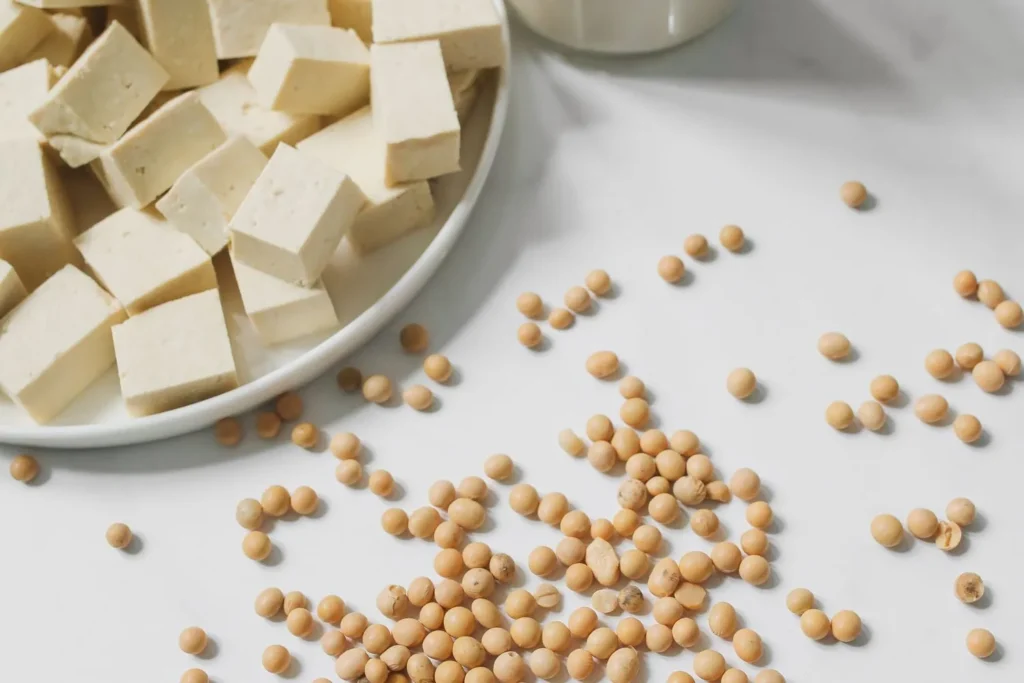
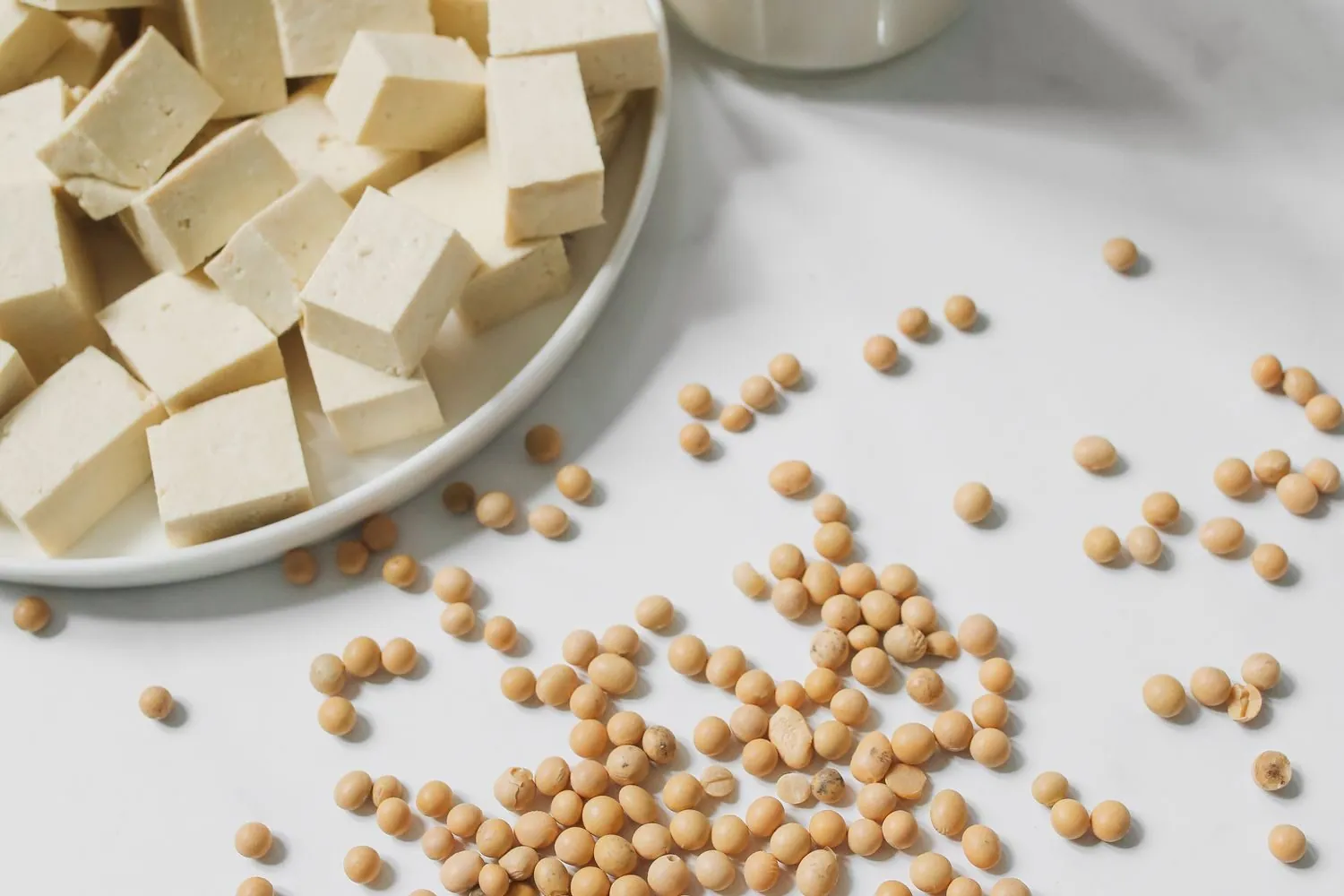
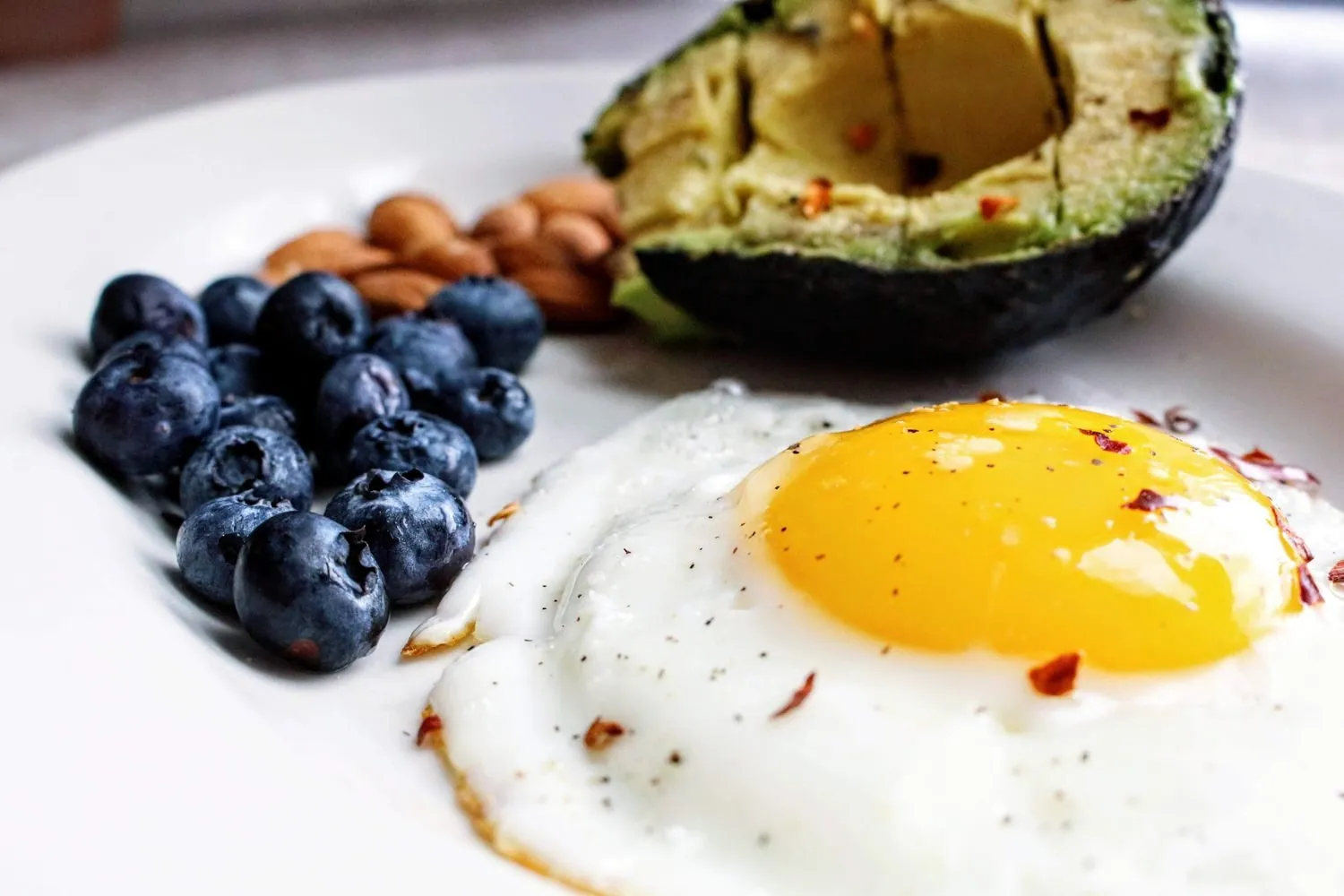
Eggs, milk, curd, paneer, fish, chicken and meat are complete proteins. Among plant foods, soy (including tofu and soya chunks), quinoa and buckwheat are generally treated as complete. Most dals, rajma, chana, cereals, nuts and seeds are incomplete, because grains run low in lysine while pulses run low in methionine.
Incomplete does not mean poor. It means a food is short on one amino acid, called its limiting amino acid, relative to what your body needs. A food short on lysine can be topped up by one that is rich in lysine. That is the whole logic of protein complementation, and it is why the common classification of protein based on nutritional value is a planning tool, not a ranking of good and bad foods.
Here is how common Indian foods line up. All figures are rough averages and vary with brand, recipe and portion.
| Food | Typical portion | Protein (about) | Label | Limiting amino acid |
|---|---|---|---|---|
| Egg | 1 large | about 6 g | Complete | None |
| Milk | 1 glass (250 ml) | about 8 g | Complete | None |
| Curd | 1 katori (100 g) | about 3-4 g | Complete | None |
| Paneer | 100 g | about 18 g | Complete | None |
| Chicken breast, cooked | 100 g | about 28 g | Complete | None |
| Soya chunks, dry | 30 g | about 15 g | Complete (plant) | Slightly low in methionine |
| Cooked dal | 1 katori | about 6-7 g | Incomplete | Methionine |
| Boiled rajma or chana | 100 g | about 8-9 g | Incomplete | Methionine |
| Wheat roti | 1 medium | about 3 g | Incomplete | Lysine |
| Cooked rice | 1 katori (150 g) | about 3-4 g | Incomplete | Lysine |
| Roasted peanuts | 30 g | about 7-8 g | Incomplete | Lysine |
Notice how modest the cereal numbers are. A thali heavy on rice and roti but light on dal and curd can look full while delivering far less protein than people assume. For a food-by-food view of quality and digestibility, see our companion piece on the nutritional value of protein.
Myth: you must pair dal and rice in every single meal
The myth: if you do not combine a grain and a pulse at the same sitting, your body cannot use the protein.
The fact: your body keeps a working pool of amino acids and draws on it through the day. What matters is that your whole day, and ideally your week, includes a mix of cereals, pulses, dairy or soy, nuts and seeds, and that your total protein and calories are adequate. Dal-chawal, khichdi, rajma-chawal, idli with sambar and roti with dal are all sensible traditional pairings, but none of them has to appear at every meal.
Where the myth does cause harm is the opposite direction: people assume a “complementary” meal automatically means enough protein. A perfectly matched plate with a tiny portion of dal still falls short. Completeness tells you about the amino acid pattern. Quantity tells you whether you are actually eating enough of it. Anyone following a vegan diet or a broader plant-based nutrition pattern should think in terms of variety across the week rather than rigid pairing at each meal.
A one-day walkthrough of plant protein combinations
Here is a sample lacto-vegetarian day for an adult weighing around 60 kg, built so that lysine-rich and methionine-rich foods show up across the day. The totals are approximate and will shift with portion size and cooking method.
| Meal | Plate | Protein (about) | Why it works |
|---|---|---|---|
| Breakfast | 1 plate vegetable poha, 30 g roasted peanuts, 1 glass milk | about 18 g | Peanuts and milk add the lysine that poha lacks |
| Lunch | 2 rotis, 1 katori dal, 1 katori sabzi, 1 katori curd | about 16-18 g | Dal and curd cover the gaps left by wheat |
| Evening | 1 small bowl (100 g) boiled chana chaat | about 8-9 g | A pulse snack keeps the day’s amino acid pool topped up |
| Dinner | 1 large katori moong dal khichdi with 1 katori curd | about 12-14 g | Rice and dal in one pot; curd adds a complete protein |
| Day total | about 55-60 g | Roughly 0.9-1 g per kg for a 60 kg adult |
For a vegan version, swap milk and curd for unsweetened soy milk, tofu or soya chunks, and keep the pulse-and-grain rhythm. Vegans also need a reliable vitamin B12 source, which is a conversation for a registered dietitian rather than a guess.
Animal vs plant protein: what actually differs?
Animal proteins are almost always complete and are digested efficiently, while plant proteins are usually incomplete individually and a little less digestible. But plant sources bring fibre and unsaturated fats, and animal sources bring vitamin B12, heme iron and zinc. A mixed or well-planned vegetarian diet can meet amino acid needs comfortably.
- Completeness: animal foods and soy are complete; most other plants need variety to balance their limiting amino acids.
- Digestibility: plant proteins are somewhat less digestible because of fibre and natural compounds. Soaking, sprouting, fermenting (idli, dosa, dhokla) and thorough cooking all help.
- Companion nutrients: animal foods supply B12, heme iron and zinc that are harder to get from plants alone; plant foods supply fibre, antioxidants and healthier fats.
- Planning effort: if you eat eggs or dairy daily, completeness is rarely a worry. Fully plant-based eaters benefit from a deliberate mix of pulses, cereals, soy, nuts and seeds.
The broader picture of how protein fits into a balanced diet is covered in our overview of protein and nutrition.
Troubleshooting: why your protein plan may still fall short
- Thin dal, large rice portion. If dal is mostly water and rice fills the plate, daily protein can land well under 40 g. Fix it by doubling the dal, adding a katori of curd, and keeping cereal portions moderate.
- Breakfast with almost no protein. Tea with biscuits or plain paratha pushes the whole load onto lunch and dinner. Add eggs, besan or moong cheela, curd, milk or sprouts.
- Relying on one cereal and one pulse forever. Rotate wheat, rice, millets and different dals, rajma and chana for a wider amino acid spread.
- Assuming “complete” means “enough.” One egg or one small cube of paneer is a complete protein, but it is a small amount of it.
- Leaning only on powders. Supplements fill gaps, but food gives fibre, minerals and variety too.
When to see a professional: persistent tiredness, slow recovery, hair or nail changes and frequent illness have many possible causes, so do not diagnose yourself. See your doctor or a registered dietitian if you suspect low intake. People with kidney or liver conditions, diabetes, or who are pregnant or breastfeeding should not raise protein on their own; get individual advice first. Our notes on nutritional deficiency explain what to look out for.
Which approach suits you? A quick guide by audience
- Students and office workers (vegetarian): anchor each meal with dal, curd, paneer, sprouts or soy, and use the day plan above as a template.
- Vegans: build every day around pulses, soy, grains, nuts and seeds, and speak to a dietitian about B12 and iron.
- Egg-eaters and non-vegetarians: completeness is mostly automatic, so focus on portion size and vegetable and fibre intake.
- Regular exercisers: a common range is about 1.2 to 1.6 g of protein per kg of body weight per day, spread over three or four meals. A 1-on-1 personal training plan can match your training load to your intake.
- Typical sedentary adults: about 0.8 to 1 g per kg is a sensible baseline, so roughly 48-60 g for a 60 kg person. Our guide to nutritional needs puts protein in context with everything else on your plate.
How are proteins classified by structure and function?
By shape, proteins are fibrous (long, water-insoluble strands such as collagen and keratin) or globular (compact, mostly water-soluble, such as haemoglobin, enzymes and antibodies). By job, they are structural, enzymatic, transport, hormonal, storage or defence proteins. These are body-level classes, not food labels.
Textbooks also classify by composition: simple proteins (only amino acids, like albumin), conjugated proteins (with a non-protein part, like the haem in haemoglobin) and derived proteins (breakdown products such as peptones).
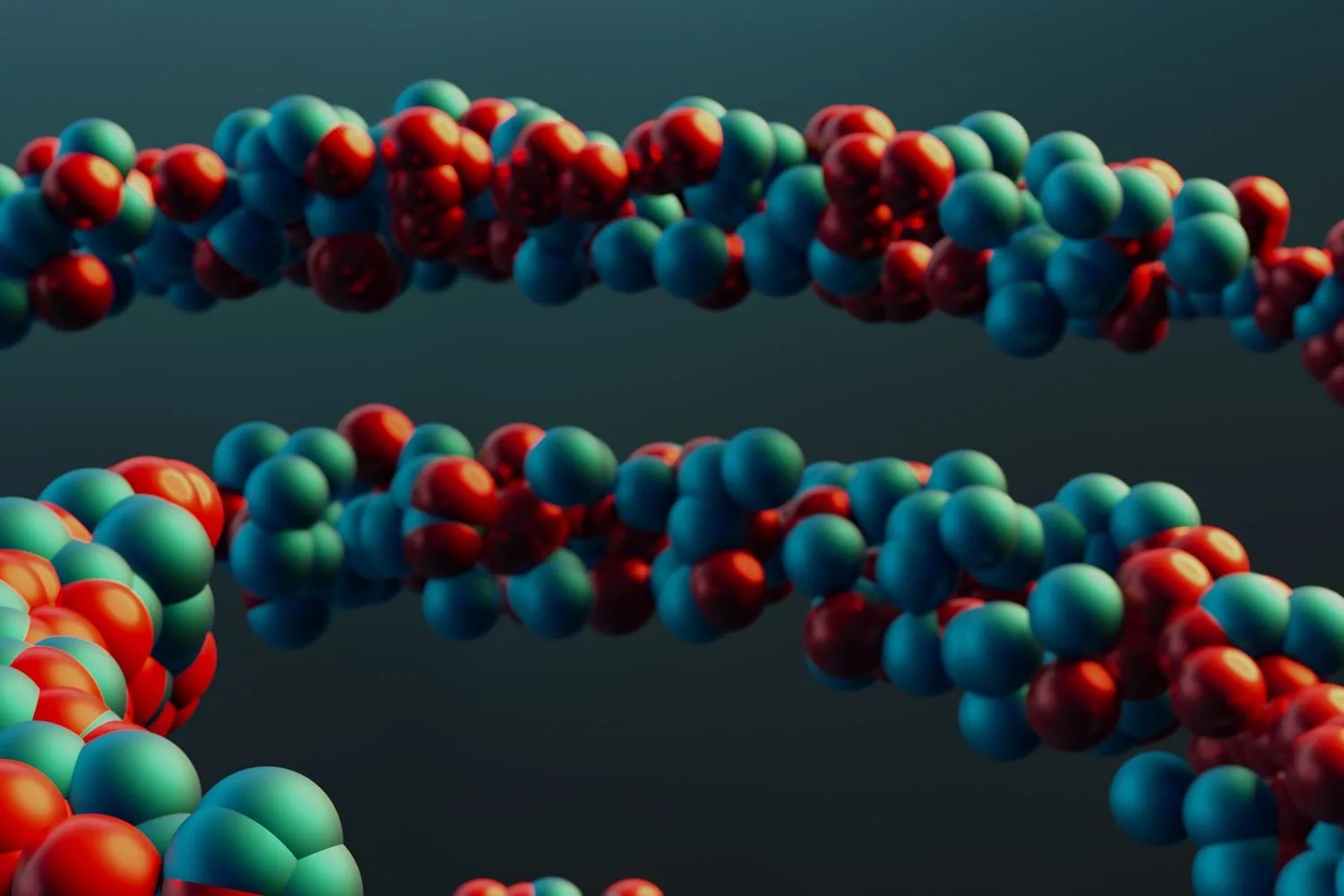
Fibrous proteins give strength: collagen in skin, tendon and cartilage, keratin in hair and nails. Globular proteins do dynamic work, binding, carrying and catalysing.
- Structural: collagen, elastin and keratin form the scaffolding of skin, bone, hair and nails.
- Enzymatic: pepsin and amylase speed up digestion.
- Transport: haemoglobin carries oxygen; lipoproteins carry cholesterol.
- Hormonal: insulin helps regulate blood sugar.
- Storage: ferritin stores iron; casein stores amino acids for a growing infant.
- Defence: antibodies identify and neutralise invaders.
Every one of these is assembled from the amino acids you eat. That is the link between the food-based and body-based systems: varied, adequate protein gives your body the raw material for all six jobs.
FAQ: nutritional classification of protein
Is soy the only complete plant protein?
No. Soy, including tofu, tempeh and soya chunks, is the best-known complete plant protein, but quinoa and buckwheat are also generally treated as complete. Most other plant proteins, such as dals, grains, nuts and seeds, are incomplete on their own but combine well across a varied day.
Do I need to eat dal and rice together in the same meal?
No. Your body pools amino acids across the day, so rice and dal need not share a plate. What matters is a varied diet over the day and week with enough total protein and calories. Pairing at one meal is a convenient habit, not a requirement.
What is the difference between complete, partially incomplete and incomplete protein?
Complete proteins, like casein and egg albumin, support growth and maintenance. Partially incomplete proteins, like wheat gliadin, support maintenance but not normal growth. Incomplete proteins, like maize zein and gelatin, support neither when eaten alone because key amino acids are missing.
Which amino acid is limiting in dal and rice?
Cereals such as rice and wheat are low in lysine, while pulses such as dal, rajma and chana are low in methionine. Because each is strong where the other is weak, a diet that includes both across the day covers the amino acid gap well.
What is the difference between fibrous and globular protein?
Fibrous proteins, such as collagen and keratin, are long, strand-like, water-insoluble and built for support. Globular proteins, such as haemoglobin, enzymes and antibodies, are compact, folded and mostly water-soluble, and they handle transport, catalysis and defence.
Want this framework turned into a daily plan around your own thali, budget and goal? Book an online nutritionist consultation and get a protein plan built from the foods you actually eat.


