
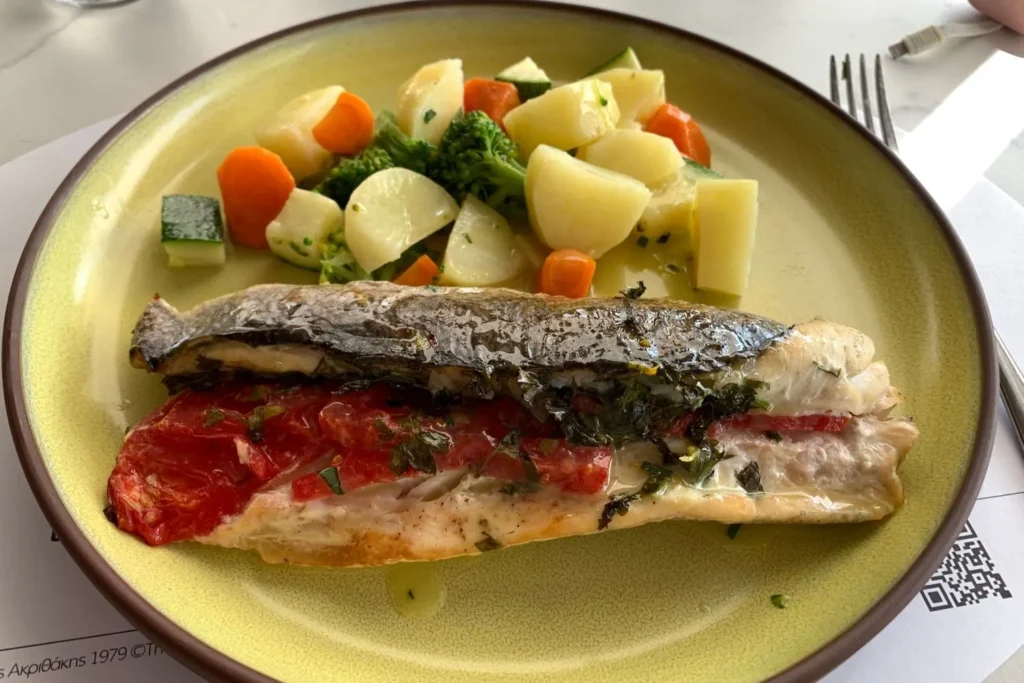
Here is what plant based nutrition looks like in practice: vegetables, fruit, dals, whole grains, nuts and seeds fill most of your plate, while eggs, curd, paneer or fish can still appear if you like them. It is a shift in proportion, not a ban list. Most Indian kitchens already cook this way half the time. This guide shows how to make it deliberate and how to start this week.
If you want to cut out every animal product, our vegan nutrition guide is the better fit. This page is for the flexible middle, often called a plant-forward diet or flexitarian diet.
What is plant based nutrition if you are not going vegan?
Plant based nutrition means getting most of your calories and protein from whole plant foods, roughly three-quarters of what you eat, while allowing small amounts of eggs, dairy or fish. It sits between a typical omnivore diet and a vegan one. Vegan excludes every animal product; plant-forward simply changes the ratio on your plate.
Think of a dial rather than a switch. A plant based diet for beginners usually starts in the middle: plants take the biggest share, and animal foods become a side or an occasional main.
Plant based versus vegetarian. Many Indians are vegetarian already, but a vegetarian plate can still be built on maida, polished rice, fried snacks and sweets, with very little dal or sabzi. Plant based eating is about the quality of the plants, not only the absence of meat. Bhujia and packaged biscuits are plant derived too, but they are not what this guide means.
What benefits of a plant based diet are realistic? A whole-food, plant-heavy plate is usually higher in fibre and lower in saturated fat than a meat-heavy one, and many people find it kinder on digestion and grocery bills. It is not a cure for any condition and guarantees no weight outcome.
How much of your plate should be plants?
Aim for about half the plate as vegetables, a quarter as whole grains or millets, and a quarter as protein-rich foods such as dal, rajma, sprouts, tofu, paneer, curd or eggs. Add 1 to 2 teaspoons of ghee or oil per meal. That works out to roughly 70 to 80 percent plants by volume.
| Plate section | Share of plate | Indian examples | Rough serving per meal |
|---|---|---|---|
| Vegetables | About half | Bhindi, lauki, palak, cabbage, gajar, cucumber and tomato salad | About 250 to 350 g cooked plus raw |
| Whole grains or millets | About a quarter | Wheat, jowar, bajra or ragi roti; brown or red rice; daliya | 1 to 2 rotis, or 1 katori (about 150 g) cooked rice |
| Protein-rich foods | About a quarter | Dal, rajma, chole, sprouts, tofu, paneer, egg, curd | 1 katori dal or legumes plus 100 g curd |
| Healthy fats | Small amount | Ghee, cold-pressed oil, peanuts, walnuts, til, flaxseed | 1 to 2 teaspoons, or a small handful of nuts |
| Fruit | Between meals | Guava, papaya, apple, orange, banana | 1 medium fruit (100 to 150 g) |
Treat this as a template, not a rule. If you train hard, enlarge the protein section. For the wider picture of how all food groups fit together, see nutrition and a balanced diet.
Myth check: plant based means low protein and boring food
Myth: you will not get enough protein. A katori of cooked dal or rajma gives about 9 to 13 g of protein, and with curd, roti, soya, paneer or eggs most adults can meet their needs without a supplement. Our guide to plant based protein sources lists more options with portions.
Myth: you must combine proteins at every meal. Your body pools amino acids across the day, so dal with roti at one meal and curd or nuts at another is plenty. See our explainer on essential amino acids.
Myth: it needs quinoa, avocado and imported superfoods. It does not. Dal, chana, rajma, seasonal sabzi, ragi, jowar, groundnuts and curd are cheap, local and nutritionally strong.
Myth: eating more plants automatically burns fat. Plants are lower in energy per gram and rich in fibre, which helps many people feel full on fewer calories. But pakoras, big portions of rice and sweets are still plant based and still add weight. Portions matter; see nutrition and fat loss. If you want structured accountability, an online weight loss trainer can build the plan around you.
How much protein and fibre do common plant foods give?
A katori (about 150 g) of cooked rajma or chole gives about 10 to 13 g of protein and 7 to 10 g of fibre. The same amount of cooked dal gives about 9 to 12 g protein and 3 to 6 g fibre. Paneer and eggs add protein but no fibre, so legumes do the heavy lifting.
| Food and portion | About protein | About fibre | About energy |
|---|---|---|---|
| Cooked dal, 1 katori (150 g) | 9 to 12 g | 3 to 6 g | 120 to 180 kcal |
| Cooked rajma or chole, 1 katori (150 g) | 10 to 13 g | 7 to 10 g | 170 to 210 kcal |
| Roasted chana, 30 g | 5 to 7 g | 4 to 6 g | About 110 kcal |
| Soya chunks, dry, 30 g | 14 to 16 g | 3 to 4 g | About 100 kcal |
| Tofu, 100 g | 8 to 12 g | 0 to 2 g | 80 to 140 kcal |
| Paneer, 100 g | 18 to 20 g | 0 g | 270 to 300 kcal |
| Curd, 100 g | 3 to 4 g | 0 g | 60 to 100 kcal |
| Egg, 1 large | About 6 g | 0 g | 70 to 80 kcal |
| Peanuts, 30 g | 7 to 8 g | 2 to 3 g | About 170 kcal |
| Whole wheat roti, 1 medium | About 3 g | 2 to 3 g | 100 to 120 kcal |
These are round figures; thick or thin dal and cooking oil change them. Most adults do well aiming for roughly 25 to 35 g of fibre a day, and many eat well below that. Legumes, vegetables and whole grains close the gap, and our fiber nutrition guide shows which foods deliver the most per serving.
How do you move to plant based eating in four weeks?
Change one thing per week. Week 1: fill half your lunch and dinner plate with vegetables. Week 2: add a dal or legume to two meals a day. Week 3: swap refined grains for whole wheat or millets. Week 4: plan three fully plant-based dinners. Four small steps stick better than a sudden overhaul.
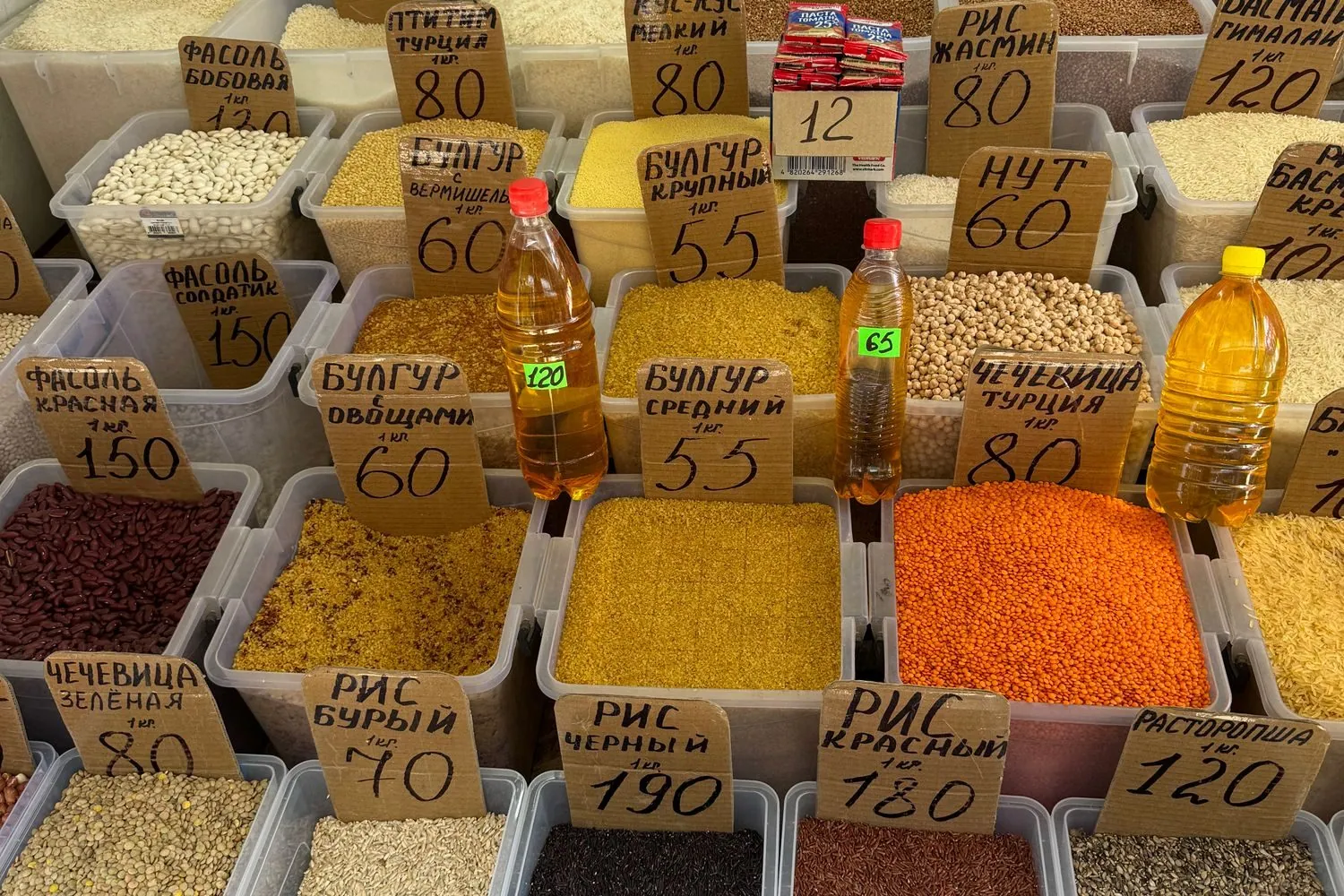
- Week 1, vegetables first. Start each lunch and dinner with a bowl of salad or a katori of sabzi before the roti or rice.
- Week 2, add legumes. Have dal at lunch and a sprouts, chana or rajma dish at dinner or as a snack. If beans upset your stomach, start with 2 to 3 tablespoons.
- Week 3, upgrade the grains. Mix ragi, jowar or bajra flour into your wheat atta, or swap half the white rice for brown or red rice.
- Week 4, three plant-first dinners. Try khichdi with a vegetable raita, chole with salad, or a tofu or paneer bhurji with rotis.
Which nutrients need attention on a plant-forward plate?
Vitamin B12 is the one nutrient plants do not reliably supply, so include curd, milk, paneer or eggs most days or ask a doctor about a supplement. Iron, calcium, zinc, omega-3 and iodine are easier to cover with planning: dal, ragi, til, seeds, walnuts and iodised salt do most of the work.
| Nutrient | Why it matters | Plant-forward sources | Practical tip |
|---|---|---|---|
| Vitamin B12 | Nerves and red blood cells | Curd, milk, paneer, eggs, fortified foods | Adults need about 2 to 2.5 mcg a day; a blood test shows if you are low |
| Iron | Carries oxygen in blood | Rajma, chana, masoor, palak, til, ragi | Add lemon or amla; keep tea and coffee about an hour away from meals |
| Calcium | Bones and muscles | Ragi, curd, paneer, til, almonds, green leafy vegetables | Adults need about 600 to 1,000 mg a day; 100 g ragi flour gives about 300 to 350 mg |
| Zinc | Immunity and skin | Chana, pumpkin seeds, cashews, whole grains | Soaking and sprouting improves absorption |
| Omega-3 (ALA) | Heart and brain support | Flaxseed (alsi), walnuts; fish if you eat it | About 1 tablespoon (10 g) ground flaxseed a day |
| Iodine | Thyroid function | Iodised salt | Do not swap entirely to rock salt or sendha namak |
For more detail, see our vitamin nutrition guide and zinc nutrition. Iron needs are higher for women of reproductive age and guideline figures vary, so a blood test beats guessing.
Troubleshooting: gas, hunger and eating out
Gas and bloating after dal or rajma
Your gut bacteria need time to adjust to more fibre. Soak rajma and chole for 8 to 12 hours, discard the soak water, and pressure-cook until soft. Add hing, jeera or ajwain to the tadka, and build up portions over 2 to 3 weeks. Persistent pain or bloating deserves a doctor’s visit.
Still hungry an hour after eating
This usually means the plate lacks protein or fat, or the portion is too small. Add a katori of dal or curd, a handful of roasted chana, or a teaspoon of ghee. Cutting oil to zero often backfires.
Eating out and office tiffin
At restaurants, pick dal, chole, sabzi and roti over naan, cream gravies and fried starters, and ask for extra salad. For tiffin, pack roti, sabzi and a katori of dal, and keep roasted chana in your bag for the 4 pm craving.
Plant based eating for different people
Gym-goers. Active adults commonly aim for roughly 1.2 to 1.6 g of protein per kg of body weight a day. For a 60 kg person that is about 70 to 95 g, spread over three or four meals using soya, paneer, eggs, curd, dal and tofu. Our 1-1 personal training sessions can pair the food plan with a workout routine.
Women. Pay extra attention to iron and calcium, especially with heavy periods, pregnancy or breastfeeding. Pregnant and breastfeeding women should plan changes with their doctor or dietitian rather than on their own.
Busy professionals. Batch-cook dal and boil chana on Sunday; simple repeatable meals beat ambitious recipes.
Children and older adults. Both groups have specific needs for protein, calcium and B12, so changes should be guided by a doctor or registered dietitian.
When to see a doctor or dietitian
Talk to your doctor or a registered dietitian before changing your diet if you have diabetes, high blood pressure, thyroid disease, kidney disease, anaemia, digestive conditions, or if you are pregnant or breastfeeding. Never stop or adjust medication because of a diet change. See a doctor if you notice tingling in hands or feet, unusual tiredness, pale skin, hair fall or frequent infections, as these can point to nutrient gaps that a diet article cannot diagnose.
FAQ
What is the difference between a plant based diet and a vegetarian diet?
A vegetarian diet is defined by what it excludes, namely meat and fish. A plant based diet is defined by what fills most of your plate: whole plant foods. It can include small amounts of eggs, dairy or fish, and a vegetarian diet can be low in plants if it relies on refined foods.
Is a plant based diet healthy for everyone?
For most healthy adults a well-planned, whole-food plant based diet is a sound pattern. It needs attention to B12, iron, calcium and protein. People with medical conditions, pregnant or breastfeeding women, children and older adults should plan it with a doctor or registered dietitian.
Can I eat eggs, paneer and fish on a plant based diet?
Yes, on a flexible plant-forward diet. The goal is for vegetables, legumes, whole grains, nuts and seeds to form most of your plate, roughly 70 to 80 percent. Eggs, paneer, curd or fish can supply protein, B12 and omega-3 in smaller portions.
Will I lose weight on a plant based diet?
Not automatically. Fibre-rich plants can help you feel full on fewer calories, but fried foods, sweets and large portions still add up. A realistic, safe pace is about 0.25 to 0.5 kg a week. Results vary by person and no diet guarantees weight loss.
Do I need a B12 supplement on a plant based diet?
If you regularly eat curd, milk, paneer or eggs, you may get enough, but a blood test is the only way to know. If you eat few or no animal foods, B12 supplementation is commonly needed. Ask your doctor for the right form and dose.
Plant based nutrition works best when it fits your health numbers, budget and kitchen. Book an online nutritionist consultation with Fitstrot to get a week-by-week plate plan built around your meals.


