

The best plant based protein sources for an Indian plate are dals, rajma, chole, soya chunks, tofu, peanuts and sattu, and together they can cover a full day of protein without meat, eggs or whey. The catch is portion size: a thin ladle of dal gives far less than most people assume. This guide ranks each food by protein per katori, shows daily targets by body weight, and builds one realistic day. Every figure is an “about” value from standard food data, so use it for planning, not as a lab reading.
One note on scope: curd and paneer are vegetarian but they are dairy, so they are not counted here. If you eat them, they simply add to the totals below.
Which plant based protein sources work best in an Indian kitchen?
The most useful plant based protein sources in India are soya chunks (about 50 g protein per 100 g dry), tofu, rajma, chole, thick dal, besan, sattu and peanuts. A katori of cooked rajma or chole gives about 12 g, a thick dal about 8 to 10 g, and 30 g of dry soya chunks about 15 g.
What separates a good source from a weak one is protein density per portion you will actually eat. Legumes (dal, rajma, chole, moong) are the backbone because they are affordable, filling and a normal part of Indian cooking. Soya products are the densest. Nuts and seeds help, but they carry more calories per gram of protein, so they work as add-ons rather than the main source.
Protein per serving: the Indian kitchen table
Use this table to size your portions. Values are about-figures per cooked or stated serving and vary a little with brand, water content and recipe.
| Food | Serving | Protein (about) | Practical note |
|---|---|---|---|
| Soya chunks, dry | 30 g | 15 g | Densest everyday source; boil and squeeze first |
| Firm tofu | 100 g | 12 g | Bhurji, tikka or dry sabzi |
| Rajma or chole, cooked | 1 katori (150 g) | 12 g | Thick gravy means more beans per spoon |
| Thick dal (moong, masoor, toor) | 1 katori (150 g) | 8 to 10 g | Moong and masoor cook fastest |
| Thin everyday dal | 1 katori (150 ml) | 4 to 6 g | Mostly water; have two katoris |
| Besan cheela | 50 g besan (2 small cheelas) | 11 g | Add grated vegetables and mint |
| Sattu drink | 30 g sattu in a glass | 6 g | Roasted gram flour; mix with water, lemon, jeera |
| Roasted peanuts | 30 g | 7 to 8 g | Calorie-dense: about 170 kcal per 30 g |
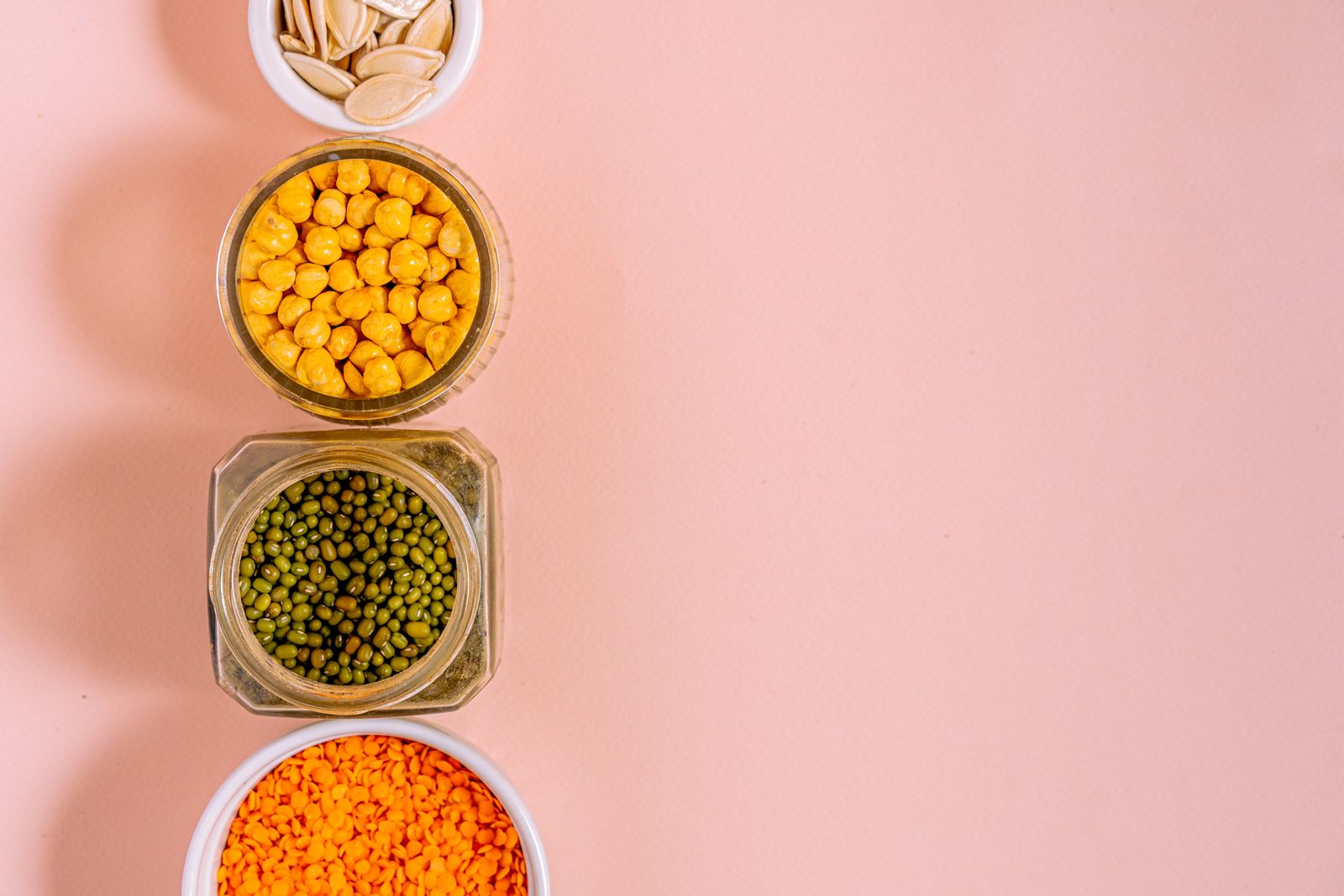
| Pumpkin seeds | 20 g (about 2 tbsp) | 6 g | Sprinkle on poha, upma or salads |
| Unsweetened soy milk | 250 ml | 6 to 8 g | Check the label; it varies by maker |
| Whole wheat roti | 1 medium | 3 g | Grains add up across a day |
| Cooked rice | 1 katori (150 g) | 4 g | Lower in protein, but it completes dal |
Notice how much one extra katori of thick dal or one serving of soya chunks changes the day. Small swaps beat big overhauls, and a sensible first step is simply to double your dal portion at one meal and see how you feel for a week.
How much plant protein do you need per day?
A sedentary adult needs about 0.8 g of protein per kg of body weight, so roughly 48 g at 60 kg. People who lift weights, run or do strength-focused yoga often aim for about 1.2 to 1.6 g per kg, or roughly 72 to 96 g at 60 kg.
| Body weight | Baseline at 0.8 g/kg | Active or training, 1.2 to 1.6 g/kg |
|---|---|---|
| 50 kg | about 40 g | about 60 to 80 g |
| 60 kg | about 48 g | about 72 to 96 g |
| 70 kg | about 56 g | about 84 to 112 g |
| 80 kg | about 64 g | about 96 to 128 g |
Plant protein is digested slightly less completely than animal protein because of fibre and natural compounds in beans and grains, so many dietitians nudge vegans toward the upper half of their range. No amount of protein guarantees muscle gain or fat loss: training, total calories and sleep decide most of that. Protein just stops you from being the limiting factor.
Myth check: plant protein is incomplete and must be paired at every meal
This is the claim that keeps people from trying. Soya is a complete protein on its own. Other legumes run lower in the amino acid methionine, while grains run lower in lysine, so the two fill each other’s gaps. Your body keeps an amino acid pool through the day, which means the pairing does not have to happen in the same bite.
In practice, Indian cooking already pairs them: dal-chawal, rajma-chawal, khichdi, roti with dal, idli with sambar. Fermenting rice and urad batter for idli and dosa also makes the protein somewhat easier to digest. The only rule worth following is to eat two or more different protein foods across the day, with at least one legume or soya food at most meals. You do not need a calculator or a special “combining chart”.
A one-day plate that reaches about 63 g with no meat, eggs or whey
Here is a walkthrough for a person around 60 to 70 kg with a mostly sedentary routine. Adjust portions up if you train hard.
| Meal | What to eat | Protein (about) |
|---|---|---|
| Breakfast | 2 besan cheelas (50 g besan) with mint chutney | 11 g |
| Mid-morning | 30 g roasted peanuts | 7 g |
| Lunch | 1 katori rajma, 1 katori rice, cucumber and onion salad | 17 g |
| Evening | Sattu drink (30 g sattu), fruit | 6 g |
| Dinner | 2 rotis, soya chunk curry (30 g dry soya chunks), lauki or beans sabzi | 22 g |
| Day total | about 63 g |
That covers the baseline for someone up to about 75 kg. For a heavier or more active person, add a glass of soy milk, a second katori of dal at dinner, or 100 g of tofu bhurji at breakfast. Each adds about 6 to 12 g, so two of those moves you into the 80 to 90 g range without rebuilding the day.
Is it safe to eat soya chunks and tofu every day?
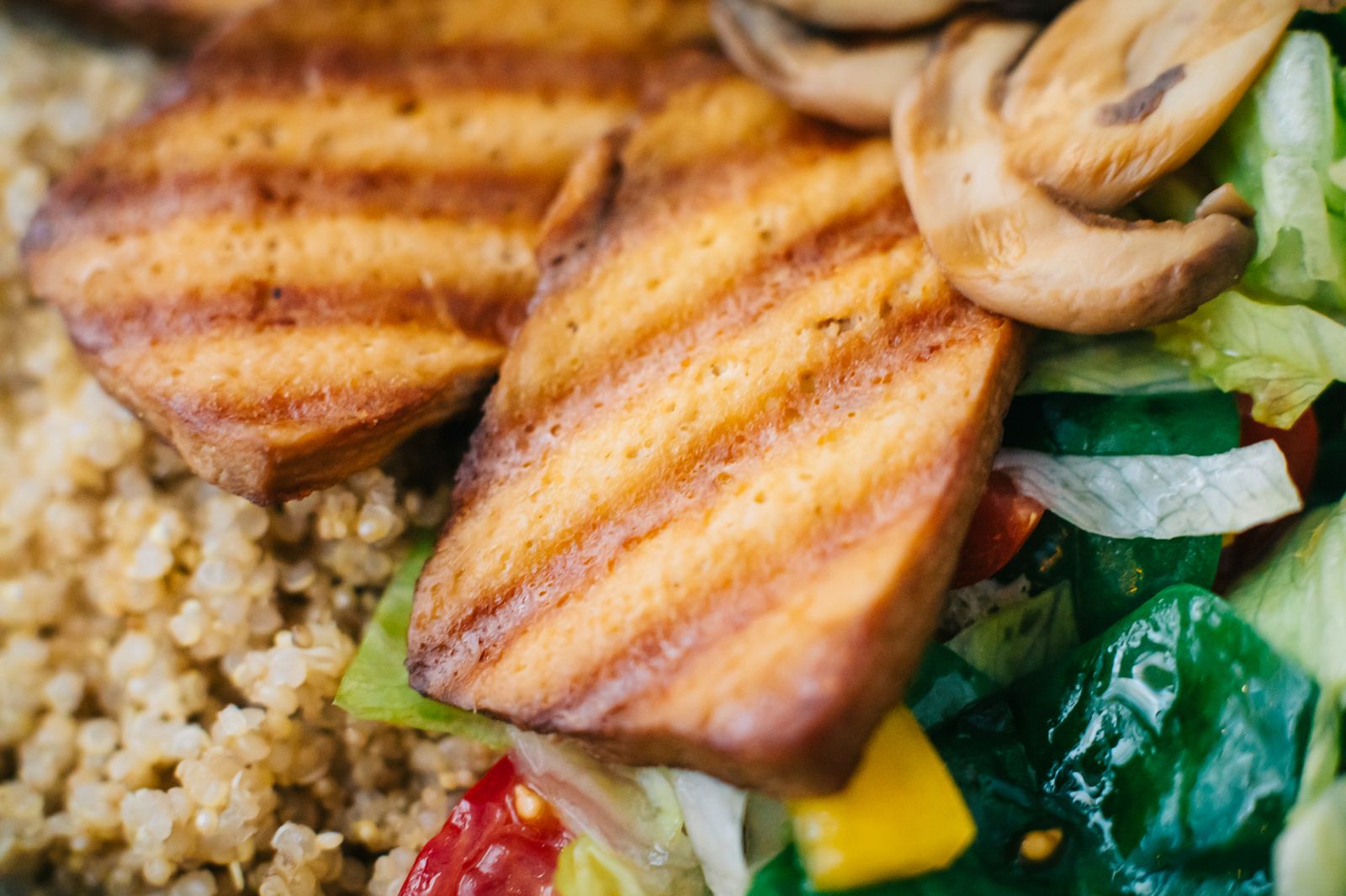
For most healthy adults, about 25 to 30 g of dry soya chunks (roughly 12 to 15 g of protein) is a sensible daily amount within a varied diet. Soya chunks are processed, so rotate them with whole legumes and tofu. If you have a thyroid or kidney condition, ask your doctor first.
The old fear that soya acts like a hormone in normal food amounts is not supported by mainstream dietary guidance. Prepare chunks properly: soak or boil them in hot water for 5 to 10 minutes, squeeze out the water, then cook in your usual masala so they absorb flavour. Tofu needs no cooking beforehand and is easy to press and crumble. Both are easy to batch-cook, so a single Sunday prep can cover several dinners.
Why do dal and rajma cause gas, and what actually helps?
Beans and dals contain fibre and sugars that gut bacteria ferment, which produces gas. Soak rajma and chole for 8 to 10 hours and discard the water, pressure cook until fully soft, add hing, jeera or ajwain, and raise portions slowly over about 2 weeks, starting with half a katori.
If bloating continues, try these in order:
- Switch dals first. Moong and masoor are usually gentler than rajma, chole or urad.
- Cook longer. Undercooked legumes cause most complaints. They should mash easily between two fingers.
- Add water gradually. A sudden jump in fibre without enough fluids makes things worse.
- Spread portions. Half a katori at lunch and half at dinner is easier than one big serving.
Persistent pain, blood in stools or unexplained weight loss are not diet problems. See a doctor.
Plant protein plans by lifestyle: vegetarian, vegan, gym and yoga
Vegetarians who eat dairy. Keep curd and paneer as extras, but let dal, soya and beans do most of the work so your intake does not hinge on one food.
Vegans. Rely on soya, thick dal and legumes at every meal, and aim for the upper part of your range. Plan vitamin B12 deliberately (see below).
Gym-goers. Spread protein across three or four meals, roughly 20 to 30 g each, and keep a soya or tofu serving as your post-workout anchor.
Yoga practitioners. A flowing session such as vinyasa yoga, ashtanga yoga or hot yoga demands steady muscular endurance, which needs adequate protein to recover, one of the many benefits of yoga you only notice when you fuel it well. Keep the meal before practice light, such as a banana with a spoon of peanut butter 30 to 60 minutes ahead, and save the dal, tofu or soya meal for one to two hours after. For a gentler restorative yoga session the timing matters less. Not sure which style suits you? Read about the types of yoga. If you came to practice for stiffness, see yoga for back pain: supporting back and core muscles is easier with enough protein.
Sattvic and yogic eaters. Mung dal, chana, almonds and seeds all fit a sattvic diet and the wider yogic diet, which usually leaves out onion and garlic. Use hing, ginger, jeera and fresh coriander for flavour instead.
Weight loss. Protein keeps you full, but nuts, seeds and peanut butter are calorie-dense, so measure them. For the movement side, see yoga for weight loss and the eating side in diet for weight loss with yoga. Expect slow, steady change, not guaranteed numbers on a scale.
What does a plant based diet still miss besides protein?
Vitamin B12 is the one nutrient plant foods do not supply reliably, so vegans typically need fortified foods or a supplement. Iron and zinc exist in dals, seeds and whole grains but are absorbed less well, so squeeze lemon or amla over meals and keep tea and coffee away from them.
Ask your doctor for a blood test rather than guessing, and let them or a registered dietitian decide any supplement type and amount. Omega-3 sources like flaxseed and walnuts are worth adding in small portions as well.
See your doctor or a registered dietitian first if you have kidney disease, are pregnant or breastfeeding, take thyroid or other long-term medication, are feeding a child or teenager, or have a history of disordered eating. Do not change prescribed medicines because of anything you read here.
Questions about plant based protein sources
What is the best plant based protein source in India?
No single food wins on every count, but soya chunks and tofu are the most protein-dense, at about 15 g per 30 g dry chunks and about 12 g per 100 g tofu. Rajma, chole and thick dal are the best everyday whole-food choices at about 8 to 12 g per katori.
Can I get enough protein from plants without supplements?
Yes, for most people. A day of besan cheela, rajma and rice, a sattu drink, and soya curry with roti reaches about 63 g with no powder. Protein powders are convenient, not required. The nutrient that does often need a supplement on a vegan diet is vitamin B12.
How much protein is in a katori of dal?
A thick, cooked katori of moong, masoor or toor dal gives about 8 to 10 g of protein. Thin, watery home-style dal gives only about 4 to 6 g. To reach your target, thicken the dal, increase the portion, or pair it with another source such as besan or soya.
Is plant protein as good as animal protein for building muscle?
It can be, if total protein and calories are enough and you train consistently. Plant protein is digested slightly less completely, so aim for the upper half of your range and include soya, which has a complete amino acid profile. Training does most of the work.
Are paneer, curd and eggs plant based protein sources?
No. Paneer and curd are dairy, so they suit vegetarians but not vegans, and eggs are an animal food. Paneer gives about 18 g of protein per 100 g. A fully plant based day uses dal, legumes, soya, grains, nuts and seeds instead.
Next step
Pair your protein plan with steady movement: book a FitStrot online yoga class this week, and try the one-day plate above for three days to see how you feel.


