

The benefits of yoga are real, but they are not all equally well proven. Yoga reliably improves flexibility, balance and muscular endurance, helps many people feel less stressed and sleep better, and can ease everyday back and neck stiffness. It does not cure disease, melt fat on its own or replace medical treatment. This guide sorts the benefits body system by body system and flags which claims are solid and which are stretched.
In India, yoga gets credited with everything from acidity to hair growth, so a straight sorting helps before you commit time or money to a class. Everything below assumes a generally healthy adult practising two to four times a week. Timelines are approximate and individual results vary.

What are the benefits of yoga, and how strong is the evidence?
The best-supported benefits of yoga are better flexibility, balance and muscular endurance, lower perceived stress and better sleep quality for many people. Relief from mild, non-specific back and neck pain is moderately supported. Claims that yoga cures diabetes, thyroid problems or heart disease are overstated: it can support treatment, never replace it.
Think of the benefits in three tiers. Well supported: flexibility, balance, endurance, stress and relaxation. Moderately supported: back and neck comfort, sleep, small improvements in blood pressure and resting heart rate. Overstated: detox, disease cures, spot fat loss. If you want the background first, read what is yoga and our yoga definition guide.
Benefits of yoga by body system: what is supported and what is stretched
| Body system | What yoga realistically does | How well supported | Typical timeline |
|---|---|---|---|
| Flexibility | Gradual gain in hamstring, hip and shoulder range | Well supported | 4 to 8 weeks |
| Strength | Better bodyweight endurance in legs, core and shoulders | Well supported for endurance, limited for muscle size | 6 to 12 weeks |
| Balance | Steadier standing balance, useful with age | Well supported | 4 to 8 weeks |
| Back and neck | Less stiffness with mild, non-specific pain | Moderately supported | 4 to 12 weeks |
| Stress and mood | Lower perceived stress, calmer mood | Well supported for stress | 2 to 6 weeks |
| Sleep | Easier wind-down, better sleep quality | Moderately supported | 4 to 8 weeks |
| Heart | Small drops in resting heart rate or blood pressure in some people | Moderate, small effect | 8 to 12 weeks or more |
| Lungs | Slower, steadier breathing habit | Moderate; not a treatment for lung disease | 4 to 8 weeks |
| Weight | Modest calorie burn, helps consistency and mindful eating | Limited as a standalone tool | Varies |
| Bones | Mild load from standing poses | Limited; not an osteoporosis treatment | Many months |
How does yoga help your muscles, joints and posture?
Yoga improves flexibility, balance and muscular endurance within about 4 to 12 weeks of regular practice, usually two to four sessions a week. Holding poses such as plank, chair and warrior works muscles isometrically, while folds and twists gradually extend range of motion. It builds endurance more than maximum strength or large muscle size.
These are the benefits of yoga for the body that most people feel first. Standing poses train the legs and hips, balance poses wake up the small stabilising muscles around the ankles and core, and cat-cow and mountain pose make you notice how you sit and stand. If you work at a desk, that body awareness is often the real gain: you catch the slouch earlier.
For targeted work, see yoga for strength and yoga for flexibility. If your main complaint is a stiff lower back, yoga for back pain covers gentle options. Sharp or shooting pain, numbness, or leg weakness is a reason to see a doctor first, not a reason to stretch harder.
Do the benefits of yoga reach the heart and lungs?
Regular yoga can reduce stress-related strain on the heart, and some people see small drops in resting heart rate or blood pressure after about 8 to 12 weeks. It is not a replacement for blood pressure medication or cardiac care. Slow breathing practice can also make breathing steadier, but it does not treat asthma or lung disease.
Most yoga sits at low to moderate intensity. A typical class burns roughly 150 to 300 kcal an hour depending on style and body weight, well below a brisk run. Adults are generally advised to aim for about 150 minutes of moderate activity a week, so treat yoga as one part of that total and add walking or cycling if heart fitness is your goal.
Breathing practices are the heart-and-lung side of yoga. Our pranayama guide explains the common techniques. Skip breath retention and forceful breathing if you have high blood pressure, a heart condition or are pregnant, unless your doctor and a qualified teacher have cleared it.
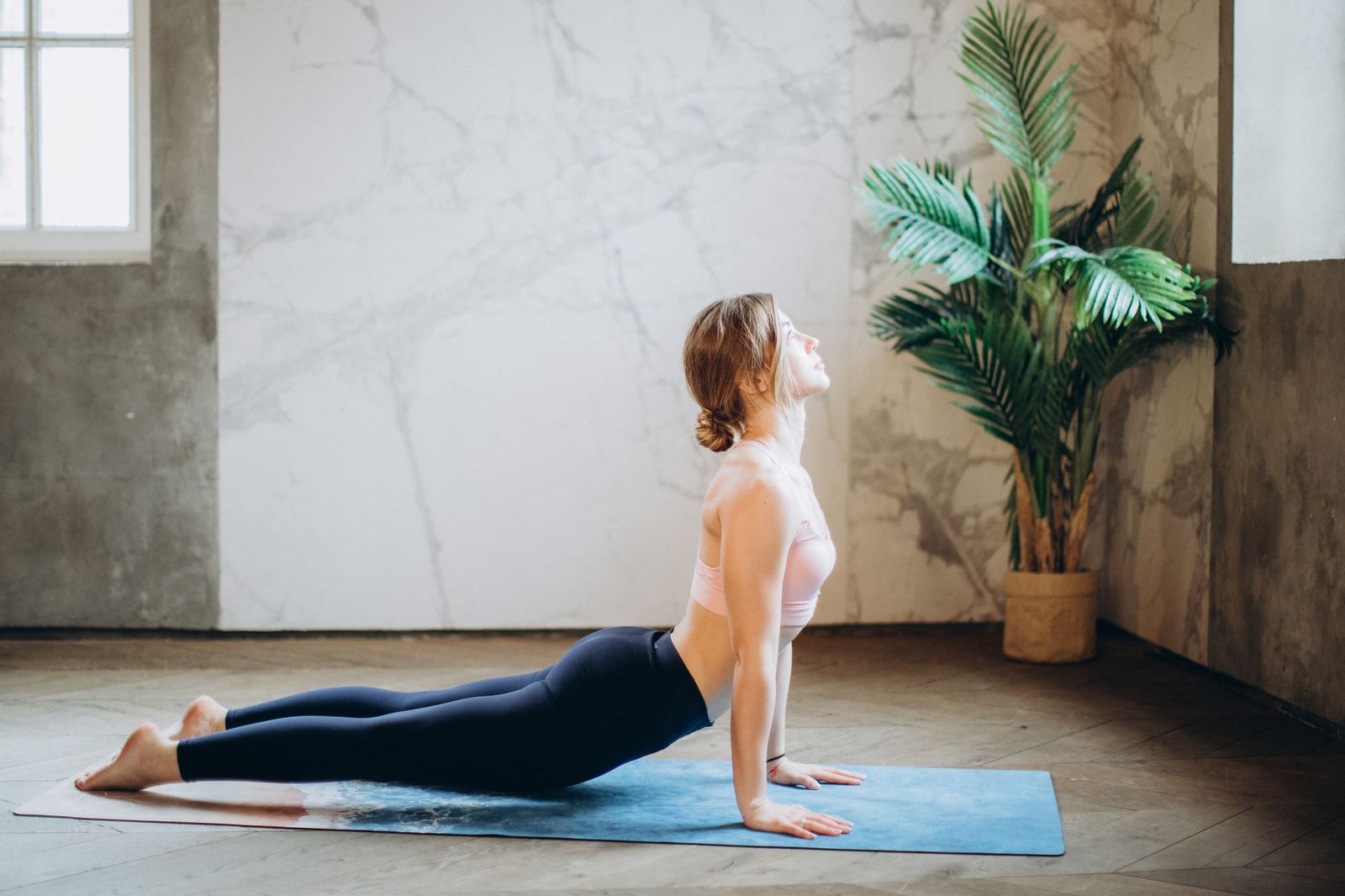
What are the mental benefits of yoga?
The mental benefits of yoga centre on lower perceived stress, a calmer mood and easier focus, usually noticeable within two to six weeks of regular practice. Slow breathing and attention to movement nudge the body towards a relaxed state. Yoga can support, but should not replace, professional care for persistent anxiety or depression.
The benefits of yoga and meditation overlap because both train steady attention. Poses give a restless mind something physical to hold on to, and a few minutes of stillness at the end lets that calm settle. For sleep, a slow ten-minute evening sequence with a long exhale works better than a hard morning flow. If racing thoughts are your main problem, start with yoga for anxiety.
Which benefits of yoga are overstated?
Yoga does not detox the body, cure chronic diseases or burn belly fat by itself. Your liver and kidneys handle detoxification, a one-hour class burns roughly 150 to 300 kcal, and fat cannot be targeted from one area. Yoga supports health habits; it does not replace medicine, diet or other exercise.
- Myth: twists wring out toxins. Twists mobilise the spine and can feel good, but they do not cleanse organs.
- Myth: yoga cures diabetes, thyroid or PCOS. It can support stress, sleep and activity levels alongside treatment. Never stop or change medication because of yoga.
- Myth: more advanced poses mean more benefit. Consistency and calm, well-aligned basics deliver most of the gains.
- Myth: you must be flexible to start. Flexibility is a result of practice, not an entry ticket.
Benefits of yoga for kids, students, pregnancy and older adults
The same practice looks different at different stages of life. Match the style and length to the person.
| Group | Main benefit | Suggested session | How often |
|---|---|---|---|
| Kids (about 6 to 12) | Focus, balance, a healthy outlet for energy | 15 to 20 minutes, playful animal poses | 2 to 3 times a week |
| Students | Calmer exam stress, better wind-down | 10 to 15 minutes, short sequence plus slow breathing | Most days |
| Desk workers | Looser neck, shoulders and hips | 10-minute breaks, cat-cow and gentle twists | Daily |
| Pregnancy | Comfort, mobility, relaxation | Prenatal-specific class after doctor approval | 2 to 3 times a week |
| Adults 50+ | Balance, joint mobility | Gentle Hatha, chair or wall support | 2 to 3 times a week |
The benefits of yoga for kids are mostly about attention and body awareness, so keep it non-competitive; our yoga for kids guide has age-suitable ideas. The benefits of yoga for students show up as steadier sleep and calmer nerves before tests, covered in yoga for students. In pregnancy, stick to prenatal yoga with a qualified teacher.
How can you feel the benefits of yoga in 20 minutes?
A 20-minute routine of breath settling, cat-cow, downward dog, low lunge, warrior II, tree pose, bridge, a supine twist and two minutes of rest covers the main benefits of yoga: mobility, balance, strength and calm. Do it three or four times a week and expect looser hips and easier sleep within about a month.
| Step | Time | What to do | Form cue |
|---|---|---|---|
| Breath settling | 2 min | Sit or lie down, breathe slowly through the nose | Exhale a little longer than you inhale |
| Cat-cow | 2 min | On hands and knees, arch and round the spine | Move with the breath, not past comfort |
| Downward dog | 2 min | Hips up and back, heels reaching down | Bend the knees if hamstrings pull |
| Low lunge | 3 min | Both sides, about 90 seconds each | Front knee over ankle |
| Warrior II | 3 min | Both sides, about 90 seconds each | Shoulders stacked over hips |
| Tree pose | 2 min | Both sides, foot on calf or thigh, never the knee | Fix your gaze on one point |
| Bridge | 2 min | Lie on your back, lift hips, feet hip-width | Press through the heels |
| Supine twist | 2 min | Knees to one side, then the other | Keep both shoulders grounded |
| Rest | 2 min | Lie flat, eyes closed | Let the breath go natural |
New to all this? Our yoga for beginners guide explains how to build the first month.
Not noticing the benefits of yoga? Check these five things
- Too infrequent. One class a week mostly maintains. Three shorter sessions beat one long one.
- Chasing the shape. If you hold your breath to reach a pose, you lose the calming effect. Back off until the breath stays smooth.
- Pushing into pain. Stretching should feel like pulling, not sharp or burning. Pain slows progress.
- Judging too early. Flexibility and balance take weeks, and stress relief can show up before either.
- Expecting weight loss alone. Pair yoga with walking, sleep and sensible meals. A dietitian or weight-loss coach can build that plan with you.
When to check with your doctor first
Speak to your doctor or physiotherapist before starting, or stop and get advice, if you have uncontrolled high blood pressure, a heart condition, recent surgery, glaucoma, osteoporosis, a disc problem with numbness or leg weakness, frequent dizziness, or a complicated pregnancy. Tell your teacher about any of these so poses and breathing can be adjusted. Do not change any medication because of yoga.
How do you write a benefits of yoga paragraph or speech?
A short benefits of yoga paragraph should cover three things: the body (flexibility, balance, strength), the mind (less stress, better focus, easier sleep) and accessibility (no equipment, adaptable for most ages). Add one honest line that yoga complements medical care. The same structure works for a Hindi version, yoga ke fayde.
Sample: “Yoga combines movement, breathing and attention. Regular practice improves flexibility and balance, eases stress and supports better sleep. It needs only a mat, suits most ages with the right modifications, and works best alongside good nutrition and medical care.”
Frequently asked questions about the benefits of yoga
What are the main benefits of yoga?
The main benefits are better flexibility, balance and muscular endurance, lower stress, better sleep quality and improved body awareness. Many people also find that back and neck stiffness eases. These effects build over weeks of regular practice, not after one class.
What are the mental benefits of yoga?
Yoga can lower perceived stress, steady mood and improve focus through slow breathing and attention to movement. Most people notice a difference within two to six weeks. It is a support, not a replacement, for professional help with persistent anxiety or depression.
How long does it take to see the benefits of yoga?
Calmer mood and easier sleep often appear within two to six weeks, flexibility and balance within about four to eight weeks, and endurance gains within six to twelve weeks. This assumes two to four sessions a week. Missing weeks resets progress slowly, not completely.
Is yoga alone enough exercise?
For flexibility, balance and relaxation, yes. For heart fitness and muscle building, usually not. Most adults do best combining yoga with about 150 minutes a week of brisk walking, cycling or similar, plus some strength work on two days.
Are the benefits of yoga and meditation different from yoga alone?
They overlap, but meditation adds focused training in attention and emotional steadiness, while yoga adds physical mobility and strength. Practised together, many people find stress relief is stronger, because the body is relaxed before the mind is asked to settle.
Want these benefits with a teacher watching your form? Book a beginner batch with Fitstrot’s live online yoga classes and start this week.


