

A sattvic diet is a fresh, plant-based, lightly spiced way of eating from yoga and Ayurveda. It centres on fruit, vegetables, whole grains, dal, nuts and a little dairy, and leaves out meat, eggs, alcohol, caffeine, onion, garlic and stale or heavily processed food. People follow it for lighter digestion and a steadier mind around yoga and meditation. This guide covers the sattvic food list, a one-day Indian menu with portions, and the nutrient gaps to watch.
What is a sattvic diet, and what does “sattvic” mean?
A sattvic diet is a vegetarian-style eating pattern built on sattva, the yogic quality of balance, clarity and calm. Meals are fresh, simple, seasonal and cooked with little oil and mild spices. Dairy is included in moderation, while meat, fish, eggs, alcohol, onion, garlic, strong stimulants and leftover or processed food are traditionally avoided.
Yogic and Ayurvedic thought describes everything through three gunas, or qualities: sattva (balance and lightness), rajas (activity and restlessness) and tamas (heaviness and inertia). The Bhagavad Gita describes food in these terms too. Think of it as a traditional eating philosophy that overlaps with modern nutrition, not a medical prescription.
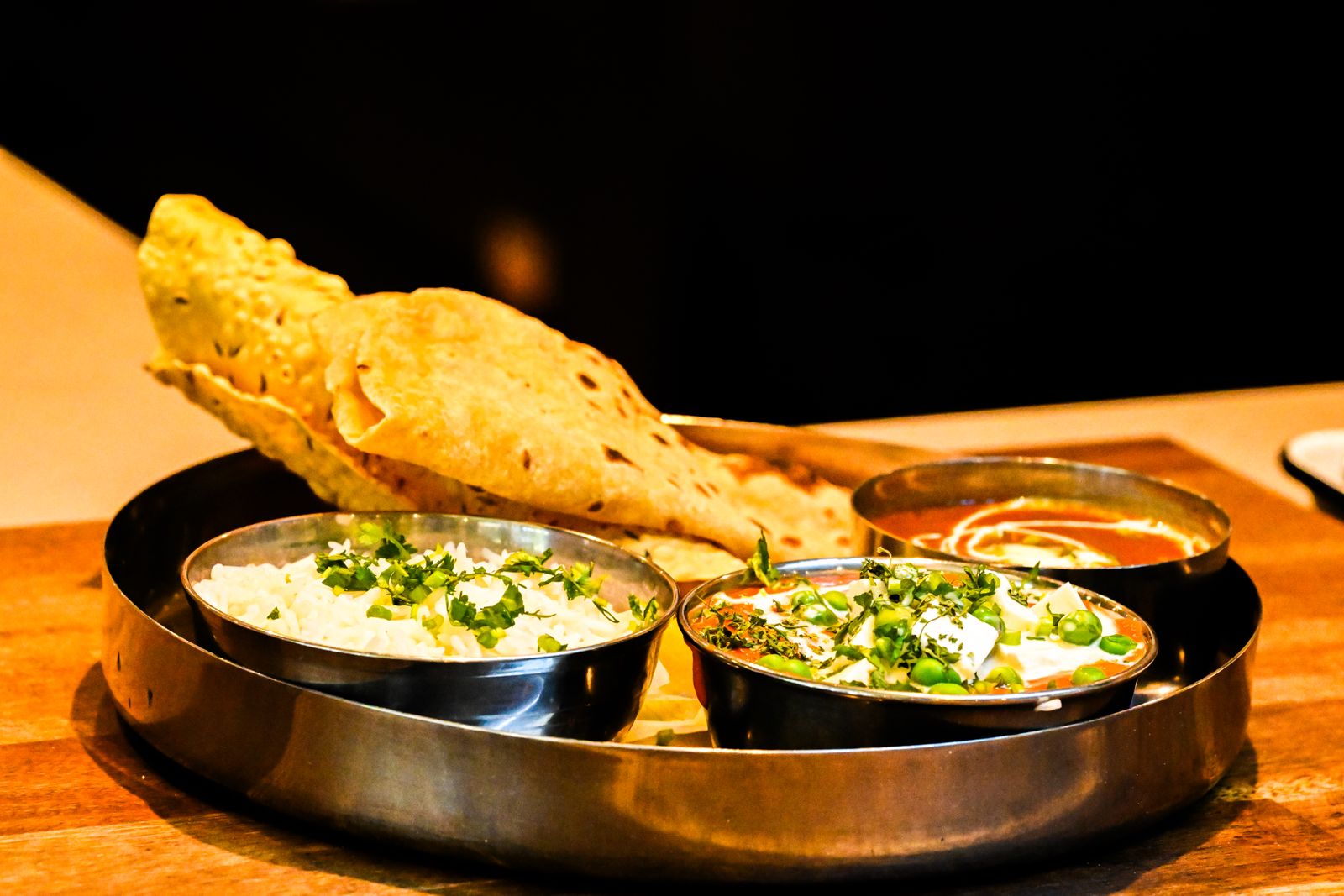
Sattvic, rajasic and tamasic foods at a glance
The basic sattvic diet rules are easiest to see side by side. Teachers differ on a few items, so treat this as a common version of the tradition, not a fixed list.
| Quality | What it stands for | Typical Indian examples | Place in a sattvic diet |
|---|---|---|---|
| Sattvic | Light, fresh, calming | Seasonal fruit, lauki, tori, spinach, moong dal, rice, wheat roti, millets, soaked almonds, milk, ghee, fresh curd | The base of every meal |
| Rajasic | Stimulating, intense | Coffee, strong chai, very spicy or sour dishes, extra salt, pickles, onion and garlic in most traditions | Avoided or kept very low |
| Tamasic | Heavy, stale, dulling | Meat, fish, eggs, alcohol, deep-fried snacks, leftovers reheated again and again, packaged and over-processed food | Avoided |
Rajasic and tamasic foods are not “bad” in a medical sense; the tradition simply believes they work against calm and focus. Onion and garlic count as rajasic in many lineages and tamasic in others.
What is on the sattvic diet food list?
The sattvic diet food list covers fresh seasonal fruit, cooked vegetables, whole grains such as rice, wheat and millets, moong and other dals, almonds and seeds, milk, ghee and homemade curd, plus honey or jaggery in small amounts. Warm water and mild herbal teas replace coffee and strong chai.
- Fruit: banana, apple, papaya, pomegranate, seasonal mango, dates.
- Vegetables: lauki, tori, pumpkin, carrot, spinach, methi, sweet potato, cooked simply.
- Grains: rice, wheat roti, oats, jowar, bajra, ragi, daliya, poha.
- Dal: moong, masoor, toor and chana in modest portions, ideally soaked.
- Nuts and seeds: about 5 to 10 almonds a day, plus sesame and flaxseed.
- Dairy: fresh milk, homemade paneer, curd and a teaspoon or two of ghee per meal.
- Drinks: warm water, jeera water, and the mild infusions in our guide to herbal tea benefits.
Myth check: what people get wrong about sattvic food
Myth 1: sattvic means boiled and bland. Cumin, ginger, turmeric, coriander, curry leaves and a pinch of hing (asafoetida) are all widely used. Hing is the usual stand-in for the flavour onion and garlic give a dal.
Myth 2: onion and garlic are unhealthy. They are left out because of how the tradition classifies them, not because they are harmful.
Myth 3: anything sattvic is unlimited. A teaspoon of ghee is about 40 to 45 kcal, and a heap of rice with sweets does not become light because the ingredients are traditional.
Myth 4: it cures anxiety, hormones or disease. Many people feel calmer on fresher, simpler food, but that is a personal experience, not a treatment. Use it alongside medical care, not instead of it.
Sattvic diet meal plan: one Indian day with portions
Here is a sample day. Quantities and calories are rough estimates and will vary with your recipes, oil and ghee, so adjust portions to your appetite, body size and activity.
| Meal | What to eat | Approx. portion | Approx. kcal |
|---|---|---|---|
| On waking | Warm water with lemon, soaked almonds | 1 glass, 5 almonds | About 35 |
| Breakfast | Vegetable poha, glass of milk | 1 cup cooked (about 150 g), 200 ml milk | About 380 |
| Lunch | Wheat roti, moong dal, lauki sabzi, fresh curd | 2 rotis, 1 katori dal (about 150 g), 1 katori sabzi, 100 g curd | About 460 |
| Evening | Fruit and a mild herbal tea | 1 banana or apple (about 100 to 120 g) | About 100 |
| Dinner | Moong dal khichdi with steamed vegetables, eaten 2 to 3 hours before bed | 1.5 katori khichdi (about 250 g), 1 small bowl vegetables | About 350 |
This day adds up to roughly 1,300 to 1,400 kcal and about 40 to 45 g of protein, which is light for most adults. Taller, heavier or more active people need bigger portions or extras such as 50 g of homemade paneer (about 9 g protein) or an extra roti. It illustrates the structure; it is not a target.
How do you start a sattvic diet as a beginner?
A sattvic diet for beginners works best one change per week. Week one: add one fruit and one cooked vegetable to each meal. Week two: swap packaged snacks for nuts or fruit. Week three: taper coffee down to herbal tea. Week four: cook fresh meals and, if you wish, drop onion and garlic.
- Week 1: add before you remove. Nothing leaves the plate yet.
- Week 2: replace biscuits and namkeen with soaked almonds, roasted chana, a banana or a few dates.
- Week 3: go from three cups of coffee to two, then one, then a warm herbal infusion. Quitting abruptly can bring a headache for a few days.
- Week 4: eat what you cooked within a few hours, sit down without a phone, and stop when comfortably satisfied.
If your goal also includes fat loss, our guide to diet for weight loss with yoga shows how to combine these habits with a structured plan.
Troubleshooting: common sattvic diet problems and fixes
| Problem | Likely reason | What to try |
|---|---|---|
| Hungry an hour after meals | Too little protein and fibre, too much refined grain | Add dal, curd or paneer to every meal; choose roti, daliya or millets over polished rice alone |
| Headache in the first week | Caffeine reduction | Taper over 2 to 3 weeks and drink enough water; use warm herbal tea in the usual coffee slot |
| Bloating or gas | Sudden jump in fibre or dal | Soak or sprout dal, add jeera, hing and ginger, and increase portions gradually |
| Tired or weak after a few weeks | Calories or protein too low, possible iron or B12 gap | Raise portions, add paneer and nuts, and speak to a doctor or dietitian about blood tests |
| Family cooks with onion and garlic | Shared kitchen | Set aside your portion before the tadka and flavour it with hing and ginger |
Could a strict sattvic diet leave you short on nutrients?
Yes, it can. A strict sattvic diet that skips eggs, fish and meat may fall short on protein, vitamin B12, iron, zinc and omega-3 fats unless meals are planned carefully. Dairy, dal, nuts, seeds and fortified foods help, but a registered dietitian can check your plan and advise whether blood tests are worth doing.
- Protein: about 0.8 to 1 g per kg of body weight is a common planning range for most adults. Pair dal with rice or roti and add curd, milk or paneer daily.
- Iron: plant iron is absorbed less easily than iron from meat. Add lemon, amla or guava for vitamin C with meals, and keep tea and coffee away from them.
- Vitamin B12: it occurs almost only in animal foods. Milk and curd give some, so ask your doctor whether to check your levels.
- Omega-3 and zinc: flaxseed, chia, walnuts and pumpkin seeds help.
A one-to-one session with an online nutritionist can turn these ranges into a plan for your age, weight and routine. For a general view of what a balanced day should contain, see nutrition and a balanced diet.
What are the sattvic diet benefits, and what is the evidence?
The sattvic diet may support lighter digestion, steadier energy and lower intake of added sugar, fried food and alcohol, because it centres on fruit, vegetables, whole grains and dal. Claims that specific foods cultivate calm come from yogic philosophy and have not been clinically proven. Treat it as a healthy-eating framework, not a treatment.
A pattern rich in vegetables, fruit, whole grains and pulses and low in ultra-processed food matches mainstream nutrition advice, so some benefits are plausible. A sattvic day is usually lower in calorie density than a fried, sugary one, but it has no calorie targets and is not designed for fat loss.
Who should adapt a sattvic diet before trying it?
Pregnant or breastfeeding women, children and teenagers, older adults, athletes, and anyone with anaemia, diabetes, kidney disease or regular medication should adapt it with professional advice first. These groups need more protein, iron, calcium or total energy than a strict, light sattvic day provides.
- Pregnancy and breastfeeding: do not cut food groups without guidance from your doctor or dietitian.
- Medical conditions: food changes can affect your readings. Never change medicines because of a diet.
- History of disordered eating: strict food rules can be a risk, so speak to a professional first.
See your doctor or a registered dietitian if you feel persistently weak, dizzy or breathless, lose weight without trying, or notice hair fall, pale skin or tingling in your hands and feet after changing your diet.
How does a sattvic diet fit with yoga and meditation?
A heavy, oily meal makes it harder to sit still or breathe deeply, which is why lighter, fresher food is favoured before practice. Many traditions treat food as the first discipline of yoga, and a sattvic approach supports the practice without replacing it.
As a rule of thumb, leave about 2 to 3 hours after a full meal and about 30 to 60 minutes after a light snack such as a banana. This matters most before pranayama, a stretch-heavy yoga for back pain routine, or a faster vinyasa yoga flow. Not sure which style suits you? Compare the types of yoga, or see how to practise at home in our blog on online yoga classes.
Is a sattvic diet the same as a vegetarian or vegan diet?
No. A sattvic diet overlaps with vegetarian eating, but it also leaves out eggs, onion, garlic, caffeine and stale food, which a normal vegetarian diet allows. It includes dairy such as milk, ghee and curd, which vegans avoid. Vegans can follow the idea with plant-based substitutes.
The difference is intention: a sattvic diet is defined by freshness, simplicity and the effect food is believed to have on the mind. It overlaps with the broader yogic diet, which adds guidance on how and when to eat. Ayurveda fits the framework to an individual’s dosha (vata, pitta or kapha), so two people may eat differently and both call it sattvic.
Sattvic diet FAQs
Can I eat eggs on a sattvic diet?
Traditionally, no. Eggs are classed as rajasic or tamasic depending on the teacher, so most sattvic guidelines leave them out along with meat and fish. If you rely on eggs for protein, talk to a dietitian before dropping them.
Why are onion and garlic avoided in a sattvic diet?
Yogic traditions class onion and garlic as rajasic, or sometimes tamasic, because their pungency is believed to increase restlessness. The reason is traditional, not medical, and many people follow a relaxed version that keeps them.
Is coffee allowed on a sattvic diet?
Not in the traditional version. Caffeine is considered rajasic because it stimulates rather than calms. Warm water, jeera water and mild herbal teas are the usual substitutes. Taper slowly over a few weeks to avoid headaches.
Can I follow a sattvic diet if I am vegan?
Yes, with substitutions. Traditional sattvic eating relies on milk, ghee and curd, so vegans replace them with fortified plant milk, nuts, seeds and sesame, and pay extra attention to B12, calcium and protein. A registered dietitian can help you plan it.
Is a sattvic diet safe to follow long term?
For most healthy adults a balanced sattvic diet is a reasonable pattern, but a very strict version may be low in protein, iron, B12 and zinc. Plan your protein, include dairy, nuts and seeds, and review it with a doctor or dietitian if you follow it for months.
If you want a sattvic plan built around your health and routine, book an online nutritionist consultation, then add a guided session from FitStrot’s online yoga classes to put the lighter eating into practice.


