

The honest summary of herbal tea benefits is that they are real but modest. A warm, caffeine-free cup can help you drink more fluid, wind down in the evening, settle your stomach after a heavy meal and replace sugary drinks. It will not detox your liver, melt fat or treat a medical condition, and a few herbal teas need caution during pregnancy or alongside medicines.
This guide covers the common teas, what each is traditionally used for, how much caffeine you can expect (usually none), a table of who should check with a doctor first, and how to brew a good cup. It is general information, not medical advice.
What are the real benefits of herbal tea?
Herbal tea is made by steeping flowers, leaves, roots, seeds or bark in hot water, with no tea plant involved. Its dependable benefits are hydration, a calming warm-drink ritual and a zero-calorie swap for sugary drinks. Specific effects such as easing bloating or helping sleep are mild and vary from person to person.
That is a useful list, even if it is less dramatic than the packaging suggests. Two or three cups a day count toward your fluid intake, and a cup after dinner can replace a sweet snack. Many people also like the pause itself, the few minutes of slow sipping that tell the body the day is slowing down.
Where herbs are concerned, tradition is older than evidence. Chamomile for sleep, peppermint for digestion and ginger for nausea are long-standing uses, and the research behind them is generally small or mixed. Treat them as gentle comforts, not treatments.
Common herbal teas at a glance
This table compares the teas people ask about most. “Traditional use” describes what each herb is commonly used for, not a guaranteed result.
| Tea | Traditional use | Caffeine | Taste | Main caution |
|---|---|---|---|---|
| Chamomile | Evening wind-down, mild stomach upset | None | Soft, floral, slightly sweet | Can trigger allergy in people sensitive to daisy-family plants; ask a doctor in pregnancy or on blood thinners |
| Peppermint | After-meal comfort, bloating | None | Cool, fresh | May worsen heartburn or acid reflux in some people |
| Ginger (adrak) | Nausea, warming drink in cold weather | None | Spicy, warming | Check with a doctor in pregnancy or on blood thinners; large amounts can upset the stomach |
| Tulsi (holy basil) | Everyday Indian household tonic | None | Earthy, peppery | Ask a doctor if you are pregnant or take diabetes medicine |
| Hibiscus | Tart cold or hot drink | None | Sharp, cranberry-like | May lower blood pressure; avoid in pregnancy; check if you take blood pressure medicine |
| Fennel (saunf) | After-meal digestive habit | None | Sweet, aniseed-like | Ask a doctor in pregnancy or if you are breastfeeding |
| Lemon balm | Evening calm | None | Light, lemony | Can feel sedating; avoid before driving if drowsy |
| Licorice root | Sweet-tasting soothing drink | None | Sweet, earthy | Can raise blood pressure; avoid in pregnancy and with heart or BP conditions |
Notice how many rows carry a “ask a doctor” note. Natural does not mean risk-free, and the caution column matters as much as the benefit column.
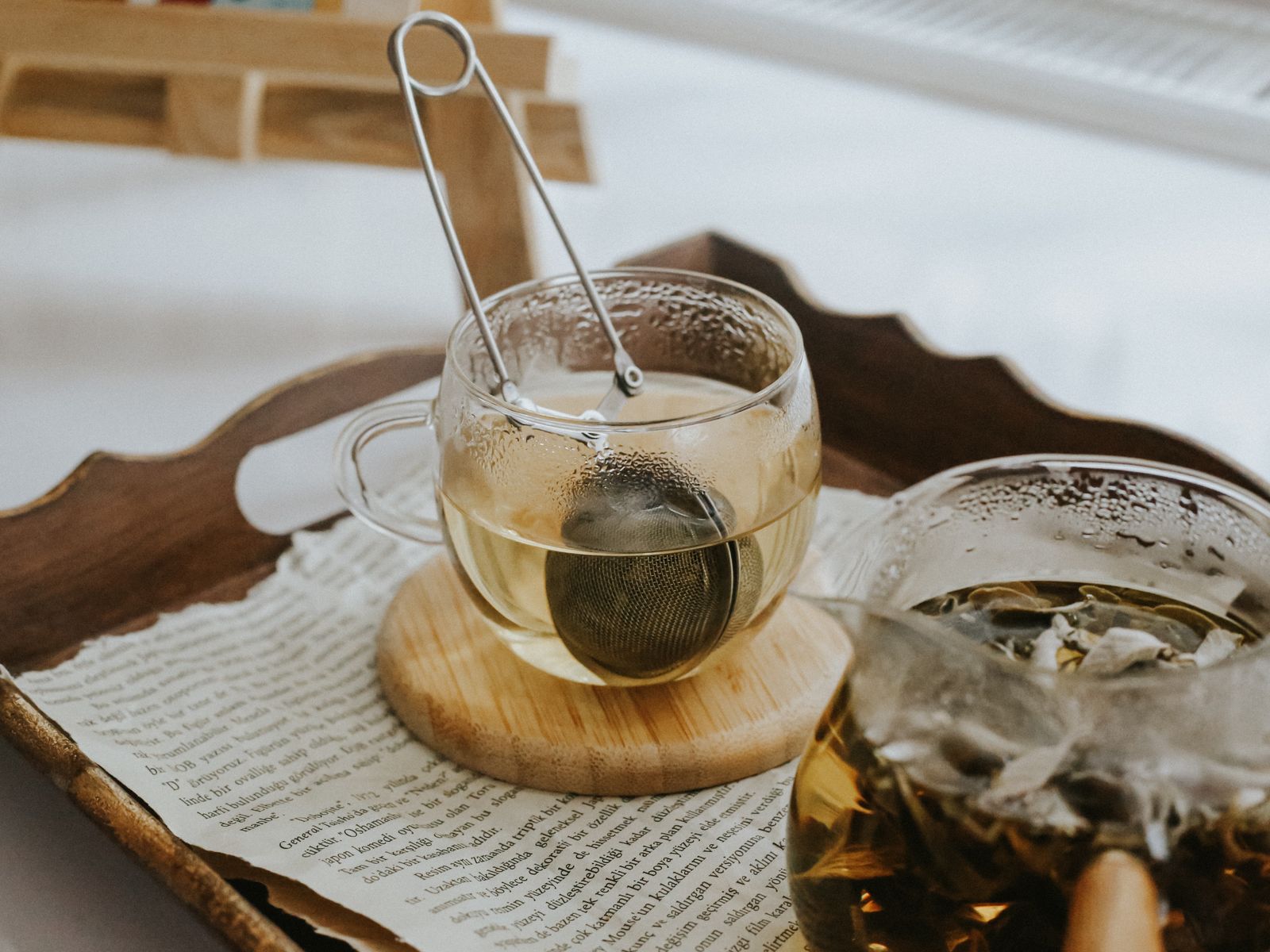
Myth: herbal tea detoxes your body or burns belly fat
Your liver and kidneys already handle detoxification, and no tea speeds that up in any proven way. “Slimming” and “detox” blends often contain senna or other laxative herbs. The weight that drops is water and bowel contents, and the habit can cause cramps, dehydration and dependence on laxatives.
What a cup of unsweetened herbal tea can do is take the place of a 150 to 200 kcal sweet chai or cold drink. Over a month, swapping one sweet drink a day can remove a few thousand kcal, which is a modest, real contribution. Keep that in proportion: herbal tea supports a weight plan built on meals, movement and sleep, as in this guide to diet for weight loss with yoga.
Be wary of any blend promising rapid fat loss, and avoid products that cause repeated loose motions. If you want a plan for losing weight safely, talk to a registered dietitian instead of relying on a tea.
Does herbal tea have caffeine?
True herbal teas contain no caffeine, because they do not come from the tea plant. A cup of black tea has about 40 to 50 mg, green tea roughly 25 to 35 mg and brewed coffee around 80 to 100 mg. Check labels on blends, since added tea leaves, mate or guarana bring caffeine back.
Masala chai is the common trap. It is mostly black tea, so it carries caffeine even though it is loaded with spices such as ginger and cardamom. Rooibos is a popular tea-like drink that is naturally caffeine-free but is not technically herbal in the same way, since it comes from a different plant.
If you are cutting caffeine for sleep, anxiety or palpitations, herbal tea is a sensible swap. People following a sattvic diet often choose caffeine-free drinks for the same reason, since the aim is a calm, steady mind. Sudden caffeine cuts can cause headaches for a few days, so reduce gradually.
Cup by cup: what to expect from each popular tea
Chamomile. This is the classic evening cup. It will not knock you out, but sipping it slowly an hour before bed pairs well with a short yoga nidra session and a screen-free wind-down. Skip it if you are allergic to daisy-family plants.
Peppermint. Many people find it comforting after meals, and it works nicely alongside yoga for digestion and a ten-minute walk. If you get heartburn, peppermint can make it worse, so stop if symptoms rise.
Ginger. Warm and sharp, ginger is the usual Indian remedy for a queasy stomach or a cold morning. Grate about a thumb-sized piece (around 5 g) into a cup. It also features in the yogic diet as a warming ingredient.
Tulsi. A handful of fresh leaves or a teaspoon of dried leaves makes a gentle daily tonic that many Indian families already keep at home. Its reputation as a stress-easing herb is traditional, not proven.
Hibiscus. Best cold with lemon in summer, but go easy if your blood pressure runs low or you take medicine for it.
Lemon balm and lavender. Both are mild evening herbs, often blended with chamomile. They pair with slower practices such as restorative yoga, and with the breathing and relaxation ideas in yoga for anxiety.
Who should check with a doctor before drinking herbal tea daily?
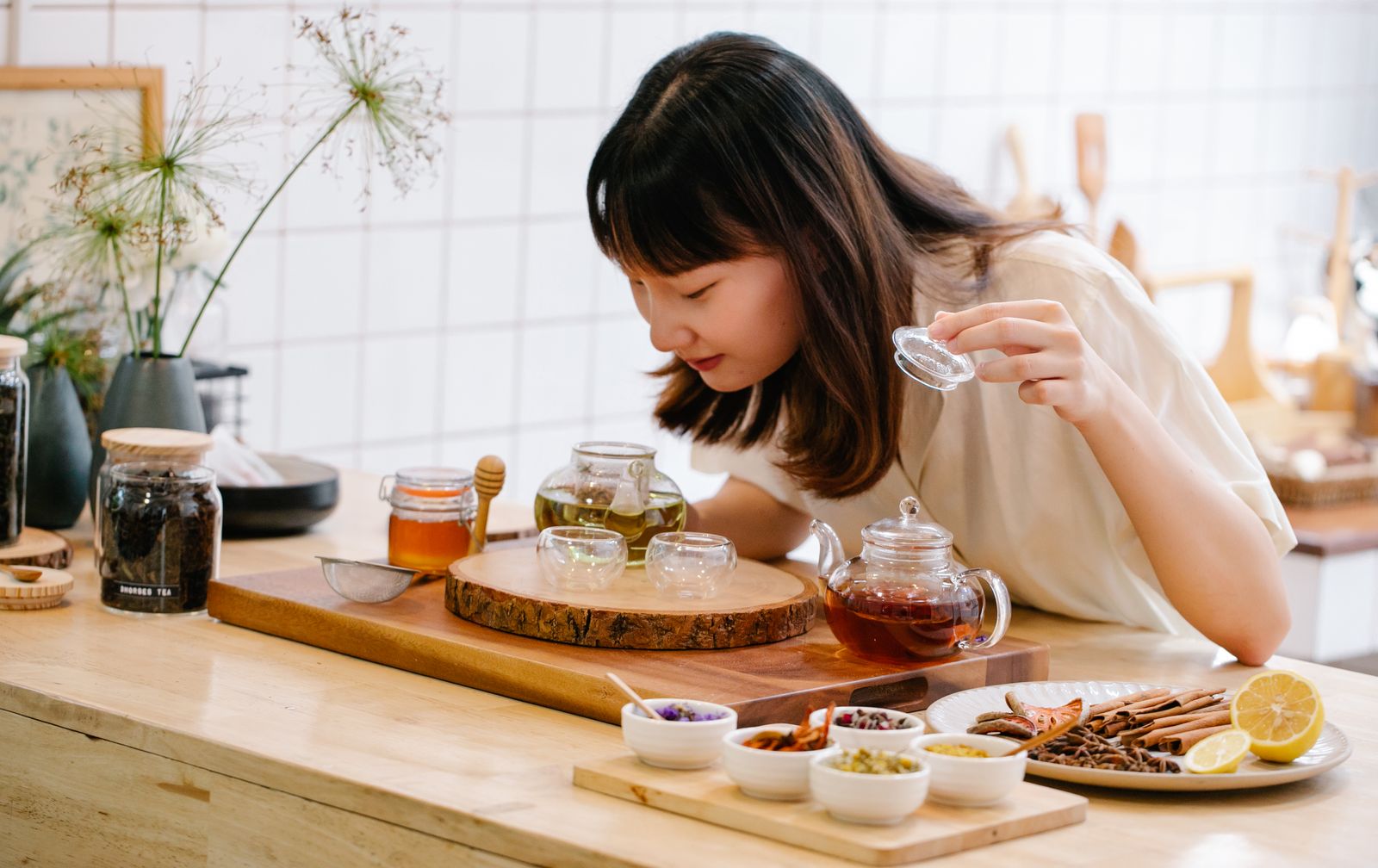
Anyone who is pregnant, breastfeeding, taking regular medicine or managing a long-term condition should ask a doctor before making any herbal tea a daily habit. Herbs contain active compounds that can add to a medicine’s effect or irritate the body in particular situations. The table lists common situations.
| Your situation | Teas to be careful with | What to do |
|---|---|---|
| Pregnant or trying to conceive | Licorice, hibiscus, and most strong or medicinal blends; ask about chamomile, ginger, tulsi and fennel | Ask your doctor or gynaecologist before drinking any herbal tea daily |
| Breastfeeding | Strong medicinal blends, fennel, sage-type herbs | Ask your doctor; stay with plain, mild teas in small amounts |
| On blood thinners | Chamomile, ginger and others in large amounts | Tell your doctor before making any tea a daily habit |
| On blood pressure medicine | Hibiscus, licorice | Ask your doctor; never adjust medicine because of tea |
| On diabetes medicine | Tulsi and similar herbs | Mention it to your doctor and monitor as they advise |
| Acid reflux or gastritis | Peppermint, strong ginger | Try milder teas; see a doctor if symptoms persist |
| Planned surgery | Any herbal tea you drink in large amounts | Tell the surgeon and anaesthetist what you take |
| Children | Most medicinal herbs | Ask a paediatrician first |
Never stop or change a prescribed medicine because of a tea. See a doctor if you get a rash, swelling, palpitations, dizziness, persistent stomach pain or any unusual symptom after a new herbal tea, and stop drinking it in the meantime.
How many cups of herbal tea a day is reasonable?
For a healthy adult, about 2 to 3 cups of a mild tea such as chamomile, peppermint or tulsi a day is a sensible range. Start with one cup to see how you react, and vary the herbs instead of relying on one. Stronger or medicinal herbs such as licorice deserve less, and only after checking with a doctor.
Stop and rest from a tea if it gives you stomach upset, a rash, heartburn or drowsiness. If you buy ready-made tea bags, choose brands that list the herbs plainly, and avoid blends with unexplained “proprietary” mixes.
How do you brew herbal tea properly?
Use freshly boiled water, cover the cup while it steeps and match the time to the plant part. Flowers and leaves need about 5 to 7 minutes, while roots, seeds and bark need about 8 to 10 minutes or a gentle simmer. Covering the cup keeps the aromatic oils from escaping as steam.
| Type | Examples | Quantity per cup (about) | Method | Steep time |
|---|---|---|---|---|
| Flowers and soft leaves | Chamomile, lemon balm, lavender, hibiscus | 1 tsp dried, or 1 tea bag | Pour just-boiled water, cover | 5 to 7 minutes |
| Fresh leaves | Tulsi, mint | 5 to 8 leaves | Bruise lightly, pour hot water, cover | 4 to 5 minutes |
| Roots and seeds | Ginger, fennel, licorice | 1 tsp grated or crushed, or about 5 g | Simmer gently, or steep covered | 8 to 10 minutes |
Why does my herbal tea taste bitter or weak?
Bitter tea usually means the steep was too long, the water was too hot for delicate flowers or too much herb went in. Weak tea means too little herb, too short a steep or an old, faded stock. Fix one thing at a time.
- Bitter or grassy: shorten the steep by a minute or two, or let the water cool for 30 seconds off the boil.
- Weak: add half a teaspoon more herb and keep the cup covered.
- Flat, dusty smell: the herb is old, so replace it and store it in an airtight jar away from light and moisture.
- Too sour: hibiscus is tart by nature; dilute with water or serve it cold with a squeeze of lemon.
Keep added sugar low, since two teaspoons of sugar adds about 40 kcal and undoes the point of the swap. A small amount of honey is fine for most adults, but it is still sugar, and honey should not be given to babies under one year.
Building a herbal tea routine around yoga and meals
A simple pattern works for most people: ginger or tulsi in the morning, peppermint or fennel after lunch, and chamomile or lemon balm in the evening. Pair each cup with a few slow breaths or a stretch, so the habit adds calm and not just fluid.
A morning cup suits an energising hatha yoga session, while the evening cup fits slower yin yoga. If you are new to practice, the overview of types of yoga and the benefits of yoga can help you choose a style.
If you would like guided support building a routine that includes movement, breathing and relaxation, join one of Fitstrot’s online yoga classes and ask your instructor which evening sequence suits you.
Frequently Asked Questions
Does herbal tea have caffeine?
No. True herbal teas are made from flowers, leaves, roots or seeds and contain no caffeine. Blends that include black tea, green tea, mate or guarana do contain caffeine, and masala chai is made with black tea, so always read the ingredient list.
Can herbal tea help me sleep better?
It may help as part of a routine. A warm, caffeine-free cup such as chamomile or lemon balm, taken an hour before bed with dim lights and less screen time, can make winding down easier. It is not a treatment for insomnia, so see a doctor if sleep problems last.
Which herbal tea is best for digestion?
Peppermint, ginger and fennel are the most common choices after meals. They are comfort drinks, not treatments, and peppermint can worsen heartburn. If bloating or pain is frequent or severe, see a doctor instead of relying on tea.
How many cups of herbal tea can I drink in a day?
For a healthy adult, about 2 to 3 cups of mild teas such as chamomile, peppermint or tulsi is a sensible range. Start with one cup, vary the herbs, and ask a doctor first if you are pregnant, take medicine or have a long-term condition.
Can pregnant women drink herbal tea?
Some herbal teas are not recommended in pregnancy, and advice differs for each herb. Licorice and hibiscus are commonly avoided, and others need a doctor’s view. Ask your doctor or gynaecologist before drinking any herbal tea daily.


