

A yogic diet is a way of eating drawn from yoga and Ayurveda, where food is chosen for how it leaves your body and mind feeling, not for calories or macros. In practice it means fresh, simple, mostly vegetarian meals, eaten at regular times, in moderate amounts and with attention. This guide keeps it practical for an Indian kitchen and an ordinary working day, and it is honest about which parts are tradition and which parts are backed by everyday nutrition sense.
What is a yogic diet in everyday terms?
A yogic diet is a mostly vegetarian, freshly cooked, lightly spiced eating pattern built on whole grains, dal, vegetables, fruit, nuts, milk products and ghee in modest amounts. It emphasises regular meal times, stopping before you feel stuffed, and avoiding heavy, stale or very stimulating food. It is a framework, not a fixed menu.
The tradition sorts food into three gunas, or qualities: sattvic (light, clear, calming), rajasic (stimulating, restless) and tamasic (heavy, dulling). The aim is to eat mostly sattvic food. For the full philosophy and the stricter rules, see our guide to the sattvic diet. This page focuses on how to live with it from Monday to Sunday.
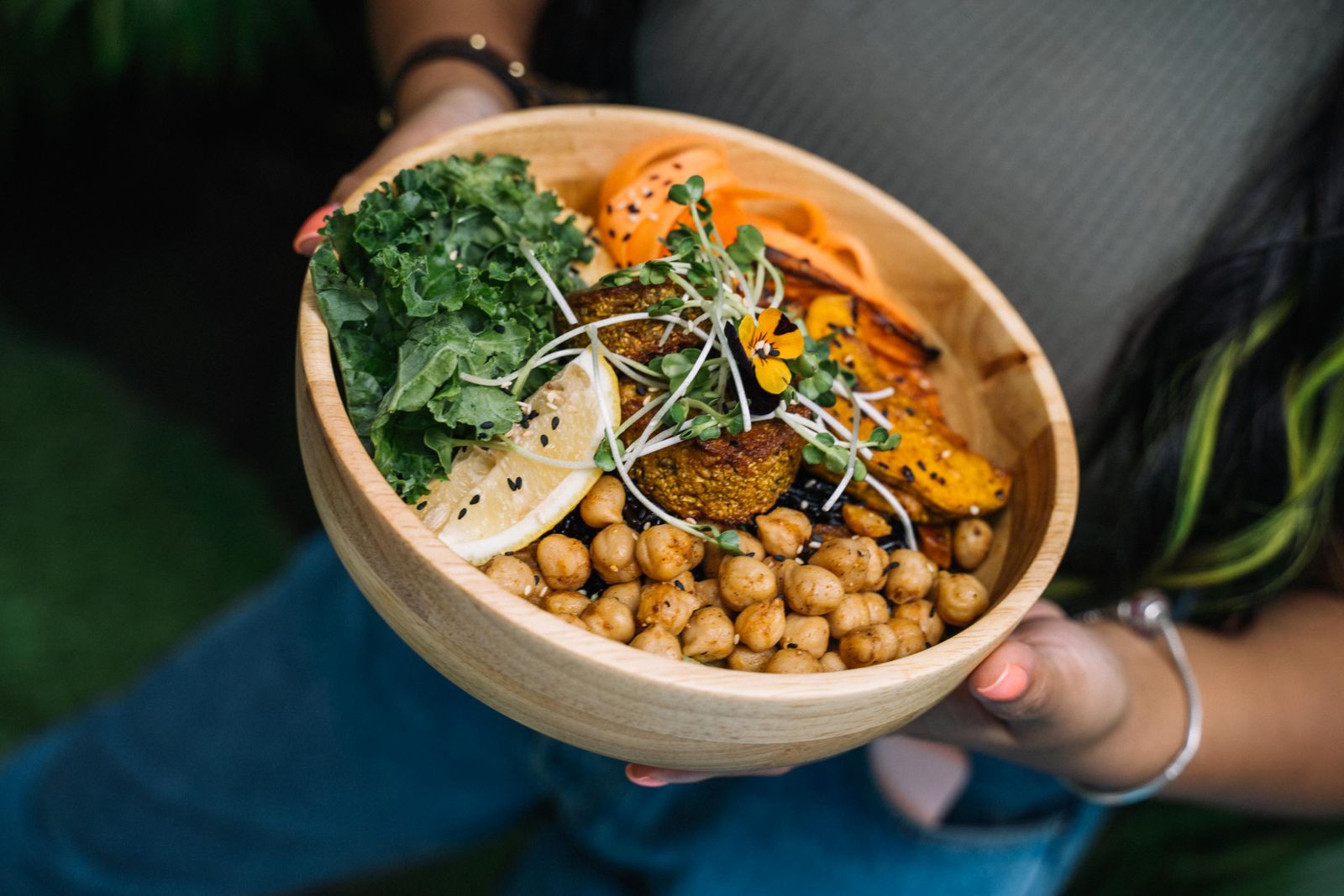
Which Indian foods count as sattvic, rajasic or tamasic?
Sattvic foods include fresh fruit, seasonal vegetables, rice, wheat, millets, moong and other dals, nuts, milk, curd, paneer and ghee. Rajasic foods are very spicy, fried, sugary or caffeinated. Tamasic foods are stale, heavily processed, or include alcohol and meat in the traditional view. The labels are cultural, not laboratory categories.
| Group | Everyday Indian examples | Traditional view | Honest note |
|---|---|---|---|
| Sattvic | Khichdi, moong dal, phulka, lauki, palak, seasonal fruit, soaked almonds, fresh curd, ghee in small amounts | Light, clear, calming | Matches a balanced home-cooked diet |
| Rajasic | Very spicy curries, pickles, fried snacks, strong chai or coffee, sweets, excess salt | Stimulating, restless | Fine occasionally; heavy use often upsets digestion and sleep |
| Tamasic | Leftovers kept for days, packaged and ultra-processed food, alcohol, deep-fried food; meat in traditional texts | Heavy, dulling | Meat is not unhealthy in itself; the issue is mostly tradition and ethics |
| Traditionally limited | Onion and garlic, mushrooms, very pungent items | Considered overstimulating | Not harmful nutritionally; skip them only if the tradition matters to you |
What does the tradition claim, and what can we actually say?
Food shaping the mind is a spiritual idea, not a measured result. What we can say with confidence is that this pattern is rich in vegetables, whole grains, dal and fibre, low in ultra-processed food and sugar, and encourages mindful, unhurried eating. Those habits are good for most people.
Some claims need caution. There is no evidence that a one-day-old roti “loses prana” or clouds your mind. Properly refrigerated leftovers are safe for a day or two, so a rule against them is a preference for freshness, not food safety science. Likewise, no food makes you more spiritual. If a teacher or website promises that a diet will clear karma, cure illness or replace medical care, treat that as a red flag.
A fair way to think about it: the yogic diet is a mindful-eating discipline wrapped in Indian food culture. Take the parts that help your body, and drop the parts that only create guilt.
How do you build a yogic plate with the mitahara rule?
Mitahara means moderate eating. The classic guidance is to fill about half your stomach with food, a quarter with water and leave a quarter empty. In practice, serve a normal plate, eat slowly, and stop at roughly 80 percent full, which usually takes about 15-20 minutes to register.
- Start with vegetables: about half the plate, lightly cooked, with a small salad.
- Add a protein anchor: a katori of dal (about 7-9 g protein), 50 g paneer (about 9 g) or a katori of curd (about 3-4 g).
- Add the grain: one or two phulkas, or a small katori of rice or millet.
- Finish with a little ghee, jeera or ajwain: a teaspoon of ghee is enough for flavour and digestion.
- Sit down, put the phone away and chew well. Mindful eating is half of the discipline.
Protein is where many vegetarian yogic plates fall short. Most adults need roughly 0.8-1 g of protein per kg of body weight, and more if you do strength training. If your meals are mostly rice, roti and vegetables, add dal, sprouts, curd or paneer at every meal. Our guides to diet and nutrition and nutrition and a balanced diet explain the building blocks in more detail.
What does a yogic day of eating look like?
A typical day has three main meals, one or two light snacks and warm drinks in between, with the biggest meal around midday. The table below is a flexible template using ordinary Indian food. Swap items freely within the same slot.
| Slot | Sattvic-style option | Office or busy-day swap |
|---|---|---|
| On waking | Warm water, optionally with a little lemon | Same; carry a flask |
| Breakfast, 8-9 am | Vegetable poha or oats upma, plus fruit | Besan chilla with curd, or idli with sambar |
| Mid-morning | Seasonal fruit or 6-8 soaked almonds | Roasted chana or makhana in a small box |
| Lunch, 12:30-1:30 pm | 2 phulkas, moong or toor dal, 2 sabzis, salad, curd | Tiffin of dal, rice, sabzi and salad |
| Evening, 4-5 pm | Tulsi, ginger or fennel tea, plus a few nuts | Buttermilk or sprouts chaat |
| Dinner, 7-8 pm | Khichdi or vegetable soup with one phulka, light sabzi | Dal-chawal with extra vegetables, smaller portion |
| Before bed, optional | Warm milk with a pinch of turmeric or nutmeg | Skip if you are not hungry |
Notice the rhythm: lunch is the heaviest meal and dinner is lighter and earlier, which many people find helps digestion and sleep. If you prefer help with warm drinks between meals, our piece on herbal tea benefits covers tulsi, ginger and fennel in more depth.
How should you time food around a yoga class?
Eat a full meal 2-3 hours before yoga, or a small snack such as a banana, dates or a few soaked almonds 30-60 minutes before. Practising on a full stomach causes discomfort in twists and forward bends, while a long gap with no food can leave you light-headed in faster classes.
| Type of practice | Gap after a full meal | Good pre-practice option | Best to avoid |
|---|---|---|---|
| Gentle or restorative | 1.5-2 hours | Warm water, small fruit | Heavy dal-rice or fried food |
| Hatha or beginner flow | 2-3 hours | Banana or a few dates | Large lunch, sweet milk |
| Vinyasa or power yoga | 2.5-3 hours | Banana with a few soaked almonds | Spicy, oily meals, strong coffee |
| Early morning practice | Light snack only, or none | Warm water, half a banana | Heavy breakfast before class |
After class, wait 20-30 minutes, then eat something with protein and carbohydrate, such as curd with fruit, a besan chilla or dal and rice. If you are choosing a style, our overview of the types of yoga helps you match practice and meals.

Why do I feel weak, bloated or hungry on a yogic diet?
Feeling weak, bloated or hungry usually means a mistake in execution, not that the diet is failing. The common causes are too little protein, too few total calories, a sudden jump in raw salads and fibre, skipped meals and treating the diet as a strict rulebook. Fix those and most symptoms settle within a week or two.
- Weakness or constant hunger: you are likely under-eating. Add dal, paneer, curd or sprouts at every meal and a proper mid-morning snack.
- Bloating or gas: increase fibre gradually, cook vegetables lightly, soak dal and beans well, and use jeera, hing or ajwain. Raw salad at every meal can be hard on some stomachs.
- Cravings for tea, sweets or fried food: cut back slowly instead of overnight, and keep a sattvic snack at hand. Total elimination often backfires.
- Guilt after a “non-sattvic” meal: one pizza does not undo a week. The pattern across the week matters, not one plate.
- Low energy over time: if you also exclude eggs, fish and meat, ask your doctor about checking vitamin B12 and iron, and do not start supplements without advice.
Who needs to adapt the yogic diet?
Working professionals. Pack a dabba with dal, sabzi, phulka and curd, and keep fruit and nuts at your desk. Freshly cooked is the ideal, but a lunch cooked in the morning is perfectly reasonable.
People who lift or do intense training. You will probably need more protein and calories than the traditional pattern gives by default. Add extra dal, paneer, curd, soy or whey if you use it, and see our guide to a workout and diet plan.
Non-vegetarians. You can use the principles of freshness, moderation and mindful eating without giving up eggs, fish or chicken. Simply eat them lightly cooked and in modest portions.
Weight loss. The pattern often helps because it is high in fibre and low in junk, but it is not a weight-loss plan. For a combined approach, read diet for weight loss with yoga.
Pregnancy, diabetes, thyroid problems, kidney disease, a history of eating disorders, children and older adults. Please see your doctor or a registered dietitian before restricting foods or fasting. Traditional rules such as long gaps between meals or avoiding whole food groups may not suit you.
How can you start this week?
- Cook one meal a day fresh, and add one extra serving of vegetables to it.
- Replace one sweet or fried snack with fruit, nuts or roasted chana.
- Swap one cup of strong chai or coffee for tulsi or ginger tea.
- Eat one meal a day sitting down, without a screen, and stop at about 80 percent full.
- Move dinner earlier and lighter, ideally 2-3 hours before bed.
- After two weeks, notice sleep, digestion and energy, and adjust. Pair the changes with a regular practice, and read the benefits of yoga if you need motivation.
Frequently asked questions
Is a yogic diet the same as a vegetarian diet?
Not exactly. Most yogic diets are vegetarian, partly because of ahimsa, but the yogic approach also considers freshness, moderation and how food is eaten. Some vegetarian foods, such as fried snacks or stale leftovers, would not be considered sattvic.
Do I have to give up onion and garlic?
Only if the tradition matters to you. They are limited in classical sattvic eating because they are considered stimulating, but they are not harmful nutritionally. Many people eat them in small amounts and still follow the rest of the yogic diet.
Can I drink tea or coffee on a yogic diet?
Strong coffee and sugary chai are considered rajasic, so most guidance suggests limiting them. A cup or two of mild tea is fine for most people, and tulsi, ginger or fennel tea can replace some of your usual cups.
Is the yogic diet good for weight loss?
It can help because it is high in vegetables and fibre and low in processed food, but it is not designed for fat loss. Portions, protein and activity still decide results, and no diet guarantees a specific number on the scale.
What should I eat before a yoga class?
Have a full meal 2-3 hours before class, or a small snack such as a banana or a few soaked almonds 30-60 minutes before. Avoid heavy, fried or very spicy food just before practice.
The yogic diet works best when it supports your practice, not when it becomes another source of rules. To pair mindful eating with guided movement, join a live online yoga class with Fitstrot and ask your instructor how to time meals around your sessions.


