

Parents often ask which kids nutrition drinks are worth buying, and the honest answer starts with everything a child sips in a day, from plain water and milk to chaas, coconut water and malted powders sold as “health drinks”. Most families need only a short list: water, milk or curd-based drinks, and the occasional home-made shake. Packaged sugary drinks and supplement shakes need more care than their labels suggest. This guide compares common choices glass by glass, shows how to read a label, and explains when a doctor or dietitian should decide. All figures are rough, about-values for a 200 ml glass, so check your own packs.
Which drinks count as healthy drinks for kids?
Water and plain milk should make up most of a child’s day: about 1.2 to 2 litres of total fluids depending on age, with about 300 to 500 ml of that as milk or curd-based drinks. Chaas, coconut water and home-made shakes fit as extras. Sugary drinks and powders are occasional treats or special-case tools, not daily basics.
A 200 ml glass of plain milk gives about 6 g of protein and roughly 230 to 250 mg of calcium. For the wider picture of what a growing child needs across the day, read our guide to child nutrition and the age-wise targets in nutritional requirements for children.
Drink-by-drink comparison for a 200 ml glass
Numbers below are rounded estimates for typical Indian household or market versions. Packaged products vary a lot, so the label on your pack always wins over this table.
| Drink (200 ml) | About kcal | About sugar | How to use it |
|---|---|---|---|
| Plain water | 0 | 0 g | Default drink, all day |
| Plain toned milk | 120 | 9 to 10 g (natural lactose) | 1 to 2 glasses a day |
| Thin salted chaas | 30 to 40 | 3 to 4 g (natural) | Good with lunch or after school |
| Tender coconut water | 40 to 50 | 8 to 10 g (natural) | Hot days, after play |
| Home banana-date milk shake | 230 | About 25 g (mostly natural) | Snack, not a thirst drink |
| Nimbu pani with 2 tsp sugar | 35 to 40 | 8 to 10 g added | Occasional; cut sugar to 1 tsp |
| Fresh orange juice, no sugar | 80 to 90 | 15 to 20 g (natural, little fibre) | Small glass, whole fruit is better |
| Packaged flavoured milk | 150 to 180 | Often 10 g or more added | Occasional treat |
| Packaged fruit drink | 90 to 100 | 20 to 25 g added | Rarely |
| Fizzy soft drink | 80 to 90 | About 20 g added | Rarely; no nutrition |
Notice the pattern: milk, chaas and coconut water give the most nutrition with the least added sugar, while fizzy and fruit drinks bring almost no protein, calcium or fibre.
Myth check: a malted health drink is not a complete meal
Malted “health drinks” often promise taller, stronger, sharper children. No drink can guarantee that; height depends mostly on genetics, sleep, overall diet and general health. At best, a fortified powder adds some vitamins and minerals to milk, usually with a good amount of sugar.
Here is a simple, illustrative calculation. Suppose a tin says the powder has 40 g of sugar per 100 g, and your child gets two level scoops of about 20 g in total. That is about 8 g of sugar from the powder alone, before the milk’s own sugar, a biscuit or a packaged juice. Two glasses a day would mean about 16 g, which is already most of a young child’s added sugar budget.
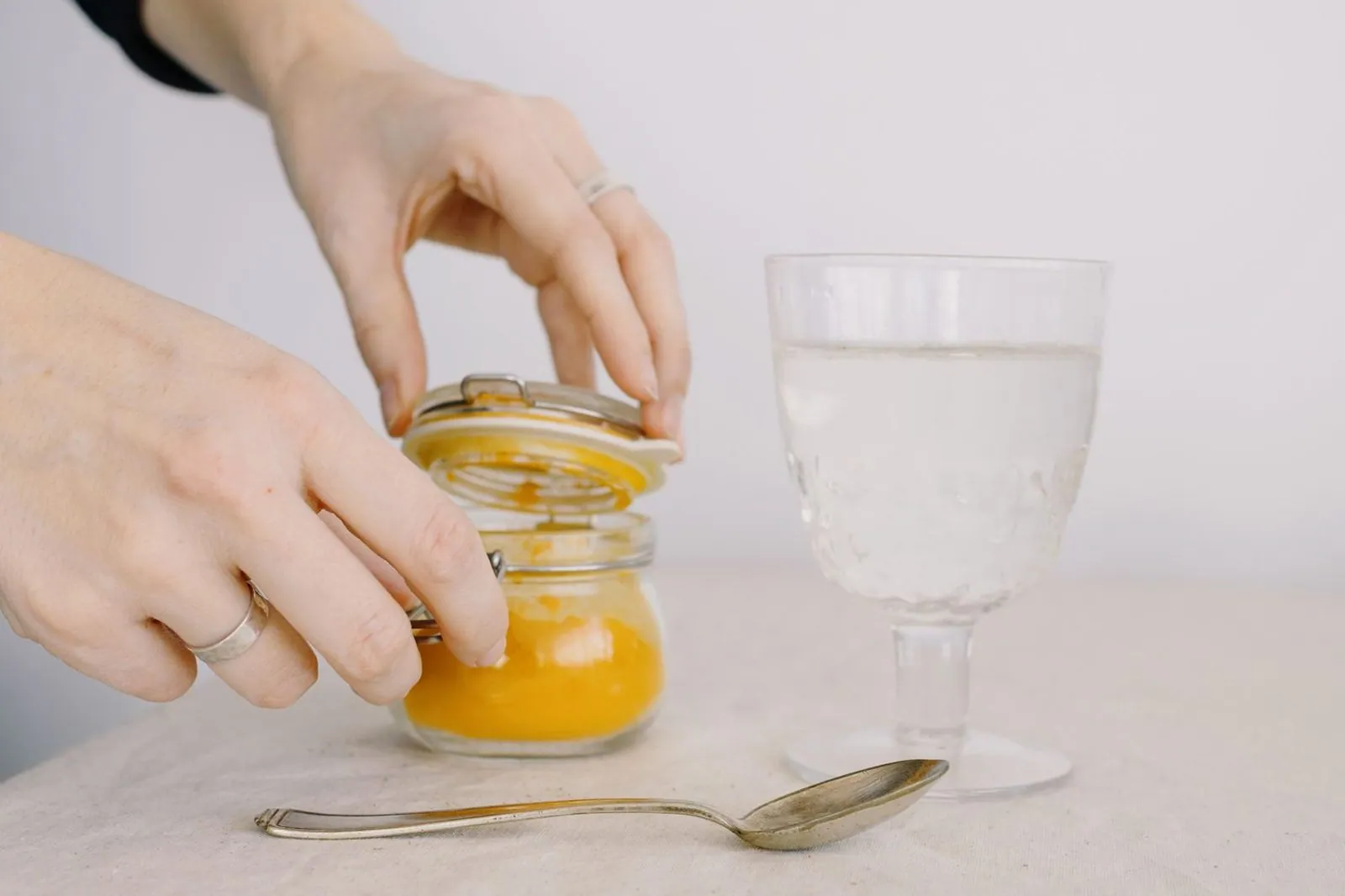
Compare whole food: an egg gives about 6 g of protein, a bowl of dal (about 150 g cooked) about 6 to 8 g, and 100 g of paneer about 18 g. A powder stirred into milk adds sweetness and a vitamin premix, but little protein of its own. Our explainer on protein and nutrition shows how easily Indian home food meets a child’s needs.
How much sugar is too much in sugary drinks for children?
A commonly used ceiling for children over 2 is about 25 g of added sugar a day, roughly 5 to 6 teaspoons, and less is better. Under 2 years, added sugar is best avoided altogether. One fizzy drink or packaged fruit drink can use up most of that allowance in a single glass.
Natural sugar in plain milk and whole fruit comes with protein, calcium or fibre. The drinks that deserve a limit are those where sugar is the main ingredient:
- Fizzy drinks and packaged fruit drinks: about 20 g or more of added sugar per glass, little else of value.
- Sweetened lassi, flavoured milk and milkshakes from outside: good base, but the sugar often doubles the kcal.
- Fruit juice: keep to a small glass of about 100 to 150 ml at most, and offer the whole fruit more often.
- Energy drinks and sports drinks: not suitable for children; they add caffeine, sugar or both for no benefit.
Sipping sugary drinks slowly through the day is hardest on teeth. If your child has one, serve it with a meal and follow with water.
Reading the label on health drinks in five steps
Front-of-pack claims such as “immunity” or “complete nutrition” are marketing. Use this walkthrough on the back of any tin or carton.
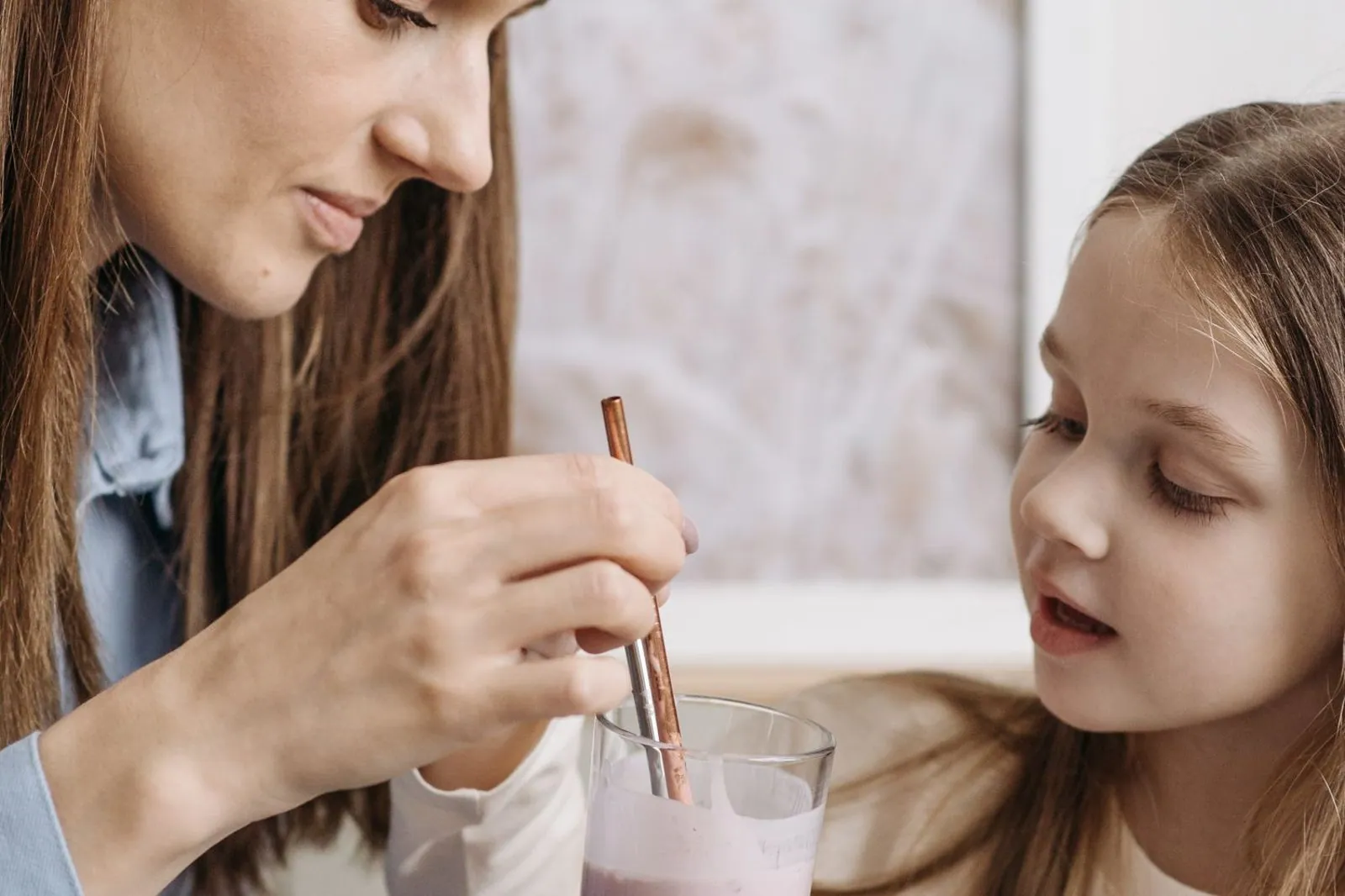
- Find the serving size, then scale it. Work out how many grams your child actually gets in a glass, not what the pack calls one serving.
- Check sugar per serving. Multiply the per-100 g sugar figure by your scoop weight. Aim to keep a daily drink well under 10 g of added sugar.
- Read the first three ingredients. Ingredients are listed by weight. If sugar, malt extract, glucose syrup or maltodextrin sit near the top, it is mostly sweetener.
- Compare protein with plain milk. A 200 ml glass of milk already gives about 6 g. If the powder adds only 1 to 2 g, it is not a protein source.
- Look for artificial sweeteners. Some products add them; ask your doctor before giving these regularly to young children.
A simple daily drink plan by age
Use this as a starting frame, not a prescription; children under 5 are best guided by their own paediatrician.
| Age | About total fluids a day | Milk or curd-based drinks | Juice and sugary drinks |
|---|---|---|---|
| 2 to 3 years | 1 to 1.3 L | About 300 to 400 ml, as your paediatrician advises | Avoid; water instead |
| 4 to 8 years | 1.2 to 1.5 L | About 300 to 400 ml | Up to 100 ml juice, occasionally |
| 9 to 13 years | 1.5 to 2 L | About 400 to 500 ml | Up to 150 ml, occasionally |
| 14 to 17 years | 1.8 to 2.5 L | About 400 to 500 ml | Small, occasional; no energy drinks |
Fluids from dal, soups and fruit count toward the total, so the figures are for drinks plus food water together. For food-first meal ideas that sit alongside these drinks, our guide to nutrition for kids is a good companion.
Home-made nutrition drinks that work: quantities and rough numbers
Home versions let you control the sugar. Quantities are for one child, one glass.
| Drink | Ingredients | About kcal | About protein | Good for |
|---|---|---|---|---|
| Banana-date milk shake | 200 ml toned milk, 1 medium banana (about 100 g), 1 date | 230 | 7 g | After-school snack |
| Ragi milk malt | 200 ml milk, 20 g ragi flour cooked into a thin porridge, 1 tsp jaggery or none | 190 | 7 g | Breakfast with calcium |
| Sattu cooler | 20 g roasted sattu, 200 ml water, lemon, tiny pinch of roasted jeera | 75 | 4 g | Hot afternoons |
| Thin chaas with jeera | 100 g curd, 150 ml water, pinch of salt | 60 | 3 to 4 g | With lunch |
Ragi is a good calcium source; our page on calcium nutrition lists more. Curd and milk also help with zinc, while fruit-based drinks add vitamin C; see vitamin nutrition for what children need and where it comes from. If you add ground nuts or nut butter, check for allergy first, and for children under 5 use finely ground or smooth forms only, never whole nuts, because of choking risk.
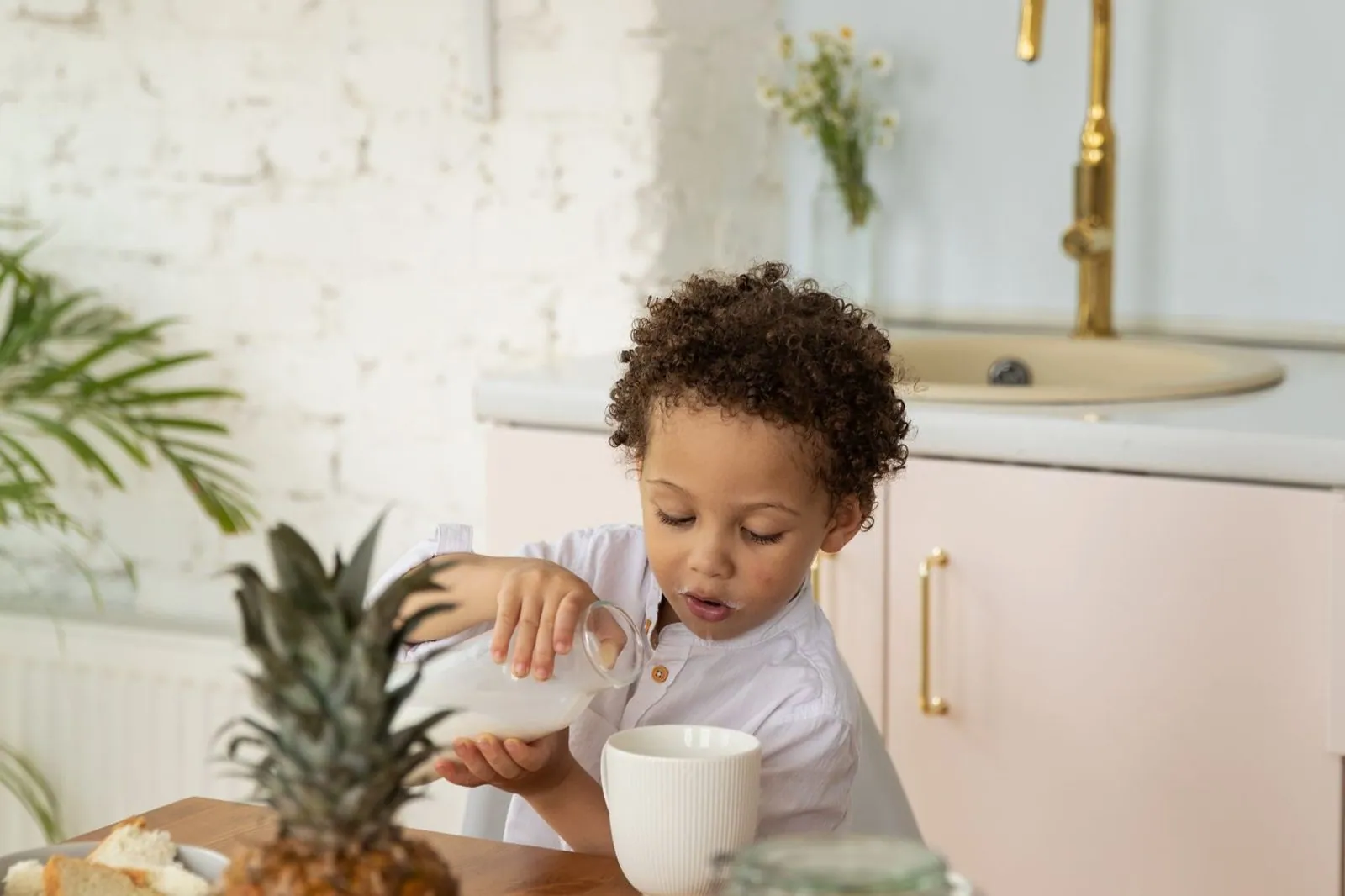
When do supplement drinks and protein shakes make sense for children?
Only when a doctor or registered dietitian has identified a specific gap, such as poor growth, a very restricted diet, or a diagnosed deficiency. For a healthy child eating dal, milk, eggs or paneer, vegetables and fruit, supplement drinks and protein shakes add cost and sugar without a clear benefit.
Cautions parents should know:
- Protein powders, whey and mass gainers are made for adult training. Extra protein does not build a child’s muscles faster, and most Indian children already get enough from home food.
- Pre-workout, creatine and “energy” mixes are not for children.
- Stacking products (a fortified powder plus a multivitamin plus fortified cereal) can push some vitamins above a safe level. Do not add supplements without medical advice.
- Medical supplement drinks for poor growth are a short-term, supervised tool used alongside food.
Never use a drink to replace meals. If a child has loose motions or vomiting, follow the doctor’s advice on oral rehydration, not juice or soft drinks.
Troubleshooting: my child refuses plain milk or water
This is common, and the fix is rarely a sugary powder.
- Refuses plain milk: blend it with half a banana or a few strawberries, or switch to curd, chaas, paneer or cheese to meet the dairy target.
- Wants “flavour”: cut the sweetener slowly. If the child takes 2 tsp of sugar now, go to 1.5, then 1, over a few weeks.
- Refuses water: add cucumber, mint or a lemon slice, and set small refill times at school and after play.
- Refuses everything but a branded powder: keep the scoop level and small, then shrink it by a quarter every week while you test home options.
Stay calm and keep offering; children often accept a new drink after many tries.
Active kids, school sport and dance classes
Children who play, dance or do yoga need water first. For activity under about an hour, water is enough and a sports drink adds needless sugar. After a long session, milk, chaas or coconut water with a banana is a better recovery option.
Fitstrot’s pages on Zumba for kids and yoga for kids cover keeping sessions playful and safe.
When to see your doctor or a registered dietitian
This article is general education, not medical advice. Speak to your paediatrician or a registered dietitian if you notice any of the following:
- Your child is growing slowly, losing weight or sits well below their usual growth curve.
- There are signs of anaemia such as unusual tiredness, paleness or frequent breathlessness.
- Your child has diabetes, kidney disease, allergies, lactose intolerance or any condition that affects what they can drink.
- Your child is on regular medicines, since some drinks and supplements can interact with them. Never change a medicine because of a drink.
A professional can check what is actually missing and recommend food first, with a supplement only if it is truly needed.
FAQs on kids nutrition drinks
Are malted health drinks good for kids?
They are not harmful in small, occasional amounts, but they are not a nutrition shortcut. Many are sweetened malt with added vitamins, so a glass of plain milk plus an egg or fruit usually does more for less sugar. If you use one, measure the scoop, count its sugar, and keep it to one small glass a day at most.
Is flavoured milk healthy for kids?
Flavoured milk still has the protein and calcium of milk, but packaged versions often add about 10 g or more of sugar per glass. It works as an occasional treat. For daily use, plain milk blended with half a banana gives a sweet taste without most of the added sugar.
Can kids drink fruit juice every day?
A small glass of about 100 to 150 ml of fresh, unsweetened juice now and then is fine, but it is lower in fibre than whole fruit and still carries 15 to 20 g of natural sugar per 200 ml. Whole fruit is the better daily choice, and packaged fruit drinks are best limited.
Are protein shakes safe for children?
Most children do not need protein shakes. Adult whey or mass gainer products are not designed for them and may contain extra sweeteners or stimulants. Use one only if a doctor or registered dietitian advises it for a clear reason, and prefer milk, curd, eggs, dal and paneer for protein.
What is the best drink for kids after school?
Plain water first, then a glass of chaas, coconut water or a small home-made milk shake with a banana, depending on appetite. These replace fluids and add some nutrients without the sugar load of fizzy or packaged drinks. If dinner is far off, pair the drink with a handful of roasted chana.
Want a drink and snack plan built around your child’s age, appetite and school day? Book an online nutritionist consultation with Fitstrot, and keep the label of your current health drink handy so we can review it together.


