
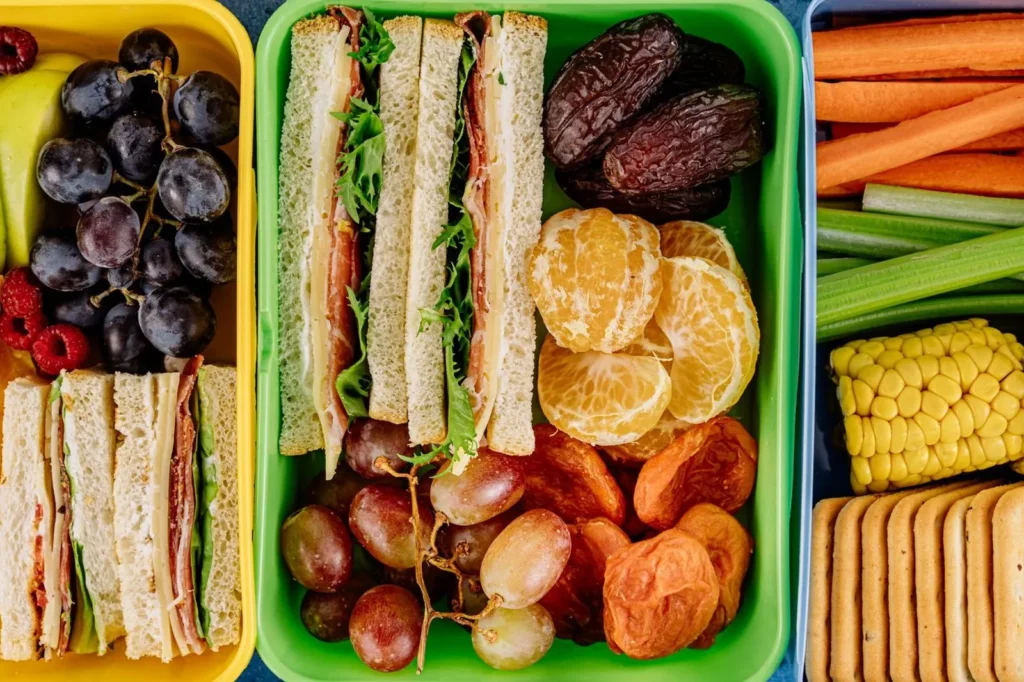
Good nutrition for kids is less about perfect days and more about a repeatable rhythm: three meals, two snacks, some protein and a vegetable at most sittings, and a calcium food such as milk or curd twice a day. This guide turns that rhythm into a real week of Indian kids meal ideas, a school tiffin formula and fixes for picky eaters. Every number below is an “about” figure for healthy children, so treat it as a guide, not a target.
What does a balanced plate look like for an Indian child?
A balanced plate for a child is about half vegetables and fruit, a quarter grains such as roti, rice or millet, and a quarter protein such as dal, paneer, egg or curd. Add milk, curd or paneer once or twice a day. For a 4 to 8 year old, a full portion is usually a small katori, not an adult serving.
A handy rule: a child’s portion of roti, rice or sabzi is roughly what fits in their own closed fist. Appetite swings from day to day, so judge the week, not a single plate. Our general guide to child nutrition covers the basics, and the table below gives about-figures by age.
| Age | Energy (about kcal/day) | Protein (about g/day) | Calcium (about mg/day) | Milk, curd or paneer servings |
|---|---|---|---|---|
| 1-3 years | 1,000-1,200 | 13-17 | 500-700 | About 2 |
| 4-6 years | 1,200-1,500 | 18-22 | 600-1,000 | 2-3 |
| 7-9 years | 1,500-1,800 | 25-32 | 650-1,000 | 2-3 |
| 10-12 years | 1,800-2,200 | 35-45 | 850-1,300 | About 3 |
Ranges differ between guidelines and between children, especially active ones and those in a growth spurt. For the full micronutrient picture, see nutritional requirements for children.
What can a 7-day kids meal plan look like?
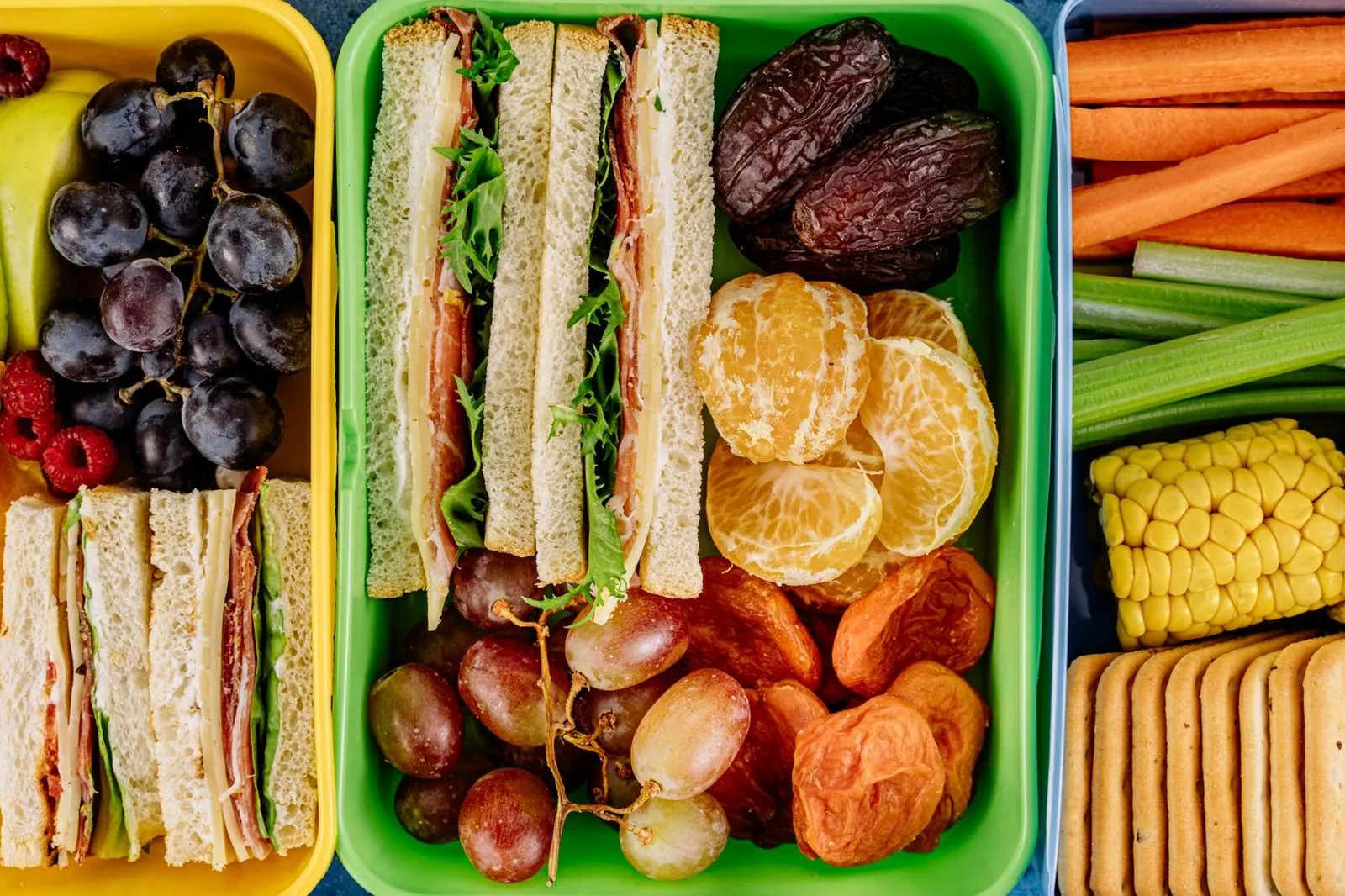
A workable week uses three meals and two snacks daily, rotating familiar Indian dishes. Each breakfast carries some protein, each dinner has dal or another protein with a sabzi, and milk, curd or paneer appears at least twice. The table gives one rotation for school-age children that you can swap item by item.
| Day | Breakfast | Tiffin or lunch | Evening snack | Dinner |
|---|---|---|---|---|
| Mon | Vegetable paratha, small bowl of curd | Paneer roti roll, cucumber sticks | Roasted chana, apple | Dal, rice, lauki sabzi |
| Tue | Poha with peanuts and peas, boiled egg | Vegetable upma, banana | Curd with fruit | Roti, palak paneer, salad |
| Wed | Idli with sambar | Dal-stuffed paratha, curd cup | Makhana roasted in a little ghee | Khichdi with ghee, mixed vegetables |
| Thu | Besan chilla, mint chutney | Vegetable poha, cheese cubes | Papaya or guava | Rajma, rice, cucumber salad |
| Fri | Ragi porridge cooked in milk | Paneer and vegetable sandwich, fruit | Fruit and curd smoothie | Roti, egg or chicken curry, carrot salad |
| Sat | Moong dal cheela, curd | Vegetable pulao, raita | Soft sprouts chaat | Roti, mixed dal, bhindi |
| Sun | Egg bhurji, multigrain roti | Home lunch: chole, rice, salad | Seasonal fruit chaat | Fish or paneer curry, roti, sabzi |
The pattern matters more than any recipe. Put protein in every meal, a vegetable in some form at lunch and dinner, and dairy in two sittings rather than one big glass at night. If you want healthy food for kids to fit your own family menu, change the dishes and keep the pattern.
How do you pack a school tiffin that actually comes back empty?
Use a three-part tiffin formula: one carbohydrate such as roti, paratha or poha, one protein such as paneer, egg, dal or sprouts, and one fresh item such as fruit, cucumber or curd in a separate box. Aim for about 8 to 12 g of protein. A familiar tiffin that gets eaten beats a perfect one that returns untouched.
| Tiffin idea | Protein (about) | Fresh side | Holds up till lunch? |
|---|---|---|---|
| Small roti rolled around about 30 g paneer strips | 6-7 g | Cucumber sticks | Yes, stays soft |
| Dal-stuffed paratha | 8-10 g | Curd in a small box | Yes |
| Vegetable upma with peanuts and peas | 6-8 g | Cut fruit | Yes, good in a warm box |
| Two small moong dal cheelas | 8 g | Mint chutney, tomato slices | Yes |
| Ragi or bajra pancake, thin spread of peanut butter, banana | 6-8 g | None needed | Yes (only if the school allows nuts) |
| Egg sandwich on whole wheat bread | 8 g | Tomato or cucumber | Only in an insulated box, eaten within a few hours |
Rotate three or four formats instead of reinventing lunch daily. Children find familiar formats reassuring, and you save time every morning. Let your child pick between two options the night before. If food keeps coming back whatever you pack, ask the teacher whether lunch is rushed or socially stressful. For more on ragi and other calcium foods, see calcium nutrition.
Do kids need a health drink, juice or supplement to grow well?
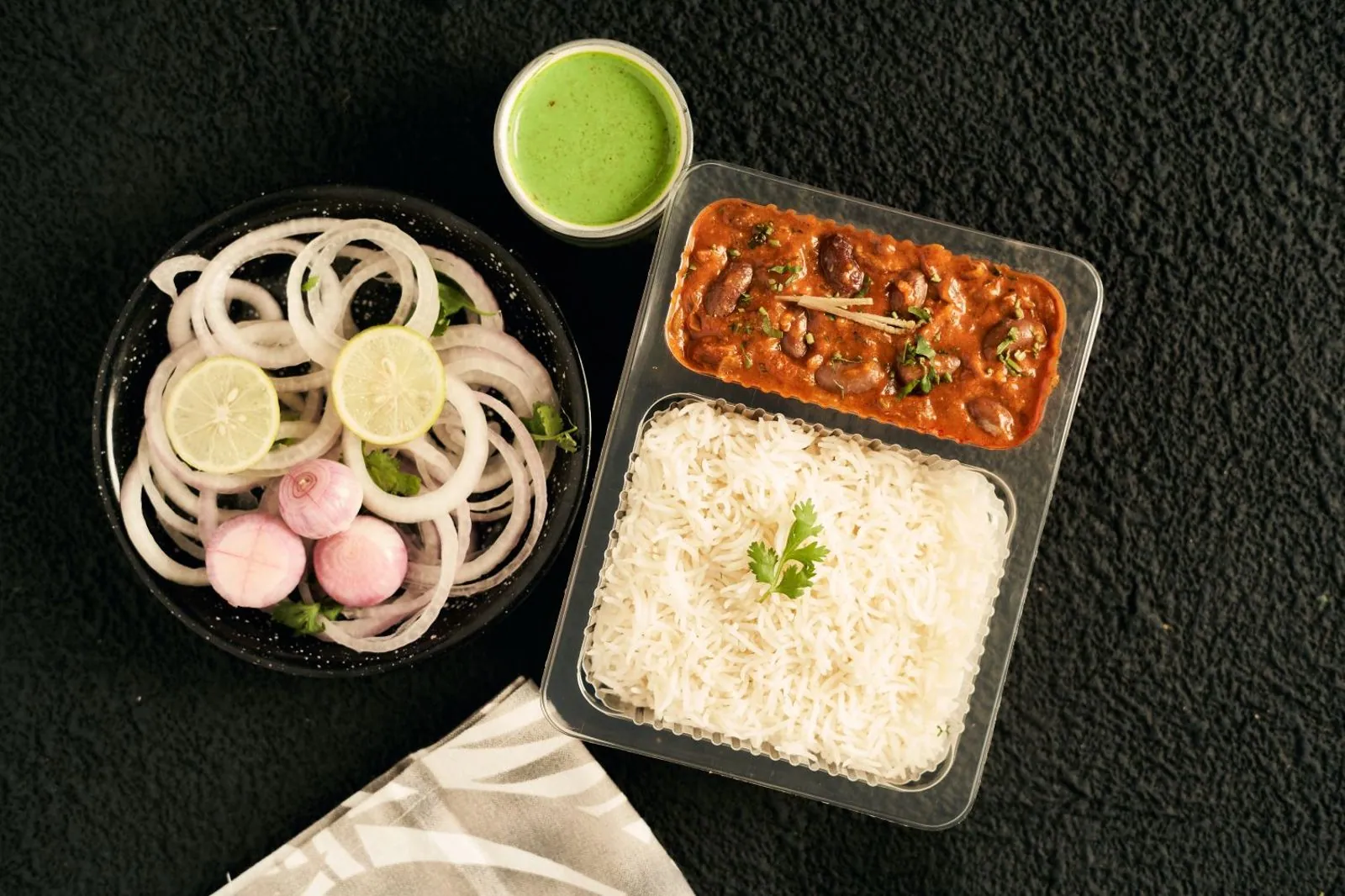
No. Most healthy children who eat a varied home diet do not need a powdered health drink, packaged juice or multivitamin to grow well. Milk, curd, dal, eggs, fruit and vegetables supply the nutrients. Supplements are for a diagnosed gap and should start only after a paediatrician or dietitian advises.
Drinks do have a place in some situations, such as a very small appetite or a medical need. Our guide to kids nutrition drinks explains when a fortified drink helps and when whole food does the job better. A few more myths worth correcting:
- “Fruit juice counts as a fruit.” Juice drops the fibre and packs sugar into a small glass. Offer whole fruit most days and keep juice occasional and small.
- “A glass of milk is a full breakfast.” Milk alone gives little fibre or iron and often not enough energy to last till lunch. Pair it with a roti, idli, cheela or poha.
- “Ghee and oil are bad for children.” Children need some fat. A modest amount of ghee or oil in home cooking is fine and helps absorb fat-soluble vitamins. The real problem is frequent packaged chips, biscuits and fried snacks.
- “Kids must finish the plate.” Forcing it teaches children to ignore fullness. You decide what and when; they decide how much.
- “Anything labelled ‘for kids’ or ‘multigrain’ is healthy.” Read the ingredient list. If sugar or maida comes first, it is a treat, not a staple.
Why won’t my child eat vegetables, and what actually helps?
Vegetable refusal is common between about ages 2 and 6, when many children turn wary of new foods. A child often needs roughly 8 to 15 calm exposures over weeks before accepting a new taste. Keep serving a small portion without pressure, change how you cook it, and pair it with a food your child already likes.
- Refuses boiled sabzi: try roasting or tawa-crisping it, or grate carrot, lauki or beetroot into parathas, cheelas, dosa batter and theplas.
- Won’t eat dal: make dal cheela, dal paratha or a thin dal soup in a cup.
- Rejects milk: swap in curd, plain lassi, paneer, or ragi porridge cooked in milk. Skip added sugar.
- Eats only one or two foods: use food chaining. Start from the accepted food and change one thing at a time, such as adding a little grated vegetable to a paratha they already love.
- Snacks all day, skips meals: space feeds about 2.5 to 3 hours apart, give water between them, and keep packaged snacks out of reach.
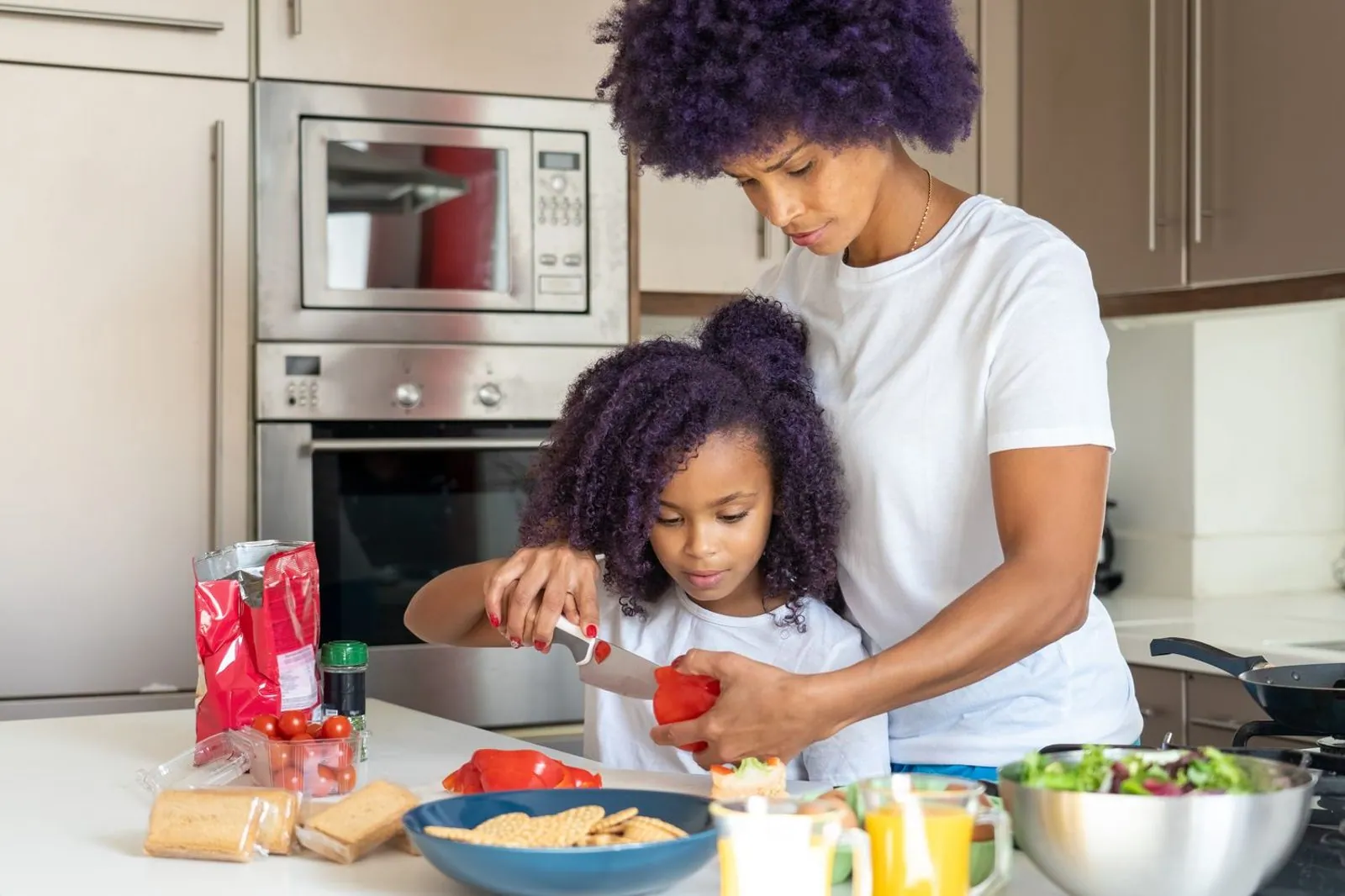
Involve your child in small ways: choosing a vegetable at the market, washing it, rolling a roti or stirring a cheela batter. Children eat what they helped make far more readily. Early habits tend to stay into the teens, which is why the importance of childhood nutrition is worth taking seriously, without turning meals into a fight.
Breakfast is the most common gap in Indian homes. Plain poha, toast or cereal gives mostly carbohydrate. Adding an egg, a spoon of peanuts, a bowl of curd or some paneer lifts the protein with almost no extra effort. More on this in protein and nutrition.
What changes for toddlers, school-age children and pre-teens?
Portions, texture and tiffin needs all change with age. Toddlers need five or six small, soft feeds, school-age children need steady three-meal routines with a packed tiffin, and pre-teens need about 1,800 to 2,200 kcal plus more calcium and iron as they grow.
Toddlers (2 to 4 years)
Offer small, frequent, mildly spiced meals. Cut food into safe pieces and avoid whole nuts, whole grapes, popcorn and hard raw vegetables, which are choking risks. Details are in toddler nutrition.
School age (5 to 8 years)
Appetite becomes unpredictable and tiffin becomes a daily task. Children this age can help choose foods, which improves acceptance. Regular play helps appetite too, and movement-based activities such as yoga for kids or Zumba for kids are a gentle way to build the habit.
Pre-teens (9 to 12 years)
Needs rise towards adult levels, especially for active children. Calcium needs go up, and iron matters more, particularly for girls once periods begin. School canteens and friends bring more packaged snacks, so a strong home routine matters more, not less. Never put a child on a weight-loss or restrictive diet without a doctor or dietitian.
Which nutrients are easiest to miss, and which foods help?
Calcium, iron, zinc and protein are the nutrients Indian children most often fall short on. Milk, curd, ragi, dal, eggs, pulses and leafy greens cover most of them, and a vitamin C food at the same meal improves how much iron the body absorbs.
- Calcium: milk, curd, paneer, ragi and sesame seeds (til) in ladoos or chutneys. See calcium nutrition.
- Iron: dal, rajma, chana, leafy greens, eggs and meat. Plant iron absorbs less well, so add lemon, amla or guava to the same meal.
- Zinc: pulses, whole grains, seeds, dairy and nuts. Read more in zinc nutrition.
- Protein: spread it across meals through dal, eggs, curd, paneer, sprouts and soy.
- Vitamin D: sensible daily sunlight helps, but ask your paediatrician before giving any supplement.
When should you see a doctor or registered dietitian?
See a paediatrician or registered dietitian if your child is losing weight, grows slowly, accepts only a handful of foods, or has a diagnosed condition. Everything above suits healthy children only. Please book a check-up if your child:
- is losing weight, or not gaining weight or height as expected;
- accepts fewer than about 10 to 15 foods, or drops a whole food group for weeks;
- looks pale, tires easily, gets frequent infections or has hair fall;
- gags, chokes or vomits often at meals, or has long-lasting constipation;
- has a diagnosed condition such as diabetes, coeliac disease, thyroid trouble or anaemia.
If hives, lip or face swelling or wheezing appear after a food, treat it as urgent and get medical help immediately. Do not start iron syrups, vitamin tablets or elimination diets on your own, and never change a child’s prescribed medication because of anything you read online.
Frequently asked questions
How many meals and snacks should a child eat in a day?
Most children do well on three main meals and two small snacks, spaced about 2.5 to 3 hours apart. Toddlers often need five or six small feeds because their stomachs are small. Keep water between meals and avoid constant grazing, which dulls appetite for the next proper meal.
How much milk does a child need every day?
Most children need about 2 to 3 servings of milk, curd or paneer a day, depending on age. One glass of milk (about 250 ml) gives roughly 250 to 300 mg of calcium. Curd and paneer count too, so milk is not the only option for a child who dislikes it.
What should go in a tiffin box for a 6-year-old?
Pack one carbohydrate, such as a small roti, paratha or poha, one protein, such as paneer, egg, dal or sprouts, and one fresh item, such as cut fruit or cucumber. Aim for about 8 to 12 g of protein. Choose handheld foods that need no cutlery and stay soft by lunchtime.
Is it normal for kids to refuse vegetables for weeks?
Yes, especially between ages 2 and 6. Many children need roughly 8 to 15 calm exposures before accepting a new vegetable. Keep serving a small portion without pressure, vary the cooking style and eat it yourself. See a paediatrician if your child accepts only a handful of foods or is losing weight.
How do I know if my child is getting enough iron?
You cannot judge it from appetite alone. Regular dal, rajma, chana, leafy greens and eggs, with a vitamin C food such as lemon or guava, usually help. Signs like pallor, tiredness or breathlessness need a doctor’s check and a blood test. Do not start iron syrup or tablets without medical advice.
Every child’s needs shift with age, activity and eating pattern, so a generic chart is a starting point. For a weekly meal and tiffin plan built around your child’s age, appetite and food preferences, book an online nutritionist consultation with Fitstrot.


