
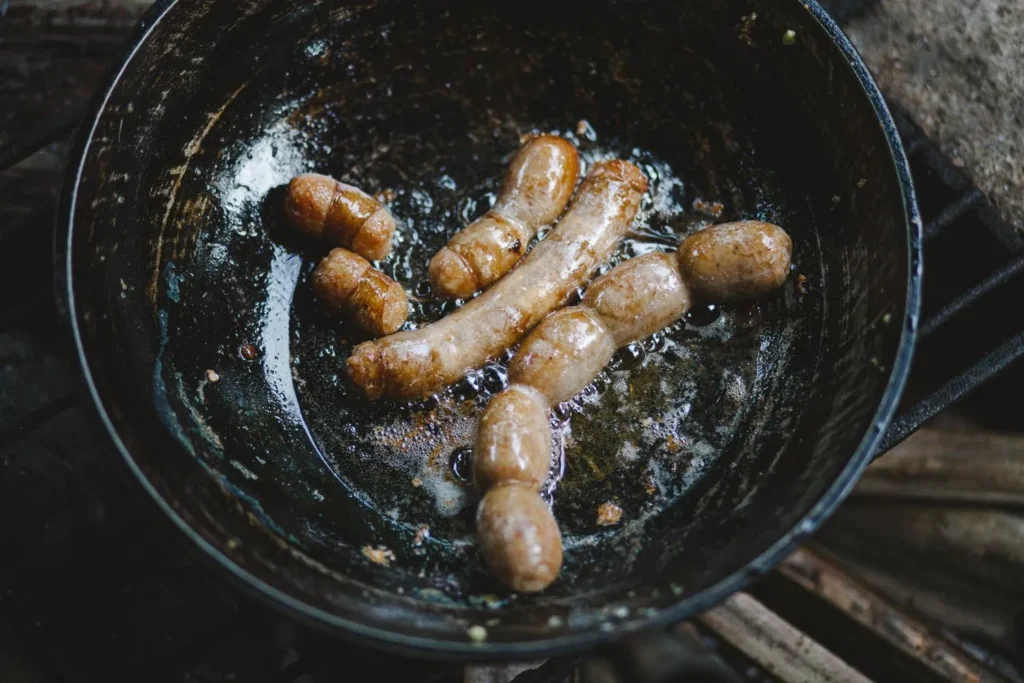
If a lab report has just flagged high cholesterol, the list of foods to avoid with high cholesterol is shorter and more specific than most forwarded messages suggest. The two biggest dietary drivers of LDL (“bad”) cholesterol are trans fat, which hides in vanaspati, bakery items and repeatedly reused frying oil, and a heavy load of saturated fat from ghee, butter, cream, fatty mutton and processed meat. This guide shows what to cut, what to reduce, and where old advice needs correcting.
Please read first: this is general nutrition information, not medical advice. Food changes support your treatment; they never replace medicine your doctor has prescribed. Do not stop, skip or change any tablet because of something you read here. The section on when to see your doctor is further down, and it applies to everyone.
Which foods should you avoid with high cholesterol?
Cut or sharply limit foods made with trans fat (vanaspati, partially hydrogenated oil, reused frying oil), deep-fried snacks, fatty and processed meats, and large amounts of ghee, butter, cream and cheese. Eggs, prawns and sugar are less clear-cut and depend on you. The table below groups the main offenders with Indian examples and a practical first step.
| Food group | Why it matters for LDL cholesterol | Common Indian examples | First step |
|---|---|---|---|
| Trans-fat sources | Raise LDL and lower HDL (“good”) cholesterol at the same time | Vanaspati, bakery margarine, puffs, biscuits, old frying oil | Avoid as far as you can |
| Deep-fried snacks | Absorb a lot of oil, often reused many times | Samosa, kachori, pakora, bhature, namkeen, fafda | Keep for rare occasions |
| Fatty red meat and organ meat | Rich in saturated fat | Mutton curry with visible fat, nihari, liver, brain | Choose fish or skinless chicken more often |
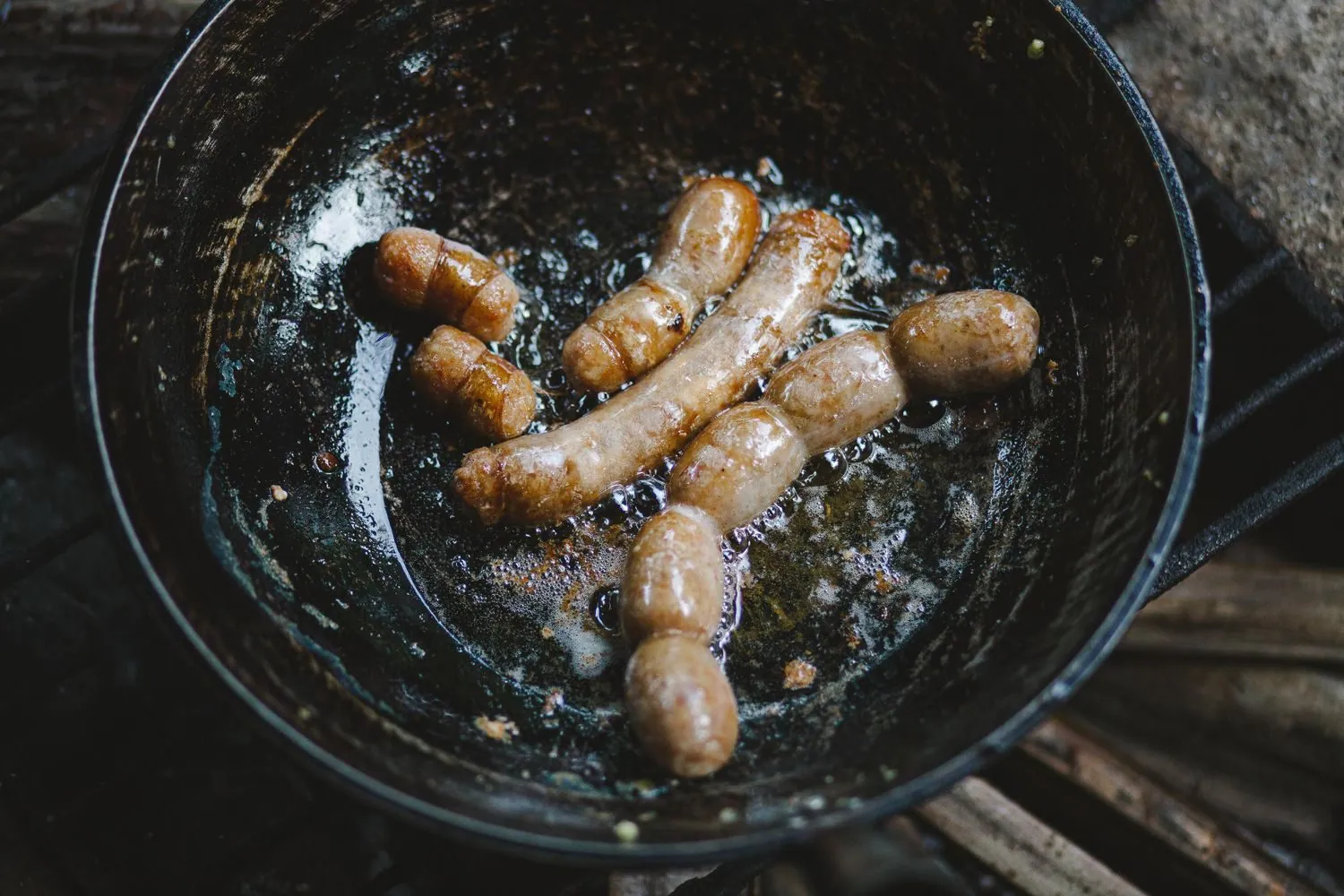
| Processed meat | Saturated fat plus a lot of salt | Sausages, salami, bacon, packaged nuggets | Drop from the weekly routine |
| Full-fat dairy in volume | Concentrated saturated fat | Malai, cream, butter, cheese slices, khoa mithai | Use small amounts, not daily |
| Ghee, coconut oil and palm oil in large amounts | Mostly saturated fat | Ghee-soaked parathas, coconut-heavy gravies, palmolein in packaged snacks | Measure oil by the teaspoon |
For a full week of meals built around these swaps, see our diet plan to lower cholesterol. Triglycerides are a related but separate number, covered in foods to avoid with high triglycerides.
Why is trans fat the first thing to cut?
Trans fat raises LDL cholesterol and lowers HDL cholesterol together, a double effect that few other foods have. Your body has no need for it, so the aim is to avoid it rather than just reduce it. In India the usual sources are vanaspati, bakery shortening, packaged snacks and oil reused for deep frying.
Foods that raise cholesterol this way are easy to miss because a label can show “0 g trans fat” per serving even when small amounts remain. Always read the ingredient list, not just the nutrition panel. If you see partially hydrogenated oil or hydrogenated vegetable fat, treat the product as a trans-fat source.
| What the label or menu says | What it usually means | What to do |
|---|---|---|
| Partially hydrogenated oil or hydrogenated vegetable fat | A source of trans fat | Leave it on the shelf |
| Vanaspati, bakery shortening, margarine | May carry trans fat and is high in fat overall | Check the ingredient list; use sparingly |
| Palm oil, palmolein, palm kernel oil | A large share is saturated fat | Limit in packaged namkeen, biscuits and instant noodles |
| “0 g trans fat” on the front | Small amounts per serving may still be present | Read the ingredients before trusting the claim |
| Cream, butter, cheese powder, milk solids | Added saturated fat | Choose plain roasted or baked options |
| Street food fried “fresh” all day in one kadhai | Oil may be reused many times | Skip, or share one piece rather than a plate |
Is ghee bad for cholesterol, and how much saturated fat is too much?
Ghee is almost pure fat and most of that fat is saturated. One teaspoon is about 5 g and roughly 45 kcal. For many people with high LDL, doctors advise keeping ghee small and occasional rather than the everyday cooking base. How much suits you depends on your reports, so confirm with your doctor or dietitian.
Ghee is not the only source. Add up everything in a day and the saturated fat stacks quickly:
- Ghee, butter and cream: a ghee-topped roti, buttered pav and a creamy gravy can all land in a single meal.
- Coconut and palm oil: coconut-based curries, fried coastal snacks and packaged savouries use these often.
- Fatty mutton and poultry skin: marbled cuts and skin add far more saturated fat than lean meat.
- Cheese, paneer and khoa sweets: dense in fat when eaten daily or in big portions.
The sustainable fix is rarely “never again”. Use less oil overall, measure it with a teaspoon, and pick mostly unsaturated cooking fats such as mustard, groundnut, rice bran or olive oil. Those still carry calories, so portions matter. Our cholesterol-lowering foods list covers what to put on the plate instead.
Can you eat eggs, prawns and mutton with high cholesterol?
Egg yolks and prawns contain dietary cholesterol, but for many people trans fat and saturated fat move blood cholesterol more than eggs do. Responses vary from person to person. Ask your doctor how many yolks per week suit you, and pay closer attention to how the egg or prawn is cooked.
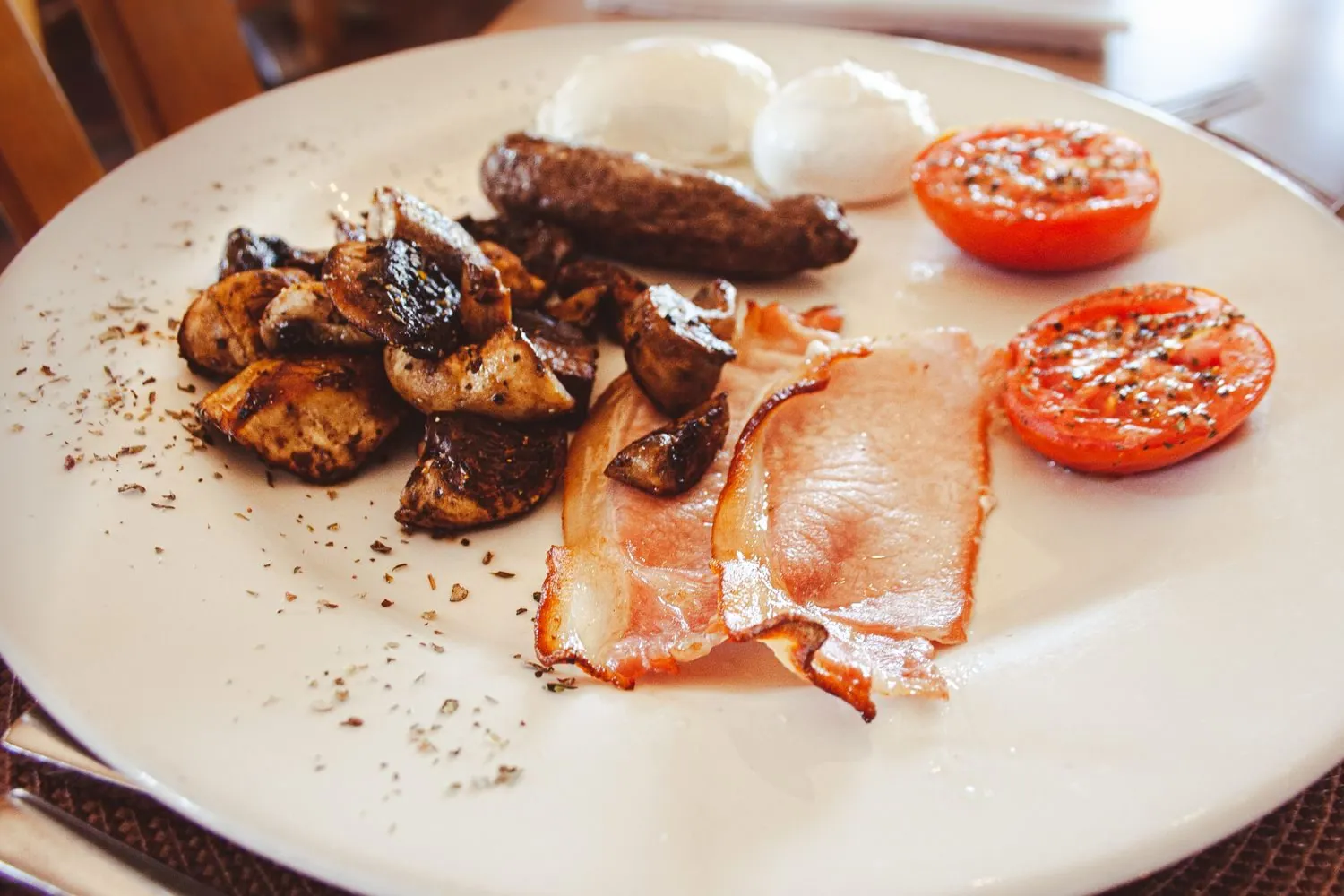
This is the correction to the old rule that “eggs are the enemy”. If you are asking “can I eat eggs with high cholesterol?”, the honest answer is that it depends on your numbers, your family history and any heart or diabetes diagnosis. A few practical points:
- Eggs: a boiled egg or a vegetable omelette made with one teaspoon of oil is a very different meal from an egg fried in butter beside sausages. Egg whites carry no cholesterol.
- Prawns and shellfish: steamed, grilled or in a light curry is better than butter-garlic or deep-fried.
- Mutton: choose lean pieces, trim visible fat, keep portions small and skip organ meat if your doctor has told you to watch LDL.
- Swapping the wrong way: replacing an egg with sausage or bacon trades a modest cholesterol source for a heavier saturated-fat one.
Myth check: are sugar, maida and alcohol part of the problem?
Partly, though by a different route. Sugary drinks, sweets and refined flour mostly affect triglycerides and weight, and they replace fibre-rich foods that help cholesterol. Alcohol affects triglycerides too, so ask your doctor before treating it as harmless.
Two guides go deeper: does sugar raise cholesterol explains the link, and foods with hidden sugar to avoid shows where it hides in sauces, cereals and “healthy” drinks. If blood pressure is also on your report, see foods to avoid with high blood pressure.
Is a vegetarian Indian diet automatically safe for cholesterol?
No. A vegetarian plate can still carry plenty of saturated fat and trans fat through ghee, paneer, cream, cheese, vanaspati, fried snacks and coconut gravies. Vegetarians do avoid meat, but high cholesterol follows the fat on the plate, so portions and cooking methods matter just as much.
The strongest vegetarian habits are the plain ones: dal, rajma, chana and sprouts for protein, whole-grain rotis, and fruit in place of mithai. If you worry about protein, our high-protein vegetarian foods list shows options that do not rely on fried or creamy dishes.
What can you eat instead? A swap table for everyday Indian meals
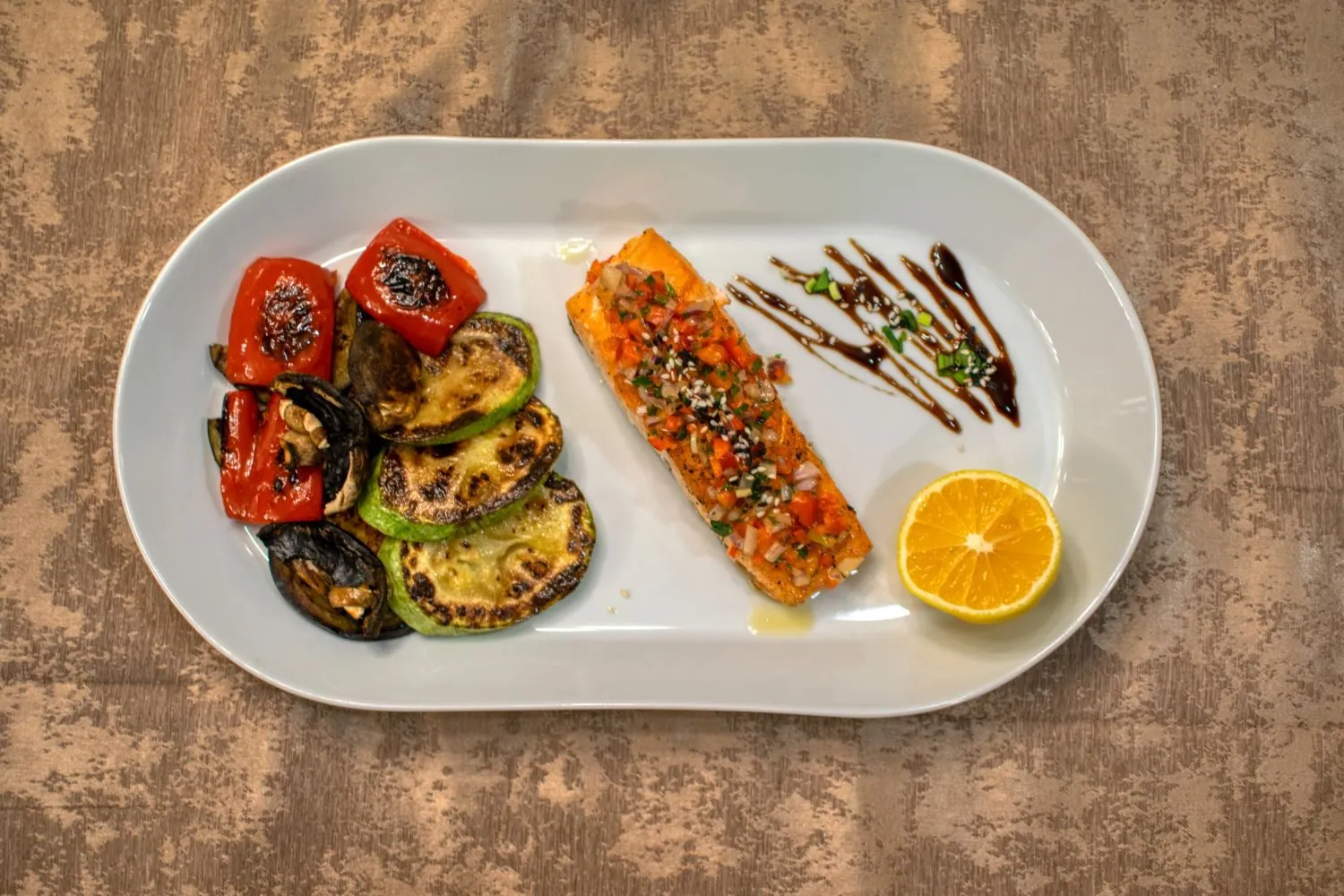
Swapping works better than banning. Replace each high-fat habit with a familiar alternative: roasted chana for namkeen, phulka without ghee for parathas, grilled fish or dal for rich mutton curry, and fruit with plain curd for ice cream. Aim for a few swaps a day rather than a full overhaul on day one.
| Usual choice | Better swap | Why it helps |
|---|---|---|
| Samosa, kachori or namkeen with evening chai | Roasted chana, murmura or a small handful (about 20 to 30 g) of unsalted nuts | Less fried fat, more fibre |
| Ghee-laden paratha, puri or bhature | Phulka or whole-wheat roti with no ghee on top | Cuts saturated fat from the staple |
| Butter paneer, malai kofta, creamy gravies | Dal, chole or rajma cooked with a teaspoon or two of oil | Swaps cream and butter for legumes and fibre |
| Mutton curry or sausages | Fish curry, grilled fish or skinless chicken | Lower in saturated fat |
| White bread, biscuits, cake | Oats, daliya, whole-grain bread or seasonal fruit | More fibre and fewer hidden hard fats |
| Ice cream, kulfi, khoa mithai | Fruit with plain curd, or a small portion shared | Less cream and sugar |
Oats, barley (jau), dals, rajma, chana, apples and guava add soluble fibre, which supports healthy cholesterol as part of a balanced diet. They help; they do not replace treatment.
How do you make this work when family cooks differently or you eat out?
Start with one meal a day, ask for less oil, and change the household cooking base rather than your plate alone. If one person cooks for everyone, share the plan with them so the whole family eats the same lighter food.
Common roadblocks and fixes:
- Family cooks with plenty of ghee: ask for the dish to be made with the oil measured out, then add any ghee at the table in small amounts.
- Office canteen or tiffin: take dal, sabzi and roti, and add a side of salad. Avoid fried sides.
- Restaurants and delivery: choose tandoori or grilled items without skin, dal, plain roti and raita. Skip cream-based gravies, and share rich dishes.
- Festivals and weddings: take small portions of rich dishes and fill the plate with salad and sabzi first.
Movement matters alongside food. A daily walk is a sensible start, and gentle practice such as the poses in our yoga for cholesterol guide can fit into a routine. If you prefer live guidance, online yoga classes and an online weight loss trainer can build it around your schedule, with your doctor’s go-ahead if you have a heart condition.
When should you see a doctor or dietitian about high cholesterol?
See your doctor or a registered dietitian if your report shows high cholesterol and you have not yet had a plan, if you take cholesterol medicine, if you have heart disease, diabetes, kidney or liver disease, a thyroid problem, or a strong family history of early heart problems, or if you are pregnant or planning a child. Seek urgent medical care for chest pain, breathlessness or sudden weakness.
Food is one part of care. Some people need medicine even with a perfect diet; that is a medical decision, not a failure. Never stop, reduce or change a prescription on your own, and tell your doctor about big diet changes, including any fasting plan or supplement. Your doctor will also decide when to repeat your tests, because the right gap depends on your history.
A dietitian can look at your actual reports, medicines and food habits and build a realistic plan. Our article on how a nutritionist can help lower cholesterol walks through what that process looks like.
Frequently asked questions
Is it safe to eat eggs every day with high cholesterol?
It depends on your reports, family history and any heart or diabetes condition, so ask your doctor for a personal limit. Many plans allow egg whites more freely and ask you to watch yolks. How the egg is cooked, boiled or lightly cooked rather than fried in butter, matters too.
Is margarine or vanaspati better than butter for cholesterol?
Not automatically. Butter is high in saturated fat, while vanaspati and some hard margarines may contain trans fat, which is usually the bigger concern. The better approach is to use much less of any of them and to read the ingredient list for hydrogenated fat.
Can I eat mutton or chicken with high cholesterol?
Usually in moderation. Choose lean cuts, remove skin and visible fat, keep portions small and cook with little oil. Fish and plant proteins such as dal and rajma are good everyday alternatives. Processed meats and fatty organ meats are the ones to cut back first.
Does fried food always contain trans fat?
No, but it can. Fresh oil used once is different from oil reheated and reused through the day. Frying also adds saturated fat and calories whichever oil is used, so keep deep-fried food occasional and prefer baked, roasted or steamed versions.
How quickly can cholesterol improve after changing my diet?
It varies with your starting point, genetics, medicines and overall lifestyle, so no timeline is guaranteed. Your doctor decides when to repeat the test, often after a few weeks to a few months of steady changes, and judges your progress from the results.
The simplest start is to remove trans fat, trim the ghee and fried snacks, and add dal, vegetables and fruit, while following your doctor’s advice. If you would like a plan built around your own reports and routine, book an online nutritionist consultation with Fitstrot.


