
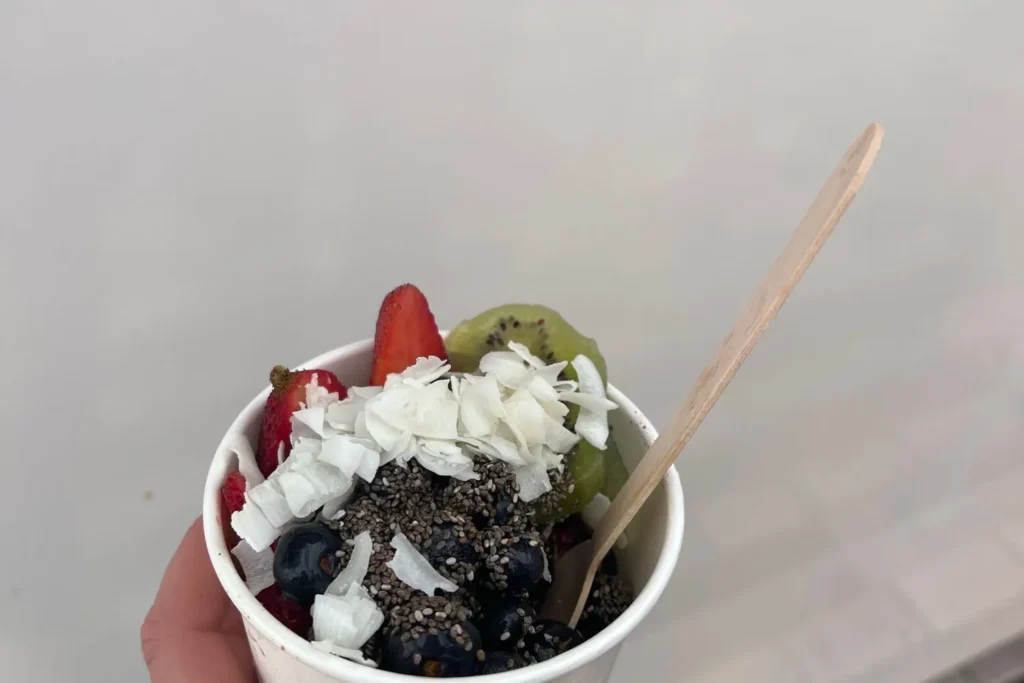
Most people who think they eat little sugar are quietly eating a lot of it. The reason is simple: foods with hidden sugar rarely taste like dessert. Flavoured yogurt, granola, ketchup, pasta sauce, bottled dressing, instant oats and “healthy” protein bars often carry 5 to 25 grams of sugar per serving, which is 1 to 6 teaspoons, and none of it comes from the sugar bowl. This guide shows where it hides, what sugar is called on a label, and how to check a pack in about a minute.
Which foods with hidden sugar add the most to your day?
The biggest sources are packaged fruit juice, flavoured yogurt, sweetened breakfast cereal, granola, instant oat sachets, protein bars, ketchup and bottled sauces. A single serving of each can hold roughly 3 to 25 grams of sugar. Four grams equals about one teaspoon, so a juice, a yogurt cup and a bar can quietly pass 10 teaspoons before lunch.
These are typical ranges for common Indian items. Brands differ a lot, so compare with the pack in your hand.
| Food (typical serving) | Approx. sugar per serving | Roughly in teaspoons | Why it is easy to miss |
|---|---|---|---|
| Packaged fruit juice (200 ml) | 18-26 g | 4.5-6.5 tsp | Fibre is removed, sugar is concentrated |
| Sweet flavoured lassi or drinking yogurt (200 ml) | 15-25 g | 4-6 tsp | Sounds like a dairy health drink |
| Flavoured yogurt cup (100 g) | 10-15 g | 2.5-4 tsp | Part is natural lactose, part is added |
| Granola or fruit muesli (40 g) | 6-12 g | 1.5-3 tsp | Honey, syrup and dried fruit all add up |
| Flavoured instant oats sachet | 5-10 g | 1.5-2.5 tsp | Plain oats have almost none |
| Coated or honey cereal (30 g) | 8-12 g | 2-3 tsp | “Whole grain” claim on the front |
| Protein or energy bar (1 bar) | 5-20 g | 1-5 tsp | Dates, syrups and chocolate coating |
| Cream or digestive biscuits (2-3 pieces) | 4-8 g | 1-2 tsp | Eaten with chai without a second thought |
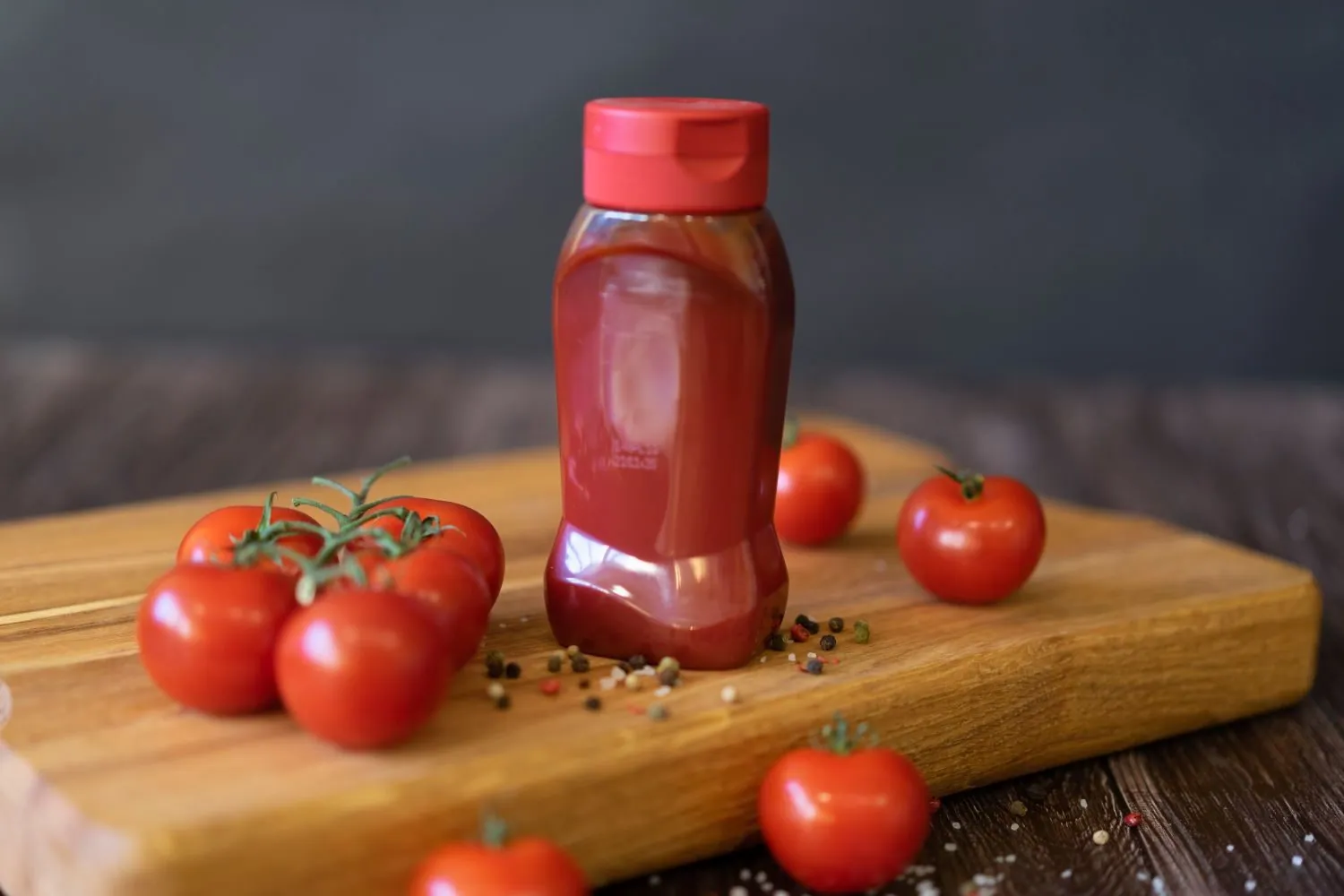
| Pasta or pizza sauce (½ cup) | 6-12 g | 1.5-3 tsp | Part is natural tomato sugar, part added |
| Tomato ketchup (1 tbsp) | 3-4 g | about 1 tsp | Nobody counts spoonfuls |
| Bottled salad dressing (2 tbsp) | 2-8 g | 0.5-2 tsp | Low-fat versions often use more sugar |
Add a juice (20 g), a flavoured yogurt (12 g), two spoons of ketchup (7 g), a granola bowl (8 g) and a protein bar (10 g) and you reach roughly 55-60 g in a day without eating a single mithai. Some of that is natural lactose and fruit sugar, but the free sugar alone can still cross the commonly cited limit. If you want the bigger picture of why that matters, see how sugar affects the body.
What is sugar called on an ingredient list?
Sugar appears on labels as sucrose, glucose, dextrose, maltose, corn syrup, rice syrup, fruit juice concentrate, honey, jaggery, molasses, date syrup and maltodextrin, among many others. Any ingredient ending in “-ose” or containing “syrup” is usually a sugar. Brands often use two or three types so that no single one tops the list.
Ingredients are listed by weight, from most to least. Splitting the sweetness across several names pushes each one lower down the list. Use this table as a decoder.
| Group | Names to watch for | What to remember |
|---|---|---|
| “-ose” words | Sucrose, glucose, fructose, dextrose, maltose | Simple sugars; lactose in plain milk or curd is natural, not added |
| Syrups | Corn syrup, glucose syrup, rice syrup, malt syrup, invert syrup, golden syrup | Cheap, shelf-stable sweeteners used in bars, cereals and sauces |
| Juice-based | Fruit juice concentrate, evaporated cane juice, grape juice concentrate | Sounds fruity, still behaves like added sugar |
| “Natural” sweeteners | Honey, jaggery (gur), molasses, date syrup, coconut sugar, agave | Some trace minerals, but the sugar load is still high |
| Starch derivatives | Maltodextrin, barley malt, malt extract | Raise blood sugar quickly, common in instant mixes and drinks |
A useful rule: if two or three of these names show up in the first five or six ingredients, the product is sweeter than the front of the pack suggests.
Does “no added sugar” mean a food is low in sugar?
No. “No added sugar” usually means no table sugar was added during processing, but the product can still be sweetened with fruit juice concentrate, dates or honey, and it can still contain 10 to 20 grams of sugar per serving. It tells you about the recipe, not about the total sugar in your portion.
- Myth: “Natural” sweeteners are free passes. Jaggery, honey and date syrup carry a little more than plain sugar in minerals, but your body still treats them as sugar once they are extracted and added to food.
- Myth: Fat-free or low-fat means healthier. Sugar and starch often replace the taste lost with the fat.
Whole fruit arrives with fibre and water, so you absorb its sugar more slowly. Juice and concentrates lose that structure, which shows up in glycemic index and glycemic load.
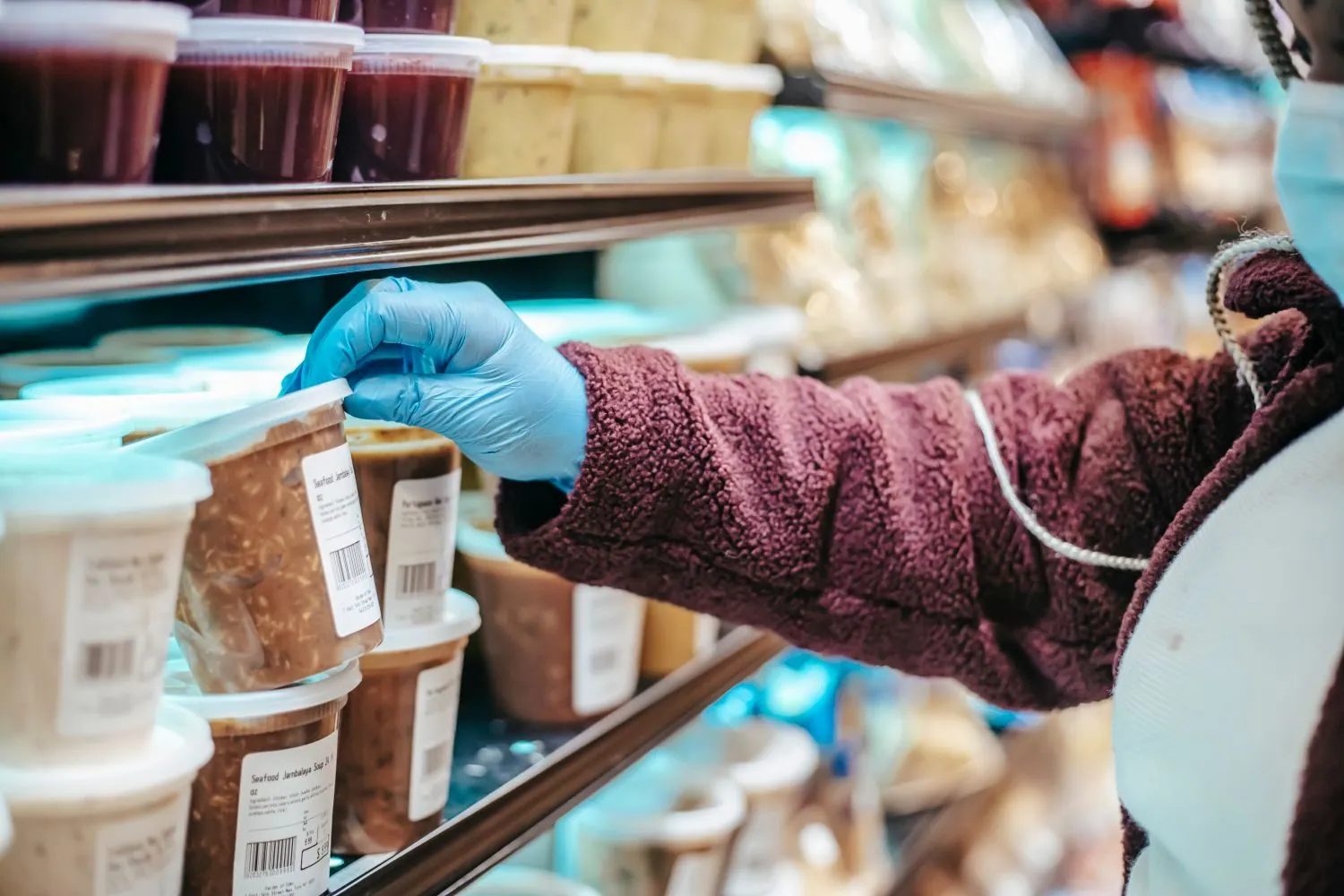
How to read a food label for hidden sugar in 60 seconds
Use this routine with any packed food you buy often.
- Turn the pack over. Ignore the front. Health claims, fruit pictures and the words “natural” or “multigrain” are marketing, not measurement.
- Find the serving size. Some packs show values per 100 g only. If you eat 30 g of cereal, divide the figure accordingly. A 100 g column can make a granola look three times sweeter, or a sauce look milder, than your real portion.
- Read the sugar line. Many Indian labels show total sugars, which mixes natural and added sugar. Some also list added sugars separately. Check which one you are looking at before you compare brands.
- Convert grams to teaspoons. Divide by 4. A snack with 16 g sugar is about 4 teaspoons, which is easier to picture and to compare.
- Scan the first five ingredients. Count how many sugar names appear. One is normal in some foods. Three or more means the recipe leans sweet.
- Compare two brands side by side. The same type of sauce or cereal can differ by a full teaspoon or more per serving. Pick the lower one and move on.
Where does hidden sugar show up in a normal Indian day?
Hidden sugar shows up at almost every meal: sweetened cereal or instant oats at breakfast, flavoured yogurt or packaged lassi at mid-morning, sauces and dressings at lunch, biscuits with evening chai, and bars or juices as “healthy” snacks. Each looks small, but together they can reach 50 to 60 grams.
Plain rolled oats, poha, upma, idli and besan chilla have little or no added sugar, so sweeten bowls yourself with banana or a few raisins. In the evening, three digestive or cream biscuits add 6 to 8 grams before any sugar in the chai; roasted chana, makhana or a boiled egg keep it near zero. Home-cooked dal, sabzi and roti rarely contain sugar, so at lunch and dinner your hidden sugar comes from sauces, sweet chutneys and bottled masala pastes.
If you are already noticing the effects of too much sugar, such as energy crashes or constant snack urges, compare them with the signs you are eating too much sugar.
Troubleshooting: you read labels but sugar still creeps back
If your intake still feels high after you start reading labels, the usual causes are portion size, liquid sugar and repeat purchases. Fix the daily items first, switch from sugary drinks to water or plain buttermilk, and re-check labels every few months, because brands change recipes without announcing it.
- Problem: the label looks fine but the serving is tiny. Weigh your usual bowl once on a kitchen scale and use that number.
- Problem: you swapped sugar for honey or jaggery in a product. The total sweetness barely changes. Reduce the quantity rather than switching the source.
- Problem: you cut sugar and now crave it more. This is common in the first one to two weeks. Keep protein and fibre high at each meal, sleep well and cut down gradually. Our guide on how to beat sugar cravings walks through the adjustment.
- Problem: you want sweetness without the sugar. See healthy sugar substitutes and natural sweeteners for how to use them sensibly.
Who needs to watch hidden sugar most closely?
Anyone managing diabetes, prediabetes, PCOS, high triglycerides or weight loss benefits most from tracking hidden sugar, because packaged foods can add 20 to 40 grams a day without feeling sweet. If you have a medical condition, follow your doctor’s or dietitian’s targets, which can be stricter than general guidance.
For people losing weight
Liquid sugar is the easiest to cut: 200 ml of juice is roughly 80-100 kcal and does little for fullness. Cutting two such drinks a day removes around 160-200 kcal without changing meals. If you want structured support, the online weight loss trainer programme builds this into a weekly routine.
For people with diabetes or PCOS
Hidden sugar makes meal planning harder because the carbohydrate count on the label can look modest while the sugar content is high. Do not change medication or insulin because of a diet change. See your doctor or a registered dietitian if your blood sugar readings shift, or if you are unsure how to count the carbohydrates in packaged foods.
For active people and gym-goers
A banana or dates before a long session is fine. The trouble is the daily extras: sweetened protein bars and flavoured drinks taken at rest.
Which simple swaps cut hidden sugar the fastest?
The fastest swaps replace one daily packaged item with a plain version: plain curd with fruit instead of a flavoured cup, rolled oats instead of sweet sachets, and whole fruit instead of juice. These three alone can cut 30 to 40 grams of sugar a day. Start with whichever you eat most often.
| Swap this | For this | Approx. sugar avoided |
|---|---|---|
| Flavoured yogurt cup (100 g) | Plain curd (100 g) with chopped fruit | 6-10 g |
| Packaged juice (200 ml) | One whole orange or apple | 10-15 g |
| Flavoured instant oats sachet | Plain rolled oats with cinnamon and nuts | 5-10 g |
| Granola bowl (40 g) | Plain muesli or poha with nuts | 5-10 g |
| Protein bar | Roasted chana, makhana or a boiled egg | 5-15 g |
| Bottled fat-free dressing (2 tbsp) | Olive oil, lemon, salt and pepper | 2-6 g |
| Ready-made pasta sauce (½ cup) | Tomato puree with garlic and herbs | 3-8 g |
| 3 cream biscuits with chai | 1-2 plain khakhra or a handful of nuts | 5-8 g |
You do not need to give up every packaged food. Swap the two or three daily items that cost you the most grams and leave the rest for a month.
Frequently Asked Questions
Which packaged foods have the most hidden sugar?
Fruit juices, flavoured lassi and drinking yogurt, flavoured yogurt cups, granola, sweet instant oats, coated cereals and protein bars usually have the most, often 10 to 25 grams per serving. Ketchup, sauces and dressings add less per serving but are used at almost every meal.
Does “no added sugar” mean a food is low in sugar?
Not necessarily. The claim can apply to foods sweetened with fruit juice concentrate, dates or honey, which still add sugar to your day. Check the sugar line per serving and read the first five ingredients before trusting the front of the pack.
How much added sugar per day is too much?
Common global guidance suggests keeping free sugars below about 10% of daily calories, with extra benefit below 5%. On a 2,000 kcal diet that is roughly 50 g as an upper limit and about 25 g as a better target, which is 6 teaspoons. Your doctor may advise less if you have a condition.
Are jaggery and honey better than sugar in packaged foods?
Only slightly, if at all. They contain traces of minerals, but once added to biscuits, bars or cereals they act as sugar in your body. A product sweetened with jaggery or honey can still carry 8 to 12 grams per serving, so compare the grams rather than the sweetener’s image.
How can I tell added sugar from natural sugar on an Indian label?
Look for a separate “added sugars” line if the pack has one. If it lists only total sugars, scan the ingredients: sugar, syrups, honey, jaggery or concentrates mean added sugar, while plain milk, curd or fruit sugars are natural. A plain ingredient list with no sweeteners means the sugar is natural.
Once you know the names sugar hides behind and where to look on the pack, cutting it becomes a label habit, not a diet overhaul. If you want a plan built around your own meals, budget and goals, book an online nutritionist consultation and bring three packs from your kitchen to review together.


