
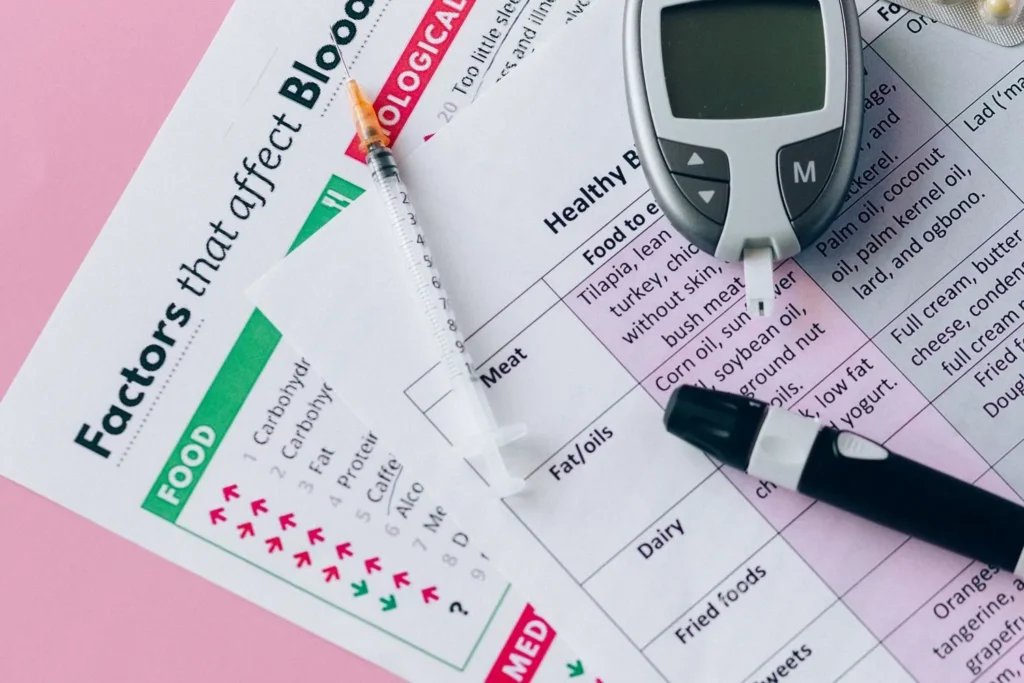
If you have ever seen a food labelled “high GI” and wondered whether to give it up, you are really asking what is glycemic index and glycemic load. Glycemic index (GI) ranks a carbohydrate food from 0 to 100 by how quickly it raises blood glucose. Glycemic load (GL) adds portion size to that, so it reflects the effect of the amount you actually eat. This guide explains both with Indian examples, their limits, and when to involve a doctor.
If you have also looked at a glycemic index chart of common Indian foods and felt confused about why watermelon or boiled potato look “bad”, the next few sections untangle that.
What Is Glycemic Index and Glycemic Load?
Glycemic index is a 0-100 score for how fast a carbohydrate food raises blood glucose compared with pure glucose, which scores 100. Glycemic load multiplies that speed by the grams of available carbohydrate in a real serving, so it shows how large the glucose rise is likely to be in practice.
The standard bands are easy to remember. Foods at 55 or below are low GI, 56 to 69 are medium, and 70 or above are high. For glycemic load per serving, 10 or below is low, 11 to 19 is medium, and 20 or above is high.
GI is worked out in a lab. Volunteers eat a portion containing 50 g of digestible carbohydrate, and their blood glucose is tracked for about two hours and compared with the response to 50 g of glucose. That is why GI says a lot about carbohydrate quality (how fast it digests) and nothing about quantity (how much you eat). GL closes that gap.
How Do You Calculate Glycemic Load? A Worked Example
Glycemic load equals GI multiplied by the grams of available carbohydrate in your serving, divided by 100. Available carbohydrate means total carbohydrate minus fibre. A food with GI 75 and 11 g of available carbs per serving has a GL of about 8, which is low.
Here is the walkthrough using watermelon, a classic case:
- Find the GI. Watermelon is usually listed at roughly 70 to 80, so we use about 75.
- Estimate the serving. A generous 150 g slice has about 11 g of available carbohydrate, because watermelon is mostly water.
- Multiply and divide. 75 x 11 = 825, and 825 / 100 = about 8.
- Read the band. A GL of about 8 is low, even though the GI looks high.
That is the whole trick. A high-GI food eaten in a small, low-carbohydrate portion can have a small real-world effect, while a medium-GI food eaten in a big portion can have a large one.
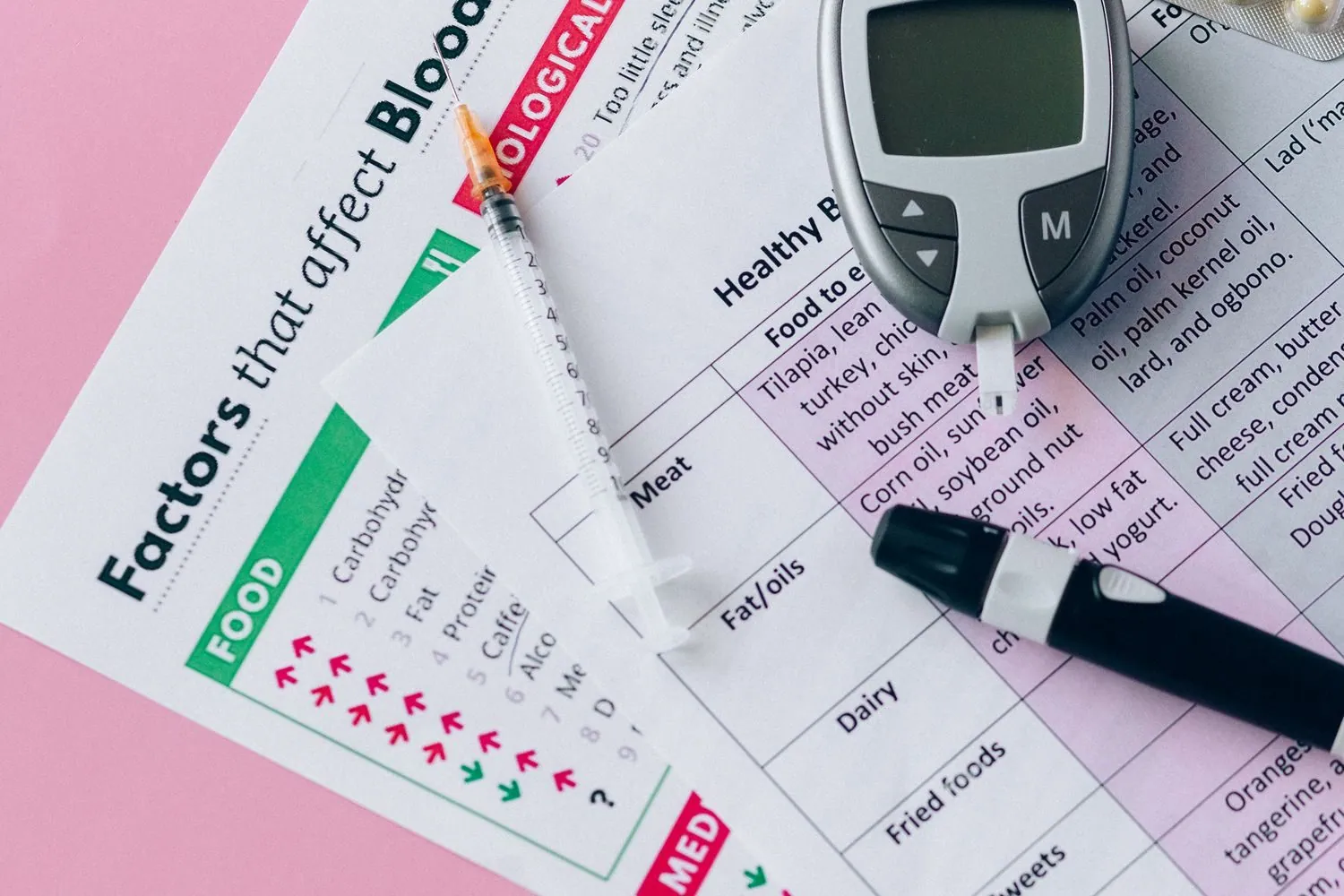
GI vs GL for Common Indian Foods: Quick Reference
The table below uses typical Indian serving sizes. Every figure is an approximation, because GI shifts with variety, ripeness, cooking and what else is on the plate. Use it to compare foods roughly, not to calculate exact glucose numbers.
| Food (typical serving) | Approx. GI | Approx. available carbs | Approx. GL | GL band |
|---|---|---|---|---|
| Watermelon (150 g) | 70-80 | 11 g | 8 | Low |
| Apple, medium (150 g) | 35-40 | 17 g | 6 | Low |
| Banana, medium (100 g peeled) | 50-60 | 20 g | 11 | Medium |
| Moong dal, cooked (1 katori, 150 g) | 30-40 | 12 g | 4 | Low |
| Whole wheat roti (1 medium, 40 g) | 55-65 | 15 g | 9 | Low |
| Basmati rice, cooked (150 g) | 55-60 | 40 g | 23 | High |
| Regular white rice, cooked (150 g) | 65-75 | 40 g | 28 | High |
| Boiled potato (150 g) | 70-80 | 25 g | 19 | Medium to high |
Two patterns stand out. Rice has a high GL mainly because a normal plate holds a lot of carbohydrate, not only because of its GI. Dal and whole fruit stay low even in generous portions. For a longer food-by-food list, see our glycemic index chart of common Indian foods.
Why Is Glycemic Load Often the More Useful Number?
Glycemic load is often more useful because people eat servings, not 50 g test portions. You would need roughly 700 g of raw carrots to reach 50 g of carbohydrate, so carrots can look high GI on paper yet have a small GL in a normal helping of 80 to 100 g.
That is why many dietitians treat GL as the main number and GI as a supporting detail. Three practical consequences follow:
- Watery or fibre-rich foods (watermelon, carrot, pumpkin) can look alarming on a GI list but are usually fine in normal portions.
- Carbohydrate-dense foods with only a medium GI (rice, refined snacks, sweets) can still produce a high GL because the portions are big.
- GI still helps when you compare two similar foods gram for gram, such as two types of rice, or when an endurance athlete wants quick fuel.
Myth Check: “High GI Means Never Eat It”
This is the most common misunderstanding. A high GI does not make a food forbidden, and a low GI does not make it healthy. GI describes speed of carbohydrate digestion in a lab test, nothing more.
- Myth: low GI always means healthy. Ice cream, chocolate and some fried snacks score low partly because fat slows digestion. They are still calorie-dense and may be high in saturated fat or sodium.
- Myth: high GI foods must be cut out. Small portions, paired with dal, curd, paneer or vegetables, often have a modest overall effect.
- Myth: GI is a fixed property. A ripe banana has a higher GI than a firm one, and soft, overcooked rice digests faster than firmer rice.
- Myth: GL replaces your doctor’s advice. It is a food-choice tool, not a treatment, and it does not replace a medical plan.
Who Should Pay Attention to GI and GL?
Most people do not need to calculate these numbers daily, but three groups can use them as a simple lens. The common thread is that GL helps you choose portions and pairings, while the bigger picture of your diet still matters more.
People with diabetes or prediabetes
Because GL reflects how much carbohydrate lands on the plate and how fast it digests, it can help you compare meals. It works best alongside the meal plan your doctor or dietitian has set for you. Our diabetes nutrition guide covers wider eating patterns, and the diabetes-friendly snacks list gives snack ideas with a modest glucose impact. Do not change medication or insulin timing based on GI or GL.
People managing weight
Meals with a lower GL, built around dal, vegetables and whole grains, tend to feel more filling for longer than a plate of refined carbohydrate alone. That can make portion control easier, but it is not a fat-loss shortcut. Total calories, protein, sleep and movement still decide the outcome. If you want structure, an online weight loss trainer can build the routine around your food.
Active people and athletes
Timing can flip the usual advice. Before or during long endurance sessions, a banana or other quick carbohydrate can be a sensible choice because fast fuel is the goal. Outside training, the same food is just an ordinary carbohydrate. A short walk or an easy online yoga class after a meal is also a gentle way to get muscles using glucose.
Why Your Glucose Reading May Not Match the Chart
GI and GL values are averages from controlled tests, so a real meal can behave differently. If you track glucose with a meter or sensor and a “low GL” food still gives a higher reading than expected, that is common and not a sign you did something wrong.
Common reasons for a mismatch:
- Portion drift. A katori of rice heaped at home is often 200 g or more, not 150 g, which raises the GL by a third.
- Cooking and ripeness. Softer, more ripe or more processed foods digest faster than their listed values suggest.
- The rest of the plate. Protein, fat and fibre slow digestion, so rice with dal, sabzi and curd behaves differently from rice alone.
- Individual differences. Sleep, stress, activity, illness and medication all change how your body responds on a given day.
Treat the chart as a starting point and your own readings, if you track them, as the better guide. Bring unusual or repeated high readings to your doctor rather than trying to fix them by eliminating foods.
How Do You Use GI and GL on an Indian Thali?
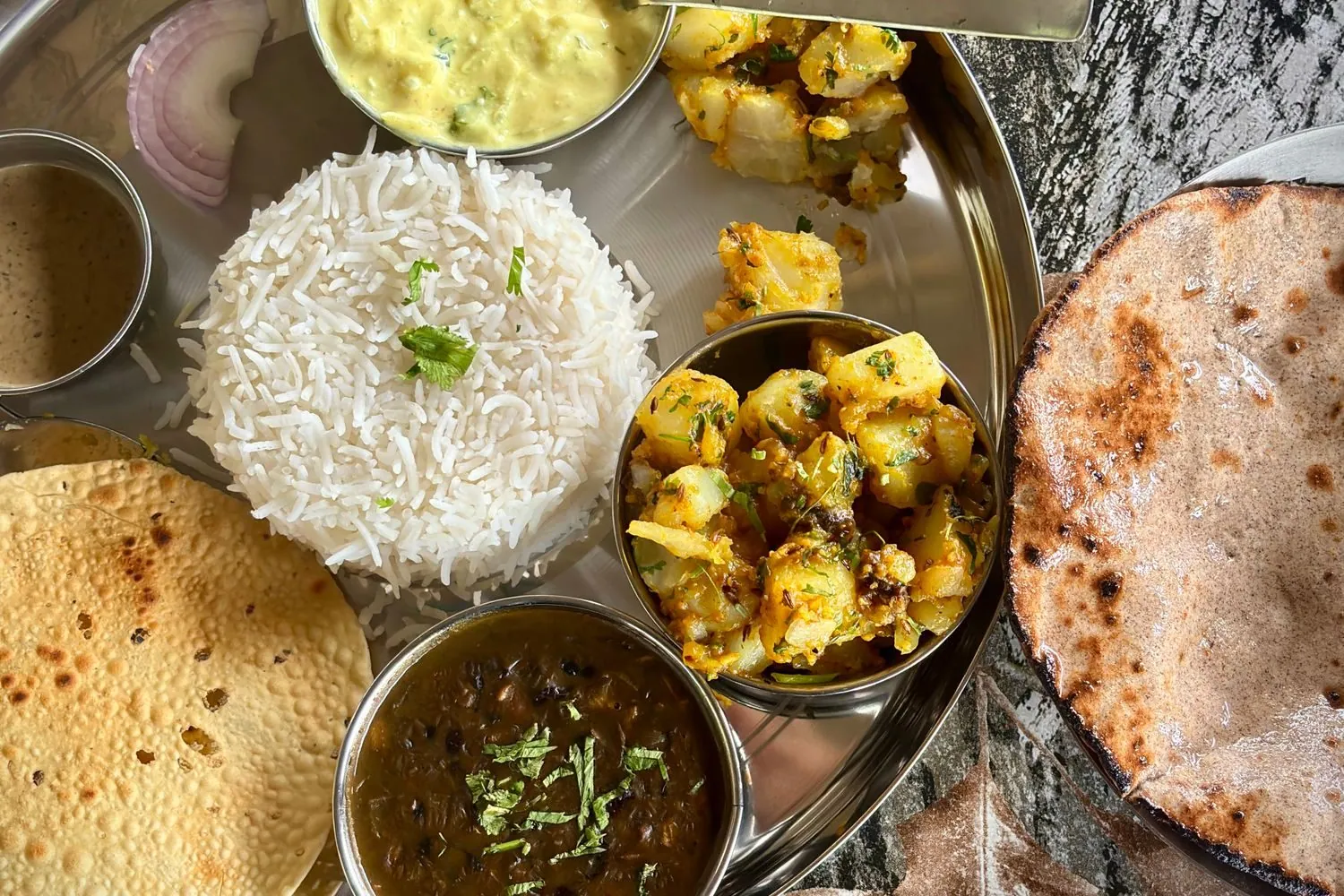
Keep rice or roti portions moderate, fill half the plate with vegetables and salad, and include a protein such as dal, paneer, egg, fish or curd. This combination slows digestion and typically gives a gentler glucose rise than the same carbohydrate eaten alone.
You do not have to calculate GL at every meal. A realistic routine looks like this:
- Learn your staples. Know which of your regular grains, fruits and starches sit in the low, medium and high bands.
- Measure once. Weigh or measure your usual rice, roti and fruit portions a few times so you know what a serving really is.
- Pair every carbohydrate. Add protein, fibre or healthy fat to the plate, and eat the vegetables and dal first if that suits you.
- Know the biology. Our piece on how sugar affects the body explains what happens after a spike.
| What changes | Likely effect on the meal | Indian example |
|---|---|---|
| Smaller carbohydrate portion | Lower GL, smaller rise | One katori of rice instead of two |
| Adding protein | Slower digestion, more fullness | Dal, paneer, egg or curd with the meal |
| Adding fibre | Slower, flatter rise | Salad, sabzi, or whole wheat roti instead of a refined option |
| Less processed grain | Usually a lower GI | Whole grain or millet roti instead of maida |
| Whole fruit, not juice | Lower GL, more fibre | An apple instead of a glass of juice |
| Cooling cooked rice or potato | Slightly lower GI | Leftover chilled rice, then reheated |
To go deeper on this, read how to lower the glycemic index of meals.
When to See Your Doctor or a Registered Dietitian
Please speak to a doctor or registered dietitian before using GI or GL to change your diet if you have diabetes, prediabetes, gestational diabetes, kidney disease or another medical condition, or if you take glucose-lowering medicines or insulin. Food changes can affect how much medication you need, so never adjust it on your own.
Seek advice promptly if you notice:
- Persistent thirst, frequent urination, unexplained tiredness or blurred vision.
- Repeated high or low glucose readings, or dizziness and shakiness after meals.
- Unplanned weight loss, or a family history of diabetes combined with symptoms.
- Pregnancy, a history of eating disorders, or a child or older adult on a restrictive diet.
GI and GL are not diagnostic tools, and no food strategy cures or treats diabetes. A personalised plan from a qualified professional is the safe route, and a Fitstrot online nutritionist consultation can help you turn your doctor’s targets into Indian meals you will actually eat.
Frequently Asked Questions
Is a low-GI food always a healthy choice?
No. GI measures only how quickly a food raises blood glucose. Some low-GI foods, such as ice cream or fried snacks, score low partly because fat slows digestion, and they can still be high in calories, saturated fat or sodium. Judge a food on its overall nutrition, not on GI alone.
Can cooking method change a food’s GI?
Yes. Longer cooking, mashing and finer milling usually raise GI because the starch digests faster, and riper fruit has a higher GI than firmer fruit. Chilling cooked rice or potato may lower GI slightly. These shifts are modest, so portion size and the rest of the plate matter more.
Should people with diabetes avoid all high-GI foods?
There is no single rule that suits everyone. Portion size, pairing and your overall plan matter more than avoiding a food outright. Follow the meal plan and medication advice from your own doctor or dietitian, and ask them before making big diet changes, especially if you take glucose-lowering medicines.
Why do GI values differ between sources?
GI comes from human testing, so results vary with the food’s variety, ripeness, processing, cooking time and the people tested. Two lists can therefore show different numbers for the same food, such as rice. Treat GI values as approximate ranges rather than exact figures.
Is glycemic load useful for people without diabetes?
It can be. If you want steadier energy and fewer hunger swings, favouring lower-GL meals most of the time is a reasonable habit. It is only one lens, though, so balanced portions, fibre, protein and regular movement still do most of the work for general health.
GI tells you how fast a carbohydrate digests, and GL tells you how much that matters at the portion you eat. Use both lightly, and let your clinician’s plan lead. To turn these numbers into a week of practical Indian meals, book an online nutritionist consultation with Fitstrot.


