
If you want to know how to lower glycemic index without giving up rice, roti or fruit, start here. The glycemic index (GI) of a food is not fixed. It shifts with how the starch is cooked and cooled, what you eat it with, what you eat first, and whether you move after the meal. Controlled trials have measured each of these levers. Eating vegetables and protein before the carbohydrate cut the 2-hour glucose curve by 73% in one 2015 study. Lemon juice with bread lowered the glucose peak by 30%. A 10-minute walk after meals beat one longer daily walk.
This guide covers what each technique does, how much difference the studies measured, and how to use it on an Indian thali. For GI numbers of individual foods, see our glycemic index chart of common Indian foods covers that.
What does “lowering the glycemic index of a meal” actually mean?
GI ranks how fast a carbohydrate food raises blood glucose on a 0-100 scale: 55 or less is low, 56-69 medium and 70 or more high, according to the Harvard T.H. Chan School of Public Health. Lowering a meal’s GI means slowing how fast its starch turns into glucose, so the post-meal rise is smaller and later.
GI describes speed. Glycemic load (GL) is GI multiplied by the grams of carbohydrate you eat, so it describes the size of the hit. Harvard’s Nutrition Source classes a GL of 10 or under as low, 11-19 as medium and 20 or more as high. A huge portion of a low-GI food can still give a high glycemic load.
Published GI values come from one food eaten alone after an overnight fast. The 2021 edition of the International Tables of Glycemic Index (Atkinson et al., American Journal of Clinical Nutrition, 2021) lists more than 4,000 items. It notes that rice, breads and breakfast cereals come in high-, medium- and low-GI versions, while dairy, legumes, pasta and most fruits are usually low-GI. So “rice is high GI” is too simple.
How to lower glycemic index of food: the 8 levers that have been measured
Every technique in this guide, with what the research found:
| Lever | How to do it in an Indian kitchen | What was measured | Strength of evidence |
|---|---|---|---|
| Eat vegetables and protein first | Salad, sabzi and dal or paneer first; rice or roti 10-15 min later | Glucose curve (iAUC, 0-120 min) 73% lower; glucose at 60 min down 36.7% (Shukla, Diabetes Care, 2015; 11 adults with type 2 diabetes) | Small pilot, but a large effect |
| Add acid to the starch | Lemon squeezed over dal-chawal or poha; vinegar-dressed kachumber | Lemon juice with 100 g bread cut the glucose peak by 30% and delayed it by over 35 min (Freitas, Eur J Nutr, 2021) | Randomised crossover trials plus a meta-analysis for vinegar |
| Vinegar with the meal | 1-2 tsp vinegar in a salad dressing or diluted in water | Meta-analysis: significant fall in glucose and insulin AUC versus control meals (Shishehbor, 2017) | Meta-analysis of clinical trials |
| Cool cooked rice, then reheat | Refrigerate rice at about 4°C overnight, reheat until steaming hot | Resistant starch rose from 0.64 to 1.65 g/100 g; glycemic response fell from 152 to 125 mmol·min/L (Sonia, 2015) | One randomised crossover trial, 15 healthy adults |
| Walk after eating | 10-minute walk after each main meal | Post-meal glucose 12% lower than one daily 30-min walk; 22% lower after dinner (Reynolds, Diabetologia, 2016) | Randomised crossover, 41 adults with type 2 diabetes |
| Choose intact, less processed grains | Whole dalia, coarse atta, parboiled or whole rice instead of fine flours and instant flakes | Finely ground grain digests faster than coarsely ground grain (Harvard Nutrition Source) | Consistent across GI testing |
| Add fat or fibre to the plate | Dal with skin, rajma, chana, salad, a spoon of ghee or nuts | Meals with fat or acid “are converted more slowly into sugar” (Harvard Nutrition Source) | Well established; effect size varies |
| Pick less-ripe fruit, smaller portions | Firm banana instead of spotty; 1 fruit, not 2 | Ripe fruit generally has a higher GI than unripe (Harvard Nutrition Source) | Consistent; portion affects GL more than ripeness |
Does the order you eat food in really change blood sugar?
Yes. In a 2015 Diabetes Care pilot, 11 adults with type 2 diabetes ate the same 628 kcal meal on two days. When they ate vegetables and chicken 15 minutes before the bread and juice, glucose was 28.6%, 36.7% and 16.8% lower at 30, 60 and 120 minutes. The total glucose curve was 73% smaller.
The study by Shukla and colleagues (Diabetes Care, 2015) held the food constant: 55 g protein, 68 g carbohydrate and 16 g fat. Only the order changed. Insulin was also lower. The likely mechanism is that protein, fat and fibre arriving first slow gastric emptying, so the starch reaches the small intestine gradually instead of all at once.
Eleven people on metformin eating a Western meal is a small sample, so don’t expect exactly 73% on a dal-chawal plate. But it is the cheapest lever here: you change nothing about what you eat.
Food order on an Indian plate
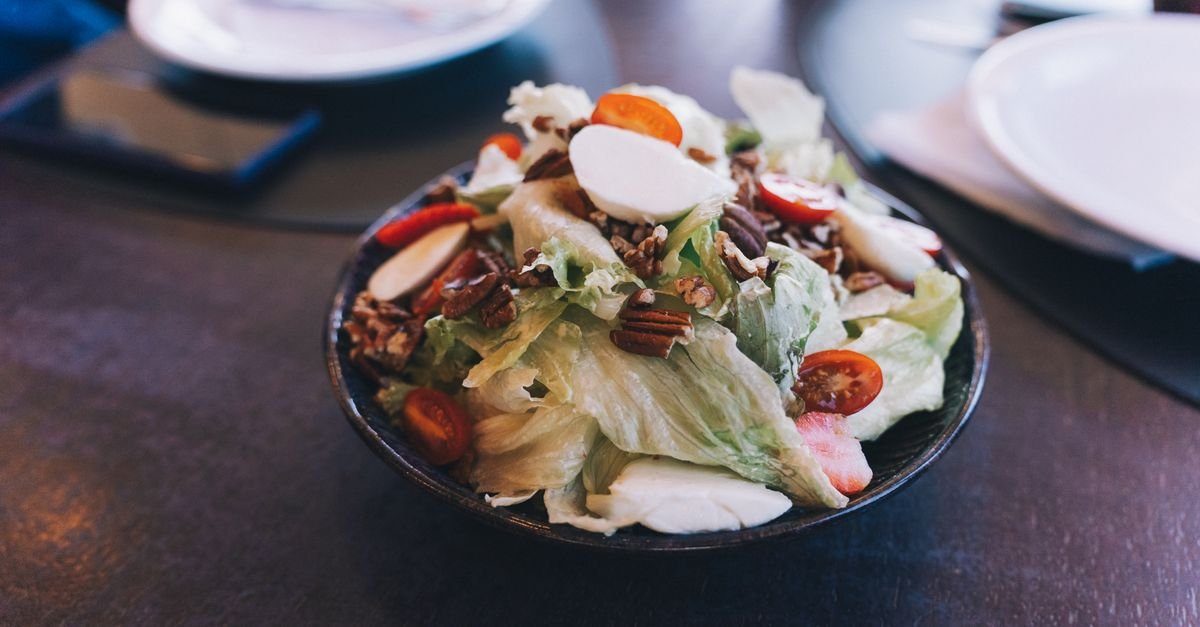
- Thali: start with the salad and sabzi, then dal or curd, then rice or roti.
- Restaurant meal: eat the paneer tikka or chicken starter and the salad before the naan or biryani arrives.
- Breakfast: eat the egg bhurji, sprouts or a bowl of curd before the paratha or poha.
How to reduce glycemic index of rice: cool it, then reheat it
Cooling cooked rice turns some of its digestible starch into resistant starch, which behaves like fibre. In a 2015 trial, white rice cooled for 24 hours at 4°C and reheated had 1.65 g resistant starch per 100 g against 0.64 g in fresh rice, and it produced an 18% smaller glycemic response.
That trial is Sonia et al., Asia Pacific Journal of Clinical Nutrition, 2015. Rice left at room temperature for 10 hours reached 1.30 g/100 g of resistant starch, but the refrigerated and reheated version had the most. In 15 healthy adults the glycemic response was 125 versus 152 mmol·min/L for freshly cooked rice. The process is called retrogradation: cooled starch partly recrystallises and resists digestive enzymes.
Resistant starch rice: doing it safely
Leftover rice carries a real food-safety risk if it is handled badly. The UK Food Standards Agency’s food safety guidance says leftover rice should be cooled “ideally within one hour”, kept in the fridge “for no more than one day”, reheated only once, and served steaming hot all the way through. In practice, spread the rice on a plate to cool quickly. Don’t leave it on the stove overnight, which is common in warm Indian kitchens, and don’t reheat it a second time.
An 18% smaller response is useful, but it doesn’t make white rice a low-GI food or cancel out a third helping.
Which rice has lower glycemic index, and does it matter as much as the cooking?
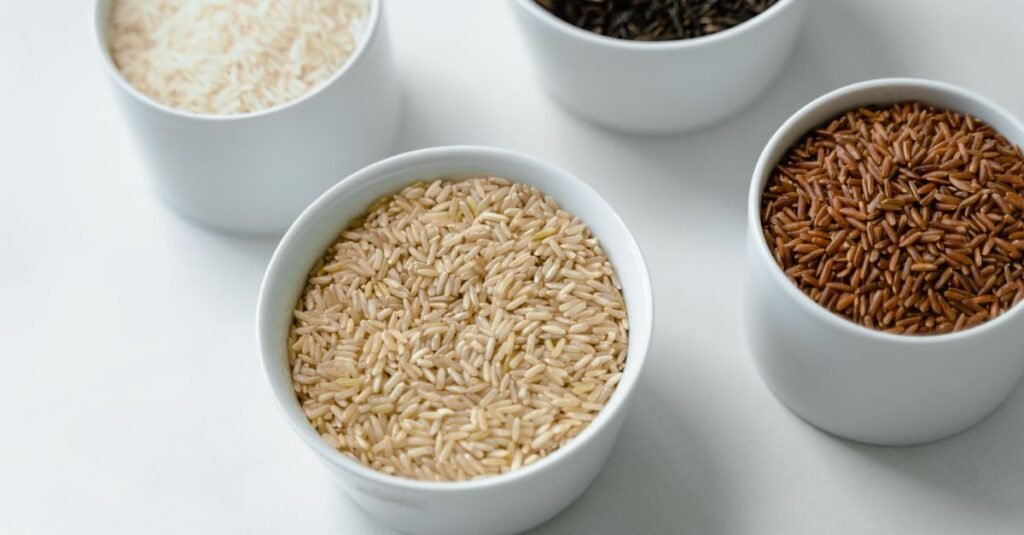
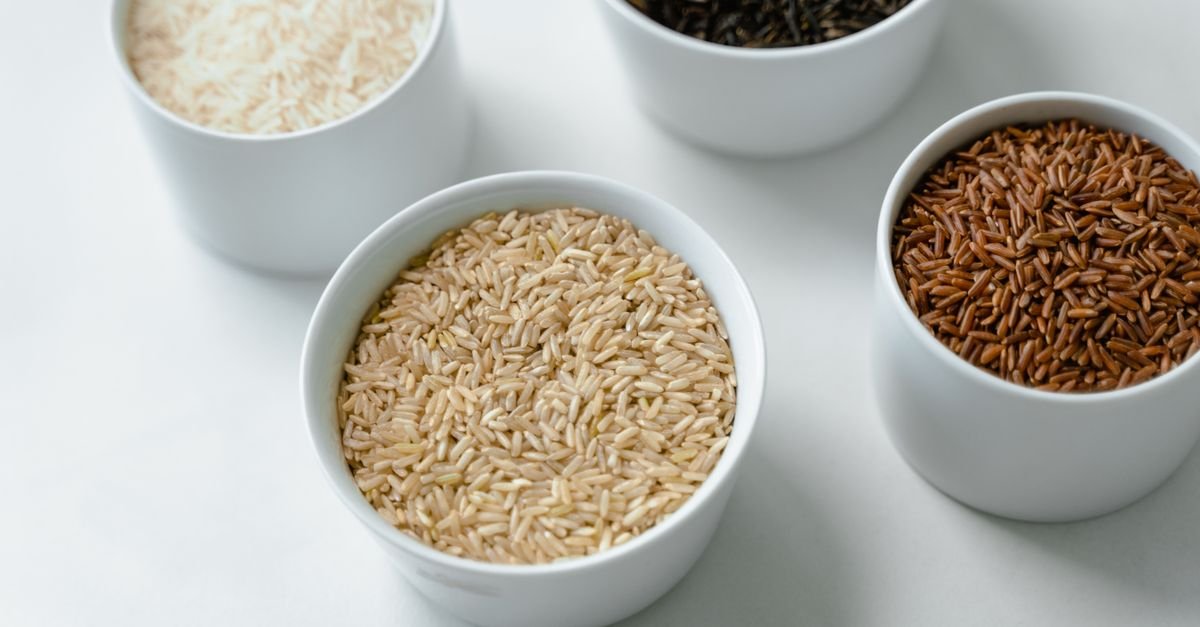
No single rice type is always low-GI. The 2021 International Tables of Glycemic Index found rice in high-, medium- and low-GI versions, depending on variety and processing, so “basmati” or “brown” on the label guarantees nothing. Separate-grain, parboiled or less-polished rice, cooked firm and eaten with dal, is usually the slower-digesting choice.
So is basmati rice lower glycemic index than sona masoori? Sometimes, but the cooking and the plate around it can matter as much as the bag you buy:
- Don’t overcook. Mushy rice has more fully gelatinised starch, which digests faster. Aim for separate grains.
- Don’t grind or mash. Harvard’s Nutrition Source notes that finely ground grain digests faster than coarse grain, so idli batter, instant poha and rice flour need sambar or vegetables alongside.
- Mix in legumes. Rajma-chawal or chana pulao dilutes the rice with legumes, which are consistently low-GI in the 2021 tables.
Does apple cider vinegar for blood sugar actually work, or is it hype?
The effect is real but modest, and it is not specific to apple cider vinegar. A 2017 meta-analysis of clinical trials found that vinegar with a meal significantly reduced post-meal glucose and insulin. A 2021 trial found that lemon juice lowered the glucose peak after bread by 30%. Any acid with the starch helps.
The Shishehbor meta-analysis (Diabetes Research and Clinical Practice, 2017) reported a standardised mean reduction of 0.60 in the glucose area under the curve and 1.30 for insulin, compared with control meals. The authors call vinegar an “adjunctive tool”, not a treatment. In the Freitas trial (European Journal of Nutrition, 2021), 250 ml of lemon juice drink with 100 g of bread cut the glucose peak by 30% and pushed it back from 41 to 78 minutes. Black tea had no effect. That is far more lemon than a squeeze over dal, so expect a smaller effect at home. The proposed reason: lower pH partly inactivates salivary amylase, the enzyme that starts digesting starch.
Myth vs reality
- Myth: a daily shot of apple cider vinegar “melts” sugar or fat. Reality: the trials test vinegar taken with a carbohydrate meal. On an empty stomach with no starch, there is no spike for it to flatten.
- Myth: more is better. Reality: undiluted vinegar can irritate the throat and erode tooth enamel. Use 1-2 teaspoons in food or diluted in a glass of water, not neat shots.
- Myth: it must be apple cider vinegar. Reality: the Freitas paper found lemon worked like vinegar. Nimbu on dal or vinegar onions count.
If you have acid reflux, gastritis or ulcers, check with your doctor before adding acid to every meal.
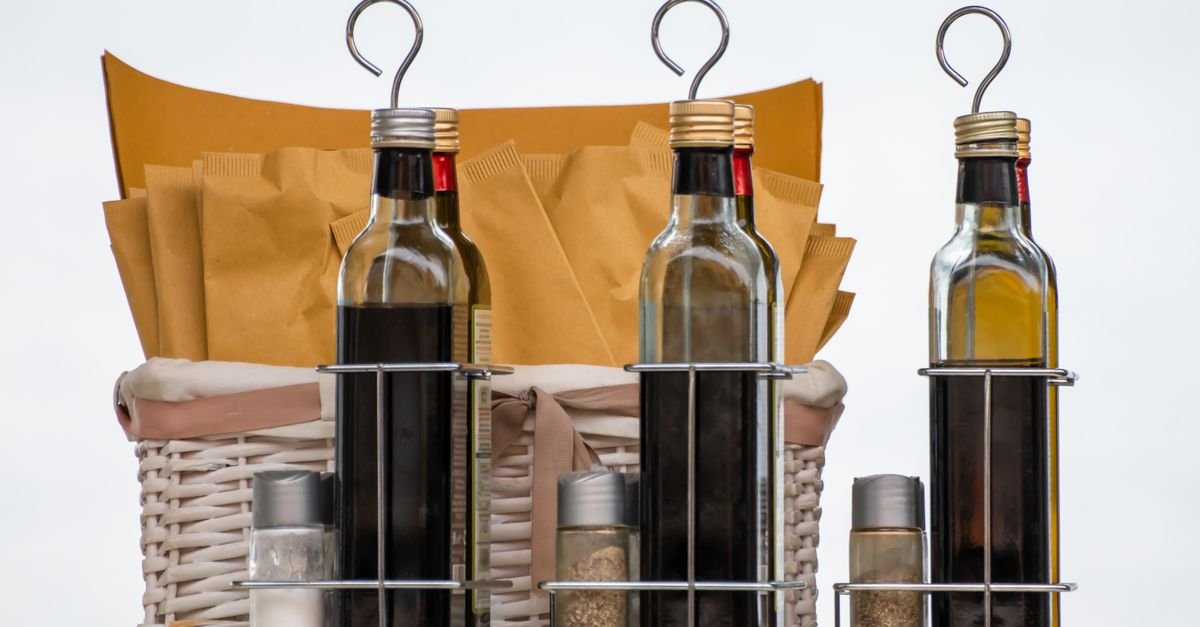
Turn any carb into a lower glycemic index food: pair it with protein, fat and fibre
Harvard’s Nutrition Source lists fibre, fat and acid among the factors that slow how fast a meal turns into blood sugar. That is why a bowl of plain rice with pickle behaves very differently from the same rice with dal, sabzi and curd.
High fiber low glycemic index foods to build around
Legumes, which India eats daily, are the standout. Chana, rajma, whole moong, masoor with its skin, and lobia all sit in the low-GI band in international testing. Most vegetables, curd and milk, nuts and seeds, and whole fruit (not juice) round out the list. Our guide to fibre-rich foods has amounts per serving if you want to raise your daily intake.
A simple rule for every plate: never eat a carbohydrate alone.
- Roti goes with dal, paneer, egg or a chana sabzi, not just aloo sabzi.
- A banana goes with a handful of peanuts or a bowl of curd.
- Instead of chai with biscuits, have chai with roasted chana or a few almonds.
- Upma and poha get peas, peanuts and vegetables folded in, plus lemon on top.
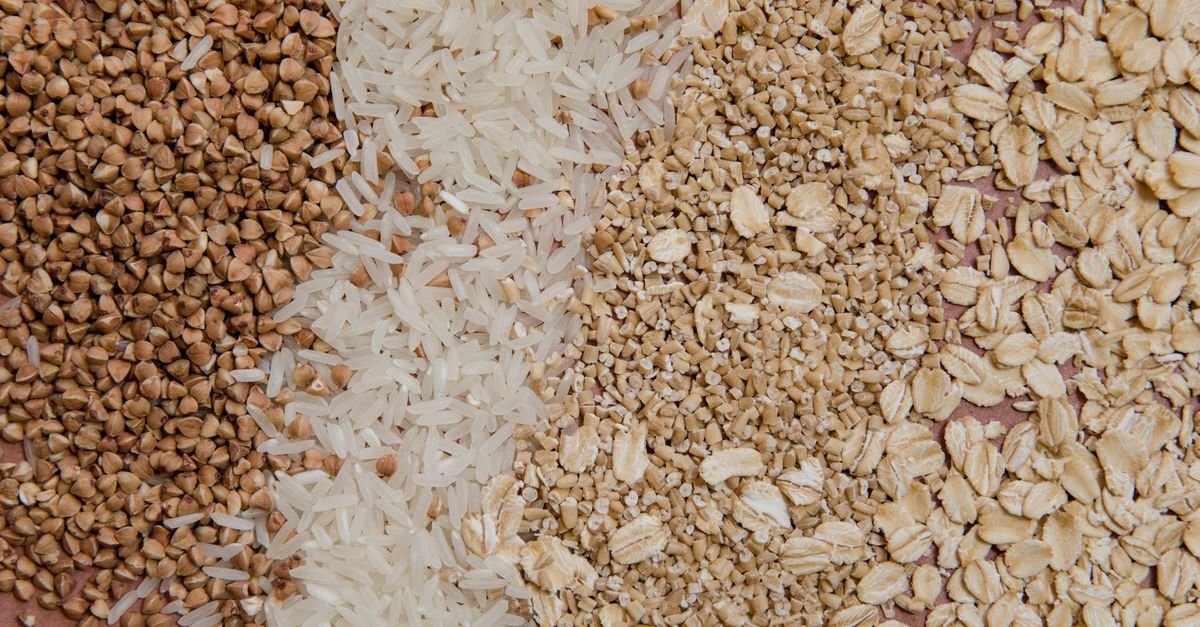
Indian meal swaps that use all the levers together
None of these swaps removes a staple. Portions are for a moderately active adult; a nutritionist will adjust them to your size, activity and glucose readings.
| Usual meal | Lower-GI version | Levers used | Portion guide |
|---|---|---|---|
| Fresh white rice + dal, rice eaten first | Yesterday’s refrigerated rice, reheated + dal with skin + kachumber with lemon, salad and dal first | Cooling, acid, fibre, food order | About 100-150 g cooked rice, 1 katori dal, 1 bowl salad |
| Aloo paratha with butter and tea | Paneer or mixed-veg paratha from coarse atta + curd, curd and filling first | Protein, fat, less processing, food order | 1-2 parathas, 1 bowl curd |
| Instant poha | Thick poha with peas, peanuts and vegetables + lemon + a side of sprouts | Fibre, fat, protein, acid | 1 plate, about 1 cup cooked |
| Idli with chutney only | Idli with a full bowl of vegetable sambar, sambar eaten first | Legume protein, fibre, food order | 2-3 idlis, 1 bowl sambar |
| Biryani on its own | Biryani with raita and a large salad, plus a 10-minute walk after | Protein, fibre, acid, movement | 1 plate, with salad filling half of it |
| Ripe banana or mango as a snack | Firm banana or a small mango with a handful of nuts or curd | Ripeness, fat, protein, portion | 1 medium fruit, 15-20 g nuts |
| Chai with biscuits | Chai with roasted chana or makhana | Protein, fibre, less refined flour | 30 g roasted chana |
Is a 10-minute walk after eating worth it?
Yes, and timing matters more than total minutes. In a 2016 randomised crossover study of 41 adults with type 2 diabetes, post-meal glucose was 12% lower with a 10-minute walk after each main meal than with one 30-minute daily walk. After the evening meal it was 22% lower.
Reynolds et al. (Diabetologia, 2016) used continuous glucose monitors; total walking time was the same in both plans. The benefit was largest after dinner because, in the researchers’ words, that is when “the most carbohydrate was consumed and sedentary behaviours were highest”. That fits many Indian homes, where a late dinner is followed by the sofa or bed.
A 10-minute stroll around the colony or terrace is enough.
Low glycemic index foods for diabetics and prediabetics: what changes for you
If you have diabetes, prediabetes or insulin resistance, these techniques matter more, because your body clears a glucose spike more slowly. India-specific data back this up. The ICMR-INDIAB study (Anjana et al., Diabetes Care, 2022) analysed the diets of 18,090 Indian adults. It recommended cutting carbohydrate to 49-54% of energy and raising protein to 19-20% for diabetes remission in newly diagnosed people. Lower-GI cooking helps, but total carbohydrate still matters.
Some cautions for this group:
- Do not change any medication or insulin dose on your own because your readings improve. If you take insulin or sulfonylureas, much flatter post-meal curves can raise the risk of low blood sugar. Discuss changes with your doctor.
- Test, don’t guess. Check your glucose 1 and 2 hours after the same meal eaten the old way and the new way. Individual responses vary a lot.
For a full week of structured meals, see our 7-day diabetes meal plan. If you’re dealing with stubborn weight and high fasting insulin, read about insulin resistance as well.
Still seeing spikes? How to reduce blood sugar spikes when the plate looks right
The usual culprit is portion size, not the food itself: a lower-GI plate can still carry a high glycemic load, which Harvard’s Nutrition Source defines as 20 or more. Check portions first, then breakfast choices, dinner timing, fruit ripeness and how leftover rice was stored, using the table below.
| What you notice | Likely cause | What to try |
|---|---|---|
| Good plate, still a big spike | Portion: the glycemic load is high even if the GI is lower | Cut the rice or roti by about a third and add more dal or sabzi |
| Breakfast spikes more than lunch | Refined, finely ground breakfast (instant flakes, white bread, sweet tea) | Start with eggs, curd or sprouts, use coarse grains, and take tea without sugar |
| Dinner readings are worst | Largest carb meal followed by sitting or sleep | Make dinner lighter on carbs and walk for 10 minutes after it |
| Spike after “healthy” fruit | Very ripe fruit, juice, or 2-3 fruits at once | One firm, whole fruit with nuts or curd; no juice |
| Leftover-rice trick isn’t helping | Rice kept at room temperature, or reheated more than once | Refrigerate within an hour, reheat once until steaming hot |
| Spike after sweets “with a meal” | Added sugar on top of the meal’s starch | Keep sweets occasional and small, and eat them right after a protein-rich meal, not alone |
A realistic way to put it together
You don’t need all eight levers at every meal. Pick the two or three that fit your routine and run them for two weeks:
- Daily lunch: eat the salad and dal first, use lemon on the plate, and take rice from yesterday’s refrigerated batch.
- Dinner: keep the roti or rice portion smaller than at lunch and walk for 10 minutes afterwards.
- Snacks: never eat a carbohydrate alone. Every fruit or biscuit gets a protein or fat partner.
Expect smaller, slower post-meal rises, not a transformation. The trials above measured 12% to 73% reductions in single test meals, and your results will vary. For people with diabetes, the real test is HbA1c over months, reviewed with your doctor.
Frequently asked questions
What is the fastest way to lower the glycemic index of a meal?
Change the order and add acid. Eat vegetables and protein before the rice or roti, and add lemon or vinegar. In trials, food order cut the 2-hour glucose curve by 73% and lemon juice cut the peak by 30%.
Does reheating rice twice lower its glycemic index further?
No. The resistant starch forms when cooked rice is cooled. The 2015 trial tested rice chilled at 4°C for 24 hours and reheated once. Repeated reheating adds no proven benefit and raises food-poisoning risk; reheat cooked rice only once.
Is lemon juice as good as apple cider vinegar for blood sugar?
In the one direct trial on bread, lemon juice lowered the glucose peak by 30%, and the researchers said its effect was similar to what has been seen with vinegar. Either works when taken with the starchy meal.
Which rice has lower glycemic index, basmati or brown?
It depends on the variety and processing, not just the label. The 2021 International Tables list rice in high-, medium- and low-GI versions. How you cook and pair the rice matters as much as the type.
Do these techniques work for roti and paratha?
Food order, protein and fat pairing, acid, portion size and post-meal walking all apply to wheat. Coarser atta digests more slowly than finely ground flour. Cooling and reheating has mostly been studied in rice, so don’t rely on it for roti.
Can people with diabetes use these methods instead of medicine?
No. These methods support treatment and do not replace it. Never change medication or insulin doses yourself. Better post-meal readings can raise the risk of low blood sugar on some drugs, so review any changes with your doctor.
How long before I see results?
Post-meal glucose responds within the same meal, and the trials measured changes over 2 to 3 hours. HbA1c reflects about three months of glucose, so judge long-term progress over that period with your doctor.
Want this applied to your own meals? Book an online nutritionist consultation with Fitstrot. Share three days of what you eat, and get a lower-GI plan built around your rice, roti and routine.


