
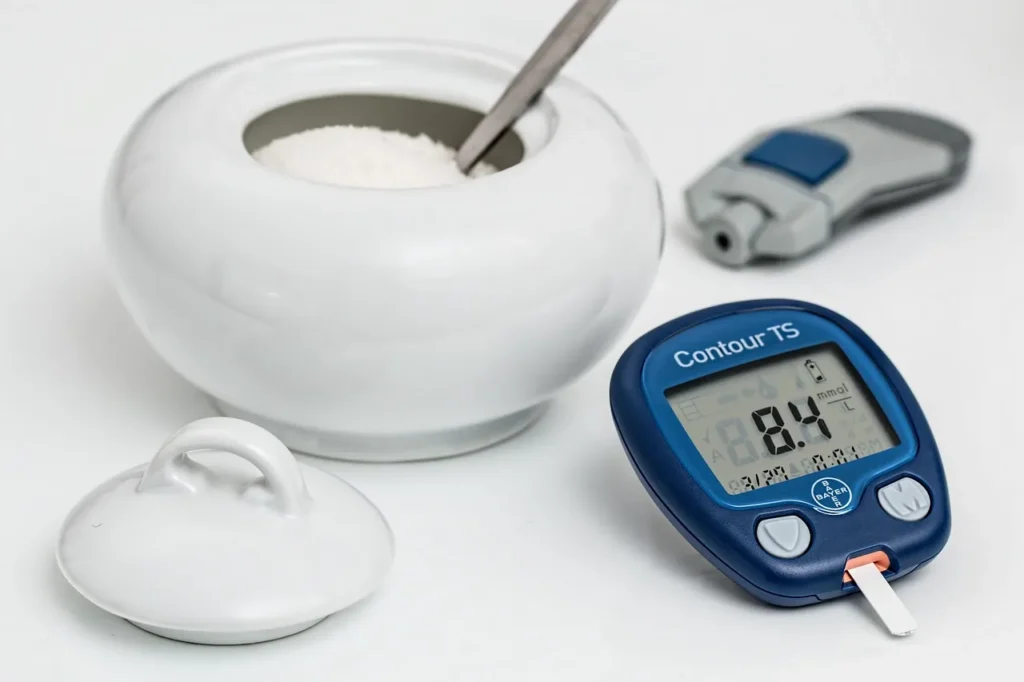
Insulin resistance is one of the most common reasons an Indian adult with a “normal” weight still ends up with high blood sugar, a thickening waist and dark patches on the neck. It means your muscles, liver and fat cells stop responding properly to insulin, so your pancreas has to pump out more of it to keep glucose in range. The good news: for most people it responds to changes in weight, muscle, food and sleep. The honest news: it is a medical finding, not a diet label.
Before anything else: if you have a family history of diabetes, PCOS, a waist above the Indian cut-offs below, or dark velvety skin on your neck, get tested by a doctor. Insulin resistance can sit quietly for years before it becomes prediabetes or type 2 diabetes, and some medicines and hormone conditions can cause it too. Nothing on this page replaces a consultation, and none of it is a reason to change or stop a medicine you have been prescribed.
What is insulin resistance, in plain words?
Insulin resistance is a state in which cells in your muscles, liver and fat respond weakly to insulin, so glucose stays in the blood longer and the pancreas compensates by releasing extra insulin. According to the US National Institute of Diabetes and Digestive and Kidney Diseases (NIDDK), most people with it have no symptoms at all.
Think of insulin as a key that opens cell doors for glucose. With insulin resistance the locks get stiff, so the pancreas makes more keys and your sugar reports look fine, sometimes for years. Once it cannot keep up, fasting glucose and HbA1c rise and prediabetes appears.
High insulin also makes fat storage easier, particularly around the abdomen and liver. That is why insulin resistance and weight gain feed each other: extra visceral fat worsens insulin sensitivity, and higher insulin makes that fat harder to shift.
The South Asian catch: trouble at a “normal” BMI
Indians tend to carry more body fat, more abdominal fat and more fat inside the liver and muscle at the same BMI as Europeans. A 2004 WHO expert consultation published in The Lancet concluded that a substantial share of Asian people face high risk of type 2 diabetes and heart disease at BMIs below the international overweight cut-off of 25 kg/m², with observed risk starting anywhere from 22 to 25 kg/m² depending on the population.
Indian guidelines took that further. The 2009 consensus statement for Asian Indians (Journal of the Association of Physicians of India) set normal BMI at 18.0–22.9 kg/m², overweight at 23.0–24.9 kg/m² and obesity at 25 kg/m² and above, and put the waist “seek medical help” level at 90 cm for men and 80 cm for women.
The scale of the problem is now measured. The ICMR-INDIAB study of 113,043 adults across 31 states and union territories (Lancet Diabetes & Endocrinology, 2023) found diabetes in 11.4% of Indian adults, prediabetes in 15.3%, generalised obesity in 28.6% and abdominal obesity in 39.5%. Almost four in ten adults already carry the belly fat pattern most closely tied to insulin resistance.
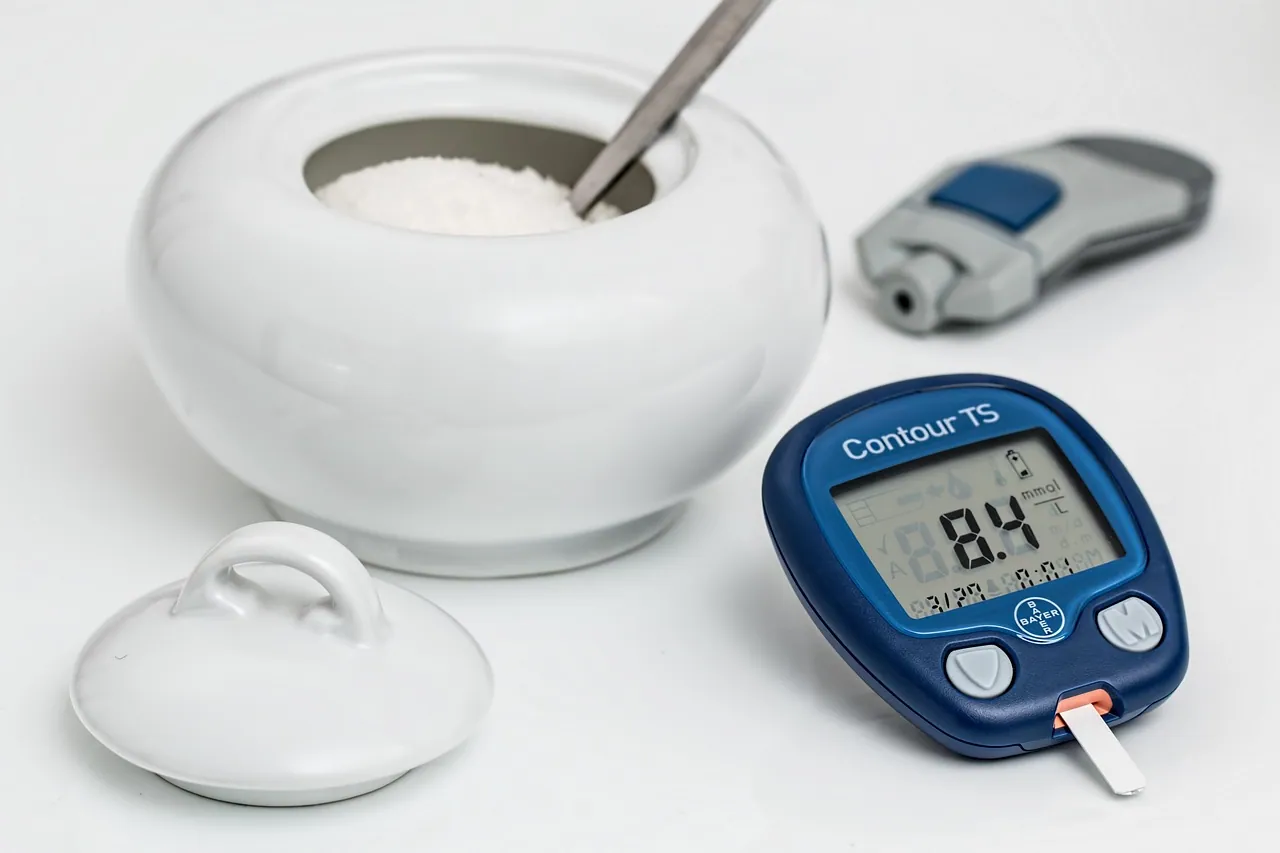
Insulin resistance causes: what actually drives it
No single cause explains every case. NIDDK lists excess weight, physical inactivity and conditions such as PCOS and sleep apnoea as major risk factors. In practice, Indian adults usually have several of these at once:
- Visceral (abdominal) fat. Fat around the organs and in the liver disrupts insulin signalling far more than fat on the hips.
- Low muscle and long sitting hours. Muscle is the body’s biggest glucose “sink”; desk jobs and no strength work shrink it.
- Refined-carb-heavy meals. Big portions of white rice, maida, sugary chai and biscuits with little protein or fibre mean repeated insulin spikes.
- Short or poor sleep. Covered in detail below; even one week of restricted sleep measurably worsens insulin sensitivity.
- Genetics. A parent or sibling with type 2 diabetes raises your risk.
- Medical causes. PCOS, hypothyroidism, Cushing’s syndrome, and some medicines such as steroids can contribute. Only a doctor can sort these out, which is another reason to test rather than guess.
Signs your body may be struggling with insulin
Because insulin resistance is often silent, the clues are usually indirect. None of them confirms it alone, but two or more together are a good reason to book blood work.
Insulin resistance neck: dark, velvety skin
The most visible sign is a darker, thicker, velvety band of skin on the back or sides of the neck, often mistaken for dirt or tanning. The same change can appear in the armpits, groin, elbows and under the breasts, sometimes with small skin tags.
Acanthosis nigricans and insulin resistance
That skin change has a medical name: acanthosis nigricans. The Mayo Clinic notes that most people with it have become insulin resistant, that it is more common with obesity, and that people who have it are more likely to develop type 2 diabetes. Treating the underlying cause can restore the skin’s usual colour and texture. Scrubbing, bleaching creams and lemon will not fix it, because the problem is not on the surface.
Insulin resistance symptoms in females
Women may notice irregular or missed periods, acne along the jawline, excess facial or body hair, thinning scalp hair, or difficulty conceiving. These overlap heavily with PCOS, where insulin resistance is common and worsens the hormonal picture. If this sounds familiar, our PCOS weight loss diet guide covers the eating side in depth. Other signs include post-lunch sleepiness, sugar cravings and weight that settles around the middle.
The tape-measure check
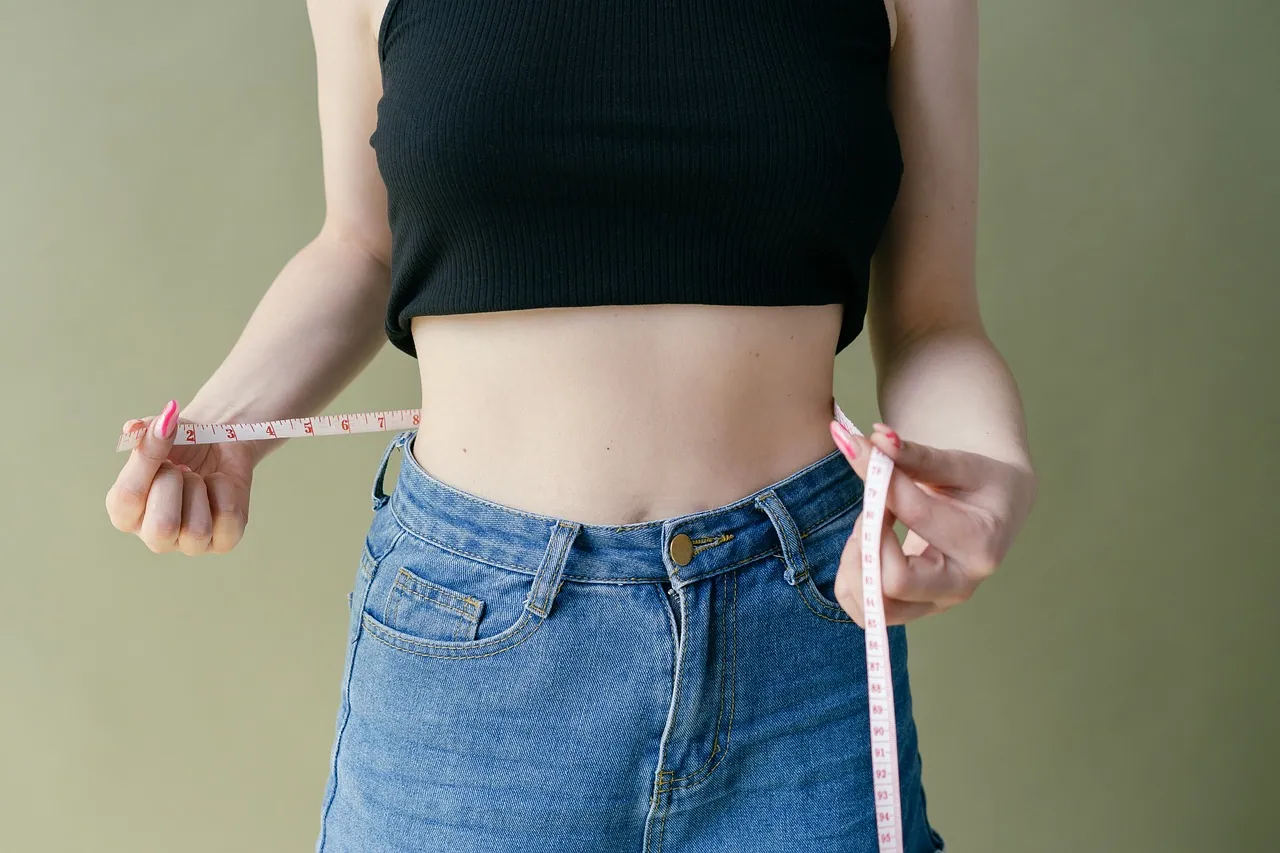
Your waist is the cheapest screening tool you own. Measure at the level of your navel, standing relaxed, after breathing out. A reading of 90 cm or more for men, or 80 cm or more for women, is the Indian consensus threshold at which to seek medical advice, even if your BMI is “normal”.
Which insulin resistance test should you ask for?
There is no single routine insulin resistance test. Doctors usually combine fasting glucose, HbA1c and fasting insulin, and may calculate HOMA-IR from the first and third. NIDDK defines prediabetes as HbA1c of 5.7–6.4% or fasting glucose of 100–125 mg/dL; insulin-based measures have no universal cut-off and must be read with your doctor.
The HOMA model was introduced in a 1985 Diabetologia paper by Matthews and colleagues, which found its insulin resistance estimate correlated strongly with the gold-standard clamp test (Rs = 0.88) but also had low precision, with a 31% coefficient of variation. In plain terms: useful for tracking a trend, not a precise diagnosis from one reading.
| Test | What it measures | Commonly used ranges | Notes |
|---|---|---|---|
| Fasting plasma glucose | Blood sugar after 8–10 hours without food | Below 100 mg/dL normal; 100–125 mg/dL prediabetes; 126+ on repeat testing suggests diabetes | Often normal in early insulin resistance |
| HbA1c | Average blood sugar over about 3 months | Below 5.7% normal; 5.7–6.4% prediabetes; 6.5%+ suggests diabetes | Best for retesting every 3 months; can be affected by anaemia |
| Oral glucose tolerance test (75 g) | Glucose 2 hours after a sugar drink | Below 140 mg/dL normal; 140–199 mg/dL impaired tolerance | Catches people whose fasting sugar still looks fine |
| Fasting insulin | How hard the pancreas is working at rest | No agreed cut-off; lab reference ranges vary | A high value with normal glucose is the classic early pattern |
| HOMA-IR | Fasting insulin (µU/mL) × fasting glucose (mg/dL) ÷ 405 | No universal cut-off; many labs flag values above about 2–2.5 | Varies by lab method and population; track your own trend |
| Lipid profile | Triglycerides, HDL, LDL | High triglycerides with low HDL is a common insulin resistance pattern | Cheap, widely available, often done in the same draw |
Ask your doctor which combination suits you, and test after a true overnight fast; sweet chai beforehand skews both glucose and insulin.
Can you lose weight with insulin resistance? The myth, corrected
Yes. Insulin resistance can make weight loss slower and hunger louder, but it does not block fat loss. In the Diabetes Prevention Program, people with raised blood sugar who aimed for 7% weight loss and 150 minutes of weekly activity cut their risk of developing type 2 diabetes by 58% over about three years.
That trial, published in the New England Journal of Medicine in 2002, randomised 3,234 adults. The lifestyle group did better than the group on metformin (31% reduction). NIDDK summarises the practical target as losing 5–7% of your starting weight. For a 70 kg person that is 3.5–4.9 kg; for 85 kg it is 4.25–5.95 kg. That is a realistic goal, reached at 0.5–1 kg a week over two to three months.
The myth comes from real frustrations: stronger cravings, early stalls, and crash diets that strip muscle, the tissue you need most. The fix is not eating less and less; it is keeping protein and strength training high so the kilos come from fat.
Insulin resistance treatment: what the evidence supports
Lifestyle change is the first-line treatment. Doctors may add medicines such as metformin for some people, particularly with prediabetes or PCOS, but that is a clinical decision. Do not start, stop or change any medicine on the basis of an article. Here are the levers with the strongest evidence, and a realistic dose for each.
| Lever | Realistic target | What the research found |
|---|---|---|
| Modest weight loss | 5–7% of body weight over 3–6 months | 58% lower diabetes incidence with lifestyle change (DPP, 2002) |
| Strength training | 2–3 full-body sessions a week, 30–45 min | Lowered fasting insulin and HOMA-IR in adults with overweight, independent of other changes (meta-analysis of 27 studies, 2023) |
| Brisk walking | 150+ min a week; 10–15 min after main meals | 150 min/week was the DPP activity target |
| Dietary fibre | 25–29 g a day from dal, whole grains, vegetables, fruit | Greatest risk reduction for type 2 diabetes and other outcomes at 25–29 g/day (Lancet, 2019) |
| Sleep | 7–8 hours in bed, consistent timing | 5 hours a night for 1 week cut insulin sensitivity by about 20% (Diabetes, 2010) |
How to lower insulin resistance with strength training
Muscle absorbs glucose, and trained muscle absorbs it better. A 2023 systematic review and meta-analysis in Obesity Research & Clinical Practice pooled 27 studies in adults with overweight or obesity but no diabetes and found resistance training significantly reduced both fasting insulin and HOMA-IR on its own, not just as a side effect of weight loss.
You do not need a gym: chair squats, lunges, counter push-ups, glute bridges and backpack rows are enough to start. Aim for 2–3 sessions a week, 3 sets of 8–12 reps, and make it slightly harder every week or two. If you have never trained or have joint problems, a coach who can watch your form makes a big difference; that is exactly what Fitstrot’s 1-on-1 personal training is set up for, online and at your own time.

Walk after you eat
A 10–15 minute walk after lunch and dinner uses working muscle to pull glucose from the blood as it peaks, which matters in India, where dinner is often the largest and latest meal.
Protect your sleep
In a 2010 study published in Diabetes, 20 healthy young men who spent only 5 hours a night in bed for one week saw insulin sensitivity drop by about 20% on one test and 11% on the clamp test, with diet and activity held constant. If you sleep 5–6 hours on weeknights, fixing that may do as much as a new diet.
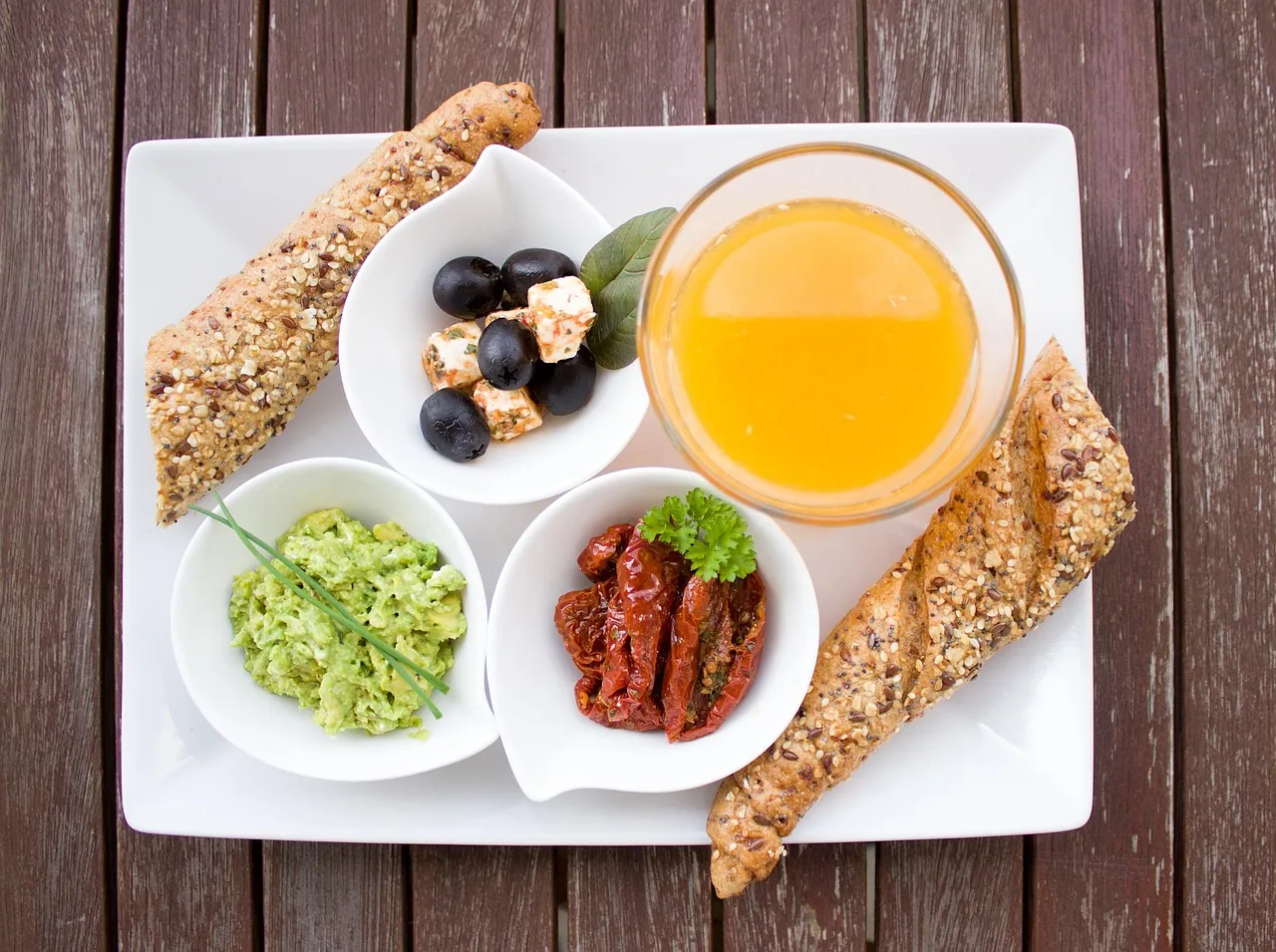
Diet and insulin resistance: Indian plate swaps
You do not need to give up rice or roti. The goal is smaller portions of refined carbohydrate, more protein and fibre on the same plate, and fewer liquid sugars. The 2019 Lancet series of meta-analyses on carbohydrate quality, drawing on 185 prospective studies and 58 clinical trials, found the biggest risk reductions, including for type 2 diabetes, at 25–29 g of fibre a day, with similar benefits for whole grains. Interestingly, evidence for glycaemic index on its own was rated low, so fibre and whole grains matter more than obsessing over GI numbers.
| Instead of | Try | Why it helps |
|---|---|---|
| 2 cups plain white rice with thin dal | 1 cup rice + 1 bowl thick dal or rajma + 1 bowl sabzi | Halves the refined carb load; adds protein and fibre |
| Maida paratha or naan | Whole wheat, jowar, bajra or ragi roti (1–2) | Whole grain, more fibre, slower digestion |
| Plain poha or upma | Poha or upma with peanuts, peas and vegetables, plus curd | Fat, protein and fibre slow glucose release |
| 4 idlis with coconut chutney | 2–3 idlis or moong dal chilla with a big bowl of sambar | More dal, less fermented rice batter |
| Chai with 2 tsp sugar, 3 times a day | Unsweetened or 1/2 tsp sugar, 1–2 cups | Removes up to 30 g of added sugar a day |
| Packaged fruit juice | 1 whole fruit such as guava, apple or orange | Keeps the fibre; far smaller sugar hit |
| Biscuits or namkeen at 5 pm | Roasted chana, a handful of nuts, or sprouts chaat | Protein and fibre instead of refined flour and oil |
| Aloo sabzi as the main vegetable | Mixed green vegetables, with aloo as a side | More fibre and volume per calorie |
Two further habits help most people. First, build each meal around a protein source, such as dal, paneer, curd, eggs, chicken, fish, soya or tofu. Second, eat the vegetables and protein first and the rice or roti last; it is a free way to flatten the spike. If you want a plate built around your reports, medicines and routine, an online nutritionist consultation is the most direct route.
A 12-week walkthrough
Insulin resistance improves in stages. The table below shows a sensible order: sleep and walking first because they are easiest, then strength training and food, then retesting. HbA1c reflects roughly three months of blood sugar, which is why retesting earlier than 12 weeks rarely tells you much.
| Weeks | Focus | Daily or weekly actions | What to track |
|---|---|---|---|
| 0 | Baseline | Doctor visit; fasting glucose, HbA1c, fasting insulin, lipids as advised | Weight, waist at navel, report values |
| 1–2 | Sleep and walking | Fixed bedtime for 7–8 hours in bed; 10–15 min walk after lunch and dinner | Steps, sleep hours |
| 3–4 | Plate and drinks | Apply 3–4 swaps from the food table; cut sugary drinks; protein at every meal | Waist every 2 weeks |
| 5–8 | Strength | 2–3 strength sessions a week; walking up to 150+ min a week | Reps and loads; weight weekly |
| 9–12 | Consolidate | Progress loads; keep fibre near 25–29 g a day; plan weekend meals | Target: 3–5% weight lost, waist down 3–6 cm |
| 12–13 | Retest | Repeat HbA1c and other tests your doctor chooses | Compare with baseline; adjust plan with your doctor |

The week 9–12 targets are ranges, not promises; people with PCOS or thyroid conditions often see slower scale changes even when blood work improves.
Stuck? Troubleshooting when the numbers won’t move
- Weight flat, waist shrinking. That is progress; new muscle can mask fat loss on the scale.
- Weekends undo the week. Plan one meal out, not a full weekend off.
- Hungry all afternoon. Lunch is probably low in protein and fibre. Add a bowl of dal or curd and a salad before you cut more food.
- HbA1c didn’t budge after 3 months. Check whether weight really fell 5% and strength work was consistent, then review with your doctor; anaemia can also skew HbA1c.
- You are doing everything and gaining weight. Ask your doctor to check thyroid function and review medicines. Some drugs cause weight gain, and hypothyroidism is common in India. See our hypothyroidism diet plan for that overlap.
Who needs to be more careful
Women with PCOS. Strength training and a protein- and fibre-rich diet help, but periods, fertility and medicines belong with a gynaecologist or endocrinologist.
Anyone with a parent or sibling with diabetes. Screen yearly, especially above the waist cut-offs.
Lean people with a belly. In India, BMI alone misses many people at risk.
Anyone already on diabetes medicines. Big changes in food and exercise can lower blood sugar quickly. If you take insulin or sulfonylureas, tell your doctor before you start, because doses may need adjusting to avoid low sugar.
Pregnant women. Do not attempt weight loss in pregnancy; your obstetric team manages this.

Frequently asked questions
Can insulin resistance be reversed?
In many people it can be substantially improved. Losing 5–7% of body weight, regular strength training, 150 minutes of weekly activity, more fibre and better sleep all raise insulin sensitivity. Genetics and age still matter, so think of it as managed and improved rather than permanently cured.
Is insulin resistance the same as diabetes?
No. Insulin resistance often comes years before diabetes. Blood sugar can be normal while insulin is high. Prediabetes (HbA1c 5.7–6.4%) and type 2 diabetes follow when the pancreas can no longer compensate.
What is a normal HOMA-IR value?
There is no universal cut-off. Many labs flag values above about 2 to 2.5, but results vary by lab method and population. Use it to track your own trend over time, and ask your doctor to interpret it alongside HbA1c and fasting glucose.
How long does it take to improve insulin resistance?
Insulin sensitivity can start improving within days of better sleep and exercise, but measurable changes in HbA1c take around 3 months, because it reflects average blood sugar over that period. Plan on 12 weeks before retesting.
Does the dark skin on my neck go away?
It often fades when the underlying insulin resistance improves, but slowly, over months. Scrubbing and bleaching do not help and can irritate the skin. See a doctor if it appears suddenly or spreads quickly.
Do I have to stop eating rice to fix insulin resistance?
No. Reduce the portion, pair it with thick dal, vegetables and a protein source, and eat it at the end of the meal. Many people do well with about 1 cup of cooked rice per meal instead of 2.
Is walking enough, or do I need strength training?
Walking helps, especially after meals, but a 2023 meta-analysis of 27 studies found resistance training independently lowered fasting insulin and HOMA-IR. The best results come from doing both: daily walks plus 2–3 strength sessions a week.
Your next step: get your fasting glucose, HbA1c and fasting insulin checked, then take the results to a Fitstrot nutritionist, who can turn them into a 12-week Indian meal plan that fits your kitchen and your schedule.


