

A thyroid diet plan for weight loss has two jobs: create a modest calorie deficit and stay out of the way of your thyroid medicine. No food cures hypothyroidism or replaces levothyroxine. What food can do is help you lose fat steadily, keep your tablet absorbing properly and cover the two minerals your thyroid depends on, iodine and selenium. Below: tablet timing, the goitrogen myth, iodine in Indian kitchens and a 7-day Indian plan.
First, a safety note. Hypothyroidism is diagnosed and managed with blood tests (TSH and free T4), and your dose is set by your doctor or endocrinologist. Never change or skip your dose because of a diet. If you’re tired and gaining weight but have never had a thyroid test, get one first. A 2013 study of 5,360 adults in eight Indian cities found hypothyroidism in 10.95%, including 15.86% of women, and 3.47% of participants had never been diagnosed (Unnikrishnan et al., Indian Journal of Endocrinology and Metabolism, 2013). If you’re pregnant or planning a pregnancy, talk to your doctor before changing your diet.
Can you actually lose weight with hypothyroidism?
Yes, once your thyroid levels are treated and stable. The American Thyroid Association says only about 5–10 pounds (roughly 2–4.5 kg) of weight gain is usually linked to the thyroid itself, and most of it is salt and water. Treatment tends to reverse that part. Weight beyond it responds to the same calorie deficit that works for everyone else.
That figure comes from the American Thyroid Association’s patient guide on thyroid and weight. It also notes that treatment returns body weight to where it was before the hypothyroidism started. So if you gained 12 kg over five years, the thyroid probably explains only a small part of it. The rest came from the usual causes, which you can change.
Two honest caveats. First, while your TSH is still high or your dose is being adjusted, weight loss is often slower and you may feel too tired to train. Focus on routine rather than the scale until your doctor says your levels are in range. Second, the rate should be modest. The ICMR-NIN Dietary Guidelines for Indians (2024) call a loss of half a kilogram a week safe. They also say weight-reduction diets should not go below 1,000 kcal a day. Crash diets tend to worsen the tiredness and constipation hypothyroidism already brings.
What a hypothyroidism diet can (and can’t) fix
A hypothyroidism diet is not a special menu. It is a normal, balanced weight-loss diet with four thyroid-specific rules layered on top:
- Protect absorption. Take levothyroxine on an empty stomach and keep coffee, chai, calcium, iron and high-fibre foods away from it.
- Get enough iodine, but not megadoses. For most Indians that simply means cooking with iodised salt instead of switching entirely to rock salt.
- Cover selenium from food. Eggs, fish, dal and whole grains usually do it.
- Stop fearing vegetables. Cooked cabbage, cauliflower and broccoli are fine in normal amounts.
Diet can’t normalise a high TSH on its own or replace hormone therapy, and no “thyroid detox” tea has evidence behind it. Blanket advice to go gluten-free or dairy-free goes beyond the evidence unless you have a diagnosed condition such as coeliac disease.
Before you change a single meal: the tablet-timing rules
The most important thyroid food habit has nothing to do with calories. The NHS levothyroxine guidance says to take the tablet on an empty stomach, 30 to 60 minutes before your first meal of the day and before any drink with caffeine, such as tea or coffee. It also lists calcium and iron supplements among the things that may not mix well with it.
Chai and filter coffee matter more than most people think. In a 2008 study in Thyroid, swallowing levothyroxine with coffee cut the average rise in blood T4 by 36% in patients and 29% in volunteers, compared with water (Benvenga et al., 2008). Coffee taken 60 minutes later made no difference, and wheat bran was an even stronger blocker than coffee.
| Food or supplement | Common Indian example | Why it matters | Practical gap from your tablet |
|---|---|---|---|
| Coffee | Filter coffee, instant coffee | Cut T4 absorption by roughly 30% in a 2008 study | At least 30–60 minutes after |
| Tea | Morning chai | NHS lists caffeinated drinks with coffee; milk adds calcium | At least 30–60 minutes after |
| Breakfast | Poha, upma, idli, paratha | Food in general lowers absorption | 30–60 minutes after |
| Calcium supplement | Calcium + vitamin D tablets | Binds levothyroxine in the gut | Several hours apart (Mayo Clinic) |
| Iron supplement or iron-containing multivitamin | Iron-folic acid tablets | Binds levothyroxine in the gut | Several hours apart (Mayo Clinic) |
| High-fibre foods and supplements | Isabgol, wheat bran, flaxseed powder in water | Bran was a stronger blocker than coffee in the 2008 study | Keep out of the first hour; take isabgol at night |
| Soy in large amounts | Soy chunks, soy milk, soy protein powder | May affect absorption and thyroid hormone output in large amounts | Not with the tablet; normal portions later in the day are fine |
The Mayo Clinic’s hypothyroidism diet guidance adds walnuts and soybean flour to the list of things not to take alongside the tablet. It advises taking calcium supplements and iron-containing multivitamins several hours before or after. The pattern to remember: tablet, water, wait, then food, done the same way every day so your doctor can set the dose around your habit.
Hypothyroidism diet plan for weight loss: calories and protein
For most women with treated hypothyroidism, a daily intake of about 1,300–1,600 kcal and 60–80 g of protein will produce steady loss. For most men, it’s about 1,600–1,900 kcal and 70–100 g of protein. That is a 500–750 kcal deficit, which the ICMR-NIN 2024 guidelines describe as typical for weight loss. It should give about 0.5 kg a week.
Those guidelines also recommend raising protein to around 15% of energy during a deficit to protect muscle. They warn against deficits bigger than 40% of your daily needs. Losing muscle on a crash diet lowers the calories you burn every day. If you’re not sure how to hit protein on an Indian plate, our guide to a high-protein diet for weight loss goes deeper on portions.
Building a hypothyroidism diet plan on an Indian plate
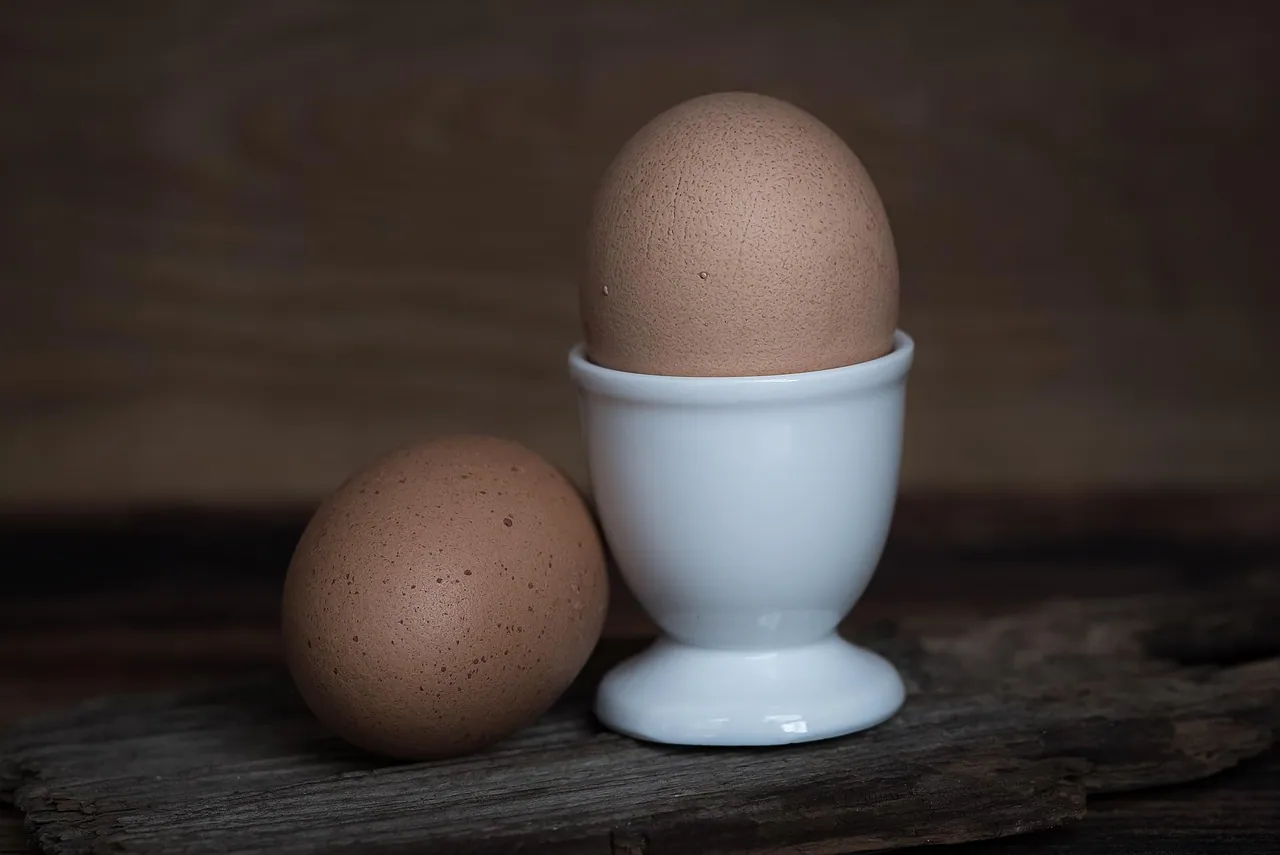
At lunch and dinner, fill half the plate with cooked sabzi or salad, a quarter with protein (dal, chana, paneer, curd, egg, chicken or fish) and a quarter with whole grain (1–2 phulkas, a small katori of rice or a millet roti). Use 1–2 teaspoons of oil per meal and iodised salt. Breakfast should come 30–60 minutes after your tablet and carry 15–25 g of protein. Two eggs, a besan or moong chilla with paneer, or Greek-style curd with seeds all work.
Watch two habits that quietly stall weight loss:
- Chai with sugar and biscuits, 3–4 times a day. Three cups with 2 teaspoons of sugar each, plus two biscuits each time, easily adds 400+ kcal.
- Oil. ICMR-NIN sample diets use 15–30 g of oil a day for the whole day, depending on the energy level. Most home cooking goes well past that.
Iodine and selenium: what Indian kitchens get right and wrong
Iodine is the raw material for thyroid hormone, and most Indians get enough of it from iodised salt. India’s first National Iodine and Salt Intake Survey (2014–15) tested 5,682 household salt samples. It found 91.7% of households used iodised salt, and 77.5% used adequately iodised salt at 15 ppm or more. Coverage was lower in rural homes and those using non-refined salt.
That survey (Pandav et al., Public Health Nutrition, 2018) points to a very Indian trap. Households using non-refined salt were far less likely to get adequately iodised salt. Many people now swap iodised salt for sendha namak or pink Himalayan salt, which are usually not iodised. Keep iodised salt for everyday cooking and save rock salt for fasts. Either way, the ICMR-NIN guidelines cap total salt at 5 g a day.
More iodine is not better, though. The NIH Office of Dietary Supplements iodine fact sheet sets the adult requirement at 150 mcg a day and the upper limit at 1,100 mcg. The Mayo Clinic notes that too much iodine can cause thyroid problems in some people. Avoid kelp tablets and “thyroid support” supplements unless your doctor prescribes them.
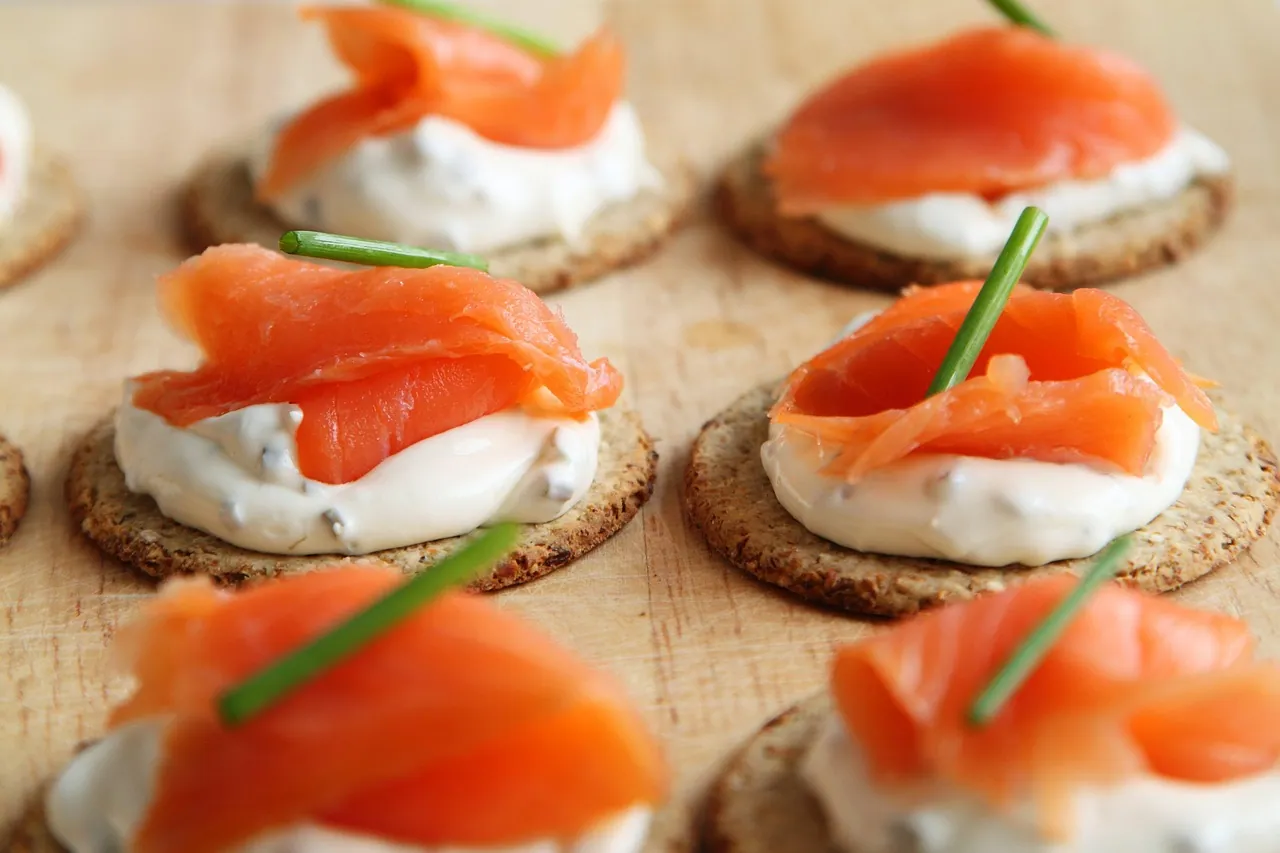
Selenium helps convert thyroid hormone into its active form. The NIH selenium fact sheet puts the adult requirement at 55 mcg a day and the upper limit at 400 mcg. In Hashimoto’s, some trials found selenium lowered thyroid antibodies. But doses of 80–200 mcg a day did not change TSH or quality of life. That’s why a food-first approach makes more sense than a pill.
| Food and portion | Iodine (mcg) | Selenium (mcg) | Note for an Indian kitchen |
|---|---|---|---|
| Adult daily requirement | 150 | 55 | Upper limits: 1,100 mcg iodine, 400 mcg selenium |
| Iodised salt, 5 g at India’s 15 ppm minimum | ~75 | — | Calculated from 15 ppm; many packs are iodised above this |
| Egg, 1 large | 31 | 15 | Eat the yolk; the iodine is concentrated there |
| Milk, 1 cup (US nonfat value) | 84 | — | Iodine in Indian milk varies by region and feed |
| Cod, 85 g cooked | 146 | — | Sea fish like pomfret, surmai or bangda are the local equivalent |
| Tuna, 85 g cooked | — | 92 | Canned tuna is an easy desk lunch |
| Brazil nut, 1 nut | — | 68–91 | 1–2 nuts cover the day; don’t eat handfuls daily |

Brazil nuts are the one food where more is clearly worse. At up to 91 mcg per nut, five nuts a day would reach the 400 mcg upper limit. Vegetarians usually get selenium from dal, whole wheat, rice and dairy, though amounts depend on the soil.
Foods to avoid in hypothyroidism: myth vs evidence
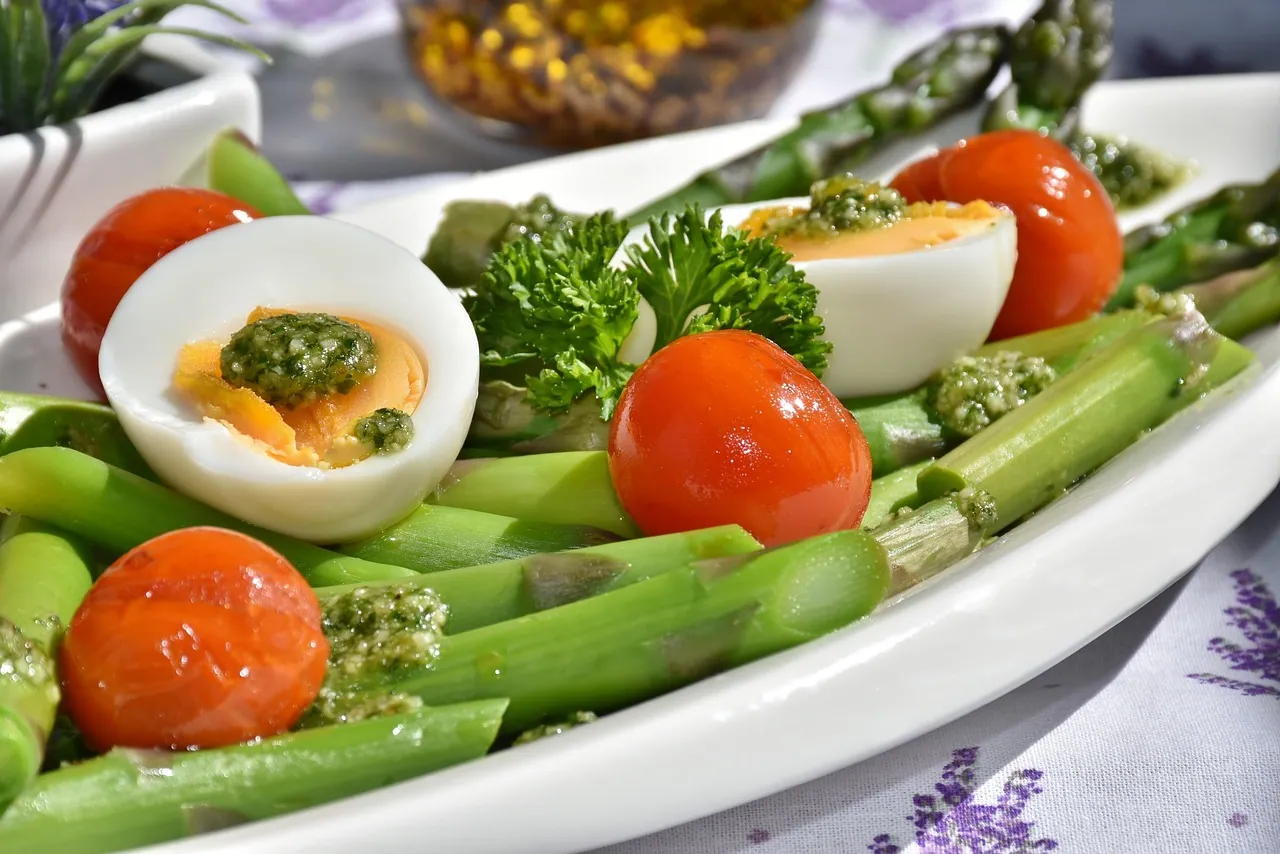
Very few foods need to be avoided with hypothyroidism. The real rule is about timing, not banning. Cabbage, cauliflower and broccoli are safe for people with adequate iodine intake, according to the NIH. Soy is fine in normal portions. What you do need to limit is sugar, fried snacks and excess oil, because they slow weight loss. Keep coffee, fibre supplements and calcium away from your tablet.
The goitrogen scare is real chemistry taken out of context. Cruciferous vegetables, soy and cassava contain compounds that can interfere with iodine uptake. But the NIH iodine fact sheet says that for most people with adequate iodine intake who eat a variety of foods, reasonable amounts of goitrogen-containing foods are “not a concern”. Cooking also reduces these compounds, and almost every Indian sabzi is cooked. Low iodine intake is what makes goitrogens matter, another reason to keep using iodised salt.
| Food | Common claim | What the evidence says | What to do |
|---|---|---|---|
| Cabbage, cauliflower, broccoli, radish, sarson | “Goitrogens, never eat” | Not a concern in normal amounts with adequate iodine (NIH ODS) | Eat them cooked, 1 katori a day is fine |
| Soy chunks, tofu, soy milk | “Blocks thyroid” | Large amounts may have an effect; adequate iodine protects (Mayo Clinic) | Normal portions, not with the tablet |
| Millets (bajra, jowar) | “Bad for thyroid” | Contain some goitrogenic compounds; like other goitrogens, a concern mainly with very heavy daily intake and low iodine | Rotate with wheat and rice; don’t eat only bajra |
| Coffee and chai | “Totally banned” | They only reduce absorption when taken with the tablet (2008 study) | Wait 30–60 minutes after the tablet |
| Gluten (wheat roti) | “Everyone with thyroid must quit” | Only relevant if you have coeliac disease | Get tested if you have gut symptoms; don’t quit blindly |
| Sendha namak or pink salt as your only salt | “Healthier than table salt” | Usually not iodised; non-refined salt linked to low iodine coverage (NISI 2014–15) | Keep iodised salt for daily cooking |
| Fried snacks, mithai, sugary drinks | Often ignored | Energy-dense; the real barrier to weight loss | Limit to once or twice a week |
| Kelp and “thyroid support” supplements | “Boosts thyroid naturally” | Excess iodine can trigger thyroid problems (Mayo Clinic) | Only if your doctor prescribes it |
7-day thyroid diet chart (Indian, about 1,400–1,500 kcal)
This thyroid diet plan for weight loss is written for an Indian adult woman with treated hypothyroidism who eats eggs. Swaps for vegetarians follow the table. Men and very active women can add about 200–300 kcal (an extra roti and more protein). Every day starts the same way: tablet with a glass of water on waking, then nothing but water for 30–60 minutes. Calories are approximate and depend on portion size and oil.
| Day | Breakfast (30–60 min after tablet) | Mid-morning | Lunch | Evening | Dinner |
|---|---|---|---|---|---|
| Mon | 2 moong dal chillas + 50 g paneer + mint chutney; chai (1 tsp sugar) | 1 guava | 2 phulkas, 1 katori dal, cabbage matar sabzi, salad | Roasted chana 30 g, green tea | Grilled fish 120 g, sautéed beans, ½ katori rice |
| Tue | 2-egg omelette with vegetables + 1 multigrain toast | 1 orange | Rajma 1 katori, ½ katori rice, cucumber raita | Buttermilk + 1 Brazil nut | 2 phulkas, lauki chana dal, gobhi sabzi |
| Wed | Vegetable poha + 150 g curd | 1 apple | 2 jowar rotis, palak paneer (60 g paneer), salad | Sprouts chaat 1 katori | Chicken curry 120 g (little oil), 1 phulka, stir-fried broccoli |
| Thu | 3 idlis + sambar 1 katori + 1 boiled egg | Papaya 1 bowl | Chole 1 katori, 1 phulka, onion-tomato salad | Makhana 20 g roasted, chai | Moong dal khichdi 1½ katori + curd + sautéed vegetables |
| Fri | Besan chilla with grated vegetables + 150 g curd | 1 pear | Fish curry 120 g, ½ katori rice, cabbage thoran | Buttermilk + 1 Brazil nut | 2 phulkas, mixed dal, bhindi sabzi |
| Sat | Vegetable dalia upma + 2 egg whites | 1 guava | 2 phulkas, egg curry (2 eggs), salad | Roasted chana 30 g, green tea | Paneer tikka 80 g, grilled vegetables, 1 phulka |
| Sun | 2 besan-oats cheelas + mint chutney; filter coffee | 1 orange | Home-style chicken or soya pulao 1½ katori + raita | Fruit chaat 1 bowl | Tomato dal soup, sautéed gobhi and peas, 1 phulka |
Cook with 15–20 g of oil a day and iodised salt, pick sea fish where you can, cap Brazil nuts at 1–2 a day, and take any isabgol at bedtime.
Hypothyroidism diet for vegetarians
Swap fish, chicken and eggs for 100 g paneer, 150 g tofu, 1 katori of dal or chana, or 200 g of hung curd. Each gives roughly 12–20 g of protein. Without eggs and fish, iodised salt is your main iodine source, so don’t cut it out. Soy chunks and tofu are fine at lunch or dinner, just not near the tablet.
Hypothyroidism diet and exercise: what to pair with the plate
Diet sets the deficit; exercise decides how much of the loss is fat rather than muscle. The ICMR-NIN guidelines recommend two to three weight-bearing sessions a week. A sensible starting week:
- Strength training, 2–3 sessions of 30–40 minutes: squats, rows, push-ups and hip hinges, progressing slowly.
- Walking, 7,000–9,000 steps a day: the easiest way to add daily movement when energy is low.
- Yoga or mobility, 1–2 sessions: helpful for stiffness and stress, and gentle enough for low-energy days.
- Sleep, 7–8 hours: poor sleep drives hunger, and hypothyroid fatigue makes it worse.
If your TSH is still being adjusted, start at half this volume and build up. A trainer who knows your history can scale sessions around joint aches and low-energy days. Our 1-on-1 personal training is built for exactly that.
Troubleshooting: when the scale or your TSH won’t move

“I’m eating 1,400 kcal and nothing is happening.” Track your weekly average weight for 3–4 weeks before judging, then hunt for hidden calories: oil, chai sugar, namkeen and weekend meals. For a realistic picture of what a month can deliver, see how much weight you can lose in a month.
“My TSH went up after I started eating healthier.” Check what changed around the tablet: a new morning isabgol or flaxseed drink, a calcium or iron tablet taken with it, or chai moved closer. Tell your doctor; only they should decide whether the dose changes.
“I’m always tired, so I can’t exercise.” Raise persistent fatigue with your doctor; it isn’t always the thyroid. Meanwhile, walk after meals and do short 15-minute strength circuits.
“I have PCOS as well.” The two conditions often overlap. This plan still applies, with extra care around refined carbs. Read our PCOS weight loss diet guide alongside this one.
Frequently asked questions
Can I drink tea or coffee if I have hypothyroidism?
Yes. Just don’t drink it with your levothyroxine. The NHS advises taking the tablet 30 to 60 minutes before any caffeinated drink such as tea or coffee. A 2008 study found coffee taken with the tablet cut absorption by about 30%, but coffee taken an hour later had no effect.
Are cabbage and cauliflower bad for hypothyroidism?
No, not in normal amounts. The NIH says goitrogen-containing foods like cabbage, broccoli and cauliflower are not a concern for people with adequate iodine intake who eat a varied diet. Cooking reduces goitrogens further, and most Indian sabzis are cooked.
How much weight does hypothyroidism cause?
The American Thyroid Association says about 5–10 pounds (2–4.5 kg) of weight gain is usually linked to the thyroid, depending on severity, and most of it is salt and water. Treatment usually reverses that part. Extra weight beyond it needs a calorie deficit.
Should I switch to rock salt or pink salt for my thyroid?
No. Rock salt and pink salt are usually not iodised, and iodine is essential for thyroid hormone. India’s 2014–15 national salt survey found non-refined salt was linked to much lower iodine coverage. Use iodised salt for daily cooking and keep total salt under 5 g a day.
Should I take selenium or iodine supplements for hypothyroidism?
Not unless your doctor recommends them. Most people get enough iodine from iodised salt and enough selenium from eggs, fish, dal and grains. Excess iodine can worsen thyroid problems, and selenium above 400 mcg a day is unsafe. One or two Brazil nuts already supply 68–182 mcg.
Can diet alone cure hypothyroidism?
No. Diet cannot replace thyroid hormone therapy, and you should never change or stop your dose without your doctor. What diet can do is support weight loss, protect how well your tablet is absorbed and make sure you get enough iodine and selenium.
Want this plan fitted to your TSH report, food habits and schedule? Book an online nutritionist consultation. A Fitstrot dietitian will build your meals around your tablet timing and work alongside the plan your doctor has set.


