
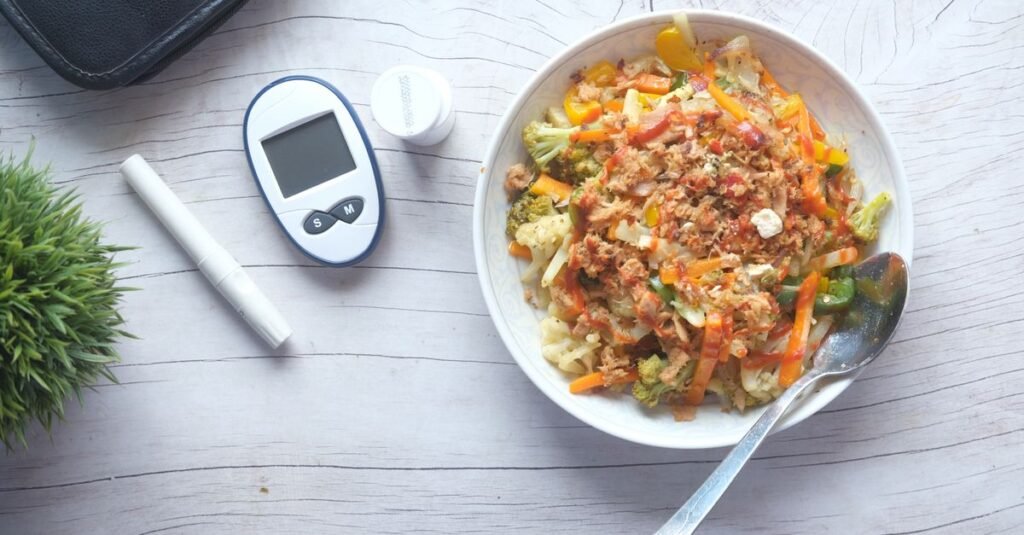
A good diabetic diet chart does not ban rice or roti. It keeps the carbohydrate on each plate in a steady, predictable range, fills the rest with dal, vegetables and protein, and spaces meals so blood sugar never has to cope with one huge load. This page gives you a full Indian week built that way, with the approximate carb grams for every meal, so you can see why each plate works rather than just copying a list.
The need is large. The national ICMR-INDIAB survey of 113,043 adults found diabetes in 11.4% of Indians aged 20 and above, with another 15.3% in the prediabetes range (Lancet Diabetes & Endocrinology, 2023). Most of those people eat a cereal-heavy home diet, so a chart that respects dal-roti-sabzi is far more useful than an imported low-carb menu.
Read this first: this is a planning template for adults with type 2 diabetes, not a prescription. If you take insulin or tablets such as glimepiride or gliclazide (sulfonylureas), change your food only with your doctor in the loop, and never adjust or stop a medicine on your own because your readings improve.
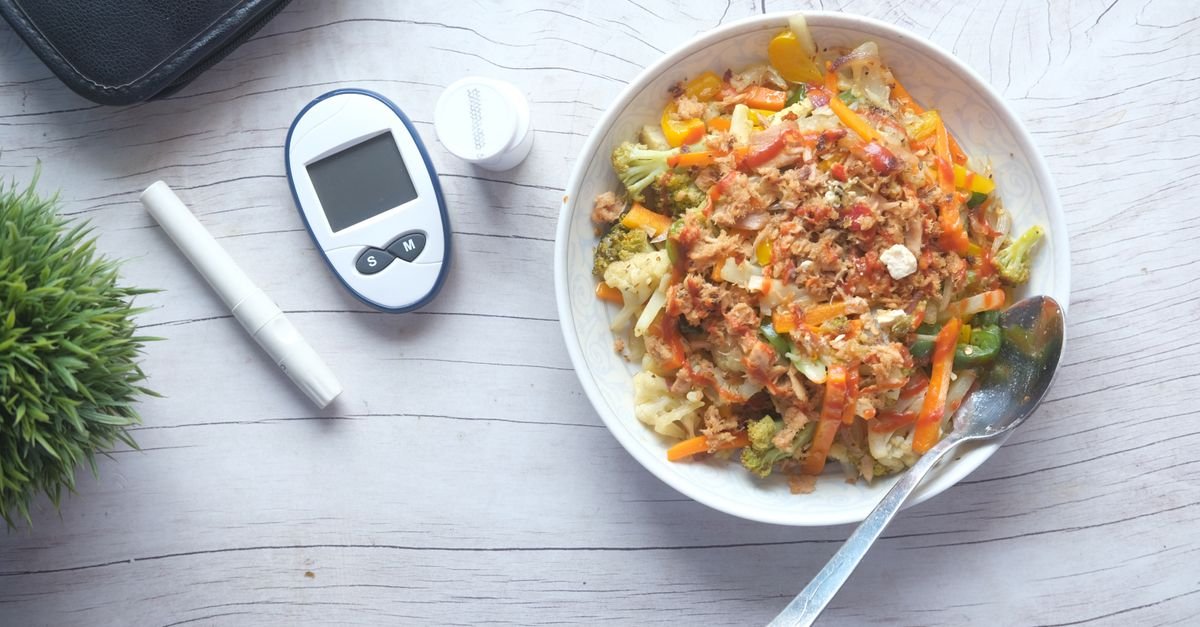
What should a diabetic diet chart for Indian patients actually control?
A diabetic diet chart for Indian patients should control three things: how many grams of carbohydrate land on each plate, how evenly those grams are spread across the day, and what sits beside them. Half a 9-inch plate of non-starchy vegetables, a quarter protein and a quarter high-fibre carbs is the standard model (NIDDK).
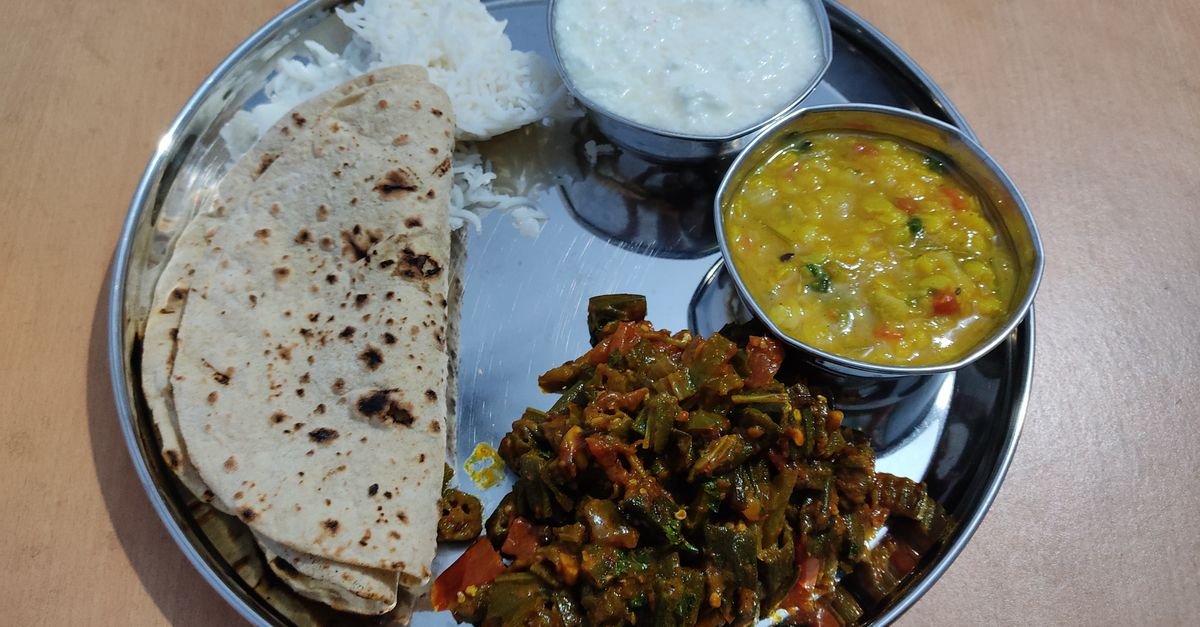
That plate model comes from the US National Institute of Diabetes and Digestive and Kidney Diseases, which describes dividing a 9-inch plate into half non-starchy vegetables, one quarter high-fibre carbohydrate foods and one quarter protein. In Indian terms, that means a large helping of bhindi, lauki, palak, cabbage or salad; a katori of dal, paneer, curd, egg, chicken or fish; and a measured portion of roti or rice.
The second control is consistency. The CDC’s carb-counting guidance treats one carb serving as about 15 grams and advises eating roughly the same amount of carbs at each meal to keep levels steady through the day. A day of 20 g at breakfast and 110 g at dinner produces a very different glucose curve from three meals of 45-55 g, even if the daily total is identical.
The third control is the overall balance. Using diet and HbA1c data from 18,090 Indian adults, ICMR-INDIAB researchers modelled that people with newly diagnosed diabetes would do best with 49-54% of energy from carbohydrate, 19-20% from protein and 21-26% from fat (Diabetes Care, 2022). The typical Indian plate runs higher in carbs and lower in protein than that, so the practical shift is smaller cereal portions and a bigger protein serving, not zero carbs.
Diet for diabetes chart: carb grams in everyday Indian portions
You cannot plan carbs without knowing what a roti or a katori of rice actually contains. The figures below are calculated from USDA FoodData Central reference values per 100 g (for example, cooked white rice 28.6 g carbohydrate, cooked brown rice 25.6 g, whole-wheat chapati 46.1 g, boiled lentils 20.1 g with 7.9 g fibre) and scaled to common Indian portions. Treat them as close estimates.
| Food and portion | Weight | Carbs (g) | Fibre (g) | Protein (g) | Carb servings (15 g) |
|---|---|---|---|---|---|
| Whole-wheat roti, about 15 cm, no ghee | 40 g | 18 | 3.9 | 3 | 1.2 |
| Cooked white rice, 1 level katori | 150 g | 43 | <1 | 3.6 | 2.9 |
| Cooked white rice, half katori | 75 g | 21 | <1 | 1.8 | 1.4 |
| Cooked brown rice, 1 level katori | 150 g | 38 | 2.4 | 4.1 | 2.6 |
| Moong dal, 1 katori (made from 30 g dry dal) | 30 g dry | 19 | 4.9 | 7.2 | 1.3 |
| Moong dal chilla, 2 medium (40 g dry dal) | 40 g dry | 25 | 6.5 | 9.6 | 1.7 |
| Rajma, cooked | 100 g | 23 | 6.4 | 8.7 | 1.5 |
| Sprouted moong, raw (chaat) | 100 g | 6 | 1.8 | 3 | 0.4 |
| Apple, 1 small | 150 g | 19 | 2 | 0.4 | 1.3 |
Two patterns jump out. First, a single level katori of white rice carries about as much carbohydrate as two and a half rotis, which is why rice portions need more attention than roti portions. Second, dal and rajma bring carbs too, so a “dal-chawal-rajma” plate is far heavier than it looks. Pulses still earn their place: their carbs arrive with fibre and protein.
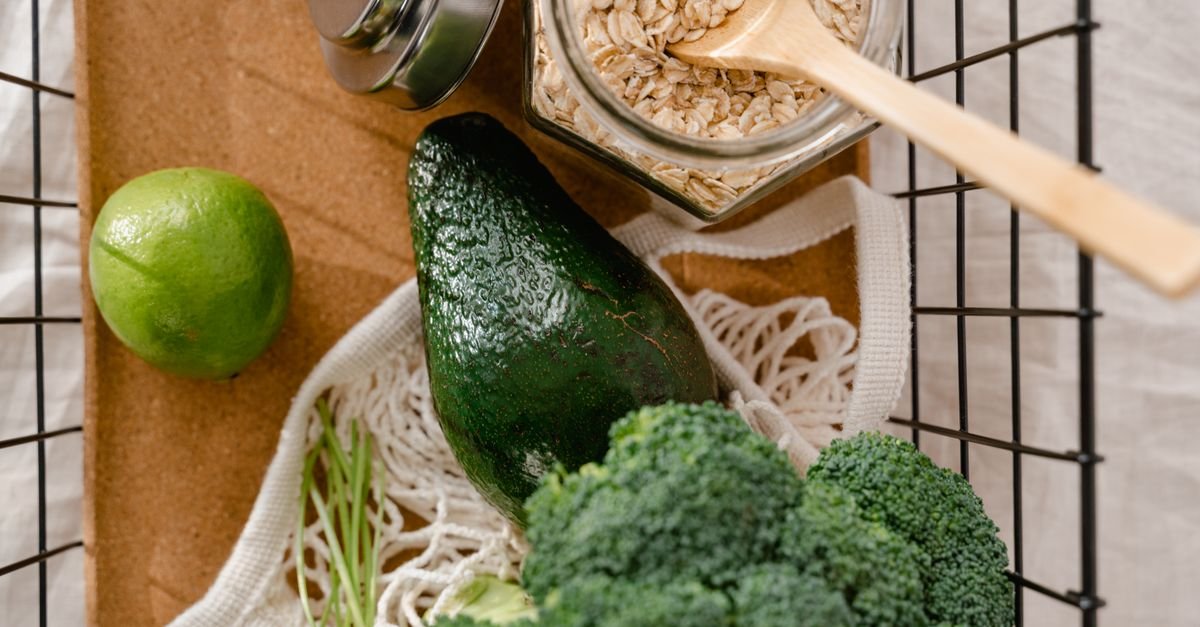
The 7 day diabetes meal plan (Indian, vegetarian-first)
This 7 day diabetes meal plan keeps breakfast at about 25-40 g of carbohydrate, lunch and dinner at about 45-60 g, and one snack at roughly 5-20 g. That puts the daily total near 135-155 g. For comparison, the CDC’s own sample menu runs at about 200 g of carbs on 1,800 kcal, so this diabetes meal plan chart sits on the moderate side without being a low-carb diet.
Every lunch and dinner also carries a half-plate of non-starchy vegetables, which add only a few grams of carbs. Drink water or unsweetened chaas with meals, not packaged juice.
| Day | Breakfast | Lunch | Evening snack | Dinner | Day total (approx.) |
|---|---|---|---|---|---|
| Day 1 | 2 moong dal chillas + mint chutney + 100 g curd (~30) | 2 rotis + moong dal + bhindi + salad (~58) | Sprouted moong chaat, 100 g (~6) | Half katori brown rice + 100 g rajma + lauki sabzi (~43) | ~137 g |
| Day 2 | Vegetable daliya, small katori + 2 boiled eggs or 50 g paneer (~30) | 1 roti + half katori rice + chana dal + cabbage sabzi (~58) | 1 small apple + 10 almonds (~20) | 2 jowar rotis + paneer bhurji + cucumber-tomato salad (~45) | ~153 g |
| Day 3 | Besan chilla with grated vegetables, 2 + curd (~30) | 2 bajra rotis + masoor dal + mixed vegetable sabzi (~58) | Roasted chana, 30 g (~15) | Half katori brown rice + moong dal + palak sabzi or grilled fish (~38) | ~141 g |
| Day 4 | 2 idlis + sambar (extra vegetables) + coconut-free chutney (~38) | 2 rotis + rajma, 100 g + spinach raita (~60) | Guava, 1 small (~10) | 2 rotis + egg curry or tofu curry + stir-fried beans (~40) | ~148 g |
| Day 5 | Vegetable oats upma, small katori + 1 boiled egg (~32) | 1 roti + half katori rice + kadhi + bhindi (~55) | Roasted makhana, 1 cup (~15) | Moong dal khichdi, 1 katori (more dal than rice) + raita + salad (~45) | ~147 g |
| Day 6 | Vegetable poha, small katori with peanuts + curd (~35) | 2 jowar rotis + chole, 100 g + onion-tomato salad (~58) | Chaas + cucumber sticks (~5) | 2 rotis + chicken curry or paneer tikka + sauteed vegetables (~38) | ~136 g |
| Day 7 | 2 moong dal chillas + 100 g curd (~30) | 2 rotis + chana dal + lauki kofta (baked) + salad (~58) | Half small pear or 1 cup papaya (~12) | Ragi dosa, 2 small + sambar + vegetable poriyal (~45) | ~145 g |
Meals built on roti, rice, moong dal, rajma, sprouts and apple use the USDA-derived values from the first table. Items like idli, poha, daliya, besan chilla and makhana vary widely with recipe and portion, so their carb figures are rounded planning estimates. Weigh a portion once at home to learn your own numbers.
Walkthrough: how to eat one day of this diabetic diet chart in India
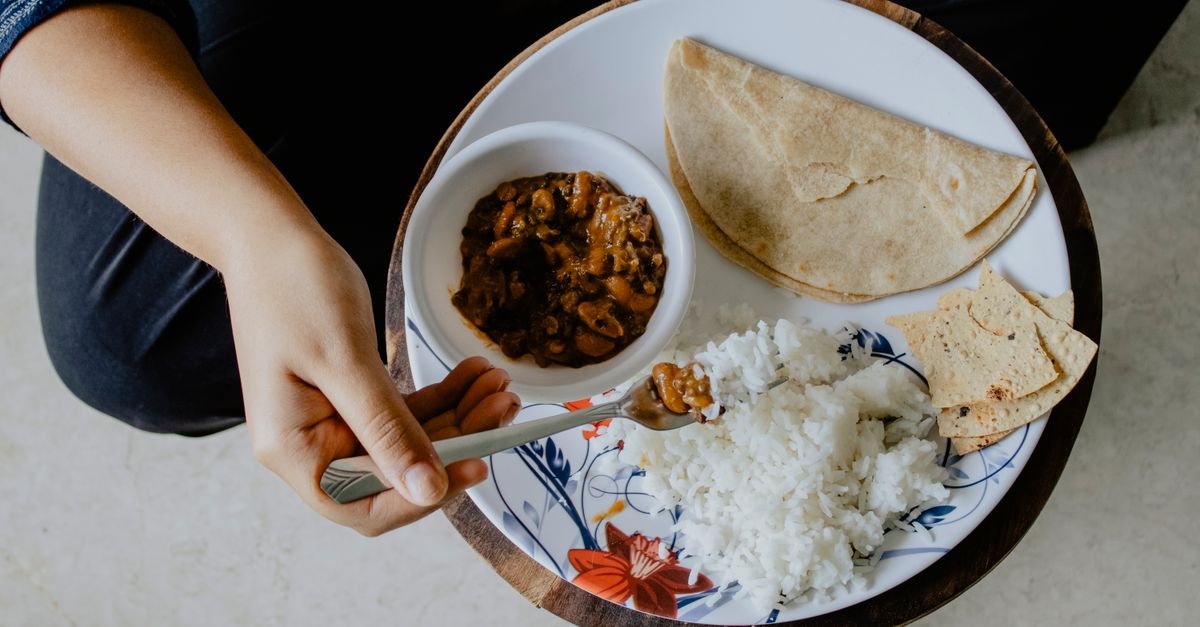
Take Day 1 as a worked example of how this diabetic diet chart in India plays out at the table.
Breakfast within an hour or two of waking
Two moong dal chillas from about 40 g of dry dal give roughly 25 g of carbohydrate with nearly 10 g of protein and 6-7 g of fibre. Adding 100 g of plain curd brings protein up further.
Lunch: eat the plate in order
Start with the salad and sabzi, then the dal, and keep the rotis for the second half of the meal. This is not folklore. In a small crossover study of 11 adults with type 2 diabetes, eating vegetables and protein first and carbohydrate 15 minutes later produced 36.7% lower glucose at 60 minutes and a 73% smaller glucose area under the curve than the reverse order (Diabetes Care, 2015). It was a pilot with a Western meal, so treat it as a useful habit, not a cure. For more tricks along these lines, see our guide on how to lower the glycemic index of meals.
Evening snack: small and deliberate
A 100 g bowl of sprouted moong chaat with onion, tomato, lemon and chaat masala carries only about 6 g of carbohydrate. The snack exists to stop you arriving at dinner starving; biscuits and namkeen defeat that purpose.
Dinner: earlier and lighter on grain
Half a katori of brown rice (about 19 g carbs) with 100 g of rajma (about 23 g) and a big helping of lauki keeps dinner near 45 g. Eating two to three hours before bed, and taking a 10-15 minute walk after, are simple ways to blunt the post-dinner rise. Mayo Clinic’s guidance stresses eating meals at regular times so the body uses insulin more effectively, and eating heart-healthy fish at least twice a week for those who eat non-veg.
How do you know this diabetes meal plan chart is working?
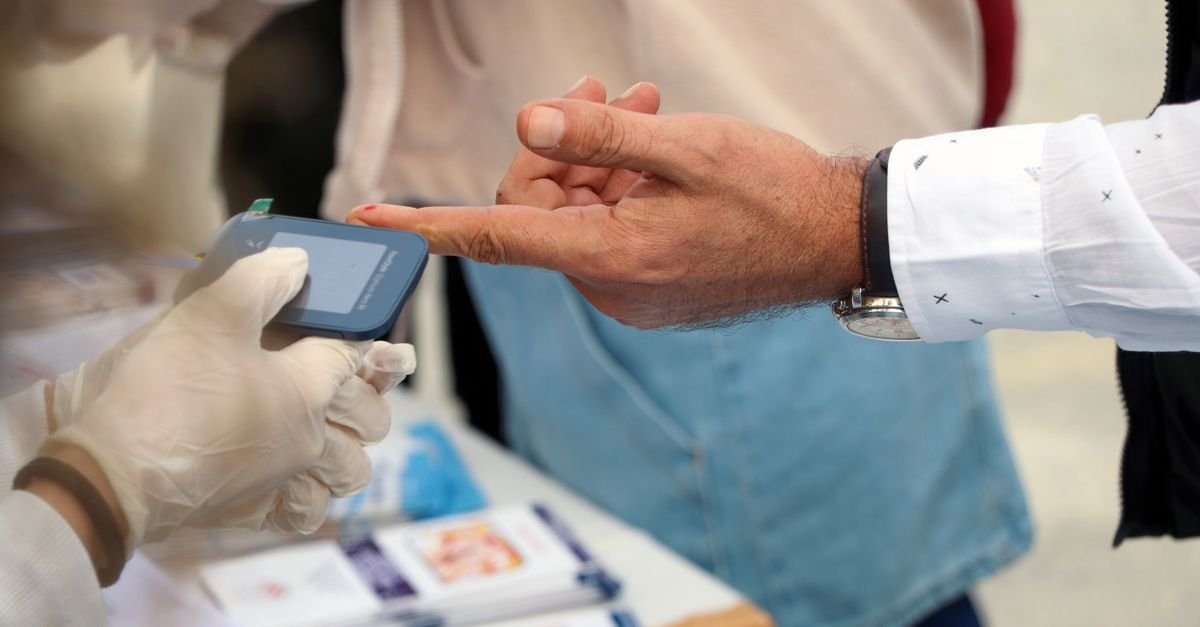
You know a diabetes meal plan chart is working when readings sit inside the targets your doctor sets. For most non-pregnant adults, the American Diabetes Association suggests 80-130 mg/dL before meals, under 180 mg/dL one to two hours after a meal begins, and an A1C below 7%, individualised per person.
Those are the ADA’s suggested starting targets; yours may differ. Pair checks with meals for one or two weeks to learn which plate pushes you over the line.
| When to check | Typical target | What a high reading usually points to | First thing to adjust (with your doctor) |
|---|---|---|---|
| Fasting, on waking | 80-130 mg/dL | Late or heavy dinner, poor sleep, medicine timing | Move dinner earlier; cut dinner grain by a quarter |
| 1-2 hours after breakfast | Under 180 mg/dL | Poha, upma or toast without enough protein | Add curd, egg or paneer; shrink the grain portion |
| 1-2 hours after lunch | Under 180 mg/dL | Rice plus roti plus starchy sabzi on one plate | Pick rice or roti, not both; eat vegetables first |
| 1-2 hours after dinner | Under 180 mg/dL | Large grain portion, sitting straight after eating | 10-15 minute walk after dinner |
| A1C, every 3 months or as advised | Below 7% | The overall pattern, not a single meal | Review the whole week with your doctor or dietitian |
Myth: “A diabetes patient must give up rice and roti completely”
This common belief often backfires. People who cut grains to zero tend to rebound into large portions within weeks, and those on sulfonylureas or insulin risk low sugar if they drop carbs suddenly without telling their doctor.
What the evidence supports is portion and type, not elimination. Harvard’s Nutrition Source classes 1 cup of cooked white basmati rice as a high glycemic load food, while 3/4 cup of brown rice falls in the medium band, with a glycemic load of 20 or more counted as high and 10 or under as low. So the same family dinner can be eaten with half the rice, a switch to brown rice or millets some days, and more dal and sabzi to fill the gap. Our glycemic index chart of common Indian foods lists where your staples fall.
The ICMR-INDIAB modelling quoted above points the same way: carbohydrate at roughly half of daily energy, not keto levels, with more protein.
South Indian diabetic diet chart, vegetarian and non-veg swaps
The 7-day table leans North Indian, but the rules transfer. Keep the carb portion similar, keep the protein, and swap within the same column. If you follow a strict diet for diabetes vegetarian style, pulses, curd, paneer, tofu and sprouts must appear at every main meal, because vegetarian plates tend to under-deliver protein.
| Chart item | South Indian swap | Vegetarian protein option | Non-veg option | Watch out for |
|---|---|---|---|---|
| 2 rotis at lunch | 2 small ragi or jowar rotis, or 2 idlis with extra sambar | Add 1 katori dal | Add 1 katori dal or 2 eggs | Idlis add up fast; 4 is a full meal of carbs |
| Half katori brown rice | Half katori red or parboiled rice | Sambar with plenty of vegetables | Fish curry, small piece | Curd rice and lemon rice as a full meal |
| Moong dal chilla | Pesarattu (moong dosa) | Paneer filling | Egg dosa with less oil | Coconut chutney in large amounts (fat, calories) |
| Paneer bhurji | Tofu or paneer poriyal | Paneer, tofu, soya chunks | Egg bhurji or chicken | Cream-based gravies |
| Roasted chana snack | Sundal (boiled chana with curry leaves) | Sprouts chaat | Boiled egg | Murukku, banana chips, fried mixture |
| Apple or guava snack | Guava or half a cup of papaya | Fruit with a few nuts | Fruit with a few nuts | Mango, chikoo and fruit juice in large servings |
For a South Indian diabetic diet chart, the biggest single change is usually rice volume. A plate piled with rice and a small cup of sambar can exceed 80-90 g of carbohydrate on its own. Reverse the ratio: a measured half to one katori of rice, double the vegetable poriyal, and a full serving of sambar, rasam with dal, or fish.
Troubleshooting: what if your readings do not improve?
Give any type 2 diabetic diet chart at least two weeks of honest logging before judging it. Then work through these common problems.
Fasting sugar is high even though dinner was light
Check timing first: a “light” dinner at 10.30 pm followed by sleep at 11 behaves like a heavy one. If fasting readings stay high for weeks despite an early, modest dinner, that is a medication conversation with your doctor, not a reason to eat less and less.
One meal always spikes
Isolate it. If breakfast poha always takes you above 180 mg/dL, swap it for the chilla or egg option for a week and recheck; often the culprit is portion creep. Our guide on fibre-rich foods has easy ways to add bulk without carbs.
You feel shaky, sweaty or dizzy
That can be low blood sugar, especially if you take insulin or sulfonylureas and have cut carbs. The CDC’s 15-15 rule: if your reading is below 70 mg/dL, take 15 grams of fast-acting carbs such as half a cup of juice or one tablespoon of sugar, wait 15 minutes and recheck, repeating if it is still low. Then tell your doctor, because repeated lows mean the plan and medicines no longer match.
Weight is not moving
Weight matters: NIDDK notes that losing 5% to 7% of body weight may help manage blood glucose, cholesterol and blood pressure, alongside at least 150 minutes of moderate activity a week. For an 80 kg adult that is 4-5.6 kg, a realistic target over several months, not weeks.
Who needs a different diet for diabetes patient plan?
This chart suits most adults with type 2 diabetes managed with diet, metformin or similar medicines. Some groups need an individual plan from a doctor or registered dietitian instead.
- People on insulin or sulfonylureas. NIDDK warns that these medicines can make blood glucose drop too low during exercise or if you skip or delay a meal. Meal timing and carb amounts must match your doses.
- Type 1 diabetes. Carbs are matched to insulin dose meal by meal, so a fixed chart is only a starting point for carb-counting education.
- Pregnancy and gestational diabetes. Targets, calorie needs and carb distribution are different; follow your obstetric team.
- Kidney disease. Protein, potassium and phosphorus may need limits, which changes how much dal, rajma and some fruits you can have.
- Older adults with low appetite or weight loss. Avoiding undernutrition comes before tight carb control.
Activity changes the picture too. Strength training twice a week helps muscles take up glucose, and if you are unsure how to start safely with diabetes, a supervised 1-on-1 personal training programme can build up load gradually while you watch your readings.
Frequently asked questions
Can a diabetic eat rice every day?
Yes, in measured portions. Half to one level katori of cooked rice (75-150 g, about 21-43 g carbs) with dal and a half-plate of vegetables fits most plans. Choose rice or roti at a meal rather than both, and try brown or parboiled rice on some days.
How many rotis can a diabetes patient eat per meal?
Most adults on this chart eat two rotis of about 40 g each at lunch or dinner, roughly 37 g of carbs. Larger, active people may need more; smaller or less active people may manage best on one to one and a half. Your post-meal readings are the real guide.
Which fruits are allowed on a diabetic diet chart?
Whole fruits such as guava, apple, pear, orange, papaya and jamun fit well in portions of about one small fruit or one cup, ideally as a snack rather than straight after a big meal. Limit juices, dried fruit and large servings of mango or chikoo.
Is this diabetic diet chart suitable for type 1 diabetes or pregnancy?
No. It is written for adults with type 2 diabetes. Type 1 diabetes needs carb counting matched to insulin, and gestational diabetes has its own targets and calorie needs. Both need a plan from your medical team.
What is the best breakfast for a diabetic in India?
A breakfast with 25-40 g of carbs plus a solid protein source works best: moong dal chilla with curd, vegetable daliya with eggs, or two idlis with plenty of sambar. Avoid sweet tea with biscuits or large parathas as the whole meal.
Can diet alone reverse type 2 diabetes?
Some people reach remission, usually after significant weight loss early in the condition, but it is not guaranteed and readings can rise again. Diet should support, not replace, the treatment plan your doctor sets. Never stop medicines on your own.
How soon will I see changes in my sugar readings?
Post-meal readings often respond within days of shrinking grain portions. A1C reflects roughly the past two to three months, so judge the overall result at your next scheduled test, not after one week.
Want this chart adjusted to your readings, medicines and home food? Book an online nutritionist consultation with Fitstrot, bring a week of glucose logs, and get a personalised plan that works alongside your doctor’s treatment.


