
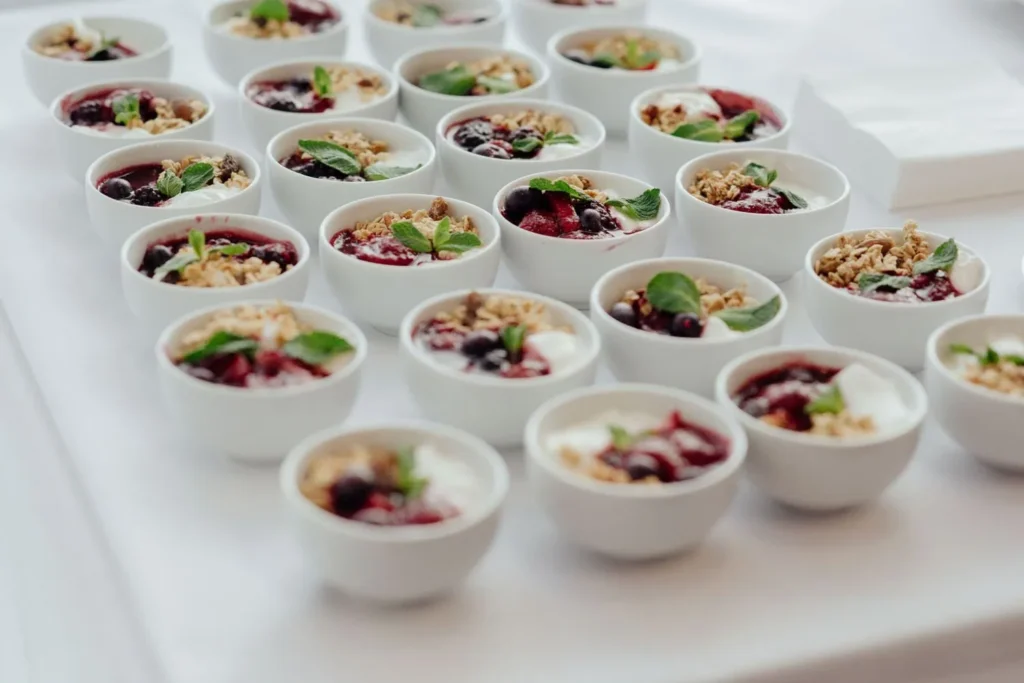
Diabetes friendly snacks are not special “diabetic” products from a shelf. They are ordinary Indian foods eaten in a sensible portion: roughly 15 to 30 grams of carbohydrate, paired with protein, fibre or healthy fat. Think a small bowl of roasted chana, a boiled egg with cucumber, or a handful of almonds instead of biscuits and namkeen. This guide gives you portions in grams, a swap table, a 7-day rotation and the label traps to avoid.
None of this replaces personal medical care. Your ideal carbohydrate target depends on your medicines, activity, weight and lab results, so use these numbers as a starting point and confirm them with your doctor or a registered dietitian. If you want the bigger picture first, read our diabetes nutrition guide.
What makes a snack diabetes friendly?
A diabetes friendly snack has a modest carbohydrate portion, usually about 15 to 30 g, and includes protein, fibre or fat. That combination slows digestion, so glucose enters your blood gradually instead of in one sharp rise. A plain refined-flour biscuit fails this test, while roasted chana with a few nuts passes it.
The idea is closely linked to the glycemic index and glycemic load, which describe how fast a food lifts blood glucose. But in real life you rarely eat a food alone, so what you pair it with matters as much as the food itself. Fibre forms a thick gel in the gut, while protein and fat slow how quickly the stomach empties. Responses still differ from person to person, which is why a glucose meter reading beats any general rule.
Snack portions at a glance: carbs, protein and calories
All values below are rounded estimates for typical Indian portions. Brands, ripeness and cooking method change them, so treat the numbers as “about” and check your own packet or dietitian plan.
| Snack | Portion | Carbs (g) | Protein (g) | Energy (kcal) | Why it works |
|---|---|---|---|---|---|
| Roasted chana | 30 g (small handful) | about 18 | about 6 | about 110 | Fibre plus plant protein |
| Boiled egg | 1 large | under 1 | about 6 | about 75 | Almost no carbohydrate |
| Almonds | about 23 nuts (28 g) | about 6 | about 6 | about 165 | Fat and fibre slow absorption |
| Roasted peanuts | 30 g | about 5 | about 8 | about 170 | Protein-rich, filling |
| Plain dahi | 100 g (half cup) | about 4 | about 3-4 | about 60 | Protein with little sugar |
| Paneer cubes | 50 g | 1-2 | about 9 | about 130 | High protein, low carbohydrate |
| Guava | 100 g (half a medium fruit) | about 12-14 | about 2 | about 55 | High fibre fruit |
| Makhana, dry roasted | 30 g | about 20-22 | about 3 | about 105 | Light, but carbohydrate adds up fast |
| Cucumber with hummus | 1 cucumber, 2 tbsp hummus | about 10 | about 3 | about 100 | Fibre plus protein and fat |
| Plain chaas | 1 glass (200 ml) | about 4-6 | about 3 | about 40 | Hydrating, low carbohydrate |
Notice how makhana, often sold as a “diet” food, sits near the top for carbohydrate. It is a fine snack in a measured bowl, not a bottomless one. Nuts are the opposite: low in carbohydrate but dense in calories, so the limit is a palm-sized handful, not the whole packet. If weight loss is also on your list, our guide to healthy snacks for weight loss covers calorie-calibrated options.
How many carbs should a diabetic snack have?
Most diabetes meal guidance uses about 15 to 30 g of carbohydrate per snack, which equals one small apple, 30 g of roasted chana, or about three cups of air-popped popcorn. Some people need less and some more. Your doctor or dietitian sets the real number based on medicines, weight and glucose readings.
Portion size is where good intentions slip. A snack that feels safe, such as nut butter from the jar or trail mix while cooking, can quietly turn into 400 kcal. Pre-portion snacks into a small steel dabba or bowl at the start of the week instead of eating from the packet. If you are unsure whether you need snacks at all, see the next section and the FAQ below.
How to build your own snack in three steps
- Pick a carbohydrate with fibre. Whole fruit, chana, sprouts, a small roasted sweet potato or a single multigrain roti roll are better starting points than refined flour items or juice.
- Add protein or fat. A boiled egg, a cube or two of paneer, a spoon of peanut butter, dahi or a few nuts. This is the step most people skip, and it does most of the work. For longer ideas, browse our high protein snacks list.
- Fix the portion before you start eating. Count out the nuts, spoon out the chana, cut the fruit. Put the packet away.
Example: half a small apple (about 7 g carbohydrate) plus 1 tsp peanut butter plus a few almonds gives you a snack of roughly 12 to 15 g carbohydrate with protein, fat and fibre. Eating that apple alone, plus a sweet biscuit, would not.
Evening chai-time swaps for Indian snacking habits
Most snack trouble happens at 4 to 6 pm, when chai arrives with something fried or sweet. These swaps keep the habit and trim the carbohydrate load.
| Usual snack | Approx. carbs | Better swap | Approx. carbs |
|---|---|---|---|
| 1 samosa or kachori | 25-30 g | 30 g roasted chana or a small sprouts chaat | 10-18 g |
| 30 g namkeen or bhujia | about 15 g | 30 g lightly salted roasted peanuts | about 5 g |
| 200 ml packaged fruit juice | 20-25 g | 100 g guava or half a small apple | 7-14 g |
| 1 medium banana, eaten alone | about 25 g | Half a banana with 6 almonds | about 13 g |
| Chai with 2 tsp sugar | about 8 g from sugar | Milk tea with less or no sugar | 0 g from sugar |
| Biscuits with chai | varies, often 15+ g | Cucumber and carrot sticks with 2 tbsp hummus | about 8-10 g |
Travelling or stuck in office meetings? Our list of healthy snacks on the go covers portable options that need no fridge.
A 7-day snack rotation for type 2 diabetes
This rotation is a sample for adults who have been told by their doctor that snacks fit their plan. Each snack lands around 10 to 20 g of carbohydrate. It is not a prescription, so adjust the portions to your own targets. For meals around these snacks, see our 7-day diabetes meal plan.
| Day | Mid-morning | Evening |
|---|---|---|
| Monday | 1 boiled egg and cucumber slices | 30 g roasted chana |
| Tuesday | 100 g plain dahi with a few walnuts | Small sprouts chaat with lemon and onion |
| Wednesday | 100 g guava | Palm-sized handful of almonds |
| Thursday | 1 glass plain chaas | 50 g paneer cubes with mint chutney |
| Friday | Half a small apple with 1 tsp peanut butter | Roasted peanuts (30 g) |
| Saturday | Cucumber and carrot sticks with hummus | Small bowl of makhana (about 20 g) |
| Sunday | 1 boiled egg | Roasted chana with a small pear |
Myth check: are “sugar-free” and “diabetic” snacks safe to eat freely?
No. A “sugar-free” label only means no added sugar. Biscuits made with refined flour (maida) still carry roughly 60 to 70 g of carbohydrate per 100 g and little fibre, so they can raise blood glucose almost like ordinary biscuits. Always read the nutrition panel, not the front of the pack.
- Check total carbohydrate and fibre. A snack with several grams of fibre per serving is usually the better choice.
- Read the ingredient order. If maida, glucose syrup, dextrose, maltodextrin or jaggery appears near the top, the sugar effect remains.
- Watch sugar alcohols and sweeteners. Some products using them can cause stomach upset in larger amounts.
- Be wary of “energy” or “breakfast” biscuits. They are frequently refined grain with added sugar.
- Dried fruit concentrates sugar. Two tablespoons of raisins carry about 15 g of carbohydrate, much more than the same weight of fresh grapes.
- Flavoured yogurt is often sweetened. Plain dahi with fruit you add yourself is safer.

Troubleshooting: what if your glucose still jumps after a snack?
If a “good” snack raises your reading more than expected, the usual causes are an oversized portion, carbohydrate eaten alone, or a snack too close to a meal. Change one thing at a time and recheck with the same food on two or three days. Common fixes are below.
- Portion too large. Weigh it once. A “handful” of makhana can be twice what you assumed.
- Carbohydrate eaten alone. Add an egg, paneer, dahi or nuts.
- Snack on top of a heavy meal. Space snacks at least 2 to 3 hours after a main meal unless your doctor says otherwise.
- Hidden sugar. Sweetened chai, flavoured yogurt or coated nuts add more than people expect.
- Stress, poor sleep or illness. These can lift readings regardless of food.
- Movement. A gentle 10 to 15 minute walk after eating helps many people, and low-intensity practices from our yoga for diabetes guide can fit in too, if your doctor agrees.

When should you see a doctor or dietitian about snacking?
See your doctor or registered dietitian if your readings stay high despite sensible snacks, if you often feel shaky, sweaty or confused between meals, or if you are newly diagnosed, pregnant, or have kidney problems. Never change or skip medicines to fit a snack plan, and never start one without medical advice.
If you take insulin or tablets that can cause low blood sugar, ask your doctor how snacks and bedtime food should fit with your timing. Follow the low-sugar plan your doctor gave you, and remember that treating a low is a medical step, not a snack choice. Nothing in a food list can promise a particular glucose result.
Frequently Asked Questions
Can I eat fruit as a snack if I have diabetes?
Yes, in portions. Whole fruit with fibre, such as guava, a small apple or pear, is usually better than juice or dried fruit. Keep to about 100 to 150 g at a time and pair it with a few nuts, dahi or paneer to soften the glucose rise. Mango, banana and grapes need smaller portions.
Are diabetic or sugar-free packaged snacks safe to eat freely?
Not automatically. Many use refined flour and still carry a high carbohydrate load, and some contain glucose syrup or maltodextrin. Compare total carbohydrate and fibre on the nutrition panel, and treat these products as an occasional choice in a measured portion rather than an unlimited free food.
Is makhana good for diabetes?
Makhana can fit into a diabetes plan in a measured portion. About 30 g dry roasted gives roughly 20 g of carbohydrate, so it counts as a carbohydrate snack, not a free one. Use little oil and salt, and pair it with a few nuts or dahi.
What can I eat at night if I have diabetes and feel hungry?
Choose something small and low in carbohydrate, such as a few almonds, a boiled egg, 50 g paneer or a glass of plain chaas. Avoid sweets, biscuits and fruit juice at night. If you take insulin or certain tablets, ask your doctor whether a planned bedtime snack is right for you.
Do I need snacks at all?
Not always. If your main meals are balanced and your readings are steady, you may need few or no snacks. Add one only for a real hunger gap, a long gap between meals, or when your doctor’s plan calls for it.
Good snacking with diabetes means a modest carbohydrate portion, paired with protein or fat, chosen from real food rather than a label claim. If you want this turned into a plan built around your reports, medicines and food habits, book an online nutritionist consultation with Fitstrot and walk away with a snack list you can actually follow.


