
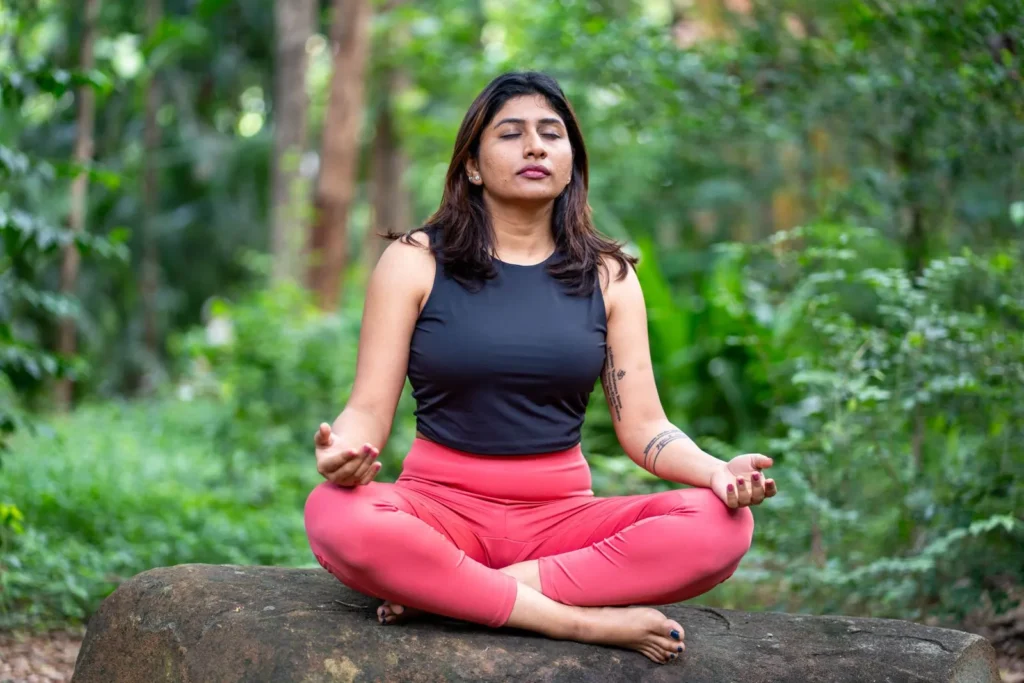
Yoga for diabetes is a gentle, low-risk way to support your blood sugar control alongside your treatment, not a replacement for it. A regular mix of a few asanas, slow breathing and relaxation can lower stress, build the muscle that uses glucose, and make daily walks and meals easier to stick with. This guide gives you a pose table, a breathing guide, a 7-day plan and the safety rules for people on insulin or tablets.
Does yoga help lower blood sugar?
Yes, modestly. In people with type 2 diabetes, regular yoga practised four to six days a week for a few months tends to nudge fasting and after-meal glucose down a little, mainly by reducing stress, building muscle and encouraging more daily movement. The effect supports medication, food and walking. It does not replace them.
Here is why a calm, slow practice can matter for blood sugar:
- Stress hormones. Long-term stress keeps cortisol high, and cortisol tells the liver to release stored sugar. Slow breathing and final relaxation calm that response.
- Muscle. Skeletal muscle is the largest place your body stores and burns glucose, and holds like Setu Bandhasana keep it active.
- Sleep. Poor sleep makes blood sugar harder to manage the next day, and an evening wind-down helps many people fall asleep faster.
You will often read that twisting poses “massage the pancreas” and restart insulin production. That is a popular idea, not something to rely on. Judge your practice by your readings, energy and sleep.
Can yoga cure diabetes? Sorting myth from fact
No. Yoga cannot cure diabetes, and no credible evidence says it can. It can improve blood sugar readings, fitness and stress alongside medicine, food and walking. Never lower or stop insulin or tablets because your numbers look better; any change must come from your doctor after reviewing your results.
Searches like “yoga to cure diabetes” attract a lot of bold claims. These are the ones to ignore:
- “Do Kapalabhati daily and stop your tablets.” Unsafe. Medication changes are a doctor’s decision only.
- “One pose fixes the pancreas.” No single pose does this; a regular routine helps.
- “Results in 7 days.” HbA1c reflects roughly three months, so judge progress over 8 to 12 weeks.
What is realistic: some people with early type 2 diabetes bring readings into the normal range through sustained weight loss, better food and regular activity, sometimes with their doctor reducing medication. That is remission, not a cure, and it can reverse if habits slip.
Who needs a doctor’s clearance before starting?
Everyone with diabetes should check with their doctor before starting a new routine, especially if you take insulin or sulfonylurea tablets, or have eye, nerve, kidney or heart complications, or high blood pressure. Take your list of planned poses and ask which to skip.
Specific cautions to raise at that visit:
- Diabetic retinopathy (eye changes): avoid inversions, deep folds with the head below the heart, and forceful breathing until your eye specialist clears you.
- Neuropathy (numb or tingling feet): practise standing poses next to a wall or chair and check your feet afterwards.
- Insulin or sulfonylureas: these can cause low sugar during or after exercise, so ask for your personal pre-practice glucose range.
- High blood pressure or heart disease: skip strong breathing and long breath holds.
- Back pain, hernia or recent abdominal surgery: skip deep backbends such as Dhanurasana.
Yoga asanas for diabetes: a pose-by-pose table
These yoga asanas for diabetes are slow, floor-based and beginner friendly. Stop at the first sign of pain, dizziness or shakiness.
| Pose | How to do it | Hold | Form cue and caution |
|---|---|---|---|
| Vajrasana (Thunderbolt) | Kneel, sit back on your heels, hands on thighs, spine tall | 2 to 5 min | Place a folded blanket under the knees or calves; skip with knee pain |
| Ardha Matsyendrasana (Half Spinal Twist) | Sit tall, cross one foot over the opposite knee, twist toward the bent knee | 5 breaths per side | Lengthen first, then twist; never force the lower back |
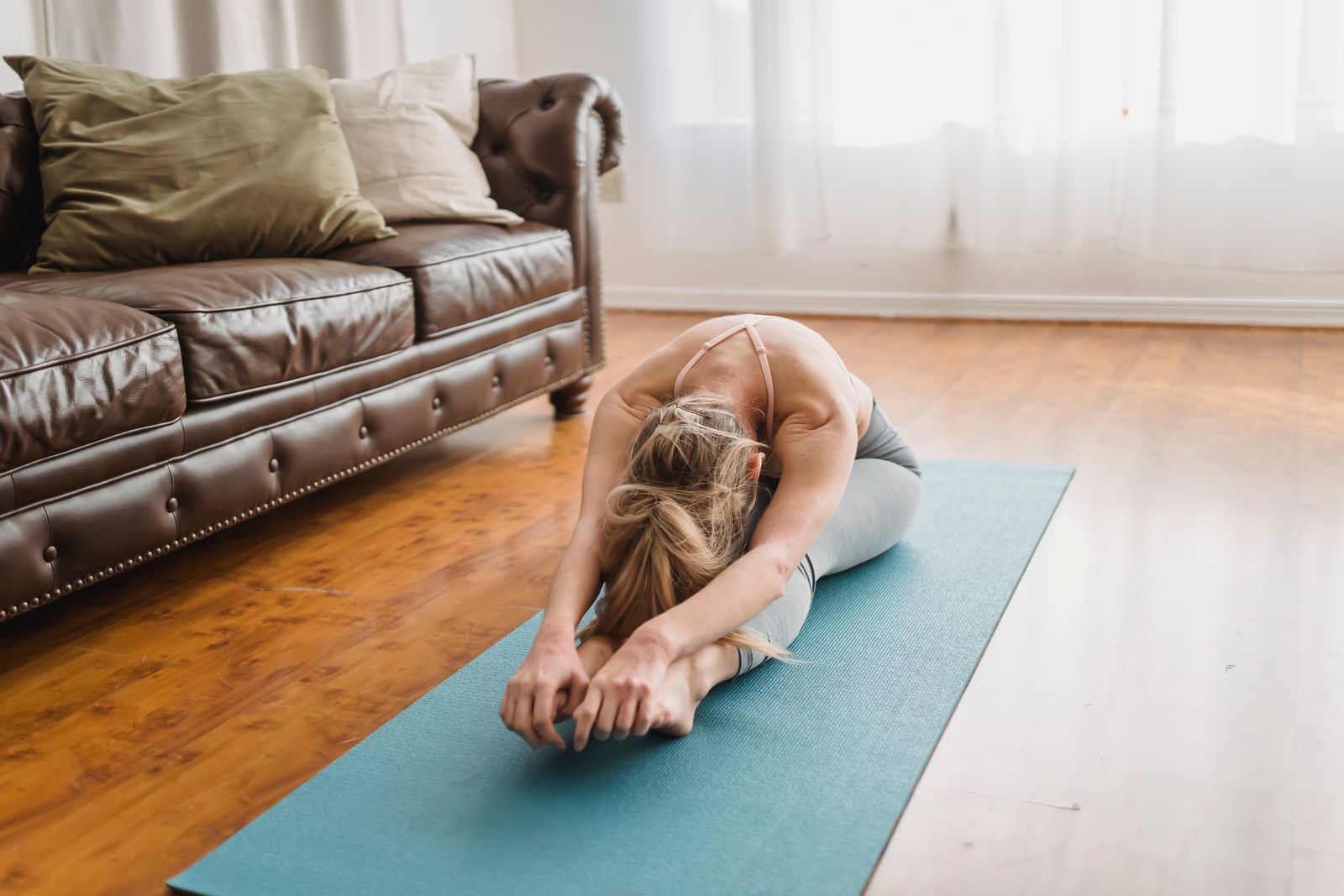
| Paschimottanasana (Seated Forward Bend) | Legs extended, fold from the hips toward the shins | 5 to 8 breaths | Bend the knees slightly; keep the back long; skip if you have retinopathy |
| Bhujangasana (Cobra) | Lie face down, palms under the shoulders, lift the chest low | 3 rounds of 5 breaths | Keep elbows slightly bent; keep the hips on the floor |
| Dhanurasana (Bow) | Face down, hold the ankles, lift chest and thighs | 3 to 5 breaths | Optional, intermediate; skip with back pain, hernia or high blood pressure |
| Setu Bandhasana (Bridge) | Back on the floor, knees bent, lift the hips | 5 to 8 breaths | Press through the feet and squeeze the glutes; keep the neck relaxed |
| Balasana (Child’s Pose) | Knees wide, sit back, rest the forehead down | 1 to 2 min | Place a pillow under the chest if the hips will not reach the heels |
| Shavasana (Corpse Pose) | Lie flat on your back, palms up, eyes closed | 5 to 10 min | Cover yourself; do not skip it, it is part of the practice |
If these poses are new to you, build the basics first with our guide to yoga for beginners, and read about the benefits of yoga.
Which pranayama for diabetes is safe to start with?
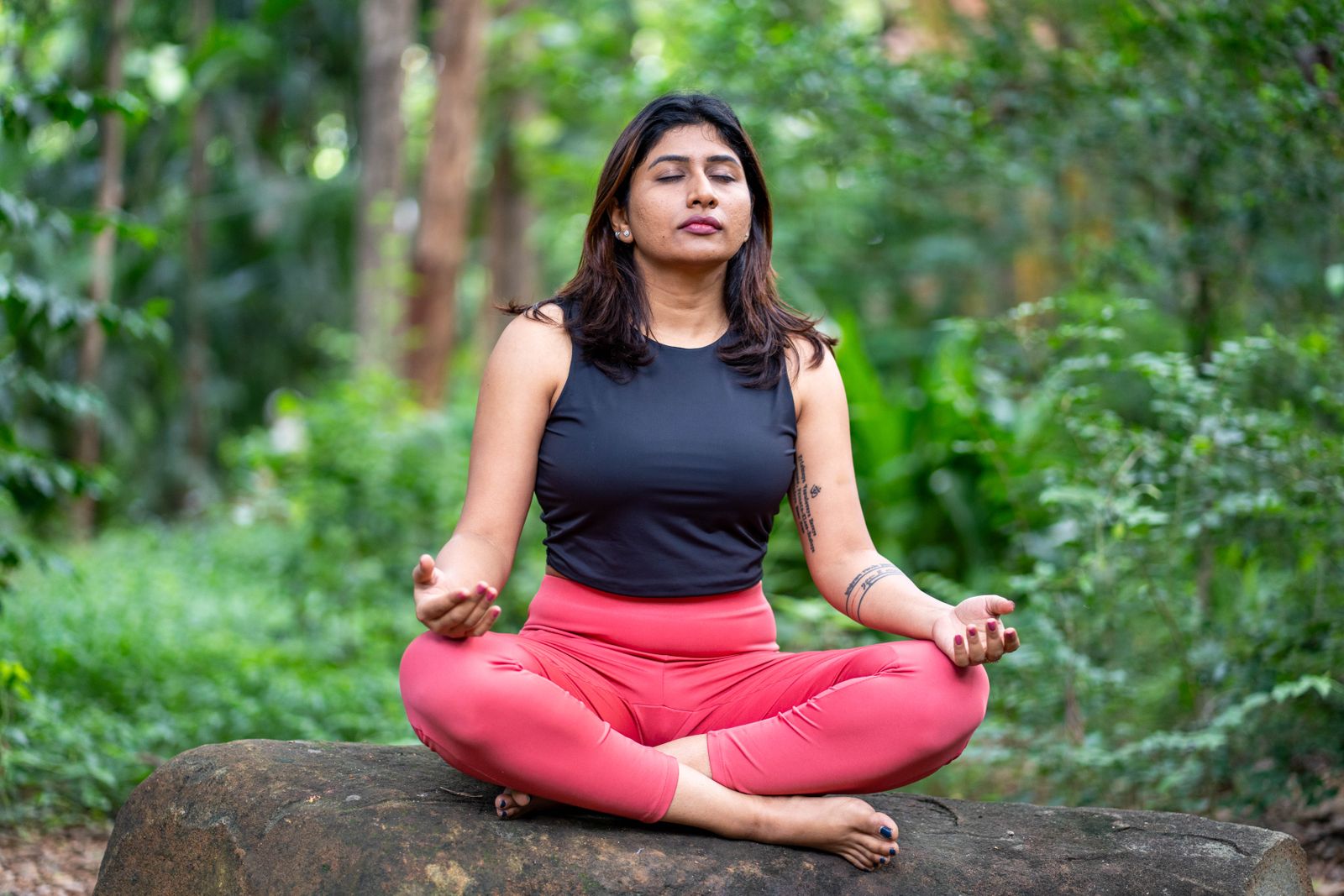
Start with slow, gentle breathing: Anulom Vilom (alternate nostril breathing) for 3 to 5 minutes and Bhramari (bee breath) for 5 to 7 rounds. These calm the nervous system without strain. Treat Kapalabhati (skull-shining breath) as optional and advanced, and avoid it entirely if you have high blood pressure, heart disease, retinopathy or are pregnant.
| Technique | Purpose | Time and rounds | Who should be careful |
|---|---|---|---|
| Anulom Vilom | Balance and steady the breath | 3 to 5 min, no breath holding at first | Skip breath holds if you have heart disease or high blood pressure |
| Bhramari (bee breath) | Long exhale, calming hum | 5 to 7 rounds | Avoid with an active ear infection |
| Kapalabhati | Energising, forceful exhales | Optional; start with 20 pumps, 1 round, only once cleared | Avoid with high blood pressure, heart disease, retinopathy, hernia, pregnancy, or after a large meal |
Practise pranayama sitting upright, before the poses or right before Shavasana. A short sit with meditation for beginners afterwards extends the calm beyond the mat.
A 7-day yoga for diabetes plan you can start this week
This plan uses about 25 to 35 minutes on four or five days, mixes active and gentle sessions, and leaves room for walking after meals. It suits adults with type 2 diabetes or prediabetes who have their doctor’s go-ahead.
| Day | Session | Minutes | Focus |
|---|---|---|---|
| Monday | Vajrasana, twist, forward bend, Bhujangasana, Shavasana | 30 | Core sequence |
| Tuesday | Brisk walk plus 10 min breathing and Balasana | 30 | Movement and calm |
| Wednesday | Core sequence plus Setu Bandhasana | 35 | Legs and glutes |
| Thursday | Rest or a short walk | 15 | Recovery |
| Friday | Core sequence plus Anulom Vilom and Bhramari | 30 | Breath |
| Saturday | Gentle flow plus 15 min Shavasana | 40 | Stress release |
| Sunday | Restorative poses, early bedtime routine | 20 | Sleep |
Keep the plan for four weeks before adding anything, then lengthen holds slightly. Review your readings with your doctor around week 8 to 12. For gentler days, try our restorative yoga guide.
Type 2, type 1 or prediabetes: what changes?
The poses stay similar, but the precautions change. Type 2 diabetes and prediabetes respond best to regular practice plus walking. Type 1 needs closer glucose checks because exercise can lower sugar faster. Whichever applies to you, check readings before and after practice for the first two weeks and share them with your doctor.
Type 2 diabetes. Aim for roughly 150 minutes of total movement a week, mixing yoga, walking and strength work.
Type 1 diabetes. Keep about 15 g of fast-acting carbohydrate (glucose tablets or half a cup of fruit juice) within reach and ask your care team how to time practice around insulin. Begin with gentle, restorative styles.
Prediabetes. This is the best moment to build habits: combine yoga with walking, strength work and food changes. If weight loss is part of your goal, see our guide to yoga for weight loss.
Troubleshooting: low sugar, spikes and dizziness
Most problems have simple fixes; your doctor’s advice always comes first.
- Feeling shaky, sweaty or confused. Stop and check your glucose. If it is below 70 mg/dL, take about 15 g of fast-acting carbohydrate, recheck after 15 minutes and tell your doctor.
- Dizzy when you stand up. Move slowly out of floor poses and hold a wall for a few breaths. Mention it to your doctor if it repeats.
- Sugar is higher right after practice. An intense session can cause a short spike. Slow the pace, lengthen your exhales, and check again a few hours later.
- No change in readings after a month. That is normal. Check that practice, meals and sleep are regular, and ask your doctor or dietitian before adding intense techniques.
What is the best yoga style for diabetes?
For most people, a slow Hatha-style practice with long holds, gentle twists and steady breathing is the best place to start, because it is safe, easy to repeat and focuses on breath and abdominal work. Add one moderate flow a week once you feel confident, and finish every session with relaxation.
A faster vinyasa yoga flow builds more fitness, so it suits people who are already active. Compare options in our guide to the types of yoga. Heated, very intense styles are usually a poor fit.
Learning online lets you fit a 25-minute session in without travelling. Choose a class where the teacher watches your form live, since alignment decides how safe twists and backbends are. See our blog on online yoga classes for how it works.
What should you eat and do around your practice?
Pair yoga with balanced Indian meals, a walk after dinner and regular sleep. Practise at least two to three hours after a heavy meal and about an hour after a light snack, ideally at the same time each day so your readings are comparable.
- Plate balance. Half sabzi or salad, a quarter dal, paneer, curd or eggs, and a quarter roti or rice in a measured portion.
- Walk after meals. A relaxed 10 to 15 minute walk helps smooth the post-meal rise in sugar.
- Strength work. Add two short strength sessions a week, since more muscle means more glucose storage.
- Food guidance. A registered dietitian can match portions and timing to your medication; Fitstrot’s online nutritionist consultation is one route.
Yoga for diabetes and the conditions that travel with it
Diabetes often overlaps with other conditions. For thyroid concerns see yoga for thyroid; for irregular periods and insulin issues, yoga for PCOS; for circulation-related changes in men, yoga for erectile dysfunction. Anyone with raised pressure should read yoga for high blood pressure before choosing breathing practices.
When to see your doctor or dietitian
See your doctor or registered dietitian promptly if you have repeated readings below 70 mg/dL, very high readings that do not settle, chest discomfort, new vision changes, spreading numbness in your feet, or recurring dizziness. Do not wait for your next scheduled visit, and do not adjust medicines yourself.
Frequently asked questions
Can yoga replace diabetes medication?
No. Yoga is a complementary practice that can improve your readings alongside medication, food and monitoring. Stopping or reducing insulin or tablets based on how your practice feels can push blood sugar dangerously high. Any dose change has to come from your doctor after looking at your results.
How long does yoga take to lower blood sugar?
Most people notice better energy, mood and sleep within two to three weeks, but changes in blood tests usually take roughly two to three months of regular practice. HbA1c reflects about three months, so wait 8 to 12 weeks before judging your progress, and keep practising four to five days a week.
Which yoga pose is best for diabetes?
No single pose is best. Ardha Matsyendrasana (half spinal twist), Paschimottanasana, Bhujangasana and Setu Bandhasana are common picks, followed by Shavasana to close. The routine matters more than any one pose, so aim for a short sequence you can repeat, with pranayama and relaxation included.
Is yoga safe if I have just been diagnosed with diabetes?
For most people, yes, with a medical check first, particularly if you have eye, nerve, kidney or heart complications. Begin with gentle, beginner-level poses, check your glucose before and after the first few sessions, and carry about 15 g of fast-acting carbohydrate if you take insulin or sulfonylureas.
Can yoga help prevent type 2 diabetes if I have prediabetes?
Yoga can be a useful part of prevention because it supports stress control, sleep, muscle and daily movement. It works best combined with weight management if needed, healthier meals and regular walking, rather than alone. Ask your doctor to recheck your fasting glucose or HbA1c every few months.
Want a live teacher to check your form and adjust each session to your health? Join Fitstrot’s online yoga classes and tell your instructor about your diabetes, medication and any complications up front.


