
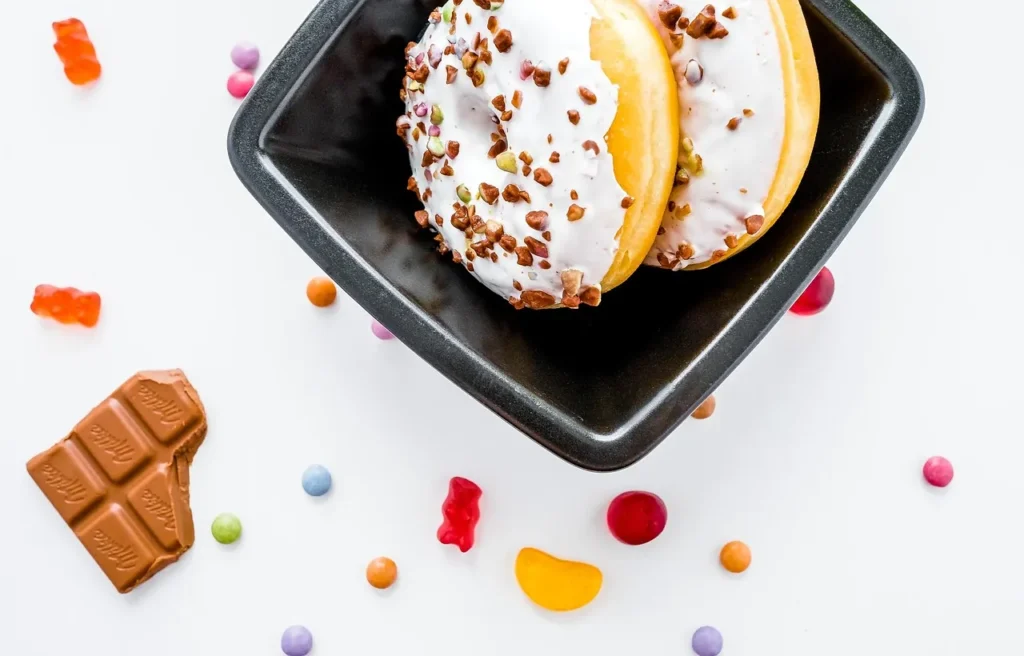
A high triglycerides diet is mostly about what you take off the plate. The main foods to avoid with high triglycerides are added sugar and sweet drinks, refined carbs like maida and large helpings of white rice, alcohol, and deep-fried food, especially food fried in vanaspati or reused oil. This guide gives you the lab ranges, a list of Indian foods to limit with a swap for each, what to eat instead, how much each change is likely to lower your number, and a sample 7-day chart. Read the doctor section before you change anything.
This is educational content, not a treatment plan. Your doctor reads triglycerides alongside your LDL, HDL, blood sugar, thyroid, liver and kidney results.
What is a normal triglyceride level?
For adults, a fasting triglyceride level below 150 mg/dL (1.7 mmol/L) is considered normal. 150–199 mg/dL is borderline high, 200–499 mg/dL is high, and 500 mg/dL or more is very high. For children and teenagers the healthy cut-off is lower, under 90 mg/dL, according to the US National Heart, Lung, and Blood Institute.
These bands appear on both the Mayo Clinic triglycerides guide and the NHLBI page on high blood triglycerides. Indian labs usually report in mg/dL, so that is the column to check on your report. In its 2011 scientific statement, the American Heart Association also proposed 100 mg/dL as an “optimal” fasting level. That is a target for the long term, not a pass/fail line.
| Category | mg/dL | mmol/L | What it usually means for food choices |
|---|---|---|---|
| Optimal (AHA 2011) | Under 100 | Under 1.1 | Keep your current habits; recheck as your doctor advises |
| Normal | Under 150 | Under 1.7 | No special diet; the general healthy-eating guidance applies |
| Borderline high | 150–199 | 1.7–2.2 | Cut added sugar, sweet drinks and alcohol first; walk daily |
| High | 200–499 | 2.3–5.6 | Full diet overhaul plus a doctor review for underlying causes |
| Very high | 500 and above | 5.7 and above | See a doctor promptly. This band carries a pancreatitis risk, and diet changes are made under medical supervision |
These numbers matter in India. In the ICMR–INDIAB study published in 2014, 29.5% of adults tested in Tamil Nadu, Maharashtra, Jharkhand and Chandigarh had high triglycerides. Chandigarh had the highest rate, at 38.6%.
See a doctor first if any of these apply
Food changes help most people with borderline or high readings. Some situations, though, need a doctor before a diet. Book an appointment first, not after a month of trying on your own, if:
- Your report shows 500 mg/dL or higher. According to the NIH’s StatPearls review of hypertriglyceridemia, pancreatitis risk “markedly increases” above 500 mg/dL and rises sharply above 1,500–2,000 mg/dL.
- You have diabetes, thyroid problems, kidney or liver disease, or you are pregnant. All of these can raise triglycerides, and the underlying condition needs treatment.
- You take medicines such as thiazide diuretics, beta-blockers or oral estrogens. StatPearls lists these as possible secondary causes. Never stop or change a prescribed medicine yourself. Ask your doctor whether it is relevant to your result.
- A parent or sibling has very high triglycerides or had early heart disease or pancreatitis; some families carry a genetic form.
Extremely high triglycerides symptoms
Most people with high triglycerides feel nothing, which is why a blood test is the only way to know. At very high levels, warning signs include severe pain in the upper abdomen that may spread to the back, with nausea or vomiting, which can signal acute pancreatitis and needs emergency care. If you have abdominal pain like this, go to a hospital. Don’t wait to try a diet.
Foods to avoid with high triglycerides: the Indian list
The liver turns spare sugar and alcohol into triglycerides, so these matter as much as oil does, and often more. Here are the everyday Indian foods most likely to be pushing your number up, with a swap for each.
| Food group | Common Indian examples | Why it raises triglycerides | Swap it for |
|---|---|---|---|
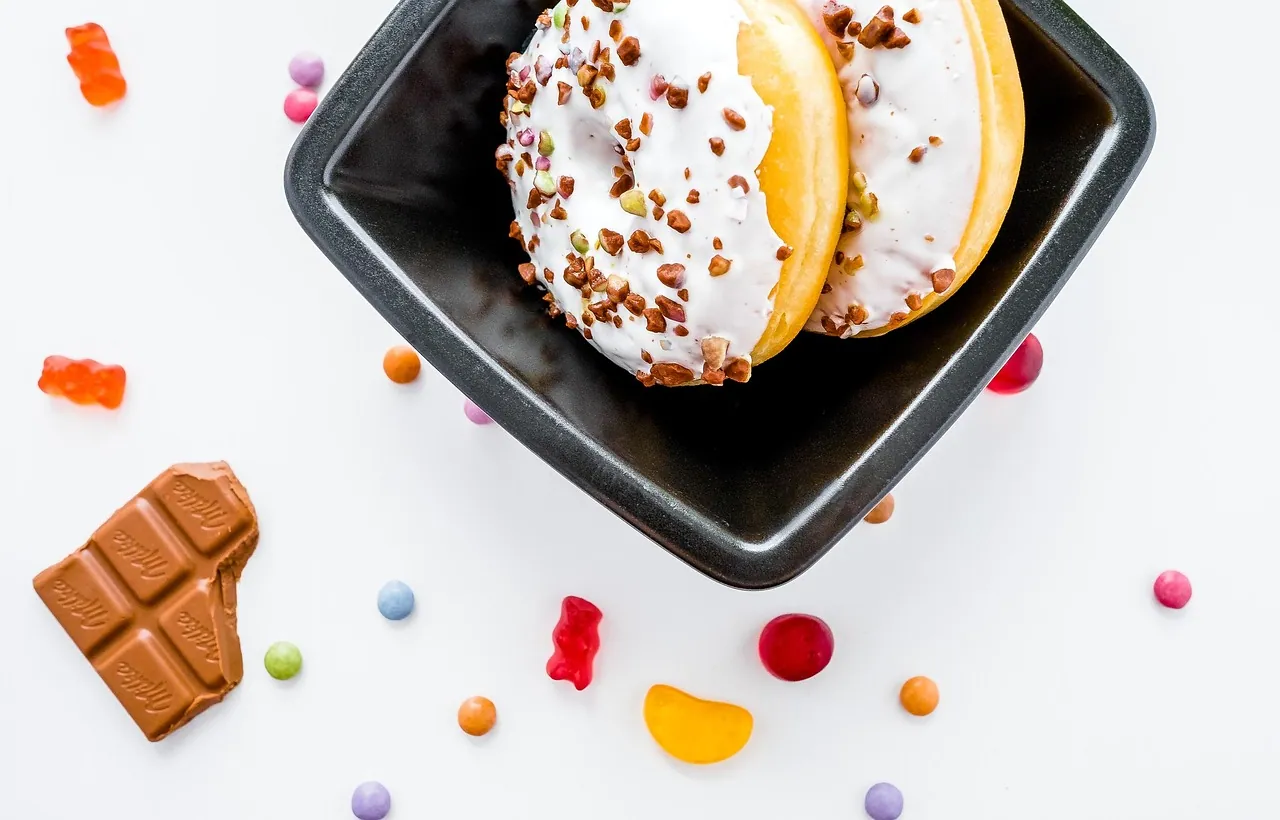
| Sugar-sweetened drinks | Cold drinks, packaged juices, sweet lassi, sugary chai and coffee, energy drinks | Liquid sugar, especially fructose, gets turned into fat in the liver | Plain chaas, nimbu pani without sugar, chai with less sugar each week |
| Mithai and desserts | Gulab jamun, jalebi, halwa, barfi, kheer, ice cream | A lot of added sugar, often combined with ghee or frying | Save sweets for festivals, in a small piece; fresh fruit on other days |
| Refined flour (maida) | White bread, pav, naan, biscuits, rusks, bakery puffs, noodles | Fast-digesting carbs with little fibre raise the liver’s triglyceride output | Whole-wheat or multigrain roti, millet roti (jowar, bajra, ragi) |
| Large portions of white rice | Two or three heaped servings at lunch and dinner | The amount is the problem, not rice itself. Excess starch becomes triglycerides | One cup cooked rice with extra dal and sabzi; try hand-pounded or parboiled rice |
| Deep-fried snacks | Samosa, pakora, bhajji, puri, bhatura, vada, namkeen, chips | A lot of calories and fat, and often reheated or reused oil | Roasted chana, makhana, sprouts chaat, air-fried or steamed snacks |
| Vanaspati and trans fats | Vanaspati (hydrogenated fat), some bakery items, street food fried in reused oil | Trans fats worsen your whole lipid profile | Measured amounts of vegetable oils; rotate mustard, groundnut, rice bran |
| Alcohol | Beer, whisky, rum, wine, and especially sweet cocktails | Alcohol raises the liver’s triglyceride output directly | Alcohol-free days; stop completely if your level is 500 or above |
| Processed and fatty meats | Sausages, salami, fried chicken, mutton curry heavy with fat | Saturated fat and extra calories | Grilled fish, skinless chicken, egg whites, paneer in moderate amounts |
What foods cause high triglycerides the most?
Added sugar, sugary drinks and alcohol usually have the biggest effect, followed by refined carbs and fried food. The American Heart Association’s 2011 statement, Triglycerides and Cardiovascular Disease, advised keeping added sugar to under 5–10% of calories and fructose to under 50–100 g a day for people with raised triglycerides. It also said that people with levels above 500 mg/dL need to restrict alcohol especially strictly.
For India, the ICMR-NIN Dietary Guidelines for Indians (2024) say added sugar should be under 5% of daily energy, which is about 25–30 g, or 5–6 teaspoons. The AHA’s added-sugar limit is similar: about 6 teaspoons (100 kcal) a day for women and 9 teaspoons (150 kcal) for men. Three cups of chai with two teaspoons of sugar each already come to six teaspoons.
Cooking oil: how much is too much?
Oil isn’t banned, but it is easy to overuse. The ICMR-NIN guidelines limit visible fat to 20–50 g a day depending on how active you are. Sedentary women are advised to keep to about 20 g, sedentary men to about 30 g, and ghee or butter to 1–2 teaspoons a day. The same document warns against reusing frying oil and against vanaspati, a partially hydrogenated fat that is a source of trans fats. A simple habit is to measure the day’s oil into a small bowl every morning and cook only from that bowl.
Myth check: five things people get wrong
Myth 1: “Triglycerides are only about oily food.” Oil matters, but the liver makes triglycerides from extra sugar, refined starch and alcohol. Someone who has cut ghee but still drinks three sweet chais and a packaged juice every day may see little change.
Myth 2: “Fruit juice is healthy, so it’s fine.” Juice is concentrated fruit sugar without the fibre. The ICMR-NIN guidelines list fruit juices alongside soft drinks as drinks to cut down on. Eat the whole fruit instead: one guava, apple or orange at a time.
Myth 3: “Jaggery, honey or brown sugar don’t count.” They are still added sugar.
Myth 4: “I need to cut out rice and roti completely.” You don’t. The problem is large portions of refined grains. Whole grains, millets, and dal-heavy plates keep carbohydrate in your diet and still bring triglycerides down.
Myth 5: “A fish oil capsule will fix it, so I can keep eating the same way.” Prescription-strength omega-3 is a medical treatment, and the dose is a decision for your doctor. Don’t start capsules yourself as a replacement for changing what you eat.

High triglycerides foods to eat instead
Build meals around these Indian staples:
- Oily fish, twice a week: mackerel (bangda/ayala), sardines (mathi/tarli), salmon or rohu. A table in a 2017 review lists Atlantic mackerel at about 1.2 g of the omega-3s EPA and DHA per 100 g, and Atlantic sardines at about 1 g.
- Pulses and legumes: moong, masoor, rajma, chana, lobia. They add protein and fibre without the fast-sugar load.
- Whole grains and millets: jowar, bajra, ragi, foxtail millet, broken wheat (dalia), oats, brown or hand-pounded rice.
- Nuts and seeds, a small handful: walnuts, almonds, peanuts, flaxseed, chia seeds.
- Vegetables at every meal: half your plate of non-starchy sabzi, salad or greens.
- Whole fruit in portions: one medium fruit at a time. Go easy on very sweet fruits such as ripe mango, chikoo and grapes.
- Protein that isn’t fried: eggs, curd, paneer in moderate portions, tofu, grilled chicken.
Breakfast foods that lower triglycerides
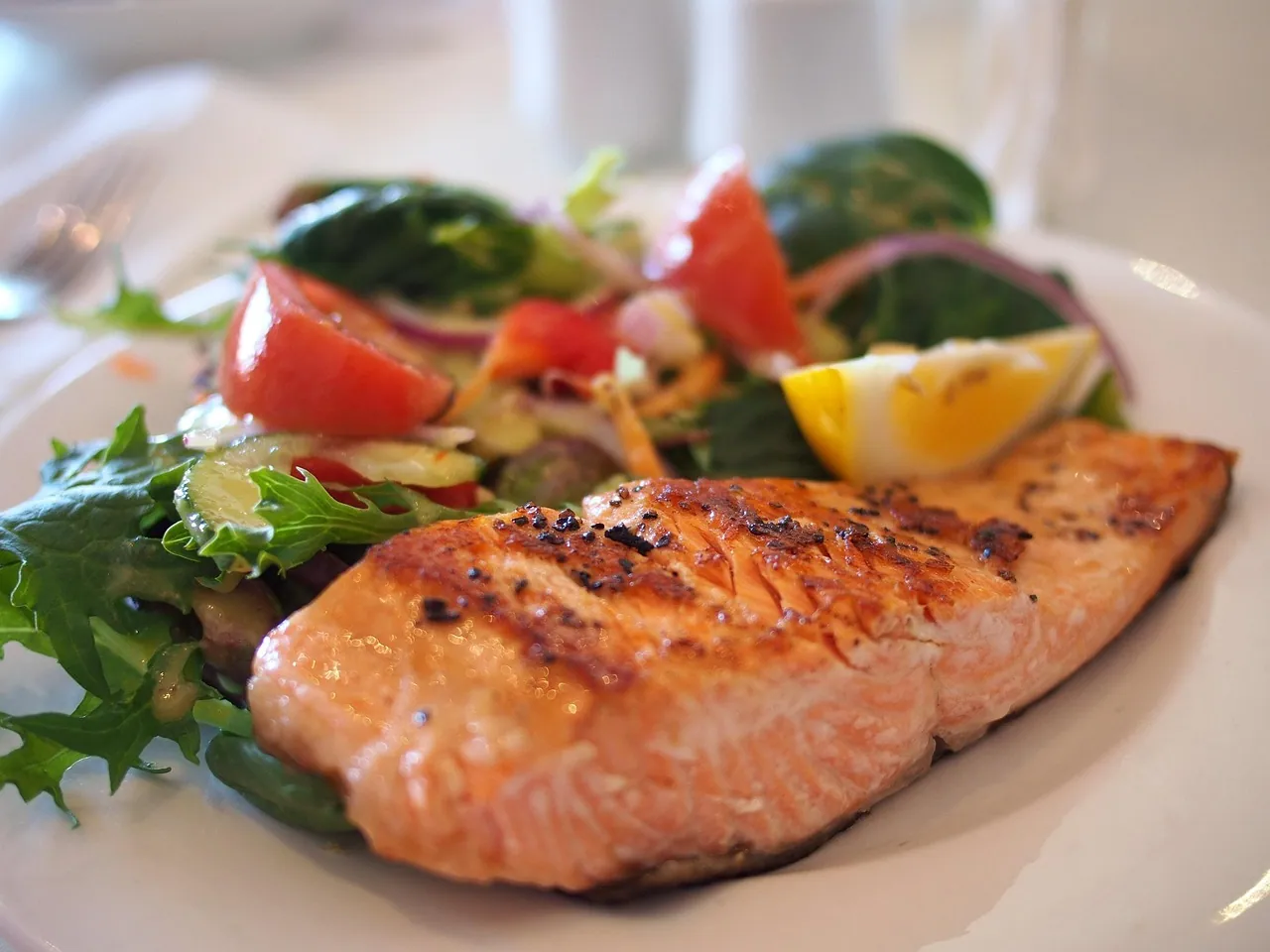
Move breakfast away from white bread, suji and parathas towards fibre and protein. Try vegetable oats or dalia upma, moong dal chilla with mint chutney, ragi dosa with sambar, besan chilla with curd, or two eggs with a multigrain roti and vegetables. Keep tea and coffee unsweetened. If you want more protein ideas that aren’t fried, our high-protein snacks list has Indian options.
Lifestyle levers, ranked by how much they lower triglycerides
According to the 2011 AHA statement, diet and lifestyle changes can lower triglycerides by 20–50%, and combining all of them can bring 50% or more. Losing 5–10% of your body weight is the single biggest change, with an expected drop of about 20%. At 90 kg, that means losing 4.5–9 kg.
The figures below come from a 2017 review in Archives of Medical Research by Byrne and colleagues, which adapted many of them from the AHA statement. They are averages from studies. Your own result depends on your starting level, your genes and any underlying conditions.
| Change | Typical triglyceride reduction | What it looks like in an Indian routine |
|---|---|---|
| Lose 5–10% of body weight | About 20% | Losing 4–8 kg at 80 kg, over months, not weeks |
| Each 1 kg of weight lost | About 2% | A steady 0.5 kg a week adds up |
| 150 min/week of moderate exercise | Adds about 20–30% (AHA) | 30 minutes of brisk walking, yoga or dance, 5 days a week |
| Mediterranean-style eating instead of a high-carb diet | 10–15% | More dal, vegetables, nuts, fish and plant oils; less rice, maida and sugar |
| Marine omega-3 (EPA + DHA), per gram a day | 5–10% | Oily fish twice a week (supplement doses are for your doctor to decide) |
| A handful of nuts in place of other calories | About 10–20% in studies (walnuts, peanuts) | Swap the biscuit packet for 20–30 g of nuts |
| Replace trans fats with other fats | About 1% for each 1% of calories | No vanaspati; no reused frying oil |
| All of the above together | 50% or more | The combination is what works |
Exercise helps even before any weight loss. If staying consistent on your own is hard, live online yoga classes can help you build the habit from home.
Triglycerides diet plan: a sample Indian week
This is a template, not a prescription. Portions depend on your weight, activity, blood sugar and any kidney or liver condition. Non-vegetarians can swap two dinners for fish.
| Day | Breakfast | Lunch | Evening snack | Dinner |
|---|---|---|---|---|
| Mon | Vegetable oats upma + unsweetened tea | 2 multigrain rotis, rajma, cucumber salad | Roasted chana (30 g) | Grilled mackerel or paneer tikka, sautéed beans |
| Tue | 2 moong dal chillas + mint chutney | 1 cup brown rice, sambar, cabbage poriyal | 1 guava | Jowar roti, palak dal, curd |
| Wed | Ragi dosa + sambar | 2 rotis, chana masala (light oil), salad | Buttermilk + 5 almonds | Egg bhurji or tofu bhurji, mixed vegetables |
| Thu | Dalia with vegetables | 1 cup hand-pounded rice, fish curry or dal, greens | Sprouts chaat | Bajra roti, lauki chana dal |
| Fri | 2 boiled eggs + 1 multigrain toast + tomato | Millet khichdi with vegetables + curd | 1 apple + 4 walnut halves | Grilled chicken or soya chunks, stir-fried vegetables |
| Sat | Besan chilla + curd | 2 rotis, mixed dal, bhindi (dry, light oil) | Roasted makhana (20 g) | Sardine curry or paneer bhurji, salad |
| Sun | Idli (3) + sambar | 1 cup rice, rajma or fish, kachumber | 1 orange | Vegetable soup + 1 ragi roti + dal |
Daily rules for this plan: no sugar-sweetened drinks, oil from one measured bowl (about 20–30 g), unsweetened tea or coffee, and at least 30 minutes of movement. If you have diabetes, keep your doctor’s carbohydrate advice.
How to reduce triglycerides naturally with Indian food: a 4-week walkthrough
Make one change a week so each becomes a habit before you add the next.
- Week 1, drinks: cut out cold drinks, packaged juice and energy drinks entirely. Halve the sugar in chai. Drink water, chaas or nimbu pani without sugar.
- Week 2, sweets and maida: keep mithai to one small piece on one day of the week. Replace white bread, pav and biscuits with rotis, millets or roasted snacks.
- Week 3, oil and frying: start the measured oil bowl. Keep fried snacks to once a week, and never fried in reused oil. Throw out vanaspati.
- Week 4, portions and plate: fill half your plate with vegetables and a quarter with dal or protein, and limit rice or roti to the last quarter. Add oily fish twice a week if you eat it.
How to reduce triglycerides quickly: what is realistic?
Triglycerides are closely tied to what you have recently eaten and drunk, so cutting sugar, sweet drinks and alcohol is the fastest lever you have. The 2011 AHA statement puts the total effect of diet and lifestyle at a 20–50% reduction. Crash diets and “7-day detox” plans are not a safe shortcut. Your doctor decides when to retest.
What you can do quickly is remove the biggest triggers: liquid sugar, alcohol, and fried and bakery food. Weight loss and fitness gains take months. Be wary of any product that claims to “flush triglycerides in 7 days”; very high levels need medical care, not a detox.
Troubleshooting: my numbers haven’t come down
- Was the test done properly? A heavy meal, sweets or alcohol the day before can raise a reading. Ask whether you should fast and repeat the test the same way each time.
- Hidden sugar: flavoured yoghurt, “health” drinks, protein bars, ketchup, packaged muesli, sweet chutneys and “sugar-free” mithai made with dates or jaggery.
- Portion creep: three millet rotis with two spoons of ghee still add up.
- Weekend drinking: two nights of heavy drinking can undo a week of careful eating.
- An undiagnosed cause: uncontrolled diabetes, an underactive thyroid, kidney disease or a medicine side effect. This is a question for your doctor. Don’t stop any medicine yourself.
Special situations: diabetes, PCOS, pregnancy and children
Diabetes and prediabetes: high blood sugar and high triglycerides often go together, and improving blood sugar usually lowers triglycerides too. Keep to your diabetes team’s carbohydrate and medicine plan. The dietary changes here fit alongside it. Our guide to insulin resistance and weight loss explains the connection.
PCOS: insulin resistance is common in PCOS and can raise triglycerides. The same low-sugar, high-fibre approach applies; your gynaecologist or endocrinologist guides treatment.
Pregnancy: triglycerides naturally rise during pregnancy. Don’t start a restrictive diet without your obstetrician’s advice.
Children: the cut-off for children is lower (under 90 mg/dL). The ICMR-NIN guidelines cite Comprehensive National Nutrition Survey data showing high triglycerides in 34.0% of Indian children aged 5–9 and 16.1% of adolescents. For children, focus on removing sweet drinks and packaged snacks, never on dieting, and involve your paediatrician.
Older adults: keep enough protein and don’t lose weight too fast. Supervised strength and balance work helps, and 1-on-1 personal training lets a coach set a safe starting level.
Frequently asked questions
Which fruits should I avoid with high triglycerides?
You don’t need to avoid any fruit completely, but avoid fruit juices and limit very sweet fruits such as ripe mango, chikoo, grapes and bananas to small portions. Prefer guava, apple, orange, papaya and berries, one medium fruit at a time.
Is ghee bad for high triglycerides?
Ghee is a saturated fat, so keep it small. The ICMR-NIN guidelines suggest 1–2 teaspoons of ghee or butter a day at most, counted within your total daily oil limit. Sugar and refined carbs usually matter more for triglycerides than a small amount of ghee.
Can I eat rice if my triglycerides are high?
Yes, in a controlled portion of about one cup cooked, with plenty of dal and vegetables. Large helpings of white rice twice a day are the problem. Hand-pounded, parboiled or brown rice, or millets for some meals, are better choices.
Is alcohol completely off-limits?
If your triglycerides are 500 mg/dL or higher, yes. The NHLBI and Mayo Clinic advise people with very high levels to avoid alcohol entirely. At lower levels, drink as little as possible, with several alcohol-free days a week, and follow your doctor’s advice.
Are eggs safe with high triglycerides?
For most people, yes. Eggs are low in sugar and add protein that keeps you full. Boiled or poached eggs, or bhurji made with little oil, are better than eggs fried in lots of oil. If your LDL is also high, ask your doctor how many whole eggs a week suit you.
How long does it take for diet to lower triglycerides?
Cutting sugar, sweet drinks and alcohol affects triglycerides sooner than most other changes, but the full benefit builds over months. Combined diet, exercise and weight loss can lower triglycerides by 50% or more, according to the 2011 AHA statement. Your doctor will decide when to repeat the test.
Should I take fish oil capsules for high triglycerides?
Only if your doctor advises it. Prescription omega-3 at a medical dose is a treatment for specific cases. Eating oily fish twice a week is a safe food-based step, but it doesn’t replace cutting sugar and alcohol or following your doctor’s advice.
Your next step: take your latest lipid profile to your doctor. Then book an online session with a Fitstrot nutritionist to turn this list into a meal plan built around your own report, food habits and budget.


