

Does sugar raise cholesterol? Yes, but not in the way most people expect. Eating a lot of added sugar mainly pushes up your triglycerides and pulls down your HDL (“good”) cholesterol. It also nudges LDL (“bad”) cholesterol up a little. The liver is where this happens, and fructose (half of table sugar, and most of the sugar in syrups) is the main driver. So the dietary cholesterol in eggs or ghee is only part of the picture. The sugar in your chai, cold drinks and mithai can show up on your lipid report too.
This guide is general education, not a diagnosis. If your lipid profile is already abnormal, or you take medicine for cholesterol, diabetes or blood pressure, read your report with your doctor. Do not stop or change any medication on your own.
Does sugar raise cholesterol, or only triglycerides?
Short answer: Added sugar raises both, but triglycerides move most. A 2014 meta-analysis of 37 randomised trials found that higher sugar intakes raised triglycerides by about 10 mg/dL, total cholesterol by about 6 mg/dL and LDL cholesterol by about 5 mg/dL compared with lower intakes. The effect held even when body weight did not change.
Those numbers come from the systematic review by Te Morenga and colleagues (American Journal of Clinical Nutrition, 2014). They reported mean differences of 0.11 mmol/L for triglycerides, 0.16 mmol/L for total cholesterol and 0.12 mmol/L for LDL. That works out to roughly 10, 6 and 5 mg/dL, the units Indian labs use. The shifts look small, but they came from trials often lasting only weeks, and the link was strongest where calories were kept balanced, so sugar affected blood fats even without weight gain.
So the honest answer to “does sugar increase cholesterol” is: yes, modestly for LDL and total cholesterol, and more clearly for triglycerides and HDL. The HDL effect comes from observational data, which we cover below.
Sugar and cholesterol by the numbers: what the research measured
Research on sugar and cholesterol is easy to exaggerate in either direction. The table below lists the key findings with the type of study behind each one, so you can see how strong the evidence is.
| Study (year) | Design | Sugar exposure | Lipid finding |
|---|---|---|---|
| Te Morenga et al. (2014) | Meta-analysis of 37 randomised trials with lipid outcomes | Higher vs lower free-sugar diets, at least 2 weeks | Triglycerides +0.11 mmol/L (~10 mg/dL), total cholesterol +0.16 mmol/L (~6 mg/dL), LDL +0.12 mmol/L (~5 mg/dL) |
| Welsh et al., JAMA (2010) | Cross-sectional, 6,113 US adults (NHANES 1999–2006) | Added sugar from under 5% to 25% or more of calories | HDL fell from 58.7 to 47.7 mg/dL; triglycerides rose from 105 to 114 mg/dL; at 10% or more of calories, odds of low HDL were 50% to over 300% higher |
| Stanhope et al., J Clin Invest (2009) | 10-week controlled feeding trial, overweight/obese adults | Fructose- vs glucose-sweetened drinks at 25% of energy needs | Fructose raised LDL, small dense LDL, apoB and after-meal triglycerides, and increased belly (visceral) fat |
| ICMR-INDIAB (2014) | Population survey, 2,042 Indian adults with fasting lipids | Not a sugar study; shows the Indian lipid pattern | Low HDL in 72.3%, high triglycerides in 29.5%, high LDL in 11.8% |
Two points from this table matter for Indian readers. First, the lipid problems that sugar causes most (low HDL and high triglycerides) are the same ones that are most common in India. The ICMR-INDIAB dyslipidaemia study (PLoS One, 2014) found low HDL in 72.3% of adults, and it was the most common lipid problem in every region studied. Second, the problem has grown. The larger ICMR-INDIAB-17 report (Lancet Diabetes & Endocrinology, 2023) tested 113,043 adults and put the prevalence of dyslipidaemia at 81.2%.
Inside the liver: how extra sugar becomes blood fat
- Table sugar splits in two. Sucrose (cheeni, and also jaggery, which is mostly sucrose) breaks down into glucose and fructose in the gut. Many tissues in the body can use glucose. Fructose goes almost entirely to the liver.
- The liver turns the excess into fat. When more fructose arrives than the liver needs for fuel, it converts the extra into fat. This process is called de novo lipogenesis, meaning “new fat made from scratch”. In the Stanhope trial, fructose drinks increased this fat-making, while glucose drinks at the same calories did not.
- The fat leaves as VLDL. The liver packs the new triglycerides into particles called VLDL and sends them into the blood. This is why triglycerides are usually the first number to rise.
- VLDL changes into small, dense LDL. As VLDL releases its fat, the leftover particles become LDL. The fructose group in the Stanhope trial (Journal of Clinical Investigation, 2009) showed rises in small dense LDL and oxidised LDL, the types linked to plaque.
- HDL gets used up. Triglyceride-rich particles swap their contents with HDL, and the altered HDL is cleared faster. That fits the steady fall in HDL seen as sugar intake rises.
The liver also stores some of this new fat, which is why high sugar intake, fatty liver and high triglycerides often turn up together.
Sugar and triglycerides: the number that moves first
Direct answer: Triglycerides respond to sugar faster and more strongly than LDL does. Mayo Clinic classes fasting triglycerides under 150 mg/dL as healthy, 150–199 as borderline high, 200–499 as high and 500 or above as very high. It says that simple carbohydrates such as sugar, white-flour foods and fructose can raise them.
The Mayo Clinic guide to triglycerides also points out that alcohol has a particularly strong effect on triglycerides. That is also why doctors ask about sweets, juices, alcohol and refined carbohydrates such as maida, white rice and bakery foods when they see a high triglyceride result.
For a full list of foods that push this number up, see our guide to foods to avoid with high triglycerides. This article covers the sugar side of the question.
Does sugar affect cholesterol through HDL?
Yes, and in India this may matter more than the LDL effect. In the Welsh study (JAMA, 2010), average HDL fell steadily across sugar-intake groups, from 58.7 mg/dL in people getting under 5% of calories from added sugar to 47.7 mg/dL in people getting 25% or more. The study defined low HDL as under 40 mg/dL for men and under 50 mg/dL for women. Among women, LDL also rose slightly, from 116 to 123 mg/dL. Among men, there was no significant LDL trend.
This was observational, so it shows a link rather than proof, but it agrees with the trial data and the liver mechanism.
Where the sugar hides in a normal Indian day
Most people who say “I don’t eat much sugar” mean they don’t eat much mithai. But chai, drinks and breakfast foods add up. The ICMR-NIN Dietary Guidelines for Indians (2024) advise adults to keep added sugar below 5% of daily energy, about 20–25 g a day. The guidelines also count jaggery and honey as added sugars. The table below shows how quickly an ordinary day reaches that limit. It uses the American Heart Association’s conversion of 6 teaspoons to about 25 g, or roughly 4 g per level teaspoon.
| When | Item (as commonly made) | Added sugar | Running total |
|---|---|---|---|
| 7 am | Chai, 1 cup with 2 tsp sugar | ~8 g | 8 g |
| 9 am | Breakfast with a spoon of jam, or a sweetened cereal | Check the label: “added sugars” per serving | 8 g + label |
| 11 am | Second chai, 2 tsp sugar | ~8 g | 16 g |
| 1 pm | Lunch with a small piece of gur “for digestion” | Jaggery counts as added sugar (ICMR-NIN) | 16 g + gur |
| 4 pm | Chai with 2 tsp plus 2 cream biscuits | ~8 g + label | 24 g + extras |
| 6 pm | Glass (250 ml) of sugarcane juice | 13–15 g per 100 ml = ~33–38 g (ICMR-NIN) | ~57–62 g |
| 9 pm | A bowl of home-made kheer (2 tbsp sugar shared by 4) | ~6 g | ~63–68 g |
This ordinary day reaches about 2.5 times the ICMR-NIN limit before counting biscuits, jam or gur. Three cups of chai alone take about 24 g, so the fastest win is usually the chai, not dessert.
Sugary drinks are the worst offenders
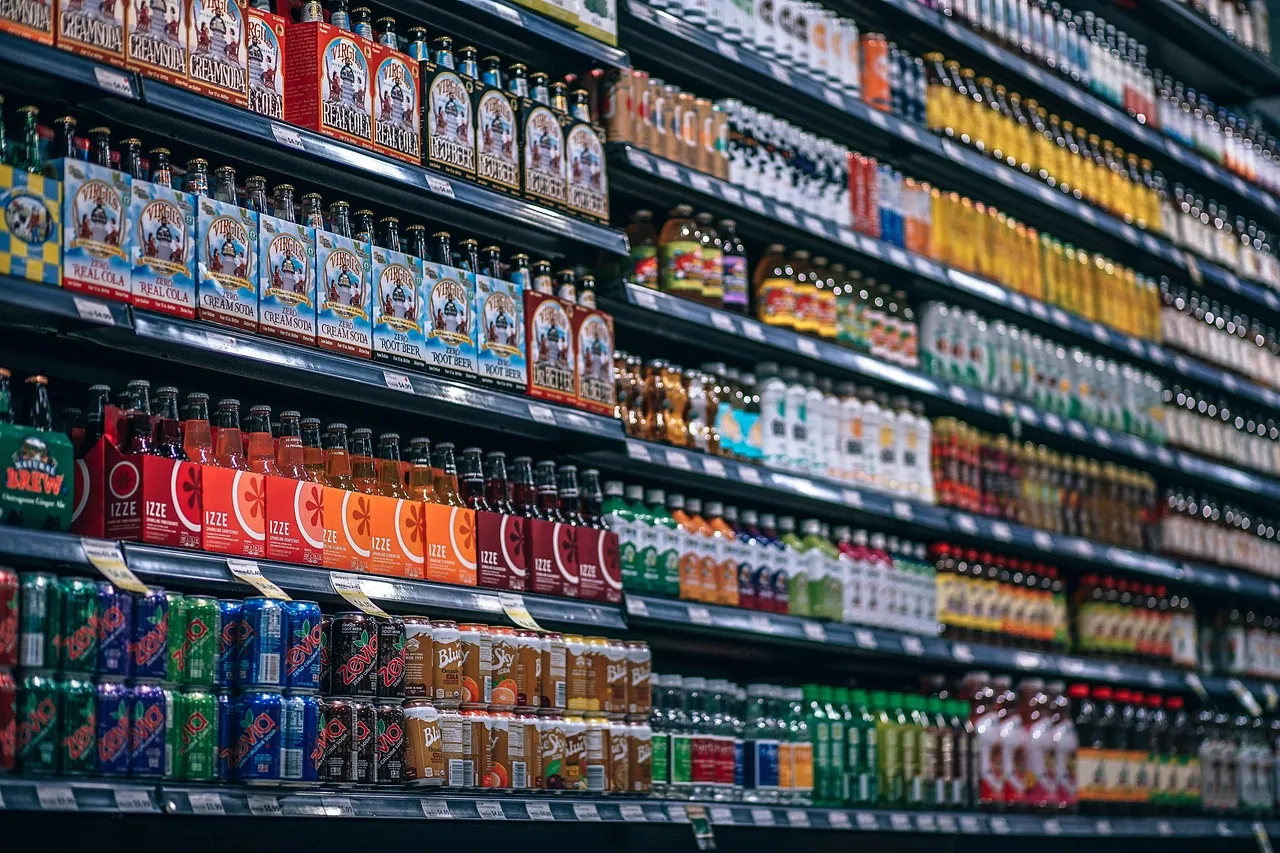
Sugar in a drink reaches the liver quickly and does not fill you up the way food does. The American Heart Association’s 2009 scientific statement on dietary sugars (Circulation) named soft drinks and other sugar-sweetened beverages as the main source of added sugar in the diet. It linked them with higher calorie intake and body weight. In India, add packaged juice, sweet lassi and sugarcane juice. ICMR-NIN advises that fresh fruit juice, if you have it at all, should come from no more than 100–150 g of whole fruit and be an occasional choice. Whole fruit is the better option.
How much sugar is safe for your cholesterol?
Direct answer: For heart health, keep added sugar to about 25 g (6 teaspoons) a day or less. The WHO’s 2015 guideline sets a firm ceiling of under 10% of daily energy and suggests under 5% (about 25 g) for extra benefit. ICMR-NIN’s 2024 guidelines advise under 5%, or 20–25 g for adults.
The WHO recommendation (2015) covers “free sugars”. These include sugar added to food and the sugars naturally present in honey, syrups and fruit juice, but not the sugar inside whole fruit and plain milk. The American Heart Association gives a similar limit: no more than 100 calories (about 6 teaspoons, 25 g) a day for most women and 150 calories (about 9 teaspoons, 36 g) for most men.
| Authority (year) | Limit | In grams | In teaspoons |
|---|---|---|---|
| ICMR-NIN, India (2024) | <5% of daily energy | 20–25 g | ~5–6 |
| WHO (2015), strong recommendation | <10% of daily energy | ~50 g on a 2,000 kcal diet | ~12 |
| WHO (2015), conditional recommendation | <5% of daily energy | ~25 g | ~6 |
| American Heart Association, women | ≤100 kcal/day | ~25 g | ~6 |
| American Heart Association, men | ≤150 kcal/day | ~36 g | ~9 |
If your triglycerides are already high, aim for the lower end. Cutting your three or four biggest sources does most of the work.
Myth check: is jaggery good for cholesterol?
Direct answer: No. Jaggery (gur) is not a heart-friendly swap for sugar. Chemically, it is mostly sucrose, the same glucose-plus-fructose pair as white sugar, so the liver handles it the same way. The ICMR-NIN 2024 guidelines list jaggery and honey alongside table sugar, glucose and fructose as added sugars to limit.
Jaggery keeps trace minerals that white sugar loses, but not enough to matter at amounts under 25 g a day. The same applies to honey, coconut sugar and date syrup: count them in the same daily limit.
Other common myths:
- “Sugar has no cholesterol, so it can’t raise cholesterol.” Sugar contains no cholesterol, but your liver uses the extra to make triglycerides and lipoproteins. The trial data above show the effect.
- “Only overweight people need to worry.” In the 2014 meta-analysis, lipids rose even in trials where weight did not change. Thin people can have high triglycerides too.
- “Sugar-free mithai is fine in any amount.” Most still contain khoya, ghee or maida. Check calories and fat, not just sugar.
Blood sugar and cholesterol: why the two reports rise together
Many people get their HbA1c and lipid profile done on the same day and find both are high. That is not a coincidence. When the body stops responding well to insulin (insulin resistance), the liver releases more triglyceride-rich VLDL, and HDL falls. Blood sugar and cholesterol problems often come from the same cause: excess refined carbohydrate and sugar, belly fat and too little activity.
Understanding the blood sugar cholesterol relationship in Indians
The ICMR-INDIAB-17 survey found diabetes in 11.4% of Indian adults, prediabetes in 15.3% and abdominal obesity in 39.5%, alongside the 81.2% dyslipidaemia figure. The 2014 lipid analysis named obesity, diabetes and abnormal blood glucose as common risk factors for dyslipidaemia. The same changes that improve fasting glucose tend to improve triglycerides and HDL too.
Diet for high sugar and cholesterol: if you have diabetes or prediabetes
Your diabetes team should set your plan, especially if you take insulin or tablets that can cause low blood sugar. Cutting carbohydrates sharply without adjusting medicine can be dangerous. Within that plan, the usual priorities are: no sugary drinks at all, chai without sugar, whole grains in place of maida, a dal or other protein at every meal, and fruit instead of juice. Our guide to how sugar affects the body covers the blood-glucose side in more detail.
A sugar and cholesterol diet: swaps that make the biggest difference
This is not a full meal plan. For that, use our diet plan to lower cholesterol. Instead, these are the sugar-specific changes, ordered by how much sugar they usually remove from an Indian diet.
| Instead of | Switch to | Sugar saved (approx.) | How to make it stick |
|---|---|---|---|
| 3 cups chai with 2 tsp sugar each | Chai with ½ tsp, then none | ~18–24 g/day | Cut by ½ tsp per cup each week; your taste adjusts within weeks |
| 250 ml sugarcane juice | Chaas (buttermilk) or nimbu pani without sugar | ~33–38 g per glass | Add roasted jeera, mint or a pinch of kala namak for flavour |
| Packaged fruit juice | 1 whole fruit (apple, guava, orange) | All the added sugar on the label | Whole fruit keeps its fibre and fills you up |
| Cold drink or sweet lassi | Plain soda with lime, or unsweetened lassi | All the added sugar on the label | Keep sweet drinks for occasions, not daily meals |
| Gur after meals | A few roasted chana, or saunf | Whatever amount of gur you take | Saunf gives the “after-meal” ritual without the sugar |
| Cream or glucose biscuits with tea | Roasted makhana or a handful of peanuts | Label-dependent | Pre-portion into small boxes so you don’t eat from the pack |
| Kheer or halwa most nights | Once a week, made with half the sugar | Half the recipe’s sugar, and fewer servings | Cardamom and a little dried fruit add sweetness |
Sugar is not the only lever for LDL: vanaspati, excess ghee and fried snacks still count. Replace sugar with fried namkeen and your triglycerides may improve while LDL worsens.
Cut sugar but numbers still high? A troubleshooting checklist
Gave up sugary chai, retested and saw little change? Check these first.
- Refined carbohydrates took its place. More white rice, maida, bread or bakery snacks keep the liver’s fat-making going.
- Alcohol. It has a particularly strong effect on triglycerides, per Mayo Clinic.
- Test conditions changed. Triglycerides rise after meals. Ask your doctor whether to fast, and test the same way each time.
- Hidden “healthy” sugar. Protein bars, granola, flavoured yoghurt, malted drinks and “no added sugar” juices all add up.
- No movement. Mayo Clinic recommends at least 30 minutes of exercise on most days to lower triglycerides.
- Genes or another condition. Inherited lipid disorders exist. If LDL is very high or triglycerides approach 500 mg/dL, see a doctor promptly; diet alone is not enough.
Who should take sugar most seriously?
Everyone benefits from staying under 25 g of added sugar a day, but these groups gain the most:
- People with triglycerides of 150 mg/dL or more, or low HDL. These are the numbers sugar affects most.
- People with prediabetes, diabetes or fatty liver. The liver is already under strain, and the fructose effect adds to it.
- Women. In the Welsh data, the link between added sugar and LDL was significant in women but not in men. Women also have a higher HDL cut-off (50 mg/dL), so a drop matters more.
- People with belly fat, even at a “normal” weight. In the Stanhope trial, fructose drinks increased visceral fat specifically. Waist size matters.
- Children. ICMR-NIN advises no added sugar at all under age 2; daily sugary drinks in older children build lasting habits.
Exercise helps clear triglycerides. If staying active alone is hard, Fitstrot’s 1-on-1 personal training sessions are online, so you can train at home around office hours.
Is fruit sugar bad for cholesterol?
Direct answer: Whole fruit is not the problem. WHO’s 2015 sugar guideline leaves out sugars inside intact fruit, because fibre slows absorption and fills you up. The concern is fruit juice, which counts as free sugar. ICMR-NIN 2024 advises choosing whole fruit over juice and having juice only occasionally.
Two or three portions of whole fruit a day (guava, orange, papaya) fit a cholesterol-friendly diet. Watch sweetened mango shakes and smoothies with honey, which behave like juice.

Frequently asked questions
Does sugar raise cholesterol more than fat does?
They affect different numbers. Saturated and trans fats mainly raise LDL, while added sugar mainly raises triglycerides and lowers HDL, with a smaller LDL rise (about 5 mg/dL in a 2014 meta-analysis). A heart-friendly diet limits both.
Can cutting sugar lower my cholesterol?
It can help, mostly by lowering triglycerides. The 2014 meta-analysis compared higher and lower sugar intakes in trials lasting from 2 weeks, so changes can show within weeks to months. Ask your doctor when to retest, and don’t change any medication yourself.
Is jaggery or honey better than sugar for cholesterol?
No. ICMR-NIN’s 2024 guidelines classify jaggery and honey as added sugars, just like table sugar. Count them within the same 20–25 g daily limit.
How much sugar per day is safe for someone with high cholesterol?
Aim for 25 g (about 6 teaspoons) of added sugar a day or less. This matches ICMR-NIN’s under-5%-of-energy advice and WHO’s conditional recommendation. If your triglycerides are high, less is better.
Does sugar affect cholesterol if I am not overweight?
Yes. In the 2014 meta-analysis, sugar raised blood lipids even in trials where body weight stayed the same. A normal BMI does not protect your triglycerides.
Are artificial sweeteners a good replacement?
They remove the sugar calories, so they can help you move away from sugar. The better long-term goal is to get used to less sweetness overall, and to discuss regular sweetener use with your doctor if you have diabetes.
Which blood test shows the effect of sugar on cholesterol?
A lipid profile, which shows total cholesterol, LDL, HDL and triglycerides. Triglycerides and HDL show sugar’s effect most clearly. Your doctor may also check HbA1c and liver enzymes.
Want help cutting sugar without giving up chai? Book a session with a Fitstrot online nutritionist, share your latest lipid report, and get a swap plan built around what your family already eats.


