
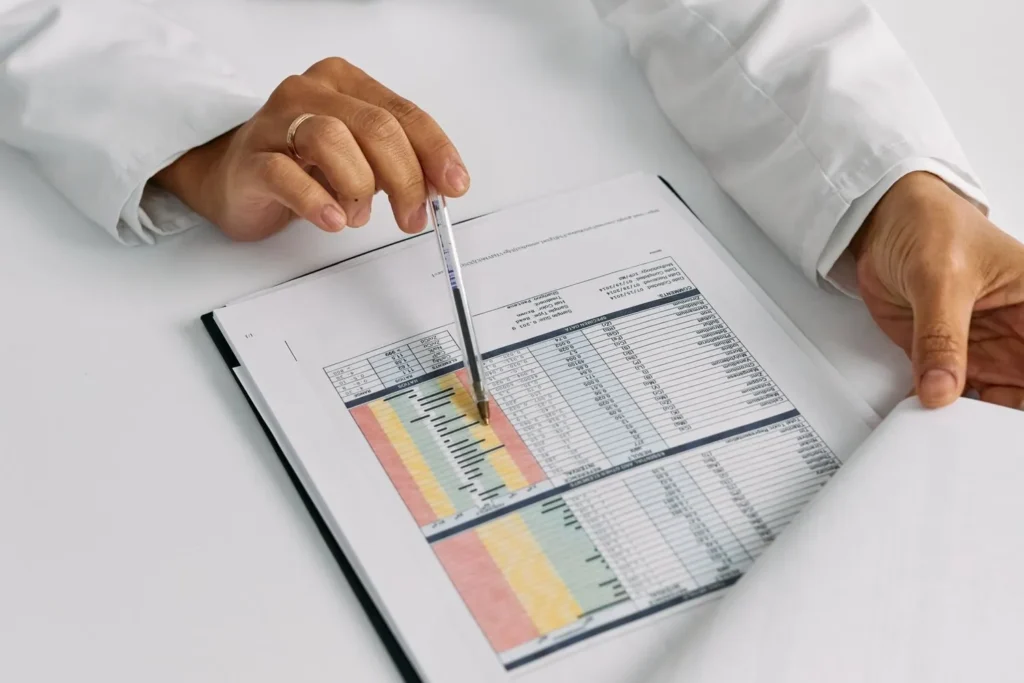
If your lipid report has come back flagged, you are probably wondering how a nutritionist can help lower cholesterol without turning every meal into a punishment. In short, a nutritionist reads your report alongside your doctor’s advice, finds where your daily Indian meals add saturated fat and miss fibre, and builds a plan that fits your kitchen, your office hours and your family’s taste.
Diet is not a magic switch, results differ from person to person, and some people also need medicines, which is always your doctor’s call. This guide is general education, not personal medical advice.
What does a nutritionist actually do for high cholesterol?
A nutritionist reviews your lipid report, medicines and eating pattern, then sets specific food targets: more soluble fibre, less saturated and trans fat, better cooking oils and sensible portions. They check progress every few weeks and adjust the plan. They do not diagnose, prescribe or change medication; that stays with your doctor.
The difference from a printed handout is specificity. A handout says “eat more fibre”; a nutritionist says which fibre, how many katoris and at which meal. For the wider role, see what an online nutritionist does.
Which numbers on your lipid report does a nutritionist look at?
A nutritionist usually looks at total cholesterol, LDL, HDL and triglycerides together, plus your weight, waist size and blood sugar if you have them. No single number tells the whole story. The pattern across these values decides which food changes matter most for you, and your doctor sets the targets.
| Report item | What it tells you | Food levers a nutritionist considers |
|---|---|---|
| LDL (“bad”) cholesterol | Cholesterol carried in particles that can build up in artery walls | Less saturated and trans fat, more soluble fibre, nuts and soy in place of fried or fatty foods |
| HDL (“good”) cholesterol | Particles that help carry cholesterol back to the liver | Regular activity, healthy fats, quitting smoking; diet alone moves HDL only a little |
| Triglycerides | Blood fats strongly influenced by sugar, refined carbs, alcohol and extra calories | Fewer sweets and refined flour, less alcohol, portion control, fatty fish or flax and walnuts |
| Medicines and conditions | Thyroid, diabetes, kidney and liver issues can change the plan | Food choices that fit alongside your prescriptions |
Indians often show high triglycerides and low HDL even at a normal-looking weight, which is one reason a generic Western diet sheet can miss the mark.
Myth check: “Just cut out ghee, eggs and everything tasty”
A good nutritionist sorts the rules that matter from the ones that only make you miserable.
- Myth: eggs are banned. For many people, saturated and trans fat raise LDL more than dietary cholesterol does. Whether eggs fit depends on your numbers and your doctor’s advice.
- Myth: oil-free is best. You need some fat. Type and total amount matter; roughly 4 to 6 teaspoons (about 20 to 30 g) of visible fat across a day is a common adult starting point.
- Myth: only overweight people are affected. Slim people can have raised LDL or triglycerides too, especially with a family history.
- Myth: one special food fixes it. No single food, whether amla, garlic, methi or oats, cures high cholesterol. Repeated habits matter more.
How do fat swaps work in an Indian kitchen?
A fat swap means replacing foods high in saturated or trans fat with options built on unsaturated fat, fibre or lean protein, instead of just adding “healthy” items on top. For example, replacing a deep-fried snack with roasted chana cuts saturated fat while adding fibre. The swap, not the addition, is what changes your lipid profile.
| Instead of | Try | Why it helps |
|---|---|---|
| Samosa, kachori or pakora with chai | A small bowl of roasted chana or a handful of dry-roasted makhana | Cuts fried fat, adds fibre and protein |
| Butter or ghee-laden paratha | Plain phulka or a multigrain roti with a thin smear of oil | Lowers saturated fat per meal |
| Bakery biscuits, rusk and puffs | An apple or guava, or about 25 to 30 g of almonds or walnuts | Avoids trans fat common in packaged bakery items; nuts add unsaturated fat |
| Vanaspati or palm oil for frying | A liquid cooking oil your nutritionist suggests, measured with a teaspoon | Reduces saturated and trans fat |
| Mutton curry or fried chicken most days | Fish, skinless chicken, dal, rajma or chana most days | Less saturated fat; fish adds omega-3 fats |
For a longer list of what to cut back, see our guide to foods to avoid with high cholesterol.
Which Indian foods give you soluble fibre?
Soluble fibre is found in oats, barley (jau), most dals, rajma, chana, apples, guava, oranges and isabgol. It forms a gel in the gut that helps carry cholesterol-rich bile out of the body, which can nudge LDL down over weeks. Aim for about 25 to 30 g of total fibre daily, rising gradually.
- Oats: about 40 g dry (roughly 150 kcal) as upma, chilla or porridge.
- Dals and legumes: one katori (about 150 g cooked) of moong, masoor, rajma or chole at lunch and dinner.
- Fruit with skin: an apple or guava instead of juice.
- Nuts and seeds: about 25 to 30 g of almonds or walnuts (roughly 170 kcal), or a spoon of ground flaxseed (alsi) in dahi.
- Soy: about 30 g dry soya chunks (roughly 15 g protein) can replace some paneer or meat.
Increase fibre slowly with enough water, or gas and bloating will make you quit. Our cholesterol-lowering foods list covers each food in detail.
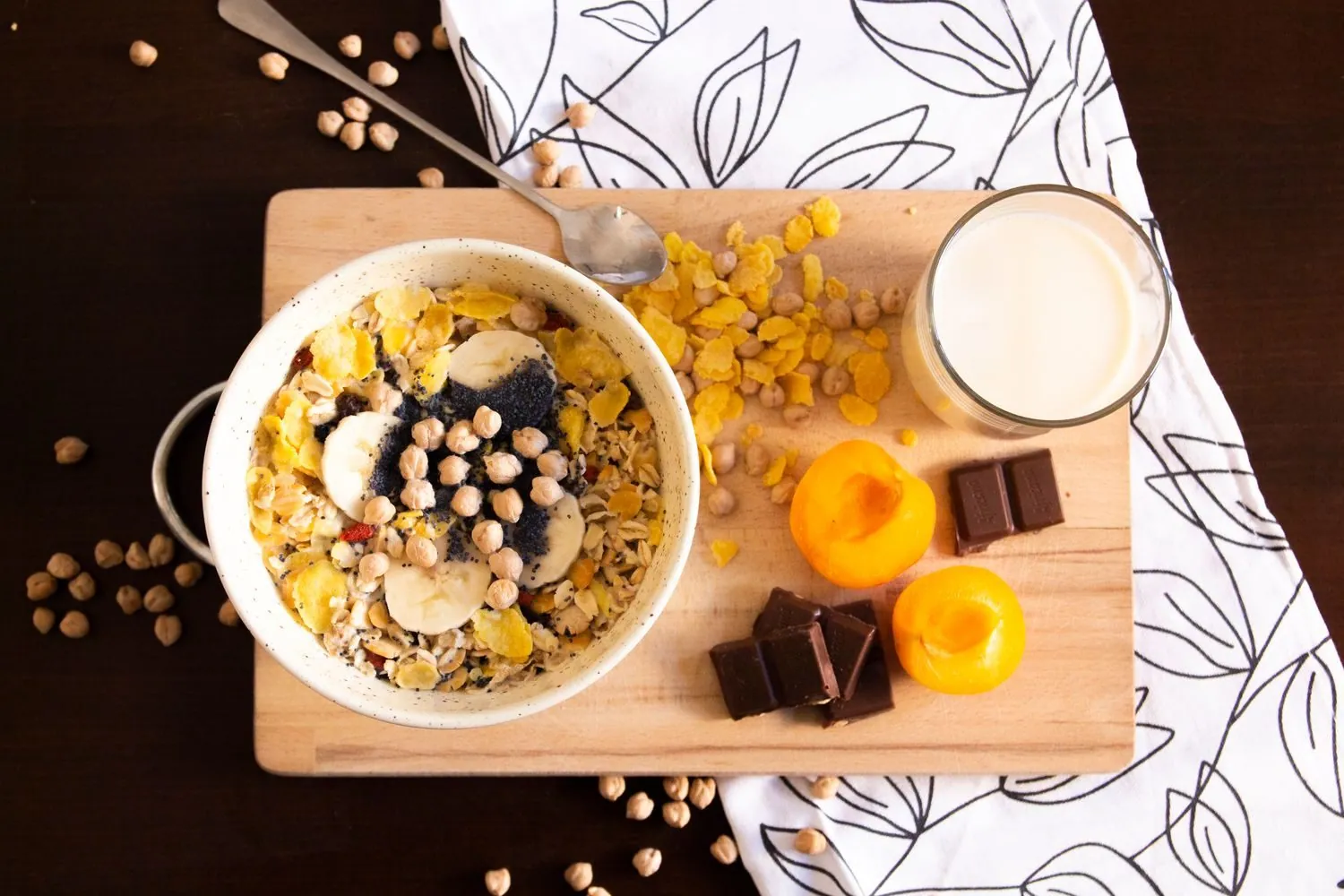
This “portfolio” style of eating combines oats, nuts, soy and vegetables instead of relying on one food. A nutritionist adapts it to your dal, roti and sabzi.
What happens in a first consultation, step by step?
A first cholesterol consultation usually takes about 30 to 45 minutes and covers your report, your medicines, a typical day of eating and your goals. You leave with a written plan and a follow-up date, usually within four to six weeks. Online sessions work the same way, with reports shared by photo or PDF.
- Share your reports: latest lipid panel, any thyroid, sugar or kidney tests, and your medicines.
- Walk through your day: tea, breakfast, tiffin, snacks, dinner, weekends, festivals and eating out.
- Find the biggest levers: often cooking oil quantity, daily fried snacks and low fibre.
- Build a starter plan: a realistic week in katoris, spoons and grams, matched to allergies and habits.
- Add movement and book the follow-up: a walking target or gentle routine such as yoga for cholesterol, then a review date.
For a sample structure, see our diet plan to lower cholesterol, which a nutritionist tailors to you.
What does one day of Indian meals look like for cholesterol?
A cholesterol-friendly Indian day builds each meal around fibre, lean protein and a small, measured amount of cooking oil. Think oats or dalia in the morning, dal and vegetables with roti at lunch and dinner, and fruit or roasted chana as snacks. Quantities below are examples only; your plan will differ.
| Meal | Example | What it contributes |
|---|---|---|
| Breakfast | Vegetable oats upma (about 40 g oats) or moong dal chilla, plus a small curd bowl | Soluble fibre and protein with little oil |
| Mid-morning | 1 apple or guava, 4 to 5 soaked almonds or 2 walnuts | Fibre and unsaturated fat |
| Lunch | 2 multigrain rotis, 1 katori dal or rajma, 1 katori sabzi, large salad, a small portion of rice if needed | Fibre, plant protein, volume |
| Evening | Roasted chana or makhana, unsweetened tea | Replaces fried snacks |
| Dinner | Grilled or curry fish, tofu or soya chunks with vegetables, 1 to 2 rotis, a small bowl of dal | Lean protein, lighter on saturated fat |
How long until your cholesterol numbers move?
Most people repeat a lipid test about 6 to 12 weeks after changing their diet, though your doctor decides the timing. Cholesterol changes over weeks, not days, so a test after one week of “perfect” eating tells you little. Expect gradual improvement, and expect it to vary from person to person.
A typical rhythm is a check-in at four to six weeks, a repeat blood test as your doctor advises, then reviews every couple of months. If you are overweight, losing 5 to 10 percent of body weight often helps triglycerides and sometimes LDL, but only at a pace your doctor considers safe.
If weight is part of your goal, our online weight loss trainer service pairs well with a nutritionist, since movement and food work together.
Troubleshooting: why your numbers are not improving
If your cholesterol has not moved after two or three months of effort, the cause is usually fixable, but sometimes it is not diet at all. Common reasons include hidden fried food, oil quantity creeping up, weekend and festival eating, a thyroid problem, family history or the need for medication.
- Hidden fat: restaurant gravies, canteen food and packaged snacks carry more oil than home cooking. A one-week food diary exposes it.
- Unmeasured oil: pouring by eye adds up; use a teaspoon for a fortnight.
- Adding without removing: extra nuts or olive oil on top of the same diet only adds calories.
- Other causes: an underactive thyroid, poorly controlled diabetes, kidney problems, some medicines, alcohol and smoking can all affect lipids and need a doctor.
- Genetics: some people inherit very high LDL, and diet alone cannot reach target. That is not a failure of effort.
Who gets the most from nutrition support?
People with borderline or raised cholesterol, a family history of heart disease, diabetes or prediabetes, a desk job, or a diet heavy in fried food and sweets benefit most. Those already on cholesterol medicine benefit too, because food and prescriptions work best under one coordinated plan.
- Vegetarians: not automatically safe, since ghee, paneer, cream, fried snacks and refined carbs still push lipids up.
- Non-vegetarians: less red meat and fried chicken, more fish and dals.
- People with diabetes: food must serve blood sugar and cholesterol together; see how a nutritionist can help with diabetes.
The benefits of online diet counselling suit busy professionals: follow-ups from home, plate photos and no travel time.
When should you see your doctor or a registered dietitian?
See your doctor promptly if your LDL is very high, you have a family history of early heart disease, or you have diabetes, kidney, liver or thyroid problems. A registered dietitian is the right person when you have a medical condition affecting what you can eat. Never stop or change medicines because of a diet plan.
- Get urgent medical help for chest pain or pressure, pain spreading to the arm or jaw, sudden breathlessness, fainting or cold sweats. A diet plan is never a substitute for emergency care.
- Tell every professional about all your medicines and supplements, including herbal products, before starting new ones.
- Check first if you are pregnant, breastfeeding, have a food allergy, or take blood thinners, since large changes in leafy greens or supplements may matter.
- Do not self-prescribe supplements or fortified products without your doctor’s approval.
Frequently Asked Questions
Can diet alone lower cholesterol as much as medicine?
For some people, steady changes in food can bring a meaningful drop in LDL, but results vary widely with starting levels, genetics and consistency. Others, such as those with inherited high cholesterol, need medicine as well. Never stop prescribed medication because of diet changes; discuss any plan with your doctor.
How long does it take to lower cholesterol with diet?
Changes show up over weeks, not days. Many people repeat a lipid test about 6 to 12 weeks after a sustained change in eating, though your doctor decides when. Testing too early often shows little, which can wrongly feel discouraging.
Do I need a doctor’s referral to see a nutritionist for cholesterol?
Usually not. You can book directly, but bringing your latest lipid report and a list of medicines helps the nutritionist build a safe plan. Diagnosis and prescriptions stay with your doctor, and the nutritionist works alongside them.
Is an online nutritionist as effective as an in-person visit?
For food planning and follow-ups, yes, online sessions work well because they rely on conversation, reports and food photos. Your blood tests still need a lab and your doctor, but the diet guidance itself does not depend on being in the same room.
What if I do not like oats, tofu or fish?
The plan can adapt. Soluble fibre comes from dalia, barley, dals, fruit and vegetables as well as oats. Protein can come from dal, chana, curd or eggs if they suit you. A nutritionist builds around what you will actually eat.
Want a plan built around your own report and kitchen? Book an online nutritionist consultation and bring your latest lipid panel.


