
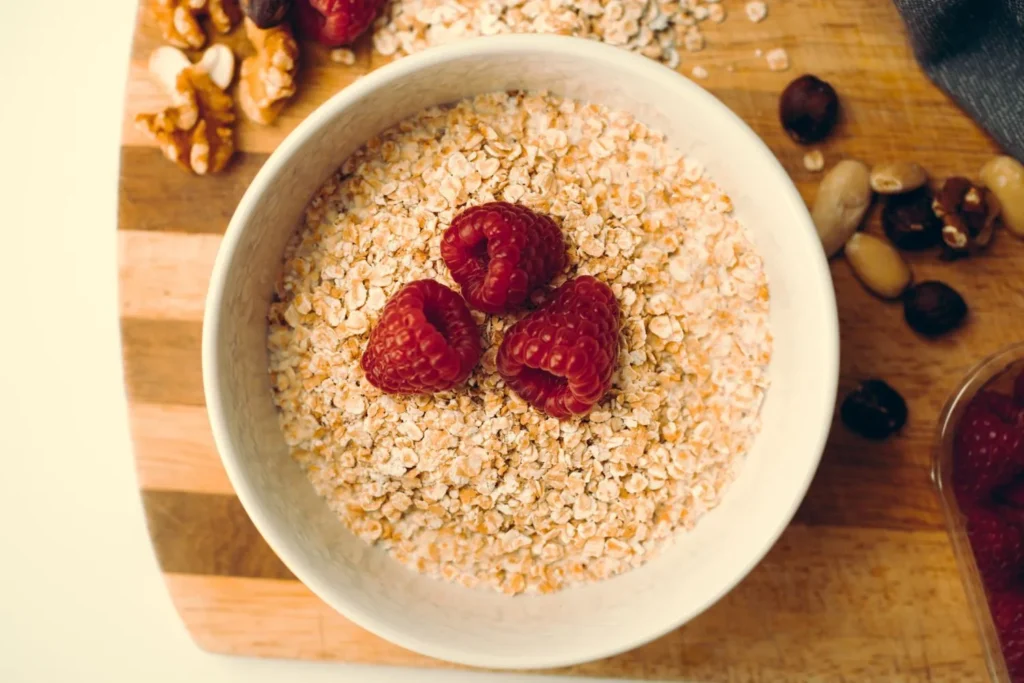
The best cholesterol lowering foods are oats, barley, dal and beans, almonds and walnuts, fatty fish, and cooking oils rich in unsaturated fat, because each one either traps cholesterol in the gut or replaces saturated fat on your plate. No single food fixes a lipid report. The real gain comes from stacking several of these into everyday Indian meals, and this list shows how, with grams and portions.
One honest note first: food changes LDL (“bad”) cholesterol by a modest, gradual amount, and the size of the change differs from person to person. If your doctor has prescribed medication, food is a partner to it, never a replacement.
What are the best cholesterol lowering foods?
The strongest foods fall into four groups: soluble-fibre foods (oats, barley, dal, rajma, chana, apple, bhindi), nuts and seeds (almonds, walnuts, flaxseed), unsaturated-fat sources (mustard, groundnut and olive oil, avocado) and fatty fish. Together, a few servings from each group daily is a realistic target for most adults.
These work through a few simple mechanisms. Soluble fibre forms a gel in the gut that binds bile, which is made from cholesterol, and carries it out of the body. Unsaturated fats lower LDL when they replace saturated fat from ghee, butter, fried snacks and fatty meat. Plant compounds in nuts and seeds add a smaller push on top.
Cholesterol lowering foods list: portions and how each one works
Use this table as a shopping and plating guide. Portions are practical Indian household amounts, and calories are rounded estimates, since brands and cooking methods vary.
| Food | Daily or weekly portion | Main mechanism | Approx. kcal per portion |
|---|---|---|---|
| Rolled or steel-cut oats (dry) | 40-60 g, most days | Beta-glucan fibre binds bile | about 150-230 |
| Barley (jau), cooked | 1 cup (about 150 g) | Beta-glucan fibre | about 190 |
| Dal, rajma or chana, cooked | 1 katori (about 150 g) | Soluble fibre, plant protein | about 150-200 |
| Almonds | 20-30 g (about 15-25 nuts) | Unsaturated fat, fibre, plant sterols | about 120-175 |
| Walnuts | 20-30 g (about 5-7 whole nuts) | Unsaturated fat, plant omega-3 (ALA) | about 130-195 |
| Flaxseed (alsi), ground | 1 tablespoon (about 10 g) | Fibre and ALA omega-3 | about 55 |
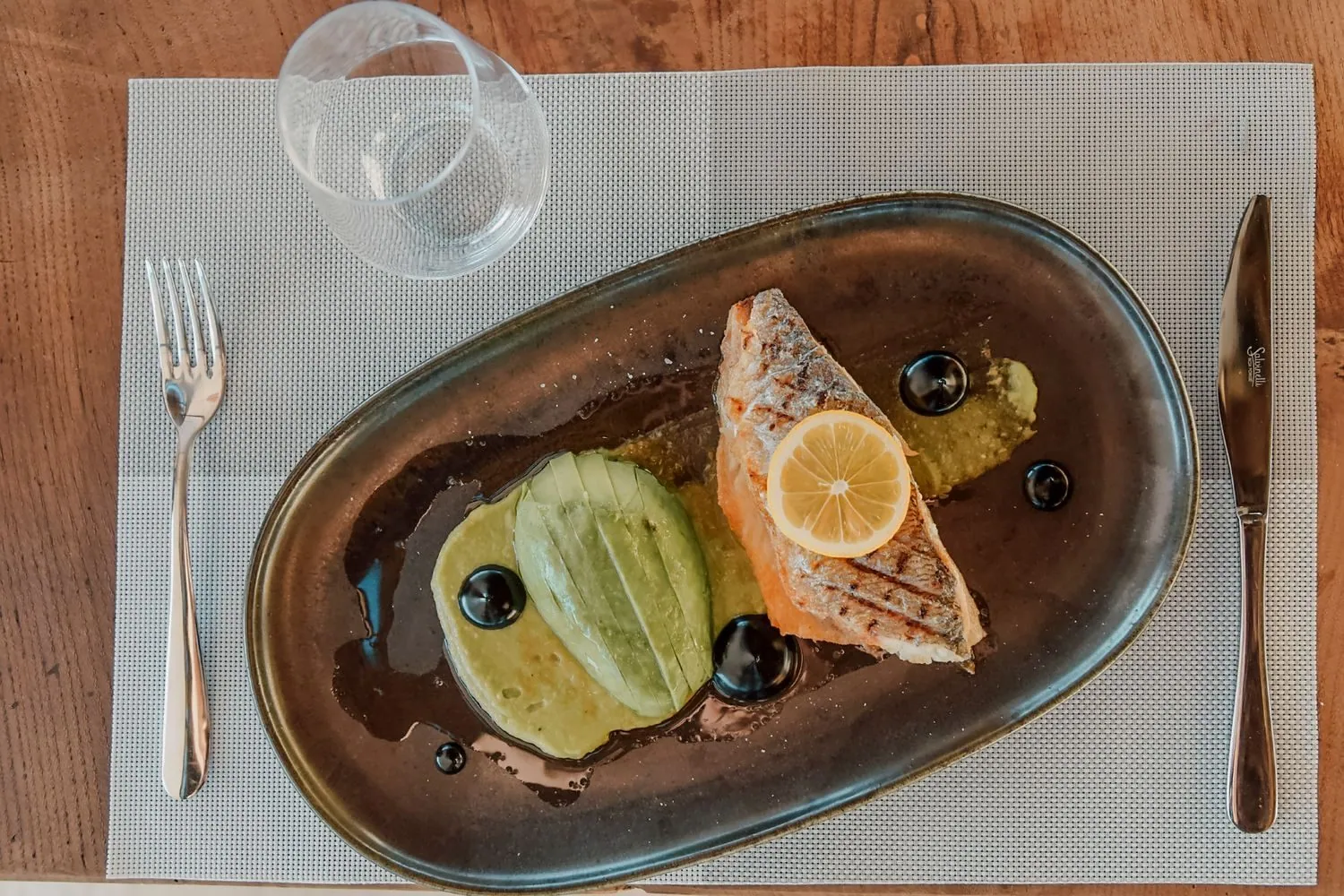
| Fatty fish (sardine, mackerel, salmon) | 2 servings of about 100-120 g a week | Omega-3 fats replace red meat | about 150-220 |
| Apple, guava, orange | 1 medium fruit | Pectin, a soluble fibre | about 50-90 |
| Bhindi (okra) and brinjal | 1 katori cooked | Sticky soluble fibre | about 60-90 with little oil |
| Soya chunks or tofu | 30 g dry chunks or 100 g tofu | Plant protein replaces fattier protein | about 100-140 |
| Mustard, groundnut or olive oil | 3-4 teaspoons a day in total | Unsaturated fat replaces saturated | about 45 per teaspoon |
| Avocado | Half a fruit (about 70-100 g) | Monounsaturated fat, fibre | about 120-160 |
Nuts and oils are calorie-dense, so they help only when they replace something heavier, such as a samosa, namkeen or an extra spoon of ghee. Added on top of your current diet, they can push weight up, which works against your lipids.
Which foods use soluble fibre to lower cholesterol?
Oats, barley, dal, rajma, chana, apple and bhindi lower cholesterol with soluble fibre. Aim for roughly 5-10 g of soluble fibre a day, which a bowl of oats plus a katori of dal and a fruit can cover. Oats contain around 3-4% beta-glucan by weight, so about 70-80 g dry oats gives roughly 3 g.
Oats and barley
Plain oats cooked in water or low-fat milk are the cleanest option. Flavoured instant packets often carry added sugar and salt, so check the label and choose plain. Barley (jau) works well as a khichdi base, a soup thickener or a replacement for part of your rice.
Dal, rajma and chana
Legumes bring soluble fibre and protein together, which is why they are the quiet hero of Indian cardiac diets. The method matters, though. A katori of dal tempered in one teaspoon of oil helps your cholesterol; the same dal finished with a heavy ladle of ghee or cream works the other way. Rajma and chole made with less oil and no cream gravy are fine; restaurant versions usually are not. If you need more plant-protein ideas, see our high protein vegetarian foods list.
Fruit and vegetables
Apple, guava, orange, carrot and bhindi supply pectin and mucilage, two softer forms of soluble fibre. Half a plate of vegetables at lunch and dinner also crowds out refined carbs and fried sides. Isabgol (psyllium husk) is a concentrated fibre option some people use; start with a small amount with plenty of water, and ask your doctor first if you take regular medicines.
How many nuts and seeds should you eat to lower LDL?
About 30 g of nuts a day, roughly a small handful, is a sensible amount: for example 20-25 almonds or 5-7 whole walnuts (10-14 halves). That is around 170-200 kcal. Eat them in place of a fried or sugary snack, not as an extra, so the unsaturated fat replaces saturated fat instead of adding calories.
Almonds and walnuts have the most familiar track record, and groundnuts (peanuts), pistachios and cashews also fit if portions stay small. Buy raw or dry-roasted, not salted or sugar-glazed.
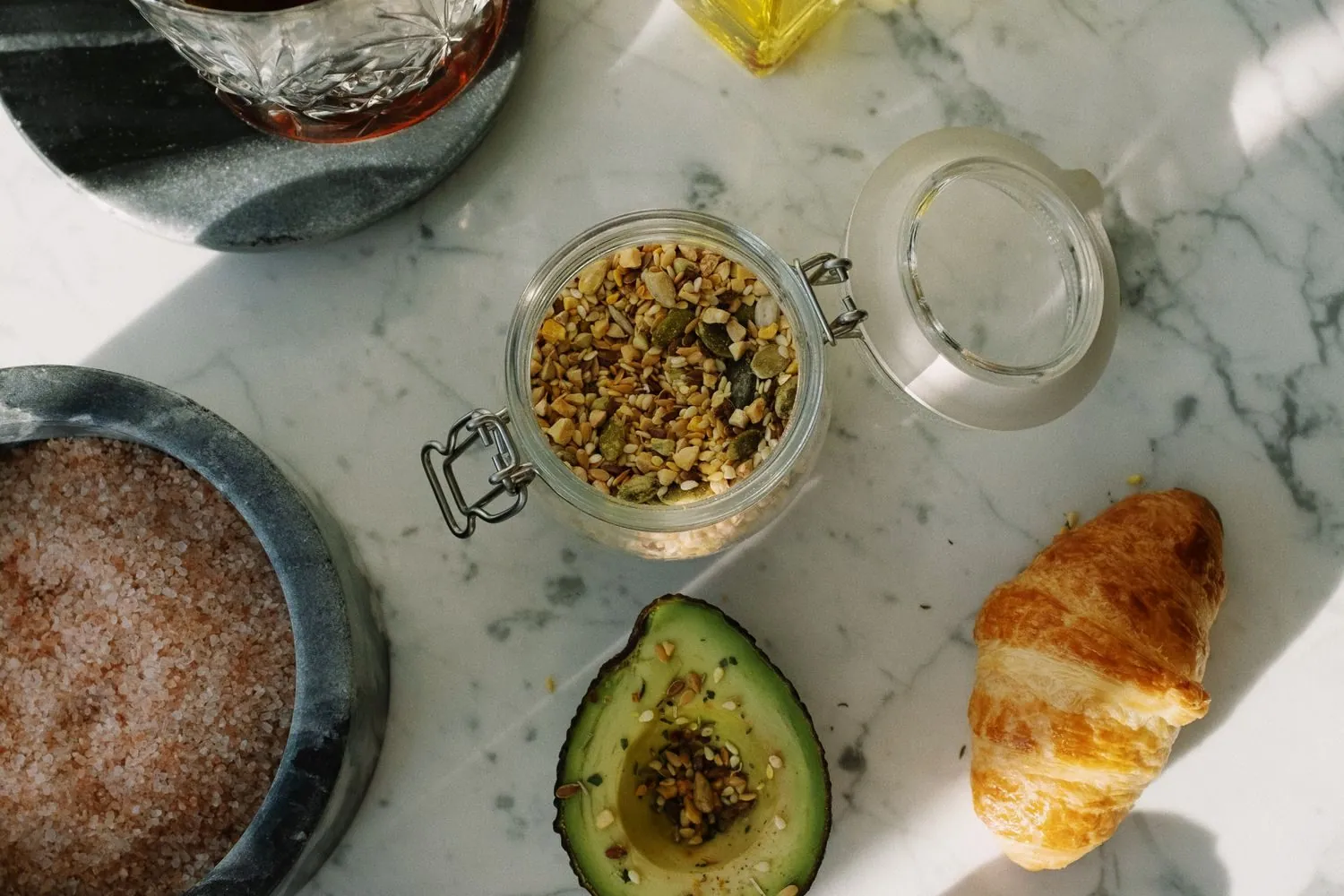
Seeds are the budget option. Flaxseed (alsi) should be ground, because whole seeds pass through largely undigested. One tablespoon in roti dough, curd or a smoothie is enough.
Do fatty fish and good oils help, and what if you are vegetarian?
Yes. Two servings of fatty fish a week (about 100-120 g cooked each) supply omega-3 fats, which mainly lower triglycerides, and swapping them for red or processed meat also cuts saturated fat. Vegetarians can use walnuts, flaxseed and chia for plant omega-3, though the body converts that type less efficiently.
In India, affordable fatty fish include sardine (mathi or tarli), mackerel (bangda or ayala) and, where available, salmon. Grill, steam or make a light curry; deep-fried fish adds back what the fish was meant to remove. For oils, rotate mustard, groundnut, rice bran or olive oil, and keep the total to roughly 3-4 teaspoons a day for an average adult. Ghee is a saturated fat, so treat it as a garnish, not a cooking medium.
Myth check: what do people get wrong about cholesterol and food?
Myth: “Cut all fat and cholesterol drops.” Removing unsaturated fats removes the very fats that help. Replace saturated and trans fats, do not eliminate fat.
Myth: “Garlic, lemon water or one superfood will fix it.” Garlic, methi seeds and amla are fine additions with modest, inconsistent evidence. They support a good diet; they do not replace it.
Myth: “Egg yolks are banned.” For most people, saturated fat and overall diet pattern matter more than the cholesterol in eggs. If you have very high LDL, diabetes or a family history of heart disease, ask your doctor how many yolks suit you.
Myth: “Healthy foods cancel out a fried diet.” A bowl of oats does not undo daily bhature and packaged namkeen. Our guide to foods to avoid with high cholesterol covers that half.
What does a cholesterol-friendly day of Indian meals look like?
A workable day is plain oats or vegetable poha at breakfast, dal with sabzi and one or two rotis at lunch, a nut and fruit snack, and a lighter dinner with fish or legumes. It uses about 3-4 teaspoons of oil in total and lands around 1,600-1,900 kcal for many adults, though your needs may differ.
| Meal | Example plate | Cholesterol-friendly point |
|---|---|---|
| Breakfast | 50 g oats cooked with low-fat milk, 1 tbsp ground flaxseed, half an apple | About 2 g beta-glucan plus pectin |
| Mid-morning | 20-25 almonds or 5-6 walnuts | Replaces biscuits or namkeen |
| Lunch | 1 katori dal, 1 katori bhindi or mixed sabzi, 2 rotis (part barley or ragi flour), salad, curd | Soluble fibre and little oil |
| Evening | Roasted chana or 1 guava or orange, unsweetened tea | Fibre instead of fried snacks |
| Dinner (non-veg) | 100-120 g grilled or lightly curried mackerel or sardine, sauteed vegetables, small bowl of brown rice | Omega-3 fats replace red meat |
| Dinner (veg) | Rajma or soya chunk curry with less oil, cucumber salad, 1-2 rotis | Plant protein, no cream or ghee finish |
For a plan matched to your own report, calorie needs, allergies and food habits, a registered dietitian can build it with you in a one-to-one session.
Swaps that make these foods easier to stick with
Pick one or two rows below for the first fortnight.
| Instead of | Try | Why it helps |
|---|---|---|
| Samosa or kachori with evening chai | Roasted chana or a small handful of almonds | Swaps fried saturated fat for fibre and unsaturated fat |
| Paratha cooked in ghee | Roti with a teaspoon of oil in the sabzi | Cuts saturated fat noticeably |
| Instant flavoured oats packet | Plain oats with fruit and flaxseed | Less sugar, same beta-glucan |
| Cream-based paneer gravy | Dal, rajma or tofu bhurji | Fibre and protein, less saturated fat |
| Fruit juice | Whole apple, guava or orange | Keeps the pectin and fibre |
| Fried fish or mutton curry | Grilled sardine or mackerel | Omega-3 without the extra frying fat |
Eating these foods but your numbers have not moved?
Retest only after about 8-12 weeks of steady change, because blood lipids respond slowly. Check these four causes first: portions that quietly grew, hidden saturated fat in outside food, weight gain from added nuts and oils, and genetics, which can keep LDL high whatever you eat.
Some people have inherited high cholesterol (familial hypercholesterolaemia) and need medication regardless of diet. If your LDL stays high despite honest effort, that is not a failure on your part; it is a signal to review treatment with your doctor. Regular movement also supports your lipid profile, and gentle practice such as yoga for cholesterol is a good starting point for beginners.
Special situations: vegetarians, Jain diets, people on statins and over-40s
Vegetarians and Jains can reach every target above without fish: use oats, barley, dal, nuts, flaxseed and soya, and avoid leaning on paneer, ghee and fried farsan. Anyone over 40, with diabetes, hypertension, a family history of early heart disease or a larger waist should get a lipid profile checked regularly rather than guess.
If you take a statin or other cholesterol medicine, keep taking it exactly as prescribed. Do not start or stop supplements, red yeast rice, isabgol or concentrated sterol products without asking your doctor, as some interact with treatment. Grapefruit is a known issue with certain statins, so ask your doctor or pharmacist about it. Do not change any dose because your diet improved.
When should you see a doctor or dietitian?
See your doctor or a registered dietitian if your LDL is above the target your doctor set, you have diabetes, kidney or liver disease, you are pregnant, or you have chest pain, breathlessness or pain in the calves while walking. Chest pain needs urgent medical care, not a diet change.
This article is general education, not a prescription. If excess weight is part of the picture, a structured online weight loss trainer can help you lose it safely, which often improves lipids too.
Frequently asked questions
Which food lowers cholesterol fastest?
No food works overnight. Oats, dal and a daily handful of nuts, eaten consistently, tend to show up on a lipid test after roughly 8-12 weeks. Swapping out saturated fat (ghee, fried snacks, fatty meat) usually matters as much as adding any single food.
Can you lower cholesterol with diet alone?
Sometimes. Many people with mildly raised LDL improve with diet, activity and weight loss, but the size of the change varies, and some people need medicine whatever they eat. Your doctor can tell you which group you are in after a lipid test.
Is paneer or ghee safe if you have high cholesterol?
In small amounts, such as a teaspoon of ghee or a small paneer serving a few times a week, many people can fit them in, but both are saturated fat sources. If your LDL is high, ask your doctor or dietitian for a personal limit and choose dal, tofu or soya more often.
Are eggs good or bad for cholesterol?
For most healthy adults, one egg a day fits a heart-friendly diet, and the overall pattern (fried foods, processed meat, refined carbs) matters more than the yolk. If you have very high LDL, diabetes or heart disease, ask your doctor about a personal limit.
How much oats should you eat daily to lower cholesterol?
About 40-60 g of dry oats a day is a practical amount, and roughly 70-80 g gives about 3 g of beta-glucan, the fibre linked to lower LDL. Start smaller if your gut is sensitive, drink enough water, and increase slowly over a couple of weeks.
Want a cholesterol-friendly meal plan built around your report and your kitchen? Book a session with a Fitstrot dietitian through the online nutritionist consultation and bring your latest lipid profile.


