

Good yoga for runners is a short, repeatable practice of hip openers, hamstring and calf stretches, single-leg balance and slow breathing that offsets what running does to your body. Running repeats one forward movement thousands of times, so hips, calves and lower back tighten while side-to-side stability lags. About 15 minutes, two or three times a week, is enough to start. Below: the poses, hold times, a sequence and a weekly plan.
Why do runners need yoga?
Runners need yoga because running repeats one forward movement thousands of times, which tends to tighten the hip flexors, hamstrings and calves while leaving side-to-side hip stability and spinal rotation under-used. Yoga works those neglected ranges, adds balance and body awareness, and gives you a calm recovery slot. It supports training; it does not replace it.
Over months, repeated strides build strong quads and calves but can leave the glutes sleepy and the hips stiff. Yoga moves your joints through ranges running never touches, and teaches you to notice early tightness, such as one hip feeling stiffer than the other. These are some of the wider benefits of yoga, and the same logic applies in yoga for athletes generally: balance out the repetitive stress your sport creates.
Which yoga poses for runners matter most?
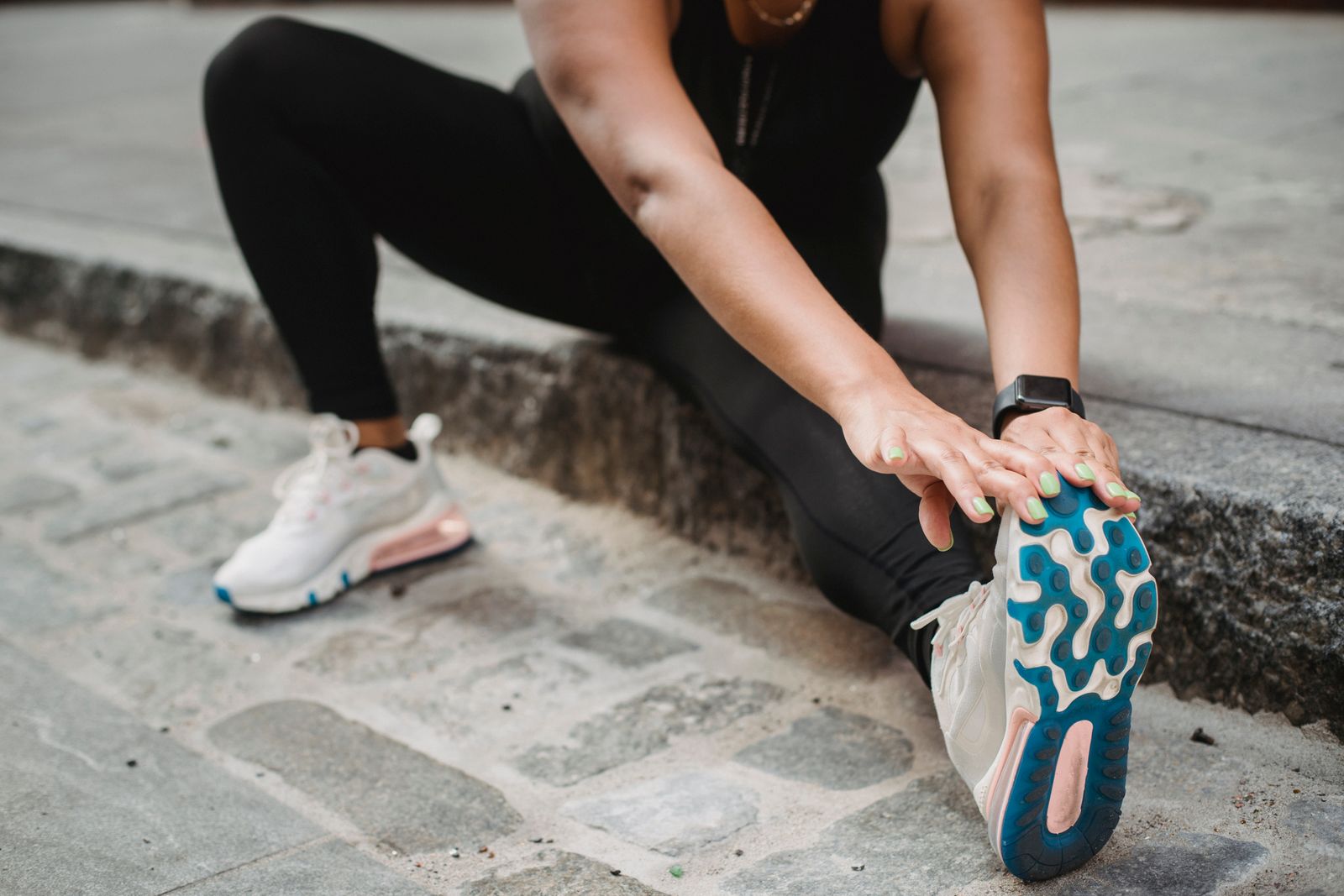
Six poses cover most of what runners tighten: low lunge for hip flexors, pigeon for glutes and outer hips, downward dog for calves and hamstrings, standing forward fold for hamstrings, reclined figure-four as a gentler hip option, and bridge for glute strength. Hold stretches for about 30 to 90 seconds each side, breathing slowly.
Repeating a short list beats chasing variety. Here are hold times and the cue that makes each pose work.
| Pose | What it targets | Hold | Form cue |
|---|---|---|---|
| Low lunge (Anjaneyasana) | Hip flexors and front thigh of the back leg | 45-60 seconds per side | Tuck the tailbone under and shift forward; do not arch the lower back |
| Pigeon pose | Glutes, piriformis, outer hip rotators | 60-90 seconds per side | Keep hips level; use a folded dupatta or cushion under the hip if it lifts |
| Downward-facing dog | Calves, hamstrings, Achilles area | 30-60 seconds | Bend the knees freely and pedal the heels one at a time |
| Standing forward fold (Uttanasana) | Hamstrings and calves | 45-60 seconds | Soft knees; fold from the hips, not by rounding the shoulders |
| Reclined figure-four | Glutes and outer hip, gentler than pigeon | 60 seconds per side | Keep the head and shoulders relaxed on the floor |
| Bridge pose | Glutes and hamstrings (strength, not stretch) | 3 rounds of 5 slow breaths | Press through the heels and squeeze the glutes at the top |
For more shapes, browse the wider library of yoga poses, but these are the best yoga stretches for runners after a run because they cover the muscles that tighten most.
How do you do post-run yoga, step by step?
A 15-minute post-run yoga sequence runs through breathing, low lunge, downward dog, pigeon, a spinal twist and a short rest. Start within 10 to 15 minutes of finishing while muscles are still warm, move slowly from one pose to the next, and stay in the stretch without pushing into sharp pain.
- Lying breathing (2 minutes). Lie on your back, one hand on the belly, and breathe slowly through the nose so the belly rises and falls. This brings the heart rate down.
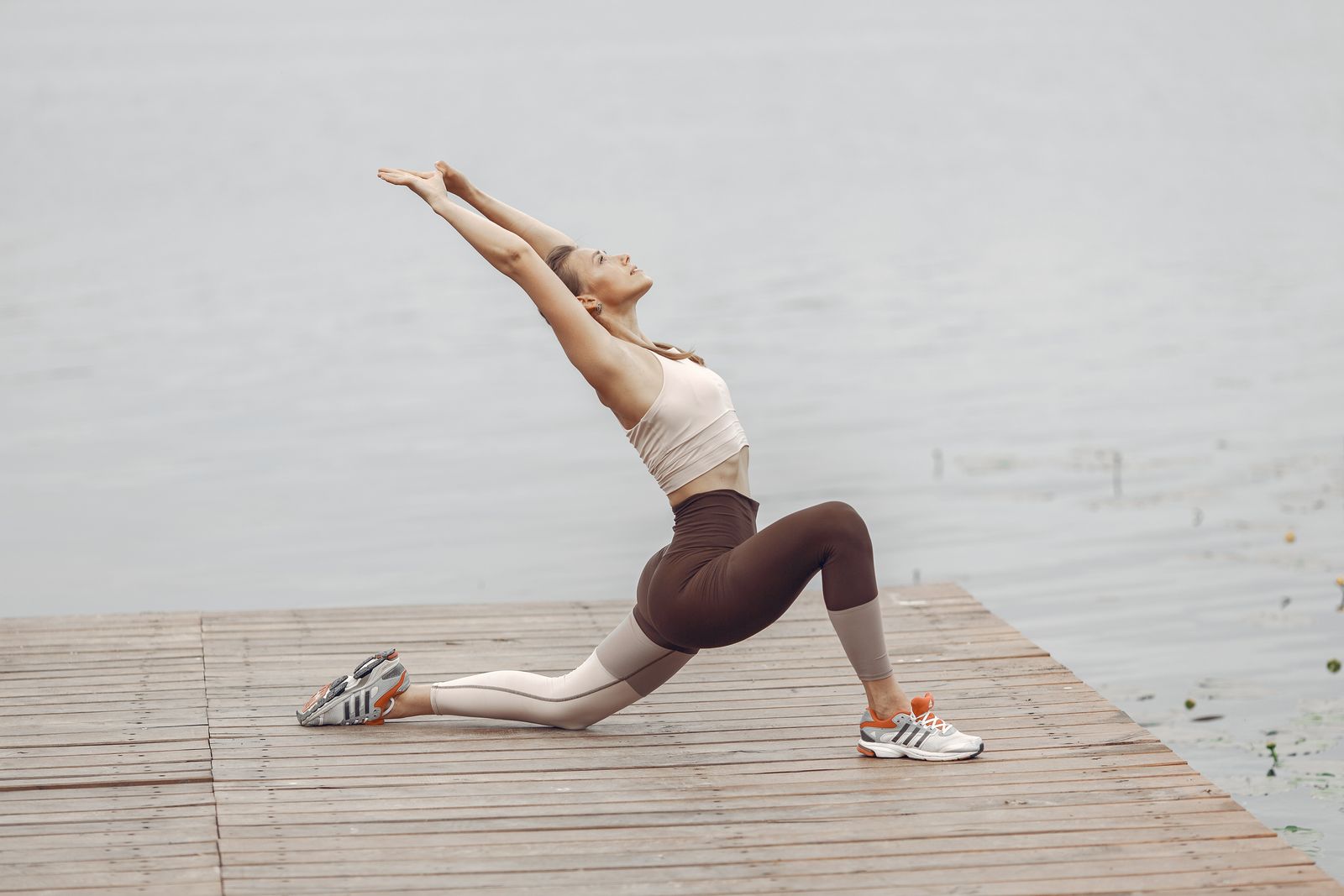
- Low lunge (2 minutes, about 1 minute per side). Back knee down on a folded towel, hips forward, torso tall. Pulse gently three times, then hold.
- Downward dog (1 minute). Press the floor away, pedal the heels, and let the head hang heavy.
- Pigeon or figure-four (3 minutes, about 90 seconds per side). Choose figure-four if your knees complain. The stretch should be in the glute, not the knee.
- Supine spinal twist (2 minutes, about 1 minute per side). Knees fall to one side, arms wide, shoulders heavy. This eases the lower back.
- Rest on your back (3 minutes). Legs a little apart, palms up, eyes closed. Let the breath go back to normal.
That adds up to about 13 minutes plus transitions. Use a mat, a dhurrie or a clean patch of grass at the park. If you cannot stretch right after the run, a shorter version at home an hour later still helps.
Should you do yoga before or after a run?
Do dynamic movement before a run and static holds after. Five minutes of leg swings, lunge pulses and a moving downward dog prepares the hips without making you feel flat. Static holds of 60 seconds or more suit the cool-down, when muscles are warm and your heart rate is settling.
For yoga before running, keep it short and lively. Skip deep pigeon holds before a hard session or race, because very long stretches right before fast running can leave some people feeling less springy. If you only have time for one slot, pick the post-run one.
Myth: more flexibility makes you a faster runner
Flexibility on its own is not what makes runners faster. What helps is enough mobility to move freely at the hip and ankle, plus strong glutes and a stable trunk. Chasing the deepest possible stretch can backfire if the muscles around the joint are weak.
The useful gains are practical. Freer hips let your stride open without the lower back working extra. Poses like plank, side plank and boat pose build a steady core that helps keep the pelvis level on single-leg landings. Many runners who add two regular sessions a week notice looser legs late in a run after roughly four to six weeks, though this varies.
Be wary of anyone promising that yoga will stop running injuries. Most niggles come from doing too much too soon, poor recovery, worn shoes or weak muscles, and no routine removes that risk. Yoga is one useful piece, not a shield.
A sample week of yoga for runners
A realistic week for someone running three times, with yoga fitting into the gaps rather than adding a hard day. Shift the days to suit you.
| Day | Run or training | Yoga slot | Time |
|---|---|---|---|
| Monday | Easy run, 30-40 minutes | Post-run: low lunge, forward fold, figure-four | 10 minutes |
| Tuesday | Strength: squats, lunges, calf raises, glute bridges | Light hip mobility after lifting | 5 minutes |
| Wednesday | Rest from running | Full 15-minute sequence above | 15-20 minutes |
| Thursday | Tempo or interval run | Dynamic warm-up before; short stretch after | 5 + 8 minutes |
| Friday | Strength, with single-leg work | Rest or gentle breathing in the evening | 5-10 minutes |
| Saturday | Long run | Post-run sequence, hips and calves first | 12-15 minutes |
| Sunday | Rest | Slow, long-hold session (yin style) or a walk | 20-30 minutes |
Short on time? Protect two slots: the post-run stretch after your long run and one rest-day session.
What if my knees, shins or lower back hurt?
Mild stiffness after a run usually eases with gentle mobility work, but sharp, sudden or lingering pain needs a professional look. If pain lasts more than about two weeks, wakes you at night, causes swelling or makes you limp, see a doctor or physiotherapist first.
- Runner’s knee (pain around or behind the kneecap). Often linked to weak hip muscles. Tree pose and warrior 2 build outer-hip strength, and figure-four eases tension. Avoid deep knee-bending poses such as hero pose if they provoke pain. Yoga for runners with knee pain should feel steady, never sharp.
- Shin splints. Calf and ankle mobility from downward dog and ankle circles can take strain off the lower leg, but persistent shin pain usually also needs reduced mileage and better shoes.
- Tight hamstrings. Use soft knees and a strap or towel. If the hamstring is tender near the sit bone, skip deep folds until it settles.
- Lower back ache after runs. Tight hips often push the lower back to compensate. Low lunge, twists and bridge help; our guide to yoga for back pain goes deeper.
Yoga can support recovery from overuse patterns, but it cannot diagnose a structural problem. Numbness, tingling, or pain that worsens with each run are reasons to get assessed first.
Which style of yoga suits runners best?
For most runners, gentle hatha, yin and restorative styles suit recovery days, while a slow vinyasa class works on non-running days. Fast, sweaty flows right after a hard run add more load. Judge a class by how your legs feel the next morning.
| Style | Pace and holds | Best slot for runners | Watch out for |
|---|---|---|---|
| Gentle hatha | Slow, holds of 30-60 seconds | After easy runs, rest days | Classes that rush through poses |
| Vinyasa yoga (slow) | Flowing, breath-linked movement | Non-running days for strength and mobility | Heavy chaturanga repetitions the day after a long run |
| Yin yoga | Passive holds of 3-5 minutes | Rest days, evenings | Forcing depth in the knees; go gently |
| Restorative | Supported poses, 5-10 minutes | Heavy training weeks, taper | Falling asleep is fine; skipping it is the real risk |
Can breathing practice help runners?
Yes, slow breathing practice can help runners settle nerves, find a steady rhythm and wind down after efforts. Five minutes of slow nasal breathing before a run, or lying breathing after it, is a simple start. It will not make you instantly faster, but it builds calm and control.
Ujjayi breath, a slightly narrowed, audible breath through the nose, suits long holds, and some runners borrow its steady rhythm on easy runs. Diaphragmatic breathing, where the belly rises on the inhale, helps people who breathe high in the chest when anxious or tired. Both belong to pranayama. If you have asthma, a heart or blood pressure condition, or feel dizzy, keep it gentle and check with your doctor before any breath holds.
How should beginners and marathon runners adjust their practice?
Beginners should start with 10 minutes, twice a week, using only low lunge, forward fold, downward dog and figure-four. Marathon trainees should focus on post-long-run sessions and rest-day mobility. City runners dealing with heat, treadmills and traffic can practise indoors at home.
- New to both running and yoga: keep holds short, use a block or a stack of books under the hands, and stop short of strain.
- Yoga for marathon runners: place your longest session the day after the long run, keep it gentle, and avoid adding new poses in taper weeks.
- Runners who also cycle: the tight spots differ. Yoga for cyclists opens the chest and shoulders more, while runners prioritise hamstrings, calves and hips.
- Hot, humid days and monsoon weeks: drink water before and after, and do not chase deep stretches while overheated.
Frequently asked questions about yoga for runners
How often should runners do yoga?
Two to three sessions of 15 to 20 minutes per week is a sustainable target for most runners. Use shorter 5 to 10 minute versions after hard runs and keep longer sessions for rest days. Consistency matters more than length: ten minutes done weekly beats an hour done once a month.
Can beginners do yoga for runners?
Yes. The core poses are simple and easy to modify. Start with 10 minutes, bend your knees generously, use a strap or towel where reach is limited, and move slowly. Follow a guided class for the first few weeks so a teacher can correct your form and show you safe variations.
Is yoga enough, or do runners also need strength training?
Yoga is not enough on its own. It builds mobility and some stability, but runners also benefit from loaded strength work such as squats, lunges, hip hinges and calf raises, about two days a week. Treat the two as partners: strength for power and resilience, yoga for movement quality and recovery.
Is it okay to do yoga on the same day as a long run?
Yes, a gentle session after the long run is often ideal. Wait until your heart rate has settled, then do static holds for the hips, hamstrings and calves. Keep intensity low; this is a stretch-and-breathe slot, not a challenging flow class. Eat and rehydrate first if you feel light-headed.
Which poses should runners go easy on?
No pose is off-limits for everyone, but go carefully with deep knee-bending poses like hero pose if your knees are irritated, deep forward folds if a hamstring is sore at the sit bone, and deep pigeon on day one. Modify or skip anything that causes sharp or pinching pain rather than a mild, steady stretch.
Build the habit with a teacher
If you would rather follow a guided session than build your own, try one of FitStrot’s online yoga classes and tell your instructor your weekly running schedule so the hips, hamstrings and calves get the attention they need.


