
Good skin nutrition is less about a single “glow” food and more about steady daily inputs: enough protein to build collagen, vitamin C to assemble it, healthy fats to hold the skin barrier together, and a few minerals and antioxidants in the background. This guide maps those nutrients to everyday Indian foods, shows what the evidence does and does not support, and flags when a skin problem needs a dermatologist rather than a diet change.
What is skin nutrition, and how much can food really change?
Skin nutrition means supplying the nutrients your skin uses to repair itself, hold moisture and defend against damage. Food supports that work over weeks to months, but it cannot cure acne, eczema or pigmentation, change your natural skin tone, or replace sunscreen and medical treatment.
Skin renews itself roughly every 4 to 6 weeks in younger adults, and more slowly with age, so any change from eating better is gradual. So, does diet affect skin? It does, but slowly and in supporting ways. Genetics, hormones, sleep, stress, sun exposure and skincare habits all sit alongside diet. Treat food as the foundation, not the whole answer.
Nutrients for skin health and the Indian foods that supply them
You do not need exotic ingredients. Most of the nutrients below come from ordinary dal, sabzi, curd, nuts, fruit and, if you eat them, eggs and fish. Amounts are rough guides for healthy adults, not prescriptions.
| Nutrient | Role for skin | Indian food sources | Rough daily guide |
|---|---|---|---|
| Protein | Building blocks for collagen and keratin | Dal, rajma, chana, paneer, curd, eggs, fish, soy chunks | About 0.8 to 1 g per kg body weight |
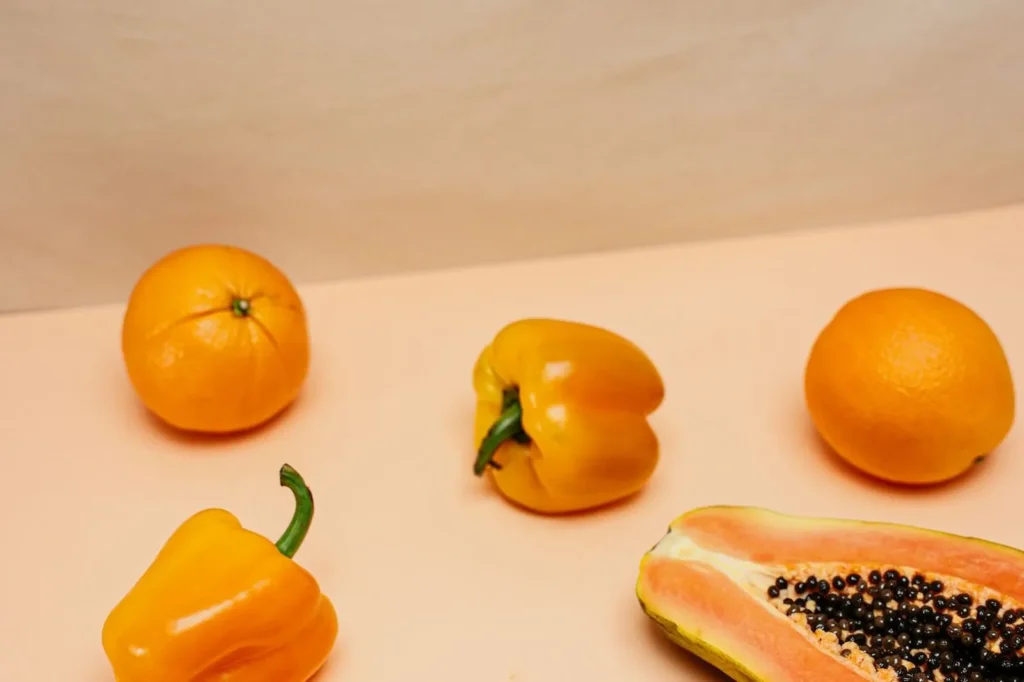
| Vitamin C | Needed to form collagen; antioxidant | Amla, guava, orange, lemon, capsicum, tomato | About 80 to 90 mg; one amla or one medium guava roughly covers it |
| Vitamin E | Fat-soluble antioxidant in skin oils | Almonds, sunflower seeds, groundnuts, cold-pressed oils | A 30 g handful of almonds gives about 7 mg |
| Beta-carotene | Converted to vitamin A; supports skin renewal | Carrot, pumpkin, sweet potato, palak, methi, papaya, mango | About 1 to 2 katori of orange or green vegetables most days |
| Omega-3 fats | Support the barrier that holds in moisture | Bangda, sardine, salmon, flaxseed, walnuts, chia | Oily fish about twice a week, or about 1 tablespoon ground flaxseed daily |
| Zinc | Involved in wound healing and oil balance | Pumpkin seeds, chana, cashews, sesame, curd, eggs | About 8 to 11 mg for most adults |
These nutrients work as a team, which is why a varied plate beats one heroic ingredient. For the wider picture of vitamins and minerals, see our guide to vitamin nutrition, and read zinc nutrition for food sources in more depth.
Does protein matter for skin, and how much is enough?
Yes. Collagen and keratin are proteins, so a diet low in protein leaves skin with fewer raw materials. Most healthy adults do well on about 0.8 to 1 g of protein per kg of body weight daily. For a 60 kg person, that is roughly 48 to 60 g spread across the day.
Indian vegetarian plates often fall short because dal and roti are carbohydrate-heavy. A katori of cooked dal gives about 6 to 8 g, 50 g of paneer about 9 g, an egg about 6 g and a katori of curd about 3 to 4 g. Add one protein item to each meal rather than loading everything at dinner. Our protein and nutrition guide covers targets in detail.
Can omega-3 foods help dry, irritated skin?
Omega-3 fats are part of the skin barrier and have anti-inflammatory roles, so people who eat almost none may notice drier, more reactive skin. Aim for oily fish about twice a week, or plant sources such as flaxseed, walnuts and chia daily. They support skin, but they are not a treatment for eczema.
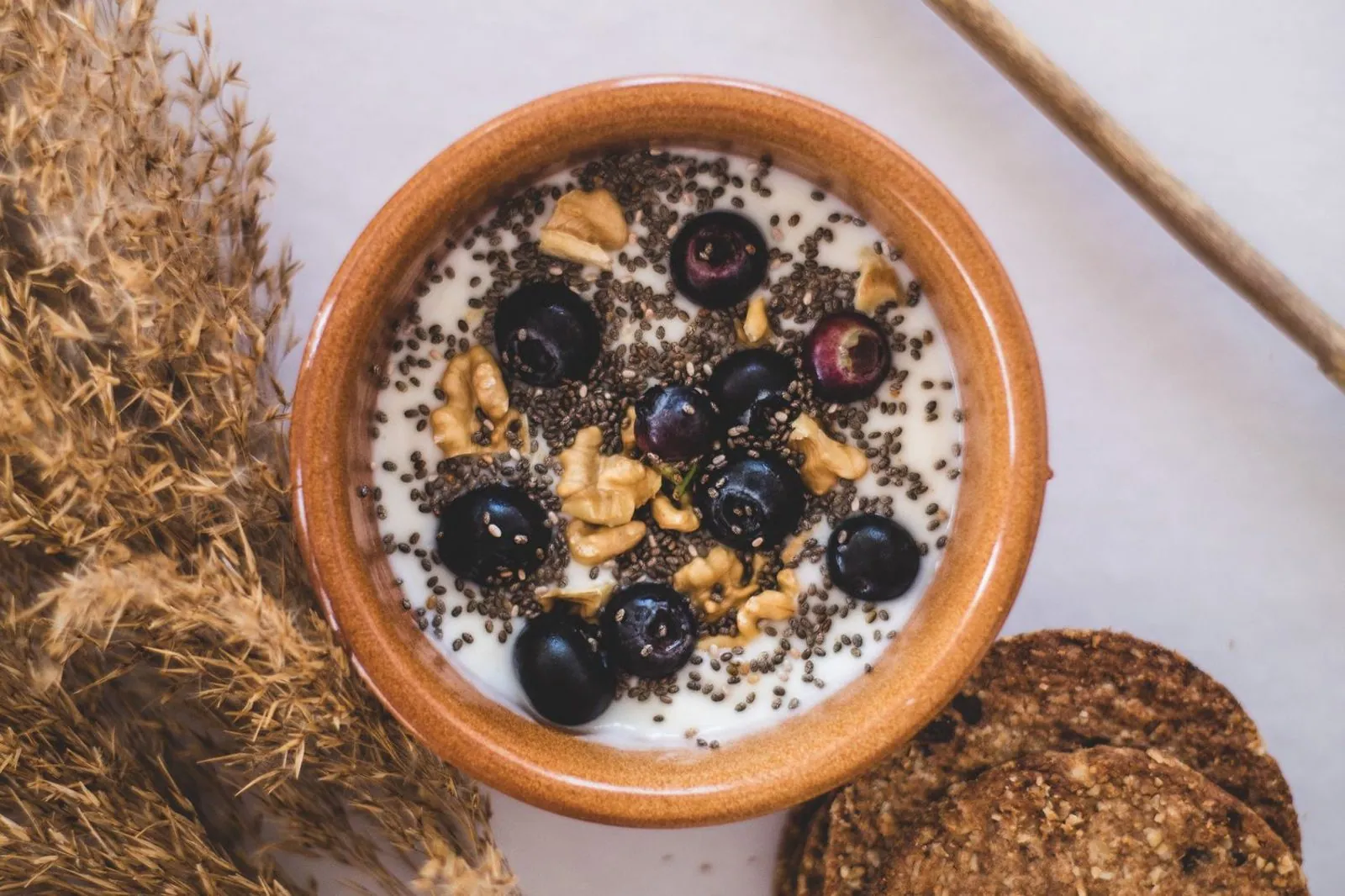
Plant omega-3 (ALA) converts to the more active EPA and DHA only in small amounts, so vegetarians should eat flaxseed or walnuts consistently, not occasionally. Grind flaxseed fresh, since whole seeds often pass through undigested. Fish eaters can use bangda or sardines, which are affordable and rich in omega-3. Details and portions are in our omega-3 nutrition guide.
Do sugar, milk and fried food cause pimples?
Not by themselves. Eating patterns heavy in refined carbohydrates, such as maida, sweets, sugary drinks and white bread, have been linked with more acne in some people, and some also notice flare-ups with cow or buffalo milk. The links are modest and mixed, and food is only one trigger among several.
Searches for foods that cause acne often promise a single culprit, but no one food is a proven cause for everyone. If you want to test your own triggers, change one thing at a time and give it about 8 to 12 weeks, because skin responds slowly. A simple experiment looks like this:
- Swap maida snacks, biscuits and sweet chai for jowar or bajra roti, besan chilla, roasted chana and fruit.
- Keep a short food and skin diary instead of cutting everything at once.
- If you suspect milk, remove only milk for several weeks while keeping curd and paneer, then compare.
- If pimples flared after you began whey protein, pause it and mention it to your doctor or dermatologist.
Oily food you eat has not been shown to make your face oilier in the way oil applied on the skin can clog pores. Also note that stress and poor sleep can worsen breakouts for some people, which is where steady movement such as online yoga classes can help your routine.
Myth check: “glowing skin” claims that do not hold up
Wellness content promises a lot. Here is how the common Indian claims compare with what is reasonable to expect.
| Claim you may hear | What is closer to the truth |
|---|---|
| Drink 4 litres of water for flawless skin | About 2 to 3 litres of fluids suits many adults, more in heat. Extra water beyond thirst and pale-yellow urine will not erase lines. |
| Haldi doodh or saffron milk makes skin fairer | No food changes your natural skin tone. Be wary of any “fairness diet”. |
| Collagen powder replaces a good diet | Evidence is limited and mixed. Protein plus vitamin C from food is the base, and powders add cost. |
| Lemon water or detox juices clean the skin | Your liver and kidneys handle detoxing. Whole fruit with fibre is a better habit than juice cleanses. |
| Vitamin C or E tablets work as sunscreen | No food or supplement gives reliable sun protection. Use sunscreen and shade. |
| More vitamins mean better skin | Past what you need, extra gives no proven skin benefit, and some high-dose supplements cause harm. |
A one-day Indian plate built around skin nutrition
This sample day is for a healthy adult who is not following a medical diet. Portions are approximate and should be adjusted for your appetite, activity and any advice from your doctor or dietitian.
| Meal | Vegetarian option | Egg or fish option | What it covers |
|---|---|---|---|
| Early morning | About 6 to 8 soaked almonds, 1 small amla or lemon water | Same | Vitamin E, vitamin C |
| Breakfast | 2 besan chillas with mint chutney and a katori of curd | 2-egg omelette with capsicum and 1 multigrain roti | Protein, zinc, vitamin C |
| Mid-morning | 1 guava or orange | Same | Vitamin C, fibre |
| Lunch | 1 jowar roti, 1 katori dal, 1 katori palak or pumpkin sabzi, salad with lemon | Rice with bangda or sardine curry and a vegetable sabzi | Protein, beta-carotene, omega-3 |
| Evening | Roasted chana or sprouts chaat with tomato | Same | Protein, zinc |
| Dinner | Paneer or tofu bhurji with capsicum, 1 to 2 rotis, carrot and cucumber salad | Grilled fish or egg curry with roti and sabzi | Protein, vitamin C, beta-carotene |
| Through the day | About 1 tablespoon ground flaxseed in dough or curd, or a few walnuts | Same | Plant omega-3 |
Take the plan as a pattern, not a rule. Swap seasonal fruit, use ragi or bajra when available, and keep cooking oil moderate. Beta-carotene from carrots and palak is a food-level intake; the caution is for high-dose vitamin A supplements, discussed below.
Skin nutrition for vegetarians, vegans and families
Vegetarians need to watch protein spread and zinc, so rotate dal, chana, paneer, curd and soy. Vegans should plan for vitamin B12 and omega-3 with their doctor or dietitian; see our vegan nutrition guide. Teenagers should avoid crash diets and sugary drinks, because skin changes at puberty are largely hormonal and diet is a small part of it.
If hair is thinning or shedding along with skin changes, the same nutrient gaps often overlap. Start with hair nutrition, then read about nutrition and hair loss and our list of hair-supporting foods. If you also feel unusually tired, cold or sluggish, ask your doctor about thyroid testing and read thyroid and nutrition.
When should skin changes go to a doctor instead of your plate?
See a dermatologist for painful, scarring or nodular acne, rashes that itch or spread, patches that change colour, moles that change, or anything lasting more than a few weeks. See a doctor or registered dietitian before taking supplements, especially if you are pregnant, breastfeeding, have kidney or liver disease, or take regular medicines.
- Cracked mouth corners, very pale skin, easy bruising, slow-healing cuts or sudden hair shedding can point to a deficiency that needs a blood test, not guessing.
- High-dose vitamin A supplements can be harmful, particularly in pregnancy, so never self-prescribe them.
- Tell your dermatologist about every supplement you take, and never stop or change a prescribed medicine because of an article, including this one.
- Conditions such as eczema, psoriasis, PCOS-related acne or diabetes-related skin problems need medical care, and diet can only support it.
Frequently Asked Questions
How long does it take for diet changes to show on skin?
Skin renews roughly every 4 to 6 weeks, so allow at least a month for small changes such as better hydration or less dryness. For acne-related changes, give a new eating pattern about 8 to 12 weeks, and do not expect diet alone to settle active acne.
What are the best foods for healthy skin?
Aim for variety rather than one superfood: dal, eggs or paneer for protein, amla, guava and capsicum for vitamin C, carrots and palak for beta-carotene, almonds and seeds for vitamin E, and oily fish, flaxseed or walnuts for omega-3. Pair vegetables with a little oil for absorption.
Are collagen supplements worth it for skin?
Evidence is limited and mixed, and results are modest at best. Your body builds collagen from protein and vitamin C, so dal, eggs, fish, curd, amla and guava are the better first step. If you want to try a supplement, check with your doctor first, especially with allergies.
Should I stop drinking milk if I get pimples?
Not automatically. Some people notice more breakouts with cow or buffalo milk, but the evidence is mixed, and milk is a useful source of protein and calcium. Test by removing only milk for about 8 weeks while keeping curd and paneer, and do not cut dairy for a child or teenager without advice.
Can any food make skin fairer?
No. Skin tone is set largely by genetics and melanin, and no food, drink or supplement changes it safely. Healthy eating can support skin health and reduce dryness, but products or diets promising fairness are unreliable. For pigmentation concerns, see a dermatologist.
If you want a plate matched to your food habits, budget and any skin condition your doctor is treating, an online nutritionist consultation with Fitstrot is a practical next step. Bring your current diet and any recent reports.


