

The best foods for hair growth are not exotic superfoods. They are the dal, chana, rajma, eggs, paneer, seeds and greens already in Indian kitchens, eaten in amounts that cover your protein, iron and zinc needs. Hair nutrition matters because follicles divide fast, and when protein or a key mineral runs short, hair is among the first things your body stops funding. Below: Indian RDAs, foods with grams per 100 g from India’s own food tables, a 7-day plan, and which supplements can make shedding worse.
One caveat: food fixes hair loss caused by a nutritional gap, not genetic, thyroid or autoimmune hair loss. If shedding is sudden or patchy, see a doctor first.
Why does diet affect hair growth at all?
Short answer: about 90% of the roughly 100,000 follicles on your scalp are in the active growth (anagen) phase at any time, and that growth depends on a steady supply of protein, vitamins and minerals. When intake drops sharply, more follicles shift into the resting phase, and you see the result as shedding two to three months later.
Source: a 2019 review of vitamins, minerals and hair loss in Dermatology and Therapy. A 2017 review by Guo and Katta in Dermatology Practical & Conceptual names acute telogen effluvium as “a well-known effect of sudden weight loss or decreased protein intake”.
Cleveland Clinic notes that telogen effluvium usually starts two to three months after the trigger, that a healthy person loses up to 100 strands a day while someone with telogen effluvium can lose up to 300, and that fad diets without enough protein are one of the listed triggers. The crash diet you did in March shows up in your comb in June.

The hair nutrients that matter, with Indian RDAs
The evidence is strongest for protein, iron and zinc. Vitamin D and biotin matter mainly when you are actually low. The table uses the 2020 Recommended Dietary Allowances from the ICMR-National Institute of Nutrition (reference weight 65 kg men, 55 kg women), plus the US adequate intake for biotin.
| Nutrient | Men | Women | What it does for hair | How strong is the hair evidence? |
|---|---|---|---|---|
| Protein | 0.83 g/kg (about 54 g at 65 kg) | 0.83 g/kg (about 46 g at 55 kg) | Hair shaft is mostly keratin, a protein | Strong: low intake triggers telogen effluvium |
| Iron | 19 mg | 29 mg | Supports rapidly dividing follicle cells | Moderate: low iron is common in women with hair loss, but trials are mixed |
| Zinc | 17 mg | 13 mg | Cell division and follicle signalling | Moderate: deficiency causes shedding and brittle hair |
| Vitamin D | 600 IU | 600 IU | Hair follicle cycling (mostly animal and lab data) | Limited: supplement only if a test shows you are low |
| Vitamin C | 80 mg | 65 mg | Improves absorption of plant iron | Indirect: helps iron, not hair directly |
| Biotin (US AI) | 30 mcg | 30 mcg | Enzyme cofactor | Weak: deficiency is rare |
ICMR’s 0.83 g/kg assumes good-quality protein. For a cereal-based diet with low-quality protein, the same document sets 1 g/kg per day and recommends a cereal-legume-milk ratio of 3:1:2.5. Most Indian vegetarian diets fall in that group. For the full picture beyond hair, see our guide to the daily nutrition requirement for males covers it.
Protein rich diet for hair growth: how much is enough?
Short answer: most adults need 0.83 to 1 g of protein per kg of body weight a day, according to ICMR-NIN 2020. For a 55 kg vegetarian woman that is roughly 46 to 55 g, which usually means a protein source at every meal, not just one bowl of dal at dinner.
The common Indian problem is a plate that is mostly rice or roti with a thin dal on the side. A protein rich diet for hair growth looks more like this:
- Breakfast: eggs, paneer bhurji, moong chilla or sprouts, not just poha or toast.
- Lunch and dinner: a thick katori of dal, chana or rajma (made from 30 to 40 g raw), plus curd, paneer, egg or chicken.
- Snack: roasted chana, a handful of nuts and seeds, or a glass of milk or buttermilk.
That pattern gets most people to target without protein powder. If you eat no eggs or meat, our high protein vegetarian foods list ranks the best options by grams per serving.
Foods for hair growth: grams of protein, iron and zinc per 100 g
These figures come from the Indian Food Composition Tables 2017 (IFCT, ICMR-NIN), which analysed Indian samples. Pulses, seeds and grains are listed raw and dry; the serving column is calculated from the same figures.
| Food | Protein (g) | Iron (mg) | Zinc (mg) | Typical serving and what it gives |
|---|---|---|---|---|
| Garden cress seeds (halim/aliv) | 23.4 | 17.2 | 4.8 | 1 tsp (5 g): 0.9 mg iron |
| Sesame seeds, white (til) | 21.7 | 15.0 | 7.8 | 1 tbsp (10 g): 1.5 mg iron, 0.8 mg zinc |
| Soybean, brown | 35.6 | 8.3 | 4.0 | 30 g raw: 10.7 g protein, 2.5 mg iron |
| Masoor dal (lentil dal) | 24.4 | 7.1 | 3.6 | 30 g raw: 7.3 g protein, 2.1 mg iron |
| Kala chana (Bengal gram, whole) | 18.8 | 6.8 | 3.4 | 40 g raw: 7.5 g protein, 2.7 mg iron |
| Rajma, red | 19.9 | 6.1 | 2.7 | 40 g raw: 8.0 g protein, 2.5 mg iron |
| Whole moong (green gram) | 22.5 | 4.9 | 2.7 | 40 g raw: 9.0 g protein, 2.0 mg iron |
| Ragi | 7.2 | 4.6 | 2.5 | 40 g flour: 1.8 mg iron |
| Almonds | 18.4 | 4.6 | 3.5 | 15 g (about 10 to 12): 2.8 g protein |
| Amaranth leaves, green (chaulai) | 3.3 | 4.6 | 0.9 | 100 g cooked portion: 4.6 mg iron |
| Spinach (palak) | 2.1 | 3.0 | 0.5 | 100 g: 3.0 mg iron |
| Paneer | 18.9 | 0.9 | 2.7 | 100 g: 18.9 g protein, 2.7 mg zinc |
| Chicken breast, skinless | 21.8 | 0.8 | 0.8 | 100 g: 21.8 g protein |
| Egg, whole | 13.3 | 1.8 | 1.2 | 2 eggs (about 100 g): 13.3 g protein |
The protein heavyweights (paneer, chicken, eggs) are low in iron, while the iron heavyweights are plant foods the body absorbs less efficiently. A hair-friendly plate combines both groups.

Myth check: “Spinach is the best iron food for hair”
Per IFCT 2017, 100 g of spinach has about 3.0 mg of iron. The same weight of white til has 15.0 mg, garden cress seeds 17.2 mg, soybean 8.3 mg and masoor dal 7.1 mg. Even chaulai (green amaranth) beats spinach at 4.6 mg.
A more useful habit: a teaspoon of soaked halim seeds, a tablespoon of til in chutney or laddoo, and a proper serving of dal or chana twice a day.
How to absorb more iron from a veg diet for hair growth
Plant (non-heme) iron is absorbed less well than iron from meat, fish and poultry. The NIH Office of Dietary Supplements says vegetarians may need almost twice the standard iron amount, and that vitamin C-rich foods improve plant iron absorption. In practice:
- Squeeze lemon over dal, chana and sprouts, or eat amla, guava or orange with the meal.
- Keep chai and coffee about an hour away from your main iron meals.
- Soak, sprout or ferment pulses and grains (sprouts, idli, dosa, dhokla). Phytates in grains and legumes bind zinc and block its absorption (per the NIH zinc fact sheet), and these methods help reduce that effect.

7-day Indian diet for hair growth
Built for an egg-eating vegetarian, at roughly 1,800 to 2,100 kcal for a moderately active adult. The highlight column is calculated from the IFCT figures above.
| Day | Breakfast | Lunch | Evening snack | Dinner | Hair highlight |
|---|---|---|---|---|---|
| Mon | 2-egg bhurji + 1 multigrain roti | Masoor dal (30 g raw), 2 roti, palak sabzi, curd | Roasted chana (30 g) + guava | Rajma (40 g raw) + rice + salad with lemon | About 34 g protein from eggs, dal, chana and rajma alone; about 6.6 mg iron from the pulses |
| Tue | Moong dal chilla (40 g) with mint chutney | Paneer bhurji (100 g), 2 roti, cucumber raita | Til-gur laddoo (1 small, about 10 g til) | Chaulai dal + 1 roti + rice | 18.9 g protein from paneer; 1.5 mg iron, 0.8 mg zinc from til |
| Wed | Ragi dosa (40 g ragi) + sambar | Kala chana curry (40 g raw), jeera rice, curd | Halim seeds (1 tsp) in warm milk | Soya chunks or soybean sabzi (30 g) + 2 roti | 10.7 g protein from 30 g soybean; ragi + chana + halim give about 5 mg iron |
| Thu | Sprouts chaat with lemon + 2 boiled eggs | Toor dal, 2 roti, methi aloo, buttermilk | Almonds (15 g) + 1 orange | Grilled chicken (100 g) or tofu, sauteed veg, 1 roti | 21.8 g protein from chicken; vitamin C from lemon and orange for iron uptake |
| Fri | Besan chilla with paneer stuffing | Rajma (40 g raw), rice, salad | Roasted makhana + buttermilk | Moong dal khichdi (40 g whole moong) + curd | Rajma and moong give about 17 g protein, 4.5 mg iron |
| Sat | Vegetable poha with peanuts + 2 eggs | Chole (40 g raw kala chana or kabuli), 2 roti | Fruit + 1 tbsp mixed seeds (til, flax) | Palak paneer (100 g paneer) + 1 roti | Paneer adds 2.7 mg zinc; seeds add iron and zinc |
| Sun | Idli (3) + sambar + coconut chutney | Fish curry or masoor dal, rice, salad | Til chikki (small piece) + amla | Mixed dal (40 g) + bajra roti + sabzi | Fermented idli batter helps mineral absorption; amla adds vitamin C |
No eggs? Swap in 100 g paneer or tofu, or an extra 30 to 40 g of dal or sprouts. If you also want fat loss, do not cut calories hard, which is exactly what triggers shedding. A gradual plan from an online weight loss trainer keeps protein high while the scale moves slowly.
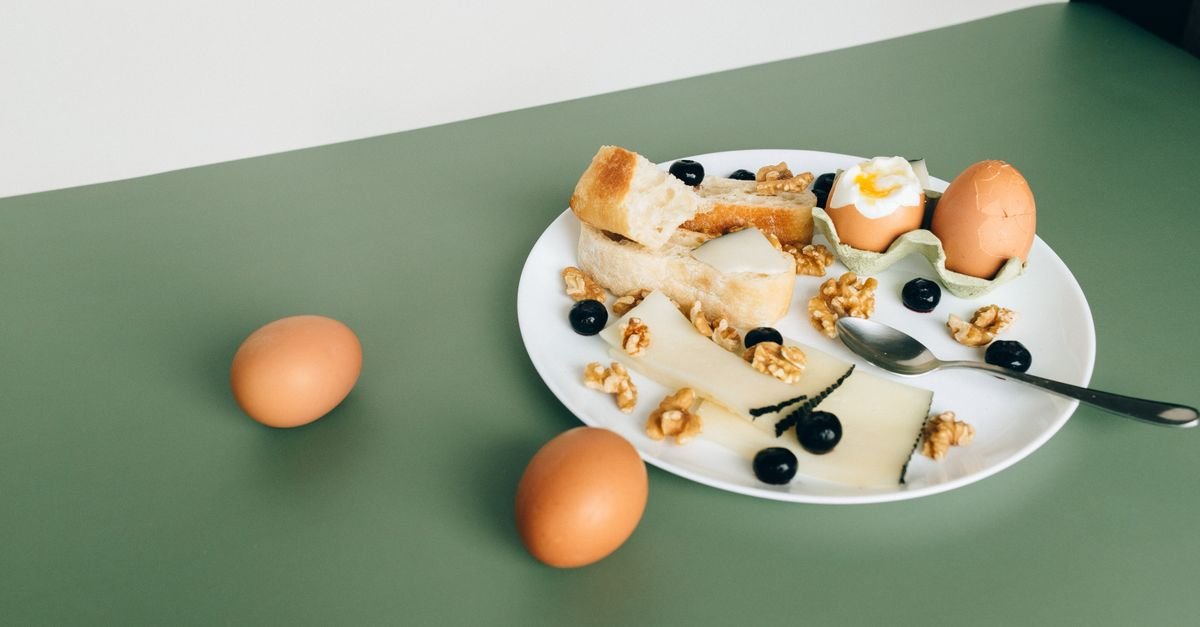
What does a good diet for hair growth look like on an Indian plate?
A balanced diet for hair growth is about fixing the proportions of the thali you already eat. Check each main meal:
- A protein portion: thick katori of dal or chana, 100 g paneer or tofu, 2 eggs, or a palm-sized piece of chicken or fish.
- Half the plate vegetables, with a leafy green most days.
- Grains as a quarter, preferably whole: atta, bajra, jowar, ragi.
- A vitamin C source: lemon, amla, guava, kachumber.
- Curd, buttermilk or milk once or twice a day.
If your thali already looks like this, a new food will not change much. If it does not, these five fixes will do more than any oil or capsule.
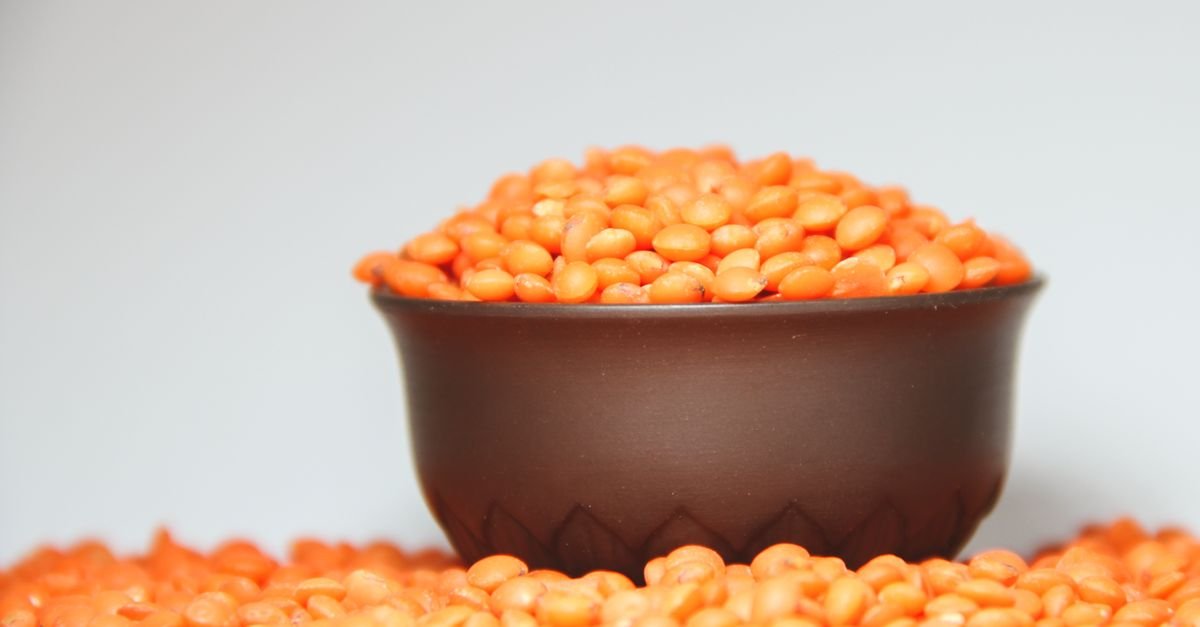
Vitamins for hair growth and thickness: what the evidence supports
Short answer: supplements help hair only when they correct a real deficiency. A 2017 review in Dermatology Practical & Conceptual found no proof that supplements help in the absence of a documented deficiency, and warned that excess selenium, vitamin A and vitamin E have themselves been linked to hair loss. Test first, then supplement.
The same review notes that best-selling hair supplements contained vitamin A, vitamin E and selenium despite those links. How the common options compare:
| Supplement | Helps hair if… | Known risks | Sensible step |
|---|---|---|---|
| Iron | Blood tests show iron deficiency or anaemia | Excess causes iron overload; US upper limit for adults is 45 mg/day from all sources | Get Hb and ferritin tested; take only the dose your doctor prescribes |
| Zinc | You are actually deficient (malabsorption, very restrictive diet) | 50 mg or more for weeks can lower copper; adult upper limit is 40 mg/day | Food first; supplement only with medical advice |
| Vitamin D | Your 25(OH)D level is low | Toxicity with long-term high doses | Test, then follow the dose your doctor sets |
| Biotin | Rare true deficiency | Can distort thyroid and heart (troponin) blood tests | Usually unnecessary; tell your doctor and lab if you take it |
| Selenium, vitamin A, vitamin E | Almost never for hair alone | Over-supplementation is linked to hair loss | Avoid “hair stacks” that combine them at high doses |
Biotin vitamins for hair growth: why they rarely help
Biotin is in almost every hair gummy, yet the NIH biotin fact sheet states that “biotin deficiency is rare” and that only case reports support hair claims. It also records an FDA report of a patient on high-dose biotin who died after a falsely low troponin test, and notes biotin can make TSH read falsely low. Tell your doctor before any blood test.
The 2019 review does describe a study of 541 women with shedding in which 38% had low biotin, 11% of them from causes such as gut disease, antibiotics or isotretinoin. That is a reason to test if you are at risk, not for everyone to take 10,000 mcg when the adequate intake is 30 mcg.
Iron: what your ferritin number means
Iron deficiency is described as “the world’s most common nutritional deficiency” in a 2006 Journal of the American Academy of Dermatology review from Cleveland Clinic dermatologists. It found too little evidence to give iron for hair loss without anaemia, leaving that to clinical judgement. The 2019 review adds there is no agreed “normal” ferritin for hair, but many authors treat below 40 ng/mL, and some aim for 70. If your report says “normal” at 15 or 20, ask your doctor whether that is adequate for you.
Diet for hair growth for women, and hair nutrition for men
Diet for hair growth, female edition: iron first
Women of reproductive age have a higher iron target (29 mg vs 19 mg for men under ICMR 2020) because of monthly blood loss. Heavy periods, pregnancy, PCOS and thyroid problems all overlap with shedding. Priorities:
- Two pulse or seed servings a day, each with vitamin C.
- Protein at breakfast, the meal most often carb-only.
- A CBC and ferritin test if shedding lasts more than a few months, especially with heavy periods or fatigue.
- Childbirth is a listed telogen effluvium trigger, so some shedding after delivery is common. Ask your doctor before adding anything to prescribed postnatal supplements.
Hair nutrition for men
For most men, the main cause of thinning is male pattern hair loss, which the NHS notes usually runs in the family. Diet will not stop it. Food still matters for men who lost weight fast, train hard on low calories, drink heavily or eat low-protein vegetarian diets. Men’s zinc target is higher (17 mg), so add pulses, seeds and nuts rather than relying only on whey. In men, the 2006 JAAD review says iron deficiency should be investigated for blood loss, not self-treated.

Troubleshooting: “I’m eating well but my hair is still falling”
Check these before buying anything:
- Check the timing. Look back two to three months. Severe infection, surgery, childbirth, major stress, a crash diet or stopping birth control pills can trigger telogen effluvium. Cleveland Clinic notes that acute telogen effluvium lasts under six months, resolves in 95% of cases, and hair usually regrows within three to six months.
- Check the numbers, not the feeling. If your protein is under 0.8 g/kg most days, fix that first.
- Get basic tests if it persists. The 2017 review says nutrient testing is not needed without risk factors; with heavy periods, a restrictive diet or gut problems, ask your doctor about CBC, ferritin, TSH and vitamin D.
- Check your pattern. A widening parting or receding temples suggest genetic hair loss; round bald patches suggest alopecia areata. Neither is mainly a diet problem.
- Check your supplements. High doses of vitamin A, selenium or zinc can cause problems rather than solve them.
- Give it time. Judge any diet change over at least three months, ideally six.
See a doctor promptly if hair falls out in patches, you have scalp pain, redness or scaling, hair loss comes with weight change, fatigue, irregular periods or palpitations, or you are losing hair after starting a new medicine. Never stop or change prescribed medication on your own because of hair loss. Ask the prescribing doctor.
FAQ
Which foods are best for hair growth in India?
Pulses (masoor, chana, rajma, moong), soybean, eggs, paneer, chicken or fish for protein, and garden cress seeds, til, ragi and green leafy vegetables for iron and zinc. Per IFCT 2017, halim seeds have 17.2 mg iron and til 15.0 mg per 100 g, far more than spinach at 3.0 mg.
How much protein do I need per day for hair growth?
ICMR-NIN 2020 recommends 0.83 g per kg of body weight a day for healthy adults, and 1 g/kg if your diet is mostly cereals with lower-quality protein. For a 55 kg woman that is about 46 to 55 g a day, spread across all meals.
How long does it take for diet changes to show in hair?
Expect at least three months. Shedding from telogen effluvium usually starts two to three months after the trigger, and Cleveland Clinic notes regrowth typically takes three to six months once the cause is fixed.
Do biotin supplements help hair grow?
Only if you are actually deficient, which the NIH calls rare. Evidence for hair benefits comes mainly from case reports. High-dose biotin can also distort thyroid and troponin blood test results, so tell your doctor and lab if you take it.
Can crash dieting cause hair loss?
Yes. Sudden weight loss and low protein intake are well-known triggers of telogen effluvium, a temporary shedding that appears about two to three months later. Losing weight gradually with adequate protein lowers the risk.
Is a vegetarian diet bad for hair?
No, but it needs planning. Plant iron is absorbed less well, so the NIH says vegetarians may need almost twice the iron. Eat pulses or seeds twice a day, add vitamin C at those meals, and soak, sprout or ferment grains and legumes.
Can diet reverse genetic hair loss?
No. Male and female pattern hair loss are mainly hereditary. A good diet supports the hair you have and prevents extra nutrition-related shedding, but medical treatment from a dermatologist is needed for pattern hair loss.
Should I get blood tests before taking hair supplements?
Yes, if you have risk factors such as heavy periods, a restrictive diet or gut problems. Common tests are CBC, ferritin, TSH and vitamin D. Supplementing without a deficiency has no proven hair benefit, and excess iron, zinc, vitamin A or selenium can cause harm.
Not sure your meals are covering your protein and iron? Share a 3-day food log with a Fitstrot dietitian through an online nutritionist consultation and get a hair-friendly Indian meal plan built around your weight, your blood reports and what you actually like to eat.


