

The link between nutrition and hair loss is real, but it works on a delay that fools almost everyone. If clumps of hair are coming out in the shower today, the cause is usually something that happened eight to twelve weeks ago: a crash diet, a bout of high fever, months of skipping protein, or a long stretch of low iron. This guide explains how food affects the hair cycle, which nutrients matter, which Indian foods supply them, and when shedding needs a doctor rather than a diet change.
One honest point up front: food can help shedding caused by a nutritional gap or a physical shock. It cannot stop inherited pattern baldness, and nothing on a plate guarantees thicker hair.
What is the link between nutrition and hair loss?
Hair follicles are among the most active tissues in the body, so they are quick to lose out when intake drops. Too little energy, protein, iron or zinc can push many hairs into their resting phase together, and they shed about two to three months later. This pattern is called telogen effluvium and is usually temporary.
At any moment, roughly 90% of scalp hairs are in the growing (anagen) phase and about 10% are resting (telogen). Losing around 50 to 100 hairs a day is normal turnover. After a crash diet, surgery, fever or childbirth, the body shifts many growing hairs into rest mode. The follicle is not destroyed, only paused, and it can restart once the stress passes.
Hair is made mostly of keratin, a protein, and building it needs steady supplies of amino acids, iron to carry oxygen to the follicle, zinc for tissue repair, and enough overall calories. Hair is not essential for survival, so when supplies run short the scalp is served last.
Why does shedding start two to three months after the trigger?
A follicle pushed into the resting phase stays anchored in the scalp for about three months before the hair is released. So shedding typically shows up roughly eight to twelve weeks after the crash diet, fever or deficiency began, which is why the real cause is rarely the thing you ate last week.
By the time hair falls heavily, you may be eating normally again, so the trigger feels invisible. Build a timeline instead.
- Note the week shedding clearly increased, then count back 8 to 16 weeks.
- List everything that changed: a strict diet, skipped meals, a fast, a fever or infection, surgery, childbirth, a new medicine, or severe stress.
- Look at your usual plate in that window. Was protein low, with mostly tea, biscuits and rice or roti but little dal or curd?
If a clear trigger appears, that is encouraging, because a trigger that has passed means the shedding should eventually settle. For a wider map of which gaps show up in hair, see our guide on nutritional deficiency and hair loss.
Hair nutrients and the Indian foods that supply them
No single food repairs hair. A steady, complete diet that covers the nutrients below helps. Food figures are approximate and vary by variety and cooking, so use them to build plates, not as exact targets.
| Nutrient | What it does for hair | Indian food sources (approx. per 100 g) |
|---|---|---|
| Protein | Raw material for keratin; chronic shortage can trigger shedding | Paneer about 18 g, cooked chicken about 25 g, eggs about 12 g (2 eggs), soya chunks (dry) about 50 g, cooked dal about 7 to 9 g, curd about 3 to 4 g |
| Iron | Carries oxygen to follicles; low stores are a common finding in shedding | Ragi about 4 mg, roasted chana about 5 mg, rajma (cooked) about 2 mg, spinach about 2 to 3 mg, sesame seeds about 9 mg, jaggery in small amounts |
| Zinc | Supports follicle repair and the growth cycle | Pumpkin seeds about 7 mg, sesame seeds about 7 mg, cashews about 5 mg, chickpeas about 3 mg, curd and milk in small amounts |
| Vitamin C | Helps the body absorb iron from plant foods | Amla, guava, lemon, oranges, capsicum, tomatoes |
| Vitamin B12 | Needed for red blood cells and cell division | Milk, curd, paneer, eggs, fish, chicken (plant foods hold almost none) |
Two practical tips make plant iron work harder. Add a vitamin C food to the same meal, such as lemon on dal or amla chutney with roti. And keep tea and coffee at least an hour away from main meals, because they reduce how much iron you absorb. For more food ideas, our hair nutrition food list and the general hair nutrition overview are useful companions, and the specifics on one key mineral are in our zinc and nutrition article.
How much protein does hair recovery need?
Most healthy adults need about 0.8 to 1 gram of protein per kg of body weight per day. For a 60 kg person that is roughly 48 to 60 g. Many Indian vegetarian diets fall short because meals lean on rice and roti with only a small katori of dal.
On a plate, a katori (about 150 ml) of cooked dal gives roughly 6 to 8 g, a glass of milk about 8 g, 100 g of paneer about 18 g, and an egg about 6 g. Spread across three meals and two snacks, that adds up without any powder. Our article on protein and nutrition breaks down needs by body size and activity.
Myths about diet and hair fall
- Myth: Biotin tablets fix hair loss. True biotin deficiency is uncommon on a normal diet, and extra biotin does not make hair grow faster.
- Myth: More supplements are always safer. Some nutrients can themselves cause shedding in excess, and extra iron is unsafe if you do not need it. Test first.
- Myth: One bad week of eating causes hair fall. Shedding follows sustained stress, not a weekend of junk food.
- Myth: Diet alone can reverse a receding hairline. Pattern baldness is mainly hormonal and genetic, and food does not undo it.
Telogen effluvium or pattern baldness? How to tell them apart
Nutrition-linked shedding and inherited pattern baldness behave differently, and the difference decides whether a diet change can help at all. Use this as a first screen, then confirm with a doctor.
| Feature | Nutrition or stress-linked shedding (telogen effluvium) | Pattern baldness (androgenetic alopecia) |
|---|---|---|
| Where it shows | Thinning spread across the whole scalp | Receding hairline and crown in men; wider parting in women |
| Speed | Noticeable increase over weeks | Slow change over years |
| Usual trigger | Crash diet, low iron or protein, fever, surgery, childbirth, stress | Family history and hormones |
| Follicle | Resting, not damaged | Gradually shrinks over time |
| Does diet help? | Often, once the trigger is corrected | Supports health, but does not stop the process |
| Typical course | Usually settles within months | Tends to progress without medical treatment |
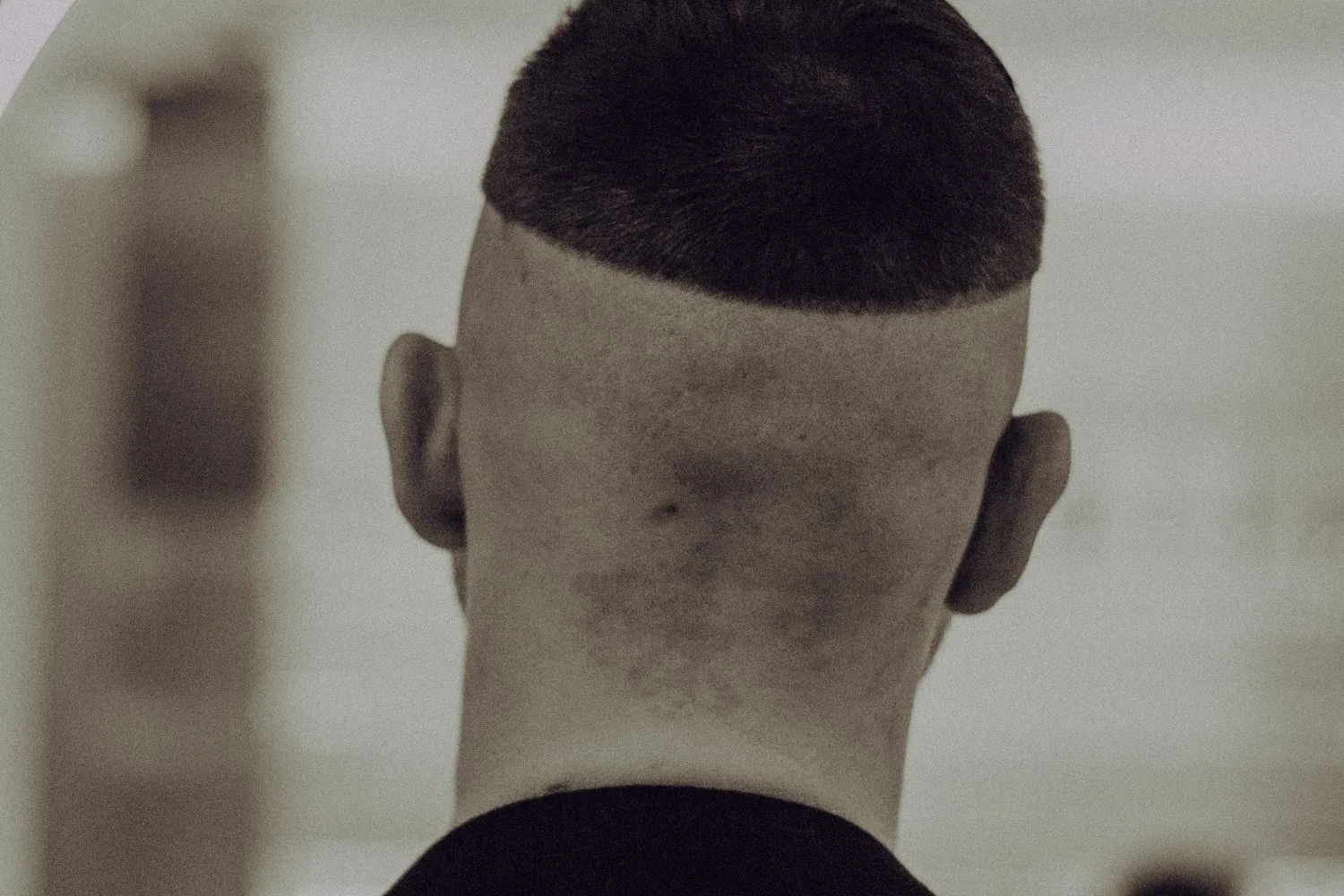
You can have both at once: a crash diet can add a wave of shedding on top of early pattern thinning. Men dealing with a receding pattern can read more in our guide on hair nutrition for men.
How long does hair take to recover after you fix the cause?
Once the trigger is corrected, shedding usually slows over about three to six months, and visible density often takes six to twelve months to return, because hair grows only about a centimetre a month. Some people take longer.
| Stage | What you may notice | What to keep doing |
|---|---|---|
| Weeks 1 to 4 | Shedding continues; hairs already in the resting phase still fall | Eat regular meals with protein at each one; do not start another diet |
| Months 2 to 4 | Daily fall gradually eases | Keep iron, protein and vitamin C foods consistent |
| Months 4 to 6 | Short, fine new hairs appear along the hairline and parting | Stay patient and avoid harsh treatments |
| Months 6 to 12 | Density slowly builds as new hairs lengthen | Maintain the diet; review with your doctor if little has changed |
A one-day Indian plate built for hair recovery
You do not need special foods. This sample day covers protein, iron, zinc and vitamin C with ordinary Indian meals. Swap items freely.
- Breakfast: Besan chilla or vegetable poha with a glass of milk or a bowl of curd, plus a guava or an orange.
- Mid-morning: A small handful of roasted chana and a few walnuts or groundnuts.
- Lunch: Two rotis (ragi or multigrain when possible), a katori of dal or rajma, a sabzi with greens such as methi or palak, curd, and a salad with lemon.
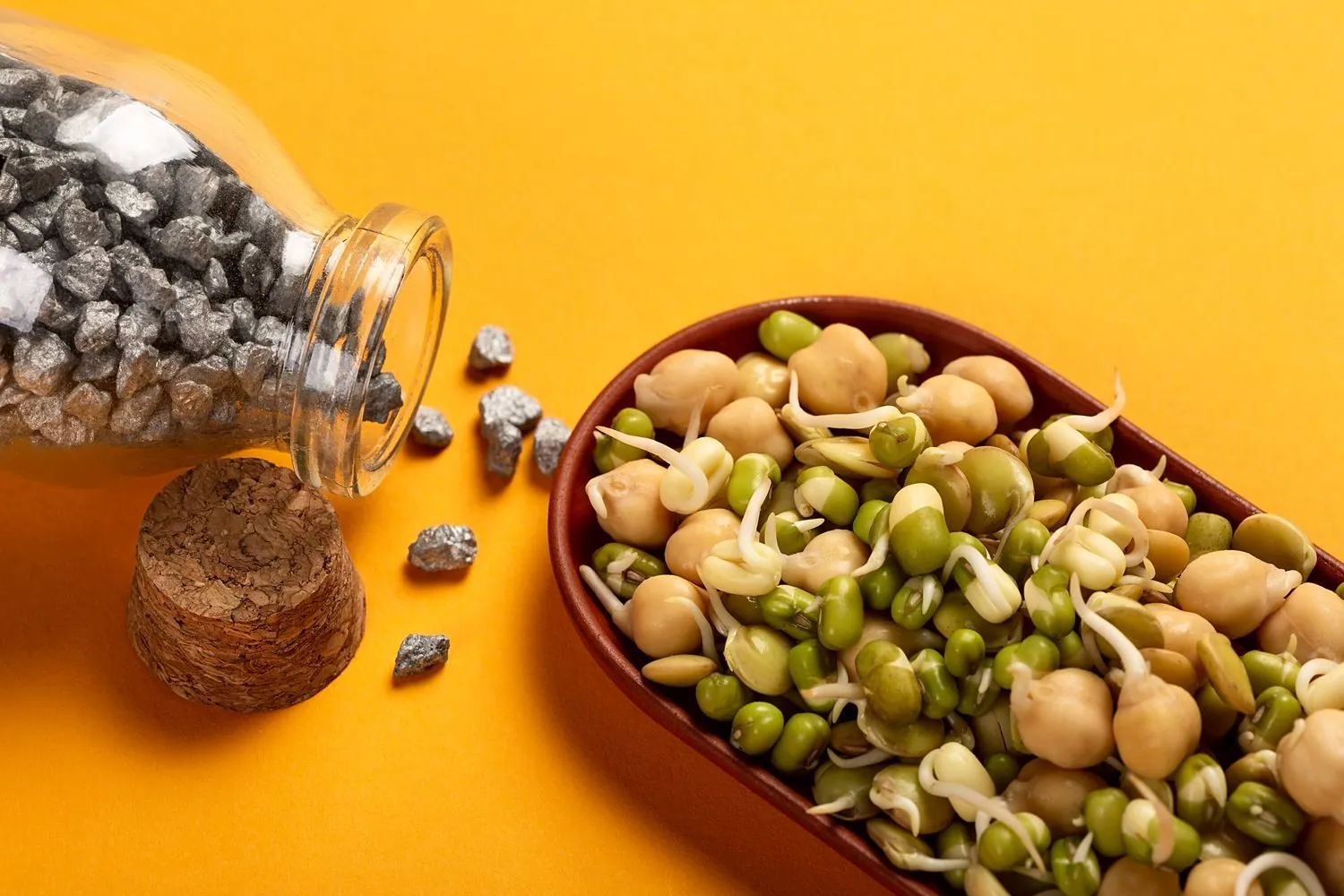
- Evening: Sprouts chaat with tomato and lemon, or two boiled eggs if you eat them. Tea if you like, but away from the meal.
- Dinner: Paneer, tofu, fish or chicken curry with a small portion of rice or roti, and one more vegetable.
If a crash diet started all this, do not cut calories again. Our guide to nutrition for weight loss shows what a safe, gradual deficit looks like.
Troubleshooting: still shedding after you improved your diet
Hair fall that continues beyond about six months, or fits no clear trigger, means looking beyond food. Work through these checks.
- Was the diet change really complete? Many people still skip breakfast or eat little protein. Track a normal week honestly.
- Is the trigger still active? Ongoing crash dieting, heavy periods, chronic stress, poor sleep or repeated illness can restart the cycle.
- Could absorption be the issue? Digestive problems or a vegetarian pattern without B12 sources can leave you low even when intake looks fine.
- Is there a medical cause? Thyroid problems, PCOS and some medicines can cause shedding that diet alone will not solve.
- Is it pattern baldness? A widening parting or receding hairline needs a different plan.
A registered dietitian can review your actual intake, and our online nutritionist consultation is built for exactly that kind of review.
Who needs extra care: vegetarians, women and crash dieters
Vegetarians and vegans. Plant iron is absorbed less easily, and B12 comes almost only from dairy, eggs and animal foods. Pair dal and greens with vitamin C, and ask your doctor about testing B12.
Women with heavy periods, pregnancy or recent childbirth. Iron needs are higher and stores can run low. Shedding a few months after delivery is common, but persistent hair fall deserves a blood test.
People losing weight quickly. Rapid loss, very low-calorie plans and long fasts are frequent triggers. Aim for gradual loss with enough protein, with support from an online weight loss trainer who keeps your plan safe.
When to see your doctor or registered dietitian
Hair loss can signal something that needs testing. Please see a doctor, ideally a dermatologist, or a registered dietitian if you notice any of the following:
- Shedding that is heavy for more than about three months, or continues beyond six months.
- Bald patches, a scarred or painful scalp, redness, or scaling.
- Hair loss together with fatigue, breathlessness, weight changes or irregular periods.
- Sudden loss after starting a new medicine, or a medical condition that limits what you can eat.
Blood tests, commonly for ferritin (iron stores), vitamin D, B12 and thyroid function, can show whether a gap is present. Do not start iron, zinc or other supplements on a guess, since too much can cause harm. This article is general information, not a diagnosis, and please never stop or change a prescribed medicine because of anything you read here.
Frequently asked questions
Can poor nutrition cause hair loss?
Yes. Sustained low intake of calories, protein, iron or zinc, and rapid weight loss, can push many hairs into the resting phase and cause diffuse shedding a few months later. It is usually temporary and improves once the shortfall is corrected, though a doctor should rule out other causes.
Which vitamin deficiency is most linked to hair fall?
Low iron stores are the most commonly mentioned, followed by low vitamin D, B12 and zinc. A simple blood test is the only reliable way to know, so avoid self-diagnosing from symptoms or buying supplements without testing.
How long does it take to regrow hair after fixing my diet?
Shedding often eases over three to six months, and fuller density can take six to twelve months. Hair grows only about a centimetre a month, so patience matters. If nothing improves after about six months, check in with your doctor.
Can I fix hair loss with food alone?
If the cause is a nutritional gap or a past shock to the body, correcting your diet is often the main step. If the cause is inherited pattern baldness, a thyroid problem or another medical issue, food supports health but is not enough by itself.
What should I eat every day for healthier hair?
Aim for protein at every meal from dal, curd, paneer, eggs, fish or chicken, plus iron sources such as ragi, chana, greens and sesame, a vitamin C food, and nuts or seeds. Keep calories adequate and meals regular rather than chasing one miracle food.
Not sure whether your shedding is nutritional? Share your hair fall timeline and recent meals in an online nutritionist consultation and get a plan matched to your intake.


