

The link between thyroid and nutrition is narrower than most online food lists suggest. Your thyroid needs a few specific nutrients, mainly iodine and selenium, in sensible amounts, and a balanced Indian plate usually covers them. What food cannot do is cure a thyroid disorder or replace the tablets your doctor prescribes. This guide covers what to eat, what to stop worrying about, and when to see a doctor. Every number here is a rough guide, not a prescription.
How much can food really change thyroid health?
Food supports thyroid health but does not treat thyroid disease. Getting about 150 mcg of iodine and roughly 40 to 55 mcg of selenium a day from ordinary foods helps your gland make and use hormone, while hypothyroidism and hyperthyroidism still need medical diagnosis and treatment. Think of nutrition as the supporting layer around your doctor’s plan.
Your thyroid uses iodine as the raw material for two hormones, T4 and T3, which help set your energy use, heart rate and body temperature. Selenium-containing enzymes then convert T4 into the more active T3 and protect thyroid tissue. When either nutrient is far too low or far too high, the gland struggles. In between, there is a wide comfortable range, and most people eating varied home-cooked meals sit inside it.
Many people with a thyroid diagnosis cut out whole food groups after reading a scary list, then end up with a narrower diet and no better lab results.
Thyroid nutrients at a glance
These are the nutrients most often discussed alongside thyroid health. Needs vary with age, sex, pregnancy and medical history, so treat the figures as ballpark values and let your doctor or dietitian personalise them.
| Nutrient | Why the thyroid cares | Rough adult need | Common Indian sources | Watch out for |
|---|---|---|---|---|
| Iodine | Raw material for T4 and T3 | About 150 mcg a day; about 200 to 250 mcg in pregnancy and breastfeeding | Iodised salt, milk, curd, eggs, fish | Kelp and seaweed supplements; upper limit is roughly 1,000 mcg a day |
| Selenium | Helps convert T4 to T3; protects thyroid tissue | Roughly 40 to 55 mcg a day | Eggs, fish, chicken, sunflower seeds, Brazil nuts | Long-term intake above about 400 mcg a day can cause hair loss and brittle nails |
| Iron | Needed by enzymes that build thyroid hormone | Varies; higher for menstruating women and in pregnancy | Rajma, chana, dals, palak, eggs, meat, fish | Iron tablets can affect how thyroid medicine is absorbed; ask your doctor |
| Zinc | Supports hormone production and activation | About 8 to 12 mg a day | Pumpkin seeds, chickpeas, curd, nuts, meat | Very high supplement doses can crowd out copper |
| Vitamin D and B12 | Often low alongside autoimmune thyroid disease and checked together | Per your blood report | Sunlight, eggs, dairy; B12 mainly from dairy, eggs, fish, meat | Dose decisions belong to your doctor |
If low iron or tiredness is part of your picture, our guide to nutritional anemia explains the overlap, and the zinc and nutrition guide covers the mineral in more detail.
How much iodine is enough, and can you get too much?
Most adults need about 150 mcg of iodine a day, and iodised salt in normal cooking plus milk, curd and eggs usually provides it. More is not better: very high intakes, often from kelp or seaweed supplements, can trigger thyroid problems. Avoid iodine or kelp supplements unless your doctor has specifically advised them.
In India, salt iodisation did most of the heavy lifting against deficiency. A level teaspoon of iodised salt, about 5 g, supplies roughly half of a day’s iodine, though cooking loses some. Do not raise your salt intake to chase iodine, especially if you have high blood pressure; milk, curd and eggs help close the gap.
Check your salt. Sendha namak (rock salt), pink salt and many sea salts are usually not iodised. If you cook with them daily, for example during vrat, and eat little dairy or egg, your iodine intake may be low. Iodised salt for everyday cooking is a simple fix.
Too much iodine is the less discussed problem, and it can push an already autoimmune, nodular or overactive thyroid in the wrong direction. If you have Hashimoto’s, Graves’ disease or nodules, follow your doctor’s guidance on iodine and skip seaweed snacks, kelp capsules and “thyroid support” powders unless prescribed.
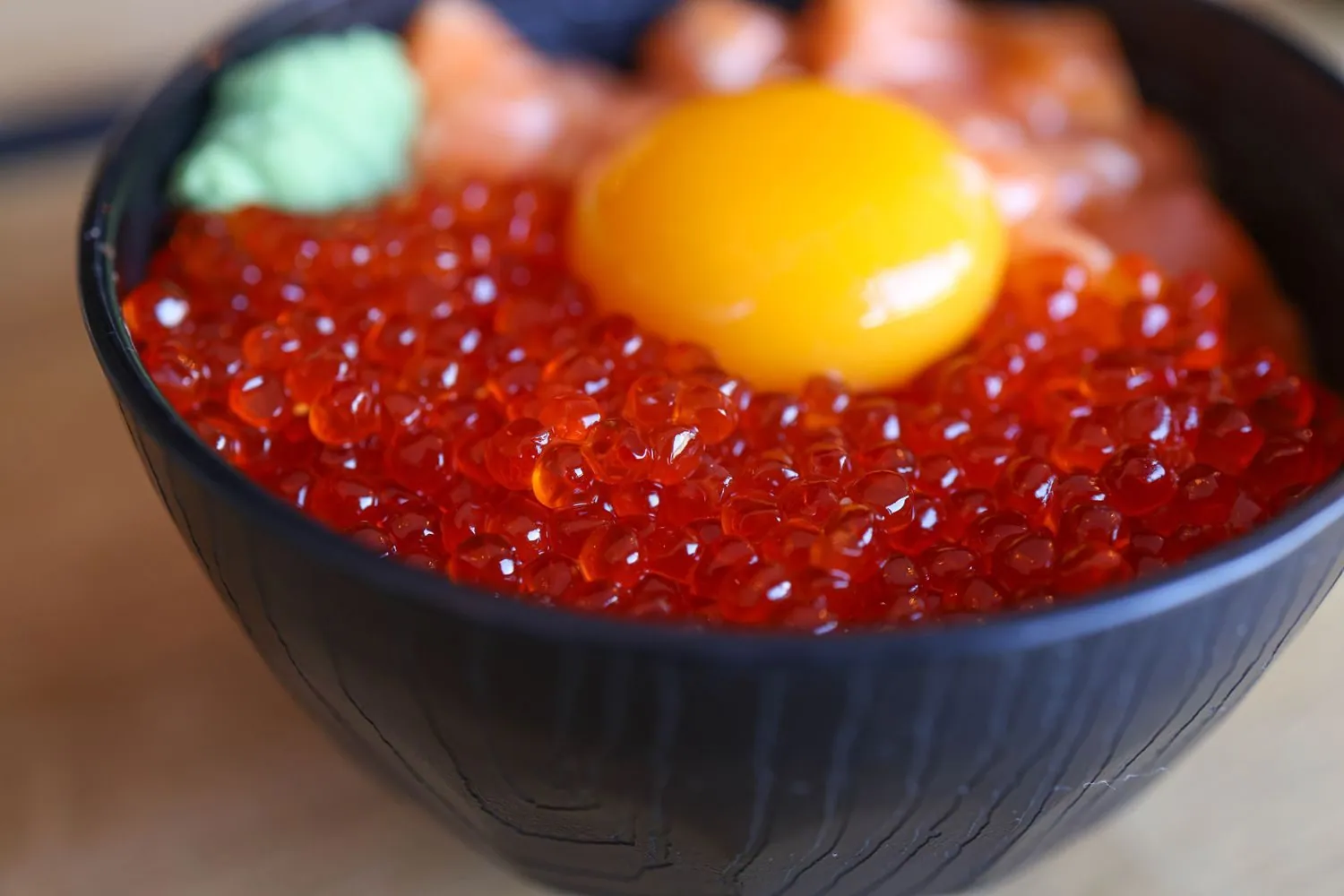
Myth check: do broccoli, cabbage and soy damage your thyroid?
For most people, no. Cabbage, cauliflower, broccoli and soy contain goitrogens, compounds that can interfere with iodine uptake in laboratory settings, but normal portions of cooked vegetables are not a problem when iodine intake is adequate. Cutting them out without a medical reason removes fibre and nutrients for little proven benefit.
The worry becomes realistic mainly with very low iodine intake plus very large amounts of raw goitrogenic foods, such as daily raw cabbage juice. Cooking reduces the effect further. If your doctor has flagged iodine deficiency, ask how these foods fit your situation.
| Food or habit | What people claim | Practical take |
|---|---|---|
| Cabbage, cauliflower, broccoli, kale | “Cut them out completely” | Normal cooked portions are fine with adequate iodine; no blanket ban needed |
| Soy (tofu, soya chunks, edamame) | “Soy ruins thyroid function” | Moderate portions are generally fine; keep your routine consistent and ask your doctor if you take thyroid tablets |
| Millets (bajra, ragi, jowar) | “Millets are goitrogenic, so avoid” | Fine as part of a varied diet; rotate with wheat, rice and other grains |
| Seaweed, kelp, “thyroid boosters” | “Natural iodine heals the thyroid” | Risky in excess; avoid unless your doctor prescribes |
| Brazil nuts | “Eat a handful daily for selenium” | One or two now and then is enough; a daily handful can overshoot |
| Gluten | “Everyone with Hashimoto’s must go gluten-free” | Not required unless coeliac disease is confirmed by tests |
| Tea and coffee | “Banned with thyroid conditions” | Fine in normal amounts; see the medication section below |
Selenium for thyroid health: how much and from where
The thyroid holds more selenium per gram than almost any other organ. Roughly 40 to 55 mcg a day is the usual adult range, and an egg, a portion of fish, or a small helping of seeds goes a long way toward it. Selenium in plant foods depends on the soil, so intake varies by region.
Whether selenium supplements change long-term outcomes in autoimmune thyroid disease is not settled, and high doses carry real downsides, including hair loss, brittle nails, stomach upset and nerve problems. Food first is the sensible rule. If you are considering a selenium tablet for Hashimoto’s, raise it with your endocrinologist. Our vitamin and nutrition guide covers other micronutrients.
Do food, chai and supplements change how thyroid tablets work?
Yes, they can. Food, coffee, tea, calcium and iron supplements may change how much thyroid medicine your body absorbs. That is why doctors stress taking it the same way every day. Your doctor or pharmacist will tell you exactly how and when to take yours; follow those instructions, and never change your dose or timing on your own.
The practical lesson is consistency, not a new rule from a website. Your doctor adjusts the dose based on blood tests, which assume a steady routine. If you start or stop a calcium, iron or multivitamin tablet, change your chai habit, or begin a soy-heavy diet, mention it at your next visit.
Also tell your doctor or lab if you take biotin (often sold for hair and nails), because it can distort some thyroid blood test readings. Blood sugar and liver health interact with thyroid care too, so if you manage those as well, see our diabetes and nutrition and liver and nutrition guides.
A balanced day of eating with thyroid-supporting nutrients
Here is a general one-day pattern that naturally covers iodine, selenium, iron and zinc using ordinary Indian foods. It is not a calorie plan or a treatment. Cook with iodised salt in normal amounts, and follow your doctor’s instructions for your tablet and your own medical conditions.
| Meal | Vegetarian option | Non-vegetarian option |
|---|---|---|
| Breakfast | Vegetable besan chilla (2 small) with 1 katori (about 150 g) curd | 2-egg bhurji with 1 whole-wheat roti and a fruit |
| Mid-morning | 1 guava or orange; 5 almonds | 1 fruit; a small glass of milk |
| Lunch | 2 rotis or 1 cup cooked rice, 1 katori dal, 1 cup sabzi, salad, curd | 2 rotis, 1 katori dal, 1 cup sabzi, fish curry (about 100 g cooked fish) |
| Evening | Roasted chana (about 30 g) or a small handful of pumpkin seeds | Roasted chana or boiled egg |
| Dinner | Moong dal khichdi with vegetables and curd | Grilled or curry chicken (about 100 g) with sabzi and 1 roti |
Fish or eggs a few times a week and dairy daily make this pattern iodine- and selenium-friendly without supplements. Weight changes linked to a thyroid condition are best handled with your doctor and a dietitian; our online weight loss trainer can support the lifestyle side once treatment is stable.
Troubleshooting: still tired, gaining weight, or labs not improving?
- Still tired despite treatment. Ask whether your dose and recent labs are on track, and whether iron, B12 and vitamin D have been checked. Poor sleep, stress and low protein intake also drain energy.
- Weight is not shifting. Thyroid function is one factor among many. Avoid crash diets or “thyroid detox” plans; steady, moderate eating and regular movement are safer.
- Hair fall. It has many causes, including iron deficiency and stress. Do not self-treat with high-dose selenium, zinc or biotin.
- Lab numbers keep swinging. Review routine, new supplements, missed doses and diet changes, and tell your doctor rather than adjusting anything yourself.
- Low energy or mood. Gentle movement helps many people with energy and sleep. Our yoga for thyroid guide and online yoga classes offer low-impact options.
Who needs extra care? Pregnancy, plant-based eaters and autoimmune thyroid disease
- Pregnancy and breastfeeding. Iodine needs rise to about 200 to 250 mcg a day, and thyroid conditions are more common in women around pregnancy and menopause. Do not start supplements on your own; see our women’s nutrition guide and talk to your gynaecologist.
- Vegans and people avoiding dairy or eggs. Milk, curd and eggs are major iodine sources in Indian diets, so iodine and B12 deserve attention. Our vegan nutrition guide covers planning.
- Hashimoto’s or Graves’ disease. Iodine advice differs by condition and stage, so follow your endocrinologist’s guidance on salt, seaweed and supplements.
- After thyroid surgery or with nodules. Advice is individual; do not apply general lists.
See your doctor or registered dietitian if…
- You have ongoing tiredness, feeling cold or unusually hot, constipation, a racing heartbeat, tremor, hair loss, irregular periods or unexplained weight change.
- You notice swelling in the front of the neck, a lump, hoarseness or difficulty swallowing.
- You are pregnant or planning pregnancy, or you have a thyroid condition and are about to start any new supplement.
- Your thyroid tablet, dose or routine needs to change. Do not stop, skip or alter thyroid medicine because of anything you read here; follow your doctor’s instructions.
Seek urgent care for chest pain, a very fast or irregular heartbeat with breathlessness, fainting or severe confusion. This article is general education and cannot diagnose or treat any condition.
Frequently Asked Questions
Can diet alone fix hypothyroidism or hyperthyroidism?
No. Diet supports thyroid function but does not cure conditions such as Hashimoto’s, Graves’ disease or nodules. These need medical evaluation and often medication managed by a doctor. Good nutrition works alongside treatment, not instead of it, and should never replace follow-up blood tests.
Should I take an iodine supplement for a thyroid problem?
Not automatically. Most thyroid problems in India’s iodised-salt era are not caused by simple deficiency, and excess iodine can worsen some conditions. Ask your doctor to check your situation before taking any iodine or kelp supplement, and use iodised salt in normal amounts for everyday cooking.
Is soy safe to eat with a thyroid condition?
Normal portions of tofu, soya chunks or soy milk are generally considered fine for people with adequate iodine intake. Soy can affect how some thyroid tablets are absorbed, so keep your intake steady and tell your doctor if you change it. Follow your doctor’s instructions on medication.
Which foods should I avoid with a thyroid condition?
Very few foods need strict avoidance. The main ones to skip unless prescribed are kelp, seaweed and iodine-heavy supplements, plus unsupervised high-dose selenium, zinc or biotin. Cooked cabbage, cauliflower, soy and millets are usually fine in normal portions. Your doctor may personalise this advice.
Do I need extra selenium for my thyroid?
Most people meet the roughly 40 to 55 mcg daily need through eggs, fish, seeds and a varied diet. High-dose selenium tablets can cause hair loss, brittle nails and stomach upset. Discuss any supplement with your endocrinologist, who can decide based on your reports.
Want a food plan built around your own thyroid reports and Indian kitchen? Book an online nutritionist consultation with Fitstrot and bring your latest lab results. It complements your medical care and never replaces it.


