
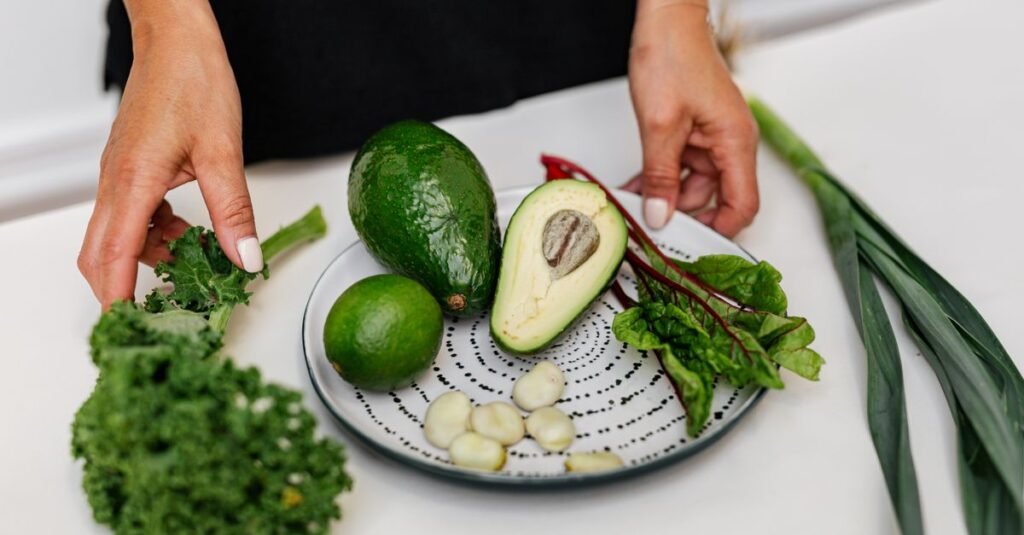
A good fatty liver diet is not a detox, a juice cleanse or a list of “superfoods”. It is a calorie-aware, low-sugar, high-fibre way of eating that helps you lose a modest, measured amount of weight and keeps fat from building up in liver cells again. That matters in India: a 2022 meta-analysis of 50 studies estimated that 38.6% of Indian adults have non-alcoholic fatty liver disease, now renamed metabolic dysfunction-associated steatotic liver disease (MASLD). That is roughly one adult in three.
This guide turns the evidence into an Indian diet for fatty liver disease: weight-loss targets, a food chart, what to cut, coffee and alcohol facts, and a 7-day plan. It is general education. If you have a diagnosis, raised ALT/AST, diabetes or take medication, plan changes with your doctor and never alter a prescription yourself.
How much weight do you need to lose to reverse a fatty liver?
Most people with a fatty liver need to lose 3-5% of their body weight to reduce liver fat, and about 10% to improve inflammation and scarring. The 2023 AASLD practice guidance states that 3%-5% weight loss improves steatosis, but more than 10% is generally required to improve NASH and fibrosis. For a 70 kg adult, that is 2-3.5 kg first and 7 kg eventually.
The clearest data comes from a 52-week study of 293 people with biopsy-proven steatohepatitis (the inflamed form of fatty liver). Among those who lost 10% or more of their body weight, 90% had their NASH resolve and 45% saw fibrosis regress (Vilar-Gomez et al., Gastroenterology, 2015). The same study is also a reality check: only 30% of participants managed to lose 5% or more in a year. That is why the plan below aims for slow, steady progress you can keep up, not a crash.
| Weight lost | If you weigh 70 kg | If you weigh 85 kg | What the evidence shows in the liver |
|---|---|---|---|
| 3-5% | 2.1-3.5 kg | 2.6-4.3 kg | Less liver fat (steatosis). This is the first, most reachable milestone. |
| 5% or more | 3.5 kg+ | 4.3 kg+ | 58% of people in the 2015 study saw their steatohepatitis resolve. |
| 7-10% | 4.9-7 kg | 6-8.5 kg | Inflammation scores fell in everyone in this band who had few other risk factors. |
| 10% or more | 7 kg+ | 8.5 kg+ | 90% NASH resolution and 45% fibrosis regression. This is the level needed to improve scarring. |
Lose weight gradually: the NIDDK’s guidance for NAFLD recommends exactly that. If belly fat is your main concern, our guide on how to reduce visceral belly fat explains why fat around the organs and fat in the liver tend to rise and fall together.
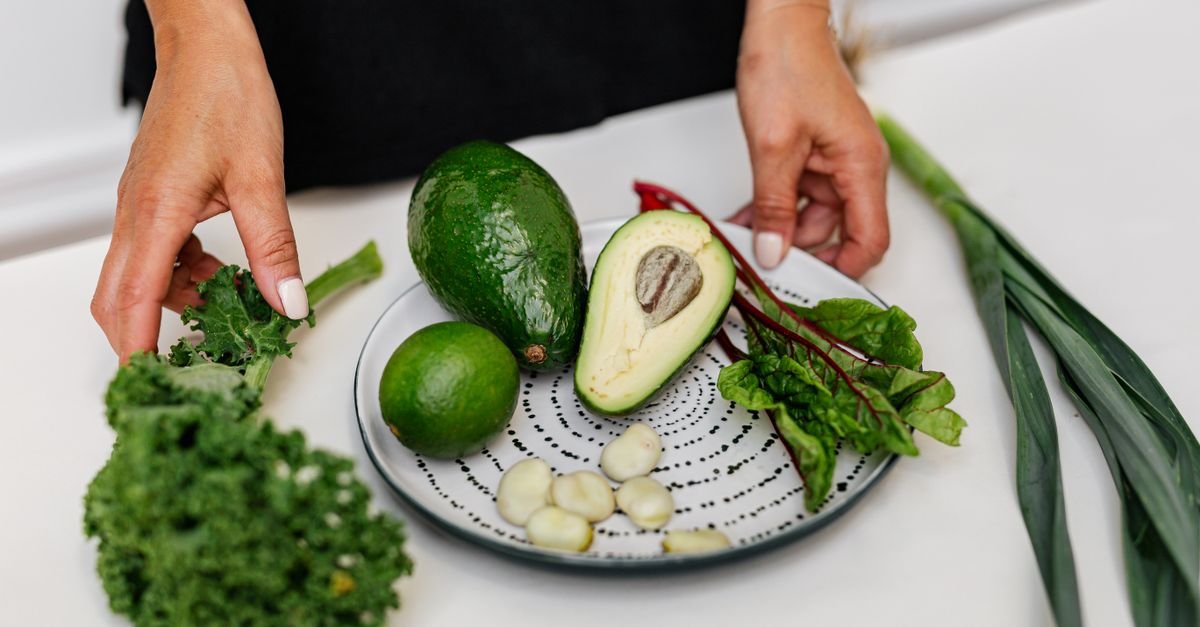
Fatty liver food to eat: a liver health food chart for Indian kitchens
None of these foods “cleans” the liver. They earn a place because they fill you up for fewer calories, add fibre or protein, or replace saturated fat with unsaturated fat. That matches the NIDDK advice to swap saturated and trans fats for unsaturated fats, especially omega-3s, and to choose low-glycaemic foods such as most fruits, vegetables and whole grains. The fibre and protein figures below come from USDA FoodData Central (SR Legacy) per 100 g. Portions are typical Indian servings.
| Food group | Indian examples | Typical portion | Key numbers (per 100 g) | Why it helps a fatty liver |
|---|---|---|---|---|
| Pulses and dals | Masoor, moong, rajma, chana | 1 katori cooked (about 150 g), 1-2 times a day | Cooked lentils: 7.9 g fibre, 9 g protein. Cooked rajma: 7.4 g fibre, 8.7 g protein | Fibre and protein keep you full and slow the rise in blood sugar after meals. |
| Leafy greens and non-starchy vegetables | Palak, methi, lauki, bhindi, cabbage, broccoli | Half the plate at lunch and dinner | Raw spinach: 2.2 g fibre for about 23 kcal | Lots of volume for few calories. WHO advises at least 400 g of fruit and vegetables a day. |
| Whole grains (in controlled amounts) | Jowar, bajra, ragi, whole-wheat roti, brown rice, oats | 2 rotis or 1 small katori rice per meal | Lower glycaemic load than maida or white rice | Replaces refined carbs, which drive fat production in the liver. |
| Oily fish | Bangda (Indian mackerel), sardine (mathi), rohu | 100-150 g, 2 times a week | Atlantic mackerel: 18.6 g protein | Omega-3 fats, which NIDDK lists as a preferred fat for NAFLD. |
| Nuts and seeds | Walnuts, almonds, flaxseed, peanuts | 15-30 g (a small fistful) a day | Walnuts: 6.7 g fibre, 15.2 g protein | Unsaturated fats. Calorie-dense, so portion size matters. |
| Lean protein | Paneer (in small portions), curd, eggs, chicken breast, tofu | A palm-sized portion at every meal | Varies by source | Protects muscle while you are in a calorie deficit. |
| Whole fruit | Guava, apple, orange, papaya, jamun | 2 servings a day, whole, not juiced | Fibre slows sugar absorption | Sweetness that comes with fibre, unlike juices or sweets. |
Of all the foods for liver health, two groups do most of the work. Leafy greens for liver health cost very few calories, and fiber rich foods for liver health such as dals, rajma and whole grains make a calorie deficit easier to sustain. Our fibre nutrition guide covers how to reach daily fibre targets with Indian foods.
Fatty liver foods to avoid, and the swaps that work
The AASLD guidance links a diet high in excess saturated fats, refined carbohydrates and sugar-sweetened beverages with both obesity and fatty liver. It adds that too much fructose raises the risk of NAFLD, NASH and advanced fibrosis even when total calories stay the same. The NIDDK names the main culprits as sweetened soft drinks, sports drinks, sweetened tea and juices. It also flags white bread, white rice and potatoes as high-glycaemic foods to limit.
Here is how fast sugar adds up. USDA data lists a fast-food cola at 8.97 g of sugar per 100 ml, so a 300 ml glass has about 27 g. The WHO limits free sugars to less than 10% of daily energy, which is about 50 g (12 level teaspoons) on a 2,000 kcal diet, with extra benefit below 5% (about 25 g). One glass of cola is already more than half your daily allowance, and above the stricter 5% target.
Swaps that work in a typical Indian day:
- Chai with 2 teaspoons of sugar, 3 times a day: cut to 1 teaspoon per cup, then half.
- Packaged fruit juice or nimbu pani with sugar: switch to the whole fruit, or unsweetened nimbu pani with a pinch of salt.
- Maida (biscuits, bread, naan, bakery items): swap for a millet roti, roasted chana or a handful of nuts.
- Deep-fried snacks (samosa, pakora, namkeen): once a week at most; WHO keeps trans fats, common in reused frying oil, below 1% of energy.
- A large plate of white rice: one katori, with extra dal and sabzi to fill the rest of the plate.
Our article on how sugar affects the body explains what added sugar does beyond the liver.
Myth: “Fruit is bad for a fatty liver”
This myth confuses whole fruit with sugary drinks. The fructose warnings target soft drinks, juices, sweetened tea and table sugar. Whole fruit comes with fibre and is hard to overeat, and the NIDDK lists most fruits as low-glycaemic foods to eat more of.
The best fruits for liver health, and how to eat them
Guava, apple, pear, orange, papaya, jamun and berries are sensible choices, about two servings a day. Go easy on large amounts of mango, grapes or dates, especially with diabetes. Eat the fruit, skip the juice.
Myth: “A liver detox cleanses fat out of the liver”
No drink, kadha, capsule or cleanse removes fat from liver cells; weight loss, diet quality and exercise do. Some herbal “liver tonics” can harm the liver, so show any supplement to your doctor first.
Is coffee good for a fatty liver?
Yes, coffee appears protective, but the evidence is observational. A 2016 meta-analysis of 432,133 people found that each extra two cups of coffee a day was linked to a 44% lower risk of cirrhosis (relative risk 0.56). The 2023 AASLD guidance says 3 or more cups a day “could be recommended” if there is no medical reason to avoid it.
AASLD notes the benefit appears to be independent of caffeine content, so decaf may count too. Mayo Clinic is more cautious: it says some studies suggest coffee may reduce the risk of liver disease and that you should discuss it with your healthcare team.
The Indian catch is the sugar: three cups of filter coffee with 2 teaspoons each adds 6 teaspoons a day. Coffee for liver health means black or lightly milked coffee with little or no sugar. With palpitations, reflux, poor sleep, pregnancy or uncontrolled blood pressure, ask your doctor first.
Mediterranean diet for fatty liver: does it work with Indian food?
The Mediterranean diet is the pattern most often recommended for fatty liver. A 2017 review in the Journal of Hepatology found that it can reduce liver fat even without weight loss. In that review, carbohydrates make up about 40% of calories (compared with 50-60% on a typical low-fat diet), and fat makes up about 40%, mostly from monounsaturated and omega-3 sources. Many roti-and-rice-heavy Indian meals sit at or above the high end of that carbohydrate range.
The AASLD guidance is more balanced. It says low-carb, low-fat, intermittent fasting and Mediterranean approaches seem broadly comparable for improving NAFLD. It adds that adapting the pattern to your own cuisine helps adherence. You don’t need olive oil and feta. An Indian version:
- Fats: measured mustard, groundnut or rice-bran oil; less ghee, no vanaspati.
- Carbs: two rotis instead of four, millets in place of some rice.
- Protein: dal, chana, rajma, curd, eggs, fish and chicken in place of extra grain.
- Snacks: nuts, seeds and roasted chana instead of namkeen and biscuits.
A 7-day Indian fatty liver diet plan
This fatty liver diet plan is a template, not a prescription. Portion sizes depend on your weight, activity level, blood sugar and medication, so a dietitian should set your calorie target. It follows the principles above: half the plate vegetables, a protein at every meal, controlled grain portions and no added-sugar drinks. Non-vegetarian swaps are in brackets.
| Day | Breakfast | Lunch | Evening snack | Dinner |
|---|---|---|---|---|
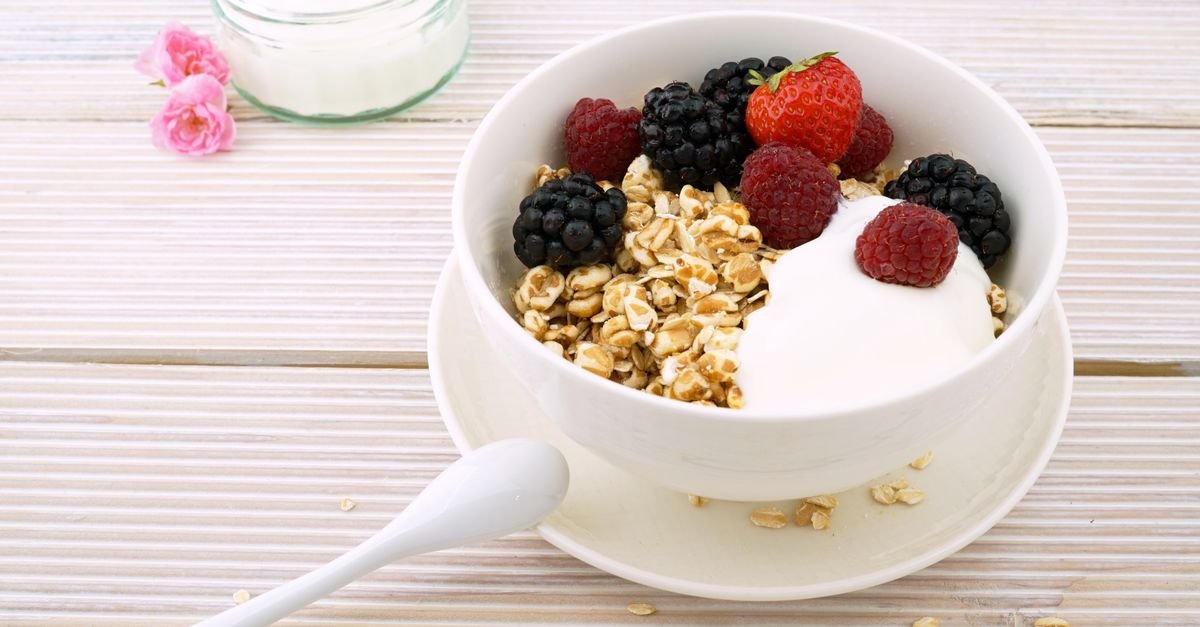
| Mon | Vegetable oats upma + 1 boiled egg or 50 g paneer | 2 jowar rotis, moong dal, palak sabzi, cucumber salad | 1 guava + 10 almonds | Lauki chana dal, 1 roti, large salad |
| Tue | 2 moong dal chillas with mint chutney | 1 katori brown rice, rajma, bhindi, curd | Roasted chana (30 g), black coffee or unsweetened chai | Grilled paneer tikka (or fish tikka) with sauteed vegetables |
| Wed | Ragi dosa with sambar | 2 rotis, mixed vegetable sabzi, masoor dal, salad | 1 apple + 2 walnuts | Vegetable dalia khichdi with curd |
| Thu | Besan chilla with vegetables + curd | 1 katori rice, sambar, cabbage poriyal (or mackerel curry) | Sprouts chaat with lemon | Tofu or egg bhurji, 1 roti, methi sabzi |
| Fri | Oats with curd, chia and papaya | 2 bajra rotis, chole (small katori), tinda sabzi, salad | Buttermilk + roasted makhana | Clear vegetable soup, grilled chicken or paneer, stir-fried vegetables |
| Sat | 2 idlis with sambar + 1 egg (optional) | Vegetable pulao (small portion) with raita and dal | 1 orange + 15 g peanuts | Moong dal cheela wrap with vegetables |
| Sun | Poha with peanuts and lots of vegetables (no sugar) | 2 rotis, palak paneer (light on cream), salad | Coconut water or unsweetened lemon water + seeds | Fish curry with 1 small katori rice (or soya chunk curry), salad |
Throughout the week: no sugar-sweetened drinks or packaged juice, no more than 1 teaspoon of sugar per cup of tea or coffee, fried snacks no more than once a week, and drink water as your main beverage.
Alcohol and fatty liver: what counts as “a little”?
If you have a fatty liver, the safest amount of alcohol is as little as possible, and none at all if you have significant scarring. AASLD defines mild drinking as up to 20 g of alcohol a day for women and 30 g for men. It says moderate drinking raises the probability of advanced fibrosis, and that patients with fibrosis stage F2 or higher should abstain completely.
Mayo Clinic’s advice to people with MASLD is simply not to drink alcohol. Grams are hard to picture, so here is what common Indian drinks contain (pure alcohol = volume × alcohol % × 0.789 g/ml).
| Drink | Serving | Approx. pure alcohol | Versus the “mild” ceiling |
|---|---|---|---|
| Whisky / rum / vodka (42.8%) | 1 small peg, 30 ml | About 10 g | 2 pegs = a woman’s full daily ceiling |
| Whisky (42.8%) | 1 large peg, 60 ml | About 20 g | 1 large peg = a woman’s full daily ceiling |
| Regular beer (5%) | 1 bottle, 650 ml | About 26 g | Close to a man’s 30 g ceiling |
| Strong beer (8%) | 1 bottle, 650 ml | About 41 g | In the “heavy” range for women in a single bottle |
| Wine (12%) | 1 glass, 150 ml | About 14 g | Most of a woman’s daily ceiling |
These ceilings describe risk levels, not a safe allowance for someone who already has a fatty liver.
Thin but told you have a fatty liver? Who needs extra care
Fatty liver is not only a problem for people who are visibly overweight. AASLD reports that the prevalence of NAFLD in lean individuals ranges from 4.1% in the United States to as high as 19% in Asia. Lean people with NAFLD tend to have more insulin resistance, more visceral fat and less muscle than healthy controls.
- Lean Indians: focus on cutting sugar and refined carbs, avoiding alcohol and building muscle; a 3-5% loss may still help if your doctor agrees.
- People with type 2 diabetes: the Indian meta-analysis found a 52.8% prevalence of NAFLD in high-risk groups, including people with diabetes and obesity. Change your diet in step with your doctor, because cutting carbs while on insulin or sulfonylureas can cause low blood sugar.
- Vegetarians: put dal, curd, paneer, soya or sprouts at every meal instead of extra rice or roti.
- Children and teenagers: the same meta-analysis estimated 35.4% prevalence in Indian children, and 63.4% in children with obesity. Paediatric care should guide any diet. Do not put a child on a calorie-restricted diet without medical supervision.
Troubleshooting: “I’m eating right but my report hasn’t changed”
This is the most common frustration. Work through these checks in order:
- Has your weight actually changed by 3-5%? If not, the liver usually hasn’t either. Log weight weekly.
- Are you drinking your sugar? Chai, coffee, “healthy” smoothies, packaged lassi and fruit juices are where most hidden sugar comes from.
- Are portions creeping up? Nuts, ghee-laden millet dishes and big rice servings still add calories.
- Are you exercising? Exercise matters for liver health even without weight loss. AASLD says moderate exercise at least 5 times a week, totalling 150 minutes, can prevent or improve NAFLD, and that more vigorous exercise may be needed to improve NASH. A mix of brisk walking, cycling or dance cardio plus 2 strength sessions a week works for most people. Our 1-on-1 personal training can build that around your schedule.
- Are you retesting too early? Ultrasound grades are rough; ask your doctor whether enzymes, FibroScan or a FIB-4 score suit you better.
- Have you plateaued? AASLD notes that 10% or fewer people achieve effective weight loss at one year with structured interventions, and fewer than half of those keep it off for 5 years. Plateaus are normal and are a reason to get support, not to give up.
When diet is not enough: see your doctor
Diet and exercise are the first-line treatment for a fatty liver, but they are not the only one. Mayo Clinic notes that vitamin E may help some people with MASLD who do not have type 2 diabetes, but it is not recommended for people with serious liver scarring or diabetes. That decision belongs to your doctor. Seek care promptly for yellow eyes or skin, abdominal or leg swelling, dark urine, black stools or confusion.
Frequently asked questions
What is the best diet for fatty liver disease?
There is no single best diet. The AASLD guidance finds Mediterranean, low-carb, low-fat and intermittent fasting approaches broadly comparable. What works is a pattern you can maintain: fewer calories, little added sugar, less refined carbohydrate and saturated fat, more vegetables, pulses, whole grains and unsaturated fats.
Can a fatty liver be reversed with diet alone?
Often, yes, especially in the early stages. A 3-5% weight loss reduces liver fat, and 10% or more resolved steatohepatitis in 90% of people in a 2015 study. Adding exercise improves results. Advanced fibrosis or cirrhosis needs specialist care.
Which foods should I avoid with a fatty liver?
Cut sugar-sweetened drinks and juices, sugar in chai and coffee, sweets, maida-based bakery items, deep-fried snacks, vanaspati and reused frying oil, large portions of white rice, and alcohol.
Is rice bad for a fatty liver?
Rice is not forbidden, but portion size matters. Keep it to one katori per meal, try to have brown rice or millets sometimes, and fill the rest of your plate with dal, vegetables and protein.
How many cups of coffee are good for the liver?
The 2023 AASLD guidance says 3 or more cups a day could be recommended if there is no medical reason to avoid it. Keep it unsweetened or lightly sweetened, and check with your doctor if you have heart, sleep, pregnancy or acid-reflux concerns.
Can I drink alcohol occasionally with a fatty liver?
It is best to avoid it. AASLD says moderate drinking raises the risk of advanced fibrosis, and anyone with fibrosis stage F2 or higher should stop completely. Mayo Clinic advises people with MASLD not to drink.
How long does it take to reverse a fatty liver with diet?
In the major 2015 study, liver changes were measured after 52 weeks of lifestyle changes. Plan for months, not weeks, and let your doctor decide when to repeat your blood tests and scans.
Want a fatty liver diet built around your own reports and your kitchen? Book an online nutritionist consultation with Fitstrot. A dietitian will set your calorie and protein targets, adapt this 7-day plan to your food habits, and track your progress month by month alongside your doctor’s care.


