
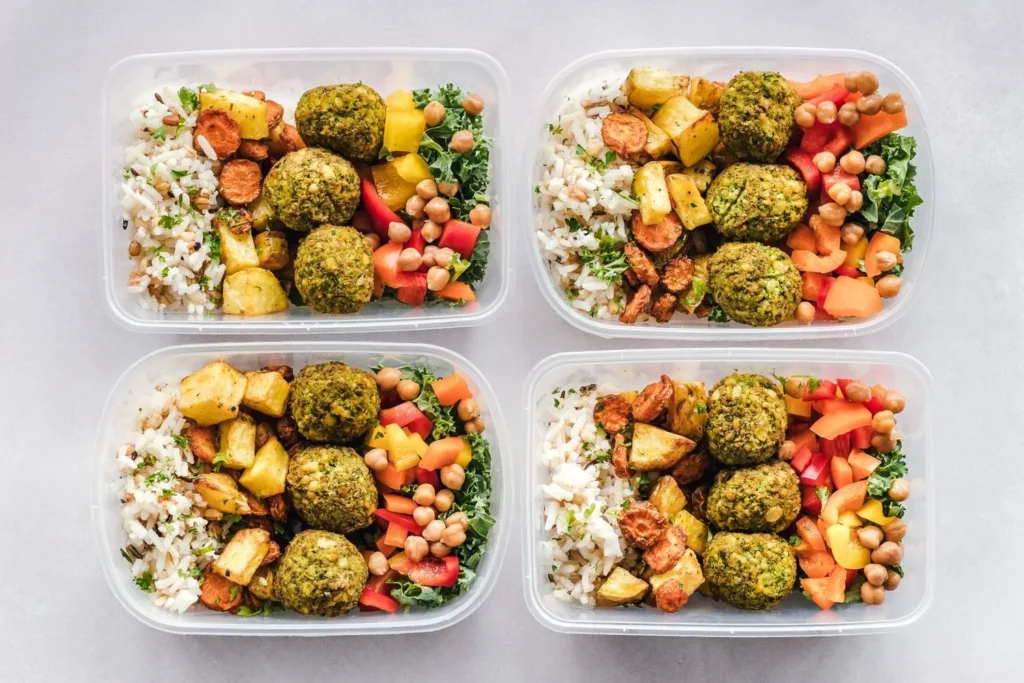
A 7 day meal plan for fatty liver works best when it is boring in the right way: the same few habits repeated every day, with the dishes rotating around them. This guide gives you a full Indian week, vegetarian first with non-veg swaps, plus portion sizes in grams, a Sunday prep routine and fixes for the usual problems. It is a food structure, not a treatment. Your own reports and doctor decide what is right for you.
Please read first: fatty liver can have more than one cause, and a meal plan cannot promise to cure or reverse it. If you have a diagnosis, abnormal liver tests, diabetes, kidney disease, or take regular medicines, show this plan to your doctor or a registered dietitian before you start. Do not change any medicine because of an article.
This page is the practical, day-by-day plan. For the reasoning behind why these foods help, read our guide to the best diet for fatty liver reversal. For movement, see yoga for fatty liver.
What does a fatty liver diet chart look like in an Indian kitchen?
An Indian fatty liver diet chart usually has three simple meals and one small snack. Each meal pairs a whole grain (about 120 to 150 g cooked) with a dal or other protein and a large serving of vegetables. Cooking oil stays measured at roughly 3 to 5 teaspoons a day in total. Fried food, sweets and sugary drinks stay occasional.
Dal, sabzi, roti and curd already fit this pattern. The changes are mostly about quantity and quality:
- Whole grains over refined: whole wheat, jowar, bajra, ragi, brown rice and oats instead of maida, white bread and large helpings of white rice.
- A pulse or protein at every meal: dal, rajma, chana, sprouts, curd, eggs, fish or paneer keep you full.
- Half the plate as vegetables: sabzi and salad take the space that extra rice or roti would fill.
- Measured oil: a teaspoon spoon, not a free pour. Any one regular cooking oil is fine in small amounts.
- Salt kept modest: about 5 g (one level teaspoon) a day from all sources is the usual upper limit, so go easy on pickles and papad.
- Sugar kept low: less in chai, no packaged juices, sweets saved for occasions. If sugar and blood fats worry you, read does sugar raise cholesterol.
Your week at a glance: the 7-day fatty liver meal plan
Vegetarian options come first in each cell. Where a non-veg swap fits naturally, it follows in brackets. Rotate freely: if you dislike lauki, use tinda or turai.
| Day | Breakfast | Lunch | Evening snack | Dinner |
|---|---|---|---|---|
| Day 1 | Vegetable poha with peanuts, unsweetened tea | Brown rice, moong dal, lauki sabzi, cucumber salad | Roasted chana, thin buttermilk | 2 multigrain rotis, palak sabzi, small bowl of curd |
| Day 2 | Oats porridge with almonds and chopped apple | Whole wheat roti, rajma, bhindi sabzi, salad | 1 seasonal fruit | Grilled paneer (or grilled fish) with sauteed vegetables |
| Day 3 | Besan chilla with mint chutney | Jowar roti, chana dal, mixed vegetable sabzi, curd | Sprouts chaat with lemon | Vegetable soup, 1 roti, sauteed beans and broccoli |
| Day 4 | Moong dal cheela with tomato chutney | Brown rice, sambar, beetroot poriyal, salad | Small handful of walnuts, 1 banana | Tofu stir-fry (or grilled chicken) with steamed vegetables |
| Day 5 | Vegetable upma made with minimal oil | Whole wheat roti, light dal, karela or tori sabzi | Roasted makhana | Moong dal khichdi with brown rice, curd on the side |
| Day 6 | Moong sprouts salad with toast (or 2 boiled eggs) | Ragi roti, chole, cucumber-tomato salad | 1 seasonal fruit | Paneer bhurji (or light fish curry) with a small bowl of brown rice |
| Day 7 | Vegetable dalia with a few cashews | Brown rice, mixed dal, lauki-chana sabzi, salad | Buttermilk with roasted cumin | Grilled vegetable and paneer skewers, 1 roti |
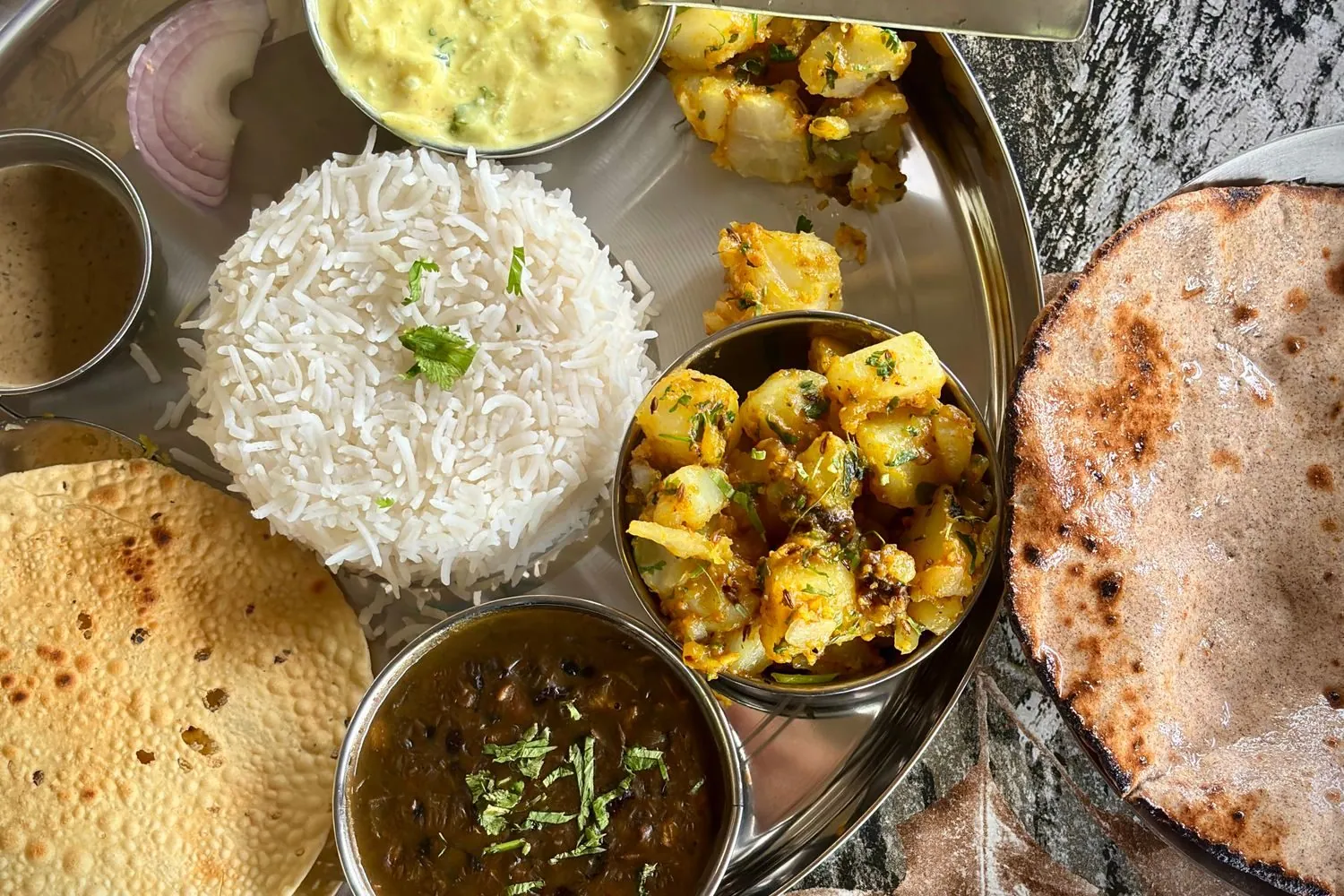
If you eat non-veg, two to three fish, egg or chicken meals a week are plenty. Grilled, baked or light-gravy dishes suit this plan better than rich, oily curries. Keep mutton and processed meats occasional.
How big should each portion be?
For most adults a lunch or dinner plate holds about 120 to 150 g of cooked grain (one katori) or 1 to 2 medium rotis, 150 g of cooked dal, 150 to 200 g of sabzi, and a bowl of salad. Protein portions are about 100 g of fish or chicken, two eggs, or 60 to 80 g of paneer.
| Food | About how much per meal | Easy way to measure |
|---|---|---|
| Cooked brown rice or millet | 120-150 g | 1 katori, level |
| Roti (whole wheat, jowar, ragi) | 1-2 medium | Each about 30-40 g of dry flour |
| Cooked dal or rajma/chole | 150 g | 1 katori |
| Vegetable sabzi | 150-200 g | 1 to 1.5 katori |
| Salad (cucumber, tomato, carrot) | 100-150 g | 1 side bowl |
| Curd or buttermilk | 100-150 g or 1 glass | 1 small katori, unsweetened |
| Fish or chicken, cooked | About 100 g | Palm-sized piece |
| Paneer | 60-80 g | 3 to 4 small cubes |
| Nuts and seeds | 15-20 g | Small handful |
| Cooking oil, whole day | About 3-5 teaspoons | Measured with a teaspoon |
These are general ranges, not a prescription. A taller, more active person needs more. Ask your doctor or dietitian for the calorie level and portions that suit your weight, activity and lab reports.
Myth check: do you have to give up rice, ghee and fruit?
No. Fatty liver diets do not require banning rice, ghee or fruit. What helps is smaller portions, more fibre and fewer refined or fried items. A katori of brown rice with dal and sabzi, a teaspoon of ghee, and whole fruit are usually fine. Juices, sweets and large portions are the real problem.
- “Fruit has sugar, so avoid it.” Whole fruit comes with fibre and water. Juice and sweetened smoothies are different, because they deliver sugar fast. One or two whole fruits a day is usual unless your doctor says otherwise.
- “Fat is the enemy.” Replace deep-fried food and heavy cream gravies with measured oil, nuts and fish rather than cutting all fat.
- “Crash diets work fastest.” Very rapid weight loss is not advisable with liver disease. Gradual loss, discussed with your doctor, is the safer route. Our nutrition for weight loss guide covers pacing.
- “Herbal detox teas will fix it.” No tea or powder detoxes a fatty liver, and some herbal products can harm it. Check with your doctor first.
How do you cook this plan in 90 minutes on Sunday?
You can prepare most of this plan in about 90 minutes once a week. Cook one large pot of dal and one of chana or rajma, wash and chop vegetables for three days, soak sprouts overnight, and roast chana and makhana. Everything then keeps for 2 to 3 days in the fridge, so weekday meals take 15 minutes.
- Shop for the week (about 20 minutes): moong, chana dal, rajma or chole, brown rice, millet flour, oats, besan, curd, seasonal vegetables, two fruits, nuts, and eggs, fish or paneer if you eat them.
- Soak and sprout: soak rajma or chole overnight and start moong sprouts for Day 3 and Day 6.
- Cook two bases: one thin dal and one legume curry. Use minimal oil and keep spices simple so they work across several meals.
- Prep vegetables: wash, chop and store in boxes.
- Make snack packs: portion roasted chana, makhana and nuts into small boxes to stop mindless nibbling.
Cook fish and fresh rotis on the day.
What if the plan is not working? Common problems and fixes
Most people hit the same few snags in week one. The table matches each problem with a likely cause and a fix. If you feel weak or dizzy, do not cut food further; speak to your doctor or dietitian.
| Problem | Likely reason | What to try |
|---|---|---|
| Hungry by 11 a.m. | Breakfast low in protein or fibre | Add besan, moong, sprouts, eggs, curd or nuts; avoid plain toast or biscuit breakfasts |
| Evening cravings for namkeen or biscuits | Long gap after lunch, no planned snack | Pre-pack roasted chana, makhana or fruit; keep packaged snacks out of sight |
| Office tiffin or canteen food | Oily gravies, extra rice | Ask for dal and sabzi with less oil, one roti or half rice portion, add a salad or curd from home |
| Weddings and festivals | Sweets, fried items, late dinners | Eat a normal breakfast and lunch, take small portions, and return to the plan at the next meal rather than skipping meals |
How should you adjust the plan if you are vegetarian, Jain, diabetic or eat non-veg daily?
Adjust the plan around one rule: keep the structure (whole grain, protein, vegetables, low added sugar) and swap ingredients. Vegetarians lean on dal, curd, paneer and sprouts. Jain eaters replace root vegetables with gourds and leafy greens. People with diabetes need personalised portions, and daily non-veg eaters can rotate fish, egg and chicken.
- Vegetarian or eggetarian: add a second protein source at breakfast and dinner, such as besan chilla, curd or paneer, so the day is not carbohydrate-heavy. For a broader menu, see our 7-day vegetarian weight loss meal plan.
- Jain: swap root vegetables for lauki, tori, tinda, beans and leafy greens, with pulses for protein.
- Daily non-veg eaters: keep fish or egg in some meals, use dal or sprouts in the rest, and avoid frying.
- Diabetes or high blood sugar: fatty liver and diabetes often occur together. Portions and carbohydrate timing need your doctor’s input, especially if you take tablets or insulin. Our 7-day diabetes meal plan may help you compare.
What about alcohol while following this plan?
Alcohol is an extra load on the liver, whatever the cause of your fatty liver. Many doctors advise people with any liver condition to avoid it completely, and if your fatty liver is alcohol-related, avoiding it is essential. Ask your doctor whether any alcohol at all is safe for you, and be honest about how much you drink.
When should you see a doctor or dietitian?
See a doctor promptly if you notice: yellowing of the eyes or skin, dark urine, pain or swelling in the upper right abdomen, a swollen belly or legs, black or bloody stools, vomiting blood, confusion, or unexplained weight loss and persistent weakness. Do not wait to try a diet first.
Also check with your doctor or a registered dietitian before starting if you:
- live with diabetes, kidney disease, heart disease or high blood pressure;
- take regular medicines or supplements, or are pregnant or breastfeeding;
- are under 18 or over 65.
Review your reports with your doctor every few months, because the right plan changes as your weight, labs and medicines change.
Regular movement also supports weight and metabolic health; walking and gentle yoga are good starting points. Fatty liver often sits alongside heart risk factors, so our heart-healthy diet plan overlaps with this one. The liver nutrition guide explains how nutrients relate to liver function.
Frequently Asked Questions
Can a 7 day meal plan cure or reverse fatty liver?
No plan can promise that. A week of good meals is a start, but fatty liver depends on your weight, activity, other health conditions and how long it has been present. Steady habits over months, regular check-ups and your doctor’s guidance matter more than any single week.
Can I eat roti and rice every day on a fatty liver diet?
Usually yes, in measured portions. About 120 to 150 g of cooked brown rice or 1 to 2 whole grain rotis per meal, paired with dal and plenty of sabzi, is typical. Choose whole grains and millets more often than white rice or maida. Your dietitian can fine-tune this.
Is fruit allowed in a fatty liver diet?
Whole fruit is generally fine, usually one or two servings a day, because the fibre slows sugar absorption. Fruit juice, sweetened smoothies and dried fruit in large amounts are different and should be limited. If you have diabetes, ask your doctor which fruits and portions suit you.
Do I need to see a doctor before starting this meal plan?
Yes, ideally. Your doctor can confirm the diagnosis, check your liver tests and decide whether anything else needs attention. A registered dietitian can then adjust portions to your reports. This matters most if you have diabetes, kidney disease or take regular medicines.
Can I follow this plan if I also have diabetes?
The general pattern of whole grains, pulses, vegetables and low added sugar is commonly used for both conditions, but portions and timing should be personalised. Talk to your doctor or dietitian first, especially if you take tablets or insulin, and never adjust medicine on your own.
Want this week adapted to your own reports, food preferences and budget? Book an online nutritionist consultation with Fitstrot, and, once your doctor agrees, add guided activity through our online weight loss trainer.


