
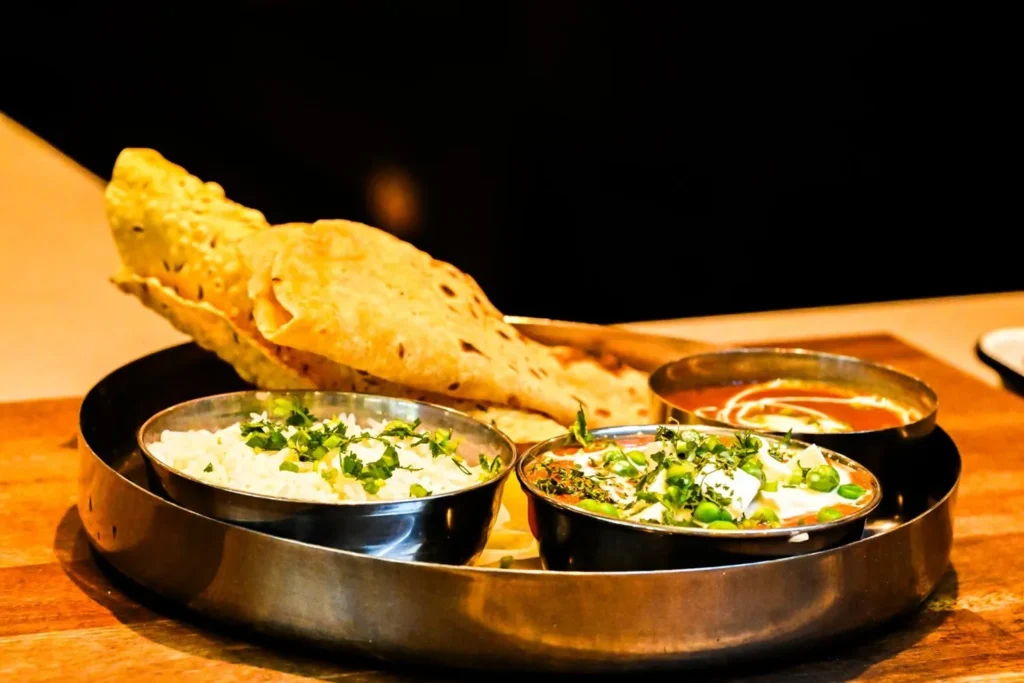
A 7 day vegetarian weight loss meal plan works when it sits about 300-500 kcal a day below what your body uses and puts a protein anchor on every plate: paneer, dal, curd, soya, sprouts or rajma. Below is a full Indian week of meals with katori and gram portions, a food-by-food protein table, a prep routine, and fixes for the usual problems. Use it as a template you can repeat and adjust, not a rigid prescription.
Can you lose weight on a vegetarian diet?
Yes. Weight loss comes from eating about 300-500 kcal a day below what your body uses, which works the same on a vegetarian diet as on any other. Vegetarians simply need to plan protein on purpose, with paneer, dal, curd, soya and legumes at every meal, so hunger stays manageable while the scale moves about 0.25-0.5 kg a week.
The usual struggle is plate composition, not willpower. A typical thali built on rice, roti and potato sabzi digests quickly, so you are hungry again in two hours. Shift the ratio instead of shrinking the meal: protein and vegetables take most of the plate, rice or roti becomes the side. The broader principles are covered in our guide to nutrition for weight loss, and our vegetarian diet plan for weight loss goes deeper on the long-term version.
One honest expectation: a single week will not transform your body. Much of what drops in the first 7 days is water and gut contents. Real fat loss shows up over 3-4 weeks of repeating a plan like this.
What does a 7-day vegetarian weight loss meal plan look like?
A workable 7 day plan gives each day about 1,350-1,600 kcal and 55-70 g of protein, with a protein anchor at every meal. Rice and roti stay at one or two servings a meal, and vegetables fill roughly half the plate. Portions below use a standard katori (about 150 ml cooked) and a medium whole-wheat roti.
| Day | Breakfast | Lunch | Snack | Dinner |
|---|---|---|---|---|
| Day 1 | 2 moong dal chillas, mint chutney, 1 katori curd | 2 rotis, 1 katori rajma, cucumber-tomato salad | 30 g roasted chana, 1 guava | Palak paneer (100 g paneer), 1 roti |
| Day 2 | Vegetable poha with 1 tbsp peanuts, 1 glass buttermilk | 1 katori brown rice, 1 katori dal tadka, bhindi sabzi, salad | 1 apple, 10 almonds | Tofu-vegetable stir-fry (100-120 g tofu), 1-2 rotis |
| Day 3 | 2 besan chillas, 1 katori curd | 2 rotis, chana masala, kachumber | 1 katori sprouts bhel | Paneer bhurji (80-100 g paneer) with capsicum, 1 roti |
| Day 4 | Oats cooked in 200 ml toned milk, 1 tsp chia seeds, half a banana | 1 katori rice, 1 katori moong dal, lauki sabzi, curd | 25-30 g roasted makhana | Soya chunk curry (30-40 g dry chunks), 1-2 rotis |
| Day 5 | Vegetable upma, 1 katori curd | 2 rotis, masoor dal, mixed vegetable sabzi | 1 orange, 4-5 walnut halves | Grilled paneer tikka (100 g), big salad, 1 roti |
| Day 6 | Sprouts-vegetable salad, 1 boiled sweet potato, 1 glass toned milk | 1 katori rice, sambar with extra dal, beans poriyal | 1 glass buttermilk, 30 g roasted chana | Kadhi, 1 roti, steamed vegetables, 1 katori moong salad |
| Day 7 | 1 paneer-stuffed paratha (1 tsp oil), 1 katori curd | 2 rotis, chole, salad | Papaya or guava bowl | Dal palak, 1 katori rice, salad |
Tea or coffee with a splash of milk and no sugar fits on top. Cook with about 1-2 tsp of oil per person per meal, because tadka oil is where most “healthy” plans quietly go over. If you want to recalculate these numbers for your own height, weight and activity, our nutrition diet chart for weight loss shows how to set calorie and protein targets. The chart works as a 1,500 calorie vegetarian meal plan for many adults, but taller, heavier or very active people will need bigger portions.
How much protein do vegetarians need for weight loss?
Most adults do well on about 0.8-1.2 g of protein per kg of body weight a day while losing weight, so a 65 kg person needs roughly 52-78 g. Spread it across three meals and a snack, about 15-20 g each, using paneer, dal, curd, soya or sprouts at every sitting.
Many Indian combinations already complement each other: dal with rice, roti with curd, chana with vegetables. Together they give a fuller mix of amino acids than any one food alone. Use the rough values below to check your own plate. They vary by brand, recipe and how much water a food holds, so treat them as ballpark figures.
| Food | Portion | Protein (about) | Calories (about) |
|---|---|---|---|
| Paneer | 100 g | 18 g | 250-300 kcal |
| Soya chunks (dry) | 30 g | 15 g | 100-110 kcal |
| Firm tofu | 100 g | 9-12 g | 100-140 kcal |
| Rajma or chole, cooked | 1 katori (150 g) | 8-10 g | 150-200 kcal |
| Cooked dal | 1 katori (150 g) | 7-9 g | 130-160 kcal |
| Toned milk | 1 glass (200 ml) | 6-7 g | about 120 kcal |
| Roasted chana | 30 g | 6 g | about 110 kcal |
| Curd | 1 katori (150 g) | 5 g | 90-100 kcal |
| Moong sprouts | 1 katori (100 g) | 4-7 g | 50-100 kcal |
| Whole-wheat roti | 1 medium | 3 g | 90-100 kcal |
| Cooked white rice | 1 katori (150 g) | 3-4 g | 180-200 kcal |
These are the main vegetarian protein sources in the plan. For a longer list with more options, see our high-protein vegetarian foods list. Notice that rice and roti contribute only a few grams each, which is why a meal built mostly on them leaves you short.
Myth check: paneer, rice and roti are not the enemy
Three beliefs trip people up in the first week, so here is what actually matters.
“Paneer makes you fat.” Paneer is protein-dense and filling in 80-100 g portions. The problem is the gravy: cream, cashew paste and a ladle of oil can double the calories. Grilled, bhurji-style or in a vegetable-based curry, paneer for weight loss works well. Daily paneer is fine within your calorie range.
“Rice must go completely.” Cutting it out rarely lasts past the second week. Keep about 3/4 to 1 katori cooked rice at one meal, and pair it with a full katori of dal and a vegetable. Same for roti: one or two plain rotis beat puris, naan and ghee-heavy parathas, which add calories without adding fullness.
“Eat as little as possible and it will go faster.” Dropping far below your needs usually backfires through cravings, low energy and muscle loss. As a general guide, most adults should not go below about 1,200 kcal (women) or 1,500 kcal (men) without professional supervision. Slower and repeatable beats fast and abandoned.
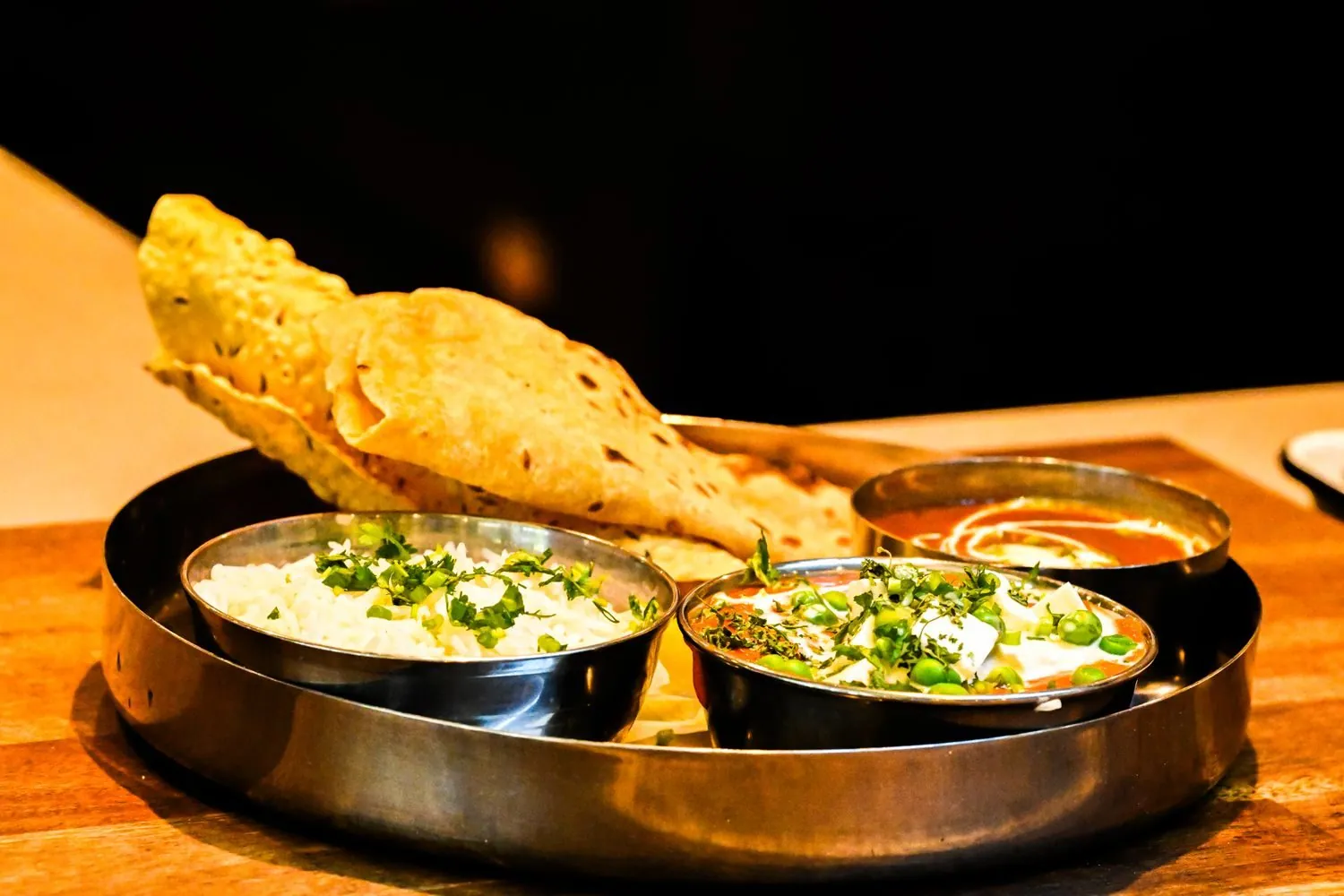
Sunday prep walkthrough: cook once, eat well all week
This vegetarian weight loss diet is far easier when you prepare a few bases in about 90 minutes. Follow these steps in order.
- Soak and boil legumes (20 minutes of work). Soak rajma, chole and sprouting moong overnight, then pressure cook rajma and chole. Divide into 150 g katori portions and refrigerate for up to 3-4 days.
- Make one big dal. A pot of moong or masoor dal with minimal tadka covers lunch on 3-4 days. Store in a steel container, not left out.
- Batter and dough. Grind moong dal or mix besan for chilla batter, and knead roti dough, so the weekday breakfast takes under 10 minutes.
- Chop and portion. Wash and cut vegetables for salad and sabzi. Cube 300-400 g paneer or tofu and keep it in the fridge for two or three dinners.
- Portion snacks. Pack roasted chana, makhana and nuts into small boxes of 25-30 g each, so a “handful” does not become half a packet.
Cooked pulses and paneer are usually best eaten within 3-4 days when refrigerated. Freeze extra portions if you want to stretch beyond that.
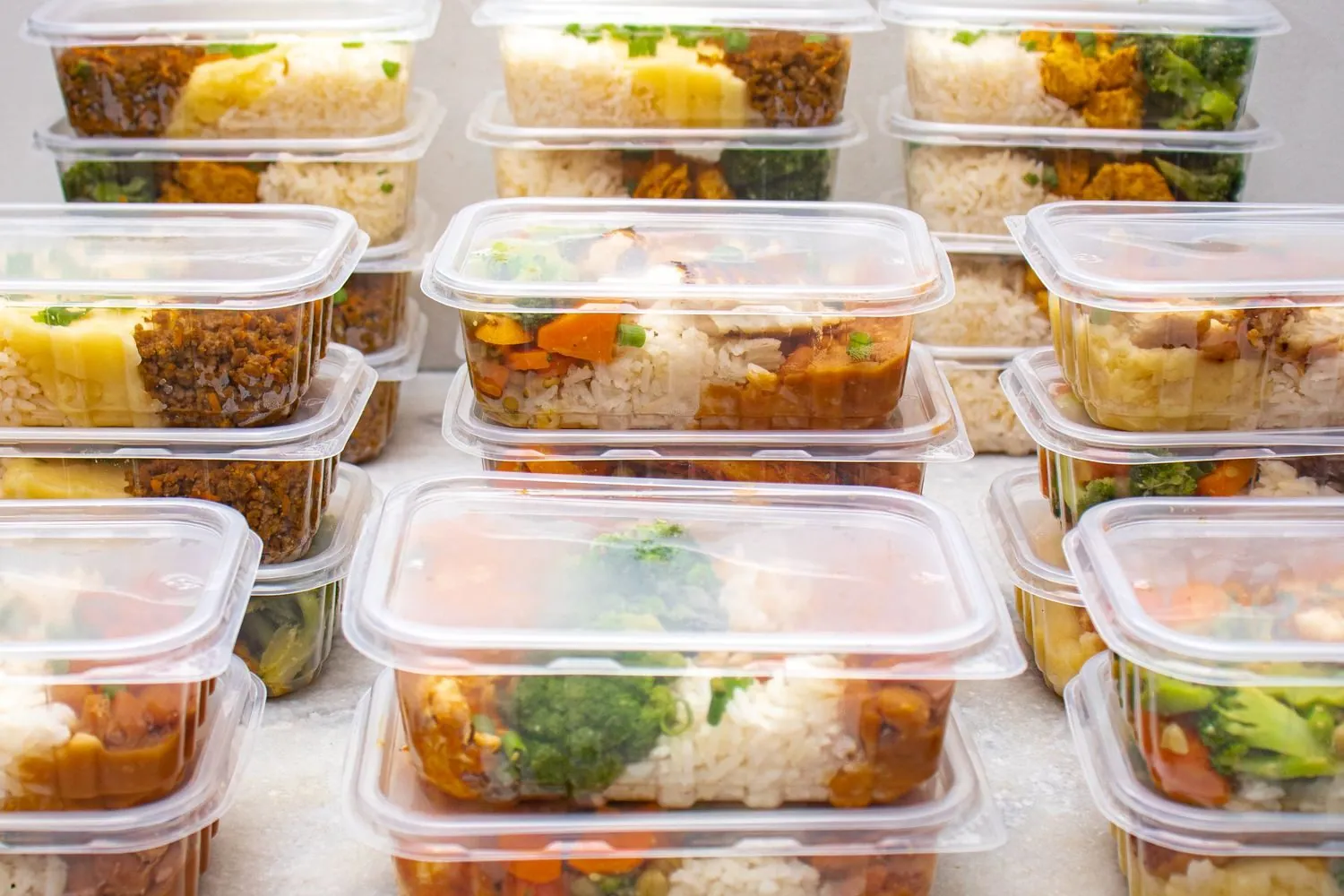
Troubleshooting: hungry, stuck, bloated or bored
Most plans fail between days 3 and 10, not on day 1. Use this table to diagnose what is going wrong.
| Problem | Likely cause | Fix |
|---|---|---|
| Hungry within 2 hours of lunch | Too much rice or roti, too little protein | Add a katori of dal or 100 g sprouts, halve the rice, eat salad first |
| Scale stuck after 2-3 weeks | Hidden oil, big katoris, sugary chai, weekend meals | Measure oil in a teaspoon, weigh portions for 3 days, cut sugar in tea |
| Tired, headache, low mood | Eating too little | Add a fruit and nut snack and a glass of milk; do not stay under the minimums above |
| Bloating on the first days | Sudden jump in legumes and fibre | Increase dal and rajma gradually, cook well, add jeera or ajwain, drink water through the day |
| Bored by day 4 | Same dishes repeating | Swap dals and vegetables freely, but keep the protein anchor in every meal |
| Weekend overeating | Plan feels too strict | Plan one flexible meal a week and return to the plan at the next meal |
Food is only half the equation. Brisk walking, yoga or strength work help you keep muscle while the weight comes down, and our online weight loss trainer programme builds that side around your schedule.
How to adjust the plan for your situation
Office-goers and tiffin eaters
Pack Day 1, 3 and 5 lunches in a tiffin: rotis, a katori of rajma, chana masala or masoor dal, and a salad. Keep roasted chana or a fruit in your bag so a samosa is not the only option at 4 pm. For more Indian vegetarian meal ideas across the week, see our Indian vegetarian meal plan for weight loss.
Gym-goers and people who train
If you lift or do hard cardio, aim for the higher end of the protein range, about 1.0-1.2 g per kg, and add a post-workout curd, milk or paneer snack. Our 7-day high-protein meal plan for weight loss shows a higher-protein layout to compare against.
No dairy or eating vegan
Swap paneer and curd for tofu, soya chunks, extra dal and legumes, and check calcium and vitamin B12 with a professional. Our vegan nutrition guide covers plant-only planning in more detail.
Jain or no onion-garlic eaters
Nothing in the plan depends on onion or garlic. Use hing, jeera, ginger and tomato for flavour. If you avoid root vegetables, replace the sweet potato in Day 6 with a fruit or a bowl of sprouts.
When to see a doctor or dietitian first
This plan is general information, not medical advice. Please speak to your doctor or a registered dietitian before starting or changing it if you have diabetes or prediabetes, kidney disease or kidney stones, thyroid problems, PCOS, high blood pressure, or an eating disorder history. Check first too if you are pregnant, breastfeeding, a teenager, or older, or take regular medicines, since food changes can affect how some of them work. Do not change any medicine yourself because of a diet.
Vegetarians are also more prone to low vitamin B12 and sometimes low iron. If you feel unusually tired, ask your doctor about a blood test rather than guessing at supplements. A personalised weight loss plan can account for these details.
If you want this chart adjusted to your calorie needs, health history and food habits, book an online nutritionist consultation with Fitstrot and get a week built around your own kitchen.
Frequently asked questions
Is a vegetarian diet enough to lose weight without eggs, meat or fish?
Yes. Weight loss depends on a steady calorie deficit, not on animal protein. Paneer, dal, curd, soya and legumes can meet protein needs, though a vegetarian plan needs more deliberate meal building because no meat automatically anchors the plate.
How many rotis or how much rice should I eat per meal?
Most people do well with one to two medium rotis or about 3/4 to 1 katori of cooked rice per meal, alongside a protein food and vegetables. Your exact portion depends on your calorie target, body size and activity, so treat this as a starting point.
Will eating paneer every day slow down weight loss?
Not by itself. Paneer is filling and protein-rich at about 80-100 g a meal. It slows progress mainly when cooked in cream, butter or a lot of oil. Grilled, lightly sauteed or in a vegetable curry works well within your daily calories.
Do I need protein powder on a vegetarian weight loss plan?
Not necessarily. Dal, paneer, curd, soya and milk can cover most people’s needs. A whey or plant protein powder is a convenient top-up if you keep falling short, but it is optional. People with kidney problems should ask a doctor first.
How long before I see results on a 7-day vegetarian plan?
Expect better energy, digestion and fewer cravings within the first week, and the scale may drop a little from water loss. Meaningful fat loss, about 0.25-0.5 kg a week, shows over 3-4 weeks of repeating the plan consistently.


