
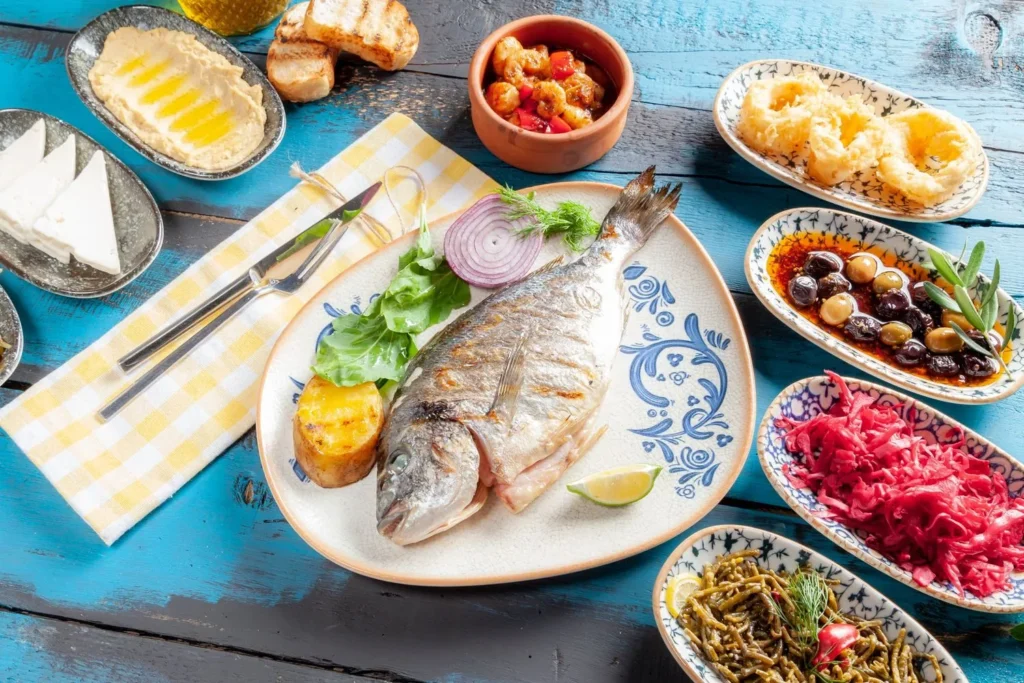
The best diet for fatty liver reversal is not a branded detox or a juice cleanse. It is an ordinary, mostly home-cooked Indian eating pattern that helps you lose weight slowly, cuts sugary drinks and refined flour, and keeps vegetables, dal and healthy fats on the plate. Nobody can honestly promise full reversal, because that depends on your stage, weight and other conditions. What food can do is lower liver fat in many people with early disease. This guide gives you ranges, two food tables, a sample day and the point where you should call a doctor.
What does fatty liver mean, and can diet reverse it?
Fatty liver means extra fat is stored inside liver cells, usually linked to excess weight, high blood sugar and a sedentary routine. In the early stage, many people see liver fat fall with steady weight loss and better food choices. Scarring (fibrosis) is harder to undo, so a doctor must confirm your stage before you rely on diet alone.
You will see the names NAFLD and MASLD for the same broad condition: fat in the liver that is not mainly caused by alcohol. It is common in India, including in people who do not look overweight, and many people find out only through a routine ultrasound. Mild cases, often called grade 1 fatty liver, tend to respond best to lifestyle change. For the wider picture of how everyday food choices affect the organ, see our guide to liver nutrition.
Be wary of anyone promising to “reverse fatty liver naturally”. A fair expectation is improvement: less liver fat and better enzyme numbers, tracked by your doctor over months.
How much weight loss does your liver need?
Most doctors aim for roughly 5% of body weight to start reducing liver fat, around 7-10% to help with liver inflammation, and 10% or more where scarring is a concern. Lose it gradually, about 0.5-1 kg a week at most, because crash dieting can stress the liver rather than help it.
The table converts those percentages into kilograms. Treat the numbers as rough targets to discuss with your doctor, not guarantees.
| Current weight | 5% loss | 7% loss | 10% loss | Realistic time at 0.5 kg/week |
|---|---|---|---|---|
| 70 kg | 3.5 kg | 4.9 kg | 7 kg | 7 weeks to 5%, about 14 weeks to 10% |
| 80 kg | 4 kg | 5.6 kg | 8 kg | 8 weeks to 5%, about 16 weeks to 10% |
| 90 kg | 4.5 kg | 6.3 kg | 9 kg | 9 weeks to 5%, about 18 weeks to 10% |
| 100 kg | 5 kg | 7 kg | 10 kg | 10 weeks to 5%, about 20 weeks to 10% |
Plateaus are normal, so real timelines are usually longer than the last column. If you are lean, a weight-loss target may not apply, and we cover that below. To set a sustainable calorie gap, read nutrition for weight loss, and see BMI and nutrition for a rough screening reference.
What should your daily eating pattern look like?
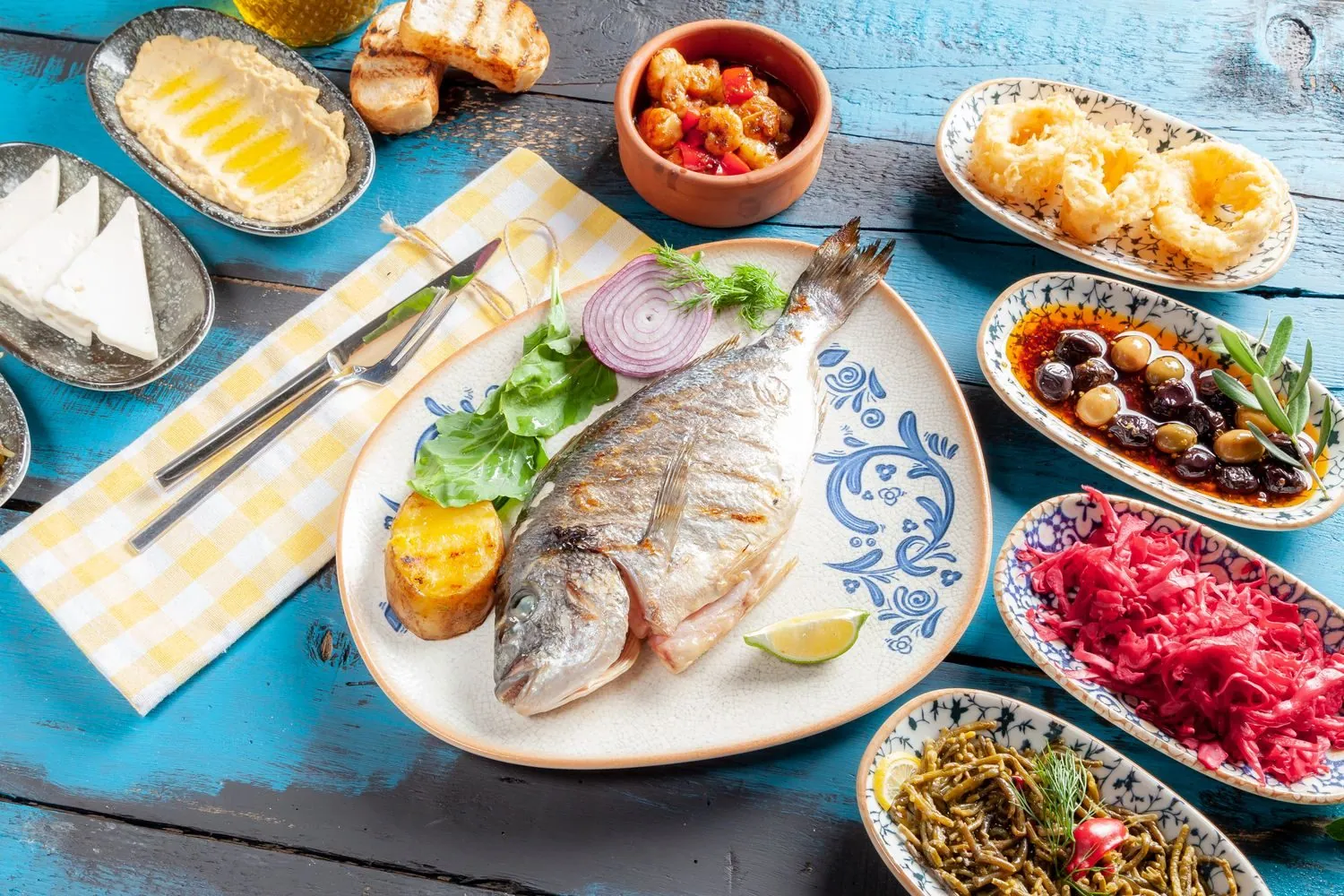
A liver-friendly pattern is Mediterranean in spirit and Indian in practice: a modest calorie gap, plenty of fibre, mostly unsaturated fats, little added sugar and few refined grains. In numbers, think roughly 300-500 kcal below your maintenance, 25-30 g of fibre and under about 25 g of added sugar a day.
Use these as ranges, not rigid rules, and let your doctor or dietitian adjust them to your reports:
- Calories: about 300-500 kcal below maintenance. Avoid dropping below roughly 1,200 kcal (women) or 1,500 kcal (men) unless a clinician is supervising.
- Protein: roughly 0.8-1.2 g per kg of body weight, spread across meals through dal, curd, paneer, eggs, fish, chicken or soy. If you have kidney problems, ask your doctor first.
- Fibre: about 25-30 g, from vegetables, dal, whole grains, nuts and whole fruit.
- Added sugar: under roughly 6 teaspoons (25 g) a day, and ideally close to zero from drinks. Our piece on whether sugar raises cholesterol explains the wider metabolic effect.
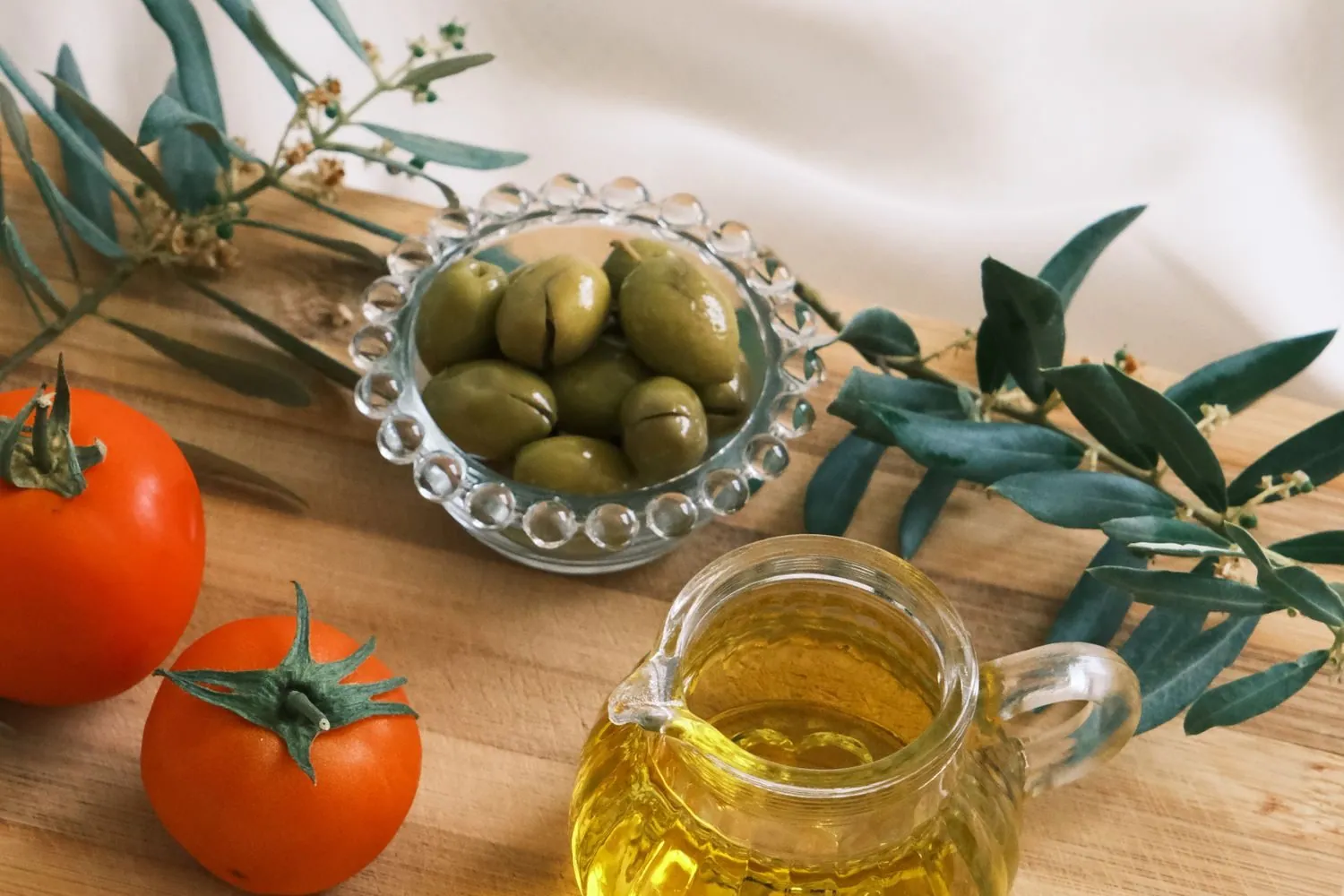
- Fat: roughly 25-35% of calories, mostly from groundnut, mustard or olive oil, nuts, seeds and fish. A usual cooking budget is about 3-5 teaspoons of oil per person per day.
- Refined carbs: swap maida, white bread, bakery items and instant noodles for whole grains and millets most of the time.
This is the core of any fatty liver diet for weight loss. Our deeper explainer on nutrition and fat loss covers how to balance these macros while you cut.
Foods to prefer and foods to limit
Here are the foods to avoid in fatty liver and what to eat in fatty liver, side by side. Nothing is banned for life; the aim is to shift what appears most days.
| Food group | Prefer most days | Limit or keep occasional | Rough portion |
|---|---|---|---|
| Grains | Whole wheat roti, jowar, bajra, ragi, oats, brown or parboiled rice | Maida naan, white bread, bakery biscuits, instant noodles | 1-2 rotis or 1/2-3/4 cup cooked rice per meal |
| Protein | Dal, rajma, chana, curd, paneer, eggs, fish, skinless chicken | Fried chicken, processed meats, heavy gravies | 1 cup dal or 100 g fish/paneer/chicken |
| Vegetables | Palak, methi, lauki, bhindi, cabbage, carrot, salad | Deep-fried pakoras, vegetables swimming in oil | 2-3 cups a day, half the plate |
| Fruit | Guava, papaya, apple, orange, pear, berries (whole fruit) | Packaged juice, large mango portions, fruit with sugar | 1-2 fist-sized servings a day |
| Fats | Nuts, seeds, mustard or groundnut oil, small amounts of ghee | Vanaspati, repeated frying oil, packaged namkeen | 3-5 tsp oil, 5-8 nuts |
| Drinks | Water, buttermilk, nimbu pani without sugar, plain tea or coffee | Cold drinks, sweet lassi, energy drinks, sweet chai | 2.5-3 litres fluid a day, unless advised otherwise |
| Sweets and snacks | Roasted chana, makhana, sprouts, fruit | Mithai, ice cream, chips, samosa, bakery cakes | Small portions, occasionally |
If you cut only one thing, make it sugary drinks. They deliver a lot of sugar with no fibre, and they sit on top of your normal meals rather than replacing them.
Fatty liver myths, corrected
“I should eat no fat at all.” No. Very low-fat eating usually pushes people toward refined carbohydrates, which is the opposite of what the liver wants. Keep fat moderate and mostly unsaturated.
“Fruit is forbidden.” Whole fruit is fine in sensible portions because the fibre slows absorption and the volume fills you up. Juice drops the fibre and is easy to overdrink.
“A detox drink or herbal liver tonic will clear it.” There is no drink that flushes liver fat. Some herbal and “liver support” products are themselves linked to liver injury, so tell your doctor about anything you take before you start.
“Only heavy drinkers and overweight people get fatty liver.” Not true. Belly fat, insulin resistance, a family history and a sedentary job all raise the risk, even at a normal BMI.
A sample Indian day of eating
Here is how the ranges look on a plate, at roughly 1,500-1,650 kcal. The numbers are estimates, so scale portions to your size and activity.
| Meal | What to eat | Approx. kcal |
|---|---|---|
| On waking | 1-2 glasses of water; plain tea or black coffee, no sugar | 0-20 |
| Breakfast | 2 besan or moong dal chillas with mint chutney, plus 1 small bowl (150 g) curd | 350-400 |
| Mid-morning | 1 guava or apple and 5 almonds | 120-150 |
| Lunch | 2 multigrain rotis, 1 cup dal, 1 cup lauki or bhindi sabzi, large cucumber-tomato salad, 1/2 cup buttermilk | 480-550 |
| Evening | 30 g roasted chana or a small bowl of sprouts, unsweetened tea | 100-140 |
| Dinner | 1-2 rotis or 1/2 cup brown rice, 100 g paneer, fish or 2 eggs, 1.5 cups sauteed vegetables | 420-480 |
The structure stays the same whether you are vegetarian or not: protein at every meal, half the plate vegetables, measured grains. For a full week, see our 7-day meal plan for fatty liver.
Troubleshooting: when the scale or the cravings will not budge
The weight has been stuck for three weeks. Check portions of oil, rotis and rice first, since these are the easiest to underestimate. Weigh yourself once a week and watch the monthly trend. A shrinking waist still counts as progress.
You are hungry by 4 pm. Add protein and fibre to lunch, such as an extra katori of dal or a bigger salad, and plan the evening snack rather than grabbing biscuits.
Festivals, weddings and office treats. Fill half your plate with salad and sabzi, take one small portion of a sweet and walk afterwards. One meal does not undo months of effort.
Sweet cravings at night. Poor sleep makes cravings louder. Keep a fixed dinner time, finish eating about 2-3 hours before bed, and keep a fruit or a few dates (two, not ten) as the planned sweet.
Fatty liver diet for diabetes, vegetarians and lean people
If you have diabetes or prediabetes, fatty liver and blood sugar often travel together. Spread carbohydrates evenly across meals and pair them with protein and fibre. Never change or stop diabetes medication on your own while you change your diet, because a calorie cut can lower sugar levels. Let your doctor adjust treatment.
If you are vegetarian or eat mostly vegetarian, you can meet protein needs with dal, rajma, chana, soy, paneer and curd. Do not let white rice, potato and fried snacks stand in for protein.
If you are lean, the goal is not weight loss. Focus on cutting sugary drinks and refined flour, building muscle with strength training and checking for other causes with your doctor. Our yoga for fatty liver guide offers gentle movement, and a 1-on-1 personal training plan can add progressive strength work.
Do coffee, alcohol, exercise and supplements matter?
Yes, but less than food and weight. Plain coffee in moderation, about 1-3 cups without sugar, is generally considered safe for most people. Alcohol is best minimised or avoided, but ask your doctor. Aim for about 150 minutes of brisk activity a week plus two strength sessions.
Coffee: Observational findings link regular unsweetened coffee with better liver outcomes, but that is an association, not proof. Skip it if you have palpitations, reflux, poor sleep or pregnancy, and ask your doctor.
Alcohol: Even when alcohol did not cause your fatty liver, it stresses the same organ, and many doctors advise stopping.
Exercise: Movement can lower liver fat even without much weight loss. Walking, cycling, yoga, dance and strength work all count. For guided sessions, our online weight loss trainer programme fits a routine around your schedule.
Supplements: Do not start vitamin E, herbal liver tonics or high-dose supplements on your own. That is your doctor’s decision.
When should you see a doctor, and what should you track?
See a doctor if a scan shows fatty liver, your ALT or AST is raised, you have diabetes or metabolic syndrome, or you feel persistently tired. Seek urgent care for yellow eyes or skin, dark urine, black stools, vomiting blood, or swelling of the legs or abdomen.
A gastroenterologist or hepatologist can stage the disease with blood tests, ultrasound and sometimes elastography (FibroScan). Common things to follow are:
- Liver enzymes (ALT, AST), lipid profile and fasting sugar or HbA1c, often rechecked every few months at the start, at an interval your doctor sets.
- A repeat scan or elastography, commonly after 6-12 months, if your doctor advises.
- Your weight and waist, recorded weekly.
Frequently asked questions
Can fatty liver be reversed with diet alone?
In early stages many people improve substantially with sustained weight loss and better food choices, and sometimes the fat clears on imaging. Advanced scarring is harder to reverse. Your doctor can tell you your stage and whether diet alone is enough or needs to be combined with other treatment.
How long does it take to improve fatty liver with diet?
Some people see better blood numbers within about 2-3 months of consistent change, but this varies widely. Changes in inflammation and scarring usually take longer, often 6-12 months or more. Your doctor decides when to retest.
Can I eat rice, ghee and fruit with fatty liver?
Usually yes, in measured portions. Prefer brown or parboiled rice in about 1/2-3/4 cup servings, keep ghee to roughly 1-2 teaspoons a day within your total fat budget, and choose whole fruit over juice.
Is intermittent fasting safe for fatty liver?
It can help some people eat fewer calories, but it is not clearly better than ordinary calorie reduction. It is unsuitable for people on diabetes medication, pregnant women and anyone with disordered eating, so discuss it with your doctor first.
Does the diet differ if I never drink alcohol?
The food approach is much the same: gradual weight loss, less sugar and refined flour, more fibre and protein. In non-drinkers the drivers are usually weight, insulin resistance and inactivity, so those become the focus.
Turning ranges into a plan you can follow with your own reports, budget and food habits is where most people stall. Book an online nutritionist consultation to get a personalised, doctor-friendly eating plan.


