

Vegan nutrition is simple on paper and easy to get wrong in practice. Once milk, curd, paneer and eggs leave your plate, several nutrients stop arriving by default. Vitamin B12 is the one gap that food alone will not close, while iron, zinc, calcium, omega-3 and protein need deliberate choices. This guide covers each with Indian foods and gram quantities. It is general education, not medical advice, so check supplements and lab results with a doctor. If you still eat some dairy or eggs, our plant-based nutrition guide may suit you better.
What does a well-planned vegan diet need to cover?
A well-planned vegan diet covers six things: a reliable vitamin B12 source, enough protein (about 0.8 to 1.2 g per kg of body weight for most adults), iron and zinc with good absorption habits, about 1,000 mg of calcium a day without dairy, a direct omega-3 source, and iodine and vitamin D checked with your doctor.
A vegetarian Indian thali quietly leans on dairy for B12, calcium and protein. A vegan one must replace those on purpose. This table is the whole map.
| Nutrient | Why it slips on a vegan diet | Indian vegan sources | Habit that helps |
|---|---|---|---|
| Vitamin B12 | No plant food provides it reliably | Fortified plant milk, fortified cereals, nutritional yeast, supplements | Treat as non-negotiable; confirm form and dose with a doctor |
| Iron | Plant iron absorbs less well than iron from meat | Chana, rajma, moong, ragi, til, pumpkin seeds, jaggery | Add lemon, amla or tomato; keep tea away from meals |
| Zinc | Phytates in grains and dals bind it | Pumpkin seeds, sesame, cashews, chickpeas, whole grains | Soak, sprout and ferment |
| Calcium | Milk, curd and paneer are gone | Ragi, til, calcium-set tofu, fortified plant milk, methi, anjeer | Two to three calcium foods daily |
| Omega-3 | Plant ALA converts poorly to DHA and EPA | Ground flax, chia, walnuts, algal oil | One tablespoon of ground seeds daily |
| Protein | Plant foods are less protein-dense | Dal, chana, rajma, soya, tofu, peanuts | Protein at every meal |
| Iodine and vitamin D | Less from dairy and eggs; limited sun for many urban Indians | Iodised salt; sunlight; fortified foods | Ask for a vitamin D blood test |
Why is vitamin B12 the one nutrient every vegan must plan for?
Vitamin B12 is made by microbes and stored in animal tissue, so no plant food supplies it reliably. Adults need about 2.4 mcg a day, slightly more in pregnancy and breastfeeding. Vegans therefore depend on fortified foods or a supplement, and a doctor can advise the right form and dose after a blood test.
- Fortified foods: some plant milks, breakfast cereals and nutritional yeast carry added B12, but not every brand does, so read the label every time.
- Why deficiency goes unnoticed: the body stores B12 for years, so symptoms can appear long after you stop eating animal foods.
- Warning signs: unusual tiredness, tingling in hands or feet, poor balance, memory trouble and low mood. These have many causes, so get tested rather than guessing.
For how B12 fits with the other vitamins, see our vitamin nutrition guide. If you are unsure how to read a B12 report, an online nutritionist consultation can walk you through it.
How much protein do vegans need, and which foods deliver it?
Most healthy vegan adults need about 0.8 to 1.0 g of protein per kg of body weight daily, and active people often aim for about 1.2 to 1.6 g per kg. For a 60 kg adult that is roughly 50 to 95 g a day, spread across three or four meals of dal, chana, soya, tofu and grains.
| Food | Portion | Protein (about) | Note |
|---|---|---|---|
| Soya chunks (dry) | 30 g | 15 g | Soak and squeeze before cooking |
| Rajma or chole (cooked) | 150 g, one katori | 12 to 14 g | Pair with rice or roti |
| Toor or moong dal (cooked) | 150 g, one katori | 10 to 12 g | Lower than most people assume |
| Firm tofu | 100 g | 8 to 15 g | Varies by brand; check the pack |
| Unsweetened soy milk | 250 ml | 7 to 8 g | Choose a fortified one |
| Peanuts | 30 g | 7 to 8 g | Energy-dense; watch portions |
| Roasted chana | 30 g | 5 to 7 g | A portable snack |
| Pumpkin seeds | 20 g | 5 to 6 g | Also a zinc source |
| Quinoa (cooked) | 100 g | about 4 g | Pricey; dal and roti do the same job |
| Whole wheat roti | 1 medium | about 3 g | Adds up over the day |
Myth: you must combine proteins at every meal
Grains run low in the amino acid lysine and legumes run low in methionine, which is why people once insisted on perfect pairing at each sitting. In practice, eating a variety of plant proteins across the day is enough for healthy adults. Dal with roti, rajma with rice and sambar with idli already do this by habit, and soy is complete on its own. See our guide to essential amino acids.
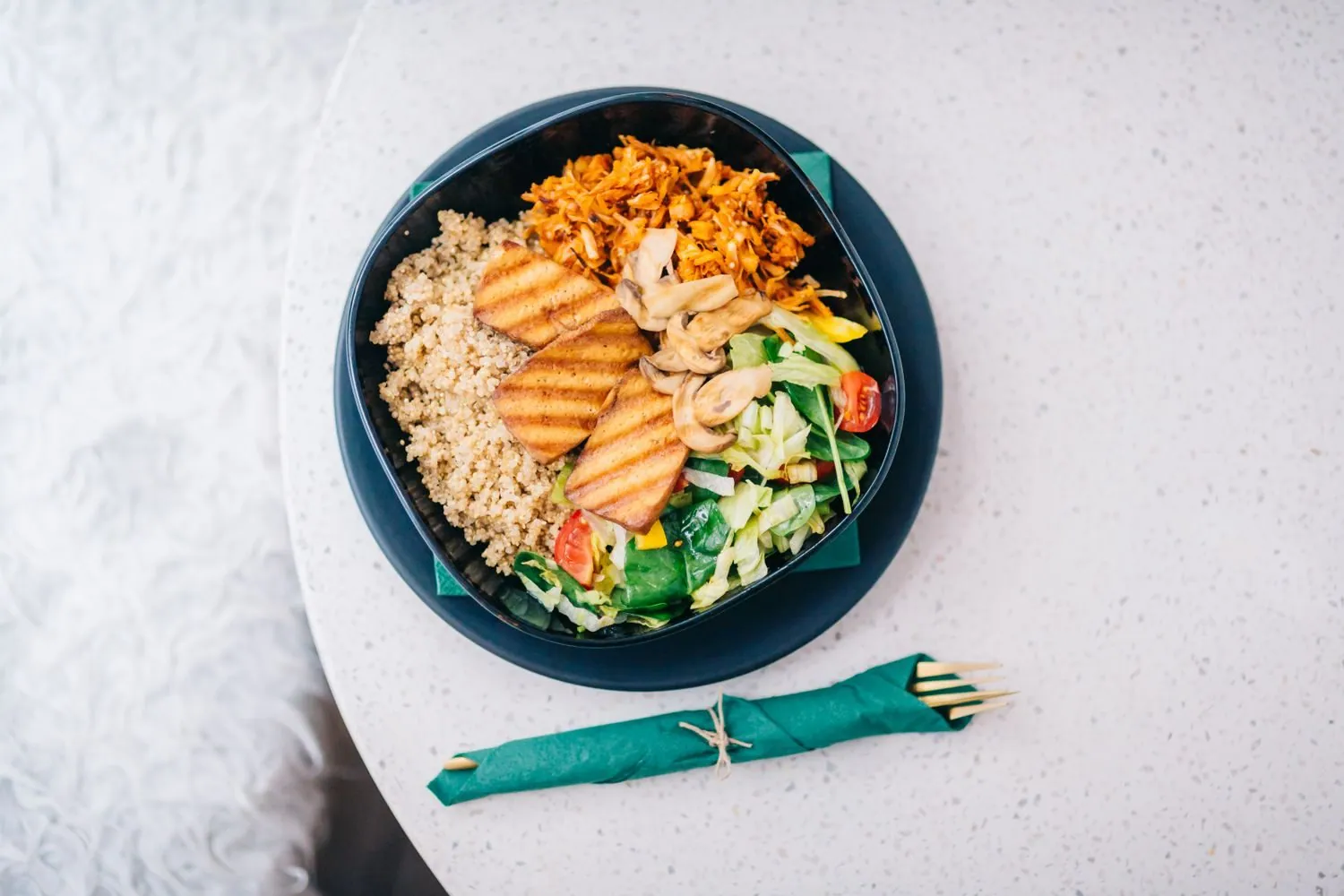
How do you absorb more iron and zinc from dal, seeds and grains?
Plant iron and zinc absorb less well because phytates in grains, dals and seeds bind them. Soaking dal for 6 to 8 hours, sprouting, fermenting batter, adding lemon or amla for vitamin C, and keeping tea or coffee about an hour away from meals can all improve what you actually absorb from the same food.
Indian guidelines put adult iron needs at roughly 15 to 30 mg a day, higher for menstruating women, and vegan diets sit toward the upper end because absorption is lower. Zinc needs are about 10 to 17 mg. A katori of cooked chana gives about 3 to 5 mg of iron.
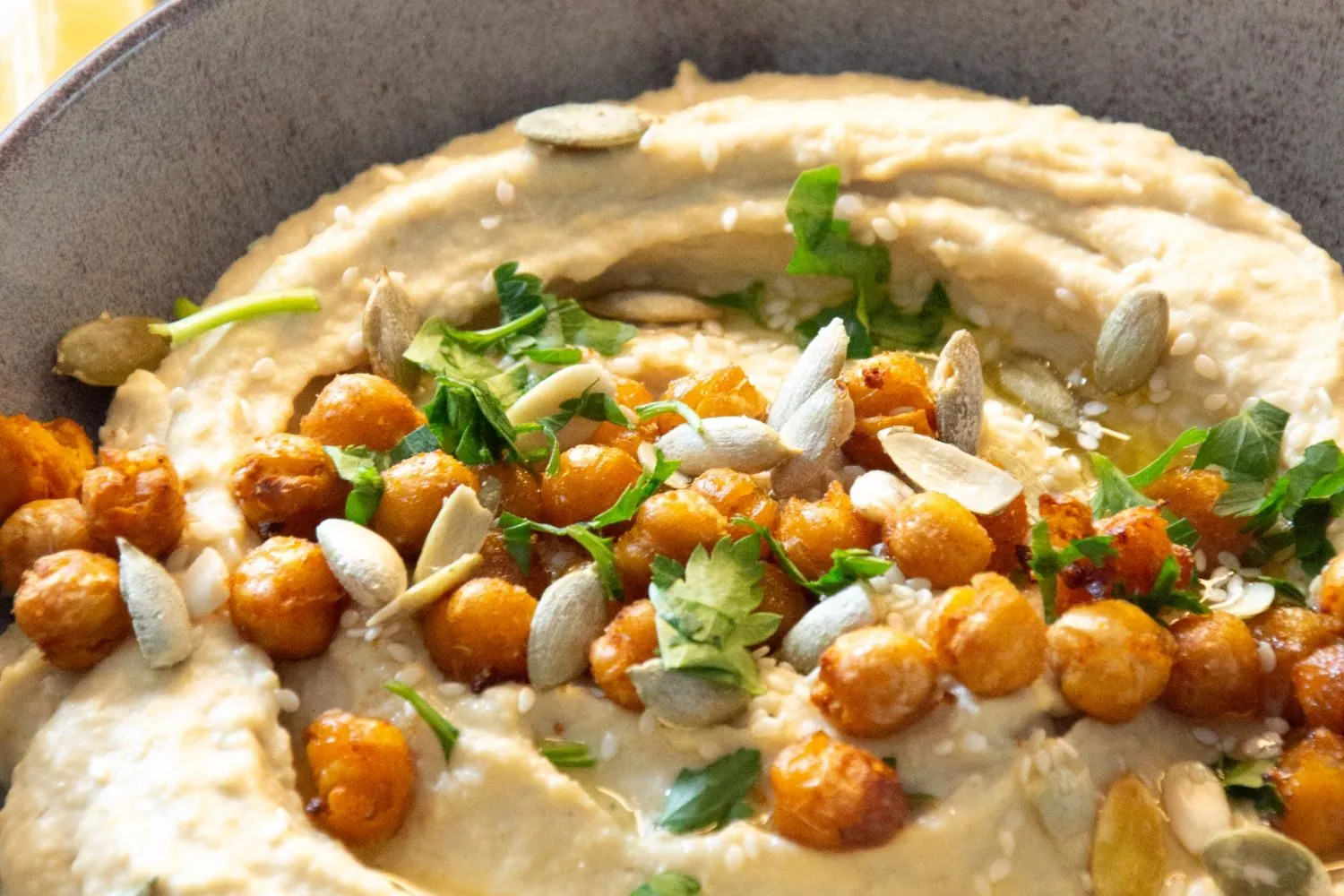
Here is the kitchen routine that makes the biggest difference:
- Soak first. Soak rajma, chana and whole dals overnight and discard the soaking water.
- Sprout when you can. Sprouted moong or matki lowers phytates further.
- Ferment the batter. Idli and dosa batter that has fermented overnight is friendlier to mineral absorption than unfermented flour.
- Finish with vitamin C. A squeeze of lemon on dal, or tomato, amla or capsicum on the side, helps iron.
- Move the chai. Have tea or coffee between meals, not with them.
- Cook in iron. A cast-iron kadhai adds a little iron to sambar.
Our zinc nutrition guide goes deeper on daily targets. Do not start iron tablets on your own; too much is harmful, so test first.
Can flax, chia and walnuts replace fish for omega-3?
Only partly. Flax, chia and walnuts supply ALA, but the body converts only a small share of it, often under 10 percent, into the EPA and DHA found in fish. One tablespoon of ground flax or chia gives about 1.5 to 2.5 g of ALA. Algal oil is the direct vegan source of DHA and EPA.
- Grind flax. Whole seeds often pass through undigested. Stir a tablespoon into chutney, atta or plant yoghurt.
- Ask about algal oil. It is worth a conversation with your doctor, especially in pregnancy or if you have heart concerns.
Our omega-3 nutrition guide compares sources in more detail.
Where does calcium come from without milk, curd or paneer?
Aim for about 1,000 mg of calcium a day; your doctor may suggest more after 50. Ragi, sesame, calcium-set tofu, fortified plant milk, methi and anjeer can cover it. Two tablespoons of til, a bowl of ragi and a glass of fortified milk together give roughly 500 to 700 mg.
- Ragi flour: about 340 mg per 100 g. Sesame: about 1,000 mg per 100 g, so a tablespoon gives roughly 90 mg.
- Calcium-set tofu: about 200 to 350 mg per 100 g; the label should list calcium sulphate or chloride.
- Fortified plant milk: often about 100 to 125 mg per 100 ml, but brands differ, so read the pack.
- Spinach is a weak source. Its oxalates bind most of its calcium. Methi, drumstick leaves, ragi and sesame work better.
Our calcium nutrition guide lays out more food options.
One full day of vegan eating on an Indian plate
This sample day touches every nutrient above using ordinary kitchen staples. Portions are a starting point, not a prescription.
| Meal | What to eat | What it covers | Protein (about) |
|---|---|---|---|
| Breakfast | Two ragi dosas with sambar and tomato chutney | Calcium, iron, vitamin C | 10 to 12 g |
| Mid-morning | 250 ml fortified soy milk, 10 soaked almonds | Protein, calcium, B12 if fortified | 9 to 11 g |
| Lunch | Two rotis, one katori rajma, methi sabzi, salad with lemon | Complete protein pairing, iron, calcium | 20 to 22 g |
| Evening | 30 g roasted chana, small til-jaggery chikki | Zinc, iron, calcium | 7 to 9 g |
| Dinner | Tofu bhurji (100 g), one roti, ground flax chutney, cooked vegetables | Protein, ALA, zinc | 14 to 18 g |
| Daily | B12 source as advised by your doctor | Vitamin B12 | – |
That adds up to roughly 60 to 70 g of protein. Heavier or more active people need larger portions or an extra protein snack.
Tired, tingly or bloated on a vegan diet? What to check first
- Constant fatigue or tingling: ask for a B12 test first, then iron and vitamin D. Do not self-treat with high-dose tablets.
- Bloating after adding more dal and beans: increase portions gradually over two to three weeks, soak well, pressure cook until soft, and use jeera or hing in the tadka.
- Low energy despite eating plenty: vegan food is bulky and low in calories per spoon. Add nuts, seeds, peanut butter and a second roti, rather than only more salad.
- Hair shedding or brittle nails: possibly low protein, iron or zinc, but with many other causes. A blood panel beats guesswork.
Vegan nutrition in pregnancy, childhood, sport and later life
Pregnancy and breastfeeding. Needs for B12, iron, folate, iodine and DHA rise, and a vegan diet leaves less margin. Involve a doctor or registered dietitian from the start. See our women’s nutrition guide.
Children. Growing children need enough calories, B12, calcium, iron, zinc and vitamin D, and should be followed by a paediatrician. See our toddler nutrition guide for the early years.
Athletes and gym-goers. Aim for about 1.2 to 1.6 g of protein per kg, with roughly 20 to 30 g per meal. Soya, tofu, dal and soy milk do the heavy lifting. Our sports nutrition guide covers timing, and 1-on-1 personal training pairs the plate with a strength plan.
Over 50. B12 absorption falls with age, and calcium, vitamin D and protein matter more for bones and muscle. Get B12 and vitamin D levels checked routinely.
When should you see a doctor or dietitian?
Please see your doctor or a registered dietitian before you rely on this guide if any of these apply:
- You plan to start or stop any supplement, including B12, iron, calcium or omega-3. Dose and form should be personal to you.
- You are pregnant, trying to conceive, breastfeeding, or planning a vegan diet for a child.
- You have symptoms of deficiency such as persistent tiredness, tingling, breathlessness, dizziness or hair loss.
- You have a condition such as anaemia, thyroid disease, kidney disease or diabetes, or take regular medication. Never change or stop a prescribed medicine because of a diet change.
- You have not had a blood test since going vegan.
Vegan nutrition FAQ
Do vegans really need a B12 supplement?
Yes, or a dependable fortified source. No plant food supplies B12 reliably, and the body stores it for years, so a gap can stay silent for a long time. A doctor can advise the form and dose based on your blood test.
Can vegans get enough protein from Indian food?
Yes. Dal, chana, rajma, soya, tofu, peanuts and whole grains can cover needs of about 0.8 to 1.2 g per kg for most adults when portions are adequate. A katori of dal gives only about 10 to 12 g, so protein must appear at every meal.
Is spinach a good calcium source for vegans?
Not really. Spinach contains oxalates that bind most of its calcium, so you absorb only a small share. Ragi, sesame, calcium-set tofu, fortified plant milk and methi are more dependable.
Do vegans need algae-based omega-3 supplements?
Not everyone, but many benefit. Flax, chia and walnuts give ALA, which converts to DHA and EPA only in small amounts. Algal oil provides DHA and EPA directly. Discuss it with your doctor, particularly during pregnancy.
How long before a vegan nutrient deficiency shows up?
It varies. B12 stores can last one to several years, so deficiency often appears late. Iron and zinc status can shift within months, depending on your starting stores and intake. A blood test every 6 to 12 months is the only reliable way to know where you stand.
Getting vegan nutrition right comes down to a few repeatable habits: a dependable B12 source, vitamin C with iron-rich meals, soaked and sprouted legumes, calcium foods daily and protein at every meal. To turn your latest blood reports into a vegan meal plan that fits your kitchen, book an online nutritionist consultation with Fitstrot.


