

A nutritional deficiency means your body is not getting, or not absorbing, enough of a vitamin, mineral or other nutrient it needs to work normally. In India the usual suspects are iron, vitamin B12, vitamin D, calcium and folate, and the early signs are easy to wave away: tiredness, hair fall, brittle nails, mouth ulcers, tingling hands. This guide covers why it happens even with three full meals a day, who is most at risk, and how to prevent it with ordinary Indian food. It is general education, not a diagnosis.
What does nutritional deficiency mean?
Nutritional deficiency means the amount of a nutrient your body gets and keeps, through food and absorption, stays below what it needs for weeks or months. It is about specific vitamins and minerals, not about calories. You can eat enough roti and rice, keep a normal weight, and still run short of iron, B12 or vitamin D.
Deficiency builds in stages. First intake or absorption drops. Then the body’s stores shrink, blood levels fall, and only after that do symptoms appear. This slow build-up is why it is called “hidden hunger”: a person can look well fed while the gap grows quietly. About 2 billion people worldwide are thought to live with some micronutrient deficiency, and India carries a large share.
If a gap goes unaddressed for years, it can turn into a named medical condition. Our guide to nutritional deficiency diseases covers those. This page stays earlier in the story: causes, risk and prevention.
Myth check: five things people get wrong about deficiency
Myth 1: “I am not underweight, so I cannot be deficient.” Weight reflects energy intake, not iron, B12 or vitamin D status. People who are overweight can have gaps too.
Myth 2: “Anaemia just means low iron.” Iron is the most common cause, but low B12 and low folate can also cause it, and iron alone will not fix those. See nutritional anemia for how the types differ.
Myth 3: “India has plenty of sunshine, so vitamin D is never an issue.” Low vitamin D is common in India. Office hours, covered clothing, pollution and darker skin (which needs longer sun for the same amount) all reduce what your skin makes.
Myth 4: “Vegetarians are always deficient and non-vegetarians never are.” Both can be low. Vegetarians and vegans face a higher chance of low B12, since it comes almost only from animal foods (milk, curd, paneer and eggs count). But meat eaters living on white rice, biscuits and tea run low on iron and folate.
Myth 5: “A daily multivitamin covers everything.” A multivitamin is not a diagnosis. It may not contain what you are short of, and some nutrients can build up in excess, so test first and take advice.
Why does nutritional deficiency happen? Five causes
Nutritional deficiency happens for five main reasons: too little of the nutrient in your meals, poor absorption in the gut, higher body needs, ongoing losses such as heavy periods, and medicines or habits that interfere. Most people have more than one cause at once, which is why fixing the plate alone sometimes does not fix the problem.
| Cause | What it can look like in daily life | Nutrients often affected |
|---|---|---|
| Low intake | Skipped breakfast, the same few foods on repeat, tea and biscuits instead of meals, crash dieting | Iron, calcium, B12, folate |
| Poor absorption | Coeliac disease, long-standing gut inflammation, past gut surgery, lower stomach acid with age | B12, iron, calcium, vitamins A, D, E, K |
| Higher needs | Pregnancy, breastfeeding, growth spurts, heavy training, recovery after illness | Iron, folate, calcium, protein |
| Ongoing losses | Heavy periods, bleeding piles, intestinal worms, heavy sweating | Iron, zinc |
| Medicines and habits | Some long-term medicines, regular heavy alcohol use, tea or coffee taken with meals | B12, folate, iron |
Only the first row is about “eating badly”. If you take a long-term medicine, never stop or change it yourself; just mention it to your doctor, because some medicines affect absorption over the years.
Which nutrients run low most often in India?
The nutrients most often found low in Indian adults and children are iron, vitamin B12, vitamin D, calcium and folate, with zinc and iodine also a concern in some groups. The table below lists common Indian food sources and why each gap tends to appear.
| Nutrient | Everyday Indian sources | Why gaps are common |
|---|---|---|
| Iron | Ragi, bajra, rajma, chana, dals, palak, methi, eggs, chicken, fish | Iron from plant foods is absorbed less easily; heavy periods; tea with meals |
| Vitamin B12 | Milk, curd, paneer, eggs, fish, chicken, some fortified foods | Almost absent from plant foods; body stores last long, so the gap shows late |
| Vitamin D | Sunlight on bare skin, egg yolk, fatty fish, fortified milk | Indoor routines, covered clothing, pollution, darker skin |
| Calcium | Milk, curd, paneer, ragi, til, almonds, small fish eaten with bones | Low dairy intake and low vitamin D, which helps calcium absorb |
| Folate | Dals, green leafy vegetables, sprouts, citrus fruit | Few vegetables; heavy overcooking; higher need in pregnancy |
| Zinc | Chana, dals, curd, pumpkin seeds, nuts, whole grains | Limited variety; unsoaked, unfermented grains and pulses hold back absorption |
For deeper detail on individual nutrients, see our guides on vitamin nutrition, calcium nutrition, zinc nutrition and magnesium nutrition.
Who is most at risk of nutritional deficiency?
People at higher risk of nutritional deficiency include women of reproductive age, pregnant and breastfeeding women, growing children and teenagers, vegetarians and vegans, older adults, and anyone with a digestive condition. Each group below has a different reason for the extra risk.
- Women of reproductive age: monthly blood loss raises iron needs, and heavy periods raise them further.
- Pregnant and breastfeeding women: needs for iron, folate, calcium and B12 rise sharply. Follow your gynaecologist’s plan, and see nutrition for pregnant women for food.
- Children and teenagers: fast growth, fussy eating and packaged snacks leave gaps. Our child nutrition guide covers the growing years.
- Vegetarians and vegans: B12 needs special attention, and iron and zinc need smart pairing and preparation.
- Older adults: appetite, stomach acid and sun exposure often fall, affecting B12, calcium and vitamin D.
- People with gut conditions: coeliac disease or gut surgery can limit absorption whatever you eat.
What are the signs of nutritional deficiency?
Common signs of nutritional deficiency include tiredness that does not lift with sleep, hair fall, brittle or ridged nails, pale skin, mouth ulcers, frequent infections, slow-healing cuts, muscle cramps and tingling in the hands or feet. None of these is specific to one nutrient, or even to deficiency, so signs alone cannot tell you what is wrong.
Persistent tiredness could be low iron, low B12, poor sleep, a thyroid issue or stress. Hair fall has many causes; see nutritional deficiency and hair loss. Breathlessness on stairs alongside fatigue deserves a proper look.
Some signs should not wait for a food fix. See a doctor promptly for fainting, chest pain, severe breathlessness, spreading numbness, difficulty walking, black stools or very heavy bleeding.
How do doctors confirm a nutritional deficiency?
A nutritional deficiency is confirmed by a blood test that a doctor orders and reads, not by symptoms or a home guess. Common first tests include a complete blood count, serum ferritin, vitamin D, and vitamin B12, with folate, calcium or thyroid tests added depending on your history and complaints.
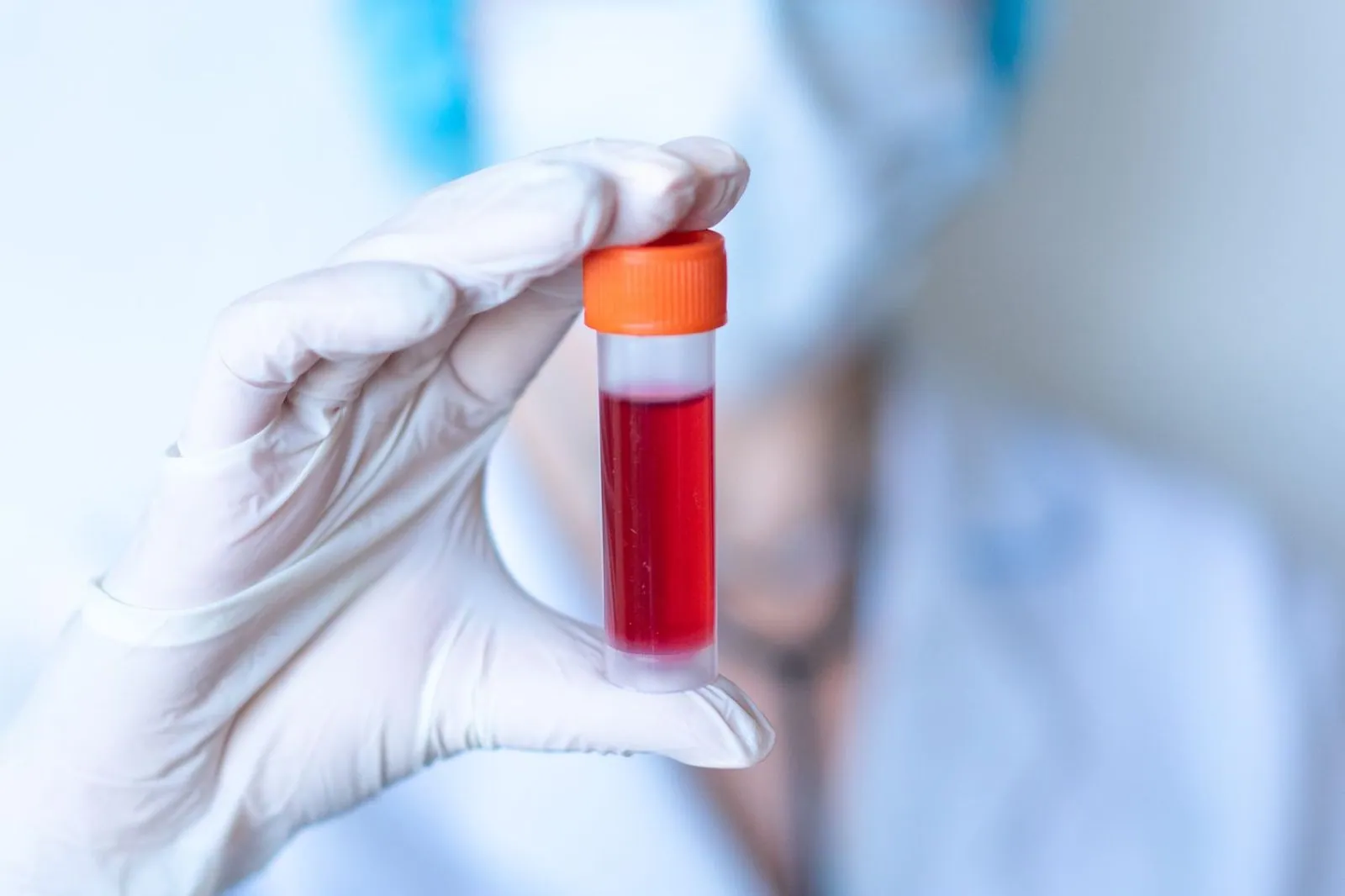
Ask your doctor which tests suit you rather than choosing the biggest lab package.
Results need interpretation. A borderline B12 value in someone with no complaints may call for a different plan than the same number in someone with tingling feet, and ferritin can shift during infection. Take the report to a doctor or registered dietitian instead of reading the reference range alone.
Troubleshooting: I eat well and still feel tired. What now?
If you eat regular meals and still feel drained, deficiency is only one possibility. Poor sleep, stress, thyroid problems and infections can look identical. Keep a two-week log of meals, sleep and symptoms and take it to your doctor. Testing beats buying supplements.
- Check the pattern, not the menu. Skipped meals and repeated foods leave gaps.
- Check your tea timing. Tea or coffee right after an iron-rich meal can cut iron absorption. Leave about an hour.
- Check your sun and screen hours. Leaving home before sunrise and returning after sunset makes vitamin D a fair question for your doctor.
- Check for gut or bleeding clues. Long-running bloating, loose stools or heavy periods point to causes diet alone will not fix.
How can you prevent nutritional deficiency? A day on an Indian plate
Preventing nutritional deficiency rests on variety: most days include a dal or pulse, a vegetable (ideally a leafy one), a dairy or egg item, a whole grain such as ragi or bajra, and a fruit. Add a little daily sun and iodised salt in normal amounts.
| Meal | Sample Indian choice | Portion (about) | Gap it supports |
|---|---|---|---|
| Breakfast | Moong dal chilla with grated paneer and methi | 2 small chillas (about 50 g dal), 30 g paneer | Folate, iron, B12 (from paneer) |
| Mid-morning | Guava, orange or papaya | 100 to 150 g | Vitamin C, which helps plant iron absorb |
| Lunch | Dal, palak sabzi, 2 rotis of wheat mixed with ragi or bajra, curd, lemon on salad | 1 katori dal (about 150 g), 100 g cooked greens, 1 katori curd | Iron, calcium, B12, folate |
| Evening | Roasted chana, or a handful of nuts and seeds | About 30 g | Zinc, magnesium, iron |
| Dinner | Rajma, or egg curry, or fish; one vegetable; 1 to 2 rotis | 1 katori rajma (about 150 g) or 2 eggs | Iron, B12 (egg or fish), protein |
| Through the day | Milk or curd; iodised salt; short midday sun on arms and legs | About 1 glass (200 ml) milk; salt in usual amounts | Calcium, iodine, vitamin D |
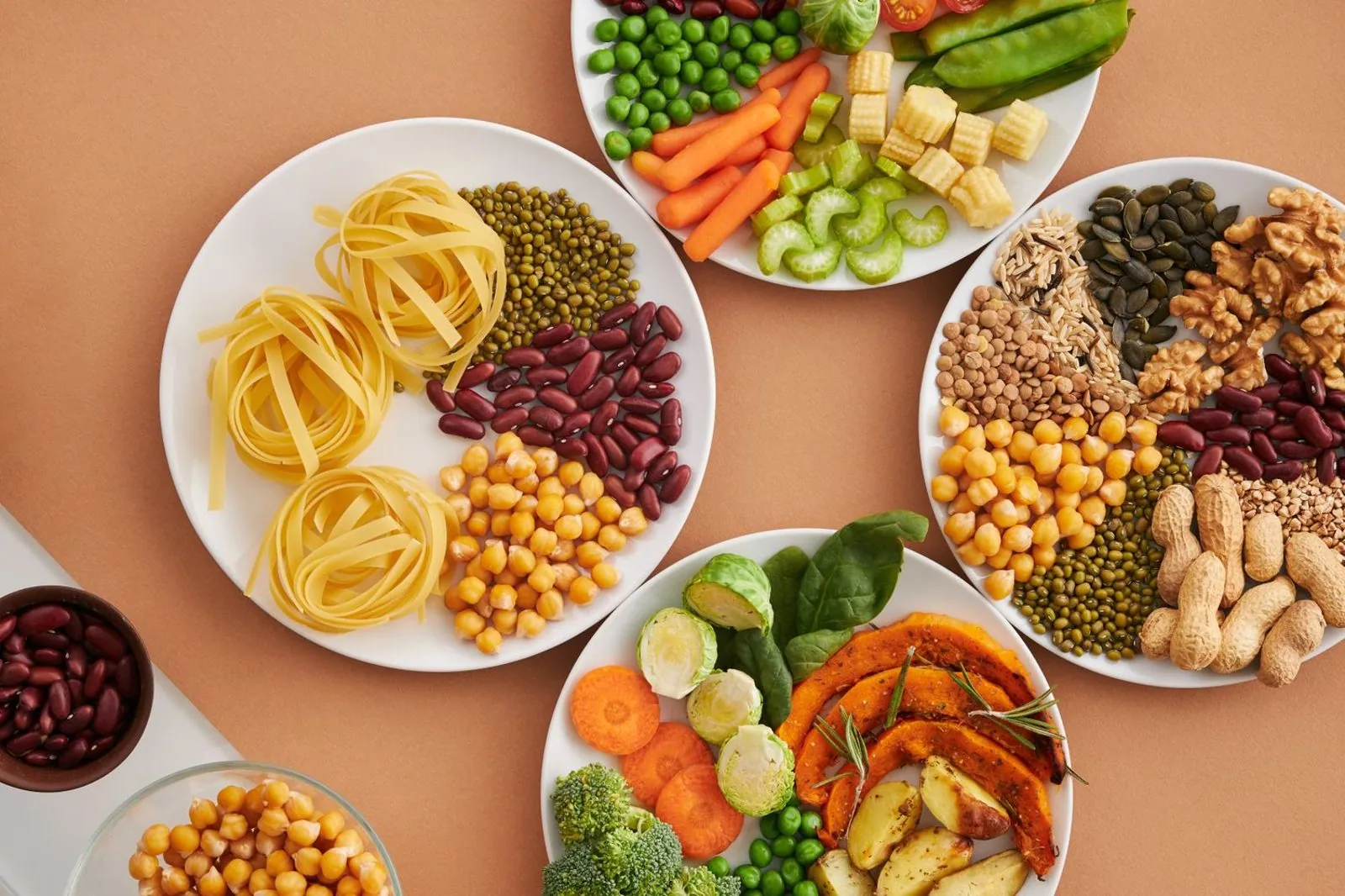
Treat the table as a pattern, not a prescription. Swap in what your region eats: thepla, sprouts, sambar, fish curry, jowar roti. Lemon on greens helps iron absorption. See protein and nutrition for protein sources and diet and nutrition for building balanced meals.
About 15 to 30 minutes of midday sun on uncovered arms and legs a few times a week is commonly suggested, but the right amount depends on skin tone, city and season. Ask your doctor, and never stay out long enough to burn.
Vegetarians can get some B12 from milk, curd, paneer and eggs. Vegans usually cannot meet B12 needs from unfortified plant foods and should discuss options with a doctor or registered dietitian.
When should you see a doctor or registered dietitian?
Please see a doctor or registered dietitian if tiredness, hair fall or other symptoms last more than two to three weeks, if you belong to a higher-risk group, or if you are planning a pregnancy. Do not start high-dose supplements on your own; iron, vitamin D and vitamin A can cause harm in excess.
- You have heavy periods, gut disease, or a long-term condition or medicine that may affect nutrients.
- You are pregnant, trying to conceive, breastfeeding, or feeding a young child who eats very little.
- You follow a vegan or very restricted diet, or your report shows out-of-range values you do not understand.
Never stop, start or change a prescribed medicine because of anything you read online. A doctor diagnoses; a registered dietitian turns findings into daily meals. This article does neither.
Frequently asked questions
What is nutritional deficiency in simple words?
Nutritional deficiency is a shortfall of a specific vitamin, mineral or other nutrient in your body, often building slowly over weeks to months. It can happen even if you eat enough food overall. A blood test, read by a doctor, confirms it.
What are the main causes of nutritional deficiency?
The main causes are low intake from limited or repetitive meals, poor absorption from gut conditions, higher needs during pregnancy or growth, ongoing losses such as heavy periods, and some medicines or habits. Often two or three overlap.
Which nutritional deficiency test should I ask about first?
Doctors commonly start with a complete blood count, serum ferritin, vitamin D and vitamin B12, then add folate, calcium or thyroid tests if your symptoms or history suggest them. Your doctor decides which fit you.
Can nutritional deficiency be prevented with food alone?
For many people, a varied Indian diet with dal, vegetables, dairy or eggs, whole grains and fruit goes a long way, along with sensible sun exposure. Vegans, pregnant women and people with gut disease may still need doctor-advised tests or supplements.
Is it safe to take a multivitamin without testing first?
Testing first is the safer route. A random multivitamin may miss what you are short of, can hide a problem needing different treatment, and some nutrients, such as iron and vitamins A and D, can cause harm in excess.
If you suspect gaps in your meals, bring your latest blood report to a Fitstrot online nutritionist consultation and build an Indian meal plan around what your doctor has found.


