
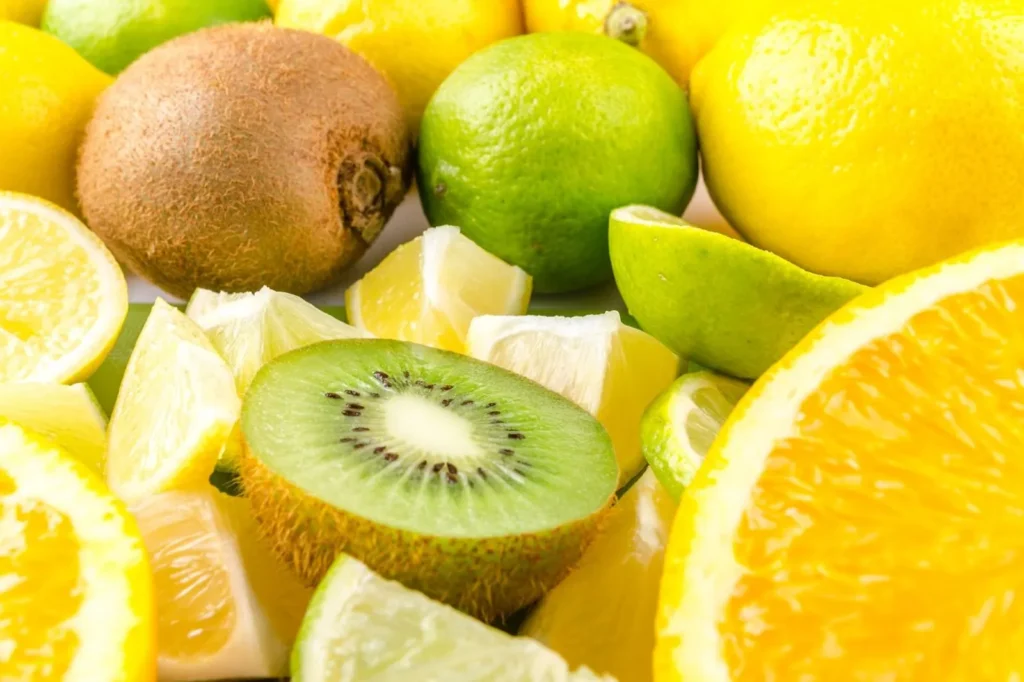
Nutritional deficiency diseases are conditions that develop when the body goes weeks, months or sometimes years without enough of a particular vitamin, mineral or protein. Each one traces back to a specific gap: scurvy to vitamin C, rickets to vitamin D, beriberi to thiamine, goiter to iodine, and nutritional anemia to iron or vitamin B12. This guide matches every deficiency to its disease, its early signs and the everyday Indian foods that help prevent it.
One honest caution first. This is general education, not a diagnosis. Signs overlap heavily, and only a doctor with blood tests can tell you what is actually low.
What are nutritional deficiency diseases?
Nutritional deficiency diseases are health conditions caused by a long-running shortage of one or more nutrients, such as vitamin C, vitamin D, iron, iodine or protein. They build slowly, usually over about one to several months for most vitamins and sometimes years for B12, and many improve once the missing nutrient is restored under medical guidance.
They are not infections. They come from four basic causes: eating too little of a nutrient, absorbing it poorly, needing more of it than usual (pregnancy, growth, illness), or losing it (heavy periods, chronic diarrhea). Our guide to nutritional deficiency explains how these gaps form, and nutritional deficiency disorders covers the wider clinical groupings.
Malnutrition is the umbrella term and includes both undernutrition and overnutrition, so a person can be overweight and still short of iron, B12 or vitamin D.
Deficiency, disease and food fix: the master table
Use this table as a map from the missing nutrient to the disease, the signs worth noticing and the Indian foods that supply it. It lists foods, not doses. Any supplement amount should come from your doctor or registered dietitian.
| Missing nutrient | Disease or condition | Early signs to notice | Indian food fix |
|---|---|---|---|
| Vitamin C | Scurvy | Tiredness, sore joints, swollen or bleeding gums, slow-healing wounds | Amla, guava, lemon, oranges, raw capsicum, tomato |
| Vitamin D (with calcium) | Rickets in children, osteomalacia in adults | Bone pain, muscle weakness, bowed legs in children | Egg yolk, sardines and other fatty fish, fortified milk; calcium from milk, curd, ragi |
| Vitamin B1 (thiamine) | Beriberi | Tingling feet, weak muscles, leg swelling, breathlessness | Whole wheat, parboiled or brown rice, dals, sprouts, peanuts, sesame |
| Niacin (B3) | Pellagra | Rash on sun-exposed skin, diarrhea, confusion | Dals, peanuts, mushrooms, chicken, fish, milk, eggs; mixed grains instead of only maize or jowar |
| Vitamin A | Night blindness | Trouble seeing in dim light, dry eyes | Carrot, papaya, mango, spinach, drumstick leaves, eggs, milk |
| Iodine | Goiter | Swelling at the front of the neck, tiredness, feeling cold | Iodized salt, dairy, eggs, fish |
| Iron | Iron-deficiency anemia | Tiredness, pale skin, breathlessness on stairs, brittle nails | Rajma, chana, masoor dal, ragi, jaggery, methi, spinach, eggs, chicken, eaten with a vitamin C food |
| Vitamin B12 (and folate) | Megaloblastic anemia, nerve symptoms | Tiredness, tingling hands, sore tongue, poor memory | Milk, curd, paneer, eggs, fish, meat; folate from dals, greens, sprouts |
| Protein and calories | Kwashiorkor, marasmus | Swollen feet and face, thin limbs, poor growth in children | Dal, eggs, milk, curd, paneer, soya, chana, fish, plus enough roti or rice and cooking oil |
A tired person could be low in iron, B12, vitamin D or just short on sleep, so treat the table as a starting point for a doctor visit.
Which nutritional deficiency diseases are most common in India?
Iron-deficiency anemia is the most widespread, affecting roughly half or more of women of reproductive age. Vitamin B12 gaps are common among vegetarians, low vitamin D is frequent in urban adults, and protein-energy undernutrition still affects some children. Scurvy, beriberi and pellagra are now uncommon and mostly follow very restricted diets.
Iron. A mostly vegetarian diet supplies non-heme iron, which the body absorbs less easily. Heavy periods, pregnancy and chai with every meal widen the gap. Our guide to nutritional anemia goes deeper on causes and food choices.
Vitamin B12. B12 comes almost entirely from animal foods such as milk, curd, paneer, eggs and fish. Lacto-vegetarians can fall short if intake is small, and strict vegans generally need medically guided supplementation. Stores can last for years, so symptoms often appear late.
Vitamin D. India is sunny, yet deficiency is common. Office hours, darker skin, covering clothing and pollution reduce what skin makes, and few foods contain much vitamin D.
Iodine. Salt iodization protects most households, but sendha namak, rock salt and pink salt used during fasts are usually not iodized. Using them every day can quietly remove your main iodine source. A general overview of micronutrient basics sits in our vitamin nutrition guide.
How the classic deficiency diseases develop
Scurvy. It follows a long stretch, often about one to three months, of almost no vitamin C. Vitamin C is needed to build collagen, so gums, skin and blood vessels suffer first. It is rare today and appears with very limited diets, heavy alcohol use or absorption problems. Amla, guava and lemon are cheap, rich sources.
Rickets and osteomalacia. Without enough vitamin D, bones cannot take up calcium properly. In children this causes soft, bowed bones and delayed growth, while adults feel bone pain and muscle weakness. Food helps, but so does a calcium-rich plate, covered in our guide to calcium-rich foods.
Beriberi. Thiamine helps turn food into energy and keeps nerves working. Diets built mainly on heavily polished white rice, along with heavy alcohol use, raise the risk. Parboiled rice, whole wheat, dals and sprouts keep thiamine in the meal.
Pellagra. It has been linked to diets centred almost entirely on maize or jowar, with little dal, milk or egg. The classic triad is skin rash, diarrhea and confusion. Variety is the prevention.
Goiter. When the thyroid lacks iodine it enlarges, which shows as swelling at the front of the neck. Other thyroid problems look similar, so any neck swelling needs a doctor’s examination.
Protein-energy malnutrition. Kwashiorkor involves too little protein, often with swollen feet and face. Marasmus is an overall shortage of calories, with visible wasting. Both mostly affect young children, especially around weaning. Our child nutrition guide covers balanced plates at each age.

Myths about deficiency diseases, corrected
Myth: India is sunny, so vitamin D deficiency is rare. It is common. Skin tone, indoor work, clothing and pollution limit what sunlight does for you.
Myth: if you eat three meals a day, you cannot be deficient. Meals heavy in refined rice, roti and tea can still run low on iron, B12 and protein.
Myth: feeling tired always means weakness that a tonic will fix. Anemia, thyroid problems and poor sleep all cause it, and tonics can delay the right diagnosis.
Myth: more supplements are always safer. Some vitamins and minerals build up in the body, and too much iron or vitamin D can cause harm. Supplements should be chosen after testing.
Eating well but still low? A troubleshooting checklist
If your plate looks healthy but your reports or symptoms say otherwise, the problem is often absorption, not intake. Check these before changing everything:
- Tea or coffee with meals. Tannins reduce iron absorption. Keep chai about an hour away from lunch and dinner.
- Raw grains and pulses. Phytates in whole grains and legumes bind minerals. Soaking, sprouting and fermenting (idli, dosa, dhokla) reduce this effect.
- No vitamin C beside plant iron. Add lemon, amla or tomato to dal, rajma or chana meals.
- Very low fat intake. Vitamins A and D need some fat to be absorbed. A little ghee or oil in cooking helps.
- Gut conditions and frequent diarrhea. Celiac disease and similar problems reduce absorption no matter how well you eat.
- Heavy periods or long-term medicines. Both can change nutrient needs. Never stop or change a medicine on your own; raise it with your doctor.
Who is most at risk, and what should each group focus on?
Children, teenage girls, pregnant women, vegetarians and older adults carry the highest risk because their needs are high or their food choices are narrow. A periodic blood test beats guessing.
| Group | Nutrients most often short | Food focus | Who to check with |
|---|---|---|---|
| Infants and toddlers | Iron, protein, vitamin A, vitamin D | Breast milk, then mashed dal, egg, curd, ragi porridge, vegetables | Paediatrician |
| Teenage girls and women with heavy periods | Iron, B12, folate | Rajma, chana, greens, jaggery, eggs, each with a vitamin C food | Doctor, then dietitian |
| Pregnant and breastfeeding women | Iron, folate, calcium, iodine, B12 | Dal, greens, milk or curd, eggs, iodized salt | Gynecologist and dietitian |
| Vegetarians and vegans | B12, iron, protein, sometimes zinc | Dairy, paneer, sprouts, soya, a mix of dals and grains | Doctor for B12 testing |
| Adults over about 60 | B12, vitamin D, calcium, protein | Milk or curd daily, eggs, dal, soft protein foods | Doctor and dietitian |
| Indoor workers, covered clothing | Vitamin D, calcium | Fortified milk, egg yolk, fatty fish, ragi | Doctor for vitamin D testing |
A sample Indian day that closes the usual gaps
This is one general pattern for a healthy adult, not a prescription. Portions vary by body size and activity. If you have diabetes, kidney disease or another condition, a dietitian should adapt it.
| Meal | Example | Gaps it helps with |
|---|---|---|
| Breakfast | Vegetable besan chilla or 2 eggs, plus a guava or orange | Protein, iron, B vitamins, vitamin C |
| Mid-morning | 1 katori curd (about 100 g) or a glass of milk, handful of roasted chana | Calcium, B12, protein |
| Lunch | 2 rotis, 1 katori dal or rajma, sabzi with greens, salad with lemon | Thiamine, iron with vitamin C, folate |
| Evening | Chai at least an hour after lunch, sprouts or peanuts | Better iron absorption, niacin |
| Dinner | Rice or ragi roti, fish, paneer or dal, a bowl of orange or yellow vegetables | Vitamin A, calcium, protein, iodine from iodized salt |
Other gaps worth knowing
Beyond the classic diseases, a few other shortfalls are common. Low zinc can slow wound healing and affect immunity, which our zinc nutrition guide covers. Low magnesium is linked to muscle cramps and tiredness, explained in magnesium nutrition. Omega-3 intake is often low in vegetarian diets, and omega-3 nutrition lists practical sources such as walnuts, flaxseed and fatty fish.
For a full overview of how these conditions relate, read diseases caused by nutritional deficiency, or browse a list of 10 nutritional deficiency diseases with a short note on each.
When should you see a doctor or registered dietitian?
See a doctor if you have swelling in the neck, bleeding gums, trouble seeing at night, numbness or tingling, persistent bone pain, unexplained tiredness lasting more than a couple of weeks, or swollen feet and slow growth in a child. A registered dietitian can then turn the test results into a food plan.
Please do not start high-dose iron, vitamin D, B12 or iodine on your own. Too much can be harmful, and the wrong supplement can hide the real cause. Pregnant women, children, older adults and anyone on regular medicines should get advice before big diet changes. Never stop or alter prescribed medication because of anything you read here. Diagnosis and treatment belong to your doctor.
Frequently asked questions
Can nutritional deficiency diseases be reversed?
Many improve when the missing nutrient is restored under medical guidance, often over weeks to months. Early scurvy and beriberi usually respond well. Rickets can improve if treated before bones set in a deformed shape. Nerve damage from long-standing B12 deficiency may be only partly reversible, so early testing matters.
Which nutritional deficiency disease is most common worldwide?
Iron-deficiency anemia is considered the most common nutritional deficiency worldwide. It affects many women of reproductive age and young children, especially where diets lean on cereals with little iron-rich food. Low vitamin D, B12 and iodine are also widely reported, depending on region, diet and access to fortified foods.
Is malnutrition the same as a nutritional deficiency disease?
No. Malnutrition is the broader term and covers both too little and too much food or nutrients. A nutritional deficiency disease is one specific outcome of undernutrition, such as scurvy or rickets. Someone with obesity can still be malnourished if their diet lacks key vitamins and minerals.
Can you be overweight and still have a nutrient deficiency?
Yes. Diets high in refined carbohydrates, fried foods and sugary drinks can supply plenty of calories while falling short on iron, B12, vitamin D and folate. Weight reflects energy intake, not nutrient quality, so blood tests are the only reliable way to check.
How do I know which deficiency I might have?
Symptoms offer clues, such as gum bleeding for vitamin C or neck swelling for iodine, but many signs overlap. Tiredness alone fits iron, B12, vitamin D or thyroid problems. A doctor can order the right blood tests and tell you which nutrient is genuinely low before you change anything.
If you suspect a gap in your diet, book an online nutritionist consultation, bring your latest blood reports, and build an Indian meal plan around the nutrients you are actually missing.


