
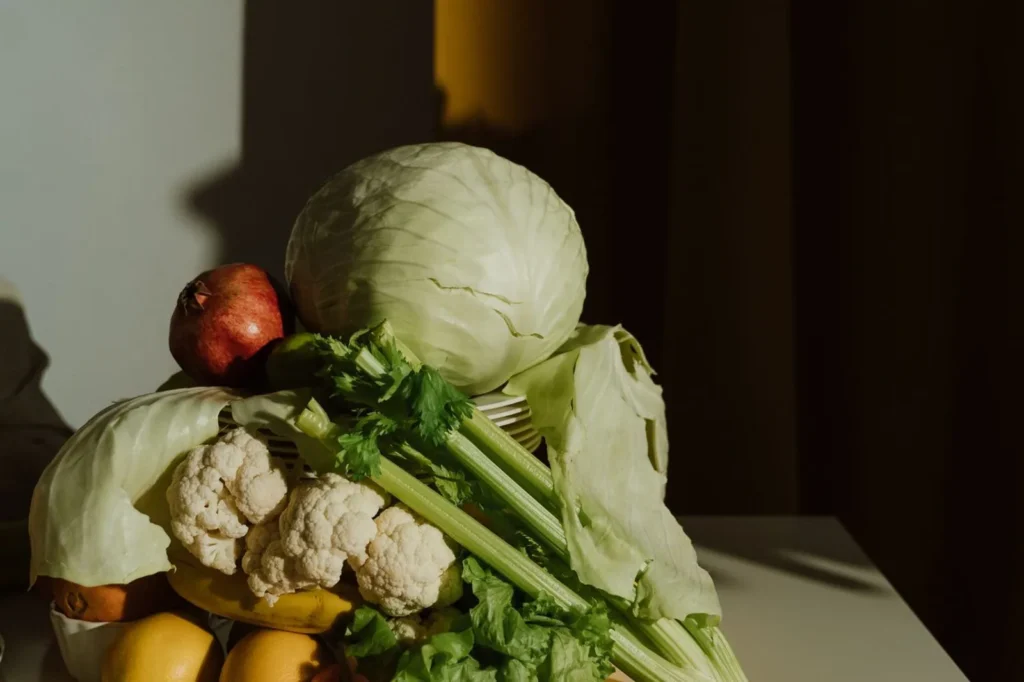
Need a list 10 nutritional deficiency diseases that is short, clear and written for Indian kitchens? Here it is: scurvy, rickets, beriberi, pellagra, goitre, iron-deficiency anaemia, night blindness, kwashiorkor, osteomalacia and vitamin B12 deficiency anaemia. Each has a named nutrient behind it, signs worth knowing and everyday foods that help prevent it. This is general education, not a diagnosis. For causes and progression in more depth, read our guide on nutritional deficiency diseases.
What counts as a nutritional deficiency disease?
A nutritional deficiency disease is a recognisable illness that develops when the body gets too little of a vitamin, mineral or protein for weeks to months, through low intake or poor absorption. It is different from simply eating badly: each condition has a named nutrient, typical signs and a way doctors can confirm it.
Severe, textbook versions are uncommon today. Milder shortfalls of iron, vitamin B12, vitamin D and iodine are not, because of polished grains, mostly vegetarian diets, indoor lifestyles and limited food variety. The wider picture is covered in our piece on nutritional deficiency.
The 10 diseases at a glance
| # | Disease | Nutrient that is low | Typical signs | Most at risk |
|---|---|---|---|---|
| 1 | Scurvy | Vitamin C | Bleeding gums, easy bruising, joint pain | Very restricted diets |
| 2 | Rickets | Vitamin D, calcium | Bowed legs, delayed walking, bone pain | Infants and children |
| 3 | Beriberi | Vitamin B1 | Tingling, weak legs, swelling, breathlessness | Polished-rice diets, heavy alcohol use |
| 4 | Pellagra | Vitamin B3 | Sun-exposed skin rash, diarrhoea, confusion | Maize or jowar-heavy diets |
| 5 | Goitre | Iodine | Swelling at the front of the neck | Areas without iodised salt use |
| 6 | Iron-deficiency anaemia | Iron | Tiredness, pale skin, breathlessness | Girls, women, pregnancy |
| 7 | Night blindness | Vitamin A | Poor vision at dusk, dry eyes | Young children |
| 8 | Kwashiorkor | Protein | Swollen feet and belly, thin hair | Weaned toddlers |
| 9 | Osteomalacia | Vitamin D, calcium | Bone ache, muscle weakness | Adults with little sun exposure |
| 10 | B12 deficiency anaemia | Vitamin B12 | Tiredness, tingling, sore tongue | Vegetarians, older adults |
The list: 10 nutritional deficiency diseases, signs and Indian food sources
1. Scurvy: vitamin C deficiency
Without enough vitamin C the body struggles to build collagen, which holds gums, skin and blood vessels together. Signs include swollen or bleeding gums, easy bruising, joint pain and slow-healing wounds. It is rare in people who eat fruit and vegetables regularly. Indian food sources: amla, guava, lemon, orange, raw capsicum and tomato. Keep some of these raw, as heat destroys vitamin C.
2. Rickets: vitamin D and calcium deficiency
Rickets affects growing children, whose soft bones can bend under body weight. Parents may notice bowed legs, delayed walking, wide wrists or bone pain. Low sunlight, low vitamin D and low calcium usually combine. Indian food sources: egg yolk, fatty fish such as mackerel (bangda) and sardine, fortified milk, and calcium from milk, curd and ragi. Sunlight is the main source of vitamin D, so ask a paediatrician before giving any vitamin D drops.
3. Beriberi: vitamin B1 (thiamine) deficiency
Thiamine helps turn carbohydrate into energy. Dry beriberi causes tingling, numbness and weak legs. Wet beriberi affects the heart and can bring swelling and breathlessness. It has been linked with diets built on heavily polished white rice and with heavy alcohol use. Indian food sources: whole wheat atta, brown or parboiled rice, dals, peanuts, sesame, sunflower seeds and green peas.
4. Pellagra: vitamin B3 (niacin) deficiency
Pellagra is remembered by three Ds: dermatitis (a rash on sun-exposed skin), diarrhoea and dementia-like confusion. It has been tied to diets where maize or jowar is the main food with little else on the plate. Indian food sources: peanuts, dals, milk, eggs, fish, chicken and whole grains.
5. Goitre: iodine deficiency
Goitre is a swelling at the front of the neck as the thyroid gland enlarges. Some people also notice tiredness, feeling cold, or difficulty swallowing. Iodine matters especially in pregnancy for the baby’s brain development, so guidance from a doctor is essential. Indian food sources: iodised salt (the main practical source), milk, curd, eggs and fish. Not every neck swelling is goitre, so get it examined.
6. Iron-deficiency anaemia: iron deficiency
This is the most common entry on the list in India, especially among adolescent girls, women and pregnant women. Signs include tiredness, pale skin or inner eyelids, breathlessness on stairs, dizziness and brittle nails. Indian food sources: ragi, bajra, rajma, chana, soya, til, jaggery, dates, beetroot, methi and spinach, plus eggs, chicken or liver if you eat them. Squeeze lemon over dal for better absorption. More in our guide to nutritional anemia.
7. Night blindness (xerophthalmia): vitamin A deficiency
Vitamin A keeps the retina and the surface of the eye healthy. Early on, the first sign is trouble seeing in dim light at dusk, often with dry eyes. Advanced deficiency can damage the cornea and cause permanent vision loss, so children need prompt medical care. Indian food sources: carrot, papaya, ripe mango, pumpkin, sweet potato, drumstick leaves, amaranth, spinach, eggs and milk. A little oil in cooking helps absorption.
8. Kwashiorkor: protein deficiency
Kwashiorkor is a form of severe malnutrition seen in young children, often after weaning onto a starchy diet with very little protein. Signs include swollen feet, a puffy face, a swollen belly, thin hair with colour change, irritability and skin changes. It is a medical emergency that needs hospital care, not home remedies. Prevention foods: dal, curd, milk, paneer, eggs, sprouts and soya, for example dal khichdi with a little ghee for toddlers.
9. Osteomalacia: vitamin D and calcium deficiency
Osteomalacia is the adult counterpart of rickets. Bones soften, causing a dull ache in the hips, back or ribs, muscle weakness, trouble climbing stairs and a higher fracture risk. It is more likely in people who stay indoors, cover most of their skin or have darker skin, which makes less vitamin D from the same sunlight. Indian food sources: milk, curd, paneer, ragi, til, eggs and fatty fish. Daily calcium needs are roughly 600 to 1,000 mg depending on age and life stage; see our calcium nutrition guide.
10. Vitamin B12 deficiency anaemia (pernicious anaemia)
Vitamin B12 is needed for red blood cells and healthy nerves. Signs include tiredness, a pale or slightly yellow tone, a sore tongue, tingling or numbness in the hands and feet, balance trouble and memory fog. Pernicious anaemia is one specific form, where the gut cannot absorb B12 properly. Indian food sources: milk, curd, paneer, eggs, fish and chicken. Plant foods do not reliably provide B12, so strict vegetarians and vegans should discuss testing and supplements with a doctor.
Myth check: tired, pale or losing hair means you are deficient
Not necessarily. Fatigue, hair shedding and low mood have dozens of causes, including poor sleep, stress, thyroid problems, heavy periods and infections. Matching your symptoms to a list is how people end up buying supplements they do not need, or missing the real problem.
Hair fall is a good example: it can follow low iron or other shortfalls, but it can equally follow illness or stress. Our guide on nutritional deficiency and hair loss explains the overlap. The reliable route is a blood test ordered by your doctor, for example ferritin, haemoglobin, vitamin D and B12, then a plan based on the results. See also our vitamin nutrition overview.
Which of these deficiency diseases is most common in India?
Iron-deficiency anaemia is the most common disease on this list in India, especially in adolescent girls and women, followed by vitamin D and vitamin B12 shortfalls. Iodine deficiency has fallen where iodised salt is used, while scurvy, beriberi, pellagra and kwashiorkor are much rarer but still seen in very poor or restricted diets.
Everyday Indian foods that cover these nutrients
You do not need exotic ingredients. These ordinary foods, in about the portions shown, do most of the work for a mixed vegetarian or non-vegetarian diet.
| Indian food | Usual portion (about) | Main nutrients it helps with | Practical tip |
|---|---|---|---|
| Ragi roti or porridge | 30 g flour | Calcium, some iron | Ragi has about 350 mg calcium per 100 g flour |
| Cooked dal (moong, masoor, toor) | 1 katori, about 150 g | Protein, folate, some iron and B vitamins | Add lemon to help iron absorption |
| Chana or rajma, cooked | 1 katori, about 150 g | Iron, protein, folate | Sprouting adds some vitamin C |
| Egg | 1 whole egg | Protein (about 6 g), B12, vitamin A | Eat the yolk, where the vitamins sit |
| Curd or milk | 1 katori curd or 1 glass milk | Calcium, protein, B12, iodine | One glass of milk gives about 240 mg calcium |
| Amla, guava or lemon | 1 small fruit or 1 lemon | Vitamin C | Eat raw; heat reduces vitamin C |
| Papaya, mango, carrot, drumstick leaves | 1 cup, about 150 g | Vitamin A (as carotenoids) | Cook greens with a little oil |
| Peanuts | A small handful, about 30 g | Niacin, thiamine, protein | Choose roasted or boiled over fried |
| Iodised salt | Under about 5 g a day in total | Iodine | Store closed and add late in cooking |
Who needs to be extra careful?
- Vegetarians and vegans: B12 and iron are the usual gaps. Include milk products, pulses with lemon, and ask your doctor about B12 testing.
- Girls and women: periods, pregnancy and breastfeeding raise iron, calcium and iodine needs. Follow your gynaecologist’s supplement advice.
- Young children: weaning foods must carry protein, iron and vitamin A, not only rice or biscuits. Your paediatrician guides any drops or supplements.
- Older adults: absorption of B12 and vitamin D falls with age, and less time outdoors adds to it.
Our overview of nutritional needs shows how requirements shift across life stages.
Troubleshooting: why levels stay low even when you eat well
- Tea or coffee with meals: keep it about an hour away from iron-rich meals, since it reduces iron absorption.
- Polished grains every day: swap part of the white rice or maida for whole wheat, ragi, bajra or brown rice.
- Overcooked vegetables: long boiling and re-heating lose vitamin C and some B vitamins.
- Absorption problems: gut conditions and some long-term medicines can lower absorption. Never stop or change a medicine yourself; ask your doctor.
- Too little healthy fat: vitamins A, D, E and K need some fat; a balanced plate also includes sources like those in our omega-3 nutrition guide.
- Taking supplements at random: too much iron or vitamin A can be harmful, so supplement only after testing.
When should you see a doctor or a registered dietitian?
See your doctor if tiredness, breathlessness, tingling, bone pain, night vision trouble, neck swelling or unusual swelling in a child lasts more than a couple of weeks, or if you are pregnant, have a long-term condition or take regular medicines. A registered dietitian can then turn your results into a safe food plan.
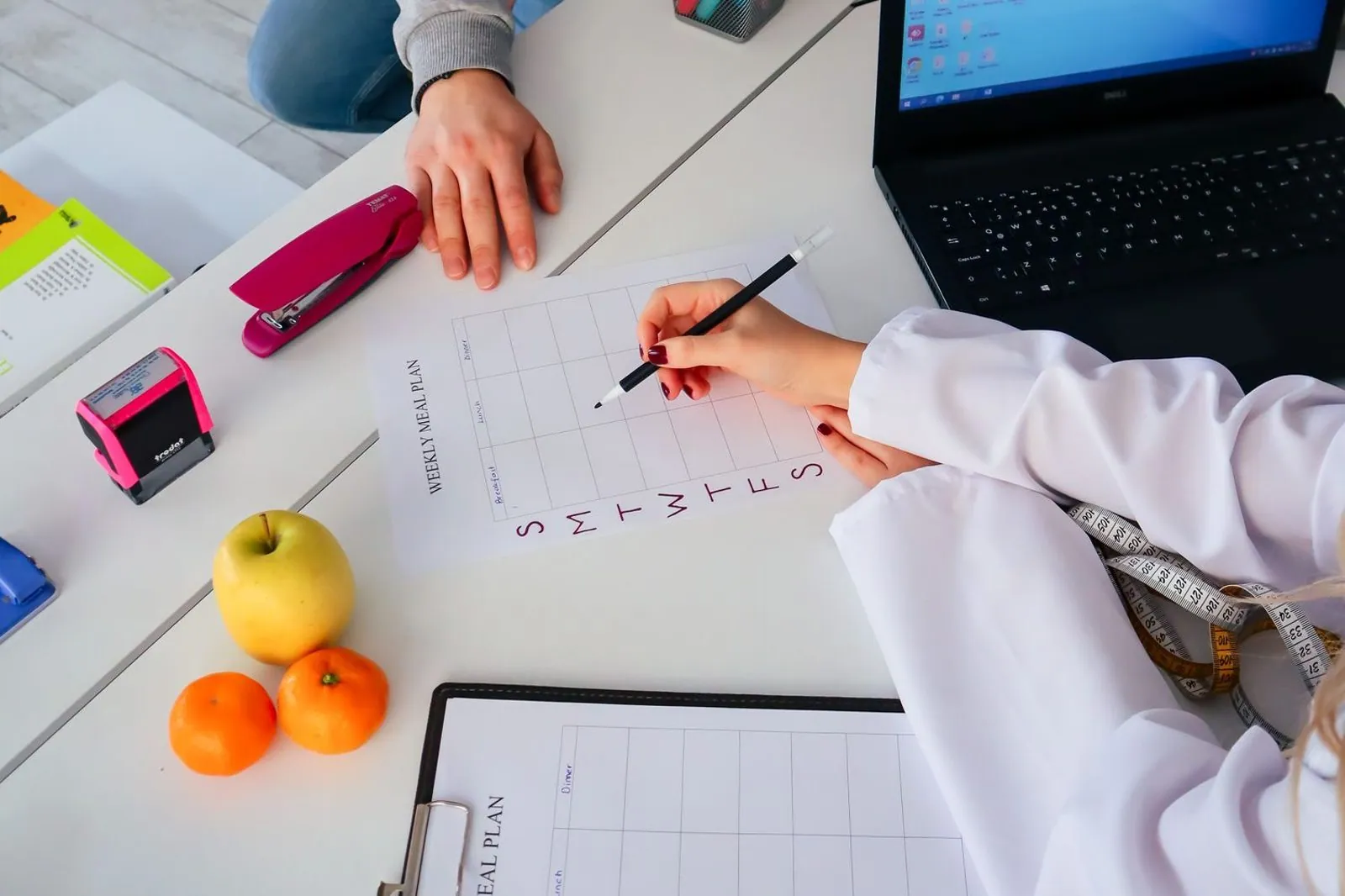
Do not diagnose yourself from this page, and do not start high-dose supplements without testing. Several entries here, especially night blindness and kwashiorkor in children, need urgent medical care. Food changes support treatment; they do not replace it. Treatment decisions belong with your doctor, and a nutritionist consultation can help you plan meals around them.
FAQ: nutritional deficiency diseases
What are the 10 main nutritional deficiency diseases?
The ten commonly listed are scurvy (vitamin C), rickets (vitamin D and calcium), beriberi (vitamin B1), pellagra (vitamin B3), goitre (iodine), iron-deficiency anaemia (iron), night blindness (vitamin A), kwashiorkor (protein), osteomalacia (vitamin D and calcium) and vitamin B12 deficiency anaemia. The list is a teaching convention, not an official ranking.
Which nutritional deficiency disease is most common in India?
Iron-deficiency anaemia is the most common, mainly among adolescent girls, women and pregnant women. Vitamin D and vitamin B12 shortfalls are also widespread. Exact prevalence differs by state and age group, and a blood test is the only way to know your own status.
Can a nutritional deficiency disease be reversed with food alone?
Mild shortfalls often improve with better food over several weeks to months, but confirmed deficiencies usually need a doctor’s plan, which may include supplements. Some effects of long-standing deficiency, such as nerve or bone changes, may only partly recover, which is why early testing matters.
Do I need a blood test before taking supplements?
Yes, ideally. Tiredness and hair fall overlap with many non-nutritional causes, and more is not always better, especially with iron and vitamin A. Test first, supplement only on your doctor’s advice, and retest after the period they suggest.
Can vegetarians avoid these deficiencies?
Mostly yes, with planning. Combine dals, pulses, whole grains, milk products, nuts, seeds and vegetables, add vitamin C to iron-rich meals, and get B12 and vitamin D levels checked, since these are the usual gaps in vegetarian diets. Vegans should speak to a doctor about B12.
If your latest report shows a low value, bring it to an online nutritionist consultation and walk away with a practical Indian meal plan to discuss with your doctor.


