
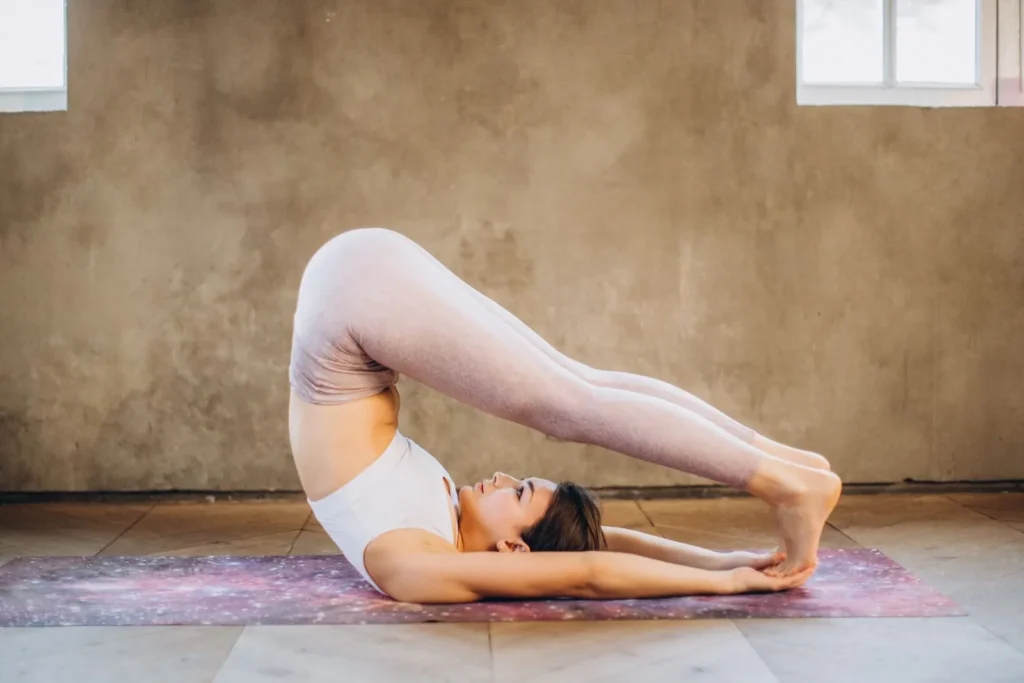
The debate of yoga vs exercise is less of a contest than it sounds. Yoga is exercise, but it trains different qualities from a run, a gym session or a Zumba class, and it trains them in a different way. Gym and cardio work push your heart, lungs and muscles harder. Yoga builds control, mobility and calm. This guide compares what each does well, gives honest calorie numbers, and ends with a weekly plan that combines both.
Is Yoga a Form of Exercise?
Yes. Yoga is structured physical activity that works your muscles, joints and breathing, so it counts as exercise. Gentle hatha burns about as much as a slow walk, while power yoga or fast vinyasa reaches moderate effort. It differs from gym or cardio work by focusing on breath, balance and control rather than load or speed.
So when people ask “is yoga exercise?”, the better question is what kind of exercise it is. A typical class has three layers: postures (asanas) that stretch and strengthen, breathing practice (pranayama) that sets the pace, and a quiet, focused attention that runs through both. In a flowing style such as vinyasa yoga, each movement is tied to an inhale or exhale, which is why the practice feels closer to moving meditation than to a set of repetitions.
Conventional exercise, meaning running, cycling, lifting, HIIT or dance cardio, is usually built around one measurable target: more distance, more weight, more reps, a higher heart rate. Neither approach is superior. They simply answer different questions about your body.
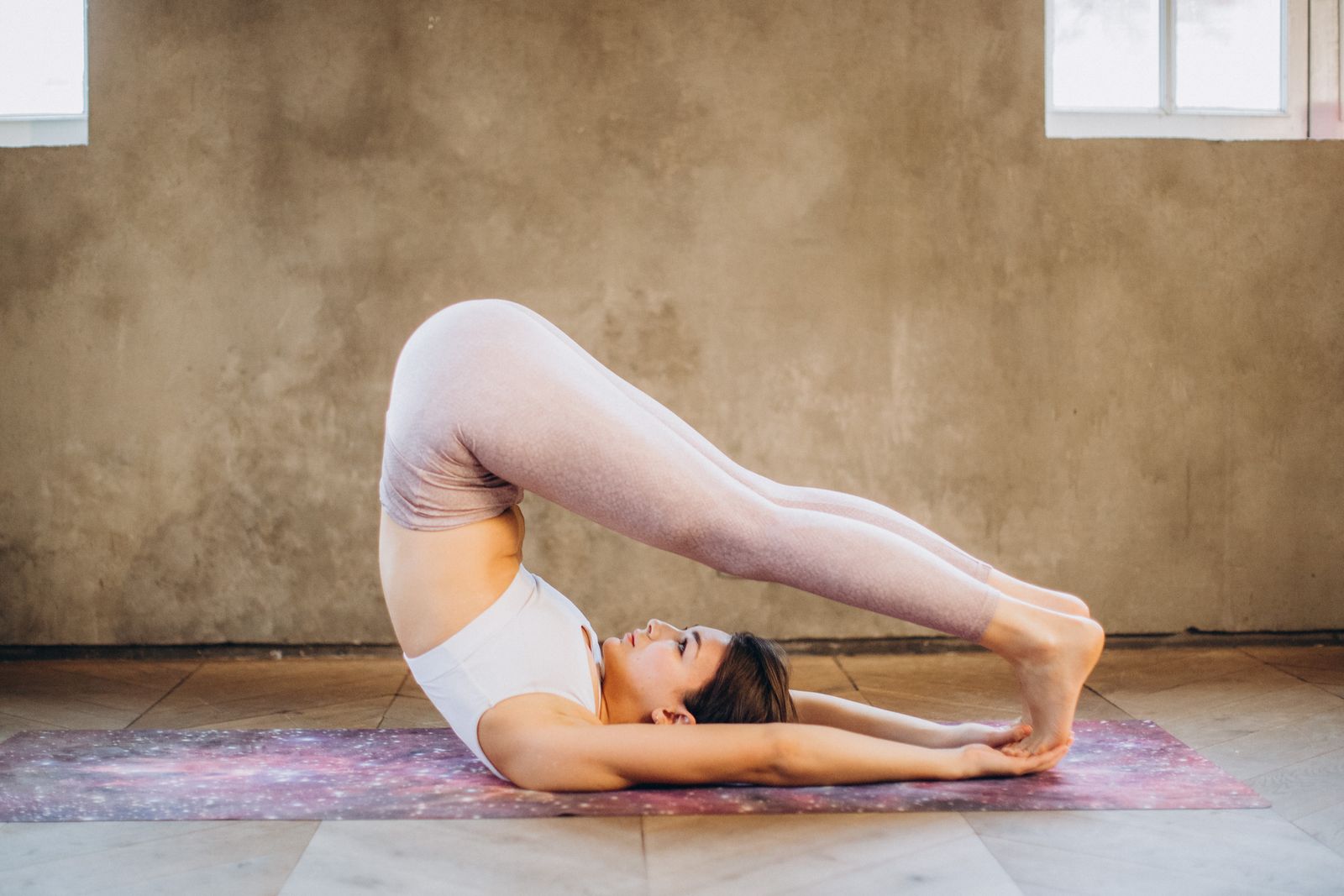
Yoga vs Exercise at a Glance
The table below compares yoga with conventional exercise on the points people usually care about. Ratings are general tendencies. Your result depends on the style of yoga, the type of exercise and how hard you work.
| What you want | Yoga | Conventional exercise (gym, running, HIIT) |
|---|---|---|
| Calorie burn per hour | Low to moderate (about 150-350 kcal) | Moderate to high (about 250-700 kcal) |
| Muscle size | Limited, because resistance cannot be increased easily | Strong, through progressive overload |
| Heart and lung fitness | Modest, better in fast styles | Strong, especially with sustained cardio |
| Flexibility and range of motion | Strong | Low unless you add stretching |
| Balance and body awareness | Strong | Moderate |
| Stress and breathing control | Strong, built into the practice | Helpful, but usually incidental |
| Joint impact | Low | Low (cycling, swimming) to high (running, jumping) |
| Equipment | A mat | Varies: none, dumbbells or a full gym |
Read the table by goal, not by winner. Yoga leads where mobility, balance and stress control matter, and conventional exercise leads where calorie burn, muscle and cardiovascular fitness matter. If you are comparing a yoga mat with a gym membership specifically, our guide to yoga vs gym goes deeper on cost, access and results.
Which Burns More Calories: Yoga or Conventional Exercise?
Conventional exercise burns more calories per minute. For a person weighing about 60 kg, 30 minutes of running at a steady pace burns roughly 250-320 kcal, while 30 minutes of hatha yoga burns about 75-100 kcal. Power yoga and fast vinyasa land in between, at roughly 120-180 kcal per half hour.
| Activity (30 minutes, about 60 kg person) | Approximate calories burned |
|---|---|
| Hatha or gentle yoga | About 75-100 kcal |
| Power yoga or fast vinyasa | About 120-180 kcal |
| Brisk walking | About 100-130 kcal |
| Strength training with weights | About 100-180 kcal |
| Running at a steady pace | About 250-320 kcal |
| HIIT circuit | About 250-350 kcal |
These are rough estimates. A heavier person burns more, a lighter person burns less, and effort changes the numbers a lot. Treat them as a way to compare activities, not as a tracking tool.
Two points keep this in perspective. First, fat loss depends mostly on your overall eating pattern and weekly activity, not on which single session burns the most. Second, you cannot choose where fat comes from. Neither yoga nor any gym move melts fat from the belly, arms or thighs specifically. If weight loss is your main goal, read our guide on yoga for weight loss for how yoga fits into a calorie plan, and consider pairing it with coaching from an online personal trainer.
Does Yoga Build Strength Like Weights Do?
Partly. Yoga builds isometric strength, which means holding your own body weight in a fixed position for several breaths. It works the core, shoulders, hips and legs well. It does not offer the steadily increasing resistance that drives noticeable muscle growth, so weights remain the faster route to bigger muscles or a heavier lift.
Does yoga build strength for everyday life? Often, yes. Holding plank, side plank, chair pose and warrior II for 5-8 breaths each challenges stabiliser muscles, balance and endurance in a way that machines rarely do. Beginners, in particular, may find that a few weeks of regular practice makes stairs, carrying shopping bags and sitting upright feel easier.
The limit is progression. In the gym you add 1-2 kg, a set or a few reps. In yoga, the poses stay the same unless you move to harder variations such as arm balances or long holds. That is why yoga and strength training work well together: weights supply load, and yoga supplies control and range of motion.

Can Yoga Replace Cardio?
For most people, not fully. Common public-health guidance suggests about 150 minutes of moderate activity per week, such as brisk walking, cycling or dance cardio. Slow yoga rarely keeps your heart rate raised for that long. Fast styles like ashtanga or power yoga come closer and can cover a lighter cardio day.
If you only practise yoga, you may still gain flexibility, balance and calm, but your stamina on stairs or a long walk may improve less than it would with regular cardio. A simple fix is to add two or three brisk 30-minute sessions of walking, cycling, skipping or Zumba alongside your yoga week. The two do not compete. They cover different parts of fitness.
Myth Check: “If I Am Not Sweating, Yoga Is Not Working”
Sweat measures heat and effort, not value. A slow yin yoga session holds poses for several minutes to work on connective tissue and deep relaxation, and you may barely warm up. That is the point of it. Judging it by calories misses what it is designed to do.
The reverse myth is just as common: “yoga is too gentle to count as a workout.” A well-taught 60-minute power class leaves most beginners shaking in the legs and shoulders. The honest version is this: yoga ranges from restful to demanding, so choose the style that matches the job you want it to do that day.
- Want to warm up or sweat: choose vinyasa or power yoga.
- Want to learn alignment slowly: choose hatha yoga.
- Want to unwind after a hard day or a hard session: choose yin or restorative.
Should a Beginner Start With Yoga or Exercise?
Start with whichever you will actually repeat three times a week. If you want stamina and weight management, begin with brisk walking plus simple bodyweight work. If you are stiff, stressed or returning after a break, begin with gentle hatha yoga for 20-30 minutes. Add the other within the first month.
Here is how that looks for common situations:
- Desk worker with a tight back and shoulders: start with yoga 3 days a week and add a 30-minute walk on the other days. Morning sessions can be a gentle way to start, as covered in morning yoga, and you can compare timing options in the best time to do yoga.
- Gym-goer or runner who feels stiff: keep your training and add one or two yoga sessions a week for hips, hamstrings and shoulders.
- Someone mainly after weight loss: build a base of walking or cardio 4-5 days a week, strength twice, and use yoga for recovery and stress control.
- Someone with joint discomfort: low-impact movement can be a sensible start. Read about yoga for back pain and yoga for knee pain, and speak to your doctor or a physiotherapist first if the pain is sharp, constant or follows an injury.
A Week That Combines Yoga and Exercise
The best way to combine yoga and exercise is to give each its own job. Use strength and cardio on 3-4 days for fitness and muscle, and use yoga on 2-3 days for mobility and recovery. The sample week below suits a beginner or intermediate trainee with about 45 minutes a day.
| Day | Main session | Time | Purpose |
|---|---|---|---|
| Monday | Full-body strength (squats, push-ups, rows, planks) | 40-45 min | Build muscle and bone strength |
| Tuesday | Vinyasa or hatha yoga | 30-45 min | Mobility and active recovery |
| Wednesday | Cardio: brisk walk, cycling or Zumba | 40 min | Heart and stamina |
| Thursday | Full-body strength | 40-45 min | Progress the weights or reps |
| Friday | Yoga flow, then 10 minutes of slow breathing | 30-40 min | Mobility and stress control |
| Saturday | Cardio or a sport you enjoy | 45 min | Fun and endurance |
| Sunday | Yin or restorative yoga, or full rest | 20-30 min | Recovery |
On days when you do both in one session, order matters. Gentle dynamic yoga works as a warm-up before lifting, while slower stretching suits the end of a hard session. We cover the pros and cons in yoga before or after workout. On a busy day, even 15 minutes of yoga keeps the habit alive.
Troubleshooting: When the Mix Is Not Working
Most problems come from doing too much too soon, or from using yoga to avoid the harder sessions. Check these common cases before you change the plan.
- You feel sore for days after lifting and then yoga: keep yoga gentle on those days and cut the stretching depth. Soreness is not a reason to push into a deeper pose.
- The scale is not moving after a month: look at food first. Yoga burns modest calories, and a few extra snacks can cancel the gap. Check your weekly walking or cardio minutes as well.
- You feel flexible but weak, or strong but stiff: your week is lopsided. Add the missing side, either two strength sessions or two mobility sessions.
- You keep skipping sessions: shorten them. Three 20-minute sessions done are better than five 60-minute plans abandoned.
- A pose causes sharp pain: stop, ease out and ask a qualified teacher to check your alignment. Pain in a joint is a signal, not a stretch.
If dizziness, chest pain, breathlessness or pain that does not settle shows up during any exercise, stop and see a doctor before continuing. If you have a heart, blood pressure or joint condition, or are pregnant, check with your doctor before changing your routine.
Frequently Asked Questions About Yoga vs Exercise
Is yoga enough exercise on its own?
For general wellbeing and flexibility, regular yoga is a good base. For heart fitness and muscle, most adults also need some brisk cardio and a little resistance work each week. A fast-paced style 4-5 days a week can come close, but adding walking or strength sessions usually gives a more complete result.
Which is better for weight loss, yoga or exercise?
Conventional exercise usually burns more calories per session, so it tends to support weight loss faster. Yoga can still help by building the habit, easing stress and supporting better food choices. The best plan for most people combines both with a sensible eating pattern, and no exercise guarantees weight loss on its own.
Can I do yoga and a gym workout on the same day?
Yes. Do 5-10 minutes of dynamic yoga before lifting as a warm-up, or finish with 10-15 minutes of gentle stretching afterwards. Avoid deep, long-held stretches right before heavy lifting, because they may leave muscles feeling less stable. If you want a separate yoga class, leave a few hours between the two.
How many days a week should I do yoga alongside other exercise?
Two to three yoga days a week works well for most people, alongside three to four days of cardio and strength training. Beginners can start with two short sessions and build up. If you train hard, keep at least one day a week for light movement or complete rest.
Is yoga a low-impact exercise?
Yes. In most yoga styles, part of your body stays in contact with the mat, so there is little jarring on the joints, unlike running or jumping. Low-impact does not mean easy, though, and some poses load the wrists, knees or lower back. Go slowly and adjust any pose that hurts.
Next step: try a live, guided session and see how yoga fits around your current workouts with FitStrot’s online yoga classes, where a trainer can help you match the style to your goal.


