
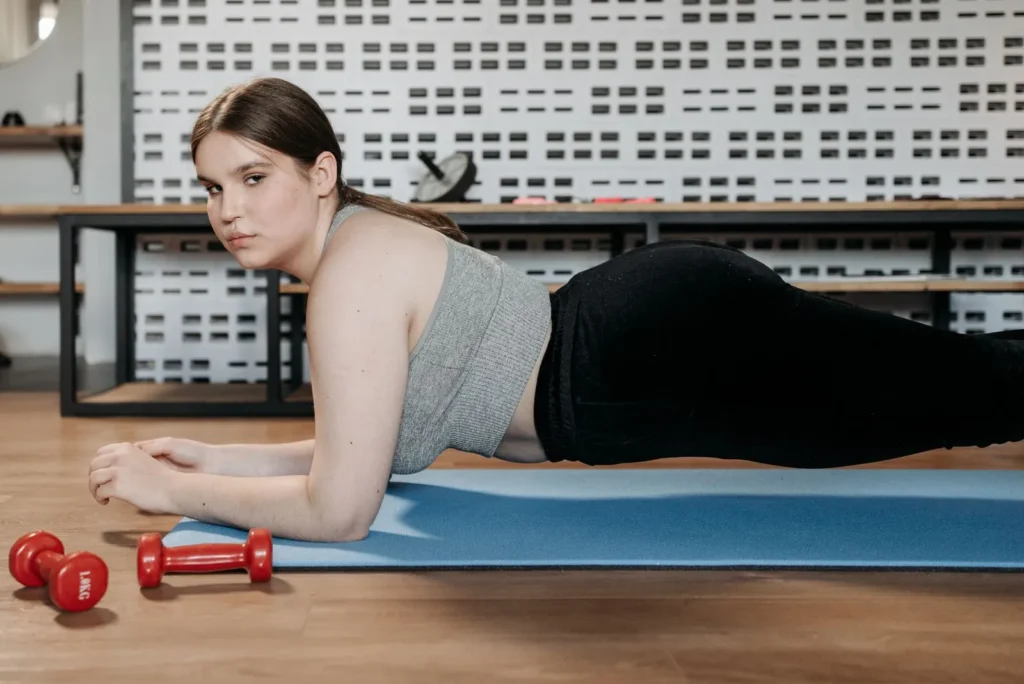
If you are weighing up online yoga classes for weight loss, here is the honest version: they can work, but not in the way most thumbnails promise. Yoga burns fewer calories than running or cycling, it cannot remove fat from your belly or thighs on its own, and results show up over 8 to 12 weeks, not 7 days. What it does well is build a routine you keep, strengthen your muscles, improve sleep and calm the stress eating that undoes good intentions. This guide gives honest numbers, a weekly structure and a simple Indian food plan to pair with it.
Can online yoga classes help you lose weight?
Yes, modestly and indirectly. A 45 to 60 minute flow class burns about 200 to 400 kcal for most adults, while a gentle class burns about 120 to 200. Weight only drops when your weekly food intake sits slightly below what you burn, so yoga helps most when it is paired with steady eating habits.
The calories burned in class are the smaller part of the story. The bigger benefits are indirect. A scheduled class on your screen is easy to repeat four times a week. Strength-based flows build muscle that supports your metabolism over months. Better sleep and lower stress make late-night snacking less likely. For many people, that is exactly what separates a diet that lasts from one that collapses by week three.
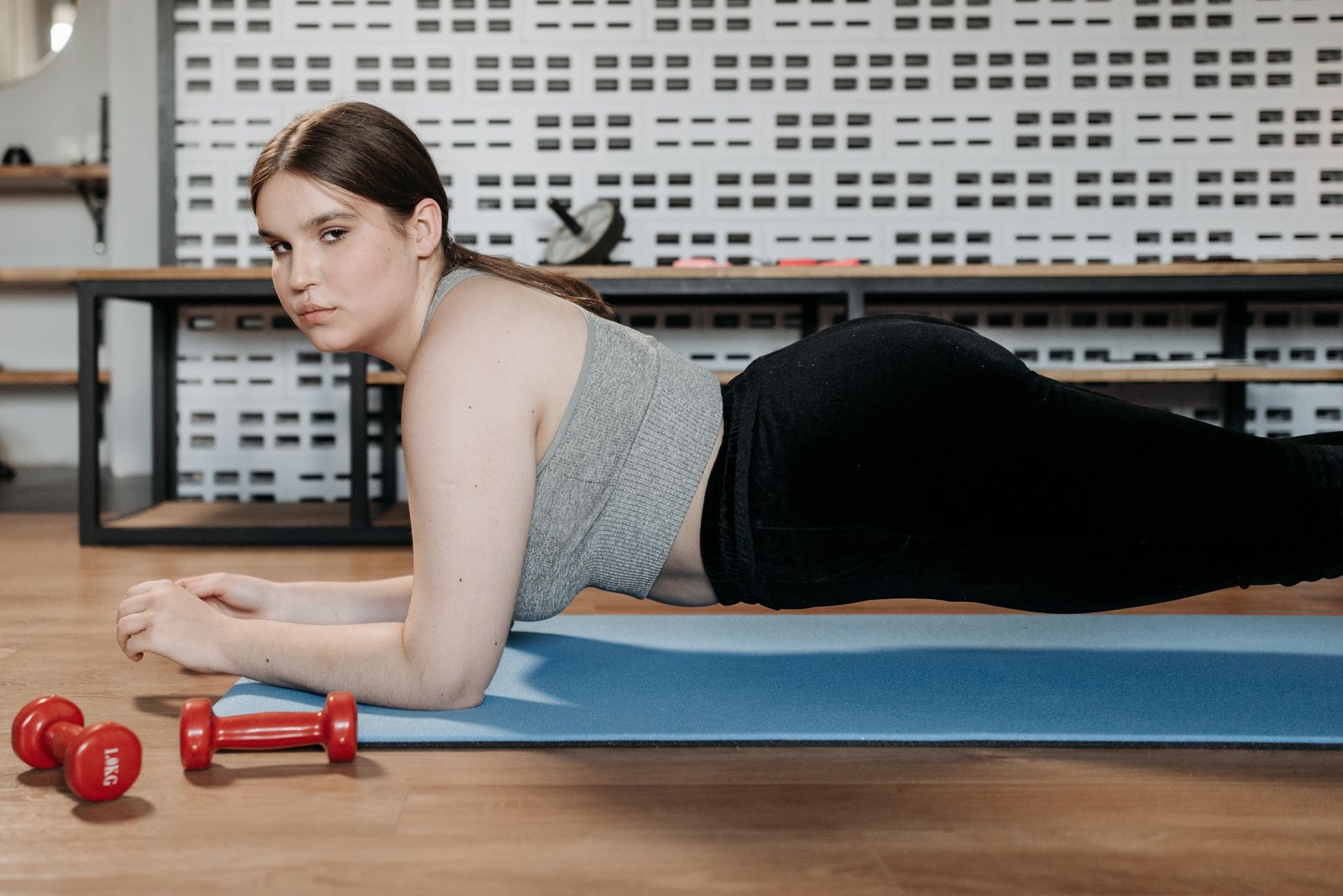
What results can you honestly expect in 12 weeks?
With four sessions a week and moderate changes to eating, many adults lose roughly 2 to 5 kg over 12 weeks, mostly after week four. Some lose less, especially if they were already near a healthy weight. Strength, sleep, energy and how your clothes fit usually improve before the scale does.
- Weeks 1 and 2: mild muscle soreness, a new routine, and little change on the scale. Track sessions completed, not kilos.
- Weeks 3 and 4: flows feel easier, holds get longer, and some people notice better sleep. Measure your waist once.
- Weeks 5 to 8: if food is steady, weight tends to fall roughly 0.25 to 0.5 kg a week. Plank and chair pose get stronger.
- Weeks 9 to 12: a plateau is common. Add a session or lengthen a class by 10 minutes rather than cutting food harder.
These are ranges, not promises. Age, sleep, stress, medical conditions and your starting weight all change the pace. A slower loss that you keep is better than a fast one that returns.
Which styles of online yoga burn the most calories?
Fast, continuous flow styles burn the most. Vinyasa and Power Yoga typically burn about 250 to 400 kcal an hour because the heart rate stays raised. Hatha and Yin burn about 120 to 200 kcal an hour but are valuable for recovery. A mix works best for weight loss.
| Style | Pace | Approx. kcal per 60 min* | Best use in your week |
|---|---|---|---|
| Vinyasa | Continuous flow, breath-linked | 250 to 400 | 2 to 3 sessions, your main calorie burners |
| Power Yoga | Fast, strength-heavy | 250 to 400 | 1 to 2 sessions once you are comfortable |
| Ashtanga | Fixed, demanding sequence | 250 to 400 | Experienced practitioners who like structure |
| Hatha | Moderate, slower transitions | 120 to 200 | Beginners, or a lighter day |
| Yin / restorative | Static holds of 1 to 5 minutes | 100 to 150 | Recovery, sleep, stress control |
*Rough estimates for an adult of about 60 to 75 kg. Heavier bodies burn more, lighter bodies less, and fitness trackers often overstate the number. Use the table to compare styles, not to count calories exactly.
Myth check: spot reduction, hot yoga and “belly fat poses”
Three claims appear in almost every weight loss yoga video, and none of them holds up.
- “This pose burns belly fat.” Your body decides where fat comes off, and no pose targets one area. Core poses strengthen the muscles under the fat, which improves posture and shape, but fat loss happens across the whole body through a modest calorie deficit.
- “Sweating more means more fat burned.” Heavy sweating in a warm room is mostly water loss, and it returns when you drink. Judge a class by effort and consistency, not by how wet your mat is.
- “Twists detox your body.” Your liver and kidneys do that work. Twists can feel good and improve spinal mobility, nothing more.
How should you structure a week of online yoga for weight loss?
Aim for four or five sessions a week: two or three 45 to 60 minute flow classes, one slower class for recovery, and one short strength or walking day, with at least one full rest day. Fix the class times in your calendar so the decision is already made.
| Day | Session | Minutes | Effort (1 to 10) |
|---|---|---|---|
| Monday | Vinyasa flow (live) | 45 to 60 | 6 to 7 |
| Tuesday | Brisk walk or rest | 30 | 3 to 4 |
| Wednesday | Power Yoga | 45 | 7 |
| Thursday | Hatha or Yin, for recovery | 30 to 45 | 3 |
| Friday | Vinyasa flow (live or on-demand) | 45 to 60 | 6 to 7 |
| Saturday | Strength session or long walk | 30 to 45 | 5 to 6 |
| Sunday | Full rest, or 10 minutes of gentle stretching | 0 to 10 | 1 to 2 |
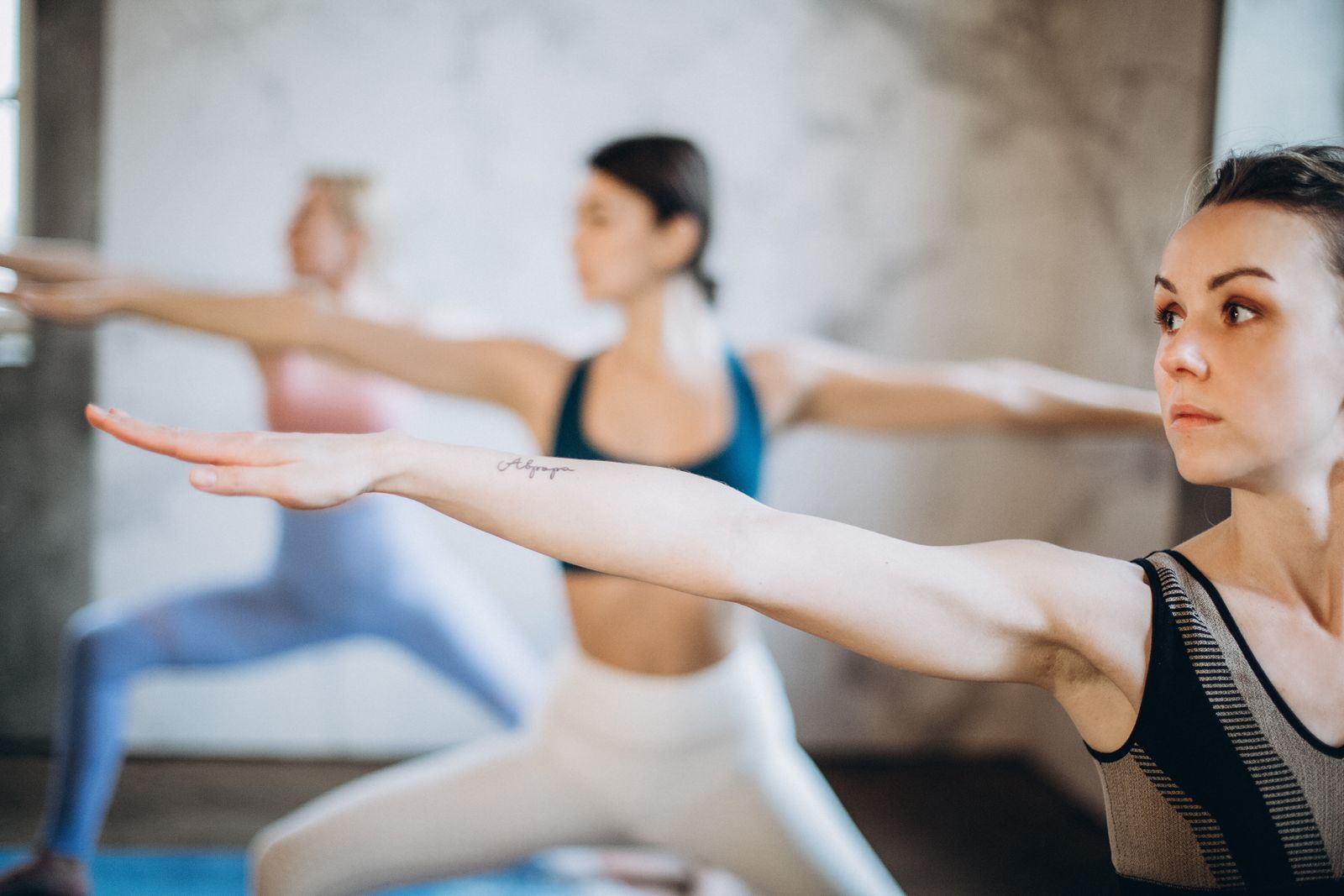
Anchor each class to something you already do: right after you log off work, or straight after your morning chai. If mornings suit you, our guide to morning yoga shows how to build an energising sequence, and a fixed yoga routine saves you from choosing a class every day. Adding two short sessions of resistance training each week tends to speed visible change, because muscle keeps your metabolism and shape in check while you lose fat.
What should you eat around your online yoga classes?
Eat a light snack of about 100 to 150 kcal 45 to 60 minutes before a flow class, and a protein-rich meal within a couple of hours after. Keep the overall cut modest, about 300 to 500 kcal below your usual intake, because crash diets cost muscle and trigger rebound eating.
| Meal | Indian example | Rough kcal | Rough protein |
|---|---|---|---|
| Pre-class (45 to 60 min before) | 1 banana with 5 soaked almonds | About 130 | 2 to 3 g |
| Post-class breakfast | 2 moong dal chillas with 1 katori curd | About 280 | 14 to 16 g |
| Lunch | 1 katori dal, 2 rotis, 1 katori sabzi, salad | About 500 | 18 to 22 g |
| Evening snack | 30 g roasted chana and a cup of buttermilk | About 150 | 8 to 9 g |
| Dinner | 100 g paneer bhurji (or 2 eggs), 1 roti, cooked vegetables | About 400 | 20 to 22 g |
These are examples with approximate values, not a prescription. A common starting target for healthy adults is about 1 g of protein per kg of body weight a day, spread across meals. A one-hour yoga class does not earn a second helping of dinner. Eating back the calories you think you burned is the most common reason weight stays put. Yoga classes are not a diet plan, so if you have a medical condition or a larger goal, speak to a qualified dietitian.
Why is the scale not moving after four weeks?
A four-week stall usually has an ordinary cause: gentle classes only, an inconsistent week, eating back the calories you burned, poor sleep, or water and muscle changes hiding fat loss. Check these before changing your whole plan, and measure your waist before you decide nothing is working.
- You only attend gentle classes. Slow styles are good for stress but burn little. Swap one class a week for Vinyasa.
- Inconsistent weeks. Four sessions one week and none the next stops the habit from compounding. Protect three as your minimum.
- Eating back the burn. Log meals loosely for one week. Most people underestimate snacks and tea with sugar.
- Muscle gain and water shifts. Weight can sit still while your waist shrinks. Measure at the same point every two weeks.
- Poor sleep. Under six hours tends to raise hunger and cut energy for the next class.
- Technique errors. Sloppy alignment leads to soreness and missed weeks. Our list of yoga mistakes to avoid covers the common ones.
Which approach suits beginners, busy people and higher body weights?
Online classes suit most adults because you can start privately at home, but the right starting point differs. Beginners need level labels, heavier bodies need visible modifications, busy people need short sessions, and anyone with a medical condition needs a doctor’s go-ahead first.
- Complete beginners: read how to start yoga first, then pick classes labelled by both level and intensity. A beginner Vinyasa moves much faster than a beginner Hatha.
- Higher body weight: choose instructors who show modifications on camera, such as a knee-supported plank and a lower-impact step back, and build up to faster flows over four to six weeks.
- Busy professionals: 20 to 30 minute flows done daily beat one long class that keeps getting skipped. Our yoga at home guide covers space and gear.
- Women over 40: prioritise strength-based flows and enough protein, since muscle becomes harder to keep with age.
- Medical conditions: if you have a thyroid condition, PCOS, diabetes, high blood pressure, joint problems or are pregnant, check with your doctor before starting an intensive plan. Do not change any medication because of yoga.
Are live classes better than on-demand videos for weight loss?
For most people, yes. A live instructor can raise your pace, correct your alignment and notice when you stop turning up. Aim for two or three live classes a week and fill gaps with on-demand sessions. A video you have watched a dozen times stops challenging you after about a month.
When comparing classes, look for four things: filters by style and intensity, modifications shown on camera, a trial class before you pay, and instructors with a recognised teaching certification. Our comparison of the best online yoga classes explains how options differ on exactly these points. You need a non-slip mat, about 6 by 4 feet of clear floor and a steady connection. Add a towel and a water bottle for flow classes.
If you want a live class with a certified teacher who adjusts the pace to you, try Fitstrot’s online yoga classes for a week and judge the results by your four-week measurements.
Frequently Asked Questions
Is 30 minutes of online yoga a day enough for weight loss?
Thirty minutes of Vinyasa or Power Yoga, four to five days a week, can support weight loss alongside steady eating, because consistency matters more than length. Thirty minutes of Yin or restorative yoga helps stress and flexibility but burns far less, so it will not create a deficit alone.
Which is better for weight loss, Vinyasa or Hatha yoga?
Vinyasa usually burns more per hour, roughly 250 to 400 kcal against 120 to 200 for Hatha, because the flow keeps your heart rate raised. Hatha is easier to learn and gentler on joints. Most people do best combining two or three Vinyasa classes with one Hatha class.
Can online yoga help you lose belly fat?
Not directly. No exercise removes fat from one area. Yoga can support overall fat loss through calories burned, better sleep and less stress eating, while core poses build strength underneath. Visible change around the waist comes from a modest calorie deficit kept for weeks.
Do I need to be flexible to start weight loss yoga classes online?
No. Flexibility improves with practice and is not a requirement. Beginner-labelled classes assume stiff hips, hamstrings and shoulders, and good instructors show easier versions of each pose, so you can take part safely from your first session.
How soon will I notice weight loss from online yoga classes?
Most people notice better energy, sleep and fit of clothes in four to six weeks. Scale changes are usually clearer between weeks six and twelve, and only when food is steady. Results vary, so judge progress by waist measurement and strength as well as weight.


