
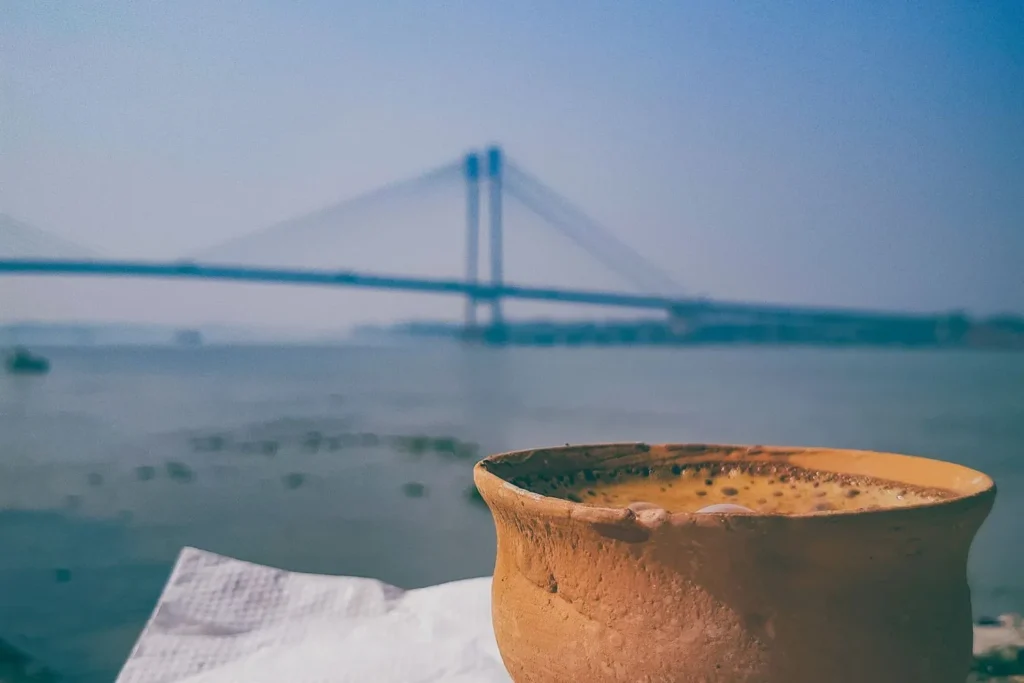
The best healthy evening snacks Indian households can put together in 10 minutes all do one thing: they pair protein or fibre with the 4-6pm chai. Think roasted makhana, sprouts bhel, roasted chana or steamed dhokla. Each lands around 100-180 kcal, against 250-300 kcal for a single samosa. Below you get a swap chart, a five-day plan, portion sizes and fixes for the 5pm cravings that drag people back to the fried plate. The tea was never the problem. What sits beside the cup is.
What makes an evening snack healthy in an Indian routine?
A healthy Indian evening snack is roughly 120-200 kcal, carries at least 5g of protein or a solid dose of fibre, and is baked, roasted, steamed or raw instead of deep-fried. It should bridge the gap between a 1-2pm lunch and an 8-9pm dinner without turning into a second meal.
That long gap is the real reason evening snacking exists. Six to seven hours between lunch and dinner is the longest stretch of an Indian day without food, so energy dips around 4-5pm and the craving for something crunchy and salty is a normal response, not a lack of willpower. The aim is a snack that carries you to dinner so you do not arrive starving.
Three checks cover most decisions: is there protein (chana, moong, paneer, curd, peanuts), is there fibre (sprouts, makhana, vegetables), and is the oil measured in teaspoons, not a kadhai? Pass two of three and it is a sound choice.
Evening snack swap chart: kcal and protein per serving
These figures are rounded estimates for home-made versions. Exact numbers shift with brand, oil and how heavy your hand is with ghee, so treat them as a guide for planning, not a lab report.
| Instead of | Try this | Serving | About kcal | About protein |
|---|---|---|---|---|
| Samosa (1 piece) | Dry-roasted makhana with black salt | 30g (a small bowl) | 100-110 | 3g |
| Pakoras with chutney (6-8) | Moong sprouts bhel | 150g (a medium bowl) | 130-160 | 7-9g |
| Namkeen or bhujia | Masala roasted chana | 30g (a closed fist) | 105-115 | 6g |
| Kachori or mathri | Steamed dhokla (2 medium pieces) | about 80g | 120-150 | 4-5g |
| Packaged chips | Roasted peanuts, unsalted | 25-30g | 140-170 | 6-8g |
| Biscuits with chai | Paneer cubes with chaat masala | 50g | 130-150 | 9g |
| Sweet corn chaat from the stall | Home steamed corn with lemon | 1 medium cob | 100-130 | 3-4g |
| Mithai after chai | Dahi (curd) with fruit | 100g curd + half an apple | 90-110 | 3-4g |
None of these asks you to give up crunch, salt, tang or spice. You change the base, from fried flour to legumes, nuts or seeds, not the flavour you crave.
Myth check: does skipping the evening snack help you lose weight?
For most people, no. Skipping the 4-6pm snack often leads to a bigger, faster dinner or a late-night raid on the kitchen, and the extra calories there usually exceed the 120-200 kcal you saved. A planned snack can lower total intake by taking the edge off dinner hunger.
Three more tea-time myths are worth correcting.
- “Makhana is a zero-calorie food.” It is light, not free. Roasted makhana is roughly 350 kcal per 100g, so a 30g bowl is about 100 kcal, and it climbs fast if you roast it in a tablespoon of ghee or eat it straight from the packet.
- “Anything labelled baked or multigrain is healthy.” Many baked packaged snacks still carry plenty of oil and salt to mimic the fried texture. Read the label for sodium and fat per 100g before trusting the front of the pack.
- “Chai itself is the enemy.” A cup of milk tea with one teaspoon of sugar is roughly 60-90 kcal. That is fine. The trouble starts with three cups of sugary tea plus fried food every single day.
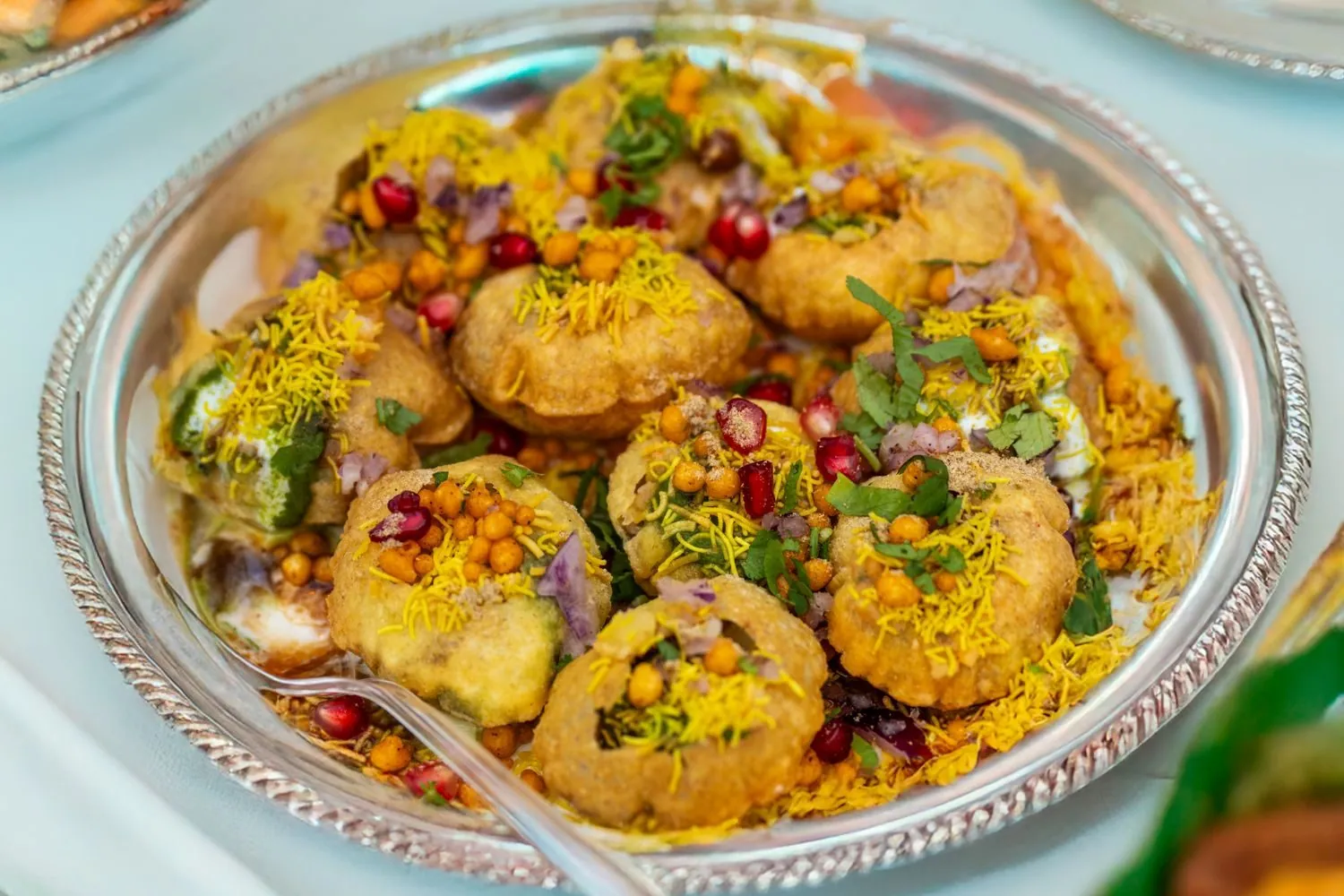
How do you make five quick evening snacks at home?
Each of these takes 15 minutes or less, uses ordinary Indian kitchen staples, and serves one to two people.
1. Roasted makhana chaat
Dry-roast 1 cup of makhana in a heavy pan on low heat for 5-7 minutes, stirring often, until a piece snaps cleanly when pressed. Off the heat, toss with half a teaspoon of ghee, roasted cumin powder, black salt and a pinch of chaat masala.
2. Moong sprouts bhel
Combine 1 cup of boiled or steamed sprouted moong with chopped tomato, onion, cucumber, coriander and green chilli. Add a small handful of murmura (puffed rice) at the end for crunch, then lemon juice and chaat masala. Mix just before eating so the murmura stays crisp.
3. Masala roasted chana
Take dry-roasted chana, add red chilli powder, chaat masala and lemon juice, and eat a closed-fist portion. It is the closest healthy match to namkeen and keeps you full longer.
4. Steamed dhokla
Dhokla is fermented, steamed gram-flour batter, so it is warm, savoury and light on oil. Temper it with a teaspoon of oil, mustard seeds and curry leaves rather than the generous tadka some shops use. Two medium pieces with green chutney make a proper snack.
5. Peanut and jaggery bites
For days when you want something sweet, use a small piece of peanut chikki, about 20g, with your tea. The peanuts bring protein and fat, and jaggery brings quick energy, but jaggery is still sugar, so keep it to a small portion and not a daily habit.
Prepping two of these on Sunday takes away the fried default’s main advantage, convenience. If you are often out at 5pm, our list of healthy snacks on the go has portable versions of the same ideas.
Five-day evening snack plan with portion sizes
A plan removes the 4:55pm decision, which is when most good intentions collapse. Swap days freely.
| Day | Snack | Portion | Pair with | About kcal (snack only) |
|---|---|---|---|---|
| Monday | Moong sprouts bhel | 150g bowl | Chai with 1 tsp sugar or less | 130-160 |
| Tuesday | Roasted makhana chaat | 30g | Plain or lightly sweetened chai | 100-110 |
| Wednesday | Masala roasted chana | 30g | Chai or buttermilk | 105-115 |
| Thursday | Steamed dhokla with green chutney | 2 medium pieces | Chai | 120-150 |
| Friday | Paneer cubes with chaat masala | 50g | Chai and a few cucumber slices | 130-150 |
| Saturday | Dahi with half an apple | 100g curd | Herbal or green tea | 90-110 |
| Sunday | One treat of your choice, shared | 1-2 pieces, eaten slowly | Chai | 250-300 for one samosa |
The Sunday treat is deliberate. A rule that bans fried food forever tends to break within weeks, while a once-a-week samosa fits inside most eating plans.
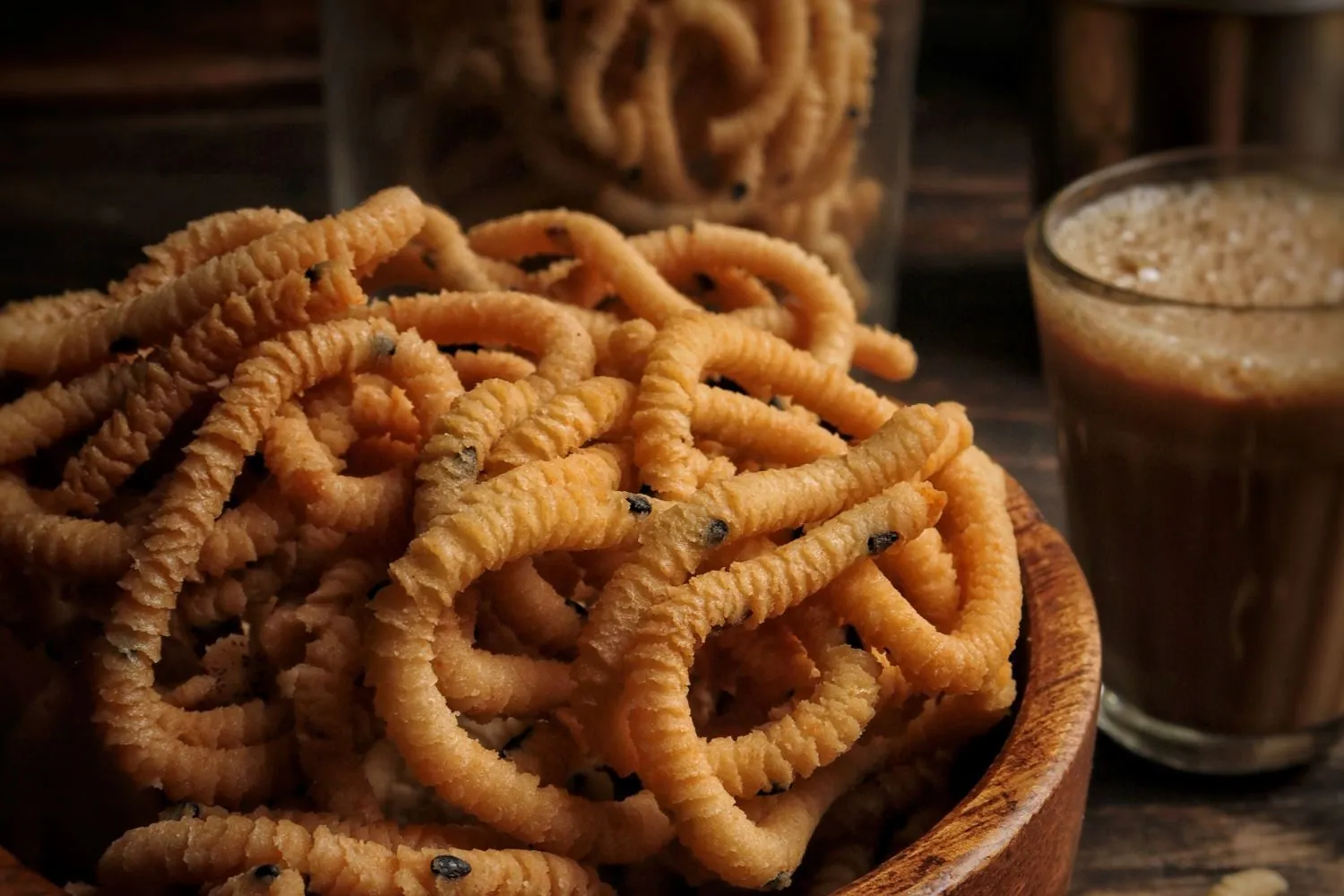
How many calories should an evening snack have?
For most adults, an evening snack of about 120-200 kcal with 5-8g of protein works well. That is roughly 30g of roasted makhana or chana, a 150g bowl of sprouts bhel, or two pieces of dhokla. Active people, teenagers and heavy trainers can go toward the higher end.
If you eat around 1,600-1,800 kcal a day, a 150-kcal snack is under a tenth of your intake. For fat loss, the snack is one piece of a larger pattern: our guide on how to build a healthy plate shows how snacks and main meals fit together, and the Indian diet for weight loss piece covers a full-day structure.
If protein is your main gap, the high-protein snacks list gives more options per serving. If you mostly eat refined flour through the day, the fiber nutrition guide explains why fibre keeps you full and how much to aim for.
Troubleshooting: still hungry, bloated or craving fried food?
Most snack plans fail on small, fixable details. Check this table before deciding healthy snacking does not work for you.
| What is happening | Likely cause | Fix to try for a week |
|---|---|---|
| Hungry again within 45 minutes | Snack was all carbohydrate or too small | Add protein: chana, paneer, curd, peanuts or an egg. Aim for 5-8g. |
| Bloated after sprouts or chana | Portion jumped too quickly or sprouts were raw | Steam or boil sprouts, start with half a bowl, and increase slowly over 1-2 weeks. |
| Craving something fried at 5pm sharp | Habit plus a long lunch-to-dinner gap | Eat the planned snack at 4:30, drink a glass of water first, and keep the fried item out of the house on weekdays. |
| Eating the whole makhana jar | Eating from the packet with no portion limit | Pre-portion into 30g jars or small bowls and put the rest away. |
| Weight not moving despite “healthy” snacks | Extra ghee, jaggery, nuts, or three snacks instead of one | Measure oil and nuts for one week and keep to one planned snack. |
| Snack feels boring | Same flavour every day | Rotate chutneys, chaat masala, lemon, roasted jeera and chilli, not the base food. |
Which evening snacks suit office workers, students and families?
The same swaps work for everyone, but the logistics differ. Here is how to adapt them.
- Office workers. Keep a sealed jar of roasted chana or makhana in your drawer and a small box of cut cucumber and carrot. No kitchen needed.
- Students and hostel residents. Roasted chana, peanuts, a banana or a boiled egg need no cooking. Avoid instant noodles as your daily 5pm default.
- Parents with school-going children. Children need energy as well, so offer sprouts bhel, dhokla, fruit with curd or a small peanut chikki. Treat the snack as a proper mini-meal for a growing child, and do not copy adult portion cuts for them.
- Anyone managing blood sugar. Pair carbohydrates with protein and fibre, and keep sweet chai and jaggery small. If you have diabetes, take your doctor’s or dietitian’s advice on timing and portions, and read our guide to diabetes-friendly snacks for practical ideas.
If you have a medical condition, a food allergy, or you are pregnant or breastfeeding, check any big change with your doctor or registered dietitian first. Nuts, sprouts and dairy suit most people, but not everyone.
Can you still enjoy samosas and pakoras?
Yes. An occasional fried snack fits into a healthy diet, and one samosa of 250-300 kcal once a week will not undo your progress. The pattern matters more than a single plate. Daily deep-fried snacks, often eaten in twos and threes, add up quickly because they feel like “just a snack”.
A few tweaks keep the treat in its place. Share a plate instead of finishing it alone. Eat it first with a glass of water, then your tea. Choose fresh oil rather than oil that has been reheated again and again, because repeatedly heated oil is worth avoiding for reasons beyond calories. And where possible, bake or air-fry mathri, chakli and samosa fillings; you lose a little crunch but cut the oil heavily.
Sustainable habits share three features: snacks pre-portioned once a week, one planned treat, and tea time treated as a real eating occasion. Our overview of healthy snacks for weight loss goes deeper.
Frequently Asked Questions
Is roasted makhana healthier than a samosa?
For most goals, yes. A samosa is deep-fried refined flour at roughly 250-300 kcal with little fibre. A 30g bowl of dry-roasted makhana is about 100 kcal with around 3g protein, and it satisfies the same crunchy, savoury craving. Keep the ghee to half a teaspoon.
Can I still drink chai with healthy evening snacks?
Yes. One cup of milk tea with a teaspoon of sugar is roughly 60-90 kcal and fits easily with any snack in this guide. If you take two or three sweet cups a day, reduce sugar gradually, since sweet tea beside a salty snack is part of what makes it easy to overeat.
How do I stop craving fried snacks at 5pm?
Eat a planned snack with protein or fibre around 4:30pm, drink a glass of water first, and keep fried options out of easy reach on weekdays. Cravings usually fade over two to three weeks of repeating the same routine, because the long afternoon gap stops catching you empty.
Are packaged baked namkeen and chips actually healthier?
Not always. Baked snacks can still be high in sodium and added oil to copy the fried texture. Compare the label per 100g for fat and salt. Home-roasted makhana or chana, where you control the oil and salt, is usually the more reliable choice.
Is sprouts bhel safe to eat every day?
For most healthy adults, yes, if the sprouts are boiled or steamed and your portion is moderate, about 150g. Start with half a bowl if sprouts upset your stomach, and increase slowly. If you have ongoing digestive problems, ask your doctor before making it a daily habit.
The 4-6pm window repeats every day, so small, consistent swaps add up faster than most diet changes. If you want a snack and meal plan built around your goals, food preferences and work schedule, book an online nutritionist consultation and get a week of evening snacks mapped out for you.


