
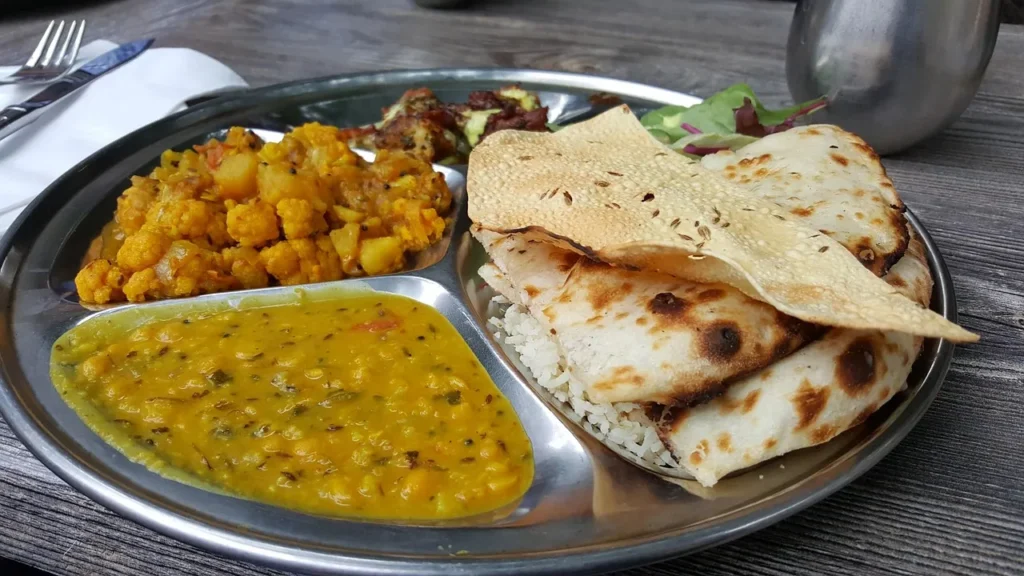
An Indian diet for weight loss does not need quinoa, kale or imported protein powder. It needs your own thali, measured. The failure point for most people in India is not the food — it is the serving spoon, the second helping of rice, the three teaspoons of oil in one sabzi, and a protein intake that sits around 35 g a day when it should sit closer to 75 g. This guide rebuilds the plate region by region — North, South, East and West — with katori-level portions, a 7-day chart you can screenshot, and honest numbers about how fast the scale should actually move.
What does an Indian diet for weight loss actually look like?
A working Indian weight-loss plate is roughly half non-starchy vegetables, one quarter protein (dal, curd, paneer, egg, fish or chicken) and one quarter whole-grain cereal — about 2 rotis or 1 katori of rice, not 4 rotis and 2 katoris. Most Indian adults land between 1,400 and 1,800 kcal a day with 65–90 g protein, losing 0.5–1 kg a week.
That structure is not a Western import. The ICMR-NIN Dietary Guidelines for Indians (2024) put cereals at no more than 45% of total calories, ask for 400 g of vegetables plus 100 g of green leafy vegetables daily, cap cooking oil at 25–30 g a day, and set pulses at 85 g for vegetarians. The typical urban Indian plate inverts this: cereals routinely supply 55–65% of calories, and the dal katori shrinks to a garnish.
The World Health Organization’s healthy diet fact sheet adds the guardrails that matter most in Indian kitchens: at least 400 g of fruit and vegetables a day, free sugars under 10% of energy (ideally under 5%), total fat at or below 30% of energy, and salt under 5 g a day. Sugar and oil are where Indian regional cooking quietly leaks calories — a Gujarati dal with jaggery, a Bengali mishti after dinner, a Punjabi rajma finished with cream.
Your calorie and protein numbers, before you pick any plan
Guessing your target is the fastest route to a plateau. Start from body weight, subtract a deficit, and set protein as a floor you do not go below. Mayo Clinic’s calorie guidance notes that cutting roughly 500 kcal a day from your usual intake produces about half a pound to a pound of loss per week, and that the old “3,500 kcal = 1 pound” arithmetic is an average, not a promise. The NHS sets the same safe band: 0.5 to 1 kg a week.
| Current weight | Women: kcal/day | Men: kcal/day | Protein floor | Expected loss |
|---|---|---|---|---|
| 55–64 kg | 1,300–1,450 | 1,550–1,700 | 60–70 g | 0.4–0.6 kg/week |
| 65–74 kg | 1,400–1,550 | 1,700–1,850 | 70–80 g | 0.5–0.8 kg/week |
| 75–89 kg | 1,500–1,700 | 1,800–2,000 | 80–95 g | 0.6–1.0 kg/week |
| 90–105 kg | 1,650–1,850 | 1,950–2,200 | 95–110 g | 0.8–1.2 kg/week |
Protein is the number Indian plans get wrong most often. Cleveland Clinic’s dietitians point out that protein digests slowly, increases fullness and helps prevent muscle loss while you are in a deficit — which is exactly what a rice-and-roti-dominant diet fails to deliver. Fibre is the second lever: Harvard’s Nutrition Source puts the adult target at 25–35 g of fibre a day, and soluble fibre from dal, chana, oats and vegetables slows digestion and blunts post-meal glucose spikes.
Practical household measures, so you can build a day without an app:
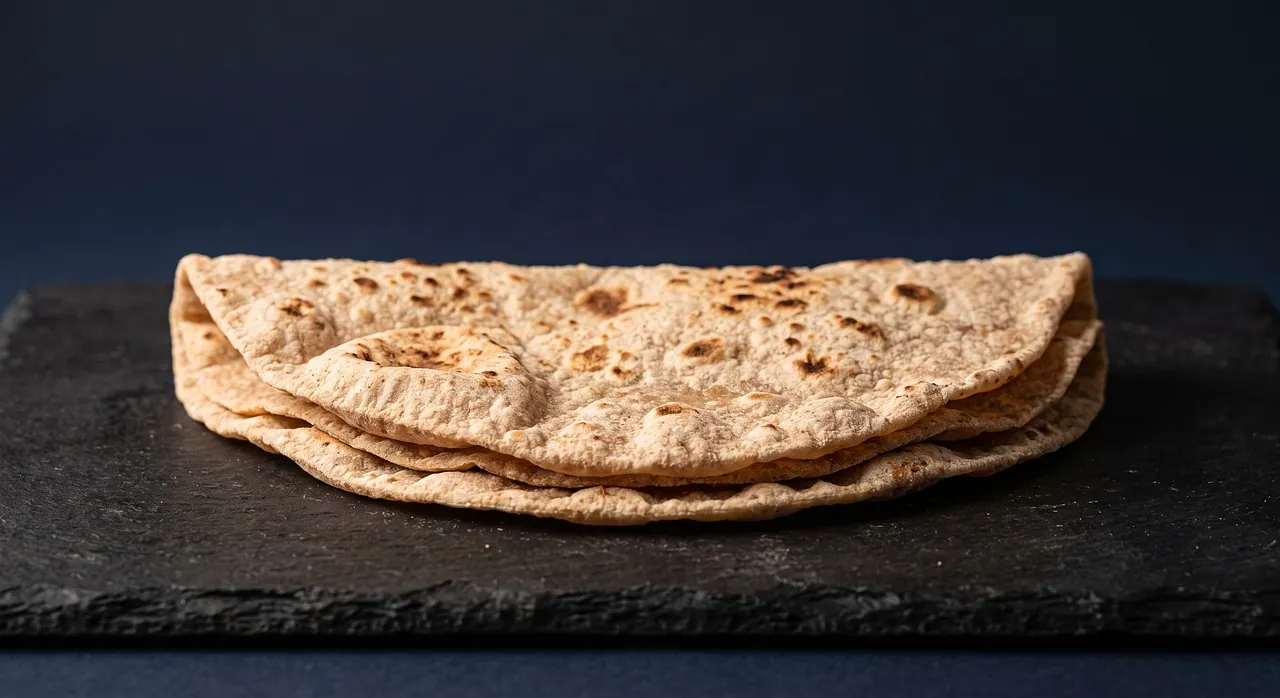
- 1 medium whole-wheat roti from 30 g atta, no ghee — about 105 kcal, 3.5 g protein
- 1 katori cooked rice (100 g cooked) — about 130 kcal, 2.5 g protein
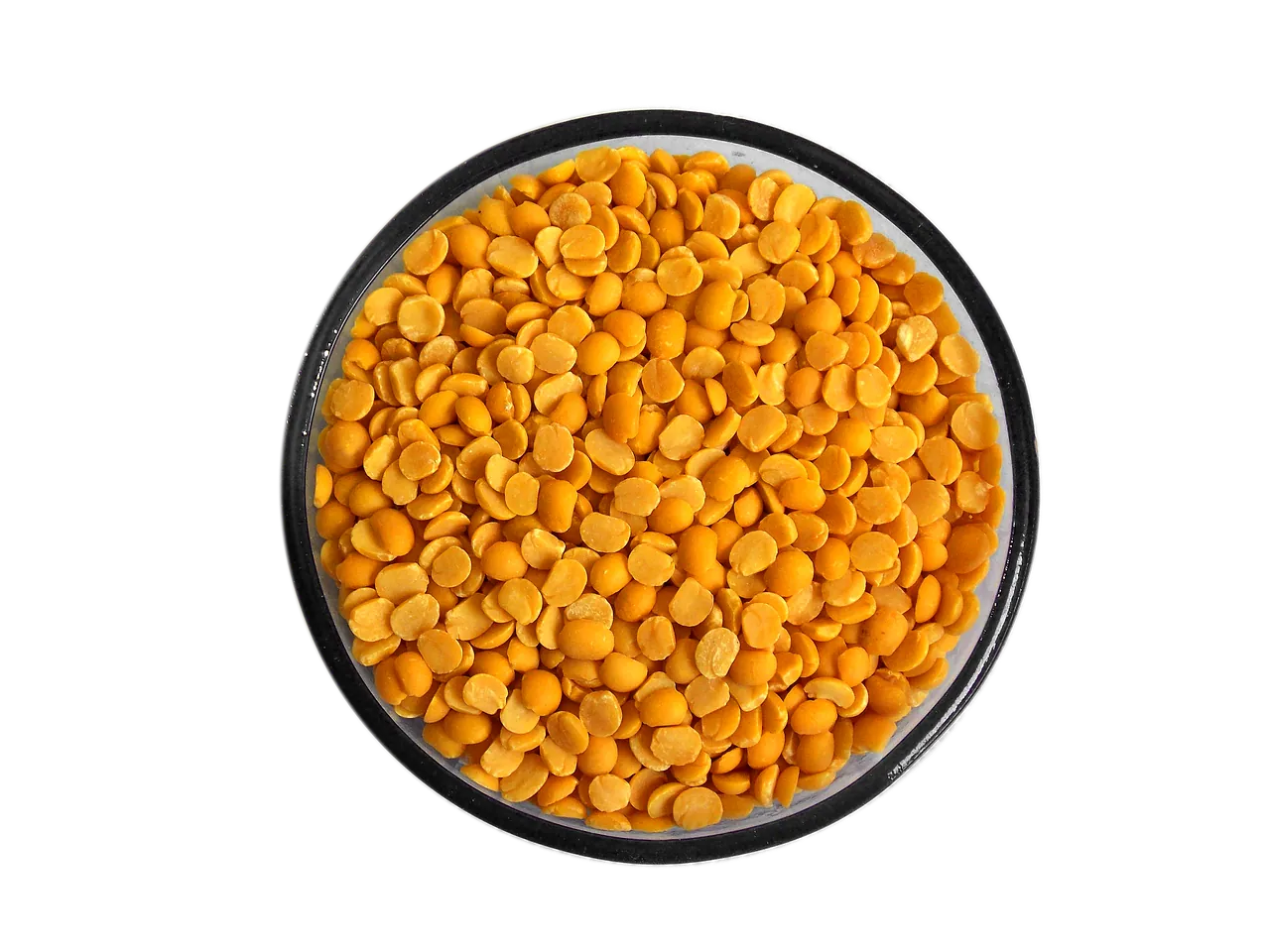
- 1 katori thick dal (150 g) — about 120 kcal, 7 g protein
- 1 katori curd from toned milk (150 g) — about 90 kcal, 5 g protein
- 100 g low-fat paneer — about 180 kcal, 20 g protein
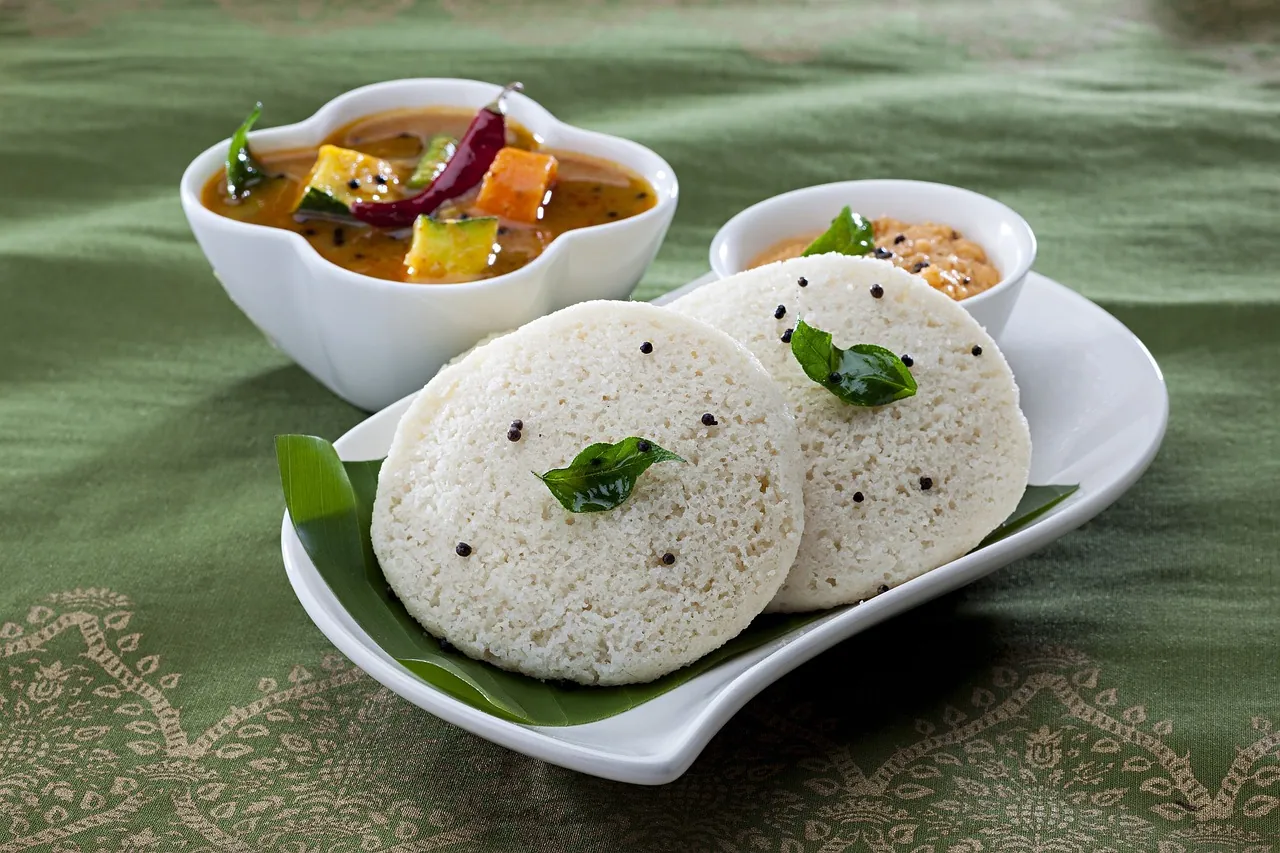
- 2 idli — about 120 kcal, 4 g protein
- 1 whole egg — about 75 kcal, 6.3 g protein
- 100 g cooked chicken breast — about 165 kcal, 31 g protein
- 30 g dry soya chunks — about 100 kcal, 15 g protein
- 1 level teaspoon oil — 45 kcal, every single time
The 7-day Indian diet for weight loss chart
This chart rotates through all four regions so you can see how the same calorie and protein budget works whether you eat bhakri, bhaat, roti or rice. Each day lands near 1,500 kcal with 70 g or more of protein. Scale portions up or down using the table above.
| Day | Region | Breakfast | Lunch | 4 pm | Dinner | Protein |
|---|---|---|---|---|---|---|
| Mon | North | 2 besan chilla + mint chutney | 2 rotis, 1 katori rajma, salad, 1 katori curd | Roasted chana 30 g + chai | Paneer bhurji 100 g + 1 roti + sautéed lauki | ~78 g |
| Tue | South | 3 idli + 1 katori sambar | 1 katori rice, rasam, 100 g fish curry, beans poriyal | Buttermilk + 5 almonds | 2 ragi dosa + coconut-mint chutney (1 tsp oil total) | ~74 g |
| Wed | East | 1 katori muri with chana + curd | 1 katori bhaat, shukto, 120 g rohu jhol | Chhena 50 g, no sugar | Mixed sabzi + 2 rotis + dal | ~76 g |
| Thu | West | 1 cup poha with peanuts + sprouts | 2 bajra bhakri, zunka, kachumber, curd | Khakhra 2 + chai | Matki usal + 1 jowar bhakri | ~70 g |
| Fri | North | 2 eggs + 1 multigrain toast | 2 rotis, palak paneer (1 tsp oil), salad | Sprouts chaat 1 katori | Chicken curry 120 g + 1 katori brown rice | ~92 g |
| Sat | South | 2 adai + sambar | 1 katori curd rice + vegetable kootu + cucumber | Sundal 1 katori | Pesarattu 2 + tomato chutney | ~72 g |
| Sun | Mixed | Oats upma with vegetables + 1 boiled egg | Family meal: 1 katori rice, 1 katori dal, 1 sabzi, curd, salad first | Fruit 1 serving | Soup + grilled paneer or chicken 120 g + salad | ~75 g |
If you are searching for an Indian diet for weight loss in 7 days expecting a dramatic drop, set expectations first: one week at this deficit is worth roughly 0.5–1 kg of real loss, plus 1–2 kg of water and glycogen if you were previously eating high-salt, high-refined-carb food. The water comes back. The fat does not, if you keep going. Claims like 10 kg in one month are not achievable safely for most people, and chasing them costs muscle.
Regional plates: the same rules, four different kitchens
North Indian: fix the fat, not the roti
The North Indian plate is structurally sound — roti, dal, sabzi, curd. What breaks it is added fat and portion creep: ghee on every roti, malai in the gravy, paratha for breakfast, and 4–5 rotis instead of 2–3. Swap cream for whisked curd in gravies, restrict ghee to 1 teaspoon a day, and keep rajma, chole and lobia in the rotation for 9–10 g of protein per katori. A palak-paneer made with 100 g low-fat paneer and 1 teaspoon of oil delivers 20 g of protein for about 225 kcal.
South Indian diet for weight loss
A South Indian diet for weight loss works well once you shift the rice-to-protein ratio. Idli and dosa batter is already a fermented rice-and-urad-dal combination, but a typical restaurant serving is 4–5 idlis with sambar as a dip rather than a dish. Make sambar the main volume — 2 katoris, loaded with drumstick, brinjal and pumpkin — and hold idli at 3.
The bigger lever is swapping some milled rice for millets. A meta-analysis in Frontiers in Nutrition (2021) pooling in-vivo glycaemic index tests found a mean GI of 52.7 for millets versus 71.7 for milled rice and 74.2 for refined wheat. Ragi, foxtail and little millet slot straight into dosa, idli, upma and kanji. Coconut is not the enemy — 2 tablespoons of fresh grated coconut is about 70 kcal — but coconut oil used with a heavy hand is, at 45 kcal per teaspoon.
East Indian: a strong base undone by sugar
Bengali, Odia and Assamese cooking starts from an advantage — steamed rice, light fish jhol, mustard oil, and a genuine habit of eating vegetables such as shukto, begun and jhinge. Freshwater fish like rohu or bhetki gives 19–20 g of protein per 100 g for barely 110 kcal. Two things undo it: the rice portion, which often runs to 2–3 katoris at lunch, and daily mishti. One rosogolla is roughly 150 kcal of almost pure sugar syrup. Cap rice at 1 katori, add a second fish or dal serving, and move sweets to twice a week.
West Indian: watch the frying and the jaggery
Gujarati, Maharashtrian and Rajasthani plates carry excellent weight-loss foods — bajra and jowar bhakri, matki and moong usal, thepla, dhokla, khakhra. The leaks are sugar added to dal and shaak, and farsan fried in deep oil. Steamed dhokla is fine; fried fafda is 350–400 kcal a plate. Bajra bhakri is a genuinely useful swap: it is a whole millet, sits in the low-to-medium GI band, and keeps you full longer than an equivalent weight of refined-flour roti.
Vegetarian Indian diet for weight loss: hitting 70–90 g protein without meat
A vegetarian Indian diet for weight loss can absolutely reach 75–85 g of protein a day, but not by accident. One katori of dal contributes about 7 g. You need four to six deliberate protein anchors spread across the day, not one. ICMR-NIN’s 2024 guidelines set pulses at 85 g a day for vegetarians against 55 g for those who also eat eggs or flesh foods — a 55% increase, for exactly this reason.
| Food | Serving | Protein | Calories | Best slot |
|---|---|---|---|---|
| Soya chunks (dry) | 30 g | 15 g | 100 | Curry, pulao, keema-style |
| Low-fat paneer | 100 g | 20 g | 180 | Dinner, bhurji |
| Greek-style hung curd | 150 g | 13 g | 110 | Evening, raita |
| Sprouted moong | 1 katori (100 g) | 8 g | 105 | 4 pm chaat |
| Rajma / chana, cooked | 1 katori (150 g) | 9–10 g | 160–180 | Lunch |
| Toor / masoor dal, thick | 1 katori (150 g) | 7 g | 120 | Any meal |
| Besan chilla | 2, from 50 g besan | 11 g | 230 | Breakfast |
| Peanuts, roasted | 25 g | 6 g | 145 | Poha, chutney |
| Toned milk | 200 ml | 6.5 g | 115 | Chai, bedtime |
Stack any four of these across a day and you are at 45–55 g before the rotis, rice and vegetables add their share. If you want the full mechanics of spacing protein across meals, our guide to a high-protein diet for weight loss breaks down per-meal targets.
Five simple Indian diet for weight loss recipes under 20 minutes
These Indian diet for weight loss recipes use one pan, everyday ingredients and a measured teaspoon of oil.
- Soya keema (330 kcal, 32 g protein): Soak 50 g soya granules, squeeze dry, sauté with onion, tomato, ginger-garlic and garam masala in 1 tsp oil. Eat with 1 roti.
- Sprouts and peanut chaat (250 kcal, 12 g protein): 1 katori sprouted moong, 15 g roasted peanuts, onion, tomato, cucumber, lemon, chaat masala. No frying, no sev.
- Ragi dosa (195 kcal for two, 6 g protein): Ragi flour, rice flour and curd batter, rested 15 minutes, cooked on a non-stick tawa with ¼ tsp oil per dosa.
- Tawa paneer tikka (230 kcal, 21 g protein): 100 g low-fat paneer marinated in hung curd, red chilli, ajwain and lemon, seared on a hot tawa with 1 tsp oil. Serve with kachumber.
- Vegetable oats upma (280 kcal, 10 g protein): 40 g rolled oats, carrot, beans, peas, curry leaves, mustard seeds, 1 tsp oil, finished with 200 ml toned milk or a boiled egg on the side.
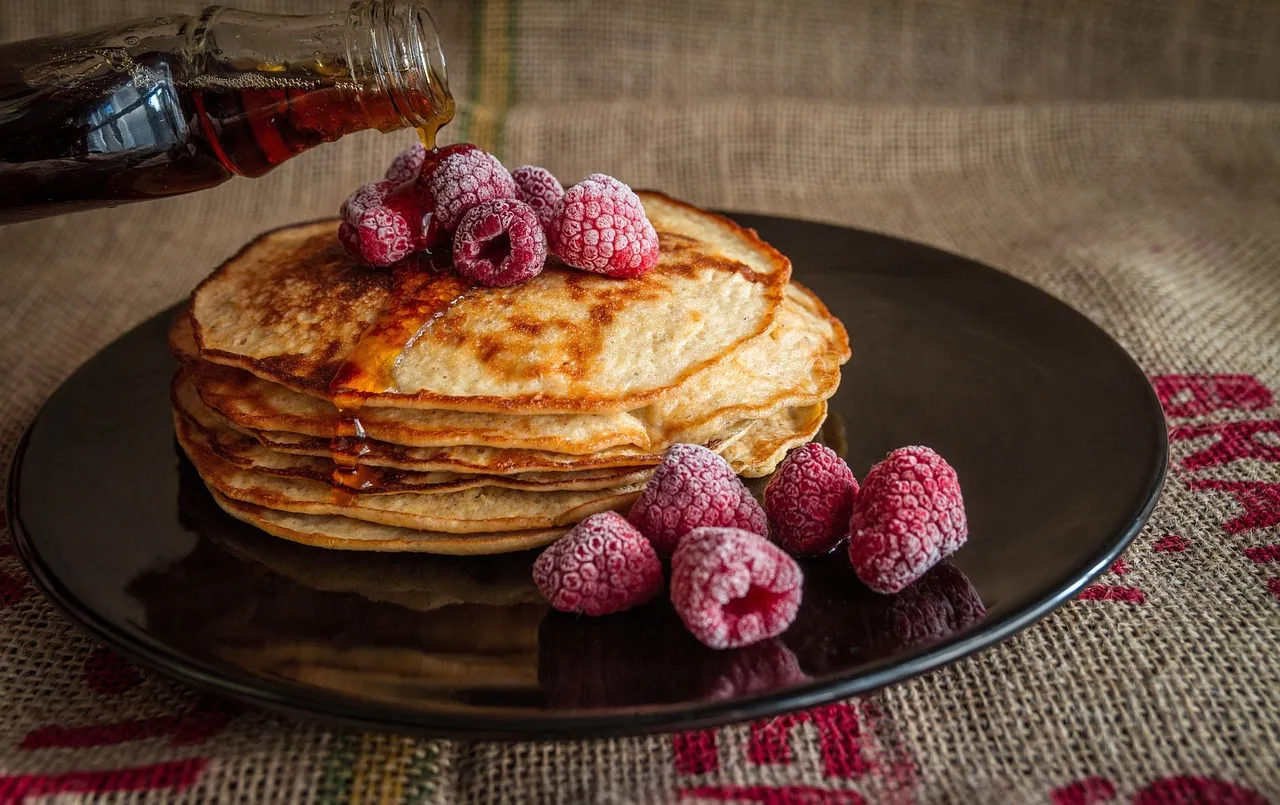
Four myths that keep Indian plates stuck
“Rice makes you fat, roti does not.” Gram for gram, cooked rice is less calorie-dense than roti because of its water content. One katori of cooked rice is about 130 kcal; two rotis are about 210 kcal. Rice is a portion problem, not a rice problem.
“Ghee melts belly fat.” Ghee is 45 kcal per teaspoon, the same as any other fat. It fits inside the 25–30 g daily fat allowance, but no fat burns fat, and spot reduction is not a mechanism.
“Skip dinner and you will lose faster.” What you skip at 8 pm usually returns as unplanned eating the next day, and evening protein is the serving most people can least afford to lose. Total intake and total protein over the week decide the outcome.
“Jeera water, lemon water and green tea burn the fat.” They help with hydration and habit, but the metabolic contribution is negligible. The WHO’s obesity fact sheet is blunt that overweight results from an imbalance between energy intake and energy expenditure — 43% of adults worldwide were overweight in 2022, and no spice water has reversed that.
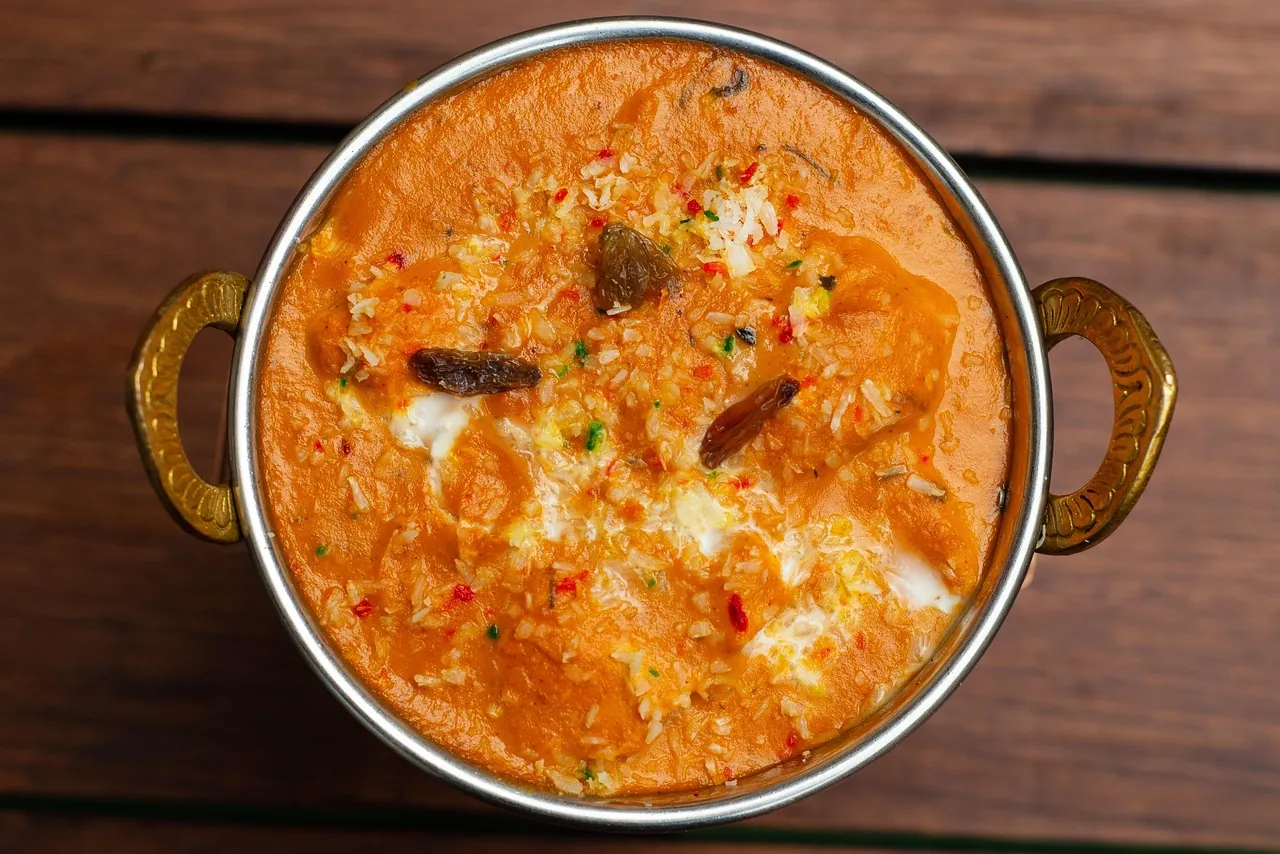
Troubleshooting: three weeks in and the scale has not moved
Before cutting calories further, audit these in order. In most stalled Indian plans the answer sits in the first three rows.
| What is happening | Typical hidden cost | Fix |
|---|---|---|
| Oil poured, not measured | +250–400 kcal/day | One 5 ml spoon per dish; 3–4 tsp total per day |
| Chai with sugar, 4–5 cups | +150–250 kcal/day | Drop to 2 cups, no sugar, toned milk |
| Weekend eating out twice | +1,500–2,500 kcal/week | One meal out; order tandoori/steamed, salad first |
| Protein under 50 g | Hunger, muscle loss | Add one anchor per meal from the table above |
| Under 6 hours of sleep | Higher appetite, poor adherence | Fixed bedtime, no screens 30 min prior |
| Weighing yourself daily | False alarms from water shifts | Weigh weekly, same day, same time, empty stomach |
Note also that BMI alone under-reads risk in Indian bodies. Waist circumference matters independently — above 80 cm for women and 90 cm for men is the widely used Asian-Indian cut-off for abdominal obesity. Mayo Clinic points out that losing just 5% of body weight already lowers risk of heart disease and type 2 diabetes — 4 kg off an 80 kg frame is a real clinical win, not a consolation prize.
Indian diet for weight loss women over 30: what actually changes
Calorie targets run 200–300 kcal lower than men of the same weight, but three other things change. Iron requirement is higher through the reproductive years, so pair dal, ragi and green leafy vegetables with lemon or amla rather than with chai, which inhibits non-haem iron absorption. Calcium needs push milk, curd, ragi and sesame up the priority list. And if you have PCOS or insulin resistance, the millet swap and a fixed protein floor of 1.2–1.5 g per kg of body weight do more than any cleanse.
Perimenopause shifts the picture again: lean mass declines, so resistance training twice a week plus adequate protein protects the metabolic rate that dieting alone erodes. A 1-on-1 personal training block paired with the plan is more effective than dropping to 1,100 kcal, which is where most stalls and binges begin.
What makes a good Indian diet for weight loss — and what makes the best one
A good Indian diet for weight loss is one you can repeat for six months without a shopping list from another country. The best Indian diet for weight loss, for you specifically, is the regional version you already know how to cook, adjusted on four dials: total oil, cereal portion, protein floor and vegetable volume. Everything else is detail.
Judge any plan against this: Does it use your regional staples? Does it name portions in katoris and rotis rather than “moderate”? Does it hit your protein floor? Does it leave room for one social meal a week? Does it avoid promising a fixed kilogram number by a fixed date? A plan that fails the last test is selling, not coaching. The CDC’s guidance is that people who lose weight at a gradual, steady pace of about 1 to 2 pounds a week are the ones who keep it off.
Frequently asked questions
How much weight can I realistically lose on an Indian diet in one month?
Most people lose 2–4 kg in the first month on a 500 kcal daily deficit, with the higher end in the first two weeks because of water and glycogen loss. Steady loss thereafter is 0.5–1 kg a week, which matches NHS and CDC guidance. Losing faster usually means losing muscle.
Is rice allowed in an Indian diet for weight loss?
Yes. One katori of cooked rice is about 130 kcal, less than two rotis. The issue is quantity and what accompanies it. Hold rice at 1–1.5 katoris per meal, pair it with a full katori of dal or sambar plus vegetables, and consider swapping two rice meals a week for millets, which average a glycaemic index of 52.7 against 71.7 for milled rice.
How much protein does a vegetarian Indian diet for weight loss need?
Aim for 1.2–1.5 g per kilogram of body weight — roughly 70–90 g for a 60 kg adult in a deficit. ICMR-NIN recommends 85 g of pulses daily for vegetarians. Reach the target with four anchors a day: dal, curd or paneer, soya or sprouts, and milk or besan.
Can I follow an Indian diet for weight loss in 7 days and see results?
Seven days is enough to lose 0.5–1 kg of fat plus 1–2 kg of water weight, reduce bloating and reset your portion sense. It is not enough to change body composition meaningfully. Treat the 7-day chart as a template you repeat, not a one-week event.
Which is better, a North Indian or South Indian diet for weight loss?
Neither is inherently better. A North Indian plate needs its added fat controlled; a South Indian plate needs its rice portion controlled and its sambar volume raised. Both reach the same calorie and protein target when portions are measured.
Is ghee allowed while losing weight?
Yes, within the ICMR-NIN allowance of 25–30 g of total visible fat per day. One teaspoon is 45 kcal. Ghee does not burn fat, but excluding it entirely makes plans harder to sustain in Indian households.
Do I need to give up chapati at dinner?
No. One to two rotis at dinner alongside a protein serving and vegetables works well for most people. What matters is the day’s total, not the clock. Dropping dinner carbohydrate entirely tends to increase late-night snacking.
Your next step
Pick the region you actually cook in, set your calorie band and protein floor from the first table, and run the 7-day chart twice before changing anything. If you want the plan built around your kitchen, your medical history and your shift timings, book a session with a Fitstrot online dietitian and nutritionist, or pair the diet with structured coaching from an online weight loss trainer so the muscle stays while the fat goes.


