
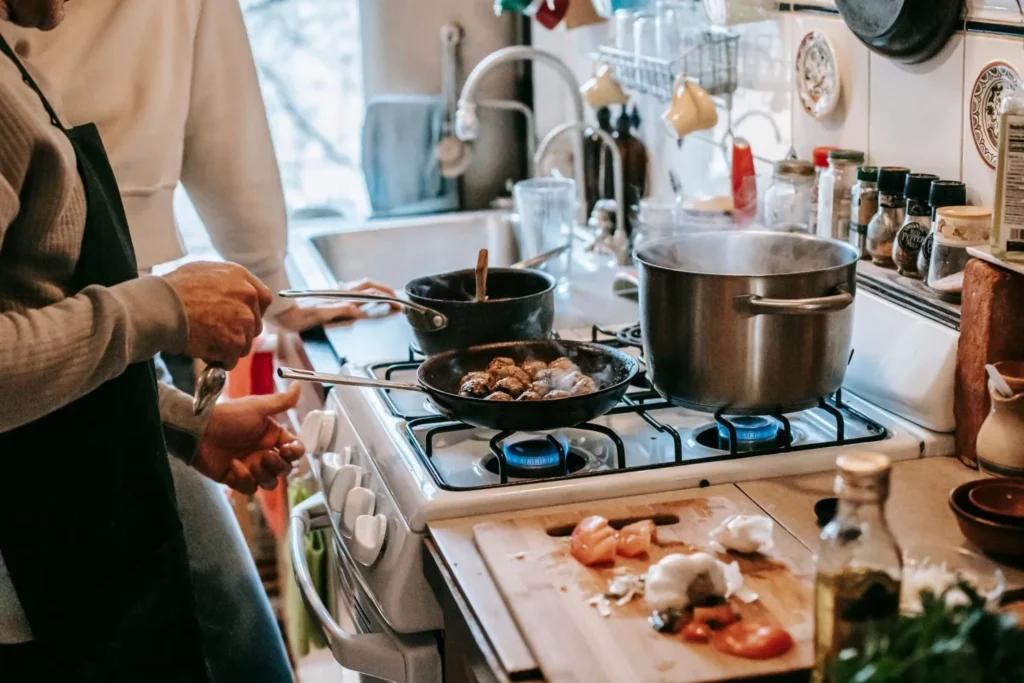
Fertility nutrition means eating in a way that supports ovulation, sperm quality and general health while you try to conceive. It is not a miracle diet, and no food can guarantee a pregnancy. What it can do is give both partners a better-supported starting point. This guide covers what a sensible Indian plate looks like, which foods to lean on, what to limit, and when food is the wrong place to look and a doctor is the right one.
Please read first: this article is general education, not medical advice. If you have a medical condition, take regular medicines, or have been trying for a while without success, speak to your doctor or a fertility specialist before changing your diet or starting any supplement. Never stop or change a prescribed medicine on your own.
What does fertility nutrition actually mean for a couple?
Fertility nutrition is a steady, balanced way of eating that supports hormones, ovulation and sperm quality. In practice it means mostly whole foods: vegetables, fruit, dals, nuts, seeds, whole grains, curd and some fish or eggs, with less fried, sugary and heavily processed food. Benefits build over about three months, and food cannot override a medical cause.
Fertility is not decided by one superfood or one perfect week. It responds, modestly, to what you eat most days over several months. Sperm take roughly three months to develop, and eggs mature over several months before ovulation, so what you eat now feeds cells used later.
It is also a two-person project. A male factor is involved in a sizeable share of couples who struggle to conceive, often put at roughly a third to a half of cases. If your household already follows a balanced routine, our guide to nutritional needs is a good baseline to compare against.
Myth check: what no food or powder can do
Fertility advice travels fast on forums and family WhatsApp groups. A few claims deserve a plain correction.
- “One superfood fixes it.” Papaya, pineapple core, dates, saffron milk or any “fertility powder” will not rescue an underlying problem.
- “Hot” and “cold” foods decide conception. Folk food classifications are tradition, not medicine.
- “Cut all carbs” or “go keto to get ready.” Extreme restriction can disturb periods; swapping refined flour and sugar for whole grains and millets is the safer change.
- “Crash-diet first, then try.” Rapid weight loss and very low calorie intake can switch off ovulation in some women. Gradual, steady change is the safe version.
- “Herbal or Ayurvedic fertility mixes are harmless.” Natural does not mean safe. Some have no reliable evidence and some interact with medicines. Check with your doctor first.
What does a fertility-friendly day of eating look like in India?
A fertility-friendly Indian day has three balanced meals and one or two snacks. Each plate holds vegetables or fruit, a dal, egg, fish or paneer, and whole grains such as roti or millets, with about 30 g of nuts or seeds across the day. Use a little cooking oil, avoid deep-fried food, and keep tea or coffee to one or two cups.
| Meal | Sample plate (both partners) | Why it earns its place |
|---|---|---|
| On waking | Water; 4-5 soaked almonds and 2 walnut halves | Healthy fats and vitamin E from nuts |
| Breakfast | 2 moong dal or besan chillas with grated vegetables, 1 katori curd (about 150 g); or vegetable poha with peanuts and 2 eggs | Protein, folate from dal, steady energy |
| Mid-morning | 1 seasonal fruit such as guava, orange or papaya | Vitamin C and fibre |
| Lunch | 2 rotis (wheat mixed with jowar or bajra), 1 katori dal or rajma (about 150 g cooked), 1 katori sabzi, large salad | Whole grains, plant protein, iron, B vitamins |
| Evening | 30 g roasted chana or makhana, or a small handful of pumpkin and sunflower seeds; tea or coffee, one cup | Zinc, magnesium, fibre; keeps you off fried snacks |
| Dinner | 1-2 rotis or 1 small katori rice, 100-150 g cooked fish, or 2-egg bhurji, or 60-80 g paneer or tofu, plus a green sabzi such as palak or methi | Protein, omega-3s from fish, folate from greens |
This is a template, not a prescription: portions depend on your height, activity and health, and vegetarians can swap fish and eggs for extra dal, paneer, tofu and curd. For how women’s needs shift with life stage, see our guide to women’s nutrition.
Which foods should you lean on, and roughly how much?
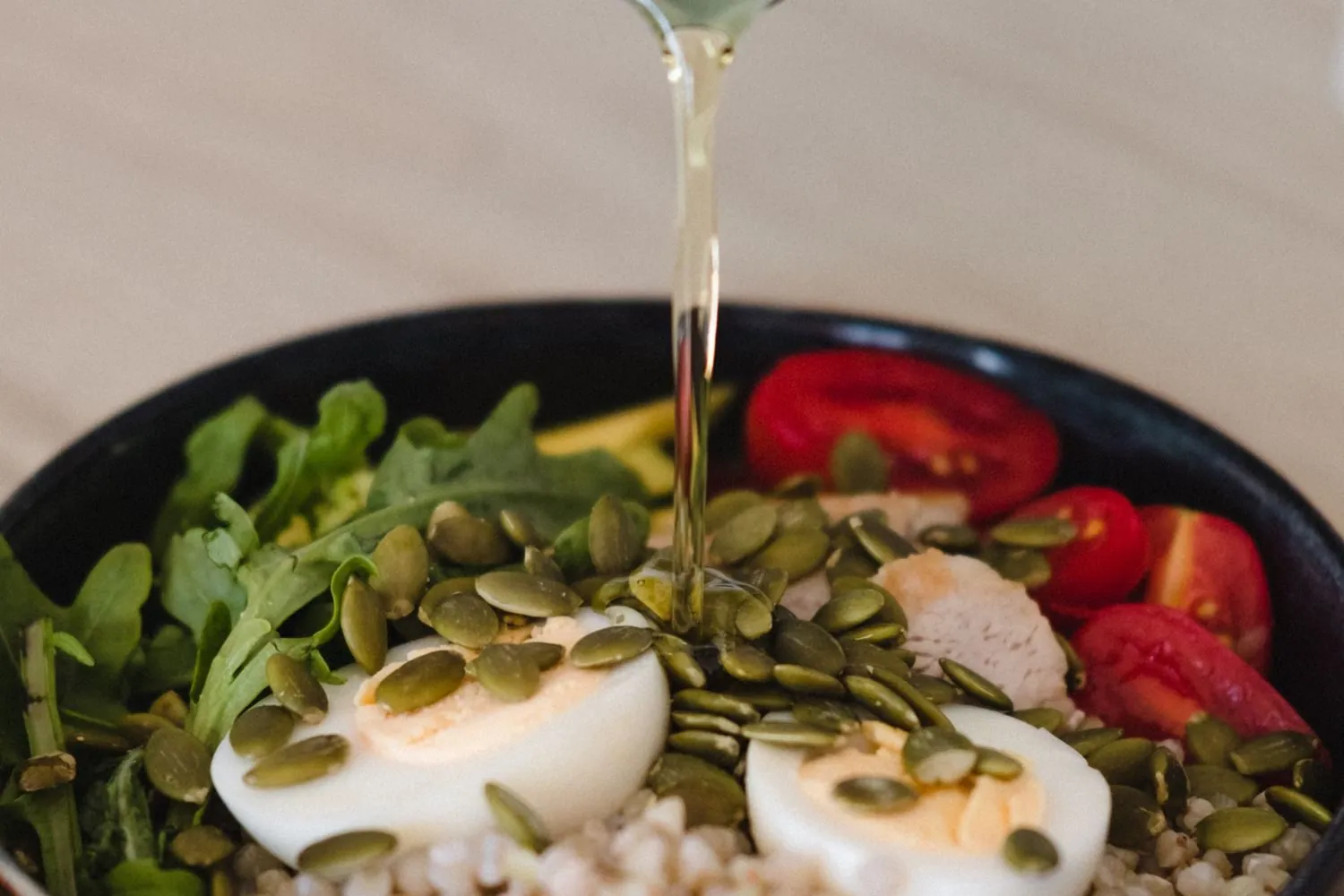
Lean on vegetables (about 300-400 g a day), pulses (1-2 katori cooked), whole grains, a small handful of nuts and seeds (20-30 g), and curd (1-2 katori). Add eggs or fish if you eat them. These amounts are rough starting points for healthy adults, not fixed targets, and your doctor or dietitian can adjust them.
| Food group | Indian examples | Rough daily amount | Useful for |
|---|---|---|---|
| Vegetables, especially leafy greens | Palak, methi, sarson, lauki, carrot, tomato | 300-400 g, with at least one green | Folate, vitamin C, fibre |
| Fruit | Guava, orange, amla, papaya, apple | 1-2 whole fruits | Vitamin C and antioxidants |
| Pulses and legumes | Moong, masoor, rajma, chana, sprouts | 1-2 katori cooked (150-300 g) | Plant protein, iron, folate |
| Whole grains and millets | Whole wheat roti, jowar, bajra, ragi, oats | Make at least half your grains whole | Steadier blood sugar and insulin |
| Nuts and seeds | Almonds, walnuts, pumpkin seeds, flaxseed, til | 20-30 g | Healthy fats, zinc, vitamin E |
| Curd, milk, paneer | Dahi, chaas, paneer | 1-2 katori curd or 50-80 g paneer | Protein, calcium, iodine |
| Eggs and fish (if you eat them) | Eggs, rohu, sardine (mathi), mackerel (bangda) | 1-2 eggs; fish about twice a week | Protein, B12, omega-3 fats |
| Cooking fats | Mustard, groundnut or olive oil; a little ghee | About 4-6 teaspoons in total | Energy and vitamin absorption |
Choose small oily fish such as sardine over large predatory fish like shark or swordfish, which can carry more mercury. Keep deep-fried snacks, bakery items and sugary drinks occasional. And if you are working out how much protein to eat, our article on protein and nutrition explains it in everyday terms.
What should men eat to support sperm health?
Men should build meals around vegetables, fruit, whole grains, dals, nuts, seeds, eggs and fish, which supply zinc, selenium, vitamin C and omega-3 fats. Sperm take roughly three months to develop, so changes show up in semen quality only after about 12 weeks. Cutting alcohol and tobacco matters as much as adding any food.
Good zinc sources are everyday ones: pumpkin seeds, chana, rajma, curd, eggs, nuts and, for non-vegetarians, fish. Citrus, guava, amla and colourful vegetables add vitamin C. Our guides to zinc nutrition and vitamin nutrition go deeper.
Be cautious with pills. “Male fertility boosters” sold online often contain high doses of several antioxidants and herbs; more is not better, and some may harm sperm or interact with medicines. If a man is worried, the sensible first step is a semen analysis arranged through a doctor, not a shopping cart.
Should you take folic acid or a prenatal vitamin before conception?
Many doctors advise women to start folic acid before they begin trying, because the baby’s neural tube forms in the first weeks, often before a pregnancy is confirmed. The right dose and duration depend on your health history, so take folic acid as advised by your doctor rather than choosing a product and amount yourself.
Dals, green leafy vegetables and citrus fruit supply natural folate, but doctors commonly add a supplement because food alone is hard to rely on. Some situations, such as a previous pregnancy affected by a neural tube defect, diabetes or certain epilepsy medicines, call for a different plan. Those decisions belong to your doctor.
Other nutrients worth discussing at a preconception check-up include iron, vitamin B12 (particularly if you are vegetarian or vegan) and vitamin D, which are commonly low in many Indian adults. After conception, see our guides to pregnancy nutrition and nutrition for pregnant women.
How much caffeine, alcohol and tobacco is okay while trying to conceive?
Moderate caffeine, such as one to two cups of tea or coffee a day, is generally considered acceptable while trying to conceive, while heavy intake is best avoided. Alcohol has no clearly established safe level when trying for a baby, so many doctors advise cutting down or stopping. Smoking and chewing tobacco can harm both egg and sperm quality.
- Caffeine: count tea, coffee, cola and energy drinks together; sugary chai several times a day adds up fast.
- Alcohol: it can interfere with ovulation and with male hormone levels. The cautious approach is to cut back sharply or stop, together as a couple.
- Tobacco: cigarettes, bidis, hookah, gutka and paan masala with tobacco are all worth quitting. Ask your doctor about quitting support.
Does body weight, exercise or stress change anything?
Both very low and very high body weight can disrupt ovulation and affect sperm quality, so aim for a steady, healthy weight rather than a crash diet. Moderate activity, such as 30 minutes of brisk walking, yoga or dance on most days, is generally supportive, while extreme training on too little food can stop periods.
If you do need to lose weight before conceiving, do it gradually and with guidance, not through a crash plan. A weight loss trainer can build a paced routine around your schedule. For stress, which is common and understandable when conception is taking time, gentle movement and breathing practices from online yoga classes are a reasonable support. Treat them as helpful habits, not a treatment.
What if you are eating well and still not conceiving?
Good eating does not rule out medical causes such as ovulation problems, blocked tubes, low sperm count or thyroid disorders, which food cannot fix. See a doctor after 12 months of trying if the woman is under 35, after 6 months if she is 35 or older, and sooner with irregular periods, known conditions or previous pelvic surgery.
See your doctor or a fertility specialist if any of these apply. You need not wait a full year in every case, and you should go as a couple, because testing usually involves both partners. Do not keep tightening your diet to fix something that needs a medical test.
| Your situation | Suggested step |
|---|---|
| Woman under 35, regular unprotected intercourse for 12 months | See a gynaecologist or fertility specialist; both partners get assessed |
| Woman 35 or older, trying for 6 months | See a specialist now rather than waiting longer |
| Woman around 40 or above | Consult early, ideally before or at the start of trying |
| Very irregular, missing or very painful periods; known PCOS, endometriosis, thyroid disorder or diabetes | Speak to your doctor before or early in trying; follow their food and medicine advice |
| Man with past testicular injury or surgery, erection or ejaculation problems, or a known low count | Semen analysis and a consultation with a urologist or andrologist |
| Either partner on regular medicines | Ask the prescribing doctor before conceiving; never adjust medicine yourself |
If a thyroid condition is part of your picture, our article on thyroid and nutrition explains how food and treatment fit together. PCOS is common in India and often manageable with medical guidance. Fertility trouble is not a failure of effort, and it is not anyone’s fault.
Frequently Asked Questions
How long before trying to conceive should we change our diet?
About three months is a sensible lead time, because sperm take roughly that long to develop and eggs mature over several months. Start with small, steady changes, and ask your doctor when to begin folic acid.
Does a man’s diet matter as much as a woman’s?
Both matter. A male factor is involved in a sizeable share of couples who have difficulty conceiving, often put at roughly 30-50 percent. Food, alcohol, tobacco, weight and sleep all influence sperm quality, so couples do best when both partners change habits together.
Is it safe to have tea or coffee while trying to conceive?
One to two cups of tea or coffee a day is generally considered acceptable. Heavy intake is best avoided, and that includes cola and energy drinks. If you are unsure about your own limit, especially with a health condition, ask your doctor.
Are fertility supplements or herbal powders worth buying?
Not without medical advice. No supplement can guarantee conception, many have thin evidence, and high doses of some antioxidants or herbs may do more harm than good. Build your plate first, then take only what your doctor recommends after any needed tests.
Can vegetarians eat for fertility without fish or eggs?
Yes. Dals, rajma, chana, paneer, curd, tofu, nuts and seeds provide protein, zinc and healthy fats, and flaxseed and walnuts add plant omega-3s. Vegetarians and vegans should ask their doctor about checking vitamin B12 and iron, which are easy to miss.
Want a food plan that fits your health history and your family’s kitchen? Book an online nutritionist consultation with Fitstrot and bring your partner along.


